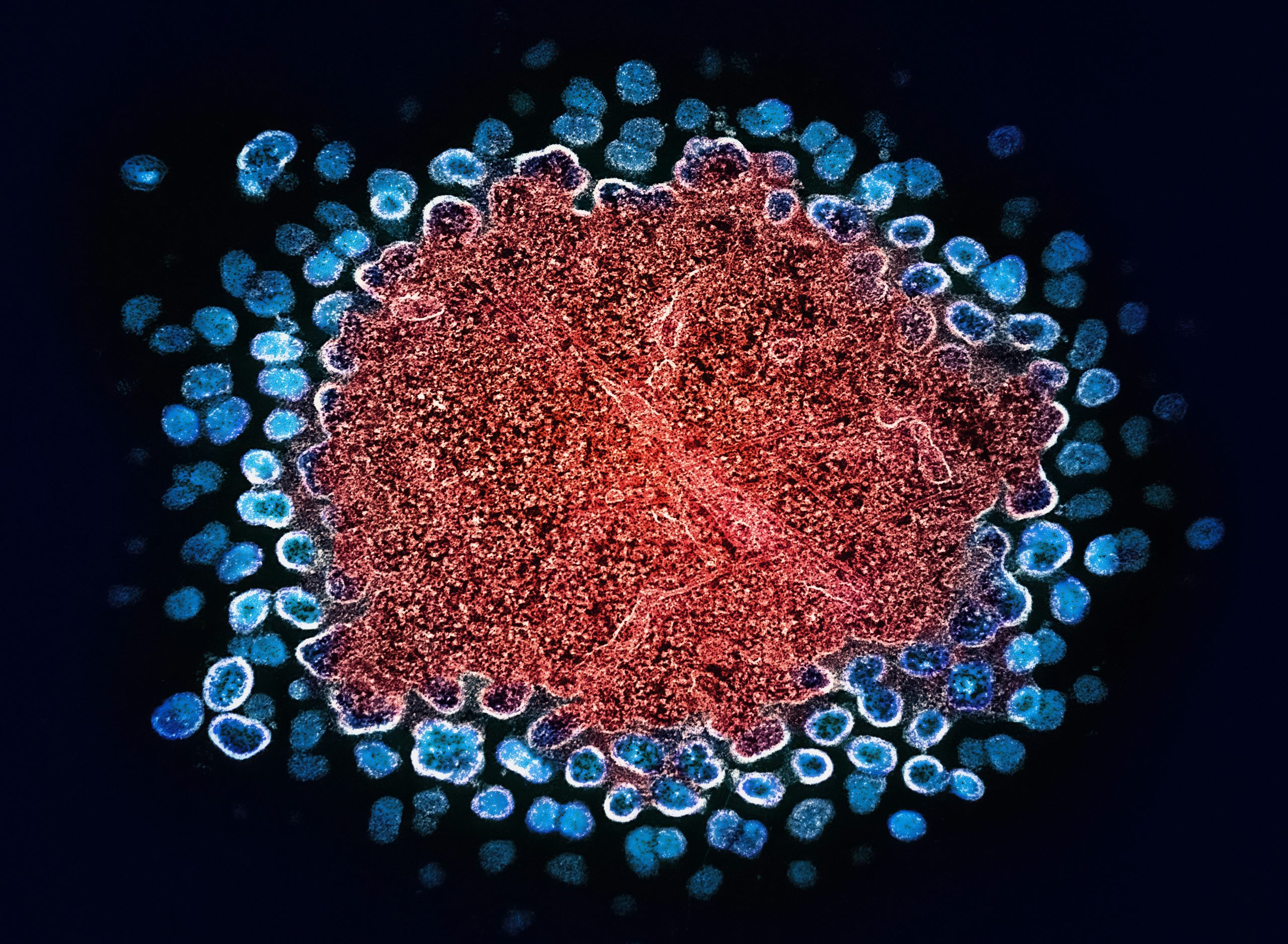
In a recent announcement by the National Council for HIV and AIDS (CONAVIHSIDA), it was revealed that approximately 87,000 individuals in the Dominican Republic are currently living with HIV. Among these, 79,810 have been formally diagnosed, 56,503 are undergoing antiretroviral treatment, and an encouraging 49,517 have achieved a suppressed or undetectable viral load. CONAVIHSIDA emphasized that individuals with an undetectable viral load are incapable of transmitting the virus, highlighting the critical need to safeguard their fundamental rights, including access to employment, healthcare, and education without facing discrimination. National data further indicates that the Dominican Republic has achieved a 13% reduction in new HIV infections and a 59% decline in AIDS-related deaths by 2024. These advancements are attributed to the successful implementation of comprehensive prevention, treatment, and awareness policies as part of the country’s ongoing HIV response strategy.
作者: admin
-

Security : Donation of 90 Kawasaki motorcycles and logistical equipment to the PNH
In a significant move to enhance Haiti’s law enforcement capabilities, the Organization of American States (OAS), in collaboration with the Canadian government, has donated 90 Kawasaki motorcycles and essential logistical equipment to the Haitian National Police (PNH). The donation, comprising Kawasaki KLX 300 and KLR 650 models, aims to bolster police deployment in operations against armed gangs, which have been a persistent threat to the nation’s security. The handover ceremony also served as a platform for discussions between Cristobal Dupouy, the OAS Secretary General’s Representative in Haiti, and Vladimir Paraison, the Acting Director General of the PNH. Key topics included structural reforms, modernization of police operations, and improvements in officers’ social benefits. This initiative is part of a broader international effort to support Haiti’s fight against violence, with contributions from the United Nations, Canada, the United States, France, and Taiwan. Earlier this year, the PNH also received armored vehicles and personal protective equipment, further strengthening their operational capacity.
-
“We must give our all for Venezuela”
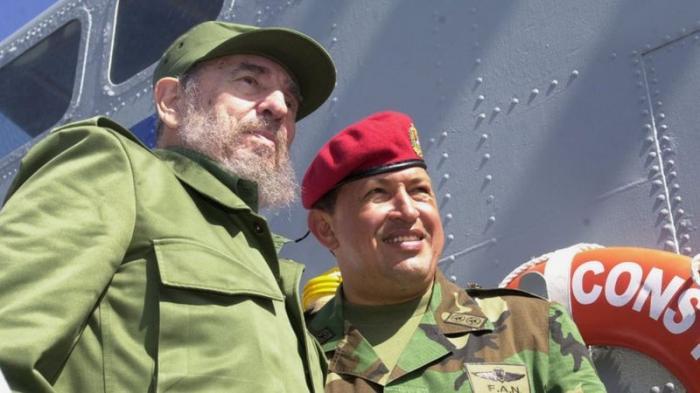
In a powerful display of unity, Cuba has reaffirmed its unwavering support for Venezuela, a nation currently facing significant military pressure from the United States. Miguel Díaz-Canel Bermúdez, First Secretary of the Central Committee of the Communist Party of Cuba and President of the Republic, expressed solidarity with Venezuela and its President, Nicolás Maduro, during a public statement on X. He emphasized that Venezuela, the homeland of Simón Bolívar and Hugo Chávez, will not stand alone amidst the escalating tensions. Díaz-Canel condemned the US military deployment, which includes approximately 1,200 missiles, as well as covert CIA operations targeting Venezuela. He invoked the words of Cuban national hero José Martí, who famously declared, ‘Give me Venezuela to serve, she has a son in me,’ and echoed Fidel Castro’s sentiment that ‘For Venezuela, we must give our all.’ The Cuban people have also demonstrated their solidarity, gathering at the equestrian statue of Simón Bolívar to express their support. Díaz-Canel further quoted Bolívar, who once warned that the United States ‘seems destined by Providence to plague America with misery in the name of freedom.’ This statement underscores Cuba’s commitment to defending Venezuela against external aggression and its broader critique of US interventionism in Latin America.
-

Granma Rebelde: a festival of challenges, alternatives, and shared dreams
The Granma Rebelde International Festival commenced today at the Estación Cultural de Línea y 18 in Havana, marking a significant milestone in Cuban journalism. This year’s festival celebrates the 60th anniversary of two iconic Cuban publications, Granma and Juventud Rebelde, both founded by the late Commander-in-Chief Fidel Castro Ruz. Running until October 19, the event features a dynamic blend of exhibitions, theoretical discussions, book presentations, and cultural performances, attracting delegations from over 30 countries. Organized by the Communist Party of Cuba and the Union of Young Communists, the festival emphasizes counter-hegemonic communication, advocating for equality, sovereignty, and social justice. A highlight of the program is the panel ‘Fidel in the Press: The Leader Who Wrote His Own History,’ moderated by renowned journalist Katiuska Blanco, which explores Castro’s contributions to Cuban journalism. The festival also includes performances by acclaimed artists and the celebrated children’s theater group La Colmenita, alongside discussions on global cooperation and social change. Open to the public, the event aims to foster dialogue between journalists, intellectuals, and the community, reflecting on six decades of Cuban media and revolutionary ideals.
-

“We are defending the great homeland that is humanity”
On Thursday, October 17, 2025, a pivotal meeting took place at Casa de las Américas in Havana, marking the launch of a new phase for the Network of Artists and Intellectuals in Defense of Humanity. Established in 2003 by Commanders Fidel Castro Ruz and Hugo Chávez Frías, the Network aims to unite left-wing thinkers globally to counter neo-fascism and imperialist threats. Cuban President Miguel Díaz-Canel Bermúdez, alongside prominent intellectuals and activists, emphasized the urgency of defending humanist values and fostering solidarity in the face of global challenges. The meeting, held in the Che Guevara Room, lasted nearly four hours and focused on revitalizing the Network’s mission. Díaz-Canel highlighted the need for unity among leftist movements, particularly in Latin America, to resist military and ideological aggression. He also condemned the ongoing crisis in Gaza and the media attacks against Venezuelan President Nicolás Maduro. The newly elected general coordinator of the Network, Miguel Pérez Pirela, echoed these sentiments, stressing the importance of ideas, beauty, and solidarity in combating barbarism. The event also featured contributions from Cuban and international intellectuals, who discussed the role of culture, science, and ethics in shaping a progressive future. The gathering underscored the Network’s commitment to fostering critical thinking, digital literacy, and revolutionary praxis as tools for social transformation.
-
Prison chief: More teens in Dodds Prison for serious crimes as average inmates’ age falls
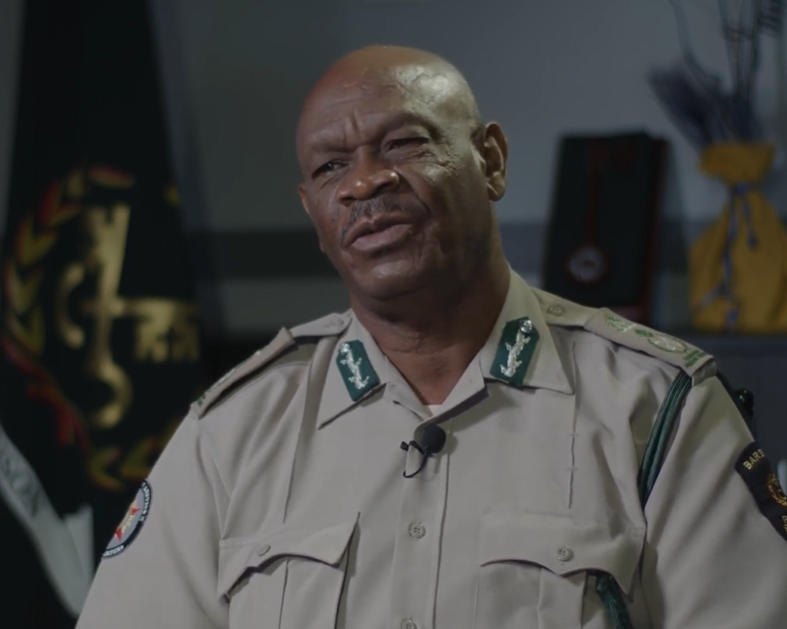
Barbados is grappling with a troubling surge in youth crime, as highlighted by Superintendent of Prisons DeCarlo Payne in a recent interview with Barbados TODAY. Payne revealed that the age of convicted inmates is steadily decreasing, with more young males aged 15 to 25 being incarcerated for serious and violent crimes, particularly those involving firearms. He described this as a deeply concerning trend that reflects broader societal issues requiring a unified national response. Payne emphasized that the prison system is witnessing inmates as young as 15 or 16, with crimes becoming increasingly violent and often linked to robberies and gun-related offenses. Criminologist Kirk Alleyne echoed these concerns, noting a disturbing shift in behavior among youth, where violence is increasingly used to resolve interpersonal disputes rather than dialogue or mediation. Alleyne’s July report, ‘Confronting Violent Crime in Barbados,’ highlighted that retaliatory violence and escalation have become normalized. He also pointed to the growing accessibility of firearms to juveniles, which significantly increases their involvement in serious crimes such as armed robberies and shootings. Alleyne further warned of the evolution of gang activity, with informal street groups transforming into well-organized criminal networks resembling corporations. Barbados has recorded 34 homicides this year, with 31 occurring by the end of July. Despite these challenges, the Barbados Prison Service is implementing rehabilitative programs for both remanded and sentenced individuals, focusing on religious services, anger management, drug counseling, and vocational training. These initiatives aim to reduce reoffending and prepare young offenders for reintegration into society.
-
Government to Buy Fortis’ Hydro Plants and BEL Stake
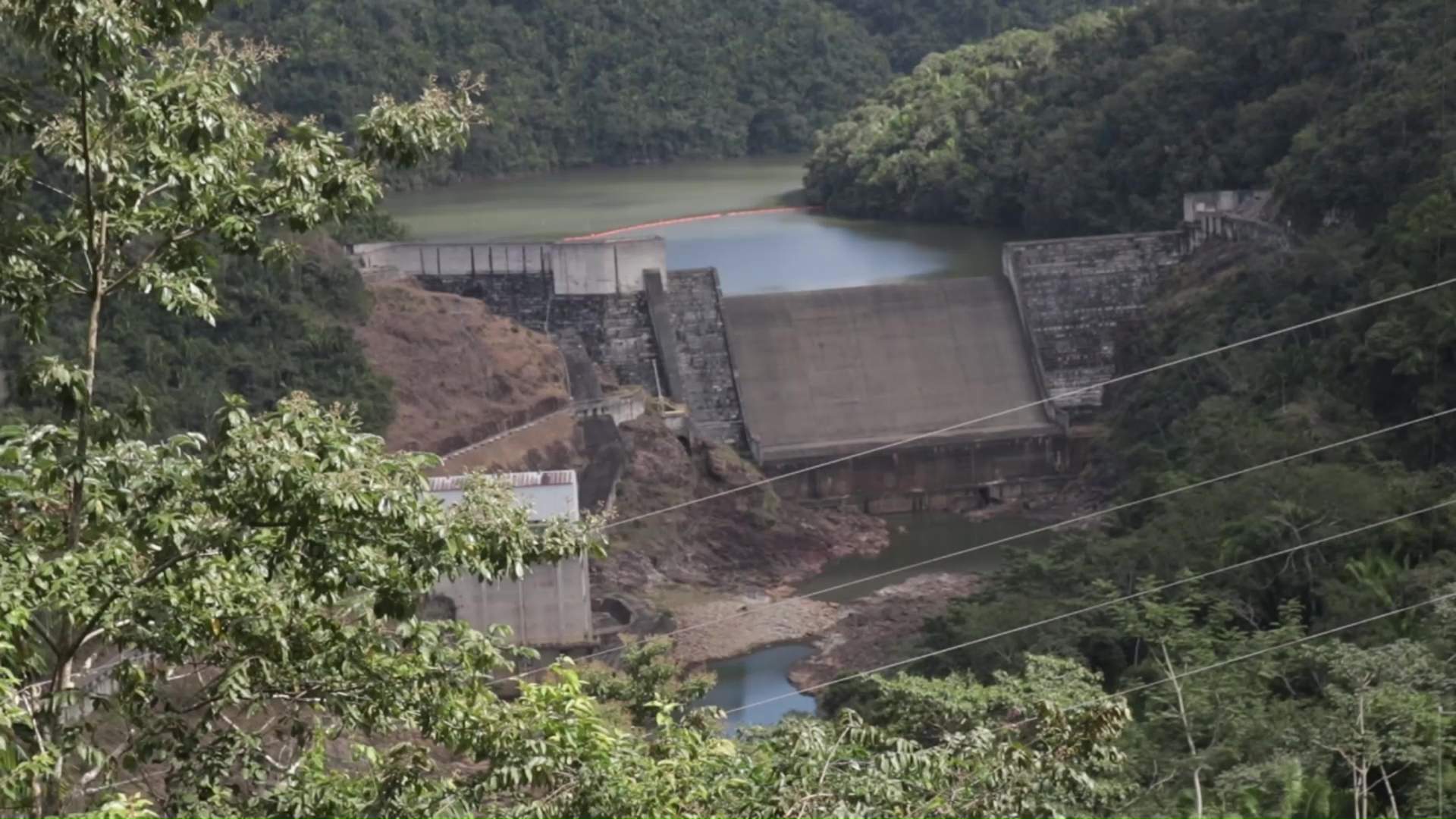
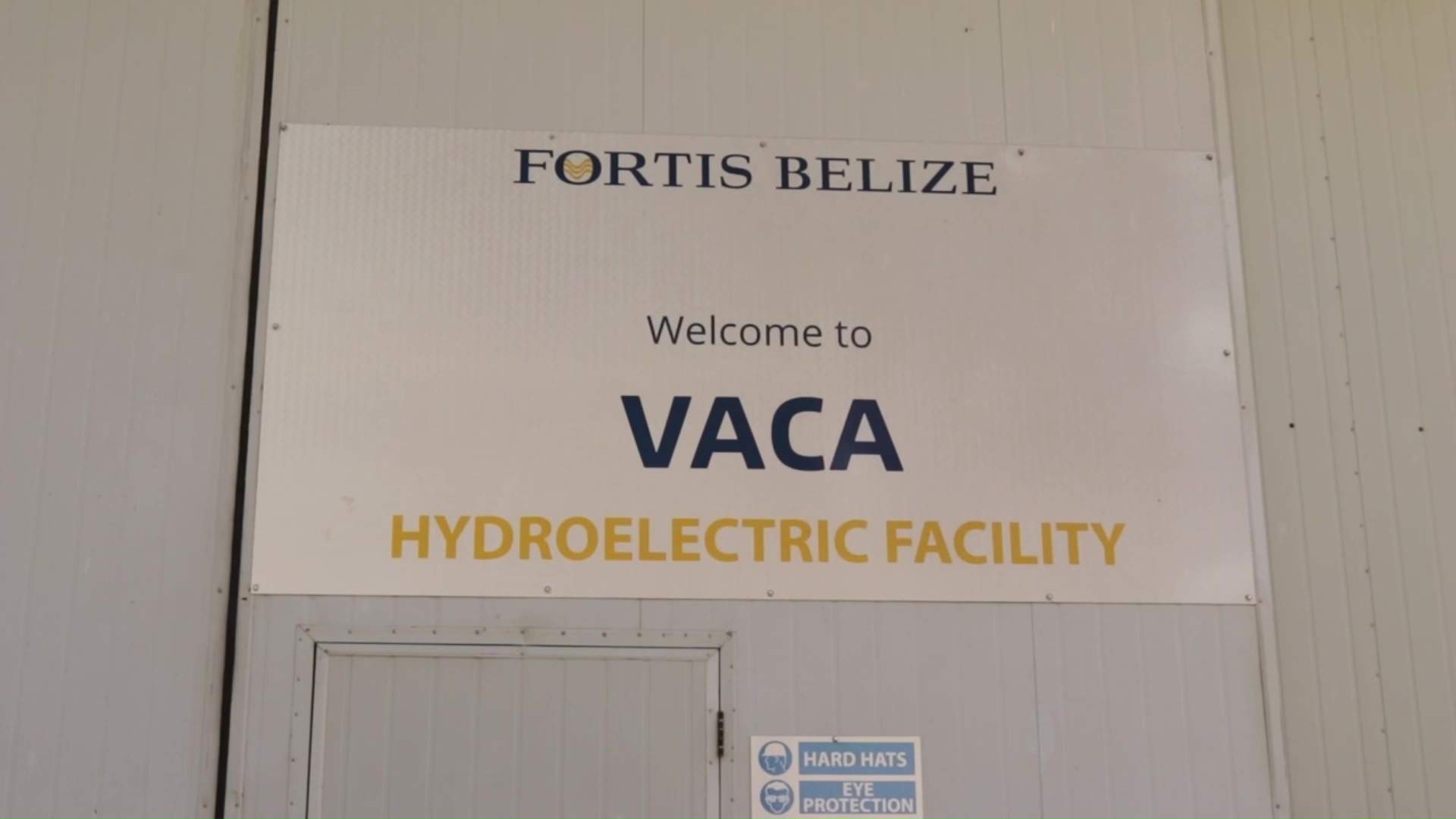
In a landmark move set to reshape Belize’s energy sector, Prime Minister John Briceño will announce tomorrow in the House of Representatives that the Government of Belize has reached an agreement with Canadian company Fortis Inc. to acquire its electricity sector assets in the country. The deal includes the purchase of three hydropower plants—Mollejon, Chalillo, and Vaca—located on the Macal River, which collectively supply over a third of Belize’s electricity. Additionally, the government will acquire Fortis’s one-third stake in Belize Electricity Limited (BEL). The Prime Minister emphasized that the acquisition aligns with Belize’s goal of achieving greater control over its power supply and advancing energy independence. The bill, which seeks parliamentary approval for the deal, will be tabled tomorrow. Funding for the acquisition will be sourced through a special budget, with plans to recover costs via a domestic equity and debt offering. Contracts for the Mollejon and Chalillo plants extend until 2050, while Vaca’s contract runs until 2060. Financial specifics will be disclosed when the bill is presented. The deal follows months of negotiations after Fortis initially considered selling its Belize assets to a Honduran company. Prime Minister Briceño expressed satisfaction with the outcome, stating that the agreement ensures Belize’s interests are prioritized.
-
Fortis Exit Raises Questions About Hydro’s Future in Belize
The recent decision by Fortis to withdraw from Belize has ignited widespread speculation about the future of hydroelectric power in the country. Many are questioning whether the move is linked to challenges posed by climate change, such as prolonged droughts, which could be undermining the viability of hydro power. Prime Minister John Briceño addressed these concerns, clarifying that Fortis’ exit is part of a broader strategic shift by the company rather than a reflection of environmental or operational issues. According to Briceño, Fortis has been divesting its production assets globally, focusing instead on distribution and transmission. The company’s initial investment outside Canada was in Belize, followed by operations in Turks and Caicos, both of which have since been sold. Briceño emphasized that Belize’s energy sector remains a secure investment and highlighted the importance of increasing local ownership in critical energy assets. Currently, 78% of Belize’s energy is controlled by foreign entities, with 50% managed by Mexico’s CFE and a third by Fortis Belize. The Prime Minister reiterated the government’s commitment to ensuring Belizeans gain greater control over their energy resources, marking a pivotal step toward national energy independence.
-
Government to Buy Fortis’ BEL Stake at 60% Discount
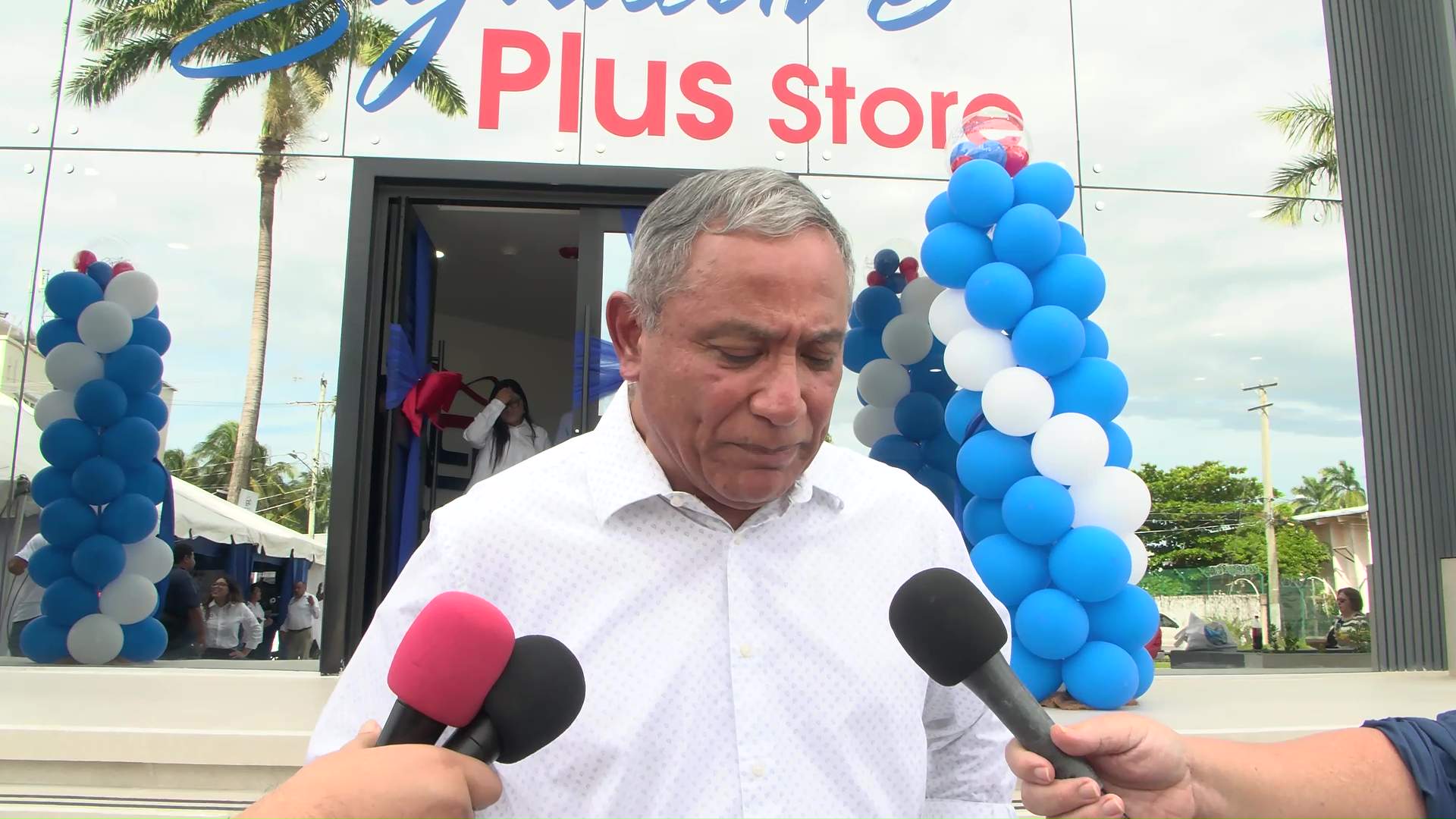
The Belizean government has announced its acquisition of Fortis’ 33% stake in Belize Electricity Limited (BEL) at a significant 60% discount, amounting to over a quarter billion Belize dollars. Prime Minister John Briceño revealed the deal during a press briefing, emphasizing its strategic importance for the nation. While the exact financial details will be disclosed in the National Assembly tomorrow, Briceño highlighted that the purchase price is six times BEL’s earnings, a stark contrast to the 35-times-earnings valuation used in the previous government’s acquisition of BTL. The Prime Minister described the transaction as a ‘solid investment’ for Belize, though he cautioned that it does not guarantee lower electricity rates for consumers. BEL has been selling electricity below cost, a practice that has placed the company in a precarious financial position. Briceño acknowledged the need for a thorough review of BEL’s operations to address its financial challenges, while also commending the company for its efforts to operate within constrained pricing. The deal follows negotiations with Fortis, which had expressed its intention to sell its BEL shares. The government’s ability to secure the stake at a substantial discount reflects its commitment to stabilizing BEL’s operations and ensuring its long-term viability. However, the Prime Minister acknowledged that addressing BEL’s financial woes may require unpopular decisions, including potential rate increases.
-
Opposition Slams GOB Over Fortis Buyout
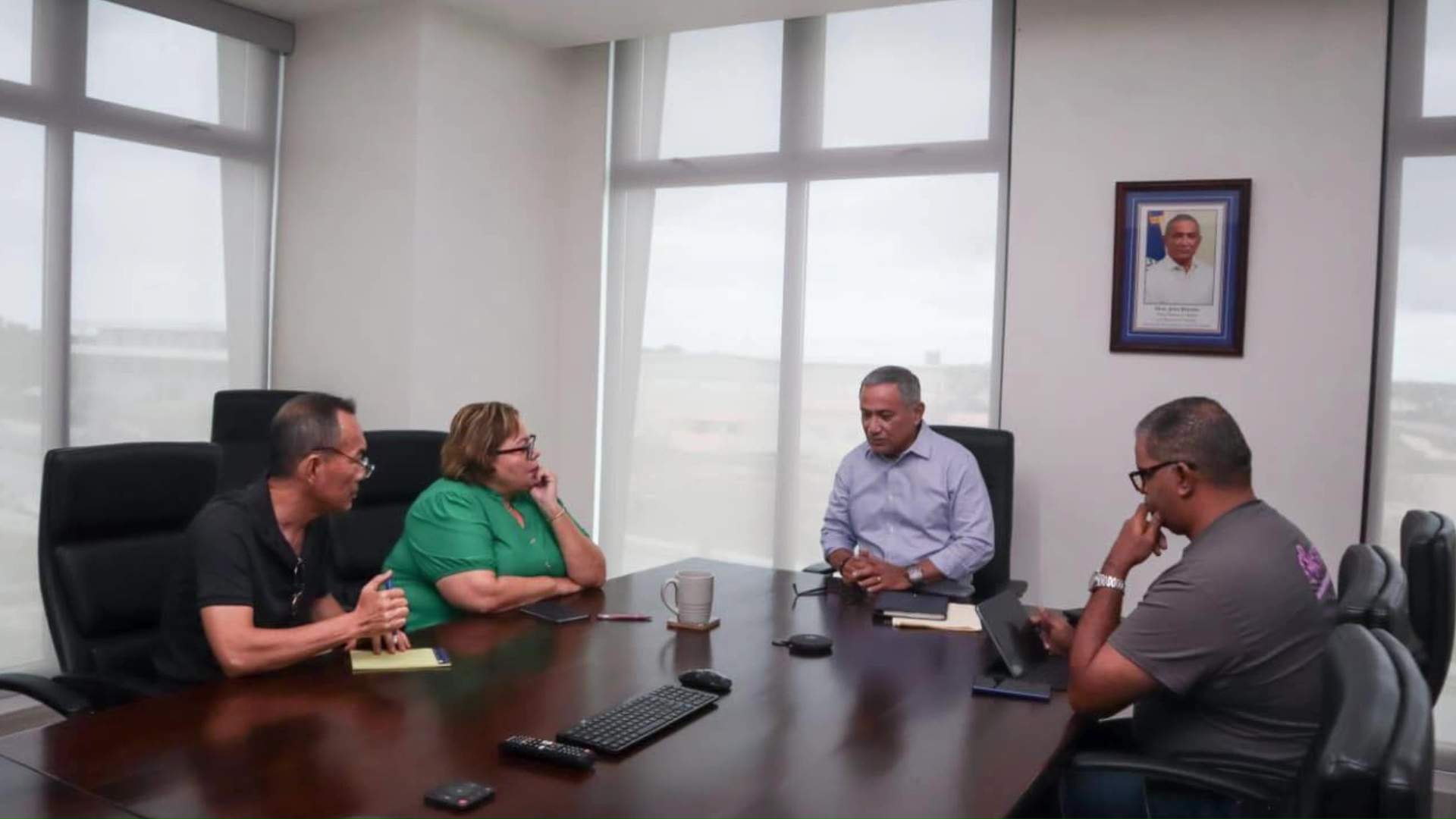
The Belizean government’s recent announcement of its acquisition of hydro plants and Fortis’ shares in BEL has sparked significant controversy. The Opposition, led by Tracy Panton and the U.D.P. caucus, has raised serious concerns about the lack of transparency surrounding the multi-million-dollar deal. They argue that the process has been rushed without adequate disclosure to the public, questioning whether an independent valuation, cost-benefit analysis, or regulatory review was conducted. The Opposition has also cast doubt on whether the acquisition will lead to reduced electricity costs for citizens. Additionally, they warn that a special budget appropriation for the deal could result in increased borrowing, higher national debt, and a greater financial burden on taxpayers. In response, the Opposition is demanding the immediate release of all financial documents and valuations related to the acquisition. These concerns are expected to be a focal point during Friday’s House Sitting in Belmopan, where further scrutiny of the deal is anticipated.