作者: admin

  • Trump Says World “Not Secure” Without US Control of Greenland

    Trump Says World “Not Secure” Without US Control of Greenland

    In a remarkable diplomatic escalation, former U.S. President Donald Trump has explicitly linked his failed Nobel Peace Prize aspirations to his persistent demand for American control of Greenland. The controversy erupted when Trump sent a text message to Norwegian Prime Minister Jonas Gahr Støre accusing Norway of denying him the prestigious award.

    Trump’s message, authenticated by CBS News, stated: “Considering your country decided not to give me the Nobel Peace Prize for having stopped 8 wars PLUS, I no longer feel an obligation to think purely of peace, although it will always be predominant… The world is not secure unless we have complete and total control of Greenland.”

    Prime Minister Støre promptly clarified that the Norwegian government plays no role in Nobel Prize selections, which are determined by an independent committee. The 2025 prize was awarded to Venezuelan opposition leader María Corina Machado, who subsequently presented her medal to Trump—a gesture the Nobel Foundation emphasized does not constitute an official transfer of the award.

    The Greenland dispute has triggered broader international tensions. Trump has threatened to impose escalating tariffs—starting at 10% in February and potentially rising to 25% by June—on eight NATO allies unless they support his Greenland proposal. He argues that Denmark cannot adequately protect the strategic Arctic territory from Russian or Chinese influence.

    European leaders have pushed back strongly. UK Prime Minister Sir Keir Starmer asserted that “Greenland’s future belongs to the people of Greenland and the Kingdom of Denmark alone,” condemning the proposed tariffs against allies as “wrong.” Støre and Finnish President Alexander Stubb attempted to de-escalate tensions by proposing a three-way call, but Trump reiterated his demand for U.S. control instead.
  • Jesma Paul-Victor reappointed Leader of the Opposition in Dominica

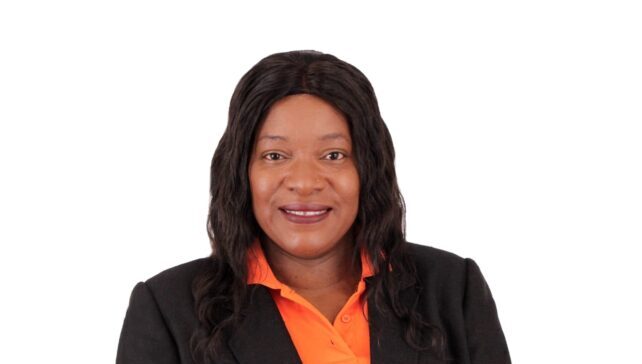
    Jesma Paul-Victor reappointed Leader of the Opposition in Dominica

    In a significant political development, Jesma Paul-Victor has been formally reinstated as Leader of the Opposition in Dominica’s House of Assembly. The President’s Office confirmed the appointment on January 20, 2026, following an official nomination process.

    Paul-Victor, who represents the Salisbury constituency, initially assumed the opposition leadership on December 20, 2022, under a unique power-sharing arrangement with Marigot MP Anthony Charles. This agreement emerged from the unusual parliamentary situation created by the December 2022 snap general election, which resulted in only two opposition members being elected as independents.

    The original understanding between the legislators stipulated an 18-month rotational leadership, with Paul-Victor’s term scheduled to conclude on June 19, 2024. However, the transition encountered constitutional complications when Paul-Victor submitted her resignation on June 20, 2024. The President’s office invoked Section 66 of the Commonwealth of Dominica Constitution, requiring both opposition members to jointly designate their preferred leader through formal communication.

    Despite Charles’ public statements in June 2024 expressing readiness to assume the leadership role and his affiliation with the newly established United Progressive Party (UPP), the necessary joint documentation wasn’t submitted to facilitate the transition. Charles had previously emphasized the importance of their rotational agreement and outlined plans to consolidate opposition voices while engaging youth in national development initiatives.

    The recent reappointment process was initiated through an official letter from Charles to the President, nominating Paul-Victor for the position. This development resolves the prolonged leadership uncertainty, though questions remain regarding the future of the original alternating leadership agreement between the two independent parliamentarians.

  • Judge calls for legislative reform: ‘Let errant police pay for misconduct’

    Judge calls for legislative reform: ‘Let errant police pay for misconduct’

    In a landmark ruling with profound implications for police accountability, High Court Justice Frank Seepersad has issued a powerful call for legislative reform to hold officers personally financially responsible for unlawful arrests. The January 20th decision came in the case of Jawanza Simmons, a Sangre Grande businessman who was wrongfully arrested and detained for 12 hours in 2019.

    The court found that Special Reserve Constable Cleon Smith acted maliciously and beyond legal authority when he arrested Simmons outside the Shops of Cunapo on November 20, 2019. According to evidence presented, Simmons was merely smoking a cigarette and conversing with his brother when Smith approached without justification, slapped the cigarette from his hand, and demanded identification without stating any suspected offense.

    Justice Seepersad described the officer’s conduct as “arbitrary and not rooted in the rule of law,” noting that speaking in a loud tone does not constitute disorderly conduct, and there was no reasonable basis for the resisting arrest charge. The court particularly condemned Smith’s repeated failure to appear in both magistrates’ and High Court proceedings, calling this non-cooperation “intolerable and unacceptable.”

    The judge awarded Simmons $100,000 in total damages – $75,000 compensatory and $25,000 exemplary – to be paid by the state. However, Seepersad emphasized that taxpayers should not bear the burden of officer misconduct, recommending that legislation be amended to require offending officers to pay damages through salary deductions or forfeiture of accrued benefits.

    Seepersad warned against what he described as a “frequent modus operandi” of threatening arrest without probable cause, stating that while Trinidad faces significant lawlessness, police must still exercise authority responsibly. “There is a saying that ‘fish often rots from the head,’” the judge noted, “so for the level of lawlessness to be addressed, there has to be cooperation between police and the public.”

    The ruling represents a significant judicial challenge to police practices and accountability mechanisms, with the court explicitly urging parliamentary intervention to create meaningful consequences for officer misconduct.

  • OWTU: A step in the right direction for workers

    OWTU: A step in the right direction for workers

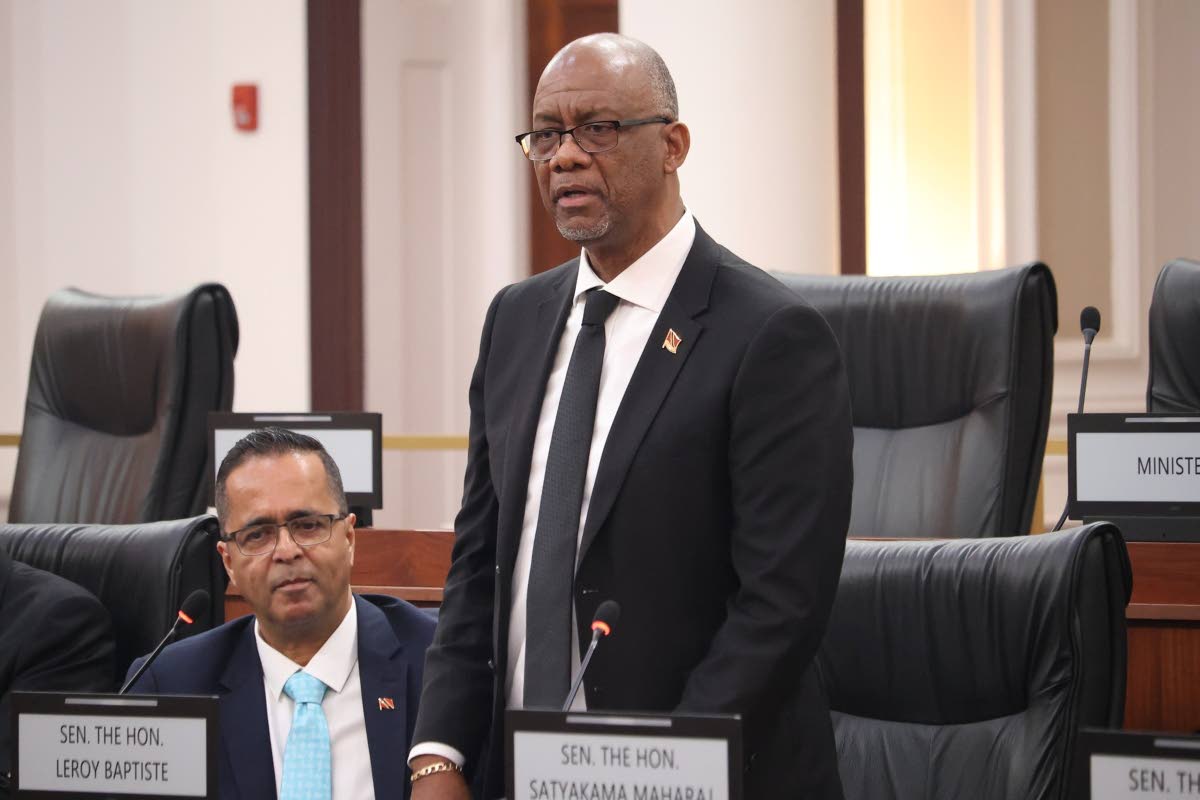
    The Oilfields Workers’ Trade Union (OWTU) has expressed strong endorsement for the Trinidad and Tobago government’s proposed amendments to the Retrenchment and Severance Benefits Act (RSBA), marking a significant advancement in worker protections. Minister of Labour, Small and Micro Enterprise Development Leroy Baptiste announced these comprehensive reforms during a January 11 press conference, emphasizing their purpose to “widen the safety net for retrenched workers.

    The proposed legislative overhaul addresses multiple critical areas of worker protection. Key revisions include expanding eligibility criteria for severance benefits and substantially increasing compensation structures. Under the current system, employees with less than three years of service receive two weeks’ pay per year, while those exceeding five years qualify for three weeks. The new framework proposes three weeks’ pay annually for one to five years of service, and a full month’s pay per year for employees with over five years of service.

    A fundamental change involves redefining “redundancy” to include insolvency, receivership, and operational discontinuation—addressing longstanding loopholes that allowed unscrupulous employers to avoid obligations. Minister Baptiste explained that current definitions limited to “surplus labour” have enabled companies to evade responsibilities through strategic closures, leaving workers without recourse.

    The OWTU, which had been advocating for these changes for three years prior to the announcement, highlighted several critical improvements. These include establishing a Severance Benefits Fund aligned with International Labour Organisation Convention No. 173, prioritizing worker compensation above other claimants during company insolvencies, and mandating formal consultation processes between employers and recognized unions.

    Additional protections address temporary layoffs by defining judicial criteria, establishing clear procedures, and granting severance entitlements after 90 days unless mutually agreed otherwise. The amendments also introduce priority rehiring provisions for laid-off workers, consistent with ILO Recommendation No. 166, providing job security measures.

    The union characterized these reforms as “decisive steps in the right direction” that modernize outdated compensation formulas and align with regional benchmarks. The OWTU reaffirmed its commitment to constructive engagement ensuring full implementation of these worker-focused reforms across Trinidad and Tobago.

  • PM to consider social media ban for children under 12

    PM to consider social media ban for children under 12

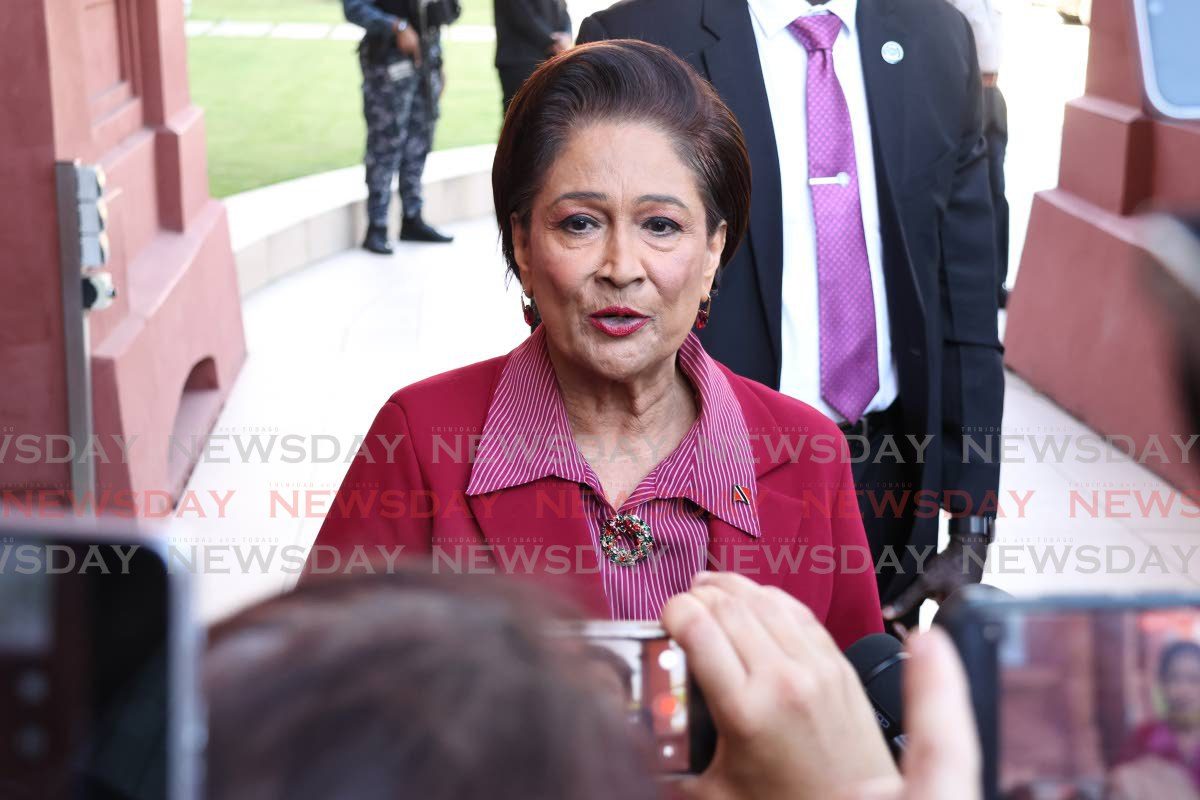
    Trinidad and Tobago’s government is evaluating potential restrictions on social media access for minors following serious concerns raised by religious leaders about digital addiction. Prime Minister Kamla Persad-Bissessar has indicated openness to legislation prohibiting children under 12 from social media platforms, while explicitly rejecting any ban for adults as an infringement on free speech.

    The development comes after Archbishop Charles Jason Gordon compared social media addiction to substance abuse, citing testimony from tech executives who admitted designing algorithms specifically to maximize user engagement and dependency. Gordon urged the government to follow Australia’s recent implementation of social media bans for citizens under 16.

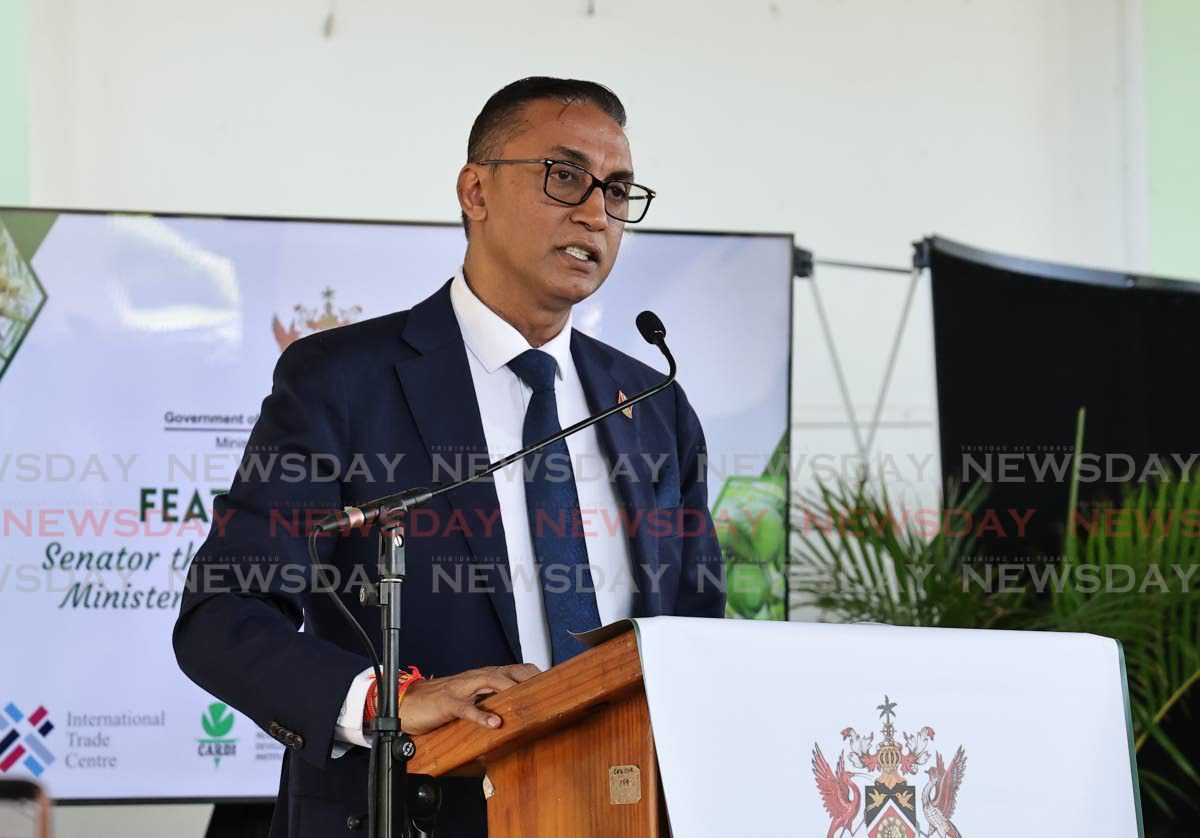
    Public Administration and Artificial Intelligence Minister Dominic Smith acknowledged the legitimate concerns while advocating for a balanced approach. “The challenge before us is not to eliminate technology, but to govern it responsibly,” Smith stated, emphasizing stronger safeguards for children, clearer platform accountability, and enhanced digital literacy programs.

    The social media discussion occurs alongside broader government efforts to protect youth from addictive behaviors. Prime Minister Persad-Bissessar recently announced plans to raise the legal age for alcohol and cannabis consumption to 21 and increase the gambling age to 25. These initiatives form part of a comprehensive strategy to combat early addiction patterns.

    Archbishop Gordon commended the government’s disciplinary measures, including increased traffic fines and age restriction proposals, viewing them as constructive steps toward national building and social responsibility.

    The Ministry of Public Administration and AI has already established committees addressing technology-related issues including deep fakes and online scams, indicating the government’s proactive approach to digital governance without stifling innovation or free expression.

  • 35 training courses in agriculture in 2026 — Ratiram: 20,000 to participate

    35 training courses in agriculture in 2026 — Ratiram: 20,000 to participate

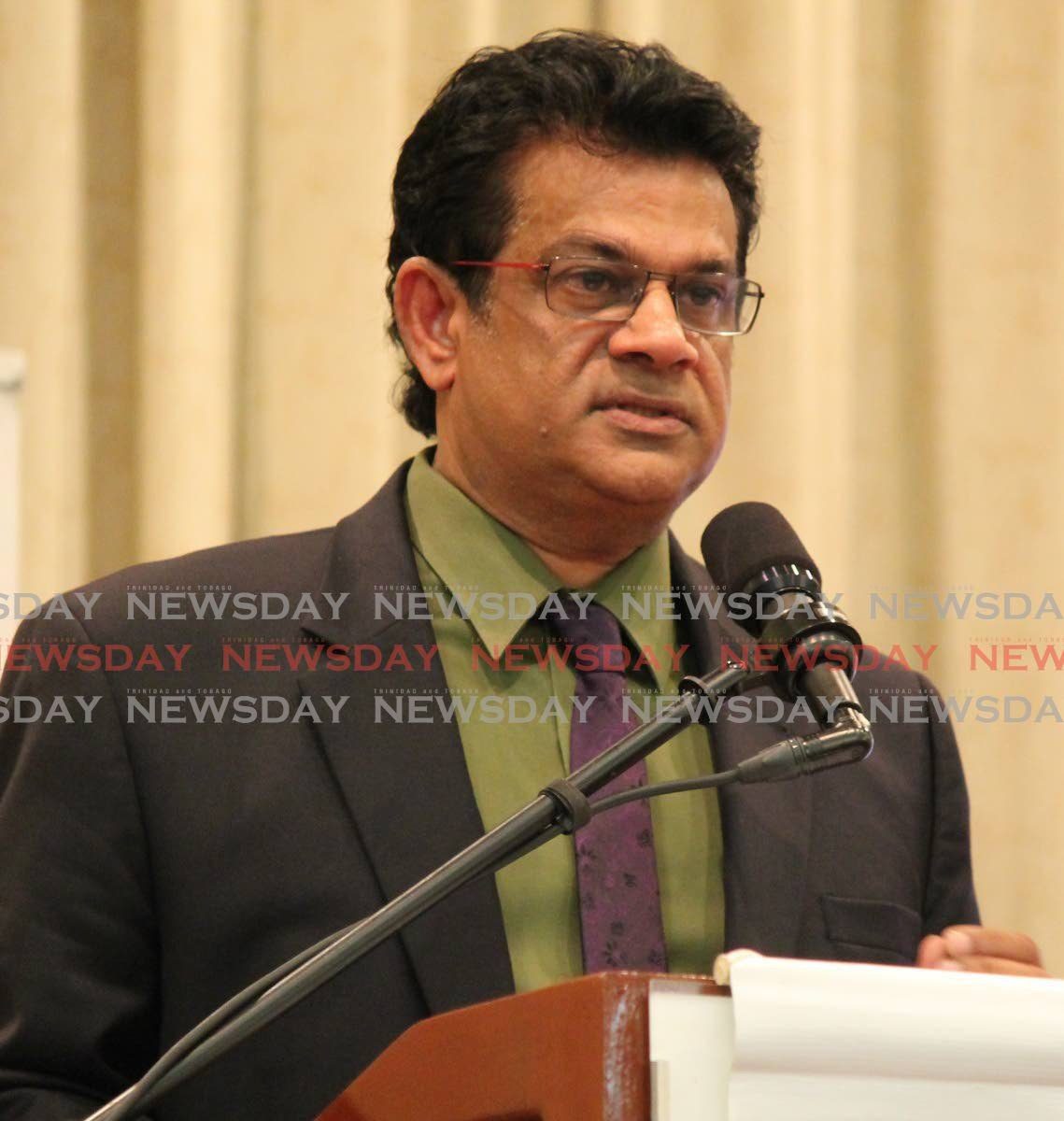
    The Ministry of Agriculture and Fisheries has unveiled an ambitious training program set to transform Trinidad and Tobago’s agricultural sector through comprehensive skills development. Minister Ravi Ratiram announced the initiative following the launch of a specialized artificial insemination training program on January 15th.

    The groundbreaking program will consolidate approximately 35 distinct training courses under a unified framework, marking a significant departure from the previous fragmented approach where various ministry divisions conducted separate training sessions. This consolidation will include regional administrative north and south operations along with extension training information services, all coordinated through a single umbrella program.

    Minister Ratiram revealed that the training curriculum encompasses diverse agricultural disciplines including advanced crop cultivation techniques, innovative hydroponics systems, greenhouse farming methodologies, climate-resilient agricultural practices, aquaculture development, and livestock enhancement programs. The courses will be accessible across all eight counties nationwide, with projections indicating participation from at least 20,000 individuals throughout 2026.

    The announcement coincided with the commencement of a two-day Artificial Insemination Technician training course, conducted in collaboration with the University of the West Indies at the School of Veterinary Medicine. This specialized program, funded by the Livestock and Livestock Products Board (LLPB), brought together 20 officers for intensive training in bovine artificial insemination techniques.

    Minister Ratiram emphasized the strategic importance of these initiatives, noting that enhanced livestock capacity directly addresses the nation’s substantial food import bill reduction goals. He stressed that livestock represents a primary protein source for the population, making capacity building in this sector crucial for meeting domestic demand.

    The ministry’s approach positions science and technology as central pillars of agricultural development, with participants being encouraged to view their training as both professional responsibility and national service. The program aims to bridge critical skills gaps in artificial insemination services while supporting improved service delivery, enhanced food security, and long-term self-sufficiency in the livestock industry.

  • Lifting of exchange controls one-sided

    Lifting of exchange controls one-sided

    A significant policy contradiction has emerged in the Caribbean’s economic landscape as authorities selectively exempt international lenders from Exchange Control Act restrictions while maintaining stringent constraints on domestic businesses and citizens.

    This discriminatory approach reveals the government’s implicit acknowledgment that rigid exchange controls are fundamentally incompatible with modern financial systems. While foreign capital requires operational flexibility, rapid transaction processing, and financial certainty to function effectively—demands that have prompted regulatory accommodation—local entrepreneurs and investors continue to face bureaucratic barriers for routine international operations.

    The policy establishes a troubling double standard where foreign entities enjoy financial freedom while national businesses remain subject to extensive approval processes for foreign investments, currency risk management, and cross-border transactions. This disparity not only undermines domestic competitiveness but also reinforces economic dependency on external financing sources.

    Economists note the fundamental incoherence of maintaining controls that have been deemed unnecessary for international operators. The selective application suggests either the controls serve no legitimate stability purpose or represent outdated mechanisms that should be comprehensively dismantled rather than partially lifted.

    This half-measure approach distorts market dynamics and signals a lack of confidence in national economic actors. True reform, analysts argue, requires consistent, equitable policy application that empowers domestic enterprises alongside international partners rather than privileging foreign creditors over local wealth creation initiatives.

  • No joking matter

    No joking matter

    Seventeen years after the Manning administration initiated a massive bailout of the collapsing CL Financial empire, Trinidad and Tobago’s government has officially abandoned its pursuit of accountability through civil litigation. Attorney General John Jeremie, SC, presented the long-withheld Sir Anthony Colman Commission of Enquiry report to Parliament on January 16, revealing the state’s decision to cease funding further legal actions against the financial giant.

    The controversial bailout has cost taxpayers approximately $28 billion, with an additional $3-4 billion expended on legal fees throughout prolonged court battles. AG Jeremie emphasized the government’s commitment to a “cost-effective” approach, withdrawing from pending civil cases including a Central Bank lawsuit against CL Financial that was scheduled for hearing on January 19.

    The Attorney General simultaneously expressed skepticism regarding potential criminal prosecutions, noting this falls under the jurisdiction of the Director of Public Prosecutions. He bluntly characterized the investigation as “a joke,” citing inadequate policing resources and forensic accounting capabilities necessary to prosecute complex financial cases of this magnitude.

    The Rowley administration had previously withheld the Colman report due to concerns about defaming key individuals and compromising potential criminal proceedings. This challenge is not unique to Trinidad and Tobago—internationally, most similar cases are resolved through civil settlements due to the extreme difficulty of proving criminal intent in complex financial operations.

    While high-profile exceptions like the Enron (2001) and Bernie Madoff (2008) cases in the United States resulted in criminal convictions, most financial scandals typically end with SEC fines and civil penalties. The Colman report has exposed systemic failures within Trinidad and Tobago’s financial regulatory framework, with lessons extending beyond CL Financial/Clico to include the collapse of the Hindu Credit Union.

    Moving forward, experts recommend enhanced forensic training not only for police but also for accountants, lawyers, and various government agencies to better protect citizens’ life savings entrusted to financial institutions.

  • US Supreme Court to hear Trump bid to fire Fed governor

    US Supreme Court to hear Trump bid to fire Fed governor

    WASHINGTON, United States – The US Supreme Court is poised to deliberate a consequential case this Wednesday regarding former President Donald Trump’s attempt to remove Federal Reserve Governor Lisa Cook from her position. This legal battle represents a critical test for the operational autonomy of the nation’s central bank against executive branch influence.

    In August, Trump initiated proceedings to dismiss Cook, a prominent member of the Fed’s interest rate-setting committee, based on allegations of mortgage fraud—claims which she has consistently denied. The conservative-majority court previously issued an injunction preventing Cook’s immediate removal, permitting her to continue in her role pending judicial review.

    The significance of this case is underscored by Fed Chair Jerome Powell’s planned attendance at the hearing, demonstrating institutional support for Cook. This development occurs alongside heightened pressure from the Trump administration targeting the central bank, including the initiation of a criminal investigation into Powell himself concerning renovations at the Fed’s headquarters. Powell has characterized this probe as a politically driven effort to sway monetary policy decisions.

    Cook’s potential removal—and the investigation into Powell—signals an unprecedented escalation in Trump’s campaign to exert influence over the Federal Reserve. The former president has frequently criticized the institution for resisting his calls for more aggressive interest rate cuts. A successful dismissal of Cook could allow Trump to appoint a successor more aligned with his economic agenda, potentially altering the balance of power within the board.

    Legal experts note that the case’s outcome may redefine the boundaries of presidential authority regarding independent federal agencies. Federal statute specifies that Fed officials may only be removed for “cause,” typically interpreted as misconduct or neglect of duty—a standard Cook maintains has not been met.

    The Court’s decision carries profound implications for central bank independence globally, with former Fed chairs warning that political interference could yield severe economic consequences, including inflationary pressures and market instability. This case follows a pattern of Supreme Court rulings favoring expansive presidential powers during Trump’s tenure, though the Court previously acknowledged the Fed’s unique protected status in a prior decision.

    Cook, the first Black woman to serve on the Fed’s board of governors, has stated that the allegations reference activities predating her appointment and that no formal charges have been filed. The criminal referral originated from a Trump-appointed official at the Federal Housing Finance Agency, citing discrepancies in mortgage documentation.

  • Jamaica’s Under-17 Reggae Girlz get Group D World Cup draw

    Jamaica’s Under-17 Reggae Girlz get Group D World Cup draw

    KINGSTON, Jamaica—Jamaica’s Under-17 women’s national football team, known as the Reggae Girlz, discovered their path to the 2026 FIFA U-17 Women’s World Cup after the CONCACAF qualifying draw placed them in Group D. They will compete against Honduras, Guyana, Aruba, and St. Vincent and the Grenadines in the initial group stage.

    The qualifying tournament structure features twenty-eight teams divided across six groups for the first round. The top finisher from each group, plus the two most successful second-place teams, will progress to the final qualification round. They will be joined by four pre-seeded, top-ranked nations—Canada, Mexico, Puerto Rico, and the United States—who received automatic byes into the final stage.

    First-round matches are scheduled to occur between January 24 and February 2. The subsequent and decisive final round is set for March, where four teams will ultimately secure their berths for the 2026 World Cup in Morocco.

    This comes as FIFA has transitioned the U-17 World Cup to an annual event. In the previous tournament held in 2025, the CONCACAF region was represented by Canada, Costa Rica, Mexico, and the United States, with Mexico earning the bronze medal.

    Jamaica’s quest for World Cup qualification begins on January 25th with an opening match against Guyana. Their group stage campaign continues with fixtures against Aruba on January 27th, St. Vincent and the Grenadines on January 29th, 2026, and concludes with a pivotal match against Honduras on February 2nd.