作者: admin

  • Antigua And Barbuda Releases 2026 Destination Update With New Visitor Experiences And Tourism Enhancements

    Antigua And Barbuda Releases 2026 Destination Update With New Visitor Experiences And Tourism Enhancements

    The Caribbean destination of Antigua and Barbuda is positioning itself for a landmark tourism year in 2026 with a comprehensive strategy featuring new events, enhanced infrastructure, and elevated visitor experiences. The Antigua and Barbuda Tourism Authority (ABTA) has announced multifaceted developments designed to extend visitor engagement beyond the nation’s renowned 365 beaches into cultural, culinary, and adventure offerings.

    Chief Executive Officer Colin C. James emphasized the destination’s commitment to delivering more authentic experiences alongside significant tourism investments that will substantially improve product quality. “Antigua and Barbuda is fully open and welcoming,” James stated, “and for 2026, we are proud to highlight developments that will enhance the quality of our offerings.”

    The 2026 calendar introduces several premier events including the inaugural Antigua Racing Cup in April, strengthening the islands’ position as the Caribbean’s yacht racing capital. April will also feature the AUA Rohrman Trail & Swim Fest, a two-day international sporting festival combining trail races, open water swims, and youth triathlons across Antigua’s most scenic landscapes.

    Cultural programming expands with the return of Antigua and Barbuda Culinary Month in May, the 10th anniversary of Run in Paradise, and the spectacular Antigua Carnival from July 25-August 4. The carnival represents far more than celebration—it embodies the islands’ historical narrative through steel pan performances, calypso competitions, and the magnificent Parade of Bands.

    November transforms the destination during Art Week, creating an open-air gallery showcasing over fifty local and diaspora artists through exhibitions, workshops, and interactive events under the theme ‘Culture in Colour’.

    Substantial hospitality enhancements include the 2026 debut of Moon Gate, a contemporary boutique luxury property offering premium suites. Hermitage Bay has completed extensive refurbishments including remodeled villa suites and upgraded spa facilities, while Curtain Bluff has renovated forty-two junior suites and enhanced its beachfront dining experiences.

    Infrastructure developments feature significant upgrades to V.C. Bird International Airport with runway rehabilitation scheduled for November 2026 completion. The Antigua Cruise Port will unveil its new terminal in January 2026 as part of the Upland Development Project, featuring enhanced amenities including a day club with pool and cabanas.

    Cultural immersion continues through signature experiences like Seafood Fridays at Nelson’s Dockyard, the ‘Rum in the Ruins’ historical storytelling at Dow’s Hill, and the newly launched Shirley Heights Friday Night Party offering iconic sunset views over English Harbour.


  • OPINION: Caribbean Women Equality

    OPINION: Caribbean Women Equality

    Despite achieving landmark leadership positions—including female prime ministers and Jamaica’s Defence Force chief—Caribbean women continue to confront profound systemic inequities. Statistical evidence reveals a stark contrast between symbolic representation and substantive inclusion: women constitute a mere 13–25% of military and law enforcement personnel, despite comprising over half the regional population. In legislative bodies, female parliamentarians hold only one-third of seats, while workforce participation rates of 40–60% obscure the prevalence of itinerant female labor near the poverty line. A significant dimension of this disparity is the overwhelming number of female-headed single-parent households across the region.

    Global military trends may soon intensify these challenges. Ukraine’s necessity-driven female recruitment and Europe’s consideration of gender-inclusive conscription signal shifting norms. The United States’ historical reliance on conscription—potentially drawing 51% women—further underscores this trajectory. Caribbean nationals have historically traded military service for foreign citizenship, often at tragic cost: Bernard Gooden (Jamaica), Kimel Watt (Jamaica), and Dale McCallum (Hanover) died serving in Western armies, with Watt posthumously granted U.S. citizenship alongside 160 foreign-born soldiers in 2007.

    Alarmingly, diaspora youth holding green cards or multiple citizenships remain eligible for conscription abroad, regardless of Caribbean ties. This reflects a broader pattern of regional involvement in foreign conflicts, dating back to World War I—exemplified by the 1917 execution of Jamaican teen Herbert Morrison, now recognized as a PTSD casualty.

    With global powers increasingly dominating Caribbean airspace and territories, the region risks being leveraged for human capital in external conflicts. Trinidadian women may face early conscription due to their government’s military alignment with the U.S., potentially deploying as peacekeepers in Venezuela. Beyond the idyllic veneer of beaches and calypso lies a sobering reality: Caribbean youth, particularly women, may become collateral in geopolitical struggles far removed from their own—echoing Vietnam, Angola, Iraq, and Afghanistan.

  • LETTER: An Embarrassment Too Deep to Ignore: The UPP’s Leadership Has Failed… Again!

    LETTER: An Embarrassment Too Deep to Ignore: The UPP’s Leadership Has Failed… Again!

    The United Progressive Party (UPP) faces an existential crisis following the startling revelations from its St. George primary election, where Kelton Dalson secured victory with a mere nine votes while opponents Kem Riley and Buffy Kentish garnered just two votes each. This electoral farce—conducted with only 16 eligible voters from over 260 registered Plus members—exposes catastrophic organizational failures that transcend mere administrative oversight.

    Political analysts are characterizing this event as symptomatic of systemic institutional decay rather than an isolated incident. The primary underscores the complete erosion of internal democratic processes and highlights a leadership structure plagued by incompetence and disengagement. Under Giselle Isaac’s stewardship, the UPP has deteriorated from a formidable political force to a hollow entity marked by confusion, exclusion, and unaccountability.

    The crisis demands immediate reckoning at the highest levels. Harold Lovell faces mounting pressure to either challenge current leader Jamal Pringle for party leadership or withdraw entirely from political influence. Meanwhile, Pringle’s tenure has been defined by an absence of results, credibility, and momentum—raising serious questions about his capacity to reverse the party’s decline.

    This electoral debacle demonstrates the UPP’s inability to mobilize its base, maintain membership integrity, or conduct credible internal processes. The most poignant revelation emerges: the greatest threat to the party’s survival stems not from external opposition but from its own leadership failures. Supporters now confront the painful reality that without radical organizational reform and leadership accountability, the UPP’s viability as a political institution remains in grave jeopardy.

  • Belizeans Little Less Pessimistic About Finances in Nov 2025

    Belizeans Little Less Pessimistic About Finances in Nov 2025

    The Statistical Institute of Belize has reported a notable improvement in national economic sentiment during November 2025, marking a significant reversal from previous downward trends. According to the latest Consumer Confidence Index (CCI) findings, Belizean households demonstrated increased optimism regarding both macroeconomic conditions and personal financial circumstances.

    The comprehensive index, which measures public perception across three critical dimensions—national economic outlook, personal financial situations, and major purchase readiness—climbed to 48.2 points in November. This represents a substantial 6.8% increase from October’s reading of 45.2, indicating the most pronounced monthly improvement recorded in 2025.

    Despite remaining below the 50-point threshold that traditionally separates optimism from pessimism, this upward movement suggests a potential turning point in consumer psychology after consecutive months of declining confidence earlier in the year. The sustained sub-50 reading simultaneously reflects persistent economic caution among significant portions of the population.

    Geographic analysis revealed distinct regional patterns, with Belize District experiencing the most dramatic confidence surge while Cayo District registered as the sole region showing decreased optimism. A notable urban-rural divide emerged, with rural residents reporting systematically higher confidence levels than their urban counterparts.

    Demographic breakdowns showed particularly strong improvements among young adults aged 18-24, suggesting heightened economic expectations within this cohort. While both genders reported improved outlooks, male respondents maintained a slight confidence advantage over female respondents. The Garifuna community demonstrated the most significant confidence increase among ethnic groups, though specific contributing factors remain unspecified in the report.

    Economists interpret these findings as potentially reflecting divergent regional economic conditions and varying employment prospects across demographic groups. As consumer spending constitutes a substantial component of Belize’s economic activity, this confidence uptick may foreshadow modest improvements in domestic consumption patterns heading into 2026.

    The Statistical Institute of Belize maintains standard methodological protocols for the CCI survey, though specific sample sizes and margin-of-error data were not disclosed in this release. Perception-based indicators inherently capture subjective economic assessments rather than objective financial conditions, potentially overlooking variations in household economic pressures.

    Future data releases will determine whether this November improvement represents a temporary fluctuation or the beginning of a sustained confidence recovery, providing crucial insights for policymakers and business leaders navigating Belize’s economic landscape.

  • WEATHER: (12:00 PM,  Jan 22): Unstable weather expected to continue in the wake of trough system

    WEATHER: (12:00 PM, Jan 22): Unstable weather expected to continue in the wake of trough system

    Meteorological authorities are advising heightened vigilance across the region as a persistent trough system continues to deliver unstable weather patterns. Forecast models indicate the persistence of predominantly overcast conditions over the next 48-hour period, accompanied by widespread scattered showers. These precipitation events are projected to intermittently intensify to moderate and heavy levels, sustaining elevated soil saturation across vulnerable terrains.

    The sustained rainfall significantly elevates environmental risks, including enhanced potential for surface runoff, landslides, and destabilization of rocky outcrops leading to rockfalls. Residents and commuters in areas historically susceptible to such hazards are urged to maintain a state of alertness and implement necessary precautions.

    Concurrently, maritime conditions are deteriorating. A slight augmentation in swell activity is anticipated, with wave heights forecasted to approach 7 feet along western coastal margins and potentially exceed 10 feet along eastern shores and in open oceanic expanses. The compounding effect of increased wave periods is expected to amplify ground swells, presenting considerable challenges to marine navigation. In response, the standing Small Craft Advisory remains actively enforced. All maritime operators and recreational sea users are strongly advised to exercise extreme caution and remain apprised of the evolving seascape.

  • Personeelstekort luchtverkeersleiding verstoort regionaal vliegschema

    Personeelstekort luchtverkeersleiding verstoort regionaal vliegschema

    Surinam Airways was compelled to reroute one of its international flights due to an unexpected staffing crisis within Brazilian air traffic control operations. Flight PY9914, originating from Belém, Brazil, was abruptly diverted to Georgetown, Guyana, just moments before its scheduled landing in Suriname on Wednesday, January 21st.

    The aircraft safely touched down at Cheddi Jagan International Airport (JAPI) in Georgetown, with all passengers reported to be secure and unharmed. This disruption subsequently impacted the airline’s connecting service to Miami, designated as PY421/422, which has been restructured to operate through Georgetown under a modified timetable.

    Surinam Airways has implemented comprehensive communication protocols to ensure both travelers and travel agencies remain continuously informed regarding any further schedule alterations or potential disruptions. The airline’s management has expressed optimism that the air traffic control staffing situation in Brazil will be promptly resolved, allowing for a return to standard operations. The carrier emphasizes that passenger safety remains its paramount priority throughout this unforeseen operational challenge.

  • PM urges water harvesting as WASCO faces $200 million repair challenge

    PM urges water harvesting as WASCO faces $200 million repair challenge

    Prime Minister Philip J. Pierre has issued a compelling appeal to Saint Lucian citizens, urging widespread adoption of water harvesting practices as an immediate countermeasure to the nation’s escalating water crisis. This call to action comes alongside a sobering assessment of the Water and Sewerage Company (WASCO), which requires an estimated $200 million investment for comprehensive rehabilitation.

    During a pre-cabinet briefing, the Prime Minister characterized the substantial financial outlay as an unavoidable necessity given the magnitude of infrastructural challenges plaguing the national water system. He emphasized that restoring WASCO’s operational capacity represents a long-term endeavor that cannot be resolved immediately. “We need, possibly about $200 million to get WASCO back on its feet. That’s reality,” Pierre stated, acknowledging the significant financial burden involved in modernizing the country’s water infrastructure.

    The government is implementing concrete measures to facilitate this hydrological transition, having already eliminated import taxes on essential water harvesting equipment including pumps and storage tanks. Further fiscal incentives targeting gutter systems are under consideration to reduce implementation costs for homeowners.

    Pierre drew a critical distinction between passive water storage and active rainwater harvesting, noting that current building regulations requiring water storage facilities insufficiently address the nation’s water security needs. He advocated for a fundamental shift in public mindset regarding rainwater utilization, sharing from personal experience that “most of the water I have in my house is harvested water from the roof.”

    The Prime Minister contextualized Saint Lucia’s water challenges within global climate patterns, observing that increasingly arid conditions worldwide necessitate adaptive water management strategies. He recommended practical applications for harvested water including toilet flushing and vehicle washing, encouraging citizens to immediately assess their homes’ rainwater collection potential.

    While government efforts to rehabilitate WASCO continue, Pierre underscored that individual and community initiatives must complement institutional reforms. “WASCO will not be repaired tomorrow,” he cautioned, stressing that collective action and personal responsibility remain indispensable in navigating the country’s water security challenges.

  • WRONG TURN!

    WRONG TURN!

    Jamaica’s sporting establishment has delivered a powerful collective rebuke against the controversial Enhanced Games, reinforcing the nation’s unwavering commitment to drug-free athletic competition. The unified stance emerged during Thursday’s annual symposium hosted by the Jamaica Anti-Doping Commission (JADCO) in St. Andrew, where prominent figures including Sport Minister Olivia Grange, coaching authority David Riley, Jamaica Athletics Administrative Association (JAAA) Vice-President Ian Forbes, and JADCO Chairperson Debby-Ann Brown Salmon unanimously condemned the scheduled Las Vegas event that permits performance-enhancing substances.

    The symposium gained particular significance following recent revelations that Jamaican sprinter Shockoria Wallace became the nation’s first athlete to register for the privately funded competition, which offers substantial financial incentives for record-breaking performances achieved through medically supervised doping. This development prompted former JAAA president Dr. Warren Blake to publicly question the event’s safety protocols and competitive credibility earlier this week.

    Minister Grange, addressing attendees as special guest speaker, articulated Jamaica’s official position with unmistakable clarity: ‘As a WADA foundation board member overseeing Jamaica’s anti-doping framework, I cannot endorse participation in the Enhanced Games. This concept contradicts everything we champion at JADCO and as signatories to international anti-doping conventions. We are unequivocally about clean sport, not enhanced performances.’

    Grange elevated the discussion beyond regulatory compliance, framing clean competition as fundamental to national identity: ‘We must perceive clean sport as a matter of national character intertwined with our development. Integrity, fairness and discipline define our people and must permeate our sporting culture. Upholding these principles safeguards our global reputation and strengthens the foundation of our athletic excellence.’

    During subsequent panel discussions, Forbes identified financial motivation as the primary driver for athlete participation: ‘The potential monetary gain appears the overarching factor. While financial rewards might seem lucrative, most considering participation are athletes nearing career conclusions. This pursuit jeopardizes their legacy and our nation’s sporting integrity.’

    Riley acknowledged the event’s potential spectacle value but expressed concern about long-term repercussions: ‘Some athletes might pursue fame or competitive advantage unattainable in clean sport. However, association with such competitions could permanently damage professional reputations regardless of actual substance use.’

    Brown Salmon emphasized the dangerous trade-off between short-term gains and lasting consequences: ‘While new platforms and rewards seem attractive, participation undermines principles we’ve tirelessly upheld. Athletes risk their reputations, future eligibility, and most importantly, their nation’s trust. This jeopardizes both personal legacy and Jamaica’s sporting integrity.’

    The Jamaican position aligns with international governing bodies including World Athletics and World Aquatics, the latter having implemented 2025 regulations banning athletes who participate in events embracing prohibited substances from its competitions.

  • Pathway to Capital

    Pathway to Capital

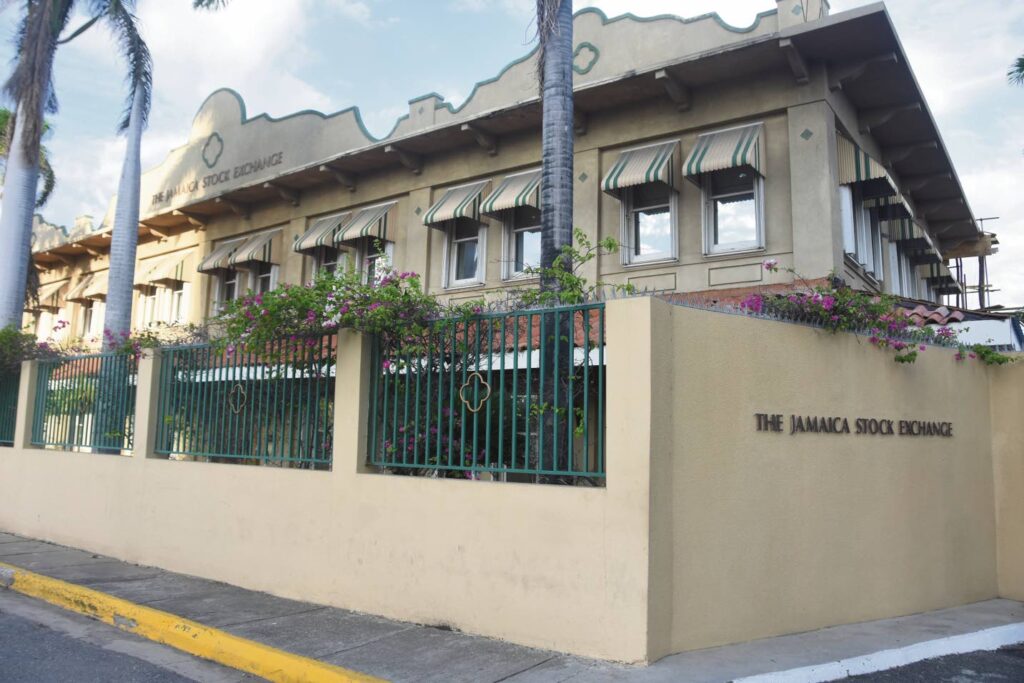
    Jamaica’s micro and small enterprises are poised to gain unprecedented access to equity financing through a groundbreaking micro market initiative within the Jamaica Stock Exchange (JSE), with Finance Minister Fayval Williams confirming a targeted launch for the second quarter of 2026.

    During her keynote address at the Jamaica Stock Exchange’s Regional Investments and Capital Markets Conference in Kingston, Minister Williams revealed that preparatory work has reached an advanced stage, marking a significant milestone in the country’s financial infrastructure development.

    The innovative micro market will function as a specialized second tier within the existing Junior Market framework, specifically designed to accommodate earlier-stage businesses. Unlike traditional lending systems that often exclude micro enterprises due to stringent collateral requirements, this new platform will enable qualified small businesses to raise capital through equity financing while benefiting from the JSE’s established infrastructure, governance standards, and regulatory oversight.

    Minister Williams emphasized that the initiative represents a strategic extension of Jamaica’s capital markets rather than a dilution of listing requirements. “The success of the Junior Market provides strong empirical justification for extending this model downward,” she stated, referencing the proven track record of the existing framework that has served growing companies across multiple sectors for over 16 years.

    The development addresses a critical gap in Jamaica’s financial ecosystem, where micro and small enterprises constitute the majority of businesses and significant employment contributors yet face persistent challenges in accessing affordable capital. Traditional bank lending remains largely inaccessible due to collateral constraints, while informal financing options often impose growth limitations and cash flow pressures.

    A multi-stakeholder steering committee, established in June 2025 and led by the Jamaica Stock Exchange, has been coordinating technical, regulatory, and policy preparations across public and private sectors. The committee has already identified over 200 prospective micro and small businesses as potential candidates, with projections suggesting 25 companies could list within the first two years of operation.

    Capacity-building initiatives will form a central component of the rollout strategy, focusing on preparing investment-ready businesses rather than rushing unprepared companies to market. The approach aligns with the government’s broader strategy to mobilize domestic savings—particularly from pension and insurance funds managing approximately $1.2 trillion in assets—into productive, growth-enhancing investments while maintaining fiscal discipline and market integrity.

  • The beat goes on!

    The beat goes on!

    Jamaica is channeling the healing power of reggae music to fuel national recovery efforts following Hurricane Melissa’s catastrophic impact. The island nation has officially launched its 2026 Reggae Month celebrations under the thematic banner ‘Rhythms of Resilience,’ transforming the cultural observance into a symbol of post-disaster restoration.

    The February observance, which honors reggae’s profound influence on Jamaica’s social, cultural, and economic development, takes on heightened significance this year as communities continue rebuilding from November’s devastating storm. At Wednesday’s launch event hosted at J Wray & Nephew headquarters, government officials and music industry leaders united in emphasizing reggae’s therapeutic role during challenging times.

    Culture and Entertainment Minister Olivia ‘Babsy’ Grange addressed attendees with an impassioned plea for heightened participation. ‘We enter Reggae Month at a time when half the country is rebuilding from devastating hurricane damage, and we face so much trouble in the world,’ Minister Grange stated. ‘Our reggae music is therapy. We turn to this music in good and bad times; the rhythm and lyrics provide relief and inspiration.’

    The minister highlighted several significant anniversaries coinciding with the 2026 celebrations: eight years since UNESCO’s official inscription of reggae music, ten years since Kingston’s designation as a UNESCO Creative City, and seventeen years since the Governor General’s proclamation of Reggae Month.

    Tourism Enhancement Fund Director Carey Wallace echoed the minister’s sentiments, noting that reggae music served as a critical source of hope during the grim aftermath of Hurricane Melissa. ‘We’ve been hit by Hurricane Melissa, but this is Jamaica; we will rebound and shine brighter,’ Wallace declared. ‘When we support Reggae Month, we’re supporting the story of Jamaican resilience that we want to replace the story of devastation.’

    J Wray & Nephew Managing Director Daniel Caron emphasized his company’s continued investment in the celebrations, stating: ‘This year’s celebrations are about coming back and coming back stronger. We want to keep the culture alive, the spirit alive, and with that we will always have resilience.’

    The 2026 Reggae Month calendar features an expansive lineup of more than 60 registered events, including Dennis Brown’s birthday celebrations (February 1), Bob Marley’s birthday festivities at Emancipation Park (February 6), the Wickie Wackie Music Festival (commencing February 12), Dancehall Week (February 22-March), and weekly programming organized by JaRIA and JCDC symposiums.