作者: admin

  • UNDP lauds Jamaica’s ‘remarkable’ resilience amid multiple shocks

    UNDP lauds Jamaica’s ‘remarkable’ resilience amid multiple shocks

    The United Nations Development Programme (UNDP) is celebrating a significant milestone—50 years of partnership with Jamaica—by highlighting the nation’s extraordinary resilience. Kishan Khoday, the UNDP Resident Representative, has characterized Jamaica’s journey as a “remarkable achievement” in the face of persistent challenges.

    In a recent interview, Khoday reflected on Jamaica’s evolution from 1976 to the present, emphasizing its status as a small island developing state (SIDS) that has successfully navigated a complex landscape of natural disasters, economic shifts, and the escalating threat of climate change. He noted that the very definitions of development and poverty have transformed over this period, bringing both new challenges and new opportunities.

    “Jamaica has demonstrated incredible resilience,” Khoday stated, “not only enduring multiple crises but also progressing to become an upper-middle-income economy. The nation has adeptly seized opportunities across different decades, paving the way for a bright future.”

    A cornerstone of this five-decade collaboration has been institutional capacity building. The UNDP’s support was instrumental in establishing pivotal national bodies, including the National Conservation Trust and the National Climate Change Office, while simultaneously strengthening civil society organizations. Khoday stressed that adapting to global demands requires local institutions to continually develop new capacities, a focus that remains central to the UNDP’s mission alongside tackling climate change.

    Khoday, who leads the Multi-Country Office covering Jamaica and several other Caribbean nations, is steering initiatives centered on green growth and sustainable development. The UNDP’s current portfolio from its Kingston headquarters encompasses projects valued at approximately $80 million across the region.

    To mark its golden anniversary, the UNDP has orchestrated a series of events under the theme ‘A Legacy of Resilience, 50 Years and Counting’. The calendar includes the prestigious W. Arthur Lewis Memorial Lecture, the launch of an Access to Justice app on World Social Justice Day, and a World Biodiversity Day field tour. The commemoration will also feature a public forum on resilient recovery, the premiere of a commemorative video and song, and an outreach event in The Bahamas. These activities are designed to showcase the agency’s enduring solidarity and its impactful support for Jamaica’s development agenda, particularly in post-hurricane recovery efforts.

  • Mission swim-possible!

    Mission swim-possible!

    Jamaica presents a striking national paradox: while producing world-class competitive swimmers, a significant portion of its population lacks basic swimming ability. Lance Rochester, President of the Aquatics Sports Association of Jamaica (ASAJ), is spearheading initiatives to transform this reality despite facing substantial infrastructure and funding challenges.

    Conflicting data surrounds Jamaica’s swimming proficiency. A 2013 informal study suggested 75% of Jamaicans couldn’t swim, while a 2022 OECD report indicated 40% of Jamaicans aged 15+ could swim unassisted. The OECD additionally noted that adults in lower-income nations generally report lower swimming capabilities, though Jamaica is classified as upper-middle-income by World Bank standards.

    President Rochester identifies accessibility, not willingness, as the primary barrier. ‘The issue is probably less recognizing the need, but more so having the opportunity to learn,’ Rochester told the Jamaica Observer. He emphasizes that most schools lack pools, qualified coaches, and trained lifeguards, making swim programs ‘an extremely difficult undertaking.’

    The infrastructure deficit is severe. Beyond the National Aquatics Centre in Kingston, only nine public pools exist nationwide—eight in the Corporate Area and one in Montego Bay. Installing a standard 25-meter pool costs approximately $16 million, creating significant financial barriers.

    Rochester’s innovative solution involves developing ‘sea pools’ utilizing Jamaica’s natural coastal resources. After conducting feasibility studies and analyzing regional models, the ASAJ has crafted a sustainable action plan. ‘We have engaged with numerous stakeholder agencies, including in the tourism space,’ Rochester stated, targeting early 2026 for concrete updates on this initiative.

    This aquatic infrastructure development would benefit multiple disciplines including competitive swimming, water polo, and artistic swimming, while primarily focusing on foundational ‘learn to swim’ programs.

    Despite these challenges, Jamaica maintains competitive excellence with consistent Olympic and World Championship appearances, plus continued success at regional events like the Carifta Games, demonstrating the nation’s untapped potential in aquatic sports.

  • Deidrian Downer is Miss Global Jamaica 2026

    Deidrian Downer is Miss Global Jamaica 2026

    In a triumphant culmination of perseverance and talent, Deidrian Downer from Effortville, Clarendon, secured the coveted Miss Global Jamaica 2024 title on Saturday night. The coronation event, held at the Douglas Orane Auditorium within Wolmer’s Boys’ School, witnessed Downer’s victory amidst a competitive field of 26 exceptional contestants.

    Beyond claiming the national crown, Downer also captured the sectional award for Most Photogenic, reinforcing her standout presence throughout the competition. The newly crowned queen, who previously held the Miss Universe Jamaica Central 2024 title, now prepares to represent Jamaica on the international stage at the upcoming Miss Global pageant in Asia later this year.

    Pageant favorites Kadejah Anderson and Rasheda Green secured second and third places respectively. Anderson received recognition for Best in Evening Gown, while Green earned both the People’s Choice Award through dominant online voting and the distinction of Most Stylish contestant.

    In an emotional post-victory interview, Downer reflected on her challenging journey: “The back and forth traveling each day and the expenses were overwhelming at times. There were moments I considered giving up—I’m human. But my family’s unwavering support provided that crucial extra push when I needed it most.” The 26-year-old tourism management graduate from the University of the West Indies, currently pursuing supervisory management studies at HEART/NSTA Trust, emphasized how honored she felt sharing the stage with such talented competitors.

    The judging panel, comprising businessman Duane Lue-Fong, former Miss Universe Jamaica 2020 Miqueal-Symone William, and Dr. Kirt Henry, faced considerable deliberation due to the closely matched contestants. National director Jermaine Blair noted the transparency of the scoring process and expressed pride in all participants’ growth throughout the competition.

    The production featured high-energy performances by singer Zaynea and the Maggy Dancers, maintaining patron engagement despite the show commencing ninety minutes behind schedule. Contestants delivered memorable segments including an opening choreographed dance in gold outfits, swimwear presentations, and elegant evening gown walks that energized their supporting squads.

    Additional awards recognized other standout participants: Daniela Carey received Most Congenial honors while Antonni James was celebrated for Altruism. Blair confirmed the organization’s commitment to supporting Downer’s altruistic project focusing on financial literacy initiatives during her reign.

  • Barbados records increase in cases of syphilis

    Barbados records increase in cases of syphilis

    BRIDGETOWN, Barbados — Barbadian health officials have issued a public health advisory following a concerning uptick in syphilis infections across the nation. The Ministry of Health and Wellness has called for immediate preventive measures among sexually active individuals, though specific case numbers remain undisclosed.

    Syphilis, a preventable and curable sexually transmitted infection (STI), often presents diagnostic challenges due to its frequently subtle or absent initial symptoms. Early manifestations may include painless sores in genital, oral, or anal areas, followed by skin rashes typically affecting palms and soles. Additional indicators encompass swollen lymph nodes, fever, persistent fatigue, throat discomfort, and generalized body aches.

    Health authorities emphasize that symptom disappearance doesn’t indicate resolution, as the infection progresses silently without treatment. Left unaddressed, syphilis can trigger severe neurological, cardiovascular, and multi-organ damage. Pregnant women face particular risks including potential miscarriage, stillbirth, or congenital infections in newborns.

    The ministry recommends regular STI screening for sexually active individuals, especially those with new or multiple partners. Consistent and correct condom usage remains the primary protection method against transmission. Both public and private healthcare facilities provide confidential testing services.

    Positive cases require immediate antibiotic treatment and partner notification to interrupt transmission chains. Expectant mothers are strongly advised to seek early prenatal care and complete all recommended screenings to prevent vertical transmission. The ministry is concurrently working to enhance testing accessibility, reduce treatment delays, and eliminate associated social stigma to encourage care-seeking behavior.

  • 94% of JPS customers now have electricity

    94% of JPS customers now have electricity

    KINGSTON, Jamaica — Significant strides have been made in restoring Jamaica’s electrical infrastructure in the aftermath of Hurricane Melissa’s destructive path. Hugh Grant, Chief Executive Officer of the Jamaica Public Service Company (JPS), announced that power has been successfully reinstated to approximately 94% of the utility’s customer base across the island nation.

    The progress report was delivered during Sunday’s inauguration ceremony for JPS’s new emergency mobile power generation unit in Westmoreland, one of the regions most severely impacted by the catastrophic weather event. Grant revealed that fewer than 38,000 customers remain without electricity service from the utility’s total portfolio of nearly 700,000 accounts.

    Regional recovery data indicates that eastern and central parishes have achieved near-complete normalization with over 99% of customers now receiving power. The northwestern regions of Hanover and Trelawny have likewise seen substantial progress with more than 95% restoration rates. St. James reports exceeding 90% recovery, while the heavily damaged western parishes of Westmoreland and St. Elizabeth have both surpassed the 60% restoration threshold.

    Despite these achievements, JPS leadership emphasizes that complacency is not an option. The company has entered what Grant described as “the last mile phase of restoration” — a challenging period requiring targeted efforts to reach the most isolated and severely damaged areas. The CEO formally committed to achieving 96% restoration across all customer territories by the conclusion of January.

    Hurricane Melissa, categorized as a maximum-intensity Category 5 storm, struck Jamaica on October 28 with devastating consequences. The hurricane’s powerful winds and torrential rains caused extensive damage to critical infrastructure, residential properties, and commercial establishments throughout the island, with western parishes experiencing the most severe impacts.

  • Ferry sinking kills 18, leaves 10 missing in south Philippines

    Ferry sinking kills 18, leaves 10 missing in south Philippines

    A domestic ferry carrying hundreds of passengers sank off the southern Philippines in the early hours of Monday, resulting in a tragic maritime disaster that has left at least 18 dead and 10 individuals unaccounted for. The MV Trisha Kerstin 3 issued a distress signal at approximately 1:50 AM local time while traversing waters near Baluk-Baluk Island, just four hours after departing Zamboanga City on Mindanao island.

    Philippine Coast Guard spokeswoman Noemie Cayabyab confirmed that search-and-rescue operations would continue through the night, with the official passenger manifest revised downward to 344 individuals after determining some listed passengers had not actually boarded. The 44-meter triple-decker vessel sank in the same maritime corridor where another ferry owned by Aleson Shipping Lines caught fire in 2023, claiming 31 lives.

    Conflicting eyewitness accounts have emerged regarding sea conditions at the time of the capsizing. While coast guard officials cited survivor reports of rough waters, at least two survivors contradicted this narrative. Jun Guro, a lawyer among the rescued passengers, questioned the official account in an interview posted by the Isabela City government: ‘I hope they investigate this, because we did not have bad weather. Why did it sink when there was no storm?’

    The human drama unfolded through harrowing personal accounts, including a final text message from recent maritime academy graduate Kyle Punsalang to his brother: ‘Our boat is tipping over. Please help.’ Rescue efforts faced significant challenges as emergency responders in Isabela City and Basilan province struggled with limited resources. Ronalyn Perez, a Basilan emergency responder, reported being ‘short-staffed at the moment’ while handling the influx of survivors.

    Coast guard video footage showed survivors being pulled from dark waters and receiving medical attention on shore, where barefoot victims were wrapped in blankets and placed on gurneys. The tragedy has prompted multiple investigations, with the Maritime Industry Authority dispatching a team to determine contributing factors. Aleson Shipping Lines expressed condolences and confirmed close coordination with authorities, while the coast guard preliminary stated the vessel had not been overloaded.

    This incident highlights ongoing safety concerns in the Philippine maritime transport system, where millions depend on inter-island ferries to navigate the archipelago’s 7,000+ islands. The nation has experienced numerous maritime tragedies, including a 2015 capsizing that killed over 60 people and the 1987 Dona Paz collision that resulted in more than 4,000 fatalities – the worst peacetime maritime disaster in history.

  • Trinidad and Tobago Newsday – Monday January 26th 2026

    Trinidad and Tobago Newsday – Monday January 26th 2026

    The global dietary supplement market is undergoing intensified examination as consumers and regulatory bodies grapple with questions about efficacy, safety, and marketing claims. This multi-billion dollar industry, which has experienced exponential growth over the past decade, now faces mounting pressure to demonstrate transparency and scientific validation for its products.

    Recent developments have highlighted the complex regulatory landscape governing supplements, which typically fall into a different category than pharmaceutical drugs despite often making health-related claims. The absence of mandatory pre-market approval for many supplements has created challenges for consumers attempting to navigate the marketplace.

    Health experts emphasize the importance of third-party testing and verification, as supplement quality can vary significantly between manufacturers. Emerging research continues to investigate potential benefits and risks associated with various popular supplements, from vitamins and minerals to herbal extracts and proprietary blends.

    The digital age has further complicated the supplement landscape, with online marketplaces offering direct consumer access to thousands of products alongside sometimes questionable health advice. Medical professionals increasingly recommend consulting healthcare providers before incorporating new supplements, particularly for individuals with existing health conditions or those taking prescription medications.

    As scientific understanding evolves, the supplement industry stands at a crossroads between traditional wellness practices and evidence-based medicine, with future regulations likely to shape how these products are developed, marketed, and consumed worldwide.

  • Unions warning of healthcare collapse

    Unions warning of healthcare collapse

    The Bahamas’ public healthcare system is teetering on the brink of operational collapse as a critical shortfall in overtime funding triggers widespread staff discontent and threatens essential medical services. This crisis emerged following a January 13 internal memorandum from the Public Hospitals Authority (PHA) announcing that overtime compensation would be suspended without prior approval from the managing director’s office—a measure unions characterize as penalizing frontline workers for administrative failures.

    Key health unions, including the Bahamas Nurses Union and the Bahamas Public Service Union, have urgently advised their members to refuse any additional shifts beyond scheduled hours until outstanding payments are resolved. Union leaders Muriel Lightbourn and Kimsley Ferguson have condemned the situation as both unacceptable and profoundly disrespectful to medical professionals who regularly work beyond their contracted hours to maintain patient care standards.

    Consultant Physicians Staff Association president Dr. Charelle Lockhart reported that physicians are departing “in droves,” not due to diminished commitment to patients, but because of perceived abandonment by health system leadership. She issued a stark warning to government officials, comparing the scenario to a live grenade awaiting detonation within the medical care system.

    Health and Wellness Minister Dr. Michael Darville has acknowledged the severity of the budgetary depletion, labeling it a matter of “great concern” and convening emergency meetings to address compensation gaps across healthcare facilities. Minister Darville attributed payment delays to acute staffing shortages within the PHA’s finance department, exacerbated by retirements and private sector migration, though he assured that outstanding overtime “not only must be paid, but will be paid.”

    The PHA management maintains that the directive was necessary to preserve funding for critical priorities, including essential hires, and to implement stricter oversight following the exhaustion of overtime allocations. Managing Director Dr. Rolle recognized the inconvenience caused and promised staff further updates regarding payment resolutions.

  • Bombscare at Miami airport leaves Bahamians stranded

    Bombscare at Miami airport leaves Bahamians stranded

    A significant security alert at Miami International Airport on Thursday evening plunged travel operations into chaos, resulting in extensive evacuations and leaving numerous Bahamian passengers stranded. The incident commenced shortly after 5:00 PM when airport authorities received reports of an unattended piece of luggage classified as a “suspicious item” on the departures level of a terminal.

    In response, U.S. security personnel implemented immediate emergency protocols, evacuating all individuals from the surrounding area as a precautionary measure. Eyewitness accounts described scenes of confusion and anxiety, with travelers being ushered outside the terminal as police and specialized task forces secured the vicinity.

    The disruption severely impacted Bahamasair operations. Passengers scheduled to depart from Miami faced chaotic check-in scenarios, while those aboard an arriving flight from New Providence were confined to their aircraft for approximately three hours. The flight, which had landed at 6:10 PM after a 40-minute journey, was unable to disembark its passengers until security clearance was ultimately granted around 7:40 PM.

    This delay caused a domino effect, pushing back subsequent departures. One affected traveler noted that their intended 7:45 PM departure was rescheduled for between 9:00 PM and 9:30 PM. Airport operations gradually resumed normalcy following the official all-clear confirmation. Attempts to obtain an official statement from Bahamasair regarding the incident and their contingency response were unsuccessful prior to publication.

  • Tancoo: Businesses can find ways to absorb  gas hike

    Tancoo: Businesses can find ways to absorb gas hike

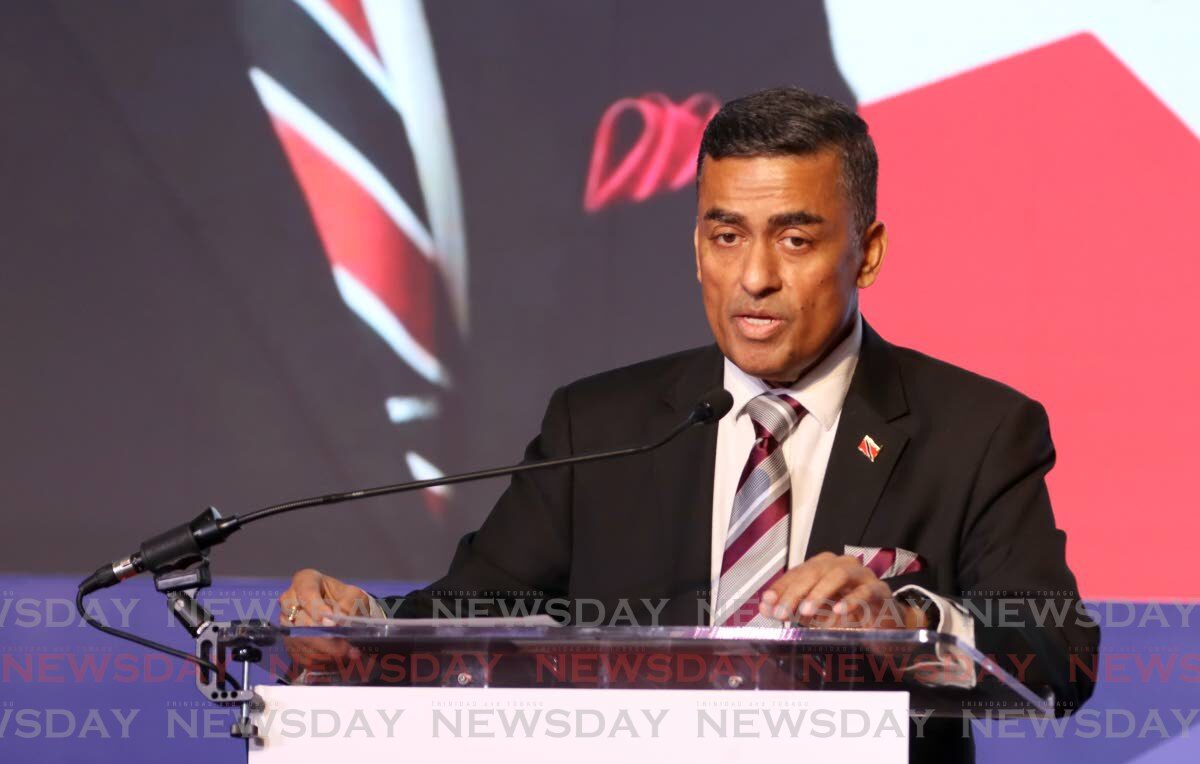
    Trinidad and Tobago’s Finance Minister Davendranath Tancoo has characterized the impending 76% natural gas price increase for light industrial customers as a strategic opportunity for business optimization rather than merely a cost burden. The controversial adjustment, scheduled to take effect at month’s end, will elevate rates from US$3 to US$5.30 per MMBtu for state-owned NGC’s commercial clients.

    During a January 25 press briefing at the United National Congress headquarters in Chaguanas, Minister Tancoo addressed concerns raised by the TT Manufacturers’ Association regarding potential nationwide economic repercussions. Rather than viewing the hike as purely inflationary, the minister framed it as a catalyst for operational improvements within the business sector.

    “This situation presents a challenge for enterprises, including TTMA members, to critically examine their operational capabilities,” Tancoo stated. “There exists now a compelling incentive to enhance efficiencies and streamline processes to prevent passing additional costs to consumers.”

    The minister defended NGC’s pricing strategy as a necessary correction after years of substantial government subsidies. He revealed that light industrial users had been receiving natural gas at rates “substantially lower” than those paid by heavy industrial sectors and far below actual extraction costs.

    “While logically any input cost increase affects final product pricing, we’re establishing a more realistic price range,” Tancoo explained. “The adjustment specifically aims to align light industrial rates closer to both industrial customer prices and actual production expenses.”

    Tancoo emphasized that even with the implemented increase, Trinidad and Tobago’s manufacturers would maintain a competitive advantage within the Caribbean region regarding energy costs. The minister acknowledged inevitable objections but stressed the long-term necessity of moving away from subsidized pricing models toward market-reflective rates that accurately represent the value of the national resource.