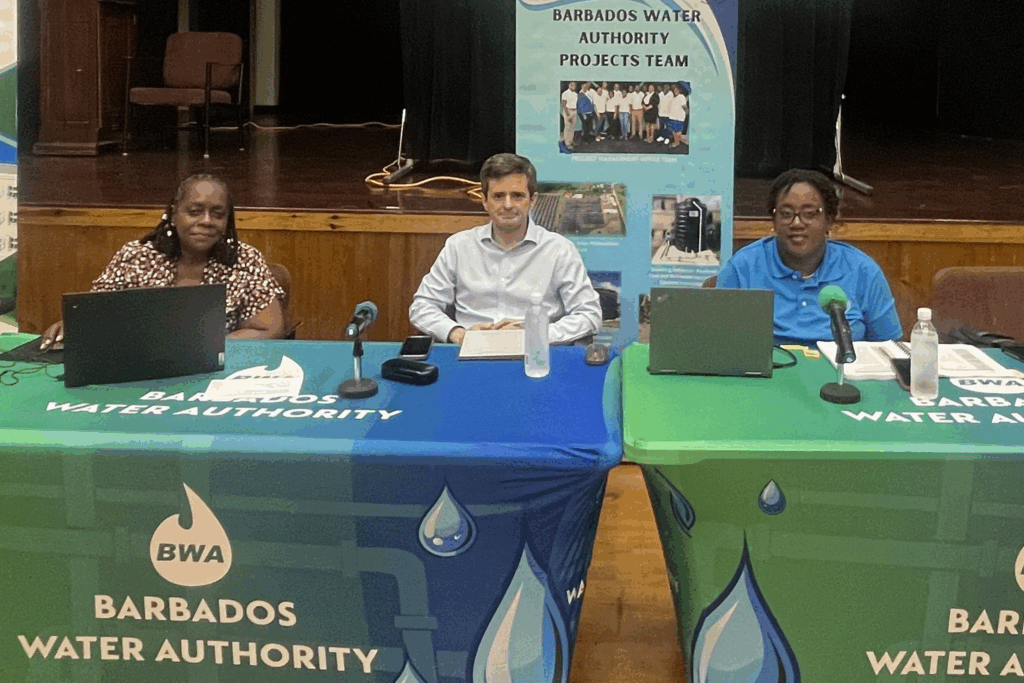
As Barbados prepares to embark on a transformative $160 million water infrastructure upgrade, authorities are emphasizing the importance of safety measures designed to protect residents and minimize disruptions. At a recent public stakeholder engagement session held at Lester Vaughan School, the Barbados Water Authority (BWA) and the Inter-American Development Bank (IDB) unveiled a detailed Strategic Environmental and Social Management Plan (SESMP). This plan outlines 18 specific programs addressing critical areas such as occupational health and safety, road safety, air quality, noise control, and compliance monitoring. Federico Scodelaro of the IDB explained that the SESMP aims to conduct a thorough evaluation of environmental and social impacts, establish mitigation strategies, and implement robust management procedures to minimize risks throughout the project’s lifecycle, from construction to operation and eventual closure. Scodelaro highlighted potential challenges, including occupational accidents, dust and noise pollution, and temporary road diversions in high-traffic areas. However, he also pointed to the project’s positive outcomes, such as job creation, enhanced water supply reliability, and improved groundwater conservation. To ensure accountability, a three-tier grievance redress mechanism has been established, prioritizing urgent safety concerns for swift resolution. The infrastructure program is divided into four key components: $100 million for replacing 100 kilometers of deteriorated water mains, $50 million for leak detection and network optimization, $6 million for enhancing BWA’s technical capacity, and $4 million for staffing, audits, and SESMP implementation. BWA Project Manager Shelley Parris emphasized the project’s focus on improving service delivery, climate resilience, and resource management. She acknowledged the challenges of funding and the need for further upgrades, noting that while this project addresses 100 kilometers of mains, over 400 kilometers still require replacement. The full SESMP document is accessible online and at various public locations, including BWA headquarters and public libraries across Barbados.
作者: admin
-
Antiguans Overwhelmingly Back Swyft App, Calling It Long Overdue
The launch of the Swyft ride-hailing app in Antigua has ignited a wave of enthusiasm among residents, who view it as a long-awaited modernization of the country’s outdated taxi system. Social media platforms have been abuzz with praise for the app, with many comparing it to global giants like Uber. Residents have lauded Swyft for its convenience, safety features, and transparency, while criticizing traditional taxi associations for resisting innovation. The app’s introduction has sparked a heated debate about the future of transportation in Antigua, with many calling for a shift toward digital platforms to keep pace with global trends. Swyft has emphasized its commitment to enhancing, rather than replacing, existing taxi services, offering features such as GPS tracking, real-time booking, upfront fares, and cashless payments. The app’s successful debut during Carnival 2025, with over 300 rides booked on its first day, underscores the public’s demand for change. Despite warnings from taxi associations about threats to tradition and livelihoods, the overwhelming response suggests a growing impatience with the status quo and a strong appetite for progress.
-
Government to prioritise derelict building revival
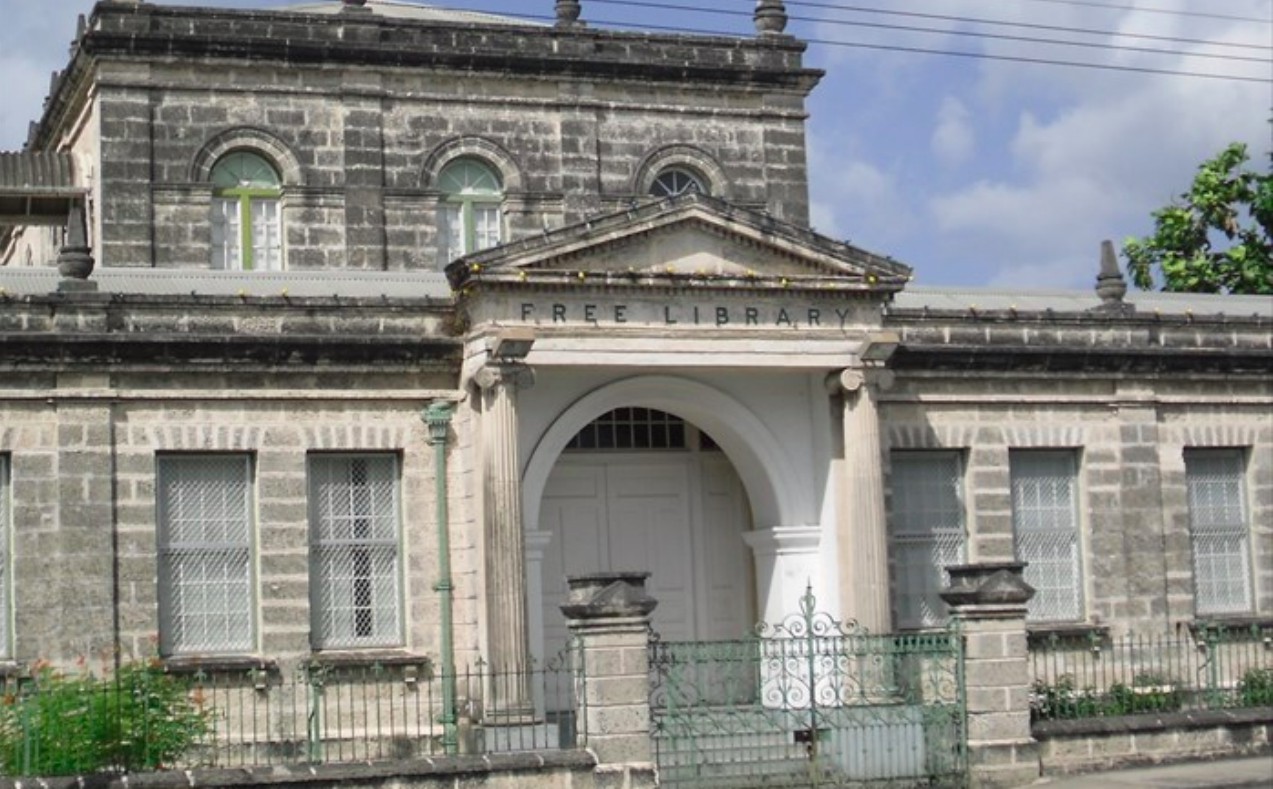
As Barbados approaches its 60th year of independence, the government has announced the revival of long-stalled plans to convert abandoned public and private buildings into homes, offices, and rental units. New Housing Minister Chris Gibbs unveiled this vision during the Technical and Vocational Education Training Council’s fourth Barbados Annual Construction and Design Conference at Sandals Royal, Maxwell, Christ Church. Gibbs emphasized the urgency of addressing derelict structures, which he described as both unsightly and potential hubs for illegal activities. The initiative aims to provide shelter for those displaced by disasters, create office space for expanding government departments, and offer rental units, while tackling the broader issue of neglected properties. Gibbs highlighted the advantage of government-owned buildings, which can be repurposed without extensive legal hurdles. This project builds on previous efforts by former Housing Minister Dwight Sutherland, who had announced plans to transform over 25,000 derelict buildings and vacant lots island-wide. A $700,000 grant from the Inter-American Development Bank will help launch the program, with work expected to begin in 2025, starting in urban areas like Mason Hall Street and Green Fields. Gibbs has already discussed the initiative with senior officials, underscoring its priority on the government’s agenda.
-
Dominica delegation participates in 18th OECS Credit Union Summit in St. Kitts
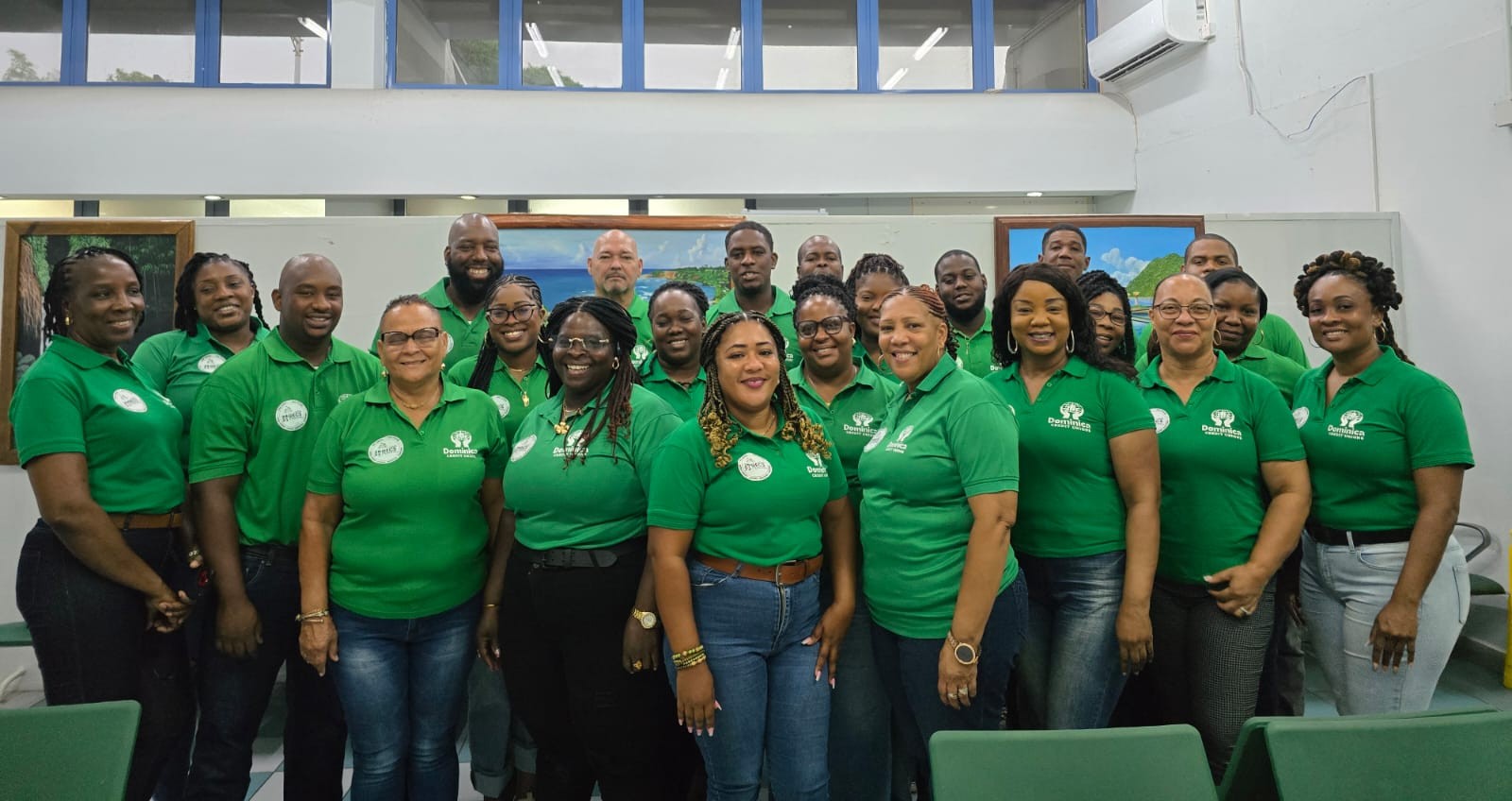
A delegation of 23 representatives from Dominica is actively participating in the 18th Organisation of Eastern Caribbean States (OECS) Credit Union Summit, held from September 23 to 28, 2025, at the St. Kitts Marriott Resort. The group comprises staff and volunteers from four prominent credit unions—Central Cooperative Credit Union, Marigot Cooperative Credit Union, West Coast Co-operative Credit Union, and National Cooperative Credit Union—alongside officials from the Dominica Co-operative League Ltd and the Corporate Finance Facility (CORPEFF).
The summit, themed “One Vision, One Future: OECS Credit Unions Growing Together,” is organized by the St. Kitts and Nevis National Co-operative League Ltd. It aims to unite cooperators from across the OECS region to devise strategies for bolstering the credit union movement and tackling economic challenges through cooperative business models.
The event kicked off with an Opening Ceremony on September 24, featuring a keynote address by Timothy Antoine, Governor of the Eastern Caribbean Central Bank (ECCB). His presentation, titled “Navigating the Economic and Financial Landscape of the Eastern Caribbean Currency Union (ECCU): Are Credit Unions Positioned for Strategic Expansion?” laid the groundwork for the week’s discussions.
Participants are engaging in a variety of sessions, including plenary discussions, fire side chats, round table engagements, and networking events. Key topics under discussion include modernizing regulatory standards, the potential of green lending, diversifying investment portfolios, multi-generational member engagement, building resilient IT ecosystems, strengthening governance, and reimagining operational models for strategic growth.
The Dominica delegation departed on September 23 and is set to return on September 28, following the summit’s conclusion.
-
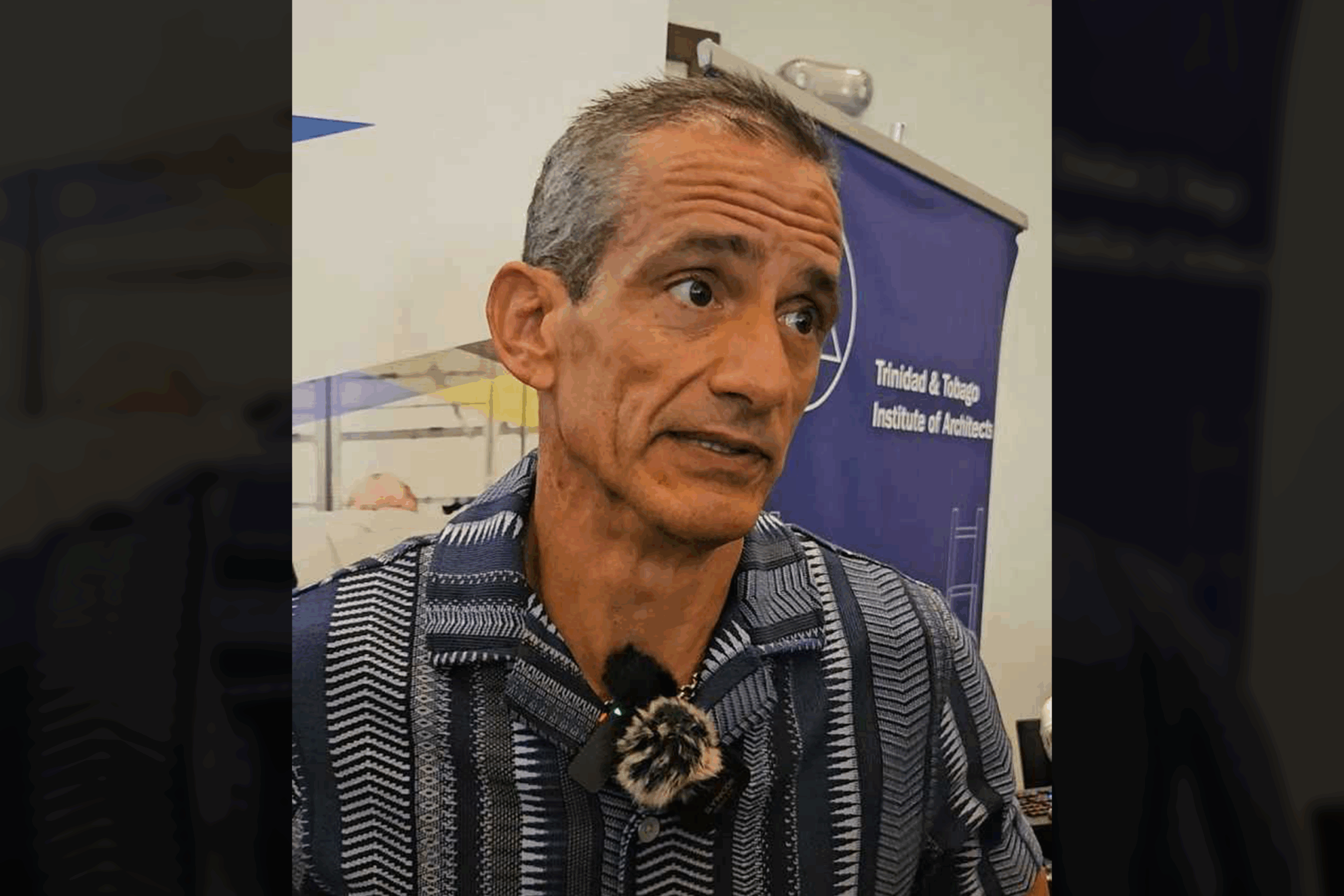
Maloney Group to invest $700M in major housing developments
Barbados is set to witness a transformative investment of over $700 million in two of its largest housing developments, spearheaded by construction magnate Mark Maloney. The executive chairman of The Maloney Group unveiled ambitious expansion plans for The Residences at Coverley and Atlantic Breeze in Christ Church during the TVET Council’s 4th Barbados Annual Construction and Design Conference. The Residences at Coverley, already in its first phase, will deliver nearly 600 homes, complemented by a vibrant lifestyle community featuring the island’s first dedicated nature trail and a sprawling 70,000 square-foot retail town center. Maloney emphasized the inclusion of major brands, restaurants, and entertainment venues, estimating the investment at Coverley to be around $500 million. Atlantic Breeze, with its second phase nearing completion and third phase underway, will contribute an additional $200 million, bringing the total investment to over $700 million. Homes in these developments are priced between $200,000 and $300,000, offering unmatched value, according to Maloney. Despite initial roofing issues in phase one, which have since been resolved, Maloney expressed confidence in homeowner satisfaction and the company’s commitment to addressing any concerns promptly. The government has also pledged to upgrade road infrastructure leading to the developments, with work expected to commence soon. Looking ahead, The Maloney Group is exploring additional projects, including condominiums and hospitality investments, and is considering similar developments abroad to cater to international buyers seeking well-organized, amenity-rich communities.
-
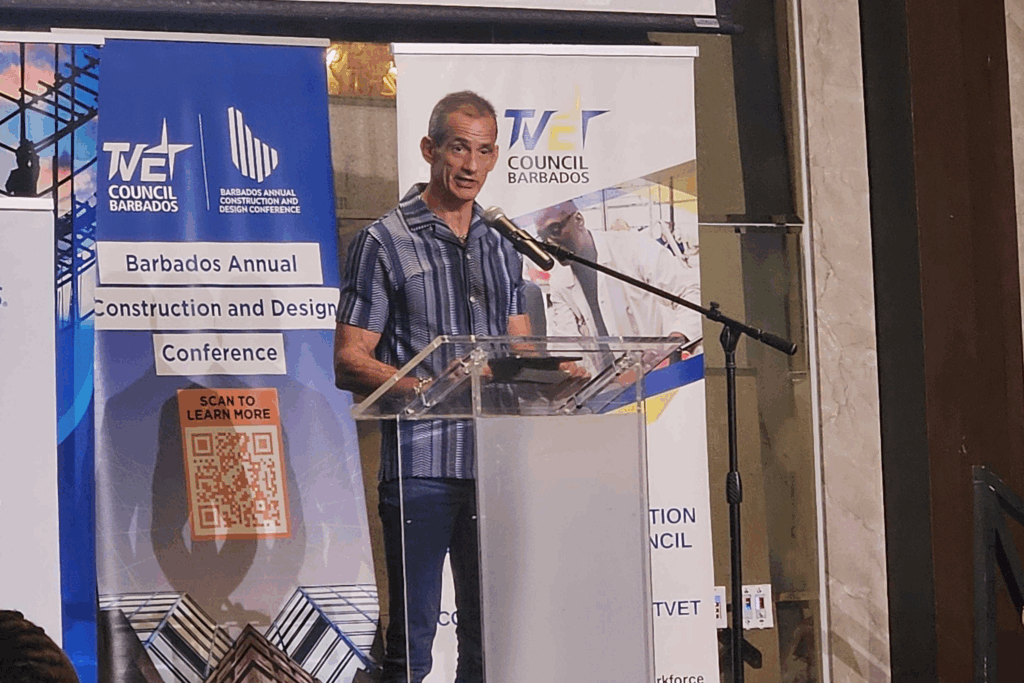
Magnate vows thousands of new posts in landmark hotel project
After a decade of delays, the construction of the Hyatt Ziva hotel at Carlisle Bay in Barbados is finally poised to begin in earnest within the next two months, according to developer Mark Maloney. The project, which represents the largest private investment in the island’s history, is a cornerstone of the government’s plan to revitalize Bridgetown with new commercial, residential, and hospitality developments. Maloney, executive chairman of The Maloney Group, revealed that preparatory work, including substructure improvements, has been completed over the past six months. The next phase will involve laying the foundation and commencing the vertical build, with the project expected to be finalized by the end of 2027. The Hyatt Ziva hotel will feature 380 rooms, adding significant capacity to Barbados’ tourism sector and complementing other ongoing developments in the area. Maloney emphasized the project’s transformative impact, noting its potential to create 2,000 construction jobs and 1,200 permanent hotel positions. He also highlighted the broader economic benefits, stating that the investment reflects confidence in Barbados’ future and will attract further overseas investment. Originally announced in 2016 as a 237-room Hyatt Centric boutique hotel, the project was later rebranded under Hyatt’s Ziva family-friendly, all-inclusive brand. The switch, though unexplained, aligns with the growing demand for comprehensive resort experiences. The Hyatt Ziva project is seen as a catalyst for renewed energy and optimism in Barbados’ hospitality and construction sectors.
-

Bursary launched for Caribbean law graduates to train on US death penalty cases
Stanbrook Prudhoe, a Caribbean-based law firm specializing in complex cross-border disputes, has unveiled a new bursary program in collaboration with international legal charity Amicus. The Stanbrook Prudhoe Bursary aims to provide young legal professionals from the Caribbean with invaluable hands-on experience in the United States justice system, particularly in death penalty cases. The selected candidate will spend three months on an Amicus US General Volunteer Placement, working through one of Amicus’ 20 affiliate offices across the US.
The initiative is designed to expose Caribbean lawyers to the complexities of capital defense while equipping them with skills and knowledge they can apply in their home region. Tim Prudhoe, co-founder of Stanbrook Prudhoe, emphasized the significance of the partnership, noting Amicus’ three-decade-long commitment to advocating for individuals facing the death penalty in the US. Prudhoe, who interned with Amicus in 1998 in Houston, Texas, expressed hope that the bursary would alleviate financial barriers and prepare Caribbean lawyers for careers in capital defense.
In addition to covering associated fees, the bursary recipient will have the opportunity to attend the second weekend of Amicus’ Autumn Death Penalty Training in London. Applications are open until December 19, 2025, to holders of law degrees or equivalent professional qualifications from eligible jurisdictions, including Anguilla, Antigua and Barbuda, Barbados, Jamaica, and Trinidad and Tobago, among others. Interested candidates can find further details on the Amicus website.
-

Nearly 100 Pounds of Cannabis Seized in Joint Police and Customs Operations
In a significant crackdown on illegal drug trafficking, the Royal Police Force of Antigua and Barbuda, in collaboration with Customs officials, successfully intercepted close to 100 pounds of cannabis within a 24-hour period. The operations, conducted at the V. C. Bird International Airport and the Deep Water Harbour, mark a major victory in the ongoing battle against the illicit drug trade. On September 24, law enforcement officers discovered two cardboard boxes containing 40 vacuum-sealed packages of cannabis at the Deep Water Harbour Cargo Area. The haul, weighing 40 pounds, has an estimated street value of $240,000. The following day, a similar operation at the airport Cargo Shed led to the seizure of 52 vacuum-sealed packages, amounting to 52 pounds with a street value of $312,000. Both consignments were transported to Police Headquarters for further investigation. These seizures underscore the effectiveness of joint operations between the Police and Customs in safeguarding the nation’s borders and disrupting the flow of illegal substances. Authorities have emphasized their commitment to maintaining vigilance and cooperation to combat drug trafficking. Investigations into the incidents are ongoing.
-
LETTER: I Believe Antigua and Barbuda’s Immigration System Is Failing the People
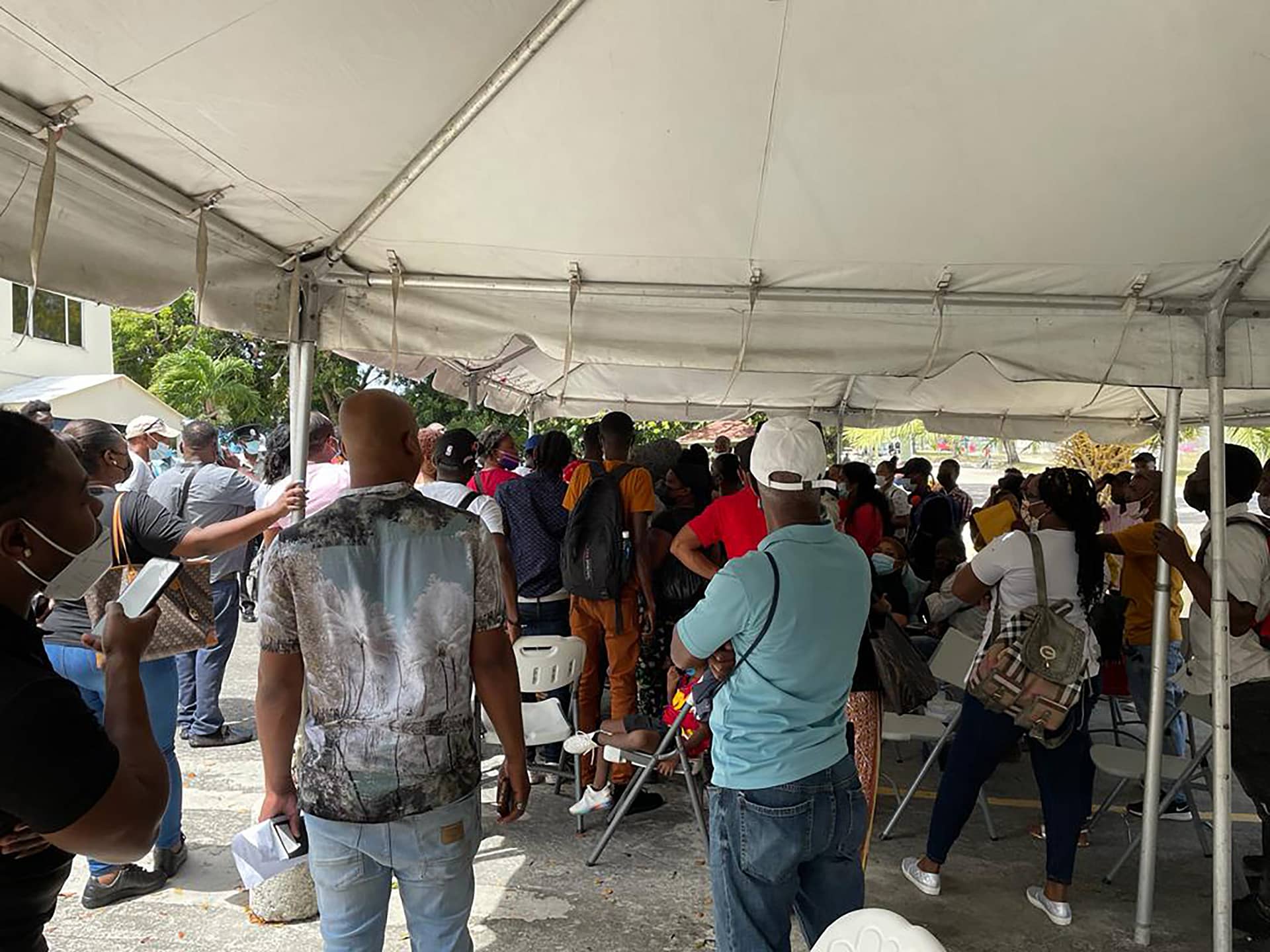
Antigua and Barbuda’s immigration system is under intense scrutiny for its inefficiency and inequitable treatment of applicants. While the Immigration and Passport Act of 2014 outlines clear requirements for residency and citizenship, the execution of these laws has been marred by inconsistencies, poor communication, and financial barriers. The 2022 Amnesty Program, intended to regularize the status of undocumented residents, has become a glaring example of these systemic failures. Thousands of applicants were left in limbo due to unclear communication from the Immigration Department, with many mistakenly believing that acknowledgment cards granted them residency or citizenship. In reality, these cards only served as proof of registration, a distinction that was not adequately explained. As a result, many participants are now at risk of deportation, despite having followed the program’s instructions. Further compounding the issue, applicants report inconsistent treatment, such as receiving shorter stamp durations than promised and being charged double fees for dual applications. The high costs of residency and citizenship, which exceed the average monthly salary, make legal status unattainable for many working families. Delays in processing applications, exacerbated by backlogs from the COVID-19 pandemic, have eroded trust in the system. Additionally, the absence of a citizenship test means new citizens are not required to demonstrate basic knowledge of Antigua and Barbuda’s anthem, language, or history—a practice common in other countries. To address these issues, experts recommend clear written guidance from the Attorney General and Chief Immigration Officer, standardized stamp durations, elimination of double fees, and the introduction of a citizenship test. The government must also commit resources to clear the backlog and publish regular progress reports. Without these reforms, the public’s faith in the immigration system will continue to decline, undermining the principles of fairness and national pride.
-

OP-ED: Why back-to-school time shouldn’t mean back to unhealthy food marketing
As a parent navigating the ‘First Day of School’ milestone, the experience was both exhilarating and daunting. Months of preparation went into gathering essentials for my toddler’s preschool journey. However, this transition also unveiled a troubling reality: the pervasive and unethical marketing of unhealthy, ultra-processed foods targeted at children. These products, often disguised as lunchbox necessities, are cleverly designed to appeal to young minds, undermining efforts to promote healthy eating habits.