作者: admin

  • Transportation : Sunrise Airways opens a new regional hub in the Dominican Republic

    Transportation : Sunrise Airways opens a new regional hub in the Dominican Republic

    Haiti’s premier carrier Sunrise Airways has unveiled a strategic expansion of its regional operations by establishing a new operational hub in Santo Domingo, Dominican Republic. This development marks a significant milestone in the airline’s ongoing mission to enhance connectivity throughout the Caribbean basin.

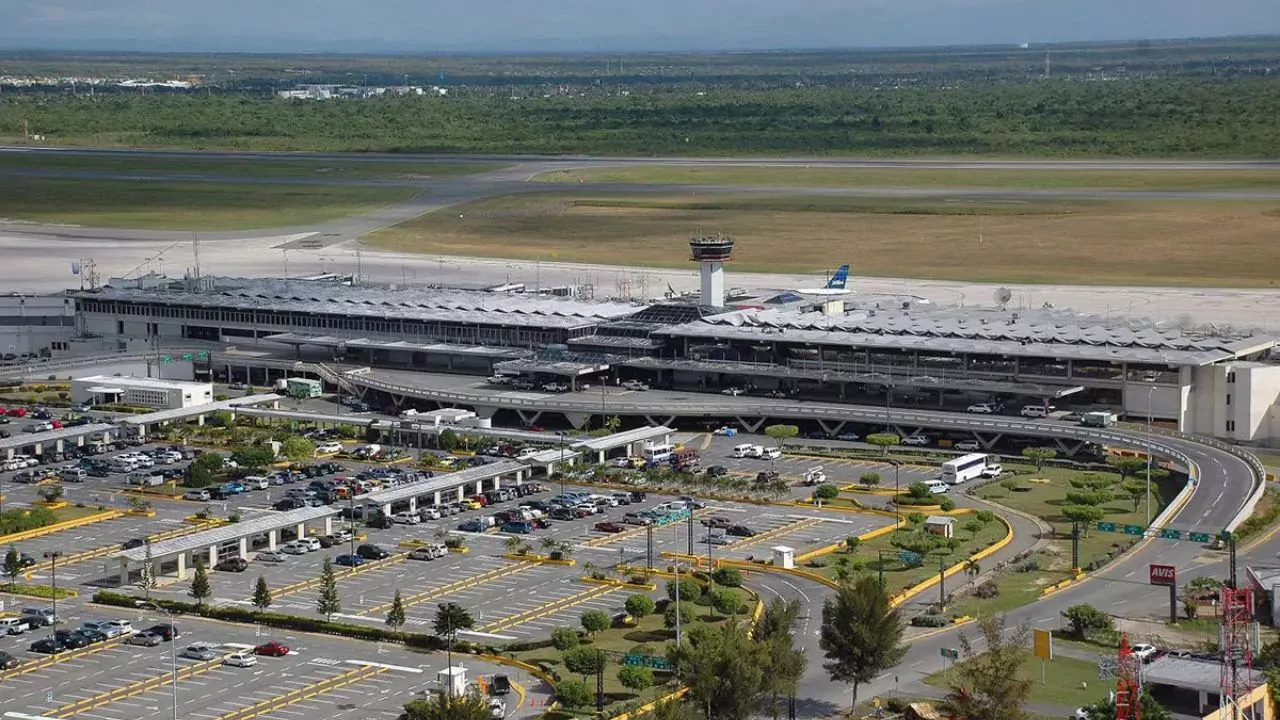
    The inaugural flights from Las Américas International Airport (SDQ) will connect Santo Domingo to Antigua’s V.C. Bird International Airport (ANU) and Tortola’s Terrance B. Lettsome International Airport (EIS) beginning early March 2026. The airline will utilize its 30-seat Embraer 140 aircraft, operated through its certified subsidiary Sunrise Airways Dominicana, which has been operational since 2019.

    This expansion represents the latest chapter in Sunrise Airways’ sustained growth narrative that began in 2012. The carrier has progressively developed an extensive network connecting Caribbean capitals and islands with shared economic, cultural, and tourism interests. To date, the airline has transported approximately 1.85 million passengers across routes including Port-au-Prince, Cap-Haïtien, Havana, Santiago de Cuba, Miami, Fort Lauderdale, and numerous other Caribbean destinations.

    The new Santo Domingo hub follows the airline’s successful expansion into the Lesser Antilles in May 2024, which established connections to Antigua, Saint Kitts and Nevis, Dominica, and Saint Lucia. This strategic move reinforces the airline’s ‘One Caribbean’ vision, which aims to create a more integrated regional transportation network.

    Flight operations will maintain a consistent schedule with twice-weekly service to Antigua (Tuesdays and Saturdays) and twice-weekly service to Tortola (Thursdays and Sundays). The establishment of this new hub facilitates enhanced tourism opportunities, business travel efficiency, and stronger connections between regional communities living and working across the Caribbean archipelago.
  • Belize City Looks to Balance Business Growth with Park Protection

    Belize City Looks to Balance Business Growth with Park Protection

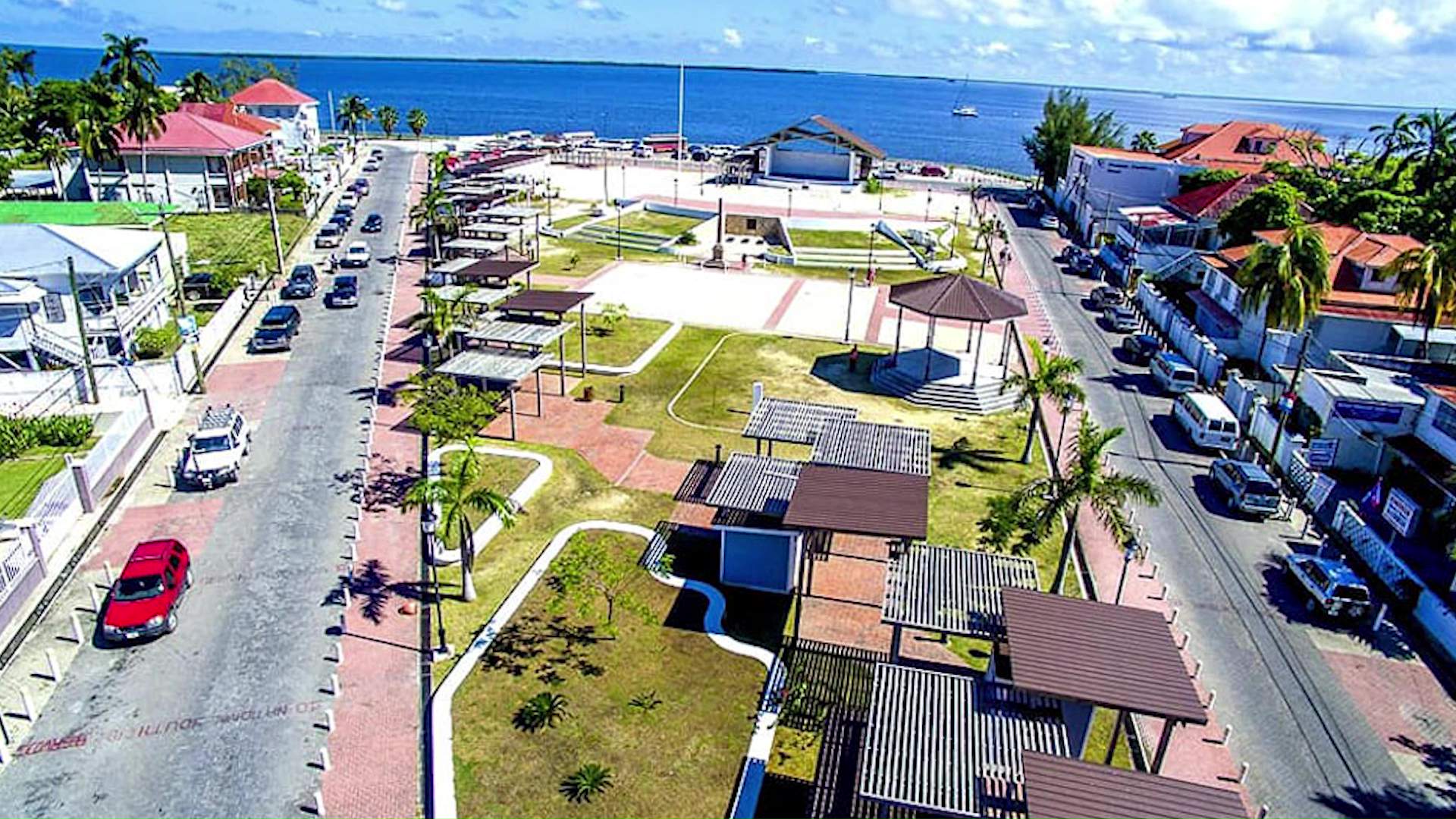
    Belize City is implementing a dual-focused strategy that harmonizes robust economic development with the preservation of essential public green spaces. Municipal authorities, led by Mayor Bernard Wagner, are actively formalizing land ownership for thirteen city parks to ensure their permanent protection. This initiative emerges alongside a notable surge in local entrepreneurship and business licensing that is dynamically reshaping the urban economy.

    Mayor Wagner emphasized the critical need for this undertaking, stating, ‘We are in charge of various parks—Memorial Park, Rock Park (also known as San Cas Park), Wilton Cumberbatch, Manatee Park in Caribbean Shores, Fiesta Park, and others—but we have never held the official titles to these spaces.’ He articulated a philosophy of leaving the city improved for future generations, a perspective he attributes to his background in banking and institutional management.

    The city council, collaborating with the Ministry of Natural Resources and area representatives, has launched the process to secure these land titles. Wagner explained the practical necessity: ‘It’s not good when an institution lacks proper documentation. We want to ensure these public spaces are legally in our hands to prevent future ownership disputes where individuals might attempt to claim these areas.’

    The administrative process is already underway, with thirteen titles currently being processed. Once acquired, these documents will be professionally registered and placed in secure municipal custody. This systematic approach aims to create an official register of all public space titles, providing legal certainty for the city’s recreational infrastructure. This balanced development model demonstrates how urban growth and environmental stewardship can progress simultaneously, ensuring that as more residents pursue business ventures, their communities maintain protected gathering spaces for recreation and social connection.

  • Final PCC Report Under Government Review

    Final PCC Report Under Government Review

    Belize has entered a decisive stage in its constitutional reform process as the government initiates formal review procedures for the comprehensive final report compiled by the People’s Constitution Commission (PCC). The document, containing 167 distinct recommendations for modernizing the nation’s supreme legal framework, represents the culmination of a 30-month collaborative effort involving 46 commissioners representing 23 diverse organizations.

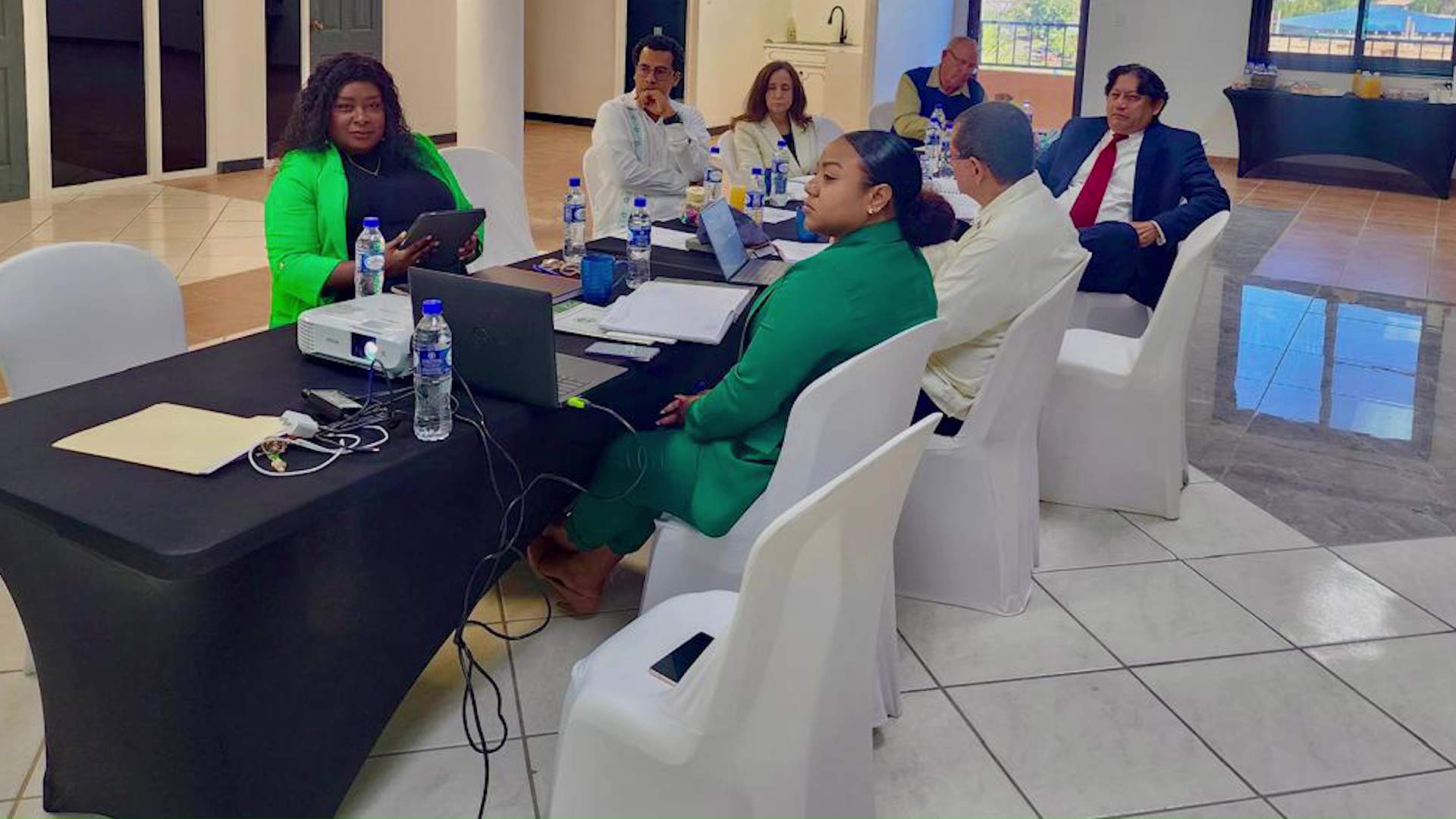
    Although the report has not yet been officially delivered to Prime Minister John Briceño, preliminary discussions are already advancing. Dr. Louis Zabaneh, Minister of Constitution and Religious Affairs, recently convened with former PCC leadership, including ex-Chair Anthony Chanona, to receive detailed briefings on the commission’s methodology and findings. This orientation session aimed to equip the ministerial team with essential background knowledge as they prepare to navigate the complex recommendations.

    The extensive consultation process faced significant challenges regarding inclusivity and transparency concerns raised by certain former members. Despite these internal debates and occasional heated discussions, the commission maintained remarkable cohesion throughout its operational period. Former Chair Chanona emphasized the body’s resilience, noting that while dissenting opinions were properly recorded and presented to leadership, the commission never fractured organizationally.

    Looking forward, stakeholders advocate for making the complete report publicly accessible following established legislative protocols. There are growing calls for subsequent nationwide consultations to ensure citizen engagement throughout the implementation phase. This transparent approach would allow Belizeans to provide input on proposed constitutional amendments before potential parliamentary consideration.

  • UDP Chair To NTUCB: “No Time for Splitting Hairs”

    UDP Chair To NTUCB: “No Time for Splitting Hairs”

    BELIZE CITY – Political tensions have intensified following a contentious protest outside the Social Security Board, sparking a public dispute between the United Democratic Party (UDP) and the National Trade Union Congress of Belize (NTUCB). The conflict emerged after union leaders accused UDP supporters of exhibiting aggressive behavior during Wednesday’s demonstration – allegations the opposition party vehemently denies.

    UDP Chairlady Sheena Pitts has issued a sharp rebuttal, asserting her party acted independently without coordination with labor organizations. In her response to critics, Pitts emphasized that the fundamental national concern should remain centered on the proposed Belize Telemedia Limited (BTL) acquisition of Speednet Communications, rather than what she characterized as peripheral disputes about protest tactics.

    “The notion that the UDP as an independent entity is meeting of the minds with the union, I don’t know that has happened,” Pitts stated. “If the unions decide to operate in a particular way, that is their prerogative. The United Democratic Party is ensuring we fulfill exactly what we were mandated to do.”

    The UDP leader dismissed the criticism as counterproductive “hair-splitting” that distracts from what she considers a grave national issue. Pitts redirected attention toward Prime Minister John Briceño’s administration, accusing the government of forming what she metaphorically described as a “northern caucus gang” while allegedly ignoring public opposition to the telecommunications merger.

    Pitts expressed frustration that public concerns about the BTL-Speednet deal are being overshadowed by political maneuvering. “What is concerning is not about what I am saying or what the President of the BNTU is saying,” she emphasized. “The focus should remain on the fact that the public has sounded the alarm against this deal, yet the government moves forward like a juggernaut through a wall.”

    The UDP maintains that despite the methodological disagreements with union partners, the primary objective remains opposing a telecommunications consolidation that they believe threatens national interests and demonstrates government overreach.

  • Peruvian man gets one year of pretrial detention for false bomb threat at AILA

    Peruvian man gets one year of pretrial detention for false bomb threat at AILA

    A Peruvian national has been sentenced to 12 months of preventive detention for triggering a false security alert that severely disrupted operations at Las Américas International Airport (AILA) in Santo Domingo. The Judicial Office of Permanent Attention Services of Santo Domingo Este issued the ruling at the request of the Public Prosecutor’s Office.

    Ángel del Pino Cuya stands accused of activating emergency protocols on January 6, 2026, by falsely reporting an explosive device aboard Copa Airlines flight CM-299 destined for Panama. The aircraft, which was already airborne with passengers and crew, was forced to return to the airport following the threat.

    Investigations reveal that the security breach occurred through a telephone call placed to Aeropuertos Dominicanos Siglo XXI (Aerodom), immediately triggering comprehensive security measures. These protocols included the aircraft’s emergency return, thorough security inspections, temporary suspension of all airport operations, and diversion of incoming flights to alternative terminals. Subsequent investigations confirmed the threat was entirely fabricated.

    Prosecutors Andrés Mena and Ana Sánchez successfully argued before the court that preventive detention was essential to ensure the defendant’s presence throughout judicial proceedings. Law enforcement authorities subsequently apprehended Del Pino Cuya in the Los Girasoles sector of the National District, where crucial evidence related to the case was seized and incorporated into the official investigation.

    The Public Prosecutor’s Office emphasized that such actions transcend mere public alarm, directly impacting critical national infrastructure and aviation security. This elevation of the case to national security significance reflects the serious nature of the offense.

    The defendant faces provisional charges under multiple legal frameworks, including articles 3, 63, and 78 of Law 188-11 on Airport and Civil Aviation Security, which penalize unlawful interference and communication of false information endangering aircraft safety. These charges carry potential sentences of 3 to 10 years imprisonment. Additionally, he is accused of violating articles 11 and 30 of Law 267-08 on Terrorism, which stipulate penalties of up to 40 years incarceration.

    Under the order of Judge Karen Casado Minyety, Del Pino Cuya will serve his pretrial detention at the Las Parras Correction and Rehabilitation Center while judicial proceedings continue.

  • BTL Calls Starlink a Complementary Service

    BTL Calls Starlink a Complementary Service

    Amid ongoing scrutiny of Belize Telemedia Limited’s proposed acquisition of Speednet, the telecommunications giant is articulating its strategic vision for navigating disruptive technologies in the digital arena. Contrary to perceptions that emerging satellite internet services like Starlink pose a competitive threat, BTL’s leadership characterizes them as complementary components to Belize’s connectivity ecosystem.

    Chief Financial Officer Ian Cleverly presented the company’s position during recent discussions, emphasizing BTL’s commitment to terrestrial network superiority. “Starlink serves specific complementary functions rather than direct competition,” Cleverly stated. “Our fiber-to-the-home infrastructure delivers significantly superior speeds and bandwidth capabilities compared to satellite alternatives, which operate within constrained data channels.”

    The financial executive elaborated on BTL’s broader strategic objectives, highlighting investments in national capacity building. “Our growth strategy prioritizes Belize’s technical expertise development and career advancement aligned with our digital transformation agenda,” Cleverly explained. “We’re committed to upskilling Belizean talent for the new technological era while expanding training opportunities for future generations.”

    BTL’s stance emerges as policymakers and industry observers debate how traditional telecom providers should adapt to global satellite internet proliferation. The company maintains that its primary focus remains strengthening domestic infrastructure rather than reacting to emerging technologies. This perspective positions satellite services as niche solutions while asserting terrestrial networks’ continued dominance in delivering high-volume data consumption requirements.

    The telecommunications provider’s confident outlook reflects its assessment of current technological capabilities and market demands, suggesting Belize’s digital future will be built primarily through ground-based networks augmented by specialized satellite services.

  • Belizean Named Top Commonwealth Youth Finalist

    Belizean Named Top Commonwealth Youth Finalist

    In a remarkable display of global recognition for Caribbean youth leadership, Belizean national Ishmael Nicholson has achieved distinction as one of twenty elite finalists for the Commonwealth Youth Peace Awards. Selected from an extensive pool of candidates spanning fifty-six member nations, Nicholson’s nomination highlights his exceptional contributions to youth empowerment, social development, and advancement of the Sustainable Development Goals.

    Nicholson’s journey to this prestigious shortlist reflects years of dedicated service across multiple platforms. His application portfolio documented transformative work dating back to 2021, including participation in the Children’s Parliament, COP-28 climate conference, Small Island Developing States (SIDS) initiatives, and his current leadership role with Rise Belize—a cornerstone of his successful nomination.

    In an exclusive interview, Nicholson described experiencing profound emotions upon learning of his selection. “I felt tremendous excitement alongside genuine happiness and accomplishment,” he shared. “This recognition serves not merely as personal validation but as collective acknowledgment for all my partners—from UNICEF and NCFC to various government ministries and global collaborators.”

    Notably, Nicholson’s submission was categorized under Partnership (SDG 17), reflecting his cross-sectoral approach to youth development. His methodology emphasizes breaking down institutional barriers to create synergistic relationships between international organizations and local communities.

    When offering guidance to aspiring changemakers, Nicholson advocates for reframing community service beyond conventional metrics. “View engagement not as work but as civic duty,” he advised. “Impact shouldn’t be measured solely by scale—every contribution matters in our collective mission to build a better Belize.”

    The Commonwealth Youth Awards celebrate young leaders driving positive change aligned with the Sustainable Development Goals. Nicholson’s placement among the top twenty finalists signals growing international appreciation for Caribbean-led development initiatives and positions Belize prominently within global youth leadership conversations.

  • U-17 World Cup Qatar 2026 Qualifier : Our Grenadiers crush the Spice Boys [5-1] (video)

    U-17 World Cup Qatar 2026 Qualifier : Our Grenadiers crush the Spice Boys [5-1] (video)

    In a spectacular display of offensive prowess, Haiti’s U-17 national football team launched their FIFA U-17 World Cup Qatar 2026 qualifying campaign with a commanding 5-1 victory over Grenada on February 5, 2026. The match, held at Guatemala City’s Cementos Prograso Stadium, showcased the formidable talent of the Caribbean squad known as ‘Les Grenadiers.’

    Under the strategic guidance of Coach Kowsky Sainvil, Haiti fielded a starting lineup featuring several players who had previously gained international experience during the last World Cup in Qatar. The team composition demonstrated a blend of domestic talent from Haitian academies and overseas-developed players from Jamaican football institutions.

    Match proceedings began decisively when Emerson Laïsse converted a penalty kick in the 10th minute, placing a precise right-footed shot into the bottom left corner. The momentum continued as Marvenly Exilas doubled Haiti’s advantage in the 24th minute with a close-range finish, assisted by Laïsse.

    Grenada momentarily narrowed the deficit in the 25th minute when Cogan Dowden unleashed an extraordinary right-footed strike from over 35 meters that found the center of the goal. However, Exilas quickly reestablished Haiti’s two-goal cushion with his second score in the 33rd minute, capitalizing on an assist from Jhon-Widy Belton.

    The second half witnessed continued Haitian dominance as Exilas completed his hat trick in the 65th minute with a left-footed shot from the penalty area center, again facilitated by Laïsse’s playmaking. Substitute Macenat Prophète delivered the final blow in the 91st minute, connecting with a header from Sonson Jean-Baptiste’s cross to seal the comprehensive 5-1 triumph.

    The victory positions Haiti favorably in Group C standings alongside Guatemala, who also secured three points in their opening match. Haiti’s upcoming fixtures include confrontations with Antigua and Barbuda on February 7 and host nation Guatemala on February 10, which will prove crucial for advancement to the World Cup tournament.

  • U.S. Ambassador Leah Francis Campos makes first official visit to FUNGLODE

    U.S. Ambassador Leah Francis Campos makes first official visit to FUNGLODE

    In a significant diplomatic engagement, United States Ambassador Leah Francis Campos conducted her inaugural official visit to the Global Democracy and Development Foundation (FUNGLODE) on February 2nd. The distinguished delegation was formally received by former Dominican President Dr. Leonel Fernández, who currently serves as the institution’s president, alongside key members of the foundation’s executive leadership team.

    Accompanied by Nora Brito, Chief of the Political Affairs Unit at the U.S. Embassy, Ambassador Campos embarked on an extensive tour of FUNGLODE’s facilities, dedicating over two hours to comprehensively understanding the organization’s multifaceted operations. The visit provided deep insights into the foundation’s diverse portfolio spanning academic research, cultural programming, and intellectual discourse. Substantive discussions centered on FUNGLODE’s extensive contributions to educational advancement, strategic policy formulation, and cultural development through literature, cinematic arts, musical production, and various socio-cultural initiatives with demonstrated impact both domestically and internationally.

    The diplomatic exchange unfolded in an atmosphere characterized by mutual respect and constructive dialogue, emphasizing the critical intersection of cultural exchange, knowledge dissemination, and international cooperation as fundamental components for democratic consolidation and sustainable social progress. Ambassador Campos particularly engaged with FUNGLODE’s state-of-the-art broadcasting infrastructure, including professional radio and television studios alongside advanced music production facilities. During this segment, she enjoyed curated excerpts from the musical legacy of Johnny Ventura, the revered Dominican merengue legend.

    Further enhancing the diplomatic-cultural exchange, the Ambassador convened with technical and creative personnel involved in an upcoming cinematic venture developed through FUNGLODE Films. This interaction provided valuable perspective on the institution’s support mechanisms for audiovisual production, underscoring its sustained commitment to nurturing the cultural and creative economic sectors within the Dominican Republic and beyond.

  • State of the Region Report 2025: ‘Region in its Worse Crisis in 30 Years’

    State of the Region Report 2025: ‘Region in its Worse Crisis in 30 Years’

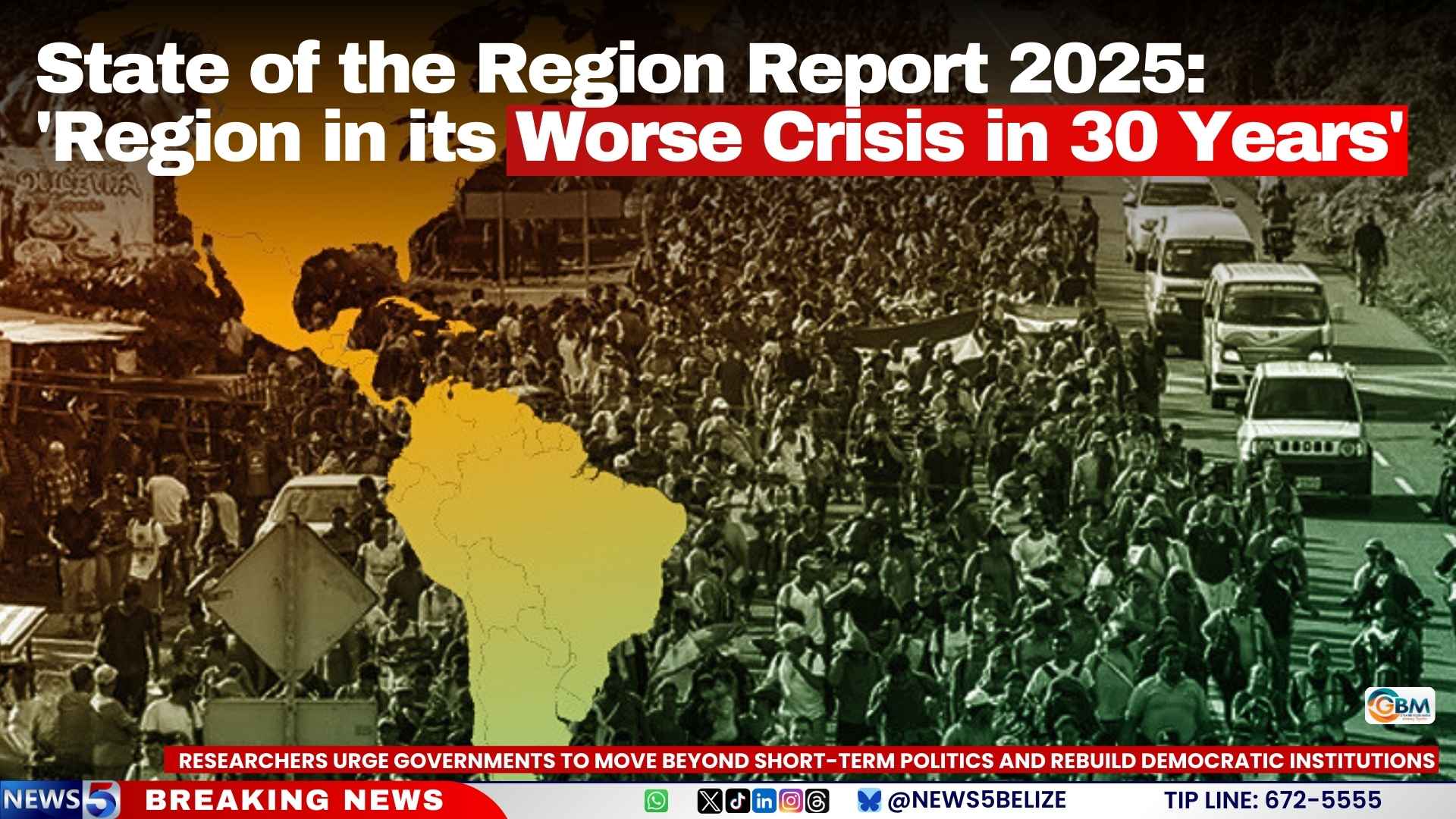
    A comprehensive regional assessment reveals Central America and the Dominican Republic are confronting their most severe political and social crisis in three decades. The Seventh State of the Region Report 2025, published by the University of Belize Research Office in collaboration with regional partners, presents a stark analysis of the area’s deteriorating conditions between 2018 and 2023.

    The landmark study, compiled by Costa Rica’s National Council of Rectors, identifies a troubling paradox: despite moderate economic expansion, the region experiences deepening development disparities, democratic erosion, and declining regional cooperation. This growth pattern remains fundamentally exclusionary and environmentally unsustainable, failing to translate into broad-based wellbeing for the population.

    Researchers pinpoint five critical, interconnected challenges threatening regional stability. Economic and social inequalities have intensified, particularly between Costa Rica, Panama, and the Dominican Republic versus their regional neighbors. Nations have reverted to pre-pandemic patterns of reduced social investment despite persistent poverty, abandoning the brief post-COVID rebound period.

    The political landscape has deteriorated to its most dangerous state since the era of military conflicts, with rising autocratization fueled by public disillusionment over unmet social expectations. Regional fragmentation severely limits collective response capabilities to global power pressures, diminished foreign aid, and external economic shocks. Additionally, inadequate cooperation mechanisms, aging demographics, escalating organized crime, and poor climate adaptation coordination further undermine collective action.

    The report concludes that post-pandemic governance has systematically weakened the region’s capacity to promote sustainable human development. With poverty, inequality, and institutional fragility persisting alongside declining social investment, researchers urgently call for governments to transcend short-term political calculations and rebuild democratic institutions and regional cooperation frameworks before current pressures solidify into permanent setbacks.