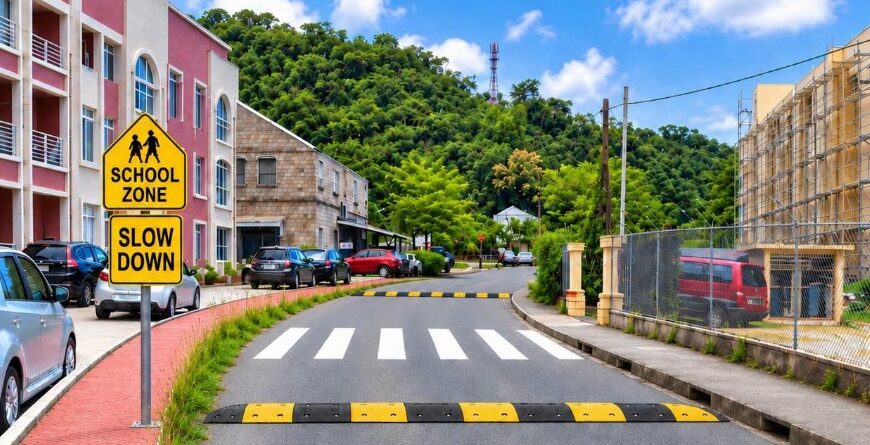
As students across Dominica head back to classrooms for the 2026 fall academic term, the Commonwealth of Dominica Police Force (CDPF) has launched a suite of targeted traffic safety interventions along River Street, urging all motorists to adjust their driving habits to accommodate increased foot and vehicle traffic around two nearby secondary schools. The new school term officially kicked off on Monday, September 7, 2026, with a temporary campus arrangement that has shifted daily student activity to the River Street corridor: Goodwill Secondary School students are currently being housed at a site adjacent to Dominica Grammar School, a change that police say will bring far higher volumes of both vehicles and pedestrians to the area, especially during the busy morning drop-off and afternoon dismissal windows. To mitigate the risks this increased activity poses for students, commuters and other road users, CDPF is rolling out multiple infrastructure and regulatory changes focused on the stretch of River Street that runs past both Dominica Grammar School and the new temporary entrance for Goodwill Secondary School. One of the key infrastructure upgrades is the installation of new speed humps in the high-traffic school zone, designed to naturally slow vehicle speeds through the area. Police are already reminding motorists to reduce their speed well in advance when approaching these new traffic calming features. To increase visibility of the school zone, new official “School Zone” and “Slow Down” warning signs will also be posted at multiple points along River Street, with police repeatedly urging drivers to stay attentive to road signage and follow all official traffic directions. A key safety improvement for students walking to and from campus is a freshly painted marked pedestrian crossing directly at the Goodwill Secondary School temporary entrance. Motorists have been instructed to exercise extreme caution when approaching this crossing and to yield right of way to students, pedestrians and any other road users using the designated crossing. To address the common problem of traffic congestion from drop-off and pick-up activity, CDPF has also introduced a new access rule: drivers who are transporting Goodwill Secondary students will be allowed to enter the campus via the designated gate to drop off and pick up children directly on site. This adjustment is specifically intended to cut down on the number of vehicles stopping and idling along the main River Street roadway, keeping traffic flowing smoothly and reducing the risk of collisions involving crossing students. Beyond the new infrastructure and rules, police have issued a broad public appeal for cooperation across all groups. CDPF is encouraging all motorists traveling through the River Street school zone to practice patience, keep speeds low, stay alert to surrounding activity, and comply with all posted traffic signs and official directions from law enforcement. The force is also asking for buy-in from not just drivers, but also parents, students and the entire local community, emphasizing that collective vigilance and cooperation are the most important factors in keeping everyone who uses River Street and the surrounding school areas safe throughout the academic term.
作者: admin
-
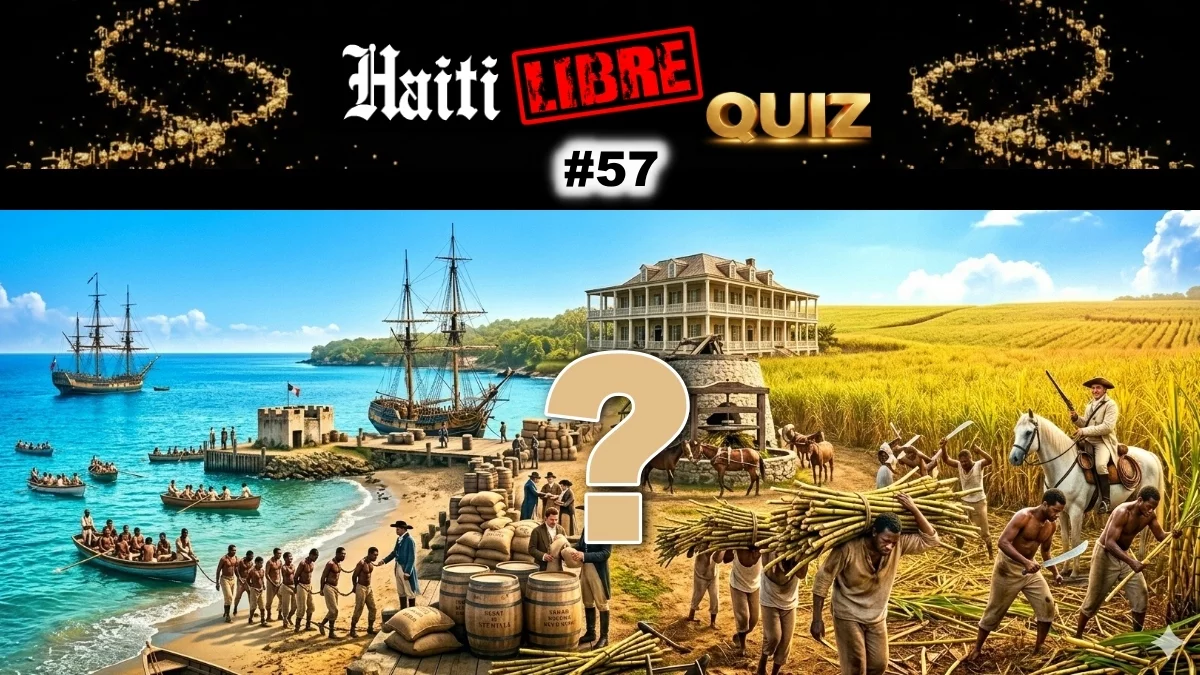
Leisure : Did you know ? #57
In the latest installment of HaitiLibre’s popular twice-weekly general knowledge series “Did You Know?”, published September 9, 2026, readers are invited to uncover a little-remembered chapter of Haiti’s colonial history: the story of the former capital of Saint-Domingue that once earned the nickname “Paris of the Antilles.”
By the 18th century, the coastal city of Cap-Français—today known as Cap-Haïtien—had emerged as the beating economic, cultural and social heart of the French colony of Saint-Domingue. Tucked along Haiti’s northern shore, the bustling port served as the primary exit point for cargo ships loaded with the colony’s valuable export goods bound for European markets. Its carefully planned street grid, striking elegant architecture, opulent stone-built mansions, vibrant theatrical scene, and nonstop social calendar quickly earned it a reputation as one of the most glamorous settlements in the Caribbean, leading to its enduring “Paris of the Antilles” moniker.
Wealthy colonial planters and elite merchant families flaunted extravagant lifestyles in the city, their levels of luxury matching and even rivaling those of the most prominent upper classes in major European capitals. Though Port-au-Prince was officially designated the colony’s administrative capital in 1749, Cap-Français never lost its standing as the most iconic symbol of the material and cultural wealth generated by Saint-Domingue’s colonial economy. Today, this historical detail remains a fascinating window into Haiti’s pre-independence past.
This historical trivia is sourced from the answer fact sheets included with HaitiLibre’s Quiz-HaitiLibre series, a free interactive knowledge platform designed to help users explore topics spanning Haitian history, global current events and more. The platform recently expanded its offerings as part of its monthly September 2026 update: 30 new quiz games were added on September 1, pushing the total number of available quizzes to 240, with new content added every month going forward.
Unlike many online quiz platforms, all Quiz-HaitiLibre content is 100% free to access and requires no user registration to play. Quizzes are built to suit all experience levels, with three adjustable difficulty tiers—easy, intermediate, and expert—and all content is offered in both French and English. Users looking for more challenging content can access specialized topics through the platform’s “Expert” menu. The site also invites players to share the platform with friends and family, and submit feedback and suggestions via a form included at the end of every quiz. For creators, the platform frames unanswered questions not as failures, but as opportunities to learn new facts and expand one’s general knowledge.
-
Grenada strengthens national preparedness for future respiratory pathogen pandemics
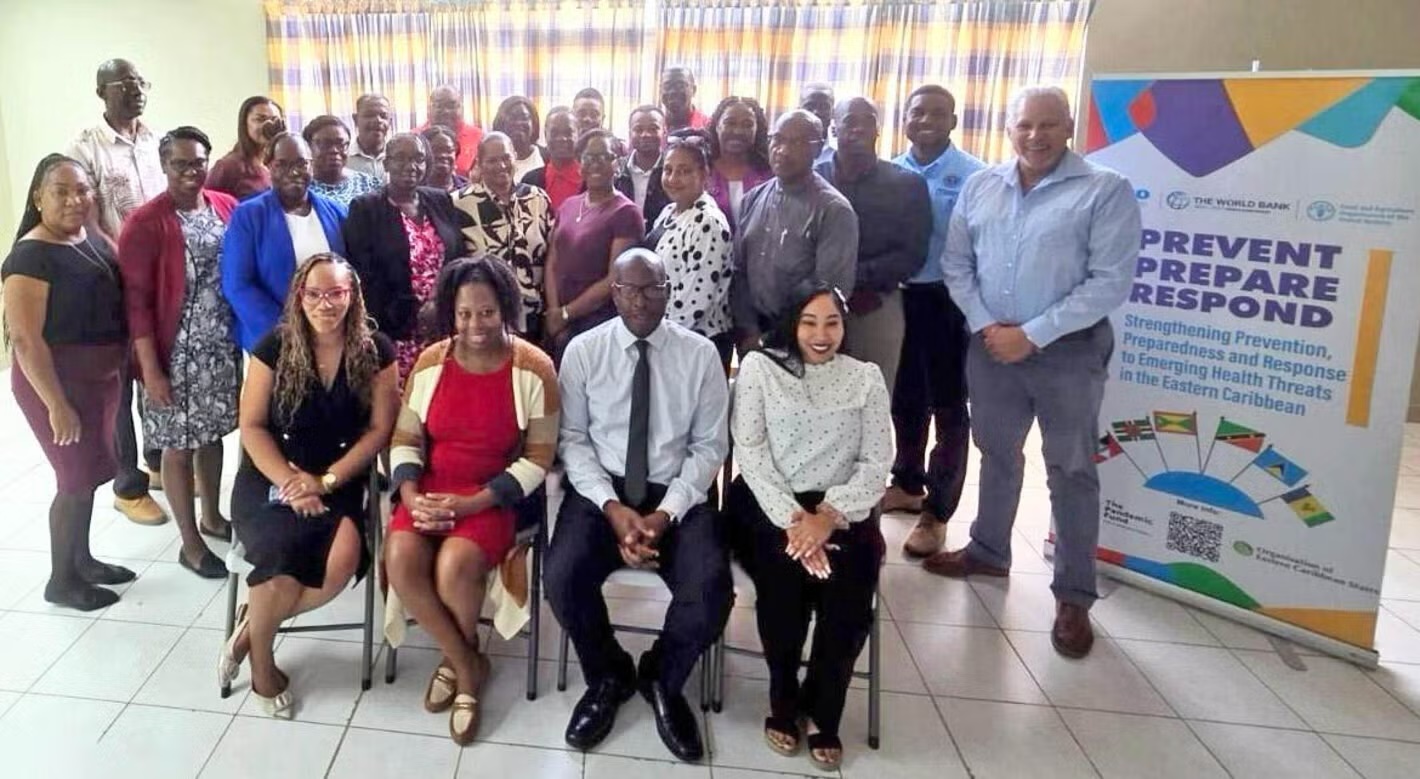
Against a global backdrop of ongoing lessons from recent global health crises, the Caribbean nation of Grenada has made meaningful progress in shoring up its defenses against future respiratory pathogen pandemics, following a 2.5-day national stakeholder workshop focused on validating and upgrading the country’s official pandemic preparedness and response framework.
Organized jointly by Grenada’s Ministry of Health, Wellness and Religious Affairs and the Pan American Health Organization/World Health Organization (PAHO/WHO), the interactive workshop delivered a prioritized roadmap of targeted updates to ensure the national plan aligns with modern local legislative structures, current staffing rosters, formal institutional responsibilities, and on-the-ground operational realities. The entire initiative is backed by the Pandemic Fund Project for Eastern Caribbean Countries, a regional effort designed to boost pandemic readiness across smaller island nations.
Grenada’s National Respiratory Pathogen Pandemic Preparedness and Response Plan outlines a whole-of-society approach to preventing, detecting, and managing outbreaks of contagious respiratory diseases that could rise to pandemic levels. Its scope spans core functional areas: governance and legal authority for emergency responses, phased pandemic alert level systems, disease surveillance frameworks, community protection protocols and public risk communication, standardized clinical management of patients, infection prevention and control protocols, access to and distribution of medical countermeasures, sustained emergency financing, and cross-agency national coordination. Critically, the plan is built to bring Grenada’s national practices in line with the 2005 International Health Regulations and embed a cross-sector One Health approach that integrates human, animal, and environmental health systems.
The workshop drew 27 cross-sector participants representing a broad range of agencies that would play critical roles in any pandemic response. Attendees included stakeholders from multiple divisions of the Ministry of Health – the Epidemiology Unit, Grenada General Hospital, Central Medical Stores, and national mental health services – alongside representatives from the Ministry of Agriculture and Office of the Chief Veterinary Officer, Ministry of Legal Affairs, Ministry of Social Development, Government Information Service, National Disaster Management Agency, St. George’s University, and the Windward Research and Education Foundation (WINDREF).
Working in small collaborative working groups, participants ran a tabletop simulation to test core provisions of the existing plan against a hypothetical respiratory pathogen outbreak scenario. Each provision was coded with a color rating: green for policies that are up-to-date and functional, amber for provisions that required targeted amendments, and red for gaps where the capacity or mechanism outlined in the plan does not yet exist in practice.
The comprehensive review confirmed that the overall structure of Grenada’s existing national plan remains robust and fit for purpose. At the same time, the process identified a clear set of gaps and areas that require updating to reflect the country’s current domestic context, from revised national legislation to shifting staffing arrangements.
On the final day of the workshop, participants ranked all proposed amendments by urgency and importance, creating a formal prioritized action register that assigns clear responsible parties and target completion timeframes for every required update. This document provides the Ministry of Health with a clear, sequenced, time-bound roadmap to guide the revision and eventual implementation of the updated plan.
Top priority actions include revisions to the national legal and policy framework governing pandemic responses; clarification of formal activation authority and cross-agency decision-making responsibilities; formal documentation of laboratory and clinical care surge capacity arrangements; strengthening national infection prevention and control protocols; establishing realistic, actionable schedules for early-warning reporting and regular preparedness simulation exercises; and maintaining up-to-date emergency contact information that accounts for regular staffing turnover.
A flagship One Health priority identified through the review is the creation of a formal written standard operating procedure (SOP) for information sharing between the Office of the Chief Veterinary Officer and the national Epidemiology Unit. While informal collaboration between animal and human health sectors already occurs when needed during ongoing events, no formal written protocol currently exists to govern how potential pandemic signals detected in animal populations are communicated to human health authorities, nor does it outline required response timeframes for these alerts. The new SOP will be co-developed by the Ministry of Agriculture, St. George’s University, and WINDREF to fill this critical gap.
Grenada’s Chief Medical Officer, Dr. Shawn Charles, emphasized that sustained pandemic preparedness remains a critical public health priority even when no immediate threat is on the horizon. “Pandemic preparedness is not something a country can assemble once a threat has arrived. It has to be built, tested and maintained in the quiet periods,” Dr. Charles explained during the workshop. “What this workshop has done is put every section of our plan in front of the people who would have to act on it and ask them plainly whether it would work. A plan that sits on a shelf protects no one. A plan that our officers have interrogated, corrected and can act on is what protects Grenadians.”
Moving forward, the prioritized action register will guide the full revision of the National Respiratory Pathogen Pandemic Preparedness and Response Plan, with the Ministry of Health leading coordination and collecting input from all responsible agencies identified during the workshop. The Grenada workshop is one component of the broader Pandemic Fund Project for Eastern Caribbean Countries, which supports participating regional nations in building long-term capacity for pandemic prevention, preparedness, and response, per PAHO/WHO.
This content is sourced from PAHO/WHO reporting, with NOW Grenada not taking responsibility for contributor-provided content,
-
Partial closure of a section of Princess Alice Highway on Friday
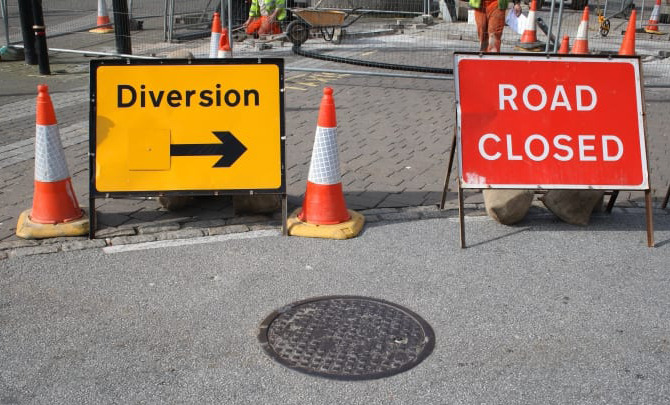
Barbados’ Ministry of Innovation, Industry, Science and Technology (MIST) has announced a planned temporary shutdown of a segment of the Princess Alice Highway, restricting all vehicle access between the hours of 2 p.m. and 10 p.m. this coming Friday, September 11. The partial road closure is being put in place to accommodate an exciting community-focused tape-ball cricket tournament, held to honor the Barbados Tridents’ home matches as part of the ongoing Caribbean Premier League season.
The stretch of highway impacted by the closure runs from the intersection of Prescod Boulevard, past the Export Barbados Pelican House Building, all the way to the junction where Princess Alice Highway meets Mortuary Road. In an effort to minimize travel disruptions, MIST is strongly encouraging all motorists to plan ahead and use alternate travel routes whenever possible. Drivers are also reminded to follow all posted traffic signage and adhere to directions provided by attending police officers and event organizing staff throughout the duration of the closure.
Organizers note that the traffic restriction is a critical safety measure designed to protect event participants, attending spectators, and members of the general public who may be in the area. Beyond safety considerations, the closure makes it possible to hold a community event that celebrates local sport and fosters national pride across Barbados. MIST has acknowledged that the temporary road shutdown is likely to create some degree of inconvenience for regular road users, and the ministry has issued a formal apology for any disruptions. It also extended its gratitude to the Barbadian public for their expected cooperation and understanding as the event gets underway.
-
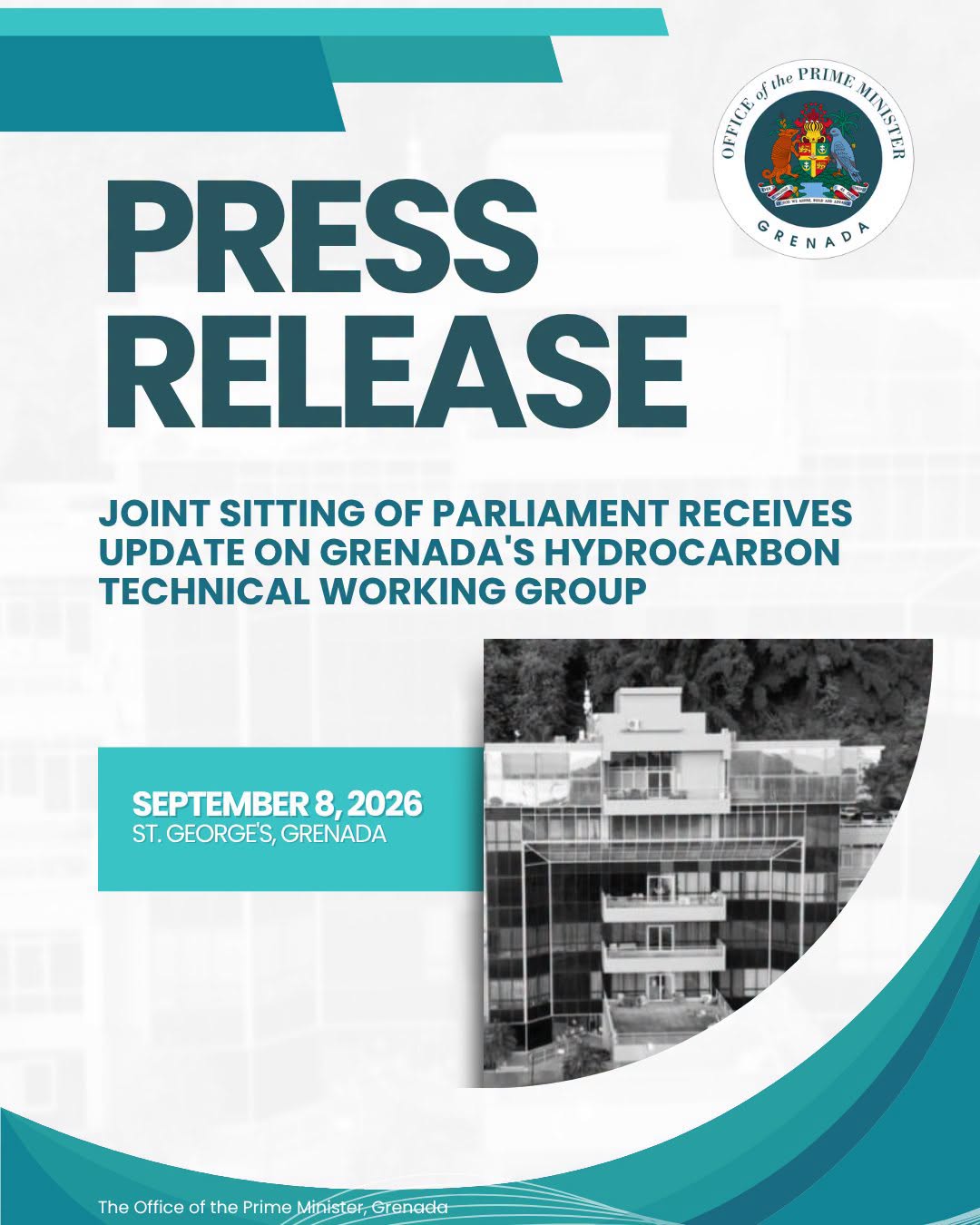
Joint Sitting of Parliament receives HTWG update
On 8 September, both the lower and upper houses of Grenada’s Parliament gathered for a rare joint sitting, called to deliver a full public and legislative briefing on the island nation’s ongoing hydrocarbon development initiative, including the government’s controversial recent decision to end a key contract with foreign energy firm Global Petroleum Group (GPG).
The sitting was organized around three core priorities: upholding governmental accountability, boosting public awareness of a matter critical to the country’s long-term economic future, and ensuring full transparency around the management of Grenada’s offshore natural resources. During the session, lawmakers received a detailed progress report from the Grenada Hydrocarbons Technical Working Group (HTWG), the expert body appointed by the Cabinet of Ministers in October 2023 to oversee the programme.
The HTWG was created with a clear national mandate: to conduct independent assessments of Grenada’s offshore oil and gas potential, and if commercially viable reserves are identified, build a strategic roadmap for exploration, extraction, and revenue generation that prioritizes the well-being of current Grenadian citizens and future generations. Today’s presentation, led by HTWG Chairman V Nazim Burke and Lead Consultant Gilbert Yevi, a veteran senior petroleum engineer, covered advances across every key area of the programme, including technical surveys, economic modeling, commercial negotiations, operational planning, and regulatory policy development. Lawmakers also received an overview of the working group’s upcoming activities, designed to position Grenada to capture maximum economic benefit from any future hydrocarbon development.
A central focus of the briefing was a step-by-step breakdown of the events that led the government to terminate GPG’s Production Sharing Agreement and revoke the company’s Development Licence. The background of the agreement stretches back to 2008, when GPG was first granted exploration rights to 11 offshore blocks off Grenada’s coast. In 2013, the company was awarded a formal Development Licence and finalized a Production Sharing Agreement with the government covering four of those blocks, establishing a legal framework for resource development and revenue sharing between the firm and the state.
According to the HTWG’s testimony to Parliament, despite multiple formal attempts by the Grenadian government to secure compliance from the company, GPG never met its required contractual obligations under the terms of the licence and agreement. After a months-long comprehensive review of the case, the government officially published termination notices in the national Gazette on 29 July 2026, formally ending the agreement and revoking the licence.
The presentation laid out the full range of legal, economic, strategic, and operational factors that guided the HTWG’s recommendation and the government’s final action, with presenters repeatedly emphasizing that the decision was rooted in the non-negotiable goal of protecting Grenada’s national interests and upholding the country’s full sovereign rights over its own natural resources.
Following the presentation, the joint sitting opened for a live question-and-answer session, giving lawmakers from both houses the opportunity to engage directly with HTWG members and their technical experts. The interactive session allowed for in-depth discussion of all outstanding questions related to the overall hydrocarbon programme, the details of the GPG contract termination, and the planned next steps for the sector.
Closing the sitting, the government reaffirmed its ongoing commitment to keeping both Parliament and the Grenadian public fully updated as work on the hydrocarbon agenda moves forward. Officials restated that all future progress will be conducted in line with core principles of transparency, responsible resource management, and unwavering alignment with Grenada’s national priorities.
-
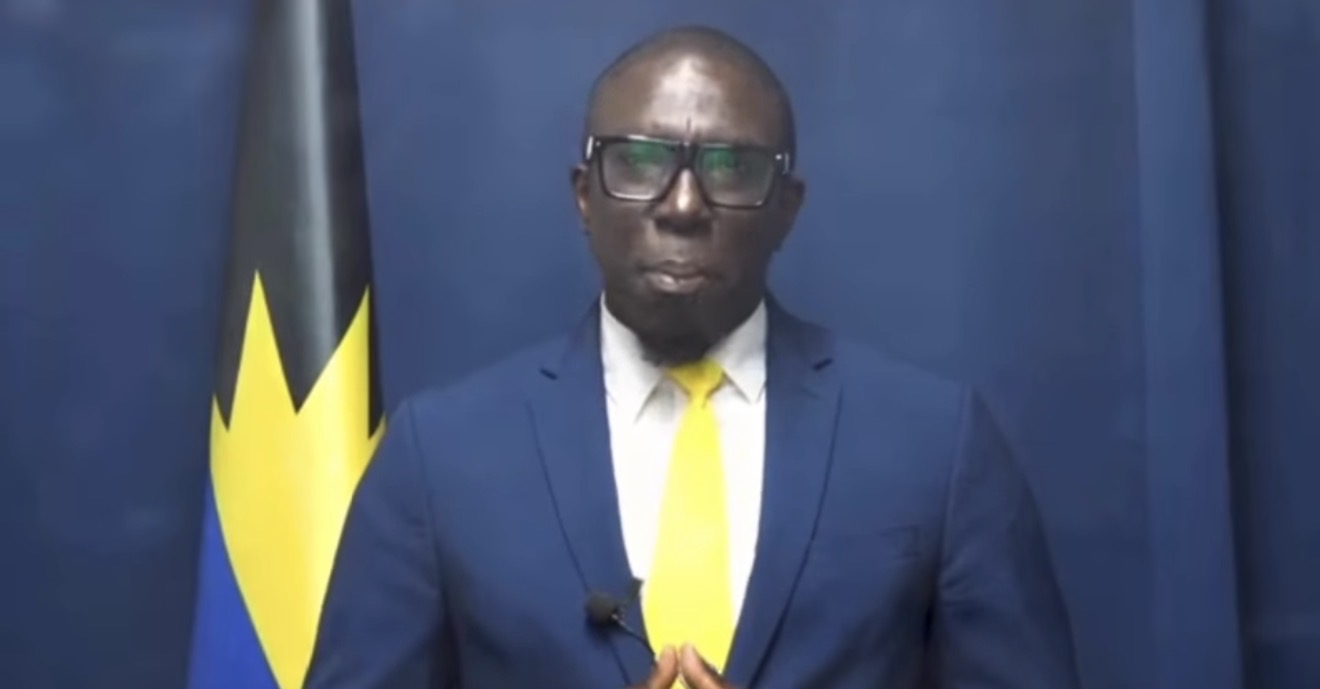
Opposition Calls for Timely Release of Major Bills ahead of September 18 Parliamentary Sitting
With just two weeks remaining until the Antigua and Barbuda House of Representatives is scheduled to convene for a September 18 sitting to debate a slate of high-stakes legislation, the country’s Opposition has raised sharp alarms over the governing administration’s failure to share draft bill text and supporting materials with elected opposition lawmakers. As of Wednesday, September 9, Opposition Leader Hon. Jamale Pringle confirmed his office had not received copies of any of the six major bills listed for consideration, spanning policy areas that touch nearly every aspect of daily life for Antigua and Barbuda’s citizens.
The legislative package up for discussion includes transformative measures: the Police Bill, Fire and Rescue Service Bill, Antigua and Barbuda Forensic Services Bill, Firearms (Amendment) Bill, Magistrate’s Code of Procedure (Amendment) (No. 2) Bill, and the Mental Health Care Bill. None of these proposals qualify as routine, low-impact parliamentary business: each addresses core domains of governance that directly shape public safety, individual rights, access to justice, and community wellbeing across the twin-island nation.
Opposition officials warn that withholding full draft legislation ahead of the sitting reduces Parliament to nothing more than a rubber-stamping body for policy crafted behind closed doors, a violation of core democratic and constitutional principles. Under established norms of good governance, all elected representatives – particularly opposition lawmakers, who hold a constitutional mandate to provide scrutiny – must be given adequate time to review proposed language, consult with affected stakeholders and industry experts, secure independent legal and technical guidance, and craft thoughtful, informed contributions to national debate. Simply announcing a legislative timeline, the Opposition argues, does not meet the basic standard of transparent, accountable governance that the public deserves.
Each bill included in the upcoming sitting carries the potential for far-reaching, long-lasting impacts that demand careful scrutiny. A new Police Bill will shape the scope of police powers, institutional oversight, accountability frameworks, disciplinary protocols, and ultimately the civil rights of all Antigua and Barbuda residents. Proposed amendments to firearms legislation, brought forward amid ongoing concerns over violent crime, must be vetted thoroughly to ensure they address public safety needs without eroding constitutional protections or creating language that could be applied inconsistently or unfairly across different groups. Changes to the Magistrate’s Code of Procedure will directly impact public access to justice and the day-to-day functioning of the country’s court system, while legislation covering forensic services, fire and rescue operations, and mental health care all require deep, collaborative engagement with frontline professionals, civil society groups, affected communities, and the general public to craft effective, equitable policy.
“These subjects deserve thoughtful national discussion, not rushed consideration,” the Opposition emphasized in a statement, noting that the party stands ready to back strong, modern, well-crafted legislation that delivers genuine improvements to public safety, strengthens national institutions, and protects the interests of Antigua and Barbuda’s people. Lawmakers confirmed they will support any measure that is properly drafted, constitutionally sound, and aligned with the national good. At the same time, the party’s core responsibility as the elected opposition is to scrutinize proposed policy, flag gaps and weaknesses, defend civil rights, and propose amendments to improve legislation when necessary – a task that is impossible without access to full draft text in advance.
The Opposition is calling on the governing administration to immediately circulate the full text of all six bills, alongside all supporting materials including explanatory memoranda, policy white papers, and background documentation. Beyond sharing the drafts with opposition lawmakers, the party is urging the government to make all proposals public so that ordinary citizens and stakeholders can understand what changes are being considered on their behalf. “Our democracy is strengthened when Parliament is informed, prepared and allowed to deliberate seriously. Important laws must receive important scrutiny,” the statement concluded. “The people of Antigua and Barbuda deserve nothing less.”
-
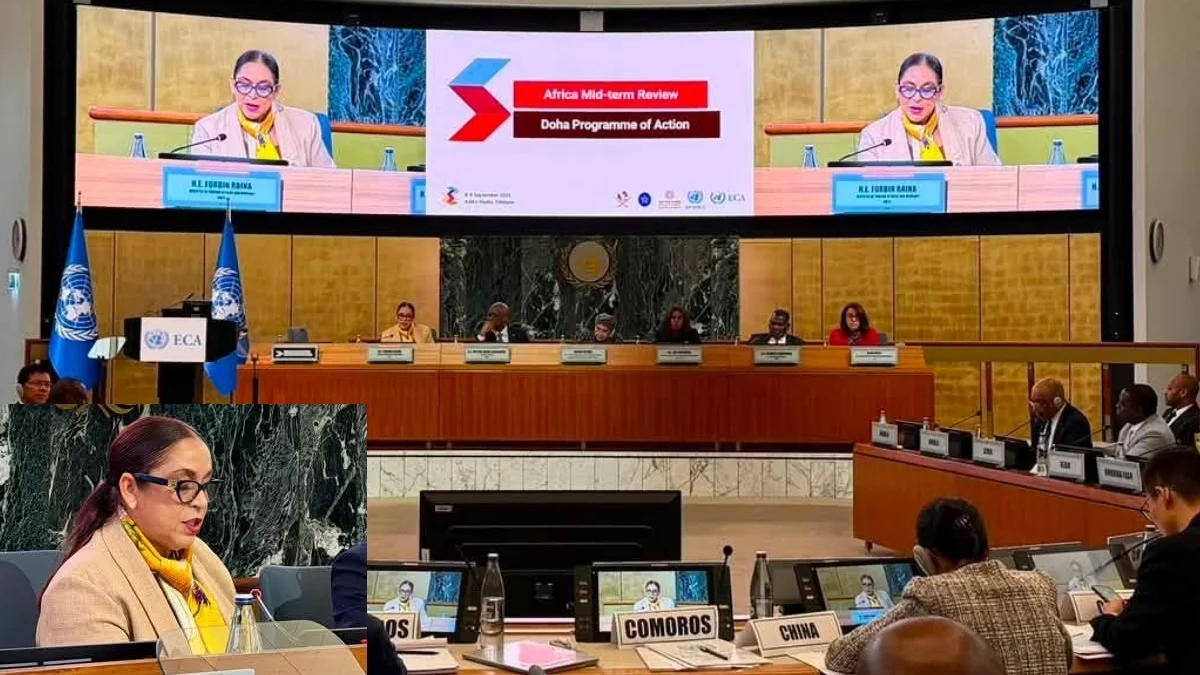
Raina Forbin calls on Africa to mobilize around Haiti
Against the backdrop of ongoing crisis and fragility in Haiti, the country’s top diplomat has made a urgent call for collective action from African nations and the wider international community to back Haiti’s core national priorities. Speaking at a UN-hosted ministerial gathering in Addis Ababa, Ethiopia on Tuesday, September 9, 2026, Haitian Foreign Minister Raina Forbin used the mid-term review conference for the Doha Development Agenda for Least Developed Countries (LDCs) as a platform to amplify Haiti’s specific needs and deepen its strategic partnership with the African continent.
The high-level meeting, organized by the United Nations Office of the High Representative for Least Developed Countries, Landlocked Developing Countries and Small Island Developing States, was designed to assess progress on development commitments for the world’s most vulnerable nations, creating an ideal opportunity for Haiti to bring its urgent challenges to the forefront of global discussion among LDC stakeholders.
In her keynote address to the assembled delegates, Forbin underlined that lasting security and institutional stability are non-negotiable prerequisites for Haiti to meet the development goals laid out in the Doha Development Agenda. Without foundational progress on security, she argued, no meaningful long-term development or democratic advancement can take root in the country.
Against that framework, the foreign minister issued a clear call for African states and the entire international community to step up coordinated action aligned with Haiti’s national priorities: resolving the acute security crisis, holding inclusive democratic elections, and kickstarting broad-based economic recovery. She highlighted that solidarity from African nations has already made an tangible difference, specifically commending Chad, Sierra Leone, and Côte d’Ivoire for their existing commitments to support Haiti through the multinational Gang Suppression Force (GSF).
Forbin pressed for two key next steps to move the security mission forward: a renewal of the GSF’s mandate, and the rapid, full deployment of all planned personnel and assets to the country. Beyond deployment, she emphasized that the force urgently needs sustained international commitments of the financial, logistical, and operational resources required to carry out its counter-gang stabilization mission effectively.
Looking beyond the immediate security emergency, Forbin also called for a reimagining of global financing mechanisms for crisis-affected fragile states. She argued that current financing frameworks often fail to meet Haiti’s unique context, and new instruments are needed that can simultaneously support short-term stabilization, bridge the gap between humanitarian response and long-term economic growth, and drive sustained development outcomes.
Forbin framed the Addis Ababa meeting as a critical milestone in strengthening the decades-long strategic alliance between Haiti and the African continent, and in advancing Haiti’s interests within the global LDC community. She noted that Haiti and Africa share deep historical ties, and that this shared legacy should now be leveraged as a foundation for mutual solidarity, regional and cross-continental stability, and inclusive development for all.
-

The UN calls for an investigation into the deaths of migrants in US detention and demands a halt to deportations to Haiti
At the opening of a new session of the UN Human Rights Council held in Geneva on September 7, 2026, Volker Türk, United Nations High Commissioner for Human Rights, delivered a landmark appeal targeting critical gaps in U.S. immigration policy. His statement centered on two urgent demands: a full, transparent independent investigation into the 23 migrant deaths recorded in U.S. immigration detention facilities since the start of the year, and an immediate moratorium on all deportations of migrants to crisis-stricken Haiti, over fears of irreversible harm to returnees.
Türk made a direct, formal appeal to the U.S. federal government, stressing that every fatality inside the national immigration system requires a complete, unobscured probe, and that those responsible for any negligence or abuse must face accountability. “The families of these deceased migrants have an inalienable right to the full truth about what happened to their loved ones, and they deserve clear, unambiguous answers from U.S. authorities,” he emphasized to the assembled council.
The call follows a recent UN tally confirming 23 migrant deaths in U.S. detention in 2026 to date. Türk made clear that the UN’s demand goes far beyond the limited internal probes typically conducted by U.S. agencies, requiring full public transparency into both the inhumane conditions that many detainees face and the specific administrative decisions that contributed to each death. “There must be accountability for these deaths, no exceptions,” Türk stated firmly from the Geneva assembly floor.
Beyond the investigation into detention fatalities, the High Commissioner called for an immediate halt to all deportations to any nation where returnees face a documented risk of severe harm, naming Haiti as an urgent and explicit example. He underlined that any deportation to a third country must undergo strict, full due process assessments, and must be called off if even a credible risk of irreversible harm exists. “I urge the United States to stop returning people to places where they could suffer irreparable harm, including Haiti, and to ensure that due process is followed for all deportations to third countries,” he reiterated.
Türk’s intervention comes amid growing international and domestic scrutiny of U.S. immigration policy, particularly around the treatment of asylum seekers and other people seeking international protection. The UN has repeatedly reminded the U.S. that deportation processes cannot put any individual at heightened risk of violence, poverty, or death.
In addition to these core demands, Türk also raised sharp questions about a recently proposed plan to arm U.S. Immigration and Customs Enforcement (ICE) agents with electric shock gloves. He warned that the adoption of such dangerous, forceful tools would inevitably lead to an increase in violence and human rights abuses during immigration enforcement operations.
Türk’s full statement acts as a formal reminder that all nation states are bound by international human rights obligations to prevent abuse against migrants in detention and during enforcement. The intervention has significantly ramped up international pressure on the Biden administration to address longstanding concerns over detention conditions, deportation procedures, and excessive use of force by immigration authorities.
-
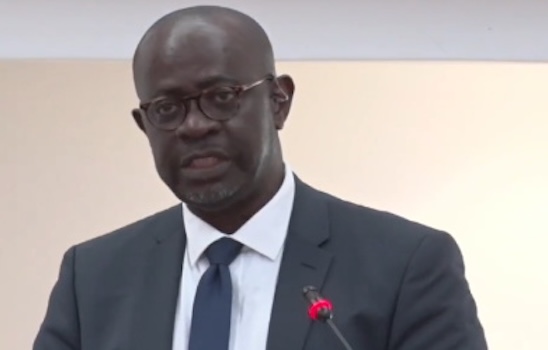
Insight into government decision to terminate agreements with GPG
In a landmark address to a joint sitting of Grenada’s Parliament on Tuesday, the chairman of the island nation’s Hydrocarbons Technical Working Group (HTWG) Nazim Burke confirmed that the Dickon Mitchell administration was fully justified in terminating multiple energy exploration agreements with Russian-backed firm Global Petroleum Group (GPG) earlier this year, citing years of unmet contractual obligations and procedural non-compliance. Burke, a former Grenadian prime minister and finance minister, outlined the step-by-step process that led to the July 31 cancellation of GPG’s Development Production Sharing Agreement (PSA), Block Reservation Agreement and development license for four offshore exploration blocks, emphasizing the government went to extraordinary lengths to grant the company due process before taking final action.
Burke detailed the timeline of the termination process: in early June 2026, the government notified GPG of its intent to end the agreements, prompting the firm to issue a response denying any breach of contract on June 2. The government responded on June 10 by inviting GPG representatives to a June 17 hearing to present their case, and requested all supporting documentation to be submitted to the Attorney General by June 15. While GPG confirmed via email on June 12 that it would submit the required materials by the deadline, Burke told lawmakers no documents were ever received, and the scheduled hearing proceeded without any evidence from the company to back up its claims.
Following the hearing, Burke said the government conducted a full review of GPG’s position as required under the Grenada Petroleum and Natural Gas Deposits Act, but found the company failed to provide evidence to support most of its core claims. Critically, GPG did not take any steps to remedy the breaches outlined in the initial termination notice, nor did it offer adequate compensation for missed obligations or provide assurances that future contract violations would not occur. On July 27, the government formally issued the termination notice, with the cancellation taking effect on July 31, and the decision was published in the official government gazette three days later to meet statutory requirements.
Burke stressed that the Mitchell administration treated GPG with transparency and fairness, choosing termination only as a last resort after years of unmet performance targets. “The government considers that termination of the agreement with GPG was a prudent and appropriate course of action,” Burke said, noting that the PSA explicitly allows GPG to pursue international arbitration through the International Chamber of Commerce if it disputes the decision. He confirmed the government is fully prepared to defend its position if arbitration is initiated, and has frozen all activity on the four blocks pending resolution – meaning no new operators will be invited to submit proposals, nor will GPG be allowed to continue any work on the site. Burke added that the government has worked closely with international legal advisors to review the case, and is committed to protecting Grenada’s national energy interests against any potential claims from GPG.
The presentation of the HTWG report was not without controversy, however. Before Burke delivered his 35-minute address, Democratic People’s Movement leader Peter David raised objections to allowing an external body to address the full legislature, questioning the procedural legitimacy of the arrangement. Speaker of the House Leo Cato defended the decision, noting that parliamentary standing orders do not explicitly ban the practice, and government consultation determined that the highly technical nature of the energy review made presentation by expert officials the most appropriate path.
The main opposition New National Party (NNP) went a step further, announcing a boycott of the joint sitting ahead of time over the procedural arrangement. Opposition Leader Emmalin Pierre told reporters that while the NNP supports parliamentary updates on oil and gas exploration, the party objected to what it views as a departure from standard parliamentary protocol that undermines the legislature’s authority. “This matter must not be handled through a process that misuses Parliament and departs from proper parliamentary procedures and practises,” Pierre said.
Beyond the GPG termination, the HTWG – led by internationally recognized petroleum expert Dr. Gibert Yevi, with technical specialists drawn from Trinidad and Tobago, the United States, Scotland, Australia and Spain – presented a broader update on its mandate to assess Grenada’s offshore hydrocarbon potential. If viable commercial reserves are identified, the working group will develop a full strategy to explore, develop and monetize reserves for national economic benefit, alongside a stakeholder engagement plan to involve local communities, civil society and the private sector, and a framework to attract credible international investment.
Burke noted that the oil and gas sector requires massive upfront capital investment and highly specialized technical expertise, meaning Grenada must only partner with firms that meet strict standards of credibility, financial stability and technical proficiency. The HTWG’s mandate requires it to evaluate all existing and prospective operators against these same standards, including GPG, which has held exploration rights in Grenada since the mid-2000s. Burke traced the history of GPG’s presence in Grenada back to 2008, when the company was granted exploration licenses for 11 offshore blocks, followed by a 2013 development license and production sharing agreement for four of those blocks. Critically, Burke explained, GPG never completed exploratory drilling or made a commercial discovery – a required prerequisite for developing a viable production plan, something that never materialized during the firm’s 13 years holding the development license. “In this particular instance, this did not occur with GPG,” Burke said.
Burke added that the HTWG’s review of GPG’s contract also looked at historical disputes involving Grenada’s offshore energy sector, dating back to 2003 arbitration proceedings against another operator, RSM Production Corporation’s Jack Reinburg. The working group’s review confirmed that GPG’s longstanding failure to meet contractual milestones left the government with no other viable option than termination, he said.
-
UWI appoints new leadership for climate-smart development institute
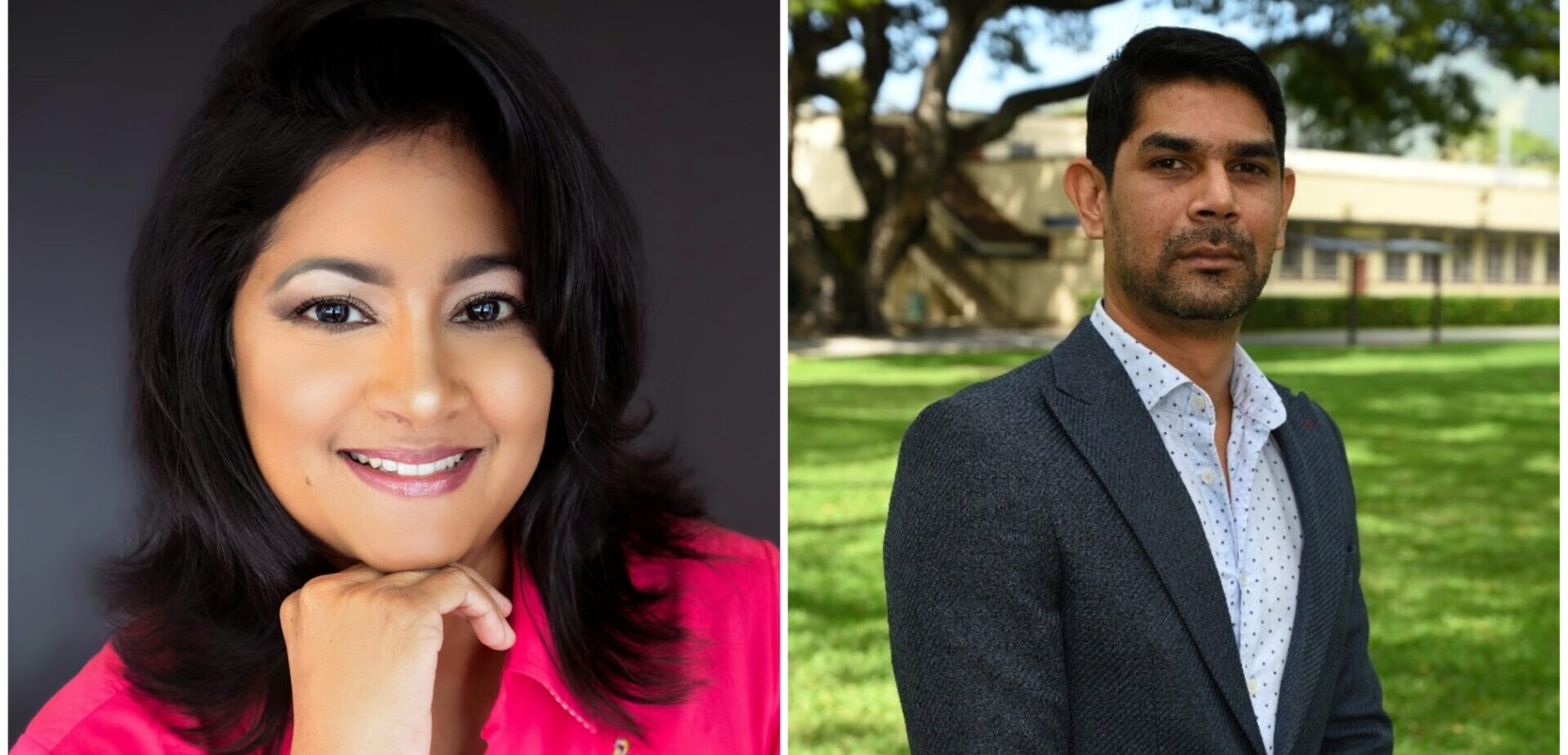
The University of the West Indies (UWI) has announced a key leadership transition at its Global Institute for Climate-Smart and Resilient Development (GICSRD), appointing Professor Preeya S. Mohan as the institute’s new Executive Director and Dr Ronald Roopnarine as Deputy Director. Both appointments officially went into effect on August 1, 2024, the university confirmed in an official press release.
Founded in October 2021, GICSRD operates through a region-wide virtual operating model that unites specialized expertise across all UWI campuses, affiliated research institutes, and international partner networks. Its core mission is to advance climate-smart, disaster-resilient development across the Caribbean, and to accelerate the region’s progress toward meeting the United Nations Sustainable Development Goals.
Professor Mohan, who counts among the youngest tenured professors ever appointed by UWI, currently holds a position as Professor of Environment and Development Economics at the UWI St Augustine Campus. She also serves as a Fellow and MPhil/PhD Programme Coordinator at the campus’ Sir Arthur Lewis Institute of Social and Economic Studies (SALISES). Her research agenda centers on investigating the economic impacts of climate change and other systemic external shocks on Small Island Developing States (SIDS), with a specific regional focus on the Caribbean.
A globally recognized scholar in climate economics, Mohan has an extensive publication record, including more than 60 peer-reviewed journal articles and 13 book chapters. Her work has been featured in leading academic publications such as *Nature Climate Change*, *Energy Policy*, *Food Policy*, *WIREs Climate Change*, and the *Journal of Environmental Management*. Beyond her research, she holds prominent leadership roles in global climate governance: she is a Lead Author for the Intergovernmental Panel on Climate Change (IPCC) Seventh Assessment Report, contributing to the chapter on Adaptation Finance, and sits on the International Finance Expert Working Group for the Fossil Fuel Non-Proliferation Treaty.
Dr Roopnarine, the new Deputy Director, is currently Deputy Dean for Outreach and Internationalization at the UWI St Augustine Campus’ Faculty of Food and Agriculture, where he works as a Senior Lecturer specializing in Disaster Risk Resilience. He also holds the position of Network Manager for Caribbean WaterNet/Cap-Net UNDP, a regional water governance network.
Roopnarine’s work spans multiple critical areas of climate and development action, including disaster risk reduction, climate adaptation, sustainable land and water resource management, nature-based climate solutions, and geospatial climate risk assessment. His hands-on project experience ranges from developing community flood early-warning systems and conducting flood and landslide hazard assessments to designing wastewater reuse frameworks, implementing water safety planning, addressing land degradation, and scaling climate-resilient agricultural practices across the Caribbean.
He also serves on multiple high-level national and international scientific bodies, including the Scientific Committee of the Integrated Research on Disaster Risk Programme and the Scientific Committee for the International Water Resources Association (IWRA) Islands Water Congress.
As the institute welcomes its new leadership, GICSRD formally recognized the contributions of outgoing Director Dr John Charlery and former Deputy Director Dr Evangeline Inniss-Springer, thanking both for their foundational leadership and service during the institute’s early growth phase. Additional public information about GICSRD and its full Management Committee is available on the institute’s official website: www.uwi.edu/gicsrd.