作者: admin

  • CDB preparing to finance health sector as Cuba medical exit raises concerns

    CDB preparing to finance health sector as Cuba medical exit raises concerns

    In a historic policy shift, the Caribbean Development Bank (CDB) has announced it will begin financing health sector initiatives across the region for the first time in decades. This strategic pivot comes as Caribbean nations confront growing uncertainty about the future of Cuban medical missions that have long supplemented their healthcare systems.

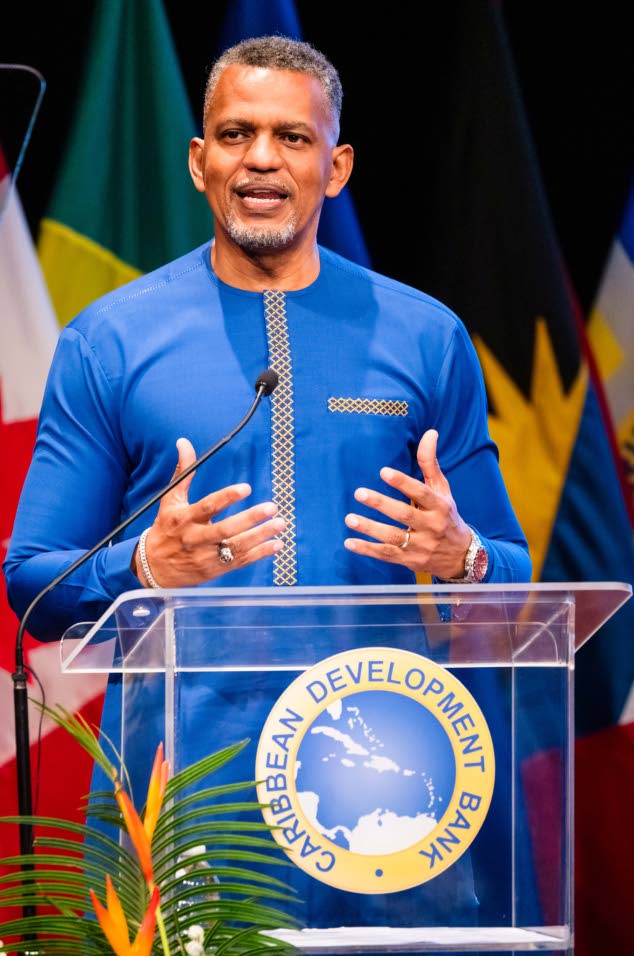
    CDB President Daniel Best revealed during the bank’s annual news conference in Barbados that the institution’s newly approved 2026-2035 strategic plan formally recognizes health as a priority intervention area. This marks a significant departure for an organization traditionally focused on infrastructure, climate resilience, and economic development.

    The policy change gained urgency following Jamaica’s recent announcement that it would discontinue its decades-old medical cooperation program with Cuba after the two nations failed to reach agreement on new terms. This program had been instrumental in filling critical staffing gaps in Jamaica’s public health system, providing doctors, nurses, and specialists across the island.

    The decision has already created visible impacts. At the Jamaica-Cuba eye care clinic at St Joseph’s Hospital in St Andrew, large numbers of patients recently sought treatment ahead of the anticipated departure of Cuban specialists who have long supported the program.

    Similar concerns have emerged throughout the Caribbean, where several health systems rely heavily on Cuban medical personnel to address shortages in specialized care. The situation has drawn wider geopolitical attention, with the United States increasing criticism of Cuba’s overseas medical missions by alleging the program constitutes forced labor—accusations that Cuba and many Caribbean governments have rejected.

    Best acknowledged that these developments could create significant challenges for small island states already grappling with workforce shortages and rising healthcare costs. “With Cuban medical practitioners perhaps exiting the region, this could certainly become a developmental issue,” he stated. “And as the region’s development bank, we are here to support our countries.”

    The CDB’s approach will not involve directly building hospitals or managing medical programs. Instead, the bank intends to support governments through partnerships, technical assistance, and financing aligned with national development strategies. Potential interventions would likely emerge through the bank’s country engagement strategies—the frameworks used to guide development financing in borrowing member states.

    This policy shift reflects a growing recognition that health outcomes are increasingly shaping economic resilience across the Caribbean. Several countries in the region face some of the world’s highest rates of non-communicable diseases, including diabetes, hypertension, and heart disease—conditions that place significant strain on national health systems and public finances.

    Under the bank’s new strategic plan, health falls within its broader initiative to strengthen social resilience, one of three pillars guiding the institution’s work over the next decade alongside economic and environmental resilience. This approach signals an evolution in development thinking, with financial institutions increasingly recognizing that economic growth depends heavily on human capital strength, including access to reliable healthcare.

    For Caribbean governments operating under tight fiscal constraints, the possibility of development financing for health sector improvements could become increasingly vital as medical systems face intensifying pressures from ageing populations, chronic disease burdens, and uncertainty surrounding long-standing medical cooperation arrangements.

  • Poultry producers warn against extending chicken import waivers

    Poultry producers warn against extending chicken import waivers

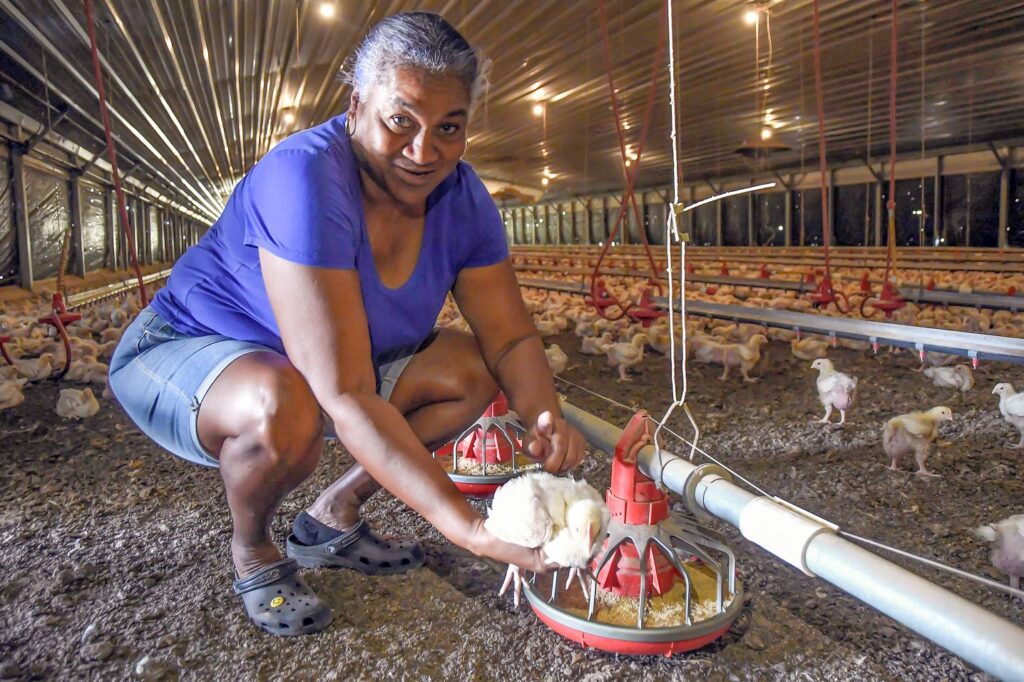
    Jamaica’s poultry producers are mounting pressure on the government to terminate emergency import concessions on chicken and eggs, asserting that these measures have surpassed their original purpose and now threaten to undermine local agricultural recovery efforts following Hurricane Melissa.

    The temporary waivers, which suspended duties and General Consumption Tax on specific food imports to address post-hurricane shortages, were initially scheduled to conclude in February. Agriculture officials have recently suggested a potential extension through May as a precautionary measure.

    Industry data reveals a remarkable production rebound, with weekly chicken output projected to reach 3-3.1 million kilograms by late March—significantly exceeding last year’s 2.7 million kilograms during the same period and surpassing typical supply levels.

    Dave Fairman, Vice-President of Jamaica Broilers Group’s Best Dressed Chicken Division, confirmed to media outlets: “We feel fairly confident that current supplies exceed normal annual availability levels.”

    While producers acknowledge the initial necessity of emergency measures to stabilize food supplies after widespread damage to farms and livestock operations across multiple parishes, they contend that extending import concessions would disadvantage local farmers who have invested substantially in rebuilding operations. These recovery efforts have been supported by government agencies, private sector initiatives, and aid organizations.

    Jaimie Ogilvie, Vice-President of Jamaica Broilers Group’s Hi-Pro Division, emphasized the broader implications: “This extends beyond poultry products to encompass the entire agricultural sector. Farmers are expressing concerns about onions, tomatoes, and vegetables. Our import policy must strike a balance—we cannot allow imported products to compete with local production while attempting to resuscitate domestic agriculture.”

    The hurricane disproportionately affected small-scale farmers, who contribute approximately 30-35% of Jamaica’s chicken supply. Many operations in western parishes—including St Elizabeth, Westmoreland, Hanover, St James, and Trelawny—suffered catastrophic losses of infrastructure and livestock.

    Industry recovery has been accelerated through coordinated support programs that provided construction materials, increased chick distributions, and technical assistance. Jamaica Broilers alone supplied 17% more baby chicks to small farmers in January and 15% more in February compared to typical levels, while government agencies distributed approximately 80,000 chicks.

    Current market challenges primarily reflect distribution imbalances rather than actual shortages, according to industry representatives. While some western regions continue experiencing reduced demand due to ongoing hotel and business recovery, other areas have developed surplus supplies. The Rural Agricultural Development Authority has been facilitating regional distribution networks to address these disparities.

    The egg market faces similar complications, with temporary import approvals leading to market oversupply. Hurricane Melissa resulted in the loss of approximately 400,000 laying hens, prompting limited import permissions to prevent shortages. However, imported eggs—particularly medium-sized products from the United States—are now entering the market below local production costs, creating temporary gluts that disadvantage Jamaican egg farmers.

  • Scotia rolls out new digital services under five-year strategy

    Scotia rolls out new digital services under five-year strategy

    Scotia Group Jamaica Limited is intensifying its digital banking evolution as it progresses through the third year of a comprehensive five-year strategic plan designed to fortify client relationships. This initiative, originally launched globally by parent company Bank of Nova Scotia in late 2023 under CEO Scott Thomson, is built upon four foundational pillars: expanding priority business segments, deepening primary client relationships, streamlining customer interactions, and enhancing internal collaboration.

    In Jamaica, this strategy has materialized through the deployment of innovative digital tools aimed at revolutionizing the customer experience. President and CEO Audrey Tugwell Henry emphasized the client-centric approach during the March annual general meeting in Montego Bay, stating, “We implemented several strategic initiatives to make it very easy for our clients to do business with us. We introduced digital solutions to strengthen security, improve usability and add more value.”

    Significant technological advancements implemented during the October 2025 fiscal year include enhanced debit card controls and dispute resolution features within the bank’s online and mobile platforms, empowering customers to manage security settings and address issues digitally. The mobile application now also provides deposit alerts to notify users of successful transfers.

    The bank has pioneered digital onboarding for loans and credit cards, enabling existing clients to initiate and monitor applications online before finalizing documentation at branches. This innovation has dramatically reduced processing times while increasing transparency, with over 600,000 clients already enrolled in digital services.

    The Scotia Caribbean mobile application is being transformed into a comprehensive hub connecting services across the group’s subsidiaries. Clients of Scotia Investments Jamaica Limited can now access investment balances and statements through the app, while Scotia Jamaica Life Insurance Company Limited customers will receive monthly statements via the mobile platform beginning May 2026.

    Future enhancements include the anticipated introduction of Apple Pay and online wire transfers by late 2026, complementing existing payment innovations such as Garmin Pay and American Express integration.

    Despite Hurricane Melissa’s impact, which destroyed 17 automated banking machines (ABMs) reducing operational units to 244 by December 2025, the bank remains committed to physical infrastructure development. Plans include installing 128 new ABMs during the current fiscal year, improving accessibility through ramp installations, and expanding services for visually impaired clients.

    The group continues to expand the Scotiabank Women Initiative, which has disbursed $6.2 billion in loans to over 1,000 women entrepreneurs during the past four years. An additional $5 billion has been allocated for lending between 2026 and 2029.

    Operational improvements include the upcoming implementation of ScotiaFlow, an internal case management system designed to accelerate customer issue resolution later this year. The insurance subsidiary, ScotiaProtect, expanded its partnership with GraceKennedy Limited to Barbados, Turks and Caicos Islands, and The Bahamas in early 2026.

    These developments occur against a challenging economic backdrop following Hurricane Melissa. While total operating income grew by eight percent to $17.90 billion, consolidated net profit declined by $84.72 million to $4.12 billion in the first quarter ending January, attributed to increased asset tax charges, hurricane-related expenses, and rising staff costs.

    Chair Anya Schnoor expressed satisfaction with the bank’s resilience, noting, “We’re very pleased with the first-quarter performance and how we’ve been able to support our customers and the recovery that we see.” The group’s stock closed at $50.48, representing a five percent annual decline, with a market capitalization of $157.08 billion. Shareholders will receive a $0.45 dividend payment on April 14.

  • Banking reset

    Banking reset

    The Jamaican government is implementing sweeping financial reforms aimed at addressing longstanding consumer frustrations with banking paperwork, opaque fee structures, and cumbersome account switching procedures. Finance Minister Fayval Williams announced these measures during her opening of the 2026/27 Budget Debate in the House of Representatives, highlighting how these initiatives will transform the country’s financial landscape.

    The comprehensive package includes two flagship digital solutions: a banking cost comparison platform and a national electronic Know Your Customer (eKYC) system. The comparison tool, scheduled for launch this year, will empower consumers to evaluate banking charges across different institutions through an intuitive online interface. This transparency initiative has already received development approval, with focus group testing and marketing campaigns planned prior to its official rollout.

    Simultaneously, the Bank of Jamaica is developing a centralized digital identity verification platform that will streamline account opening procedures. This eKYC system will serve as a secure gateway for identity verification and customer due diligence, eliminating repetitive paperwork and standardizing onboarding processes across financial institutions. The project has reached approximately 50% completion, with vendor selection and implementation planning currently underway, maintaining alignment with its targeted 2027 launch timeline.

    Minister Williams emphasized that these reforms extend beyond consumer benefits to strengthen Jamaica’s entire financial ecosystem. The increased transparency is expected to foster more competitive deposit pricing, reduce funding costs for financial institutions, and improve monetary policy transmission. For the government, these changes will support more accurate pricing and greater participation in domestic debt instruments, ultimately lowering borrowing costs for public and private sectors alike.

    The minister positioned these initiatives within Jamaica’s broader strategy to modernize financial infrastructure through digital integration. She noted that digitized systems would enhance market accessibility, strengthen investor confidence, improve efficiency, and reduce operational risks across the financial sector. These developments represent a significant step toward creating a more inclusive, competitive, and transparent banking environment for all Jamaicans.

  • Another wage warning

    Another wage warning

    Jamaica’s fiscal stability faces a critical juncture as its Independent Fiscal Commission issues a stark warning against the nation’s escalating public sector wage bill. Fiscal Commissioner Courtney Williams cautioned that the current trajectory—where compensation costs consume an ever-growing portion of tax revenues—threatens to undermine long-term economic growth and climate resilience.

    The Commission’s February 2026 Economic and Fiscal Assessment Report identifies multiple structural challenges creating mounting fiscal pressures. These include wage growth disconnected from economic performance, systematic under-execution of capital projects, and recurring climate shocks. The report emphasizes that this combination necessitates immediate structural corrections to preserve fiscal sustainability.

    Statistical evidence reveals a dramatic shift in budget allocation patterns. Wages and salaries now claim 56% of tax collections—a sharp increase from just over 36% in FY2021/22. During the review period, compensation reached $381.2 billion, exceeding projections by approximately 2%. Meanwhile, capital expenditure plummeted to 37.2% below original estimates, creating a dangerous imbalance between recurrent spending and productivity-enhancing investments.

    The timing mismatch between wage negotiations and budget cycles continues to exacerbate fiscal uncertainty. Despite a contingency allocation of $42.8 billion for wage settlements in the 2026/27 fiscal plan, the Commission questions whether this adequately covers ongoing negotiations. Potential shortfalls could force the government toward increased borrowing or disruptive budgetary adjustments.

    The report concludes with urgent recommendations for structural reform: aligning wage discussions with budget cycles, tethering compensation growth to economic performance, and implementing stronger fiscal rules. These measures aim to balance necessary public sector compensation with the critical investments required for Jamaica’s sustainable development.

  • Galactic showdown

    Galactic showdown

    In a monumental clash overshadowed by significant logistical challenges, Jamaican champions Mount Pleasant FA are poised for their historic Concacaf Champions Cup round-of-16 debut against Major League Soccer titans Los Angeles Galaxy. The first-leg encounter is scheduled for Dignity Health Sports Park in Carson, California, with an 8:30 pm Jamaica time kickoff.

    The St Ann-based club, founded merely a decade ago in 2015, arrives at this pivotal moment severely compromised. Despite appeals to continental governing body Concacaf, visa complications have prevented approximately half of their squad from traveling, forcing them to field only the competition-minimum 18 players. This contingent includes five members recently featured in Jamaica’s Under-20 squad during their successful Concacaf qualifying campaign in Curaçao.

    Paul Christie, Mount Pleasant’s sporting director, expressed profound frustration regarding the situation. ‘We simply sought a level playing field and fair play,’ Christie stated. ‘Our aspiration isn’t merely to appear; we aim to compete authentically. Unfortunately, circumstances have denied us the opportunity to field our optimal starting eleven.’

    Historically, Jamaican clubs have struggled at this stage, with Arnett Gardens (2002-03), Portmore United (2020), and Cavalier SC (2023) all failing to advance. Head Coach Theodore Whitmore confronts this formidable challenge with a depleted bench and recent inconsistent Jamaica Premier League form, including consecutive draws against Portmore United and Tivoli Gardens.

    Despite these adversities, Mount Pleasant has demonstrated exceptional performance in regional tournaments, narrowly defeating Dominican Republic’s Universidad O&M FC in the Caribbean Cup final. Key players available include goalkeeper Tafari Chambers, captain and central defender Kyle Ming, alongside attackers Kimoni Bailey, Alex Marshall, and Raheem Edwards—the team’s current leading scorer. However, Warner Brown, despite traveling, remains questionable due to injury.

    Their opponents, LA Galaxy, advanced on away goals after a 1-1 aggregate against Sporting San Miguelito. The MLS side boasts formidable talents including Ghanaian goalscorer Joseph Paintsil, German veteran Marco Reus, Novak Micovic, and Norwegian defender Jakob Glesnes.

    This matchup marks the fifth two-legged series between Jamaican clubs and MLS opponents, continuing a competitive history that includes Harbour View’s encounters with DC United and Cavalier’s recent meetings with FC Cincinnati and Inter Miami.

  • Greython Construction Ltd vacancy: Construction Superintendent

    Greython Construction Ltd vacancy: Construction Superintendent

    A prominent development firm has announced an opening for a Construction Superintendent position to lead operations on an upcoming luxury hotel and resort project. This senior role requires oversight of all on-site activities, with a focus on maintaining stringent quality standards and project timelines.

    The successful applicant will be tasked with managing subcontractor teams, coordinating multiple trade disciplines, and enforcing rigorous safety protocols. A critical component of the position involves ensuring all construction work aligns precisely with approved architectural drawings and specifications, particularly for high-end finishings.

    Qualifications for this leadership position mandate a minimum decade of construction management experience, with a demonstrated history of delivering large-scale hospitality or commercial developments. Specialized expertise in reinforced concrete structures, mechanical-electrical-plumbing systems integration, and luxury interior finishes will receive preferential consideration.

    The application window remains open on a rolling admission basis until March 24, 2026. Prospective candidates must email their curriculum vitae with accompanying cover letters to the dedicated hiring address: hr@greythonconstruction.gd. All communications must include the exact subject line ‘Construction Superintendent — Vacancy’ for processing.

    While all applications receive acknowledgment, only shortlisted candidates will receive direct follow-up communication. This recruitment notice appears through NOW Grenada’s contributor platform, which disclaims responsibility for contributor content while providing abuse reporting mechanisms.

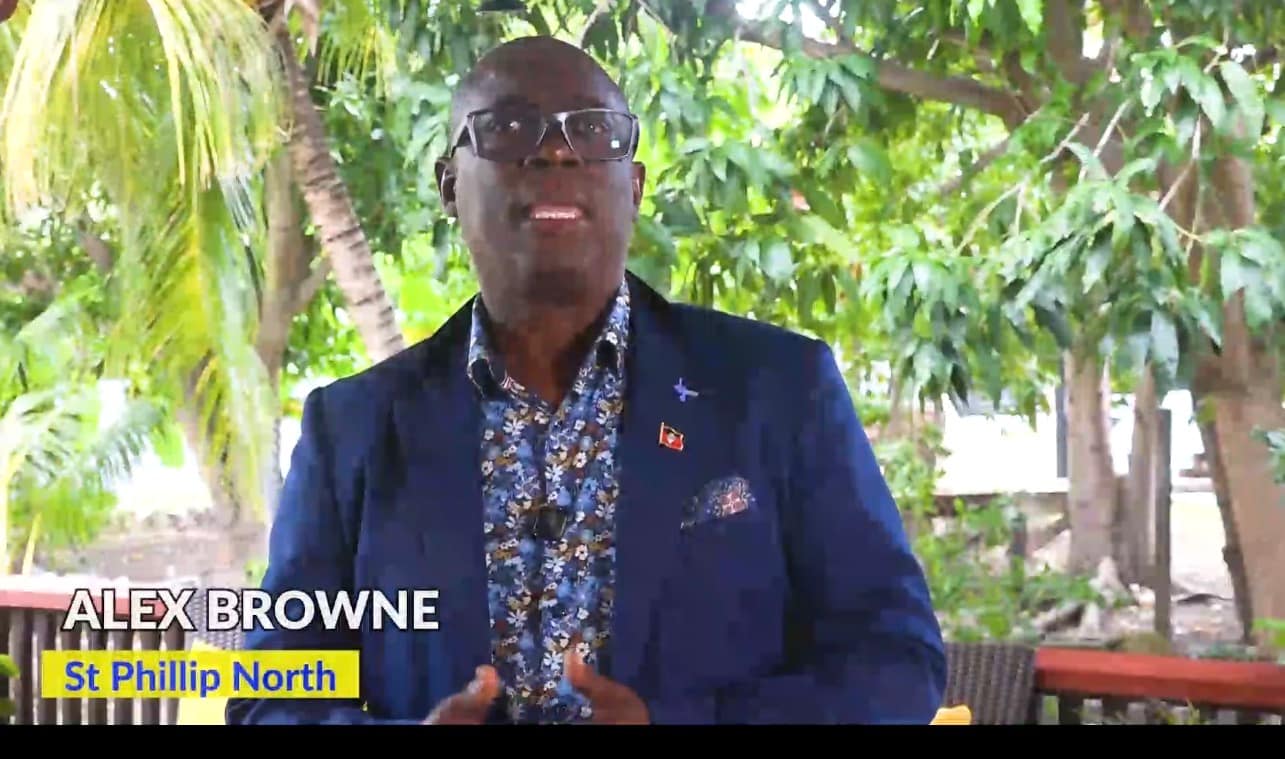
  • Alex Browne Urges St. Philip’s North Residents to Prepare for March 16 By-Election

    Alex Browne Urges St. Philip’s North Residents to Prepare for March 16 By-Election

    With the critical St. Philip’s North by-election approaching on March 16, United Progressive Party (UPP) candidate Alex Browne is intensifying efforts to mobilize the electorate, emphasizing the necessity of voter readiness. In a recent appearance on Observer Radio’s ‘Connecting with Dave Lester Payne,’ Browne issued a clarion call to constituents, urging them to verify their voter identification documents well ahead of polling day to ensure seamless participation.

    Browne underscored that meticulous preparation is the cornerstone of effective civic engagement. ‘It is imperative that residents confirm the availability of their voter ID cards and come fully prepared to exercise their democratic right on March 16,’ he stated during the broadcast. He positioned robust voter turnout as a pivotal factor that will directly influence the future trajectory and representation of the constituency.

    The by-election, necessitated by the vacancy of the parliamentary seat, has catalyzed a direct contest between Browne, representing the ruling United Progressive Party, and his chief rival, Randy Baltimore of the Antigua and Barbuda Labour Party (ABLP). This electoral face-off is capturing significant public and political interest, with both major parties amplifying their campaign activities across the district in a final push to sway undecided voters.

    Browne concluded his remarks by reinforcing the profound significance of the ballot, encouraging every eligible voter to seize this opportunity to shape governance and ensure their voice is decisively heard in the halls of power.

  • US military kills six in strike on alleged drug boat

    US military kills six in strike on alleged drug boat

    In a significant escalation of its counter-narcotics operations, the United States military has confirmed conducting a lethal strike against an alleged drug-smuggling vessel in the Eastern Pacific Ocean, resulting in six fatalities. This latest operation, executed on Sunday, contributes to a mounting death toll that has reached at least 157 individuals since early September. The Trump administration has characterized this offensive as a targeted campaign against entities it labels ‘narcoterrorists’ operating on maritime routes.

    General Francis Donovan, commander of US Southern Command, publicly justified the action on social media platform X, accompanying his statement with a video depicting the destruction of a small boat. ‘Intelligence corroboration confirmed the vessel was transiting established narco-trafficking corridors in the Eastern Pacific and was actively engaged in illicit trafficking operations,’ Donovan stated. However, consistent with most of the over forty known strikes in the Eastern Pacific and Caribbean Sea, the military did not present concrete evidence that the vessel was transporting narcotics at the time of engagement.

    President Donald Trump has framed these actions within a broader context of an ‘armed conflict’ with Latin American cartels, asserting that such military escalation is imperative to curtail the influx of drugs into the United States. During a recent gathering with Latin American leaders on Saturday, Trump advocated for a unified military front against drug-trafficking cartels and transnational gangs, which he described as an ‘unacceptable threat’ to regional security. This diplomatic push was complemented by joint military operations between the US and Ecuador targeting organized crime factions.

    Despite the administration’s assertions, the campaign faces mounting scrutiny from critics who challenge both its legal foundations and operational efficacy. A primary point of contention is that fentanyl, responsible for a significant number of fatal overdoses in the US, is predominantly smuggled overland via Mexico, not by sea. Furthermore, the strategy ignited intense controversy following revelations that a secondary strike was conducted against survivors from the initial boat attack. While the administration and Republican lawmakers defend the legality and necessity of these actions, Democratic legislators and legal experts have condemned them, with some suggesting they could constitute murder or war crimes.

    In a surprising testament to the campaign’s perceived success, US Defense Secretary Pete Hegseth remarked on Thursday that the aggressive pursuit of alleged drug-running vessels has made finding viable targets increasingly difficult.

  • Strengthening emergency response capabilities: U.S.-Dominica police collaboration enhances tactical skills

    Strengthening emergency response capabilities: U.S.-Dominica police collaboration enhances tactical skills

    In a significant demonstration of international security cooperation, U.S. and Dominican forces have concluded an intensive tactical medical exchange program that promises to enhance emergency response capabilities throughout the region. The five-day training initiative, conducted from February 23-27, brought together specialists from the U.S. Virgin Islands Army National Guard and the Commonwealth of Dominica Police Force for hands-on skill development.

    The comprehensive program focused on the MARCH protocol—an evidence-based approach to trauma care encompassing Massive hemorrhage control, Airway management, Respiration, Circulation, and Head trauma/hypothermia prevention. Participants engaged in both theoretical learning and practical application, culminating in realistic field simulations that tested their newly acquired life-saving techniques.

    Chief Lincoln Corbette of the Dominican Police Force expressed profound appreciation for the collaborative effort, noting: ‘We were blessed with practical knowledge that substantially strengthens our operational capabilities. Our partnership with the United States continues to deepen, and we anticipate further expanding this productive cooperation.’

    The training deployment was spearheaded by First Lieutenant Keyvil King of the U.S. Virgin Islands Army National Guard, with additional support from U.S. Army Civil Affairs personnel working in coordination with the U.S. Embassy in Bridgetown. These personnel simultaneously engaged in strategic relationship-building exercises to identify future collaborative opportunities.

    Captain Elbert Smart, Civil Affairs Team Leader, characterized the exchange as ‘both an honor and a pleasure,’ emphasizing that such initiatives ‘strengthen professional relationships and establish enduring partnerships.’

    According to official statements from the U.S. Embassy, this joint effort reflects the committed partnership between the United States and Dominica to enhance regional resilience, advance professional development standards, and significantly improve emergency preparedness protocols throughout the Caribbean region.