作者: admin

  • Cuba voert noodmaatregelen in vanwege brandstoftekort

    Cuba voert noodmaatregelen in vanwege brandstoftekort

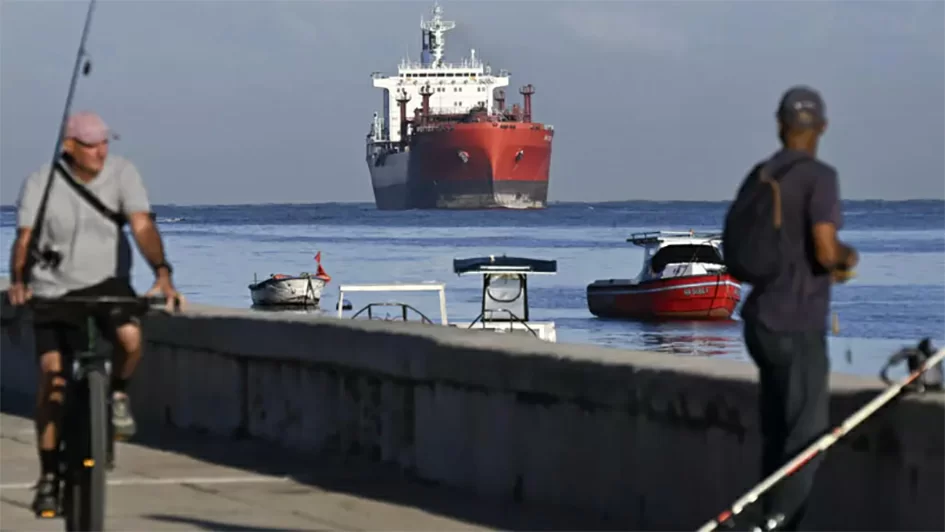
    Cuba has enacted urgent fuel conservation measures in response to a crippling US energy blockade that has severely disrupted daily life across the island nation. The Cuban government announced Monday that international airlines would no longer have access to aircraft fuel starting Tuesday, prompting Air Canada to immediately suspend all flights to Cuba.

    The streets of Havana fell unusually quiet as the emergency protocols took effect, designed to preserve rapidly diminishing fuel reserves. In response to what officials describe as economically paralyzing pressure from the Trump administration, the government has implemented reduced work weeks for state enterprises, curtailed school hours, and restricted fuel sales to essential services only.

    Additional austerity measures include the closure of hotels with low occupancy rates and the consolidation of tourists into fewer accommodations. Popular resort destinations such as Varadero and other provincial areas are experiencing hotel shutdowns, according to anonymous tourism industry professionals.

    The fuel shortage has created widespread uncertainty among Cuba’s 9.6 million residents. Public transportation has been drastically reduced, while taxi operators have significantly increased fares. Many citizens now face extended waiting periods for transportation, complicating daily routines and economic activities.

    This latest crisis compounds Cuba’s longstanding economic challenges, which have persisted under a US trade embargo since 1962. The situation deteriorated further when Venezuela—formerly Cuba’s primary oil supplier—ceased deliveries following last month’s US intervention that resulted in the abduction of Venezuelan President Nicolás Maduro. The Trump administration has threatened tariffs against any nation continuing to supply Cuba with petroleum products.

    The looming fuel shortages threaten to trigger large-scale power outages across the island. Officials confirmed Sunday that Cuba cannot refuel long-haul flights for at least one month, severely impacting international connectivity.

    Cuban Foreign Minister Bruno Rodríguez condemned the US blockade as “cruel aggression” designed to break the political will of the Cuban people. While reaffirming Cuba’s openness to dialogue, Rodríguez emphasized that any discussions must occur on Cuba’s own terms.

    Mexico, previously Cuba’s second-largest oil source after Venezuela, has expressed support for Cuba and initiated diplomatic talks with the US to resume oil exports. President Claudia Sheinbaum warned of an impending humanitarian crisis but stated Mexico cannot expose itself to US tariffs. Mexico recently dispatched over 800 tons of humanitarian aid to Cuba.

    The Russian government has also denounced US measures as “suffocating” and is collaborating with Cuba to provide assistance during the crisis.

  • February 10 marks National Folklore Day in the Dominican Republic

    February 10 marks National Folklore Day in the Dominican Republic

    SANTO DOMINGO – The Dominican Republic erupts in vibrant cultural celebration every February 10th as the nation observes National Folklore Day. This significant occasion serves as a nationwide tribute to the rich tapestry of traditions, customs, and popular expressions that form the bedrock of Dominican cultural identity.

    The commemorative events spotlight the profound value of Dominican folklore through diverse manifestations including traditional musical performances, folkloric dances, authentic gastronomy, ancestral legends, artisanal crafts, and deeply-rooted community customs. These cultural treasures, meticulously preserved across generations, showcase the country’s remarkable cultural diversity. Educational institutions, cultural centers, and community organizations nationwide participate through artistic performances, cultural exhibitions, and educational initiatives designed to preserve and strengthen national identity.

    This important cultural observance coincides with the birthday of Julio Alberto Hernández, an esteemed Dominican writer, researcher, and folklorist renowned for his pioneering work in studying and promoting the nation’s cultural traditions. The establishment of this national day reinforces the country’s enduring commitment to safeguarding its cultural heritage and ensuring its transmission to future generations as an indispensable component of Dominican history and collective identity.

  • Second man charged in 2024 Cayon murder as Police advance investigation

    Second man charged in 2024 Cayon murder as Police advance investigation

    In a significant development regarding the 2024 homicide investigation, St. Kitts law enforcement authorities have formally charged a second individual in connection with the murder of Kelvin Millard from Cayon. Romeo ‘OG’ Browne, a resident of Cayon, was charged with murder on February 3, 2026, at the Basseterre Police Station, joining previously charged suspect Dijon ‘Baby’ Dore, aged 24, from Hermitage, Cayon.

    The victim, 30-year-old Millard of Upper Cayon, was discovered deceased inside his vehicle in the Cabbage Tree area on January 21, 2024. According to official police reports, the fatal incident occurred between 3:00 a.m. and 4:00 a.m. along the island’s primary roadway.

    Investigative findings indicate that Millard was confronted by two armed assailants who subsequently opened fire. In what appears to have been a desperate attempt to flee the attack, Millard’s vehicle crashed a short distance from the initial shooting location.

    Law enforcement officials have confirmed that the investigation remains active and ongoing as they continue to pursue all leads in this case. The additional murder charge represents a substantial step forward in the judicial process, demonstrating the persistent efforts of local authorities to address violent crime within the community.

  • IMF review highlights economic strengths and debt concerns in ECCU

    IMF review highlights economic strengths and debt concerns in ECCU

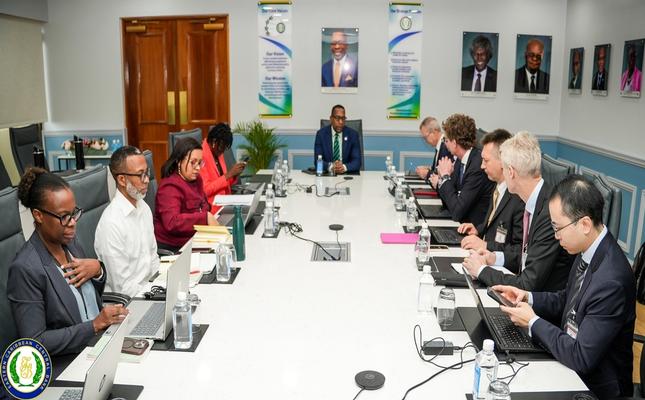
    The International Monetary Fund has concluded its comprehensive assessment of the Eastern Caribbean Currency Union (ECCU), revealing a complex economic landscape marked by robust recovery momentum alongside persistent fiscal vulnerabilities. Following high-level consultations with the Eastern Caribbean Central Bank, the IMF acknowledged the currency union’s stabilizing role in this shock-prone region while issuing urgent warnings about debt sustainability challenges.

    Post-pandemic economic expansion has been primarily fueled by resurgent tourism activity and substantial construction investments, driving regional growth to approximately 3% in the previous year. Inflationary pressures have notably abated, tracking global trends in energy and food prices with minimal immediate impact from recent shifts in U.S. trade policy.

    However, the Fund’s analysis reveals concerning fiscal developments. Public debt reduction initiatives have stagnated across member states, attributed to recurrent external shocks. Multiple ECCU nations now face increasing uncertainty in achieving the collective target of reducing debt-to-GDP ratios to 60% by 2035. This fiscal deterioration occurs despite overall economic improvements, highlighting structural challenges in public financial management.

    The financial sector maintains broad stability but exhibits underlying weaknesses. Bank balance sheets contain significant non-performing loans that exceed the ECCB’s 5% benchmark, with many impaired assets remaining unresolved for extended periods. The non-bank financial sector continues to operate under fragmented regulatory oversight, creating potential systemic vulnerabilities.

    Medium-term projections indicate economic moderation to approximately 2.5% growth as tourism sectors approach capacity constraints. This slowdown reflects deeper structural issues including productivity challenges, demographic pressures, and constrained fiscal space for public investment. The IMF emphasized that decades of declining productivity and structural barriers to investment—including limited credit access, administrative bottlenecks, and workforce skill gaps—have diminished the region’s long-term growth potential.

    Critical recommendations include enhanced regional policy coordination through harmonized customs procedures, a unified trade platform, and mutual recognition agreements to reduce institutional inefficiencies. The Fund urged accelerated establishment of the Eastern Caribbean Financial Standards Board to regulate non-bank institutions and create equitable operating conditions across the financial landscape.

    The transition to Basel II/III frameworks continues, potentially necessitating additional capital buffers. The IMF advised targeted asset quality reviews focusing on real estate exposure, foreign investments, and risk concentration patterns to strengthen financial safeguards. These measures would complement the newly implemented deposit insurance scheme and reinforce the regional financial safety net.

  • Column: Samen voelen? Dan eerst samen inleveren

    Column: Samen voelen? Dan eerst samen inleveren

    A profound disparity in compensation between Suriname’s political elite and its public sector workers has ignited widespread social discontent. While teachers with 35 years of experience barely net SRD 13,000 monthly, nurses remain systematically underpaid, and civil servants survive on minimal allowances, members of De Nationale Assemblee enjoy compensation packages increasingly indefensible to the populace they represent.

    The controversial legislation enabling these benefits was passed in the previous parliament shortly before May 2025 elections. The National Democratic Party (NDP), then in opposition, stood alone in principled opposition, condemning the increases as unjust, antisocial, and irreconcilable with the nation’s economic reality. Today, that same party sits in the coalition government, not only accepting but defending the very law they once rejected.

    Financial disclosures reveal staggering figures: The President receives SRD 130,364 monthly, while the Assembly Chairperson gets 85% of that amount (approximately SRD 110,000). Regular assembly members earn 60% of the presidential salary (roughly SRD 66,485 gross), but with additional allowances and provisions, their net monthly income approaches SRD 95,000—totaling approximately SRD 132,000 gross.

    Beyond base compensation, parliamentarians receive comprehensive medical coverage for themselves and their families—including dental, vision care, and overseas treatment when necessary. Additional benefits include vehicle, housing, communication, and representation allowances; travel and accommodation expenses; domestic travel reimbursements including vehicle rentals; VIP airport facilities; diplomatic passports; and potentially a forthcoming 20% management allowance.

    This privileged existence contrasts sharply with a nation where parents struggle to afford public transportation for their children, where healthcare and education sectors must repeatedly strike to be heard, where many work two or three jobs to stay afloat, and where consecutive economic reforms have decimated the middle class.

    Proponents argue that assembly members must maintain full-time availability—a reasonable requirement in principle. While formally barred from holding additional government positions, they face virtually no restrictions on private sector activities. Many serve as entrepreneurs, exporters, or consultants, while others enjoy continuous income from previous ministerial, advisory, or civil service roles. The emerging portrait reveals a political class securing itself while demanding sacrifices from the rest of society.

    Poetini Atompai (NPS) during the election campaign pledged to amend this law—a promise he now renews with commitment to legislative initiative. While positive, words alone no longer suffice. Society has moved beyond trusting intentions to demanding action: submit the proposal, gather co-sponsors, place it on the agenda, force a vote, and show the nation who supports correction versus who clings to privileges at the treasury’s expense.

    Labor unions observe closely while negotiating, recognizing that calls for wage restraint ring hollow while leadership makes no concessions. Negotiations concern not merely percentages but exemplary conduct. Officials frequently claim “no space” exists for increasing civil servant salaries, yet apparent abundance remains for luxury, official travel, and expanding benefits for those in power—a contradiction the public both sees and remembers.

    Social media anger appears raw and sometimes unrefined but not unfounded. Terms like “puppet show,” “theater,” and “self-enrichment” emerge from years of disappointment. Cynicism isn’t innate but learned through repeated behavioral patterns.

    Nobody claims assembly members should serve without compensation, but remuneration must correspond to level, responsibility, performance, and social context. Those receiving top compensation must deliver excellence: substantive work, attendance, legislation, oversight, and integrity.

    “Feeling together,” asserts Atompai—a powerful phrase. But feeling together without sacrificing together constitutes rhetoric, not solidarity. If seriousness exists, it must begin where power resides, not with the populace. Submit the amendment law. Place it on the agenda. Demonstrate who truly wishes to feel together—and who merely wishes to enjoy together.

  • PM Friday presents tax-free $1.9b budget

    PM Friday presents tax-free $1.9b budget

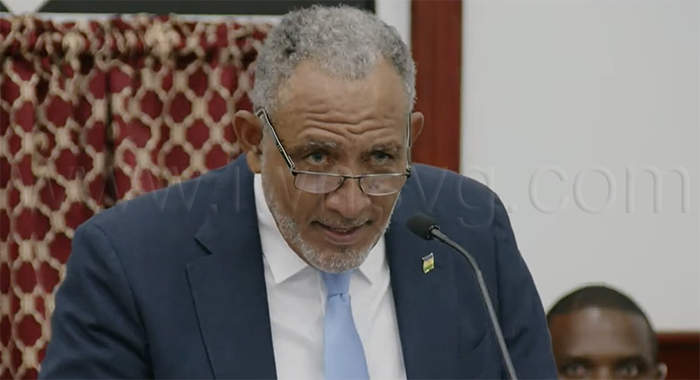
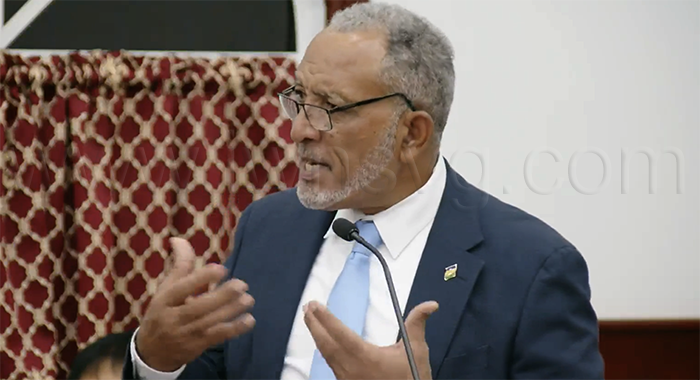
    The Parliament of St. Vincent and the Grenadines commenced deliberations on Tuesday regarding a substantial EC$1.9 billion fiscal package, presented by Prime Minister and Finance Minister Godwin Friday. This budget marks the inaugural financial blueprint from the New Democratic Party administration since assuming power on November 27.

    In a significant departure from traditional budget approaches, the government explicitly ruled out implementing new taxes. Instead, the administration unveiled a comprehensive strategy centered on enhancing revenue collection through systemic reforms rather than increasing tax rates. The cornerstone of this approach involves addressing substantial revenue leakage from import concessions and property tax inefficiencies.

    Prime Minister Friday revealed startling figures regarding import concessions, disclosing that EC$624.1 million in potential revenue was forgone between 2022 and 2025—equivalent to 30% of the total value of concessional imports. The situation reached critical levels in 2025 alone, with EC$152.3 million in uncollected revenue representing 64% of all revenue collected from import taxes and charges.

    The government proposed a 20% reduction in total import concessions applied uniformly across categories, which would generate an estimated EC$30.4 million in additional annual revenue. This approach emphasizes targeted priority sectors, tighter eligibility criteria, and stronger oversight rather than outright abolition of concessions.

    Simultaneously, the administration identified property tax reform as another critical pillar of revenue enhancement. The current valuation system, based on a 2013 property assessment despite significant market changes, has resulted in systematic undervaluation, erosion of the tax base, and persistent revenue leakage. The government announced plans for a nationwide property registration program and comprehensive national property revaluation exercise.

    Additional modernization efforts include full digitization of tax administration through the Tax Information Management System (TIMS) and development of the Vincy Single Window for Trade Facilitation (VSWiFT), which will integrate 16 trade-related government agencies into a single digital interface. These administrative reforms aim to enhance revenue collection through improved governance rather than higher tax rates.

    Opposition Leader Ralph Gonsalves is scheduled to lead the Budget Debate response, setting the stage for parliamentary discussions on this comprehensive fiscal strategy.

  • ULP’s ‘dismal’ performance left SVG ‘heading in the wrong direction,’ PM says

    ULP’s ‘dismal’ performance left SVG ‘heading in the wrong direction,’ PM says

    In a landmark parliamentary address on Monday, Prime Minister Godwin Friday delivered a comprehensive assessment of St. Vincent and the Grenadines’ economic landscape, revealing the substantial fiscal challenges inherited from his predecessors. The newly elected leader, who also serves as Finance Minister, presented his inaugural budget against the backdrop of what he characterized as a “dismal” economic legacy left by the Ralph Gonsalves administration.

    The Prime Minister disclosed that the nation’s public debt has reached EC$3.5 billion, representing 110.3% of GDP, with nearly 40 cents of every revenue dollar allocated to debt servicing. This sobering fiscal reality comes after Vincentians ended the Unity Labour Party’s 25-year governance through November’s electoral process, resulting in a decisive 14-1 victory for Friday’s New Democratic Party (NDP).

    Friday contextualized the current economic challenges within historical parameters, noting that only five finance ministers have shaped the nation’s fiscal trajectory since constitutional independence in 1979. He emphasized that the NDP’s return to fiscal leadership after two decades represents both a profound responsibility and an opportunity to implement proven economic strategies.

    The Prime Minister drew parallels between current circumstances and the situation faced by former NDP leader Sir James Mitchell in 1984, when the party previously inherited strained public finances. Friday outlined a comprehensive strategy centered on prudent fiscal conservatism, strategic tax reform, and decisive debt restructuring measures designed to restore investor confidence and stabilize the national budget without triggering social disruption.

    Despite acknowledging external challenges including global economic uncertainties, shifting immigration policies in key diaspora markets, and the lingering impacts of natural disasters, Friday expressed confidence in his government’s approach. He highlighted promising tourism sector performance, with stay-over visitors exceeding 100,000 for the first time in 2024 and continuing growth through 2025, supported by expanded air connectivity through five new airline partnerships.

    The Prime Minister concluded by affirming his administration’s commitment to establishing St. Vincent and the Grenadines as a premier travel destination while building economic resilience against external shocks through disciplined fiscal management and strategic diversification.

  • Politie kondigt ontruiming goudgebied aan, Sampie pleit voor dialoog

    Politie kondigt ontruiming goudgebied aan, Sampie pleit voor dialoog

    Surinamese law enforcement authorities have declared that the territory spanning from New Koffiekamp’s border to the Royal Hill mine, including the Redi Bergi sector, must be completely evacuated by 08:00 hours on Friday, February 13th. This zone falls within the legally sanctioned concessions of ZiJin Rosebel Gold Mines.

    Assembly representative Edgar Sampie (ABOP) has raised serious concerns regarding the potential societal repercussions of forced evacuations. According to Sampie, numerous artisanal miners have operated in this region for years, making substantial financial investments in their operations.

    The official police notification mandates immediate departure of all individuals from the designated area, requiring dismantlement of encampments and removal of personal possessions. Failure to comply will trigger joint enforcement operations between police and national military forces without additional warning, executed under prevailing legal statutes. This directive carries formal legal validity.

    “Many miners have constructed permanent dwellings, acquired heavy machinery, and depend on this work as their primary livelihood,” Sampie explained to Starnieuws. Their mining earnings support family sustenance, educational expenses, debt settlements, and future planning, with some having committed to vehicle installment plans and housing construction projects.

    While acknowledging Zijin’s legal concession rights, the affected miners seek governmental clarity regarding post-eviction scenarios. The central question remains: what becomes of these individuals after displacement? How will they be supported during transition?

    The parliamentarian emphatically advocates for diplomatic engagement and compromise solutions. He proposes tripartite negotiations between government authorities, mining corporation representatives, and artisan miner delegates to establish sustainable resolutions. “Removing this workforce without alternative provisions risks escalating criminal activities not merely in Paramaribo but throughout Suriname’s interior regions,” Sampie cautioned.

    Highlighting the historical context, Sampie noted New Koffiekamp’s existence predating Rosebel and Zijin’s operational presence, urging consideration of this temporal precedence despite current legal concessions.

    Although lacking direct authority to halt evictions, the ABOP legislator intends to lobby Justice & Police and Natural Resources ministers to convene consultations with miner representatives. “Government must demonstrate willingness to hear these citizens’ concerns and collaboratively develop mutually acceptable solutions,” Sampie concluded, emphasizing dialogue-based conflict prevention over coercive measures.

  • 14,000 more adults will be eligible for cash grants

    14,000 more adults will be eligible for cash grants

    In a significant expansion of Guyana’s social welfare program, Prime Minister Mark Phillips announced Monday that approximately 14,000 additional citizens who recently turned 18 years old will become eligible for the GY$100,000 (approximately US$480) cash grant initiative. The declaration came during parliamentary proceedings examining the proposed GY$1.558 trillion national budget for 2026.

    The Prime Minister revealed that while over 600,000 individuals had previously registered for the initial cash distribution more than a year ago, government databases require updating to remove deceased beneficiaries while simultaneously incorporating the new cohort of young adults. This adjustment would bring the total number of eligible recipients to approximately 716,000 Guyanese citizens aged 18 and above, with disbursements expected to commence shortly after budget approval.

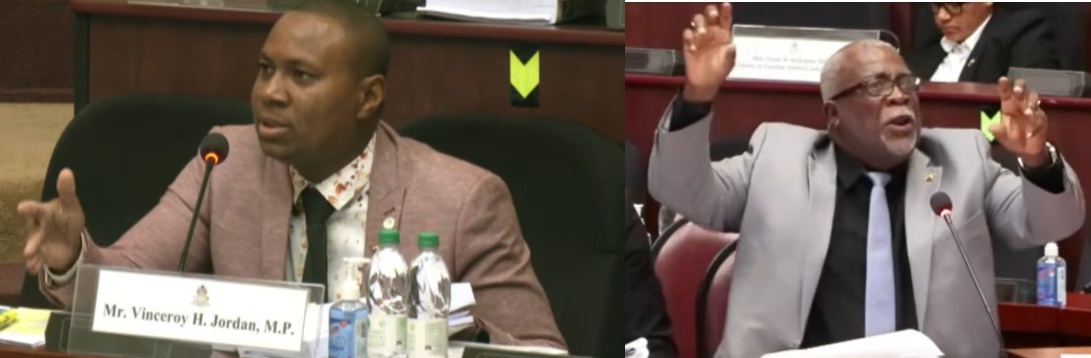
    The announcement faced rigorous questioning from opposition parliamentarian Vinceroy Jordan of A Partnership for National Unity (APNU), who challenged the government’s methodology in determining the grant amount. Jordan specifically inquired about what economic analysis justified maintaining the GY$100,000 per person figure given the country’s elevated cost of living and poverty indicators in 2026.

    Prime Minister Phillips notably avoided providing specific analytical details in response, instead directing attention to Finance Minister Dr. Ashni Singh’s extensive budget presentation that lasted over six hours. Phillips characterized the cash grant as merely one component of a broader “shared prosperity” strategy embedded within the budget, asserting that numerous other relief measures collectively addressed sufficiency concerns beyond the standalone cash transfer.

    When Jordan persistently reiterated his inquiry for the third time, Phillips ultimately responded: “He talks about sufficiency. The simple answer here is sufficiency is $100,000 plus all the other measures in the budget,” effectively concluding the exchange without substantive economic justification.

  • La Cátedra emerges as platform for sociological research

    La Cátedra emerges as platform for sociological research

    SANTO DOMINGO – A groundbreaking academic initiative has emerged in the Dominican Republic with the official launch of Think Tank La Cátedra. Spearheaded by sociologist Mary Lisbeth Núñez and a multidisciplinary team, this innovative platform is dedicated to comprehensive sociological analysis and the examination of profound social transformations, initially within the nation with aspirations for broader Latin American impact.

    The newly established think tank is conceived as a dynamic hub for the systematic production, widespread dissemination, and democratization of critical social knowledge. Its research agenda is strategically organized around six core thematic pillars: work and informal employment; contemporary labor transformations; the intersection of religion and culture; mechanisms of social change; the study of social silences; and forms of everyday resistance. A cornerstone of this initiative is the development of a specialized digital repository. This archive will consolidate research from various institutions across the country, establishing itself as an essential reference tool for academics, students, journalists, and policy researchers.

    Distinguishing itself in the academic landscape, La Cátedra is the first platform of its kind in the Dominican Republic to provide independent researchers, both domestic and regional, with a dedicated space to publish, showcase, and promote their scholarly work. This effort is strategically designed to foster robust academic exchange and stimulate informed public debate grounded in the humanities.

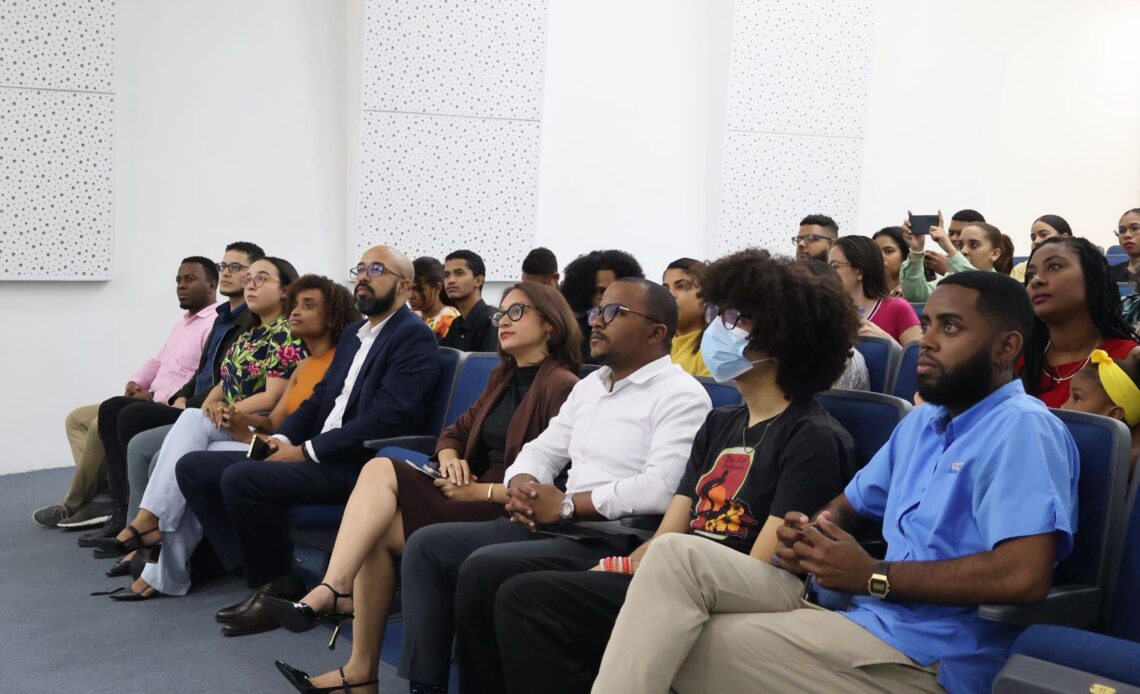
    The official inauguration was held at the Museum of Modern Art, coinciding with a forum titled ‘Structuralism and Poverty,’ which was led by prominent sociologist Joel Arboleda. The event garnered significant institutional support from national cultural authorities, underscoring its importance.

    Founder Núñez articulated the think tank’s foundational mission, emphasizing its commitment to bridging the gap between specialized social research and the broader public. La Cátedra aims to provide novel, reality-based frameworks for understanding the complexities of Dominican society. Looking forward, the institution plans a continuous calendar of forums, seminars, and inclusive dialogue spaces, developed in partnership with public and academic institutions, to strengthen the influential role of sociology and the humanities in shaping public policy and informed national discourse.