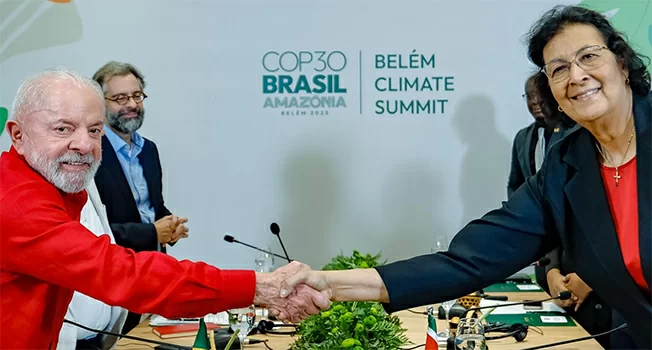
During the Belém Climate Summit in Brazil, President Jennifer Simons of Suriname and Brazilian President Luiz Inácio Lula da Silva held a significant bilateral meeting aimed at deepening cooperation between their nations. The leaders agreed to organize a presidential-level working visit by February 2026 to further develop concrete areas of collaboration. Suriname’s Minister of Foreign Affairs, International Trade, and Cooperation, Melvin Bouva, announced that foreign ministers from both countries will convene a follow-up meeting before the end of this year to prepare for the visit. Key topics discussed included the Amazon rainforest, climate policy, and poverty alleviation. Suriname formally expressed its support for Brazil’s Tropical Forests Forever Fund, a climate initiative recently launched by President Lula. Social development also took center stage, with President Simons expressing interest in learning from Brazil’s successful Bolsa Família program, which supports vulnerable families. Minister Bouva highlighted upcoming discussions on agriculture, tourism, infrastructure, and education, as well as plans to strengthen ties with Brazil’s Rio Branco Institute to provide more Surinamese students with opportunities to study in Brazil. Bouva emphasized that the relationship with Brazil is a foreign policy priority and stressed the importance of regional collaboration with Guyana and neighboring countries, aiming to maximize societal and economic benefits through targeted investments.
作者: admin
-
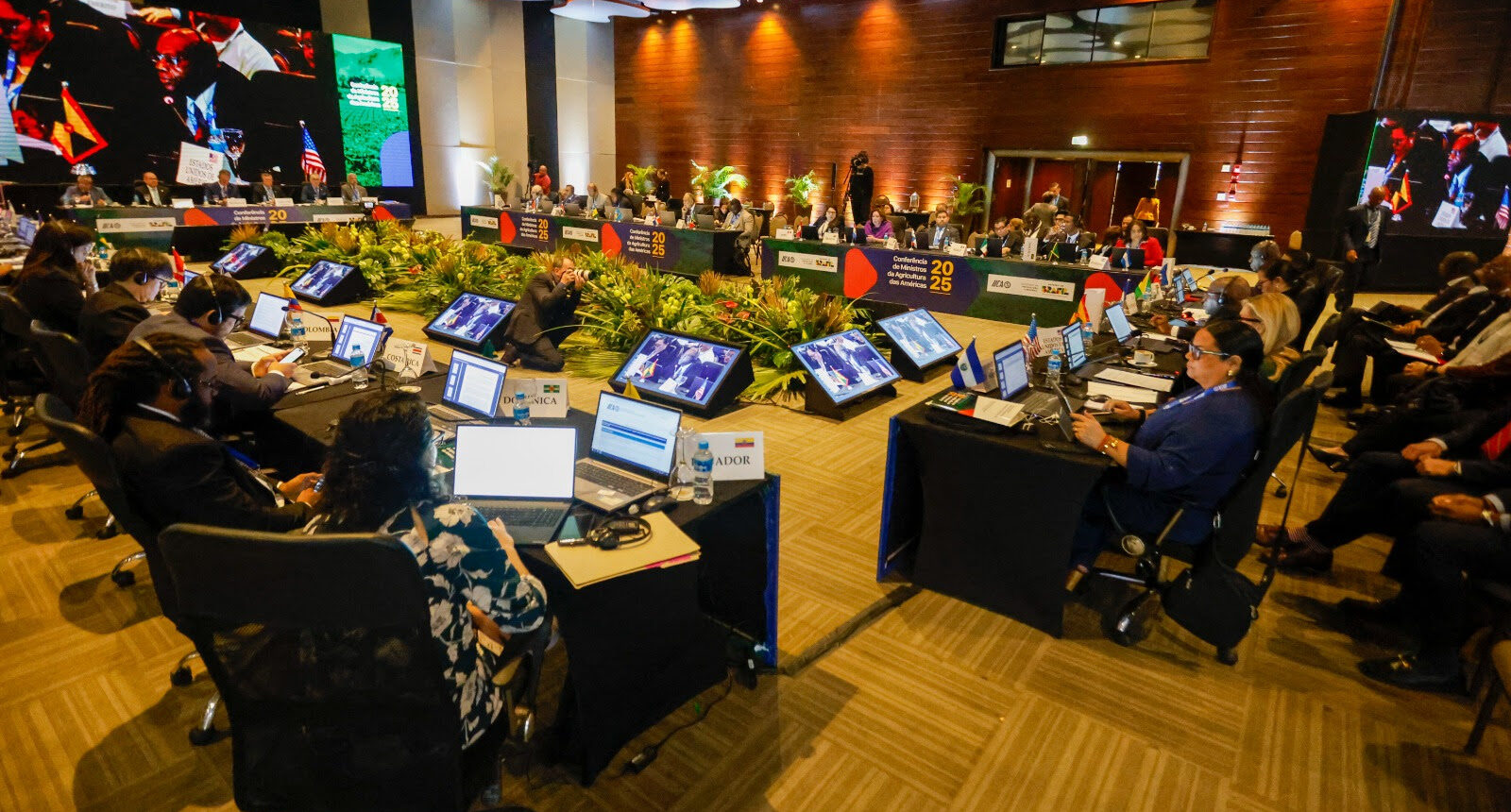
Regional agricultural officials reach consensus to enhance technical collaboration, facilitate innovative technologies to mitigate risks to food safety
Agricultural ministers from across the Americas gathered in Brasília to forge a united front against pests and diseases threatening regional food security. The meeting, hosted by the Brazilian government in collaboration with the Inter-American Institute for Cooperation on Agriculture (IICA), focused on enhancing technical cooperation, improving information sharing, and expanding access to advanced technologies. Key threats addressed included the New World screwworm, African swine fever, and other transboundary plant and animal diseases, which pose significant risks to farmers and rural communities. Participants pledged support for the Agricultural Health and Food Security Initiative of the Americas, a platform aimed at coordinating collective efforts in this critical area. Delegates from Argentina and the United States emphasized the importance of science-based decision-making in trade and agricultural production, noting that IICA Member States are the world’s largest net exporters of food. They stressed that maintaining a competitive, secure, and healthy agricultural system is vital for prosperity, public health, and regional development.
-

Cabinet Reports Strong Ties with U.S. Under Trump Administration
The diplomatic relationship between Antigua and Barbuda and the United States has reached unprecedented levels of strength and cooperation, according to Maurice Merchant, the Director General of Communications. Speaking at a post-Cabinet press briefing on Thursday, Merchant emphasized the mutual benefits of this partnership, describing it as consistent with Antigua and Barbuda’s diplomatic principles. While both nations have voiced specific concerns—such as Antigua and Barbuda’s focus on maintaining the Caribbean as a zone of peace and the U.S.’s scrutiny of Citizenship by Investment (CIP) programs in the region—Merchant asserted that these issues have not hindered the overall progress of bilateral relations. He highlighted the collaborative efforts in the energy sector, particularly the involvement of a U.S.-based company in providing liquefied natural gas (LNG) and renewable energy services to the island nation. Merchant also noted the U.S. government’s interest in encouraging more American businesses to establish operations in Antigua and Barbuda, viewing such initiatives as aligned with national development goals. The Cabinet has welcomed these advancements as part of its broader strategy to foster international partnerships.
-
Cabinet Reviews Enforcement of Rent Restriction Act Amid Rising Complaints
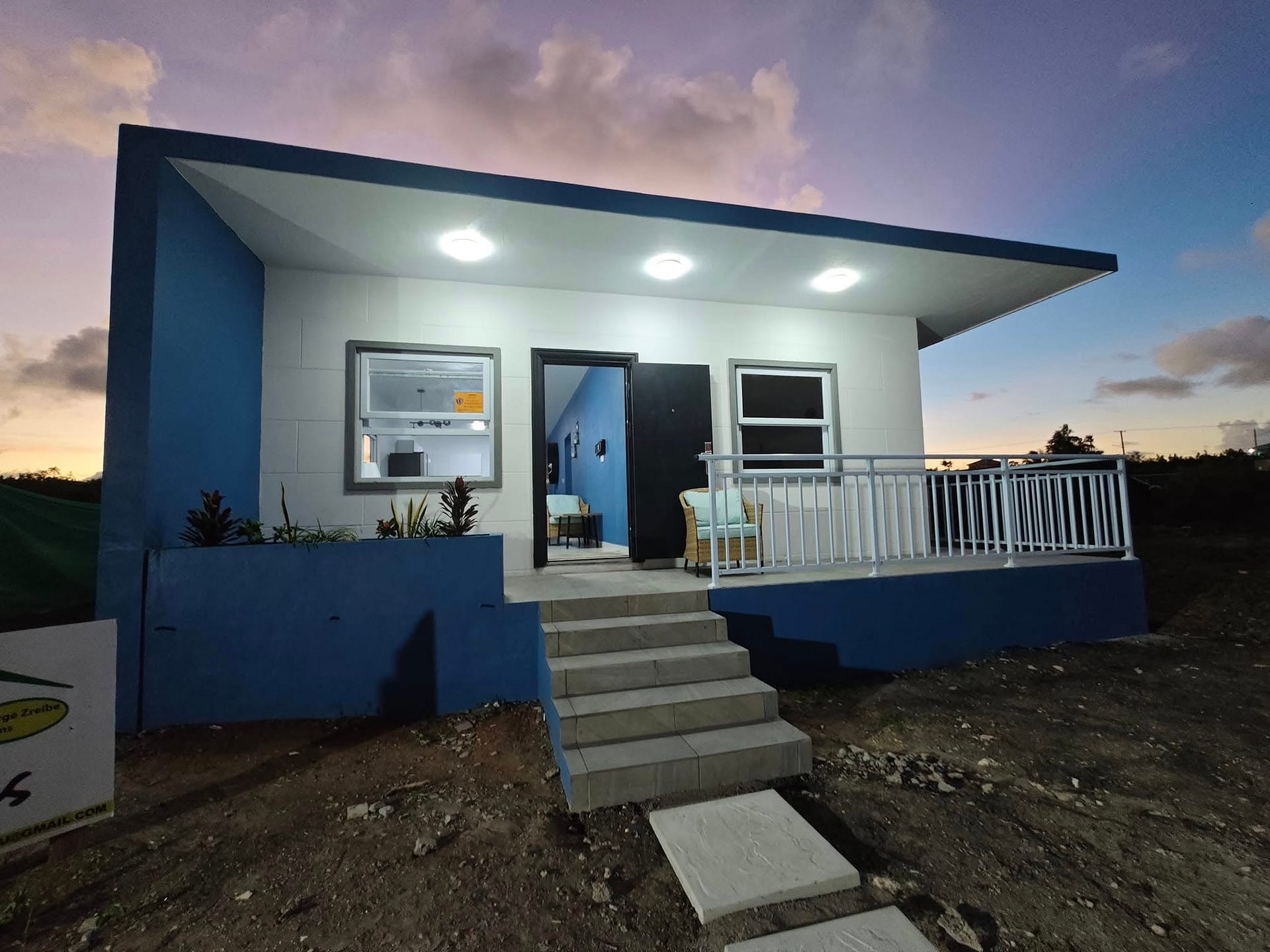
The Cabinet of Antigua and Barbuda is currently examining the enforcement of the Rent Restriction Act in response to escalating public concerns over soaring rental prices and unregulated evictions. During Thursday’s post-Cabinet press briefing, Maurice Merchant, Director General of Communications, emphasized that while existing laws are designed to safeguard tenants, there is a pressing need for more robust enforcement. ‘The laws are in place,’ Merchant stated. ‘However, it’s a matter of ensuring they are effectively enforced and that individuals utilize these legal provisions to address their grievances.’
Merchant urged tenants who feel unjustly treated to pursue legal recourse through the judicial system. ‘If you believe you’ve been wronged, take your case to the courts. The judiciary is equipped to handle such matters, as there are established regulations that can be enforced,’ he advised. When questioned about the operational status of the Rent Commission—a body mandated by law to oversee the rental sector—Merchant acknowledged the need for further investigation. ‘I will look into this and provide updates in future briefings,’ he assured.
The Cabinet’s review of the Rent Restriction Act coincides with a broader public discourse on housing affordability and tenant rights protection. As rental costs continue to climb, the government faces mounting pressure to address these issues and ensure equitable housing practices across the nation.
-

Government Monitoring Supermarkets for Food Price Reductions After Tariff Suspension
The Prices and Consumer Affairs Division is actively overseeing local supermarkets to ensure that consumers reap the benefits of the government’s temporary suspension of the Common External Tariff (CET) on essential food items. Maurice Merchant, Director General of Communications, emphasized this during the weekly post-Cabinet press briefing on Thursday. He confirmed that the suspension is already in effect, stating, ‘It is in place. Individuals should have already started to see some decrease in the cost of those items. The tariffs have been removed.’
When questioned about the readiness of consumer protection officials to verify compliance, Merchant assured that they are fully equipped. ‘They were the first to be notified of the reduction as this came through the Ministry of Trade. They are aware and they are monitoring,’ he explained. He further noted that the impact of this policy will be reflected in upcoming monthly reports. ‘We should see some reporting during the next cycle of monthly reports that we get from these divisions as it relates to the lifting of the CET on these items,’ he added.
The Cabinet’s decision to remove import tariffs on key goods was aimed at alleviating the cost-of-living pressures. Officials have also pledged to take corrective measures if retailers fail to pass on the savings to consumers.
-
UPP ‘Beach Case’ Adjourned Again
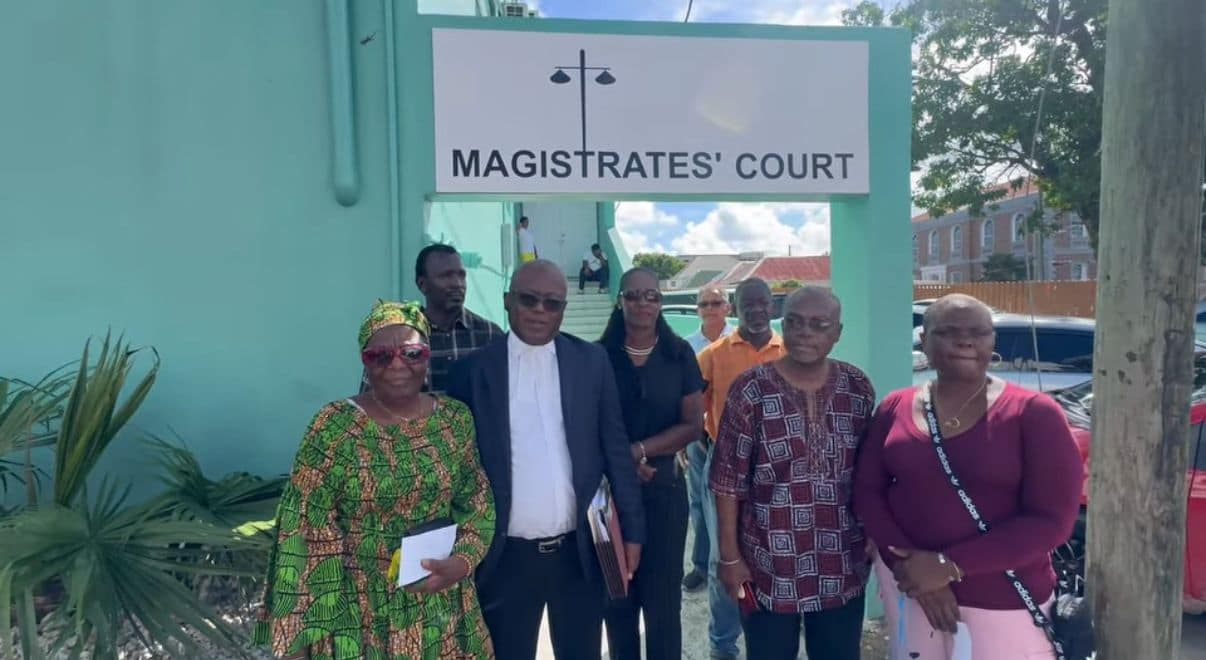
The high-profile legal matter known as ‘the Beach Case’ has been postponed once more following a hearing at the St John’s Magistrate’s Court. Defence attorney Mr. Boing raised significant concerns regarding what he termed ‘certain defects’ in the case file. Despite these objections, the magistrate opted to proceed with witness testimonies before addressing the alleged issues. Mr. Boing stated, ‘I highlighted specific flaws in the file, but the magistrate believes the witnesses’ accounts might resolve these concerns. A ruling on my submission will only occur after the evidence is heard.’ The case has now been adjourned until December 12, 2025, when the prosecution, led by the Office of the Director of Public Prosecutions, is expected to present its witnesses and evidence. Outside the courtroom, political commentator George Wehner, who has been closely monitoring the case, voiced frustration over the repeated delays. Wehner also drew attention to broader systemic issues, referencing the Small Charges Act—a colonial-era law originally intended to control emancipated Africans post-slavery. ‘These laws criminalized everyday actions, such as walking on a neighbor’s land or picketing,’ he remarked. ‘Even after independence, they continue to oppress the same communities they were designed to target.’ The Beach Case, named for its alleged connection to an incident on a local beach, has garnered significant public attention, with advocates for the defendants demanding transparency and fairness in the judicial process. The next hearing is set for December 12, 2025, when witnesses are expected to testify.
-
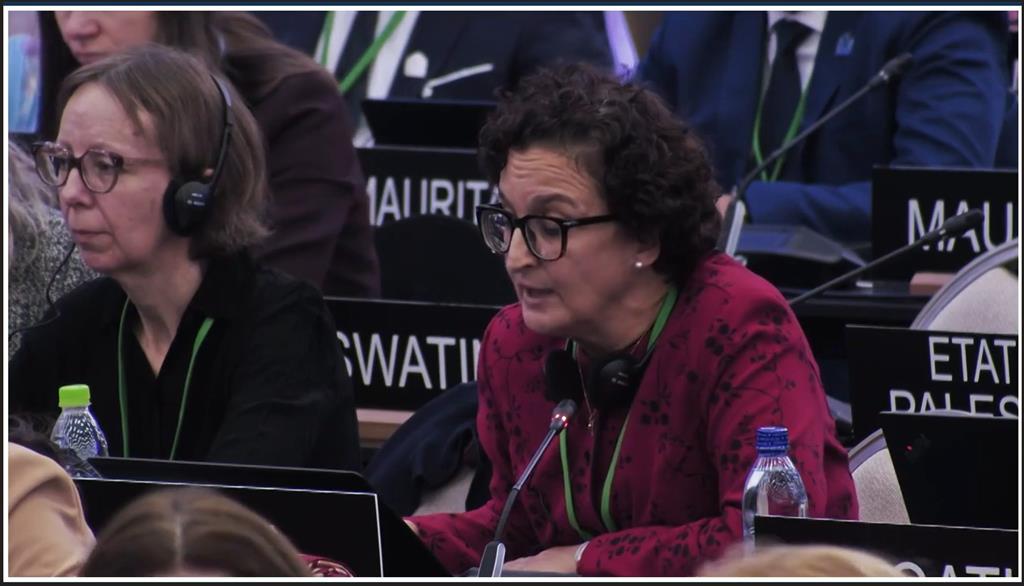
Cuba reaffirms support for Palestinian people’s rights
During recent discussions in the Committees on Education and Financial and Administrative Affairs, the Cuban delegation voiced strong support for draft resolutions aimed at enhancing educational and cultural initiatives in the occupied Arab territories. The delegation emphasized its endorsement of the United Nations Relief and Works Agency for Palestine Refugees in the Near East (UNRWA) and its educational programs, particularly in the Gaza Strip, where ongoing violations of international law continue to severely impact Palestinian civilians. Cuba underscored the necessity of a peace agreement that ensures the establishment of an independent and sovereign Palestinian State within the pre-1967 borders, with East Jerusalem as its capital. Such an agreement, the delegation argued, must uphold the Palestinian people’s right to self-determination and the return of refugees. Additionally, Cuba reaffirmed its commitment to UNESCO’s Action Plan in Gaza, which faces significant challenges due to the occupation’s restrictive conditions, hindering the organization’s operational effectiveness.
-
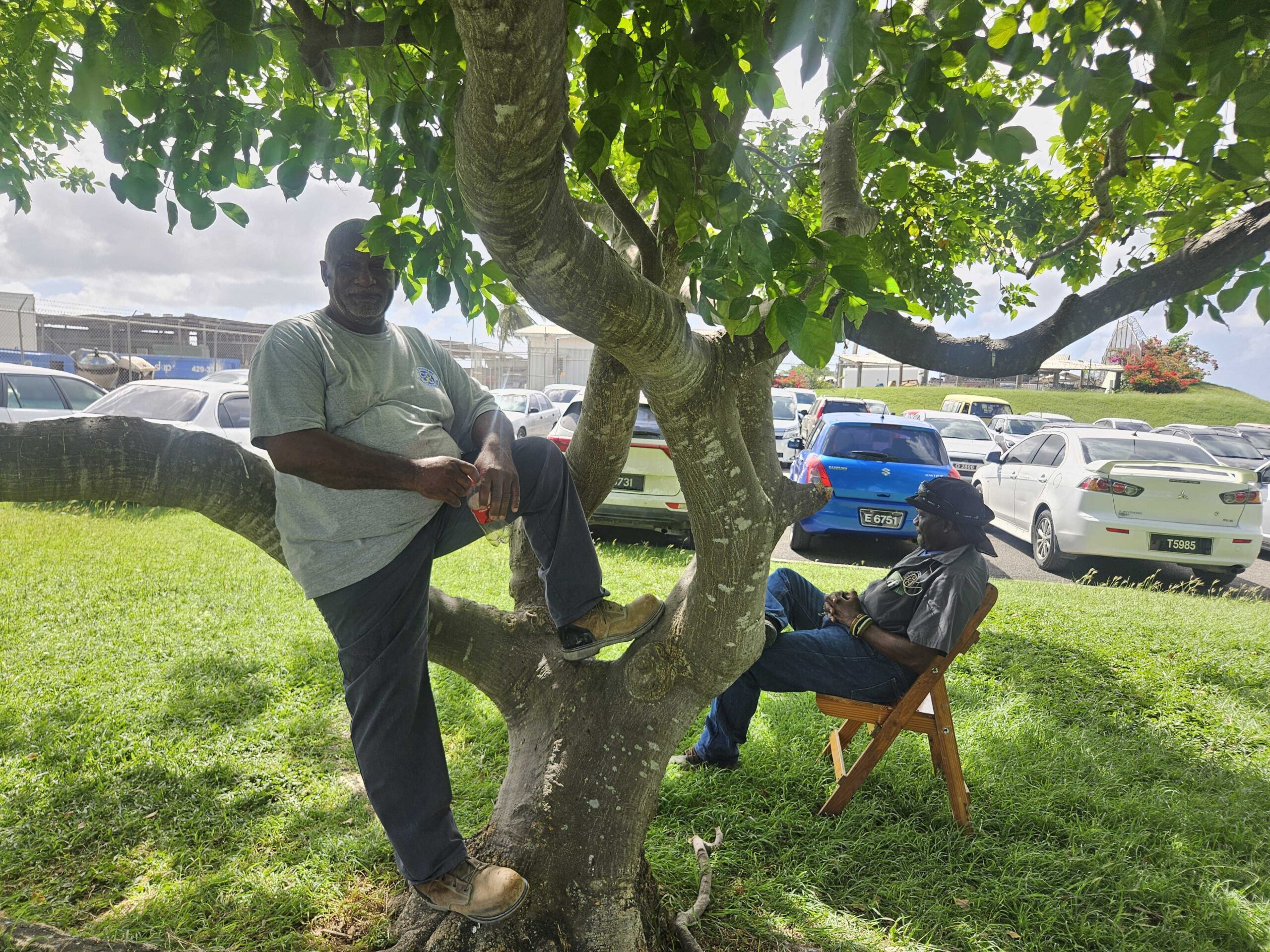
C.O. Williams workers walk off job over wage dispute
Hundreds of employees at C.O. Williams Construction have ceased work following a deadlock in salary negotiations. Dwaine Paul, Deputy General Secretary of the Barbados Workers’ Union (BWU), confirmed that the dispute has been escalated to the Chief Labour Officer, and the union is awaiting further instructions. Paul emphasized that all workers will remain off the job until they receive guidance from the Chief Labour Officer, citing widespread dissatisfaction over the stalled wage increase discussions. He also highlighted the broader challenges facing the construction sector, underscoring the necessity for comprehensive dialogue among industry stakeholders. Paul called for a national conversation involving workers across Barbados to address systemic issues within the construction industry. A meeting to discuss these concerns is reportedly scheduled for next week.
-

National Cleanup to Continue Year-Round
In response to the overwhelming volume of waste and derelict vehicles collected during October’s National Cleanup Month, the Cabinet has approved the extension of the national cleanup campaign throughout the year. Maurice Merchant, Director General of Communications, announced that the initiative will now operate on a rolling basis across multiple communities to uphold the island’s cleanliness and public health standards. The National Solid Waste Management Authority (NSWMA) and its service providers faced unprecedented challenges in managing the sheer quantity of garbage and abandoned vehicles, leading to delays in removal efforts. To address this backlog, the Cabinet has authorized the NSWMA to collaborate with private citizens and contractors equipped with specialized heavy-duty vehicles, such as flatbeds and lowboys, to accelerate the cleanup process. Prime Minister Gaston Browne underscored the campaign’s significance, emphasizing that maintaining a clean and healthy environment is essential for national pride, public health, and the tourism sector. The expanded initiative will focus on simultaneous cleanup operations across various zones, including the clearing of drains, verges, and overgrown areas.
-
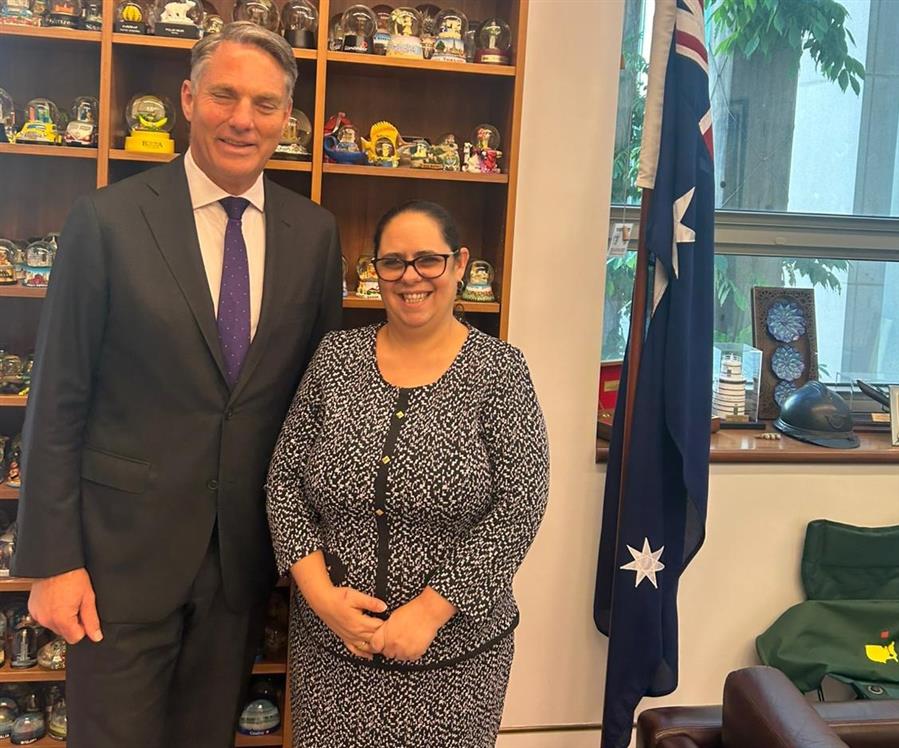
Australian Deputy PM meets Cuban Ambassador
In a recent meeting at the Australian Federal Parliament, officials from both Australia and Cuba explored avenues to enhance their bilateral relationship, focusing on key sectors such as education, health, biotechnology, and mining. Deputy Prime Minister Richard Marles extended warm greetings to the Cuban people and wished Cuban diplomat Leydey Dieguez success in her future endeavors. Dieguez, who was also received by Australia’s Governor-General Samantha Joy Mostyn, discussed the progress of bilateral ties and shared experiences in educational collaboration. Notably, Dieguez highlighted the success of the Cuban literacy program ‘Yo Si Puedo’ (Yes, I Can), implemented in 13 Aboriginal communities across New South Wales, Queensland, and the Northern Territory since 2012, which has seen over 300 graduates. Additionally, Dieguez met with Assistant Foreign Minister Matt Thistlethwaite and officials from the Latin America division of the Australian Foreign Office to mark the conclusion of her diplomatic mission. She expressed gratitude for Australia’s support in the recent United Nations vote against the U.S. economic, commercial, and financial blockade on Cuba.