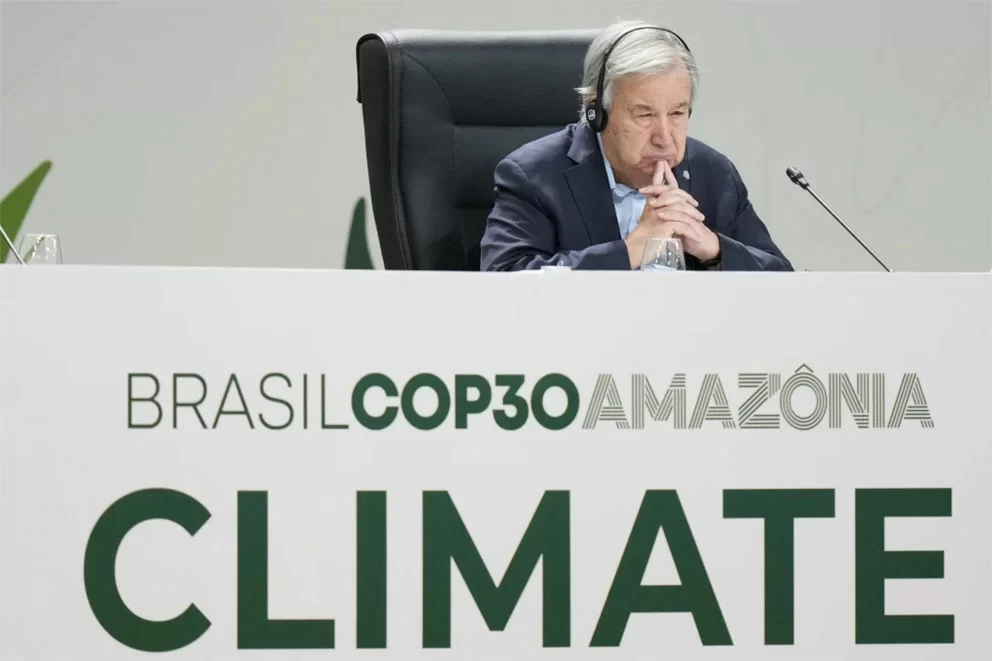
At the COP30 United Nations Climate Summit held in Belém, Brazil, world leaders unanimously emphasized the urgency of addressing climate change to prevent its most catastrophic impacts. The summit, hosted near the Amazon rainforest, saw sharp criticism directed at the United States for its reluctance to engage fully, particularly due to the absence of former President Donald Trump, who withdrew the U.S. from the Paris Climate Agreement during his tenure. Current U.S. President Jennifer Simons attended, but the lack of high-level representation raised concerns about the nation’s commitment to global climate efforts.
作者: admin
-

Zaviska Lamsberg eerste Surinaamse vrouw gekozen tot Vicepresident JCI
In a groundbreaking achievement, Zaviska Lamsberg has been elected as Vice President of Junior Chamber International (JCI) during the JCI World Congress in Tunis, Tunisia. This historic appointment marks her as the first Surinamese woman to hold such a prestigious international leadership role within the global youth organization. At 32 years old, Lamsberg, hailing from Paramaribo, will assume her position in 2026, joining one of JCI’s highest governing bodies. Her election is celebrated as a significant milestone for gender equality and Surinamese leadership on the global stage. Currently serving as the National President of JCI Suriname, Lamsberg has distinguished herself through her strategic vision and unifying leadership. Under her guidance, JCI Suriname successfully hosted an international conference praised for its professional execution and warm Surinamese hospitality. With a background in Law and Social Development and professional experience in Human Resources at a multinational gold mining company, Lamsberg combines academic depth with practical leadership experience. She began her JCI journey in 2017 with JCI Unify, rose to Local President in 2023, and became National President in 2025. Following her election, Lamsberg emphasized that her victory extends beyond personal achievement. ‘This is not just a personal win but a victory for every young woman in Suriname and the Caribbean,’ she stated. ‘My journey proves that when young people are given opportunities to grow, they can achieve extraordinary things.’ She highlighted collaboration as the cornerstone of her leadership philosophy, stating, ‘Our mission to empower young people to create positive change can only succeed through collaboration. Governments, businesses, and communities must provide young people with the space, trust, and resources to develop into the change-makers our world needs.’ JCI is a global organization of active young citizens aged 18 to 40, operating in over 100 countries. It offers leadership and development opportunities for young individuals to make a positive impact in their communities and beyond.
-
Hundreds of CO Williams workers walk off the job after pay talks collapse
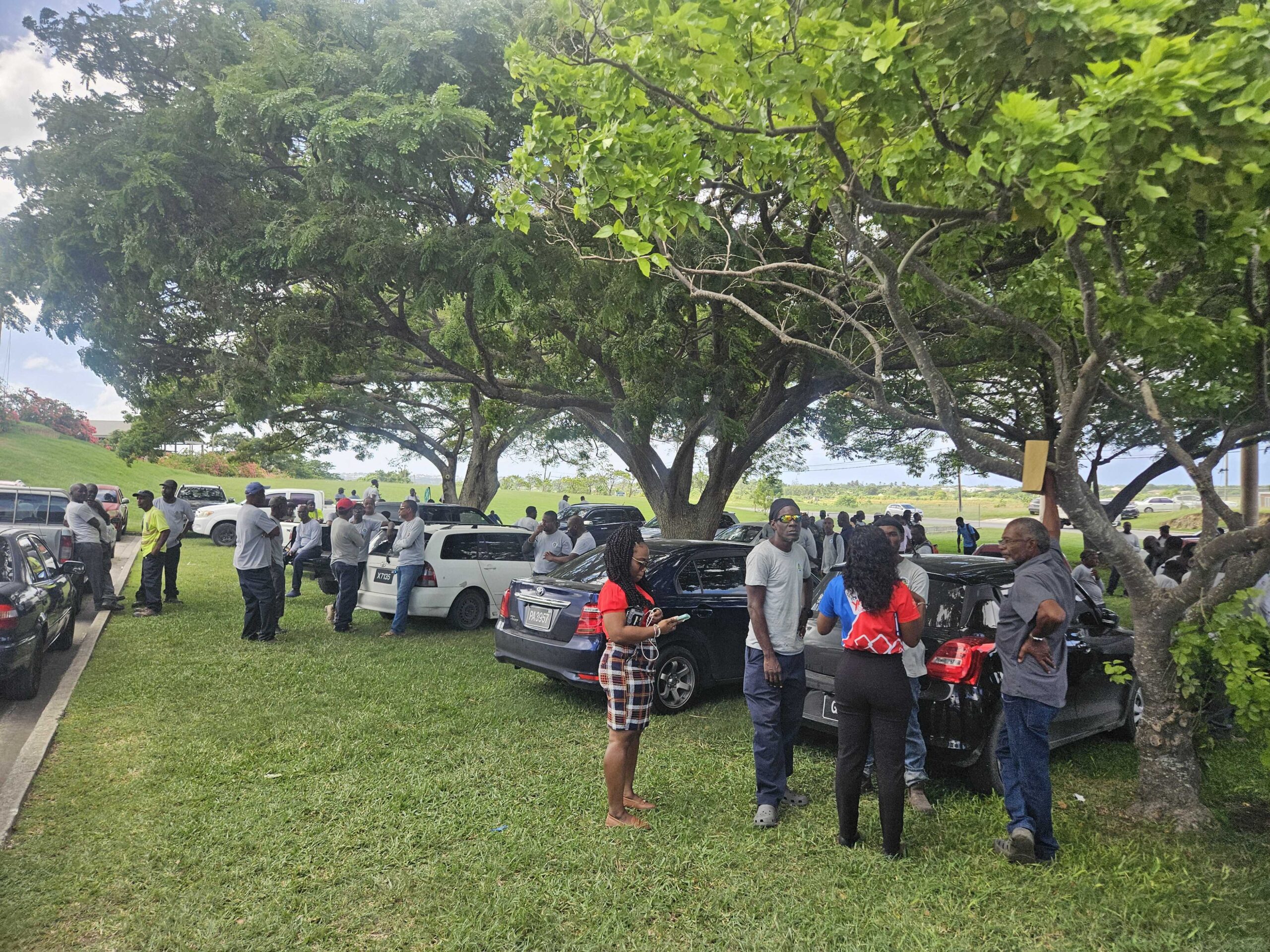
More than 300 construction workers employed by C.O. Williams in Barbados have initiated a strike following the collapse of pay negotiations with management. The protest, organized by the Barbados Workers’ Union (BWU), began early Thursday morning at the company’s Lears, St Michael base. The workers rejected the company’s latest wage proposal, prompting union intervention and escalating the matter to the government’s chief labour officer.
-
Column: Een staatsman van eenvoud en overtuiging
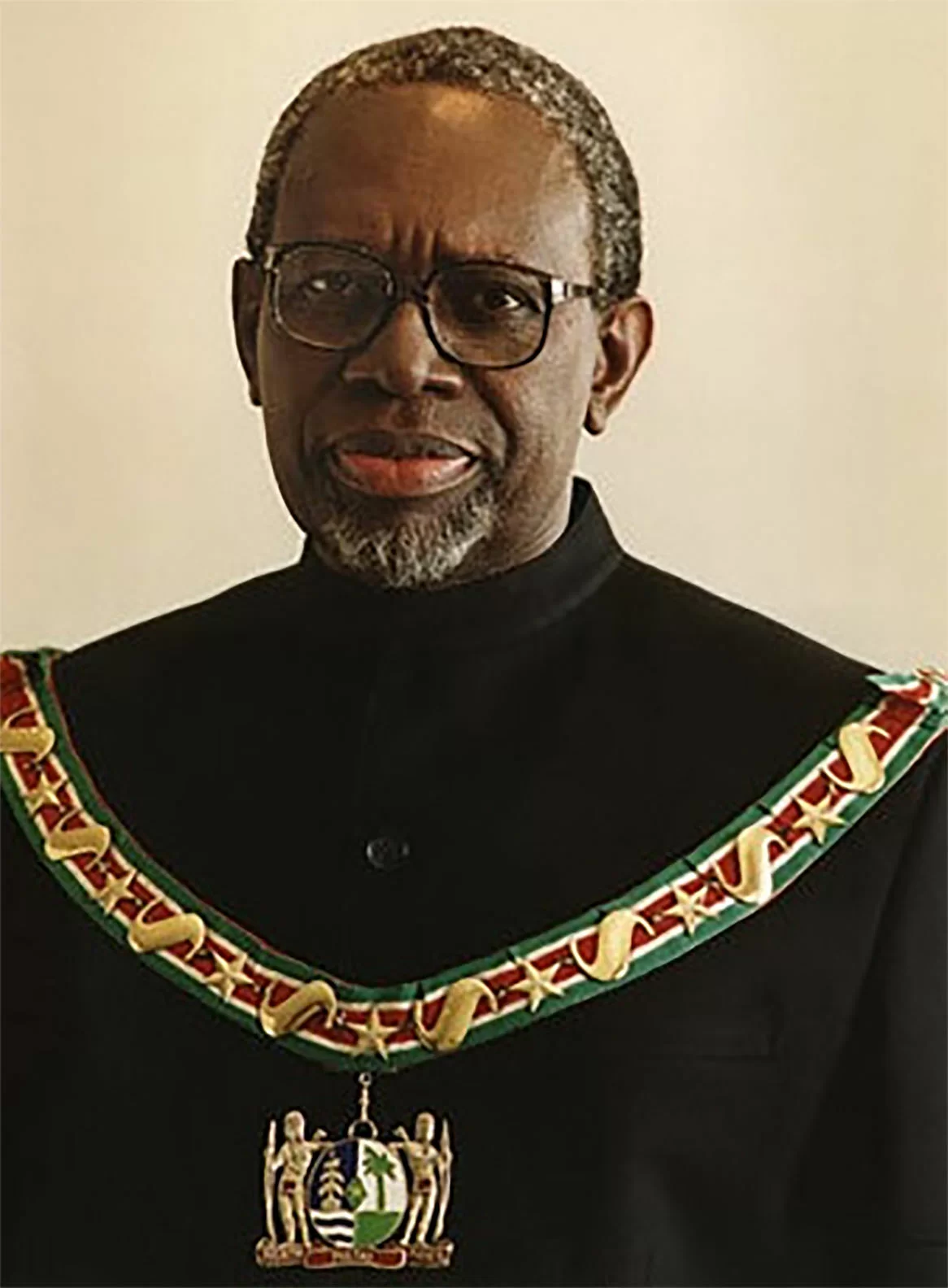
The passing of former President Ronald Venetiaan has evoked profound feelings of respect and gratitude among many. Venetiaan, a rare breed of leader, combined authority with humility, leaving an indelible mark on Suriname’s political and moral landscape. His leadership was characterized by tactical acumen, principled decision-making, and a steadfast commitment to the nation’s interests over personal or partisan gain. Unlike many of his contemporaries, Venetiaan avoided the limelight, yet his influence was deeply felt in shaping the country’s governance and ethical compass. His unwavering integrity and modest demeanor earned him admiration even from political adversaries, a testament to his enduring moral authority. In a political climate often marred by corruption and self-interest, Venetiaan remained untarnished, a rarity that solidified his reputation as a true statesman. His collaborative approach with Vice President Jules Ajodhia symbolized trust and unity, a stark contrast to the divisiveness seen in recent years. Venetiaan’s decision to forego a state funeral aligns with his humble nature, yet such a ceremony would fittingly honor his legacy and the values he championed: dignity, principles, and decency in public service. For current and future leaders, Venetiaan’s life serves as a powerful reminder that true leadership lies not in loud proclamations but in listening, integrity, and simplicity. His enduring legacy is not etched in monuments but in the example he set—a beacon of moral leadership in an often tumultuous world.
-
Pringle Calls for Vehicle Scandal Probe to Extend to Quarries and Cement Factory
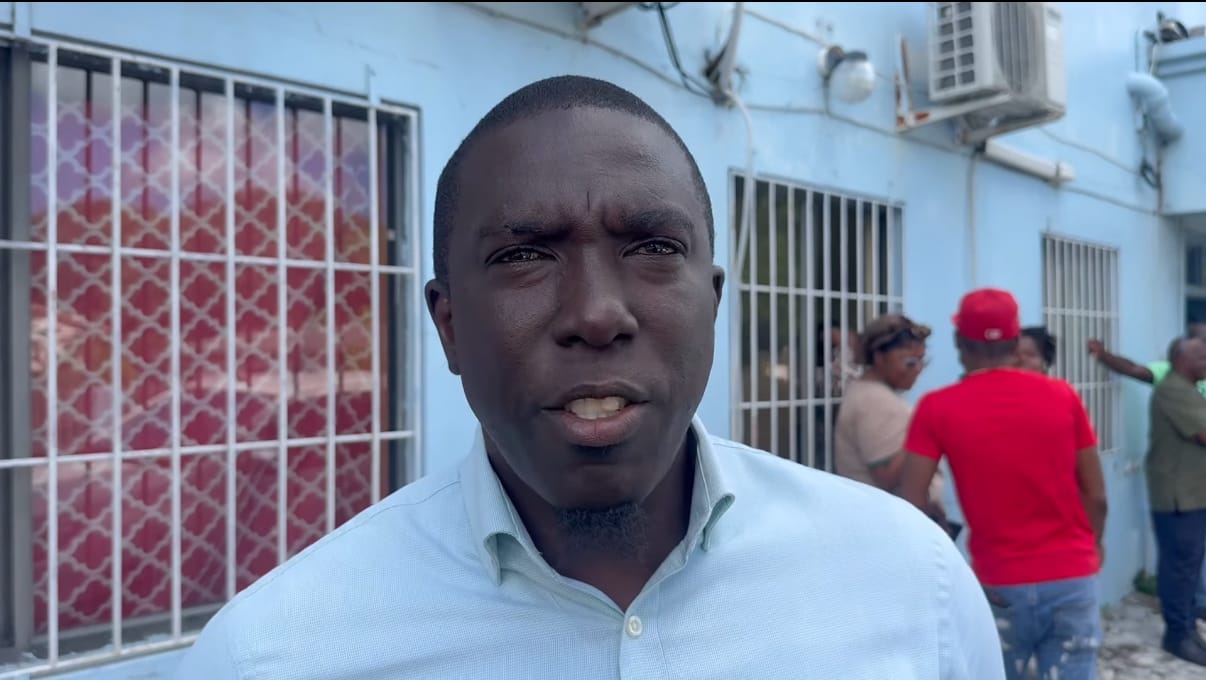
Opposition Leader Jamale Pringle has intensified calls for a comprehensive forensic investigation into the Ministry of Works, urging that the scope of the ongoing vehicle procurement scandal probe be extended to include the quarries and cement factory under the ministry’s purview. Speaking during the second day of protests outside the ministry, Pringle, leader of the United Progressive Party (UPP), emphasized that these issues are interconnected, pointing to a broader pattern of alleged mismanagement and lack of transparency within the government.
Pringle highlighted the necessity of an independent investigation into the so-called ‘vehicle-gate’ scandal, as well as the quarries and cement factory, citing reports of $15 million allegedly misappropriated from the ministry. He also raised concerns about the ministry’s headquarters, which he claimed is ‘suffering tremendously from mold infestation.’
The UPP leader vowed to maintain pressure on the government until a full investigation is launched, stating, ‘We cannot continue to have this government hide or stifle accountability and transparency in Antigua and Barbuda. We will be here until we get such an investigation into the matters I’ve mentioned.’ The protest outside the Ministry of Works marked the second consecutive day of demonstrations by the UPP, which is advocating for independent oversight into government operations to ensure accountability and transparency.
-

News : Zapping…
Haiti is grappling with a series of significant developments across various sectors. Sunrise Airways has announced the launch of new domestic routes, connecting Port-au-Prince and Cap-Haïtien to Jacmel and Jérémie starting November 17, 2025. This expansion aims to enhance connectivity within the country. Meanwhile, the aftermath of Hurricane Melissa has severely impacted food security, with the World Food Programme reporting a 20% increase in households with low food consumption scores. Agricultural losses are catastrophic, with up to 90% of production destroyed in some areas, exacerbating the crisis. In sports, Haiti’s national football team, the Grenadiers, faced a crushing 1-8 defeat against England, adding to their recent struggles. Additionally, the investigation into the assassination of former President Jovenel Moïse has been reopened, with the Port-au-Prince Court of Appeal deeming the initial inquiry incomplete. On a lighter note, the inter-university basketball tournament saw UPLEH triumph over UNIQ, despite interruptions due to poor visibility.
-
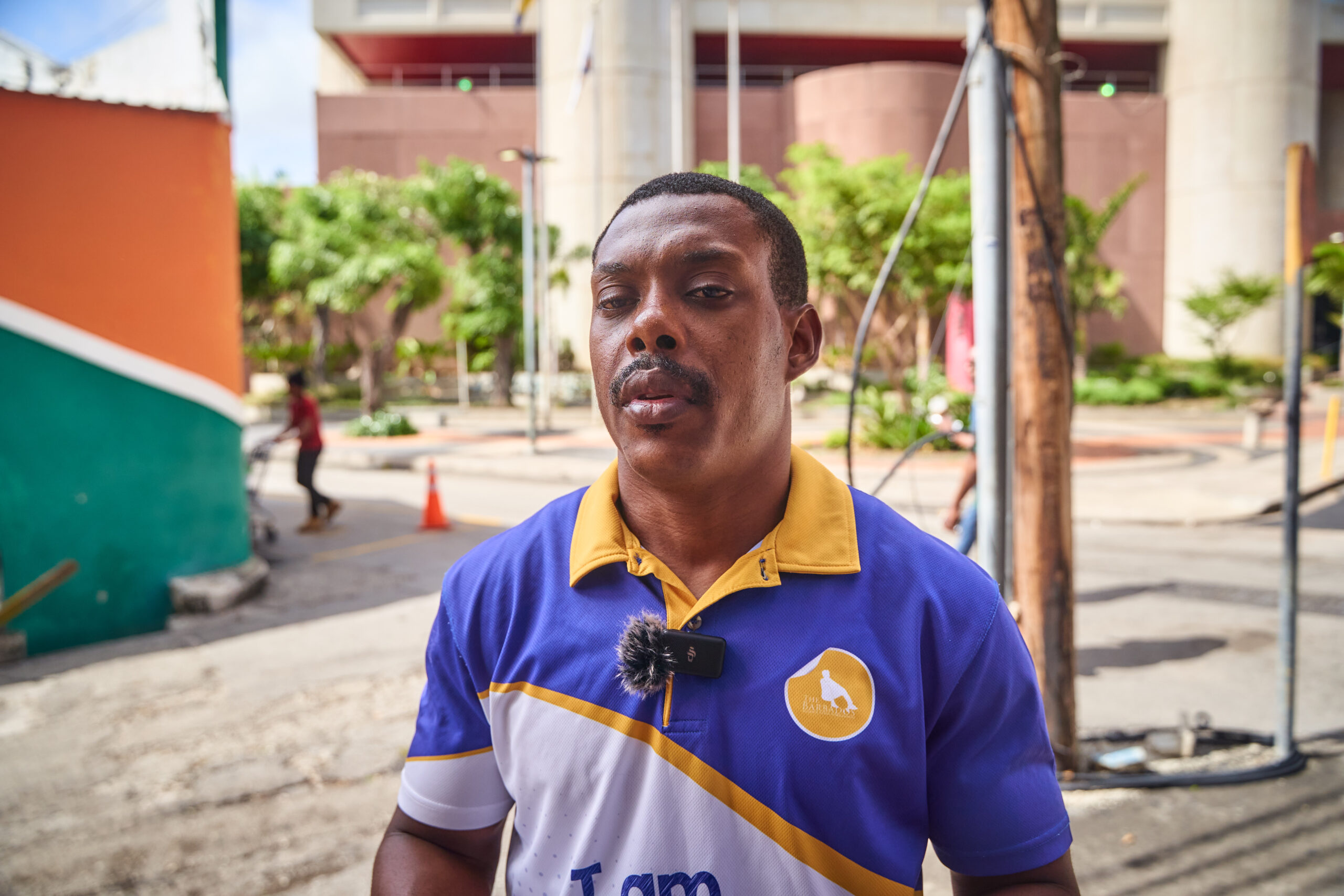
Homelessness advocate Saffrey eyes party politics as he signals run for Parliament
Kemar Saffrey, a prominent social advocate renowned for his dedication to addressing homelessness, has officially declared his intention to run in the upcoming general election. This marks his first formal step toward a parliamentary career, signaling his ambition to elevate his advocacy work to a national level. Saffrey, the founder and president of the Barbados Alliance to End Homelessness (BAEH), revealed that his interest in politics has been a long-standing pursuit, rather than a sudden decision.
-
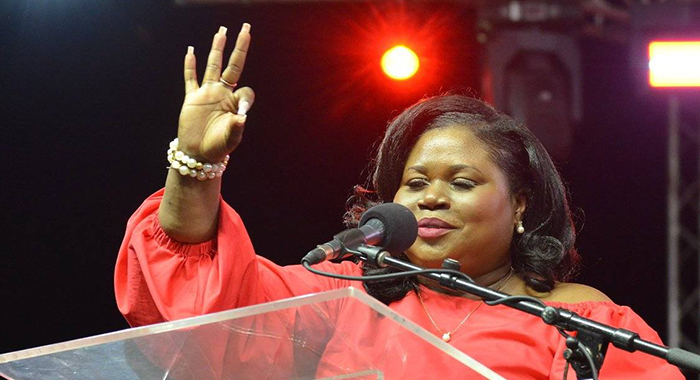
ULP projects are about people — Peters
Keisal Peters, the Unity Labour Party (ULP) candidate for West Kingstown, has strongly refuted Opposition Leader Godwin Friday’s assertion that a New Democratic Party (NDP) administration would prioritize people over projects. Speaking at a ULP rally in Richmond Hill, Kingstown, Peters emphasized that every initiative undertaken by the ULP is fundamentally about the people. She cited numerous projects, including housing developments, the BERRY Project, fisheries expansion, the Rabacca Bridge, the Modern Medical Diagnostic Centre, the Acute Referral Hospital, and the Argyle International Airport, as evidence of the ULP’s commitment to the populace. Peters, a first-time candidate, is vying to unseat NDP Chairman Daniel Cummings, who has held the West Kingstown seat since 2010. In the 2020 elections, Cummings secured his third consecutive term, while the ULP achieved a historic fifth consecutive term, winning nine of the 15 seats despite losing the popular vote for the first time since 1998. Peters criticized the NDP’s lack of vision, particularly their opposition to the Argyle International Airport, which she described as a transformative project for St. Vincent and the Grenadines. She also highlighted her achievements, including the completion of the Edinboro road and the rehabilitation of the Edinboro Hard Court, which she funded during her tenure as foreign minister. Peters underscored the ULP’s dedication to youth empowerment, contrasting it with the NDP’s alleged reluctance to embrace young talent. She urged voters to support the ULP in the upcoming general election, emphasizing the importance of youth participation and the dangers of silencing their voices.
-
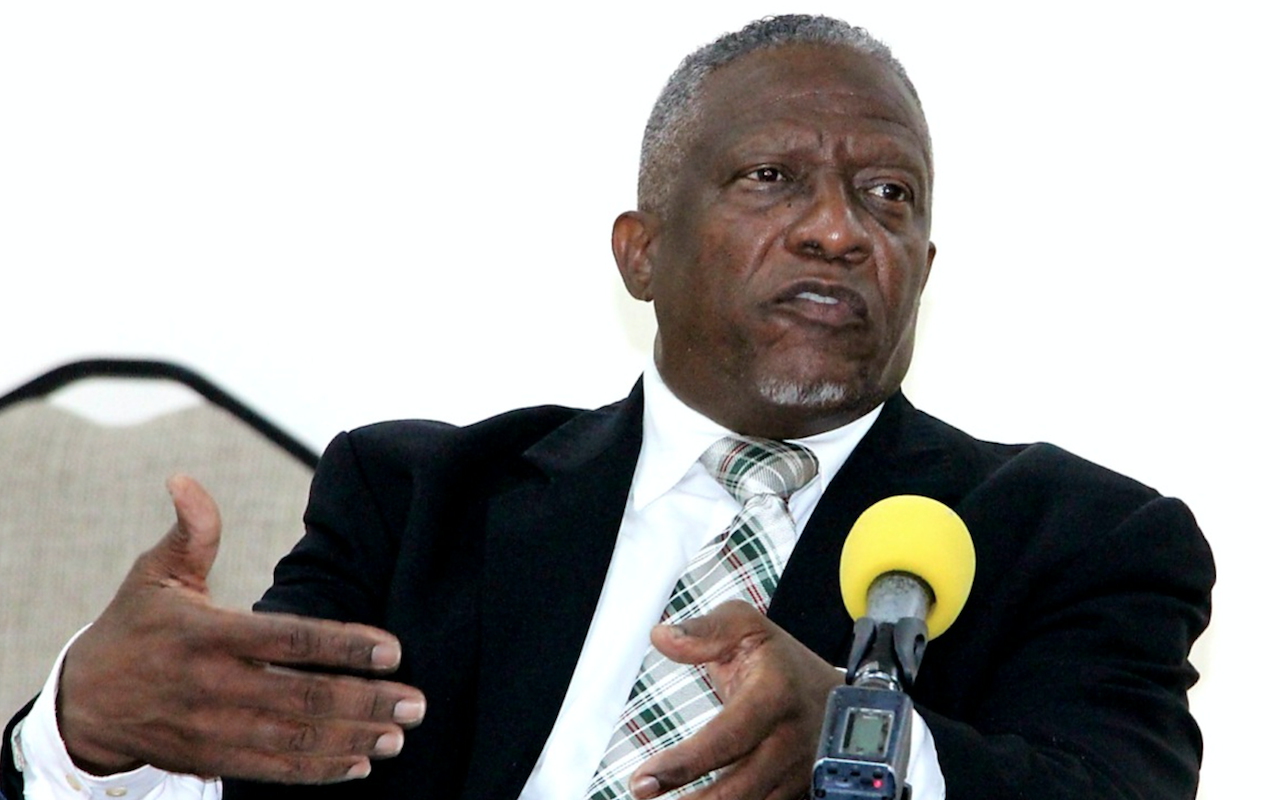
Pastor urges rethink on population policy, warns against ‘have more children’ message
A prominent pastor has called on the government to reassess its approach to population growth, emphasizing that merely urging citizens to “have more children” could exacerbate social and economic challenges without robust family, adoption, and moral support policies. Speaking at a press conference organized by Family Faith Freedom Barbados at the First Baptist Church on Constitution Road, Pastor Paul Leacock highlighted the need to focus on raising responsible citizens rather than simply increasing population numbers.
Leacock acknowledged the government’s desire to boost the island’s population but cautioned against irresponsible messaging. “Encouraging young parents to raise the population is valid, but simply saying ‘have children to repopulate the nation’ is inadequate. We need individuals who are raised as responsible citizens—people with strong moral values and the ability to contribute to the country’s sustainability,” he stated.
One critical area requiring immediate reform, according to Leacock, is adoption. He described the current adoption policies as “weak and ill-defined,” urging a comprehensive review. “If a parent cannot support another child, there are willing individuals ready to provide care. Strengthening adoption policies could alleviate pressures that lead some women to consider abortion,” he explained.
Leacock also proposed practical incentives, such as tax breaks for families, to support population growth. “From an economic standpoint, the government could offer tax credits for families with children or reduce taxes for parents. These measures are feasible and impactful,” he said, adding that support for marriage and stable households should be integral to long-term population planning.
The pastor underscored the moral and economic implications of an ageing society with a shrinking working-age population. “A large geriatric population without sufficient youth to sustain it will strain both the social system and the church. We must educate our youth and care for our elders,” he emphasized.
Leacock highlighted the church’s role in elder care, stressing that it cannot abandon vulnerable members even when families do. “Pastors must ensure elderly members are cared for, not neglected. If families abandon them, the church must step in,” he said.
Additionally, Leacock urged the government to reconsider its stance on publicly funded abortions, linking the issue directly to population sustainability. “We cannot solve our population challenges by ending the lives of others. Let’s prioritize preserving life,” he argued.
In conclusion, Leacock expressed his organization’s vision for a “sustainable Barbados—both morally and economically,” calling for a holistic approach to population growth that addresses societal and ethical dimensions.
-
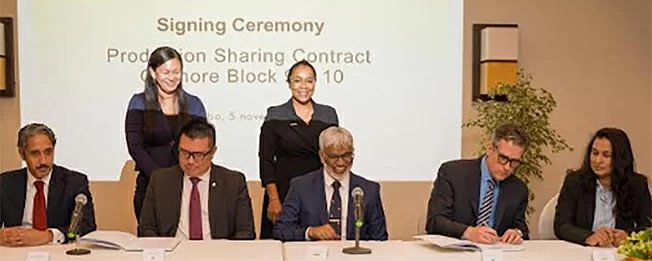
Olieblokken 9 en 10 mogelijk voordeliger dan Granmorgu
Suriname has taken a significant step forward in its oil and gas sector by signing production-sharing contracts with global energy giants Chevron, QatarEnergy, and Petronas. The agreements, finalized on Wednesday, focus on oil blocks 9 and 10, which are expected to yield substantial benefits for the country and its state-owned oil company, Staatsolie. Unlike the Granmorgu area in Block 58, which holds vast deep-water reserves but requires high development costs, Blocks 9 and 10 are located closer to the coast in shallow waters of just 50 meters, significantly reducing expenses. Staatsolie’s CEO, Annand Jagesar, emphasized that Suriname will not bear any production costs but will earn revenue once oil production begins. The blocks are estimated to contain around 300 million barrels of oil, making them a profitable venture despite their smaller scale compared to Granmorgu’s 750 million barrels. The contracts stipulate that Suriname will benefit from tax revenues, profit oil, royalties, and income generated through Staatsolie’s subsidiary, Paradise Oil, which holds a 30% stake in Block 9 and 10% in Block 10. Additionally, the deals are expected to boost local employment and expertise. The partners are required to study existing geological data within the first three years and proceed with drilling in the second phase. Failure to meet these obligations will result in contract termination.