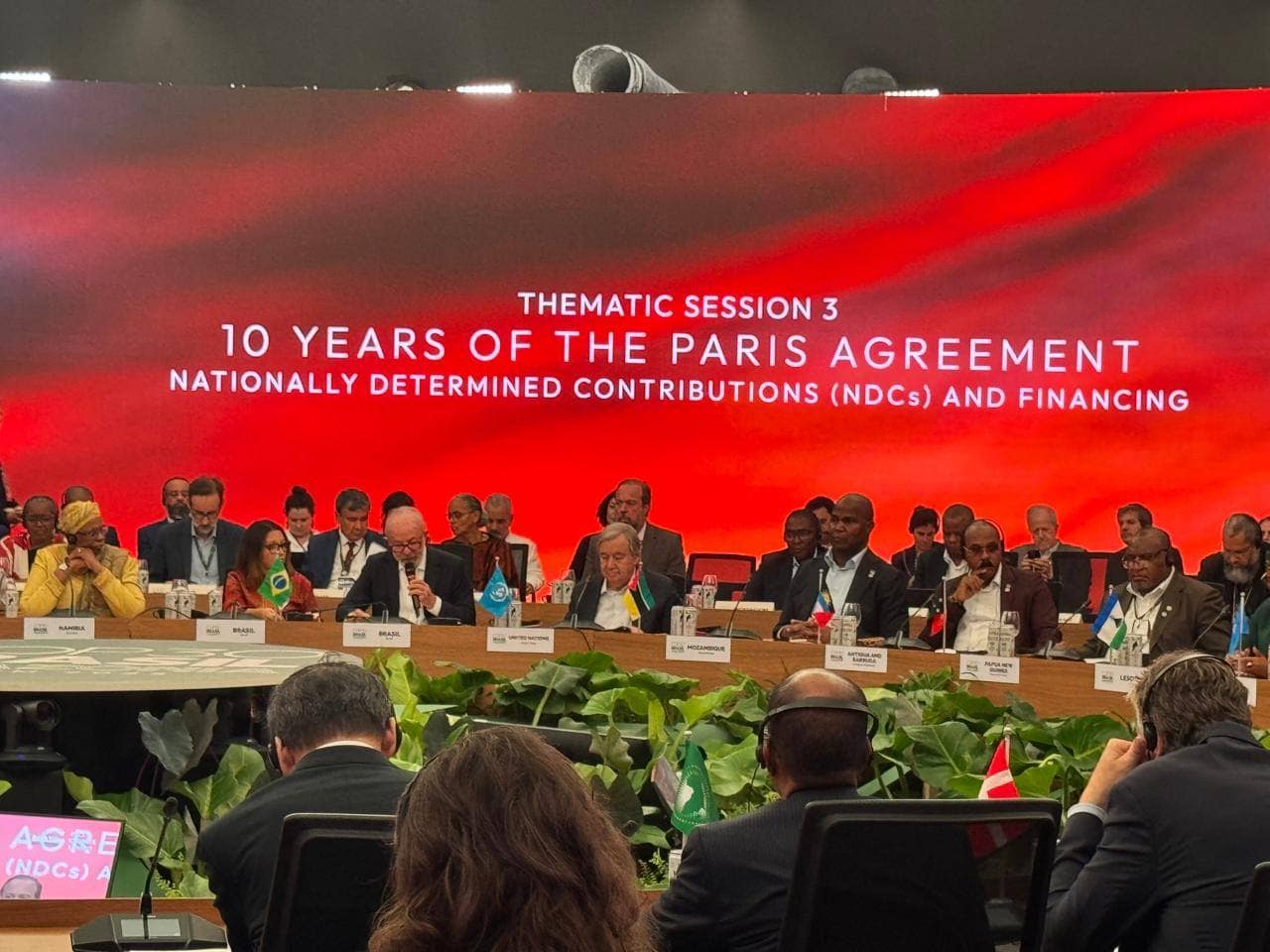
At the COP30 Leaders’ Roundtable in Belém, Brazil, Prime Minister Gaston Browne of Antigua and Barbuda delivered a compelling address during Thematic Session 3, focusing on Nationally Determined Contributions (NDCs) and climate financing. Speaking to global leaders, Browne issued a stark warning: the planet is not waiting for humanity to act. He highlighted that global CO₂ levels surged by 3.3 parts per million in 2024, marking the largest increase ever recorded. While 64 new NDCs now cover approximately 30% of global emissions, Browne emphasized that current efforts fall far short of the 1.5°C warming limit, which he described as a critical threshold for small island states like Antigua and Barbuda. ‘For us, 1.5°C isn’t just a headline; it’s the line between survival and irreversible damage,’ he stated. Browne reaffirmed Antigua and Barbuda’s commitment to achieving this goal through comprehensive sectoral targets, including energy, transport, waste management, agriculture, and coastal protection. He stressed that for Small Island Developing States (SIDS), mitigation, adaptation, and resilience are inseparable components of a survival strategy. Referencing the devastation caused by Hurricane Melissa in Jamaica, Browne underscored the inadequacy of global climate action. He also criticized the disparity between climate finance needs and actual support, noting that while updated NDCs outline nearly US$2 trillion in financial requirements, vulnerable nations receive far less. ‘Ambition without finance is just aspiration,’ he declared, calling for a revolution in both energy systems and financing mechanisms. Browne urged large polluters to fulfill their obligations, framing climate finance as a matter of fairness and justice. ‘This is how we turn ambition into action and survival into shared success,’ he concluded.
作者: admin
-

Geen strafvermindering verdachte seksueel misbruik
In a recent appellate court decision, 39-year-old R.W. was sentenced to three years in prison for sexual abuse, reaffirming the initial verdict handed down by the district court earlier this year. The Court of Justice dismissed the appeal filed by defense attorney Valerian Bendanon, who argued that the district court had imposed an excessively harsh penalty without proper justification. Bendanon highlighted that the court had failed to explain why the sentence exceeded the two-year term initially requested by the Public Prosecutor’s Office. R.W. was convicted of repeatedly sexually abusing his partner’s 14-year-old sister, resulting in her pregnancy. The victim has since given birth. During the hearing, R.W. expressed remorse, stating, “I have recognized my mistakes and realized I could not continue such behavior. I have become very weak but have learned a lot during my detention,” he said with his head bowed. R.W. expressed relief that the victim could return to school and pledged to take responsibility for the child’s care. Despite R.W. being a first-time offender, the Public Prosecutor urged the court to uphold the three-year sentence. Judge Anand Charan concluded, “We agree with the three-year sentence, and it will stand.”
-

COP30: China bevestigt versnelde groene transitie en versterkte klimaatambities
China is intensifying its efforts to achieve a comprehensive green transition in its economic and social development, while cautiously working towards peaking carbon emissions. At COP30 in Belém, Ding Xuexiang, Vice Premier and Special Representative of Chinese President Xi Jinping, highlighted China’s progress and reinforced commitment to climate action. Ding emphasized that China has made significant strides toward its 2030 goals, including surpassing targets for wind and solar energy and expanding forest coverage. During the UN Climate Summit in September, President Xi Jinping announced an absolute reduction target for 2035, underscoring China’s determination and maximum efforts in climate mitigation. As the world’s largest emitter, accounting for approximately 30% of global CO2 emissions, China faces challenges due to its vast industrial base, reliance on coal, and rapid economic growth. The recently adopted recommendations of the Central Committee of the Communist Party of China for the 15th Five-Year Plan (2026–2030) emphasize integrating carbon reduction, pollution control, green expansion, and economic growth. The plan focuses on building a robust ecological security barrier and fostering green development forces. Ding outlined three global climate policy priorities: maintaining the right direction by balancing environmental protection, economic development, employment, and poverty alleviation; translating climate pledges into action by adhering to the principle of common but differentiated responsibilities; and enhancing openness and cooperation by promoting international collaboration in green technology and industry, removing trade barriers, and ensuring the free circulation of high-quality green products. Ding also met with UN Secretary-General António Guterres, stressing the importance of true multilateral cooperation and the UN’s role in international affairs. Additionally, Ding highlighted China’s commitment to preserving tropical rainforests, essential for humanity’s well-being, and pledged to strengthen cooperation in this area. China’s efforts underscore its dedication to global climate policy and the importance of international collaboration for sustainable development and environmental preservation.
-
BWA ‘unfair dismissal’ hearing delayed over late witness statement
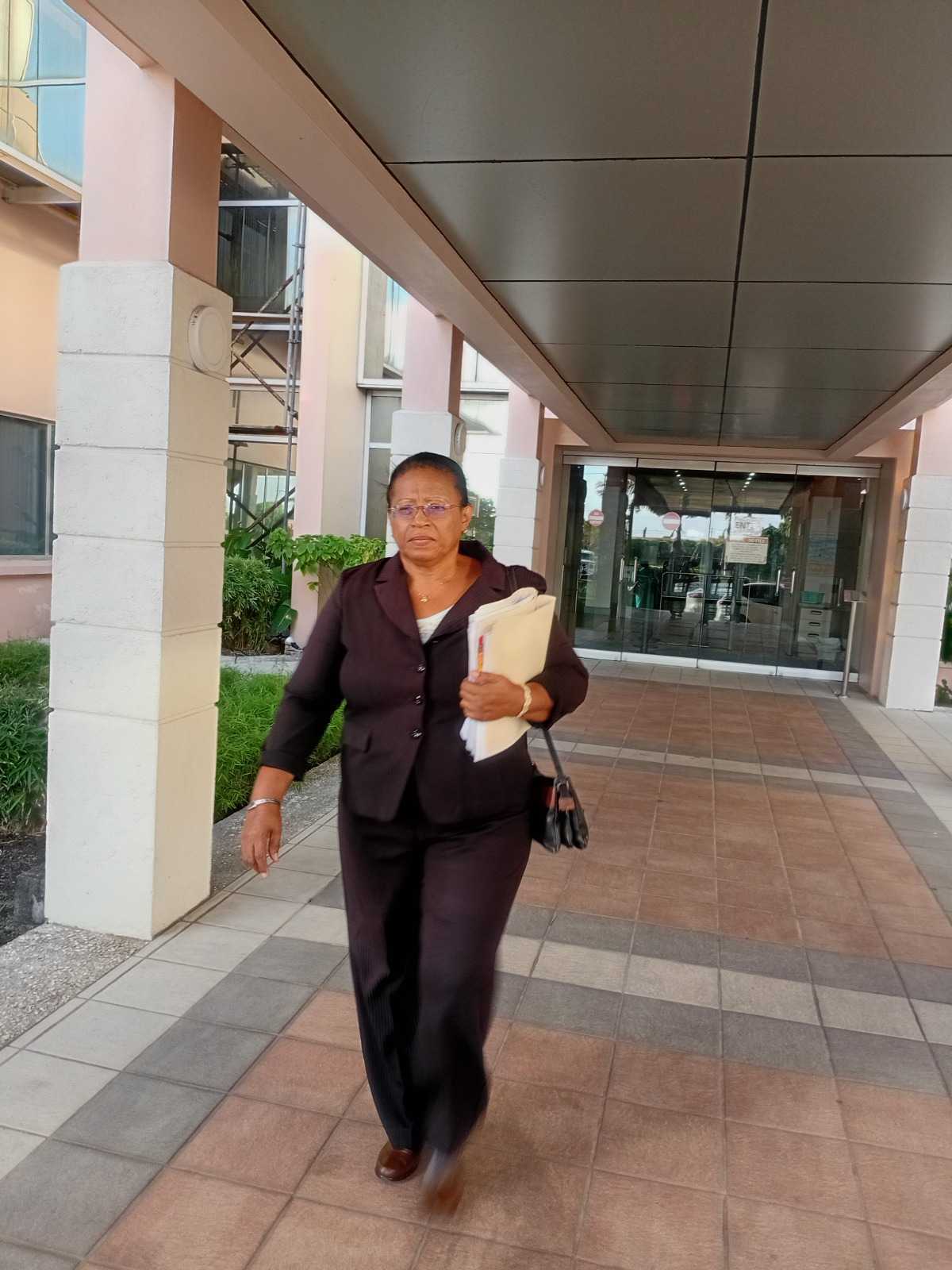
The Employment Rights Tribunal in Barbados experienced a temporary pause in proceedings on Thursday due to the Barbados Water Authority (BWA) failing to submit a crucial witness statement on time. The case, brought by former Waste Water Unit Manager Patricia Inniss, alleges unfair dismissal during a retrenchment exercise in January 2019 under then-General Manager Keithroy Halliday. The delay was caused by the late filing of a statement by BWA’s acting CEO, Christopher Mapp, prompting the tribunal to suspend the session briefly to decide on its admissibility. BWA’s attorney, Gregory Nicholls, acknowledged the procedural breach but urged the tribunal to consider the utility company’s prior compliance with all orders. The tribunal ultimately admitted Mapp’s statement after Inniss’ attorney, Dr. Lenda Blackman, raised no objections but requested time to review its contents. The tribunal chair issued a four-part order, including admitting Mapp’s statement, allowing Inniss to compare it with Halliday’s withdrawn statement, and setting a new trial date for January 13, 2026. The chair emphasized the need to avoid further delays, reminding all parties of the case’s prolonged history since 2019. The tribunal panel also included trade unionist Frederick Forde and HR consultant Dr. Hensley Sobers. Both Inniss and Mapp were present at the hearing.
-

High Court cancels planned hearing of Light & Power rate review dispute
The High Court has dismissed a scheduled hearing related to an ongoing dispute between intervenors in the Barbados Light and Power Company (BLPC) rate review and the Fair Trading Commission (FTC), citing a procedural error in the filing process. The hearing, which was set for November 11, 2025, was intended to address whether the FTC could compel BLPC to release its financial reports following the commission’s February 2023 rate review decision. However, the court discovered that no formal application had been properly filed, rendering the hearing unnecessary. Senior Counsel Hal Gollop, representing intervenor Ricky Went and his team, had previously filed a complaint against the FTC for refusing to mandate the release of BLPC’s financial documents. The FTC, represented by Senior Counsel Alrick Scott, maintained that the rate review process was concluded and that it lacked the statutory authority to enforce the release of the reports. The issue came to light when Scott informed the court that BLPC had not been served with any notice of application, and further investigation revealed that only written submissions, not a formal application, had been filed. The intervenors argue that access to BLPC’s financial data is crucial for assessing the impact on ratepayers before the FTC’s final ruling on the appeal. They emphasize the importance of transparency and public trust in the regulatory process. Despite their arguments, the FTC has reiterated its stance, stating that it will not comply with the request without a clear statutory basis.
-

Flight cuts in the US will affect connections with the Dominican Republic
The Federal Aviation Administration (FAA) has announced a significant reduction in air traffic across the United States, a move that could disrupt flight connections between major US airports and the Dominican Republic. Key hubs such as New York, Boston, Dallas, Miami, and Orlando, which handle the majority of flights to the Caribbean, are expected to be impacted. This decision stems from a shortage of air traffic controllers and the lingering effects of the recent partial federal government shutdown.
-

CBvS versterkt inzet voor financiële inclusie en educatie
Suriname has officially unveiled its National Financial Inclusion and Education Strategy (NFIES) for 2024–2027 during the National Symposium on Financial Inclusion and Education. The event, organized by the Central Bank of Suriname (CBvS) in collaboration with the Ministry of Finance and Planning, signifies a pivotal step in ensuring accessible financial services and enhancing financial literacy across the nation.
CBvS Governor Maurice Roemer emphasized that financial inclusion is ‘not an option but a national necessity.’ He highlighted that excluding large segments of the population restricts the country’s economic potential. The strategy focuses on five key pillars: access, usage, quality, protection, and education. Roemer also stressed the importance of balanced anti-money laundering regulations to prevent unintended exclusion of vulnerable groups.
Acting President Gregory Rusland underscored the inseparable link between financial stability and inclusion during his opening remarks. ‘An economy is truly stable only when all citizens can fully participate in the financial system,’ he stated. The symposium aimed to accelerate practical solutions and deepen collaboration among stakeholders.
In her closing address, Minister of Finance and Planning Adelien Wijnerman called for sustained cooperation among the government, financial institutions, NGOs, and international partners. ‘Financial inclusion and education are cornerstones of national development. Let today not mark the end of a meeting but the beginning of a movement,’ she urged.
The NFIES was refined in partnership with the Alliance for Financial Inclusion. During the two-day session, progress and priorities of the strategy were evaluated, leading to the formulation of new action points. These include strengthening the regulatory framework for financial inclusion, promoting digital payment solutions, expanding financial education programs, and fostering deeper collaboration between the public and private sectors.
The event concluded with the signing of a joint declaration, reaffirming Suriname’s commitment to sustainable financial inclusion and education as integral components of its development trajectory.
-

Juvenile justice system failing youth, says advocate
A prominent youth development advocate has issued a compelling plea for the urgent reform of the youth justice system, citing alarming findings from a recent study. Shawn Clarke, CEO of Supreme Counselling for Personal Development, emphasized the need for systemic change in response to research conducted by the Criminal Justice Research and Planning Unit (CJRPU). The study, presented by Senior Research Analyst Kirt Goodridge at the Courtyard Marriott, revealed that the current youth justice framework is excessively punitive and ineffective, trapping young men in a cycle of violence, incarceration, and reoffending. The research focused on 47 young men under 25 on remand for violent crimes, with 91% aged between 19 and 25. Most had prior encounters with the law, highlighting systemic failures in rehabilitation and discipline. Clarke expressed deep concern over the findings, stating that they were not surprising but deeply troubling. He attributed the issues to a combination of neglect, broken homes, trauma, and an education system that often abandons at-risk youth prematurely. Clarke argued that by the time these young people enter the justice system, they have already been failed by multiple institutions. He called for a shift from punishment-heavy interventions to community-based rehabilitation and early intervention initiatives that address the root causes of problematic behavior. Clarke also highlighted the limitations of sports as a crime prevention tool, advocating for mandatory life skills training, counselling, and therapy to complement such programs. He urged authorities to invest in identifying and supporting at-risk students before they enter the justice system, emphasizing the importance of early intervention to prevent future legal issues. Clarke’s proposals include mandatory counselling and skills development for young people exhibiting problematic behavior, such as bullying, to address psychological challenges and foster positive development.
-
Starcom sacks broadcaster Ronnie Clarke for “serious misconduct”
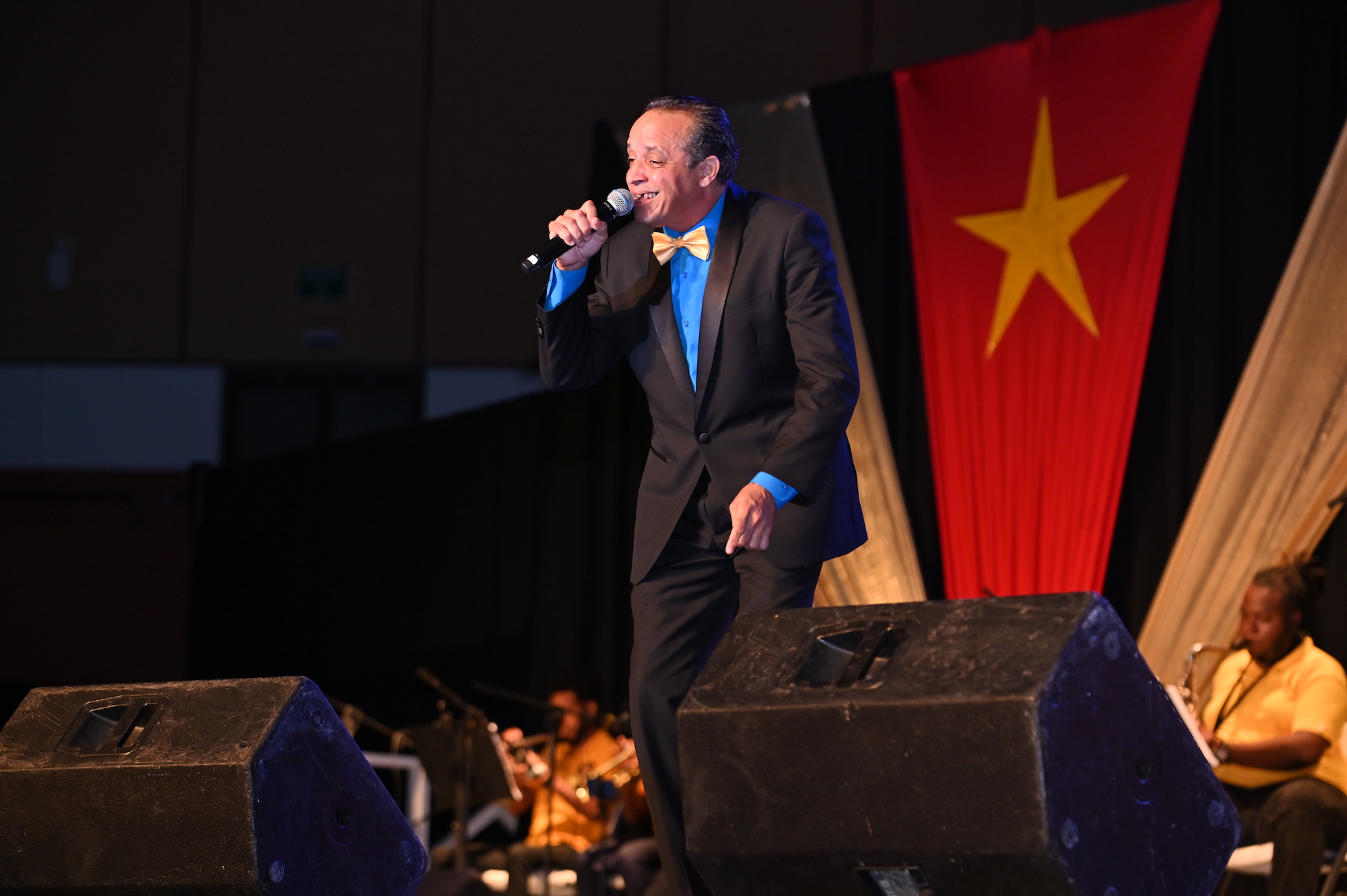
In a dramatic turn of events, renowned broadcaster and calypsonian Ronnie De Announcer Clarke has been dismissed from Starcom Network following an internal disciplinary hearing that found him guilty of serious misconduct. The decision, which has sent shockwaves through the media and entertainment sectors, was communicated in a termination letter dated Friday and signed by Noel Wood, CEO of the parent company, the Nation Group. Clarke, who served as the programme director of Voice of Barbados (VOB), was informed that his misconduct stemmed from comments made during an appearance on the Marcia Weekes Show, streamed on YouTube on July 16. His remarks addressed Starcom’s objection to his performance of the controversial calypso ‘National Carol Festival’ in the Pic-o-De-Crop competition. The company identified three of his seven statements during the broadcast as violations of Starcom’s Policies and Procedures Manual, deeming them false, malicious, and detrimental to the company’s reputation. Clarke has vowed to appeal the decision, stating, ‘My attorneys are appealing. I will be sharing information publicly that has never been known.’ He emphasized that he appeared on the show as De Announcer, not as the programme manager, a role he has held for 21 years. Senior Counsel Hal Gollop, Clarke’s attorney, confirmed that all legal avenues will be explored. Clarke has refused to sign the termination letter, and attempts to reach Starcom Network General Manager Anthony Green for comment were unsuccessful.
-

BLTO: stop verdere ontwrichting beroepsonderwijs; ultimatum over Van Sypesteynschool
The Bond Leraren Technisch Onderwijs (BLTO) has vehemently opposed the proposed transfer of the C. van Sypesteynschool to the Algemeen Voortgezet Onderwijs (AVO). In a strongly worded letter addressed to Robby Holband, Director of Vocational Education, the union demands an immediate halt to the transfer and the removal of school furniture. The BLTO has issued an ultimatum, expecting a response by 12:00 PM on Monday, November 10, 2025.
Under the leadership of Chairman René Bilkerdijk and Vice-Chair Jenifer Ballo, the BLTO argues that the Van Sypesteynschool, named after former governor Cornelis van Sypesteyn, holds significant historical and educational value. As the only technical vocational school in the Rainville district, it plays a crucial role in preserving technical education in the region. The union highlights that the school, with over 40 students, is considerably better attended than other institutions, such as the Oedraising Varma-school, which has only 15 students.
The BLTO also points out that there is sufficient capacity within the general primary education system, making the conversion of the school unnecessary. Furthermore, the union emphasizes that overcrowded classrooms at the STS-1 school demonstrate a growing need for more technical education capacity, not less.
The union expresses dissatisfaction with recent reforms in vocational education, criticizing the lack of adjustments or revisions to what it deems ‘ill-considered innovations.’ Instead, the BLTO calls for additional admissions to sustain these changes.
Reiterating its previous demands, the union urges the Directorate of Vocational Education to seriously address the following issues:
– Saving vocational education;
– Reintroducing the CBNO (Central Bureau for Industrial Education);
– Resolving issues related to section hours and part-time hours;
– Ensuring equal treatment for hourly wage workers.The BLTO insists that the Directorate of Vocational Education listens to the concerns and proposals of schools this time, emphasizing the need for meaningful dialogue and action.