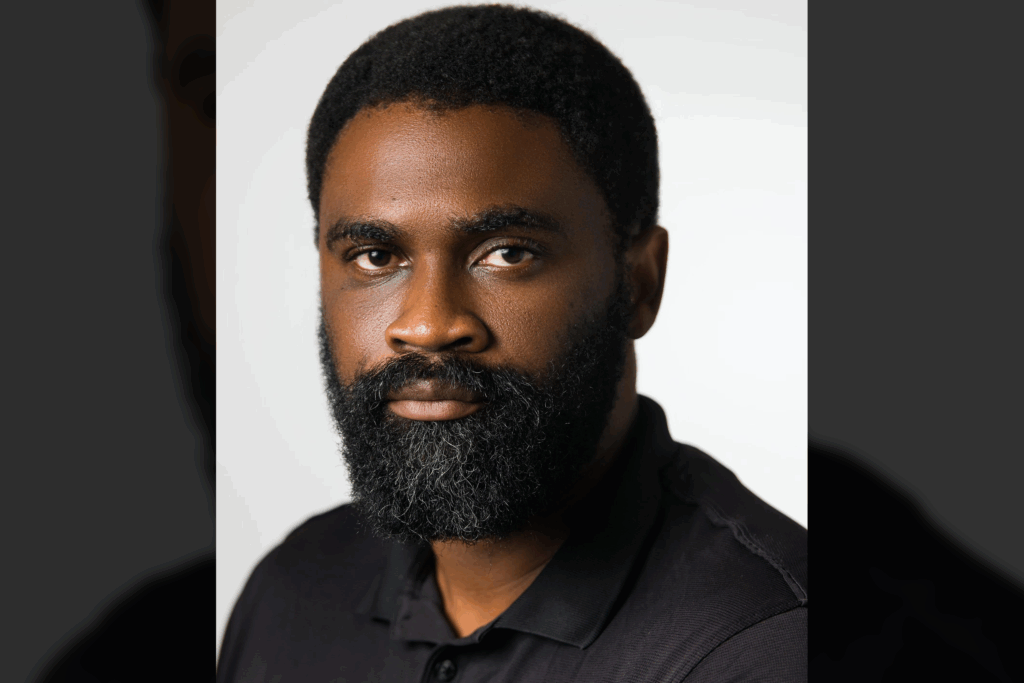
Renowned economist Jeremy Stephen has called on the private sector to abandon its risk-averse mindset and embrace bolder investments, emphasizing that over-reliance on government spending is hampering economic growth and perpetuating unsustainable public debt levels. Speaking in response to the Latin American Economic Outlook 2025 report by the Organisation for Economic Co-operation and Development (OECD), Stephen highlighted the urgent need for governments to prioritize mobilizing private investment and move away from ineffective tax incentives. He stressed that innovative financing mechanisms, such as green bonds, could play a pivotal role in attracting both local and foreign investors. Stephen argued that excessive dependence on government initiatives fosters complacency, stifling the economy’s potential. He pointed to Barbados’ weak private sector participation as a key factor behind its unsustainable debt, urging businesses to take calculated risks despite the challenging environment. The OECD report underscores Barbados’ heavy reliance on tourism, which leaves the economy vulnerable to external shocks and limits inclusive growth. It advocates for diversification into sectors like creative industries, renewable energy, and digital services to build resilience. Stephen also criticized the lack of private initiatives in exploring new tourism markets, citing the absence of self-funded roadshows to regions like China and the Middle East. He emphasized the need for a stronger enabling environment to encourage risk-taking and innovation. The report recommends a comprehensive strategy to mobilize private investment, reduce government dependency, and improve fiscal space. Stephen concluded that redefining the public-private partnership model is essential for reducing Barbados’ debt and securing sustainable growth.
作者: admin
-
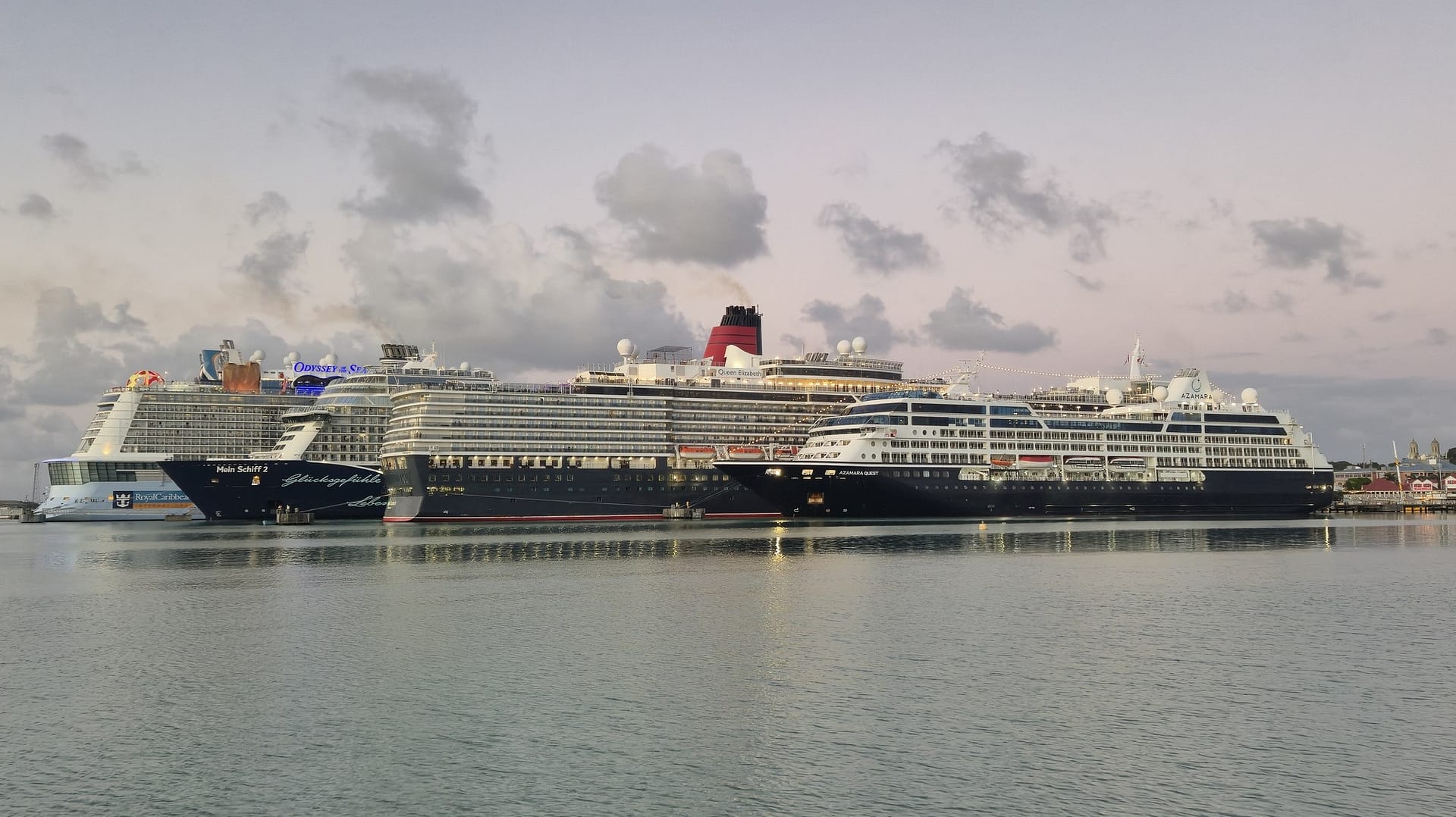
Five Cruise Ships Dock in Antigua in One Day
St John’s Harbour in Antigua & Barbuda witnessed a historic event as five cruise ships docked simultaneously, marking a significant milestone for the nation’s tourism industry. Port officials hailed the occasion as a testament to the country’s growing appeal as a premier cruise destination. The arrival of thousands of passengers during the 2025–26 cruise season underscored the success of ongoing investments in infrastructure and visitor experiences. The bustling harbour, described as a showcase of “Caribbean hospitality at its finest,” provided a vibrant backdrop for the day’s activities. Local businesses in the capital city benefited greatly as tourists explored shops, heritage sites, and nearby beaches. The Antigua Cruise Port emphasized its commitment to maintaining high standards of service and sustainability, ensuring the continued growth of the tourism sector. The event was celebrated as a “breathtaking sight” and a clear indicator of the country’s thriving tourism industry.
-

Man Accused in Law Student’s Death to Face February Committal Hearing
A committal hearing has been scheduled for February 2026 in the case of Victor Ince, the 24-year-old man accused of causing the death of Joyleen Abraham, a visiting Guyanese law student. Ince, a resident of Lightfoot West, appeared before Magistrate Ngaio Emanuel earlier this week, where the hearing date was set for 11 February 2026. He faces two serious charges: forcibly confining Abraham and unlawfully causing her death. The tragic incident occurred on 7 May when Abraham, a student at the University of Guyana, was visiting Antigua. According to police reports, she allegedly jumped from a moving vehicle driven by Ince along a by-road between New Winthorpes Village and Jabberwock. Abraham was pronounced dead at the scene. The vehicle involved was seized for forensic analysis, and Ince was subsequently detained for questioning. The case is now set to proceed to the committal stage early next year, marking a significant step in the legal process.
-
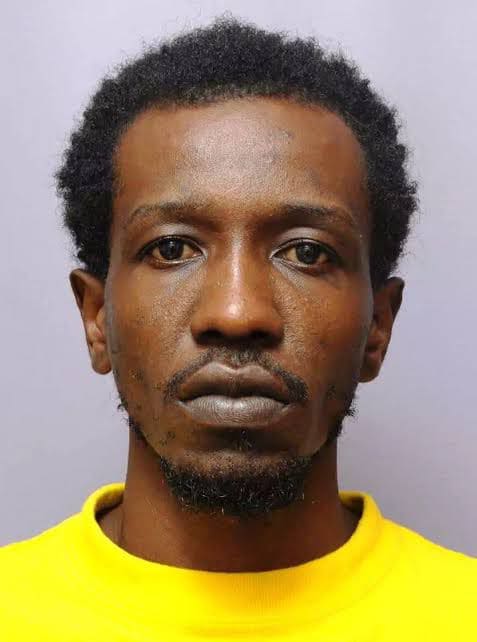
Boggy Peak Murder Accused Set for February Court Hearing
A significant legal proceeding has been scheduled for 42-year-old Deon Lloyd, who faces charges related to the nation’s first homicide of 2024. Lloyd, a resident of Lower Ottos, is accused of the fatal shooting of 35-year-old Javorn Williams during a confrontation at Boggy Peak on January 2. Williams was declared deceased at the scene. The committal hearing, a critical step in the judicial process, is set to take place on February 9, 2026, presided over by Magistrate Ngaio Emanuel. The case was adjourned following Lloyd’s recent court appearance. Authorities apprehended Lloyd while he was undergoing medical treatment at the Sir Lester Bird Medical Centre. He is currently detained at His Majesty’s Prison, awaiting further legal proceedings.
-
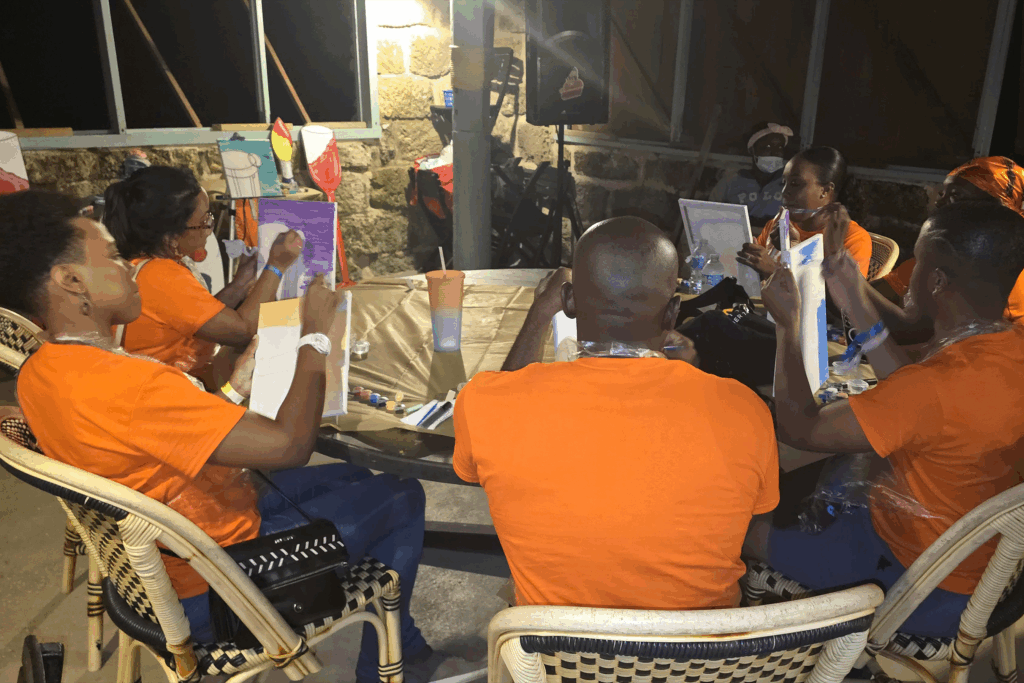
Rum tour offers revelry, rhythms, cultural flair
Despite the gloomy weather, the Rum Route North bus tour brought a burst of color, music, and celebration to Barbados last Saturday, turning the day into a vibrant festival of flavors, heritage, and joy. Part of the Barbados Food & Rum Festival, the event kicked off at the Speightstown Esplanade, where participants, clad in bright T-shirts and armed with umbrellas, eagerly gathered to defy the rain.
-

Fear, Hate, Anger: A toxic mixture
The adversarial nature of contemporary Western politics starkly contrasts with the ancient traditions of communal dialogue and consensus-building. In African villages, disputes were resolved not through divisive debates but within a circle, where a talking stick facilitated respectful listening and dialogue. This process aimed at uncovering the best solutions for the community, devoid of the winner-loser dichotomy that plagues modern politics. Today, our political landscape thrives on fear, hatred, and anger—elements that, while effective in mobilizing people, are equally destructive to societal cohesion. Political parties, in essence, have become modern tribes, perpetuating division under the guise of governance. The recent opposition to the Age of Civil Responsibility Bill (ACR) exemplifies this toxic dynamic. Critics have resorted to emotional outbursts, alarmist rhetoric, and nativist appeals, portraying the government as deceitful and inciting public panic. This strategy, rooted in the primal fear response governed by the amygdala, exploits our instinctual reactions rather than fostering rational discourse. The ACR Bill, designed to address the adolescent reproductive health crisis across the Caribbean, transcends partisan politics. It is a pressing issue that demands collective action, yet the political arena remains mired in bickering and opportunism. This erosion of moral guidance in national discourse has dire consequences, particularly for the welfare of young people. As Tonia Frame, President of the Grenada Planned Parenthood Association (GPPA), and Fred Nunes, Consultant at Advocates for Safe Parenthood: Improving Reproductive Equity (ASPIRE), emphasize, the loss of this moral compass has led us down a path of self-destruction. The time has come to reclaim the principles of unity and dialogue, prioritizing the well-being of our communities over political gain.
-
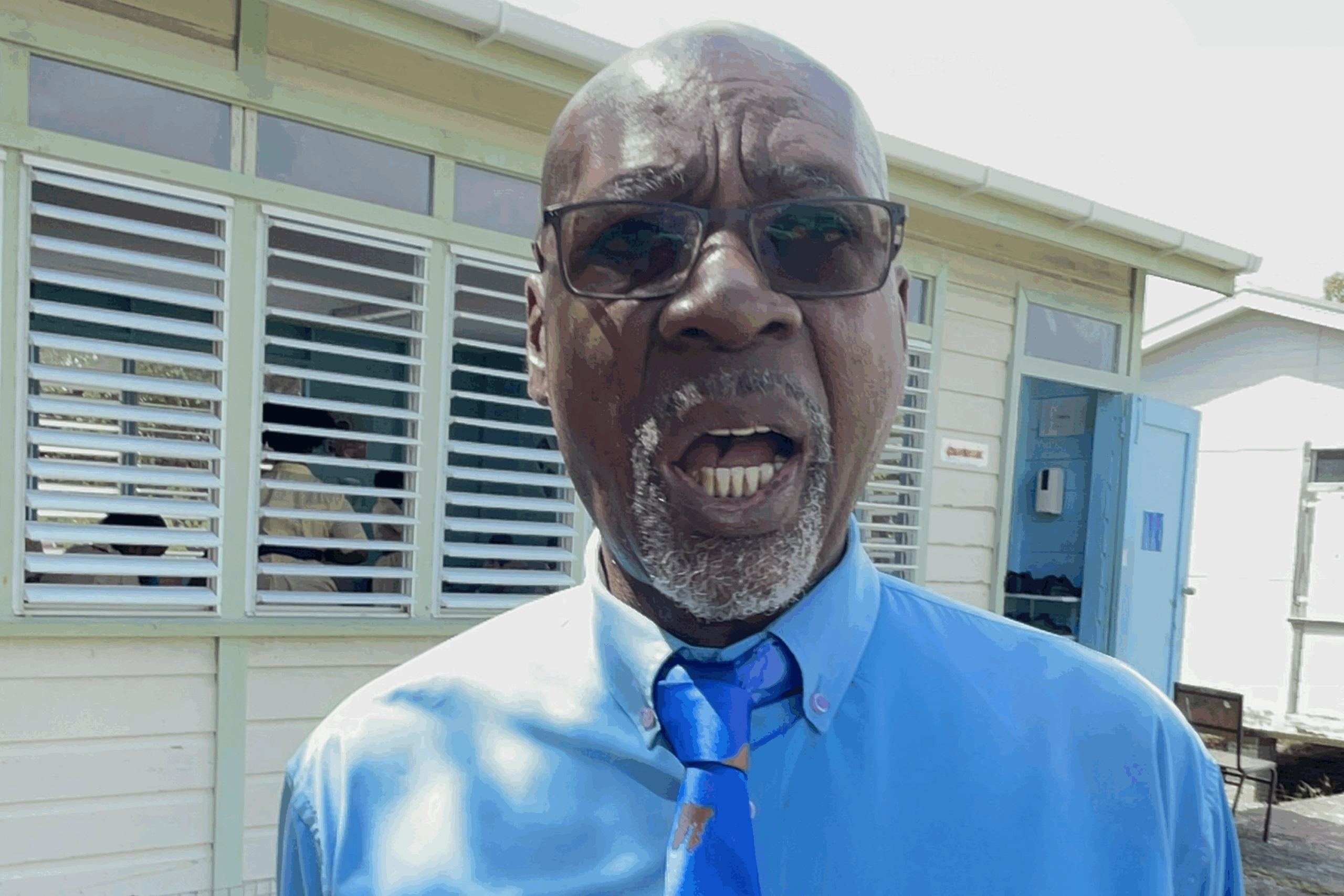
Educator reflects on education, hope for youth
As Barbados marks its 59th year of independence, educators such as Shurland Boyce are using this significant milestone to contemplate the nation’s journey and the future of its youth, emphasizing both accomplishments and the hurdles that lie ahead. Lauryn Escamilla reports.
In the Theatre Arts classroom at Christ Church Foundation School, the rhythmic commands of a man echo through the halls — “Marching, boxing, freeze, unfreeze!” Shurland Boyce, standing at the front, leads his third form Theatre Arts class through acting exercises. The room is filled with a mix of laughter and concentration as students perform their routines, embodying a blend of energy and discipline that mirrors the spirit of both the classroom and the nation at 59.
Boyce, who teaches English Language, Literature, and Theatre Arts, shares his perspective on independence. “For me, Independence is a time of unity,” he said. “It’s an opportunity to celebrate our progress and achievements over these 59 years. While some may see it as just another day, we must recognize its cultural significance and how we can build on our independence to propel the nation forward.”
Originally from England, where he taught for a decade, Boyce reflects on his 15 years of teaching in Barbados and the moment he truly felt he was making a difference. “In my second year, I was teaching English Language at CSEC for the first time. That year, 17 out of 25 students achieved Grade Ones. It was then I felt I was contributing something meaningful — the students were learning, and we were moving forward.”
As Barbados reflects on its journey since 1966, Boyce is focused on the role of education in shaping the nation’s future. “My hope is that we develop our students into global citizens,” he explained. “They should know they’re not limited to working only in Barbados. I envision a more comprehensive education system, especially at the tertiary level, with more opportunities and choices, enabling them to secure well-paid jobs here.”
However, Boyce also voices concerns about the uncertainty many young people face. “Many of our students are unsure about their future paths,” he noted. “We can do more to expose them to colleges and universities, allowing them to spend a day there, observe operations, and speak with lecturers. I believe this could make a significant difference.”
Despite these challenges, Boyce’s classroom remains a beacon of hope. Fifth form students often visit during their free periods, a testament to the strong connections he has fostered with them.
This Independence season, Boyce’s classroom at Christ Church serves as a microcosm of the broader national aspiration — one of progress, purpose, and pride in nurturing the next generation of Barbadians.
-
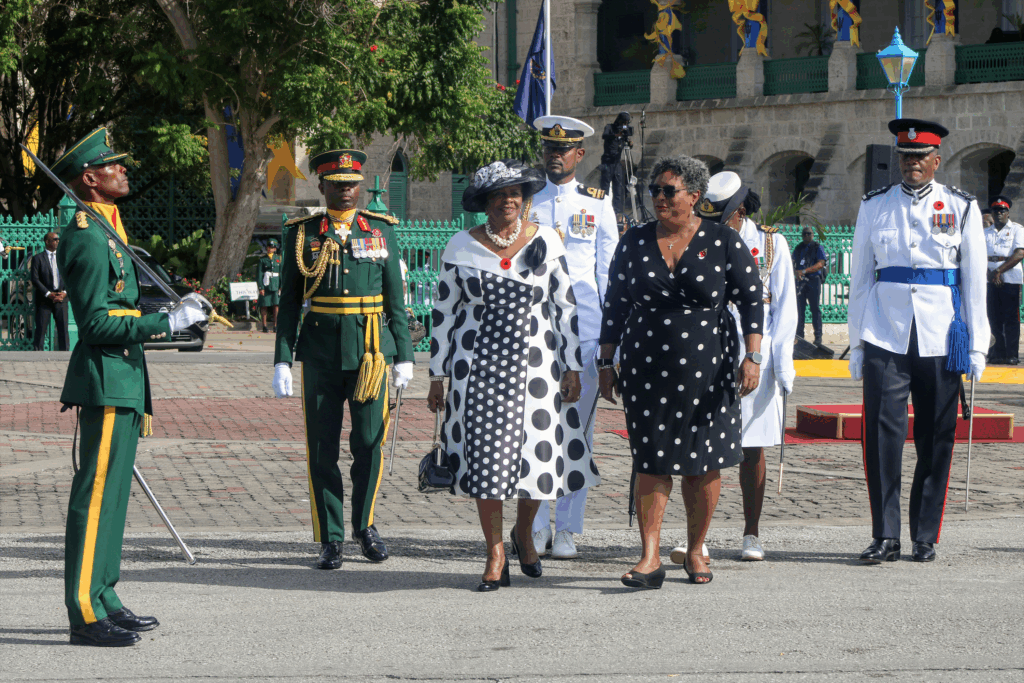
Remembrance ceremony draws solemn crowds in City
Under the radiant morning sun, hundreds assembled at National Heroes Square in Barbados on Sunday for the annual Remembrance Day service. This year’s event commemorated the 107th anniversary of the end of the First World War and the 80th anniversary of the conclusion of the Second World War. The ceremony honored not only those who served in these global conflicts but also Barbadians who have contributed to peacekeeping missions worldwide. The event was marked by a solemn procession featuring both armed and unarmed units, including the Barbados Prison Service, Barbados Fire Service, and various youth organizations. The parade, led by Captain Samuel Boyce, showcased the precision and discipline of the Barbados Regiment, Coast Guard, Police Service, and Cadet Corps. The service was enriched by the choir of St Michael’s Cathedral, creating a poignant atmosphere. Key dignitaries, including Chief Justice Leslie Haynes, Prime Minister Mia Mottley, and President Dame Sandra Mason, paid their respects. A two-minute silence was observed to reflect on the sacrifices of those memorialized on the cenotaph, including 39 Barbadians who lost their lives in the Second World War. The ceremony concluded with the laying of wreaths and the stirring strains of ‘Beautiful Barbados,’ as the President and Prime Minister inspected veterans before the units executed a precise march-past.
-
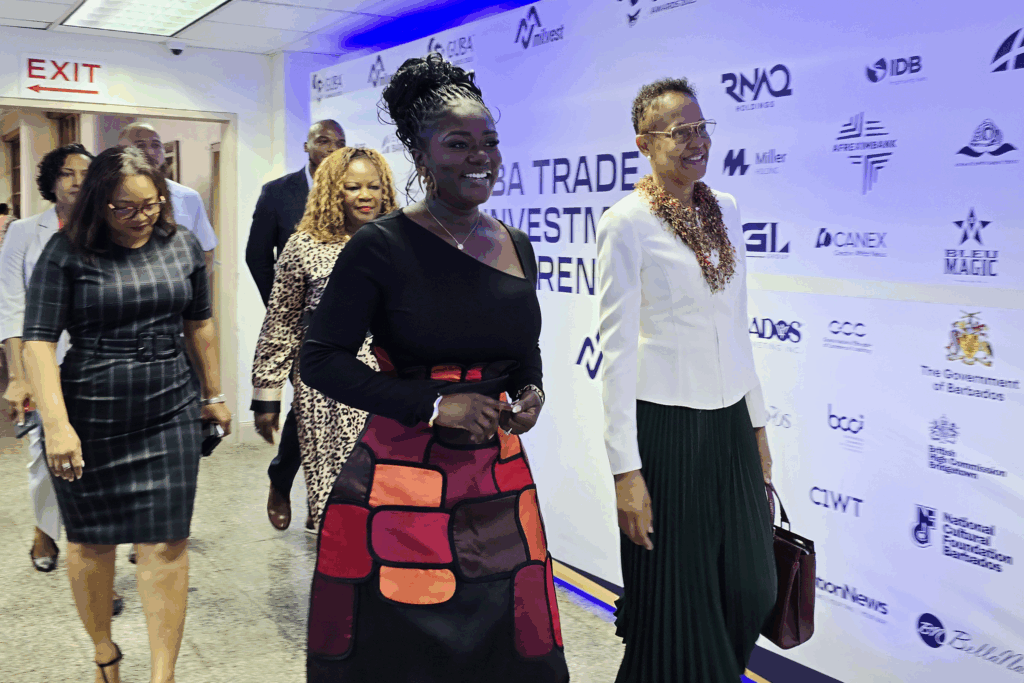
Barbados, Africa urged to seize trade and investment opportunities
Barbados and its Caribbean neighbors have been called upon to explore untapped trade and investment opportunities with Africa, as senior officials convened in Bridgetown for the inaugural GUBA Awards and Trade and Investment Forum. The event, which began on Monday, aims to strengthen economic and cultural ties between Africa and the Caribbean, celebrating the achievements of individuals and organizations from both regions. Lady Dentaa Amoateng, CEO of the GUBA Foundation, emphasized the vast potential for growth, noting that intra-African trade accounts for only 16% of the continent’s total trade, while intra-Caribbean trade stands at around 14%. She highlighted the combined GDP of over $3.5 trillion and a population exceeding 1.4 billion as a testament to the untapped potential. Amoateng called for structured partnerships, including industrial and investment networks, to unlock the trade corridor between the two regions. She pointed to the African Continental Free Trade Area and the Caribbean Single Market and Economy as key platforms for fostering growth. Deputy Prime Minister Santia Bradshaw of Barbados underscored the historical connections between the Caribbean and Africa, highlighting Barbados’s efforts to deepen engagement with African nations such as Ghana, Kenya, and Rwanda. She noted the signing of bilateral agreements, including an air services agreement with Rwanda, and efforts to attract pharmaceutical manufacturing to Barbados. Bradshaw also emphasized the island’s transparent policies, double taxation agreements, and strategic partnerships as factors making it an attractive gateway for African investment into the Americas. The foundation’s chartered flight from Africa to Barbados is set to arrive tomorrow, symbolizing the growing collaboration between the two regions.
-

Rotary District Governor Visits Antigua Ahead of Youth Leadership Conference
District Governor Soraya Warner-Gustave has commenced her official visit to Antigua, where she will engage with local Rotary Clubs and participate in the Rotary Youth Leadership Awards (RYLA) 2025. The event, themed ‘Youth in Leadership: Embracing Challenges and Empowering Change,’ is scheduled to take place from November 14 to 16. Warner-Gustave was warmly received at V.C. Bird International Airport by prominent Rotary figures, including Assistant Governor Jonah Ormond, Rotary Club of Antigua President Elisa Graham, and Rotary Club of Antigua Sundown President Nicole Stevens. Other notable attendees included District RYLA Chair Evangeline Allen, Past President Dr. Vanetta Rodgers, Youth Services Director Rozanne Emmanuel, Public Image Chair Sherwyn Greenidge, Rotarian Jo-Anne Scotland Gilkes, and Rotaractor Yhan Robert. This visit is part of the District Governor’s annual tour to foster collaboration and advance service initiatives across the region. The Rotary Club of Antigua expressed enthusiasm for a weekend filled with leadership development, educational workshops, and team-building activities, as youth from the district gather to enhance their skills and contribute to meaningful change.