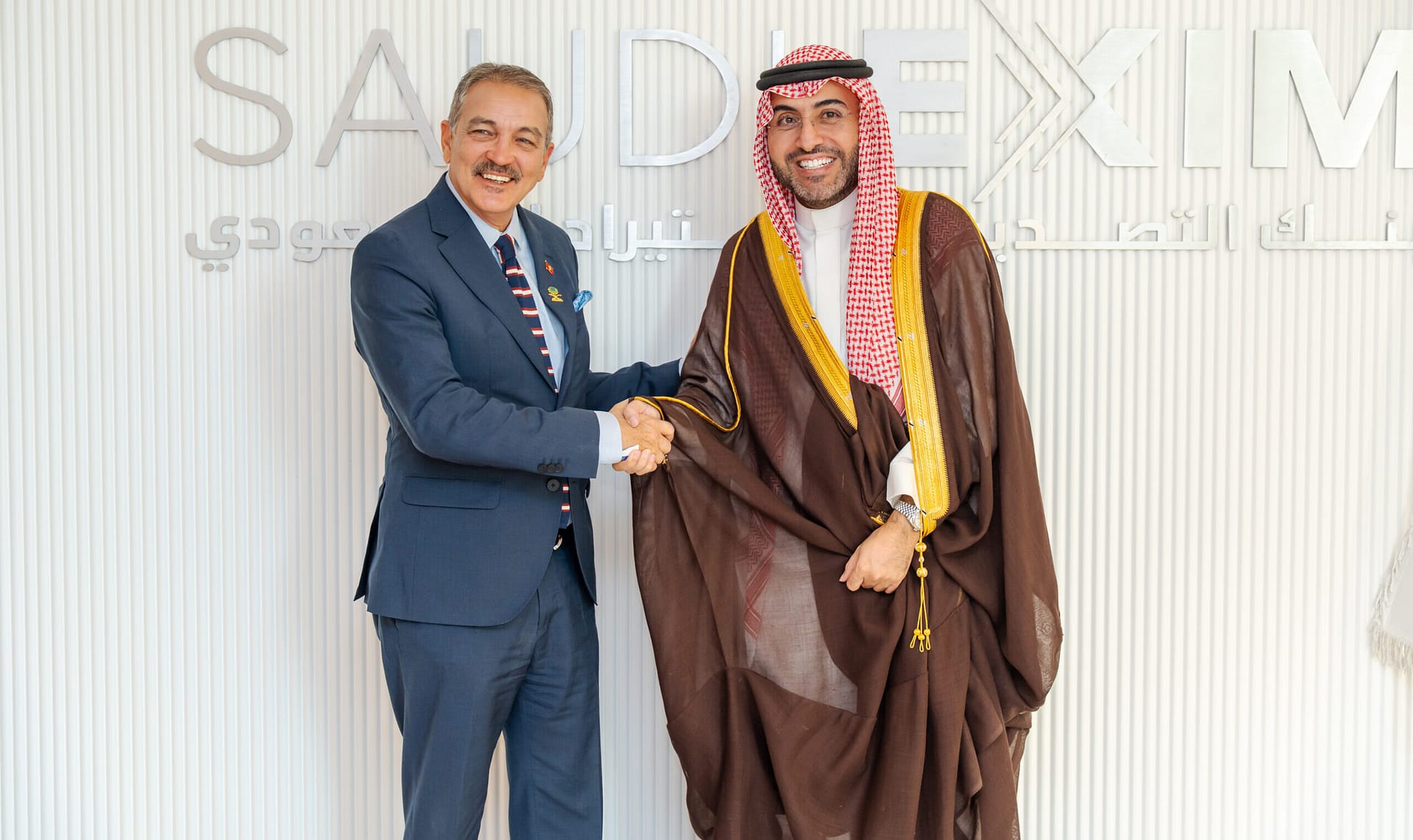
The 26th Session of the UN Tourism General Assembly, currently underway in Riyadh, has provided a platform for Antigua and Barbuda to enhance its global tourism and investment partnerships. The Hon. H. Charles Fernandez, Minister of Tourism, Civil Aviation, Transportation, and Investment, has spearheaded a series of high-level bilateral and business meetings during the event. A key highlight was the meeting with a senior delegation from the Saudi EXIM Bank, led by Dr. Naif Alshammari, Deputy CEO, Jahera Almri, Partnerships Manager, and Naif O. Alajroush, Director General of International Relations. The discussions centered on economic cooperation, development financing, and potential investment opportunities. The Antigua and Barbuda delegation, including Mr. Vernon Jeffers, Chairman of the Antigua and Barbuda Tourism Authority, and Mr. St. Clair Soleyn, Director of Policy and Planning, showcased the nation’s robust economic growth and strategic positioning for Public-Private Partnerships (PPPs). With one of the highest GDPs in the region, second only to Guyana, Antigua and Barbuda is poised to attract significant foreign investment. The Saudi EXIM Bank expressed strong interest in expanding its presence in the Caribbean and extended an official invitation for Antigua and Barbuda to participate in an investment conference in Panama in early 2026. Earlier in the week, Minister Fernandez and his delegation met with Her Royal Highness Princess Haifa bint Mohammed Al Saud, Deputy Minister of Tourism for Saudi Arabia, to explore collaboration in yachting, sailing, marina industries, and coral reef restoration initiatives. Minister Fernandez presented Her Royal Highness with a handcrafted model sailing vessel, symbolizing Antigua and Barbuda’s maritime heritage and its growing reputation as a premier yachting destination. The delegation continues to engage in bilateral discussions at the Assembly, which has brought together over 160 countries under the theme ‘AI-Powered Tourism: Redefining the Future.’
作者: admin
-
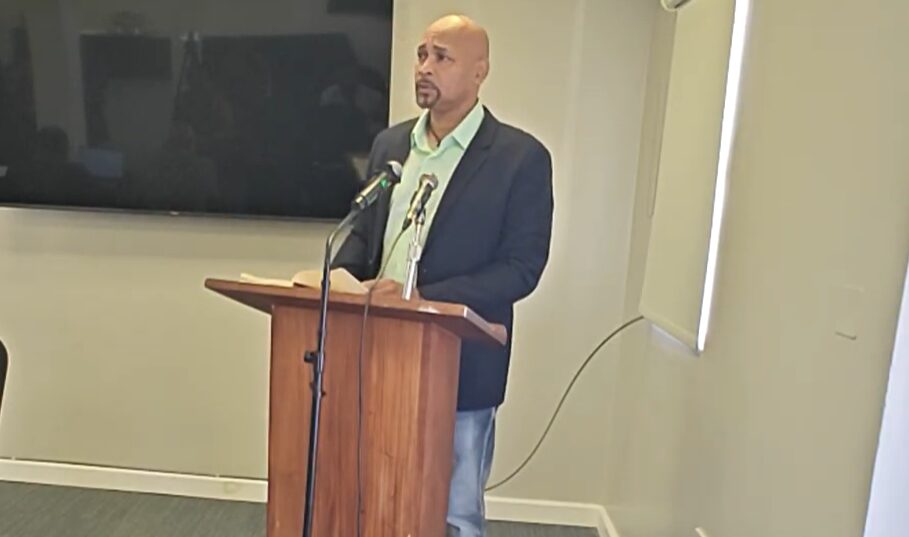
Dominica Freedom Party leader Bernard Hurtault warns of erosion of civil liberties amid voter confirmation controversy
Bernard Hurtault, the leader of the Dominica Freedom Party, has voiced strong criticism of Dominica’s voter confirmation process, labeling it as a systemic erosion of civil liberties and administrative integrity. Speaking at a recent press conference organized by the Electoral Reform Coalition (ERC), Hurtault highlighted the disproportionate burden placed on vulnerable citizens, particularly the elderly and economically disadvantaged, in confirming their voter registration. He argued that the process should not be more cumbersome than the initial registration itself.
Hurtault drew historical parallels, comparing the current barriers to voting to past civil rights violations, such as property and literacy requirements that once disenfranchised Dominicans. He warned that the new procedures, which mandate costly government-issued identification, risk reviving discriminatory practices. “Your wealth should not determine how and where you vote,” he asserted, emphasizing the financial strain on those unable to afford documents like passports or driver’s licenses.
Additionally, Hurtault raised concerns about the impartiality of the confirmation process, alleging that many confirmation centers are located in offices affiliated with the ruling Dominica Labour Party. He questioned the transparency and fairness of the Electoral Commission, noting that the majority of staff hired for confirmation duties appear to be government supporters. “What is the statistical reality that you end up with that distribution?” he challenged.
Hurtault also warned of a broader pattern of institutional capture, accusing the government of undermining transparency and creating administrative chaos to entrench power and suppress dissent. Despite these concerns, he urged citizens to participate in the confirmation process, stressing that failure to do so could solidify the incumbent party’s political advantage for decades. “We have a fight on our hands to assure the civil rights of Dominicans,” he declared, vowing that opposition leaders would continue to advocate for electoral fairness.
-

Historic OECS Student Census begins 11 November
In an unprecedented move, the Organisation of Eastern Caribbean States (OECS) is set to launch the first-ever region-wide Student Census on November 11, 2025. This groundbreaking initiative will allow students from kindergarten to Form 5 across the OECS to directly influence the future of education by sharing their authentic voices and experiences. The census aims to provide invaluable insights for governments, educators, and policymakers to create more inclusive, equitable, and student-centered learning environments. Dr. Didacus Jules, Director General of the OECS, emphasized the historical significance of this initiative, stating, ‘For the first time anywhere in the world, every student will take part in a single, region-wide Student Census. This is a true census, giving every child the chance to be heard.’ Sisera Simon, Head of the Human and Social Division at the OECS Commission, highlighted the transformative potential of the census, noting that it will capture accurate, up-to-date information on every student, enabling the development of policies that truly respond to their needs and aspirations. The census will be conducted anonymously and confidentially, ensuring that students can express themselves freely and safely. The data collected will inform the new 10-Year OECS Education Sector Strategy (2027–2037), anchoring it in the lived experiences of students. Parents, caregivers, and community members are encouraged to support the census by promoting student participation and spreading awareness. The OECS Student Census is a bold step toward building education systems that reflect the true realities of learners today, amplifying the voices of over 100,000 students across the region.
-
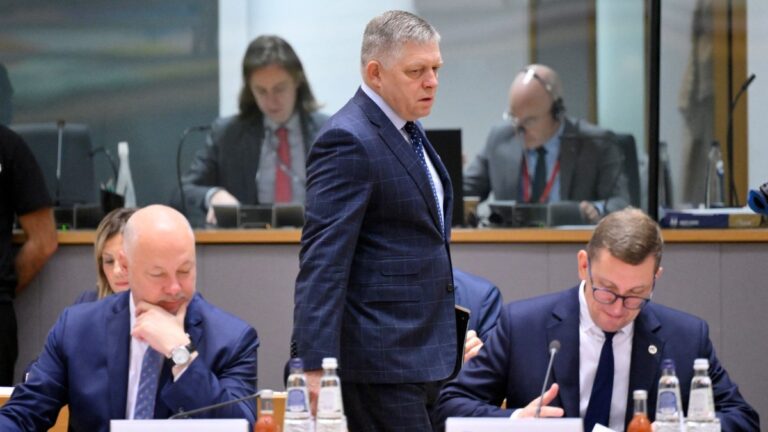
Robert Fico: Confiscating Russian assets will prolong the conflict
Slovak Prime Minister Robert Fico has raised critical concerns over the European Union’s proposed $140 billion aid package to Ukraine, arguing that it could extend the conflict rather than bring it to a close. ‘Do we aim to end the war or fuel it further?’ Fico questioned, emphasizing the deep divisions within the EU regarding this contentious issue. The funding, intended to support Ukraine’s war efforts, has ignited heated discussions among member states, with some fearing it could prolong hostilities for at least two more years. Additionally, the EU is debating the use of frozen Russian assets to finance a reparations loan for Ukraine, a move that has further polarized opinions. Belgium, for instance, blocked a European Commission proposal in October to seize these assets, citing concerns over potential retaliatory measures from Moscow and the need for legal safeguards to distribute financial risks among all member states. The final decision on this matter has been deferred to the EU summit in December, leaving the bloc in a state of uncertainty over its next steps.
-
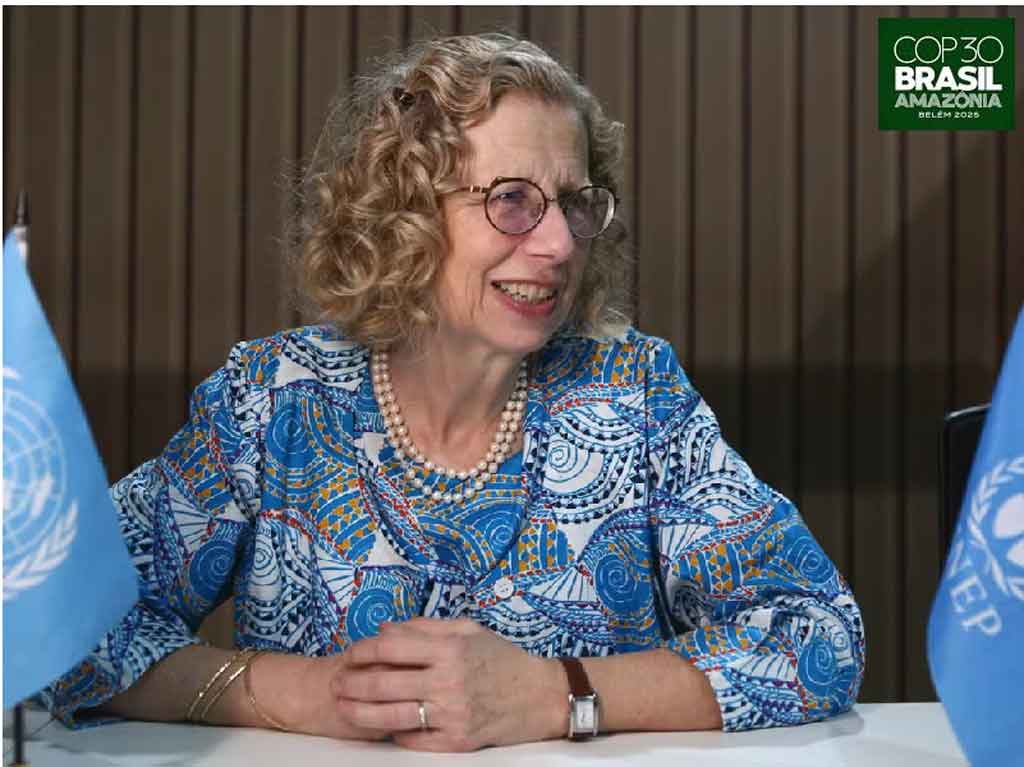
UNEP presents Global Sustainable Cooling Pathway at COP30
The escalating frequency of heat waves, driven by extreme temperatures and surging cooling demands, has propelled sustainable cooling to the forefront of discussions at the 30th UN Climate Change Conference (COP30), hosted in an Amazonian city. Research from the United Nations Environment Programme (UNEP) underscores a dire warning: without immediate action to enhance efficiency and sustainability, global cooling needs could triple by 2050.
-
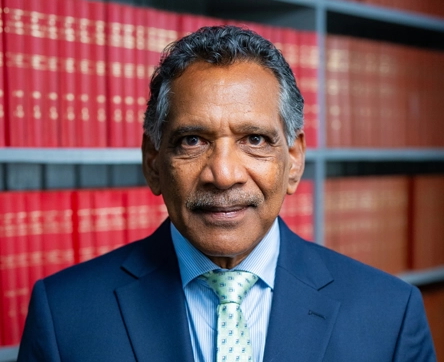
Former judge critical of forced retirement of senior police officer
A former Eastern Caribbean Supreme Court judge, James (Jimmy) Bristol KC, has sharply criticized the Grenada Public Service Commission (PSC) for its handling of the forced retirement of former Superintendent of Police, Tafawa Pierre. Bristol, who also served as attorney general, described the move as an “overreaching” violation of constitutional rights during a recent podcast appearance on The Bubb Report. Pierre, a veteran officer with over three decades of service, was reportedly pressured to resign after the Prime Minister, Dickon Mitchell, expressed a loss of confidence in his ability to perform his duties. This decision was allegedly influenced by Pierre’s wife, Emmalin Pierre, who is the leader of the main opposition New National Party (NNP) and the Opposition Leader in Parliament. Bristol argued that the PSC’s actions were unconstitutional, citing Section 84 of the Constitution, which mandates that public officers can only be removed for disciplinary reasons and through proper procedures. He dismissed the PSC’s claim of a conflict of interest as baseless, stating that such a conflict would only arise if Pierre were directly involved in investigating his wife, which was not the case. Bristol further emphasized that Pierre’s exemplary service record made the forced retirement unjustifiable and politically motivated. He suggested that Pierre could seek legal redress for vindicatory damages, referencing precedents in similar cases. Daisy Hazzard, President of the Grenada Public Service Commission and the Caribbean Public Service Association (CPSA), also expressed concerns about the case, highlighting the importance of fairness, due process, and the PSC’s independence. Hazzard noted that the PSC’s rules and regulations do not support dismissal based on a spouse’s political affiliation and urged Pierre to pursue formal redress if he believes his rights were violated. Both Bristol and Hazzard warned that such actions undermine good governance and the rule of law in Grenada.
-
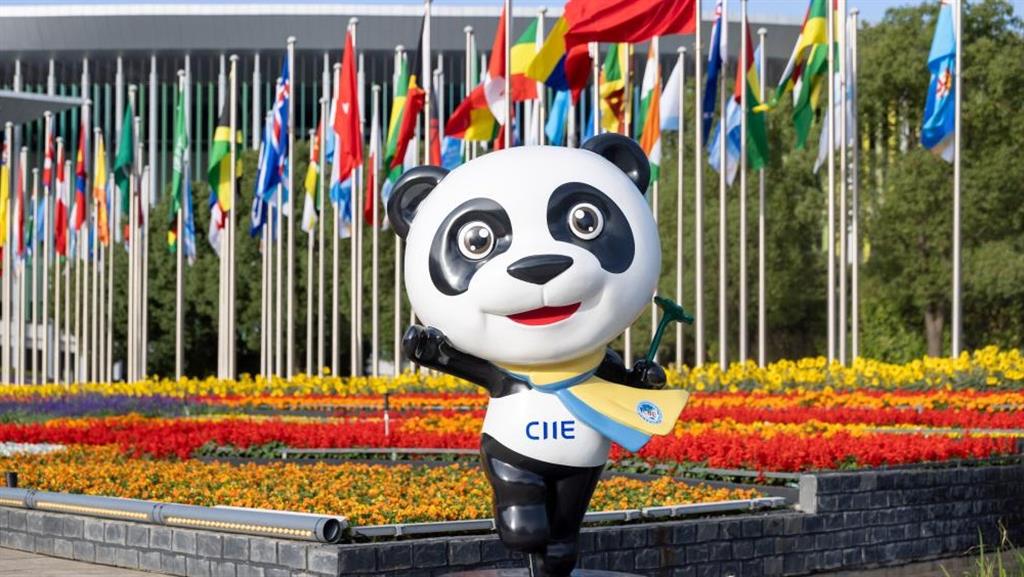
China Import Expo boosts global cooperation
The 2023 China International Import Expo (CIIE), held in Shanghai from November 5 to 10, marked a significant milestone in global trade and economic collaboration. Foreign Ministry Spokesperson Lin Jian emphasized the event’s unprecedented scale, with participation from 155 countries, regions, and international organizations. Notably, 290 Fortune 500 companies and industry leaders showcased their latest innovations, reflecting the expo’s growing influence as a platform for international business engagement. Lin highlighted that the number of foreign exhibitors surged by over 600 compared to the previous edition, with 170 companies and 27 international institutions consistently attending all eight editions of the event. A total of 461 groundbreaking products, technologies, and services were unveiled, including more than 200 global premieres. The expo also facilitated intentional deals worth over $834 billion, underscoring its role as a catalyst for economic growth. Premier Li Qiang, in his address, reiterated the importance of fostering global cooperation and sharing opportunities with the international community. With over 4,100 foreign companies participating, this year’s CIIE solidified its position as a cornerstone of international trade and innovation.
-

UN warns of increased gun violence
During a recent Security Council debate, Ebo highlighted the escalating global crisis fueled by the proliferation of small and lightweight weapons. These arms, he emphasized, are not only a catalyst for current conflicts but also a harbinger of future violence. Despite existing regulatory frameworks, significant challenges remain in their effective implementation. Ebo underscored that the unchecked spread of these weapons is both a symptom and a driver of the multifaceted security crises plaguing nations worldwide. The pervasive availability of illicit arms, he warned, necessitates urgent action to mitigate their far-reaching consequences. Ebo also pointed to recent international efforts aimed at addressing this issue, including the 2023 adoption of the Global Framework for the Management of the Life Cycle of Conventional Ordnance. This framework seeks to prevent the diversion of military arsenals and reduce accidents in storage facilities. Additionally, he referenced the Fourth Review Conference of the Programme of Action on Small Arms and Light Weapons, held in 2024, where member states reaffirmed their commitment to combating the illegal manufacture and trafficking of these weapons. The conference also established a group of experts to explore emerging technologies in weapons production. Ebo further revealed alarming statistics, noting that 48,000 civilians lost their lives in 2024 due to armed conflict—a 40% increase from the previous year. Moreover, firearms were implicated in 88% of documented cases of sexual violence in conflict zones between 2022 and 2024.
-

Daesh cell dismantled and weapons confiscated in Syria
In a significant counter-terrorism operation, Syrian Internal Security Forces successfully dismantled an extremist cell in Hama, arresting three of its members and confiscating a substantial arsenal of weapons and ammunition. Osama Zein Al-Din, a senior Internal Security official, confirmed the operation’s success, highlighting the seizure of suicide belts, improvised explosive devices (IEDs), rocket launchers, grenades, and various types of ammunition. Additionally, documents linking the cell to Daesh command structures in central Syria were uncovered. The extremist group was reportedly planning attacks targeting civilians, Syrian Arab Army personnel, and security forces. Zein Al-Din emphasized the critical role of citizen cooperation in the operation’s success and reaffirmed the commitment of the Internal Security Forces to apprehend all remaining members of the terrorist network. This operation underscores the ongoing efforts to combat terrorism and ensure public safety in the region.
-
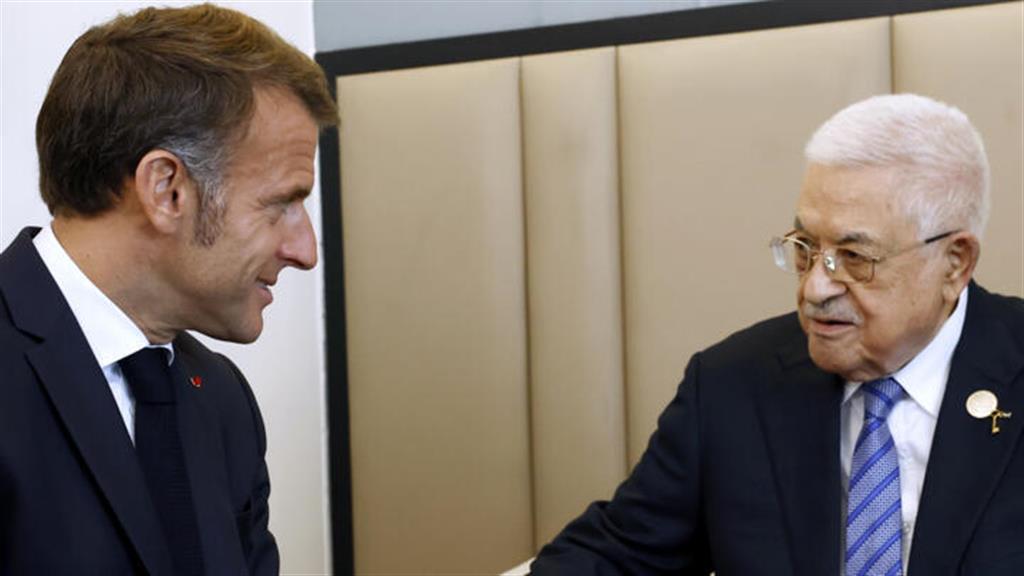
Macron and Abbas address governance and reconstruction of Gaza
French President Emmanuel Macron and Palestinian Authority (PA) President Mahmoud Abbas are set to convene to address the comprehensive execution of the Gaza ceasefire, a US-mediated agreement inked a month prior by the Israeli government and Hamas. This meeting underscores France’s ongoing commitment to recognizing the Palestinian State, a stance Macron reiterated during his address at the United Nations General Assembly (UNGA) in September. The discussions will also focus on advancing the ‘peace and security plan for the Middle East,’ with particular emphasis on security measures, governance frameworks, and the international-backed reconstruction of the Gaza Strip. France champions a two-state solution and supports the Palestinian National Authority’s (PNA) governance role in Gaza, currently under Hamas control. Both Paris and Washington advocate for Hamas’s disarmament and its exclusion from political processes. Additionally, the leaders will deliberate on the pressing need for substantial humanitarian aid to Gaza, a region where aid distribution is strictly regulated by Israel.