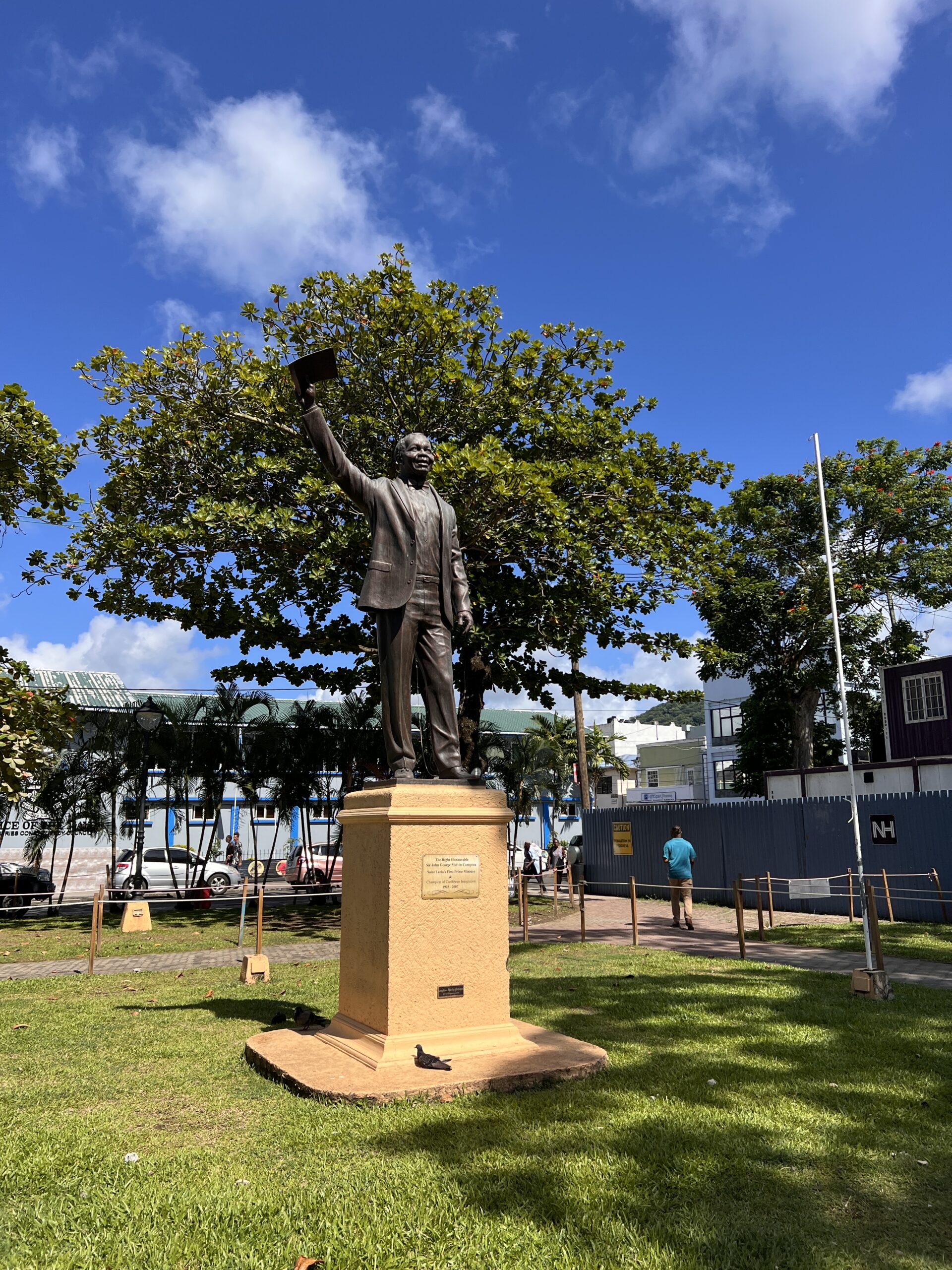
Saint Lucia is gearing up for a pivotal general election on December 1, 2025, following Prime Minister Philip J. Pierre’s announcement on November 9. This election marks a critical juncture in the nation’s democratic journey, characterized by its electoral system, voting patterns, and the enduring rivalry between the two dominant political parties. The phrase ‘ring the bell,’ which signifies the commencement of the electoral process, has its roots in the British Parliament, where bells were historically used to summon members to vote. In the United States, the Justice Bell in Philadelphia famously celebrated women’s suffrage in 1920. Today, division bells are commonly used in legislative bodies to signal voting periods. The announcement of the election date also triggers the dissolution of Parliament, a process outlined in the Constitution. According to Section 55(1), the Governor-General may dissolve Parliament on the advice of the Prime Minister, except in specific constitutional circumstances. Parliament automatically dissolves five years after its first sitting if not dissolved sooner. Upon dissolution, the House of Assembly and Senate cease to meet, no new laws can be passed, and all Members of Parliament vacate their seats. Parliamentary work is paused until a new Parliament is elected, rendering the institution non-functional during this period. The election timeline includes a 21-day campaign period, with Nomination Day set for November 21. Candidates must meet stringent eligibility criteria, including citizenship, age, residency, and proficiency in English. Saint Lucia’s political history since gaining independence from Britain on February 22, 1979, has been marked by the alternating dominance of the Saint Lucia Labour Party (SLP) and the United Workers Party (UWP). The upcoming election could have been delayed until November 2026, but the decision to hold it in December aligns with historical precedents. Notably, every election won by the SLP has occurred in an odd-numbered year. As the nation prepares to exercise its democratic right, the election promises to be a significant event in Saint Lucia’s political landscape.
作者: admin
-

Three provinces account for 95% of malaria cases
The Dominican Republic is grappling with a significant public health challenge as the Ministry of Public Health (MSP) reports a sharp rise in malaria and dengue cases. As of this year, 46,218 suspected cases of malaria have been recorded, marking a 20% increase compared to the same period in 2024. Despite this alarming rise, confirmed malaria cases have decreased by over 15%, from 962 to 810, with no fatalities reported. The southwestern provinces, including Azua, San Juan, and Elías Piña, remain the primary transmission hotspots, accounting for 95% of cases. The MSP attributes this concentration to the region’s endemic corridor, exacerbated by poverty, inadequate housing, limited access to clean water, and the presence of Anopheles mosquito breeding sites. On the dengue front, health authorities have identified 1,672 suspected cases, 258 confirmed cases, and 15 severe cases, with no deaths reported. The disease predominantly affects school-age and adolescent males, particularly those aged 10 to 19, due to greater outdoor exposure and limited preventive measures. In response, the MSP has urged the public to eliminate mosquito breeding sites, enhance health education, and strengthen community surveillance. Additionally, the country has recorded 144 maternal deaths, with Santo Domingo, Santiago, and La Altagracia reporting the highest numbers. Infant and neonatal deaths have also been noted, with cumulative totals of 1,542 and 1,323, respectively.
-

Antigua Cruise Port Nominated for Caribbean’s Best Cruise Terminal
Antigua Cruise Port has achieved a significant milestone by being nominated for the prestigious title of Caribbean’s Best Cruise Terminal at the 5th Annual World Cruise Awards 2025. This recognition underscores the port’s exceptional operational standards and commitment to delivering top-tier service. Port authorities have attributed this achievement to the unwavering dedication of their staff, the collaboration of industry partners, and the support of the local community. The nomination highlights the port’s growing influence in regional cruise tourism, as it continues to expand its infrastructure and services. The award, determined by public voting, is open for submissions until November 16, 2025. This nomination aligns with Antigua and Barbuda’s strategic goals to enhance homeporting activities and solidify St. John’s as a premier hub for Caribbean cruise itineraries. The public is encouraged to participate in the voting process to support this remarkable achievement.
-
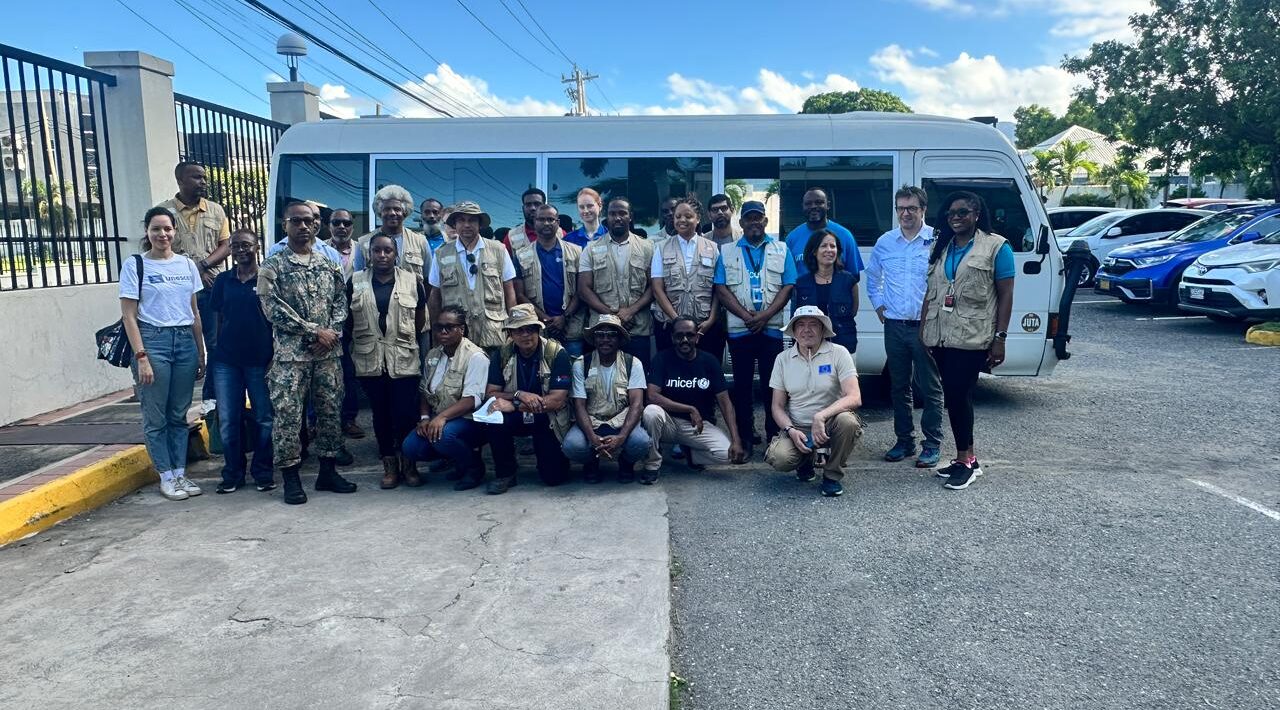
CARPHA provides medical support to Jamaica following Hurricane Melissa
In the wake of Hurricane Melissa’s devastating impact on Jamaica, the Caribbean Public Health Agency (CARPHA) has activated its Incident Management Team – Emergency Response protocol. This initiative, coordinated through the Regional Response Mechanism under the Caribbean Disaster Emergency Management Agency (CDEMA), aims to address the immediate and long-term health needs of the affected population. CARPHA, as the region’s leading public health authority, is focusing on rapid health assessments, disease surveillance, and outbreak prevention to guide recovery strategies.
The response effort is part of a broader, multidisciplinary assessment conducted by the CDEMA-led Rapid Needs Assessment Team (RNAT), which includes experts from various regional and international organizations. These include the Caribbean Broadcasting Union (CBU), Caribbean Development Bank (CDB), and the Pan American Health Organization (PAHO), among others. Field assessments were carried out from November 1 to 5, 2025, in regions such as Westmoreland, St. Elizabeth, and St. Ann, to evaluate health infrastructure and coordinate relief efforts.
CARPHA’s technical support has prioritized several critical areas, including rapid health sector assessments, disease surveillance, and public health risk mitigation. The agency has reported extensive damage to health facilities, including the Black River Hospital in St. Elizabeth and the Savanna-la-Mar Hospital in Westmoreland, which has severely disrupted healthcare delivery and disease surveillance.
Dr. Horace Cox, CARPHA’s Incident Commander, highlighted the increased risk of disease outbreaks such as gastroenteritis, dengue, and leptospirosis due to compromised water and sanitation systems. He emphasized the importance of community engagement in water, sanitation, hygiene (WASH), and vector control to mitigate these risks. CARPHA plans to conduct follow-up assessments in St. Elizabeth, Westmoreland, and Trelawny to monitor progress and provide ongoing support.
The agency is also preparing a second shipment of essential health supplies to Jamaica and will continue its collaboration with the Ministry of Health and Wellness to deliver targeted technical assistance. This effort is financially supported by the Caribbean Development Fund (CDF), reflecting a collective commitment to resilient health systems and disaster preparedness in the Caribbean.
-
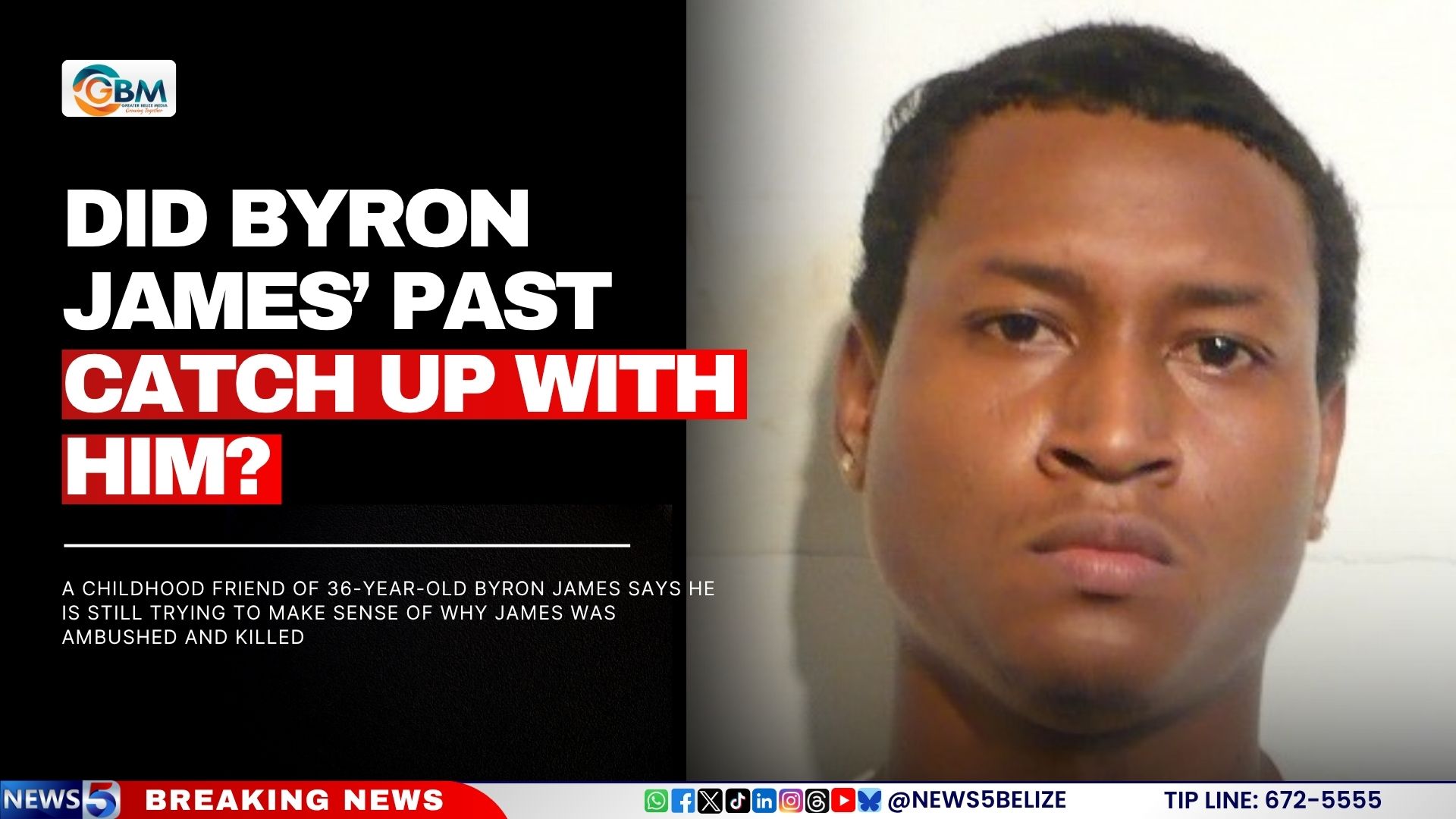
Did Byron James’ Past Catch Up With Him?
On the evening of November 15, 2025, 36-year-old Byron James was ambushed and fatally shot outside his family’s home on Castle Street in Belize District. Police were called to the scene shortly before 10 p.m. after relatives discovered James lying motionless in the yard. Investigators revealed that two masked individuals entered the property through a fence on the north side, shot James multiple times, and fled the scene.
James had a history of legal troubles, including a 2017 conviction for the 2012 murder of Frank Vasquez on Neal’s Pen Road. At the time of his death, he was out on bail and had previously faced charges for assaulting a court reporter during his trial. Despite his criminal record, those who knew him personally described James as a quiet, humble individual who had endured significant personal loss. A childhood friend, now working with James’s brother, shared that James was deeply affected by the deaths of both his parents—his mother to COVID-19 and his father to natural causes.
‘He was a humble soul who kept to himself,’ the friend told News Five. ‘Even after prison, he came out even more humble. I can’t understand why someone would ambush him like this and take his life. He wasn’t someone who sought attention or caused trouble.’
In a separate incident, police in Dangriga are investigating the murder of 27-year-old Oscar Williams Jr., who was shot dead in his home on Rear Pine Street the same night. The community is left grappling with the senseless violence that has claimed two lives.
-
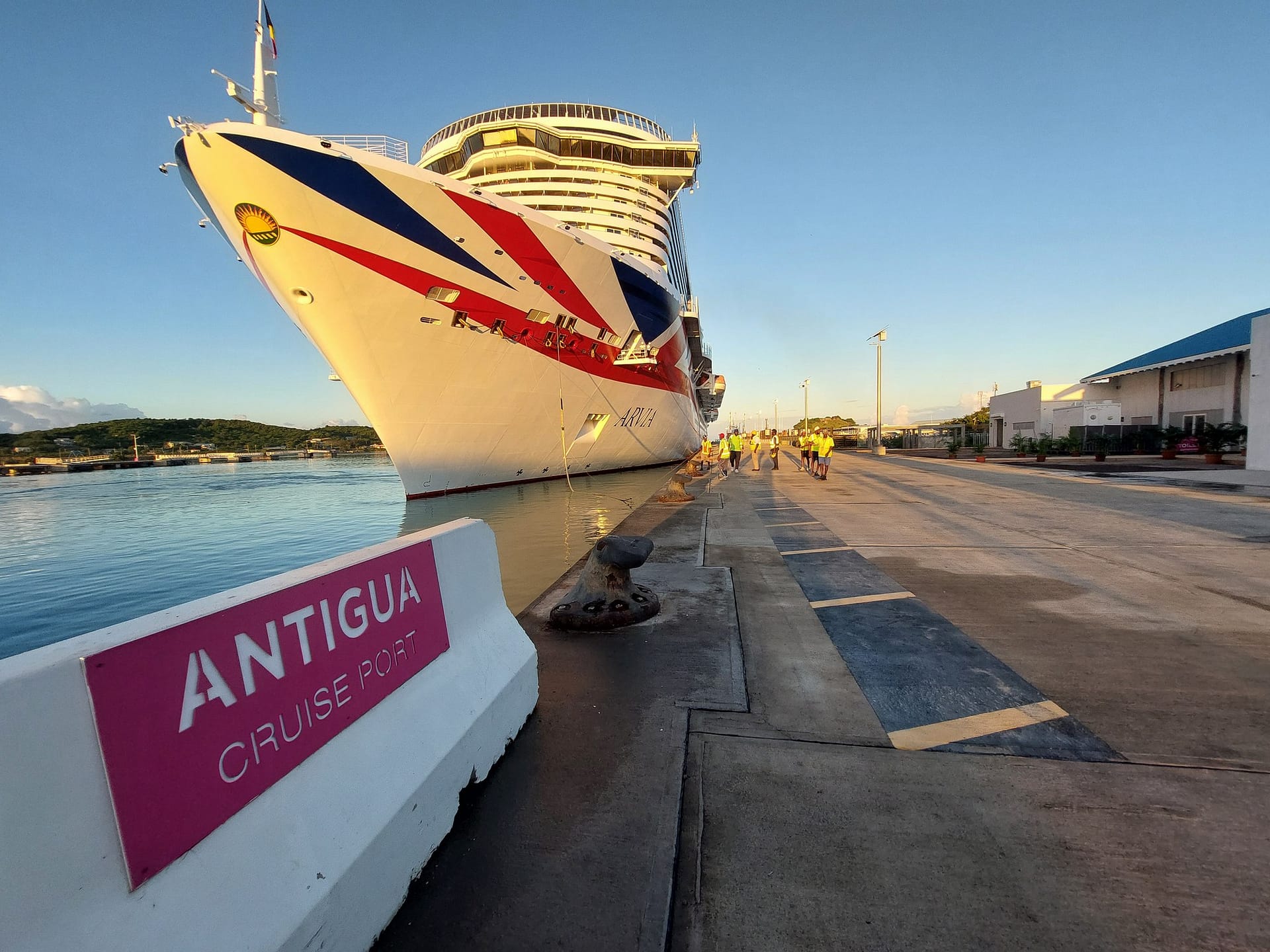
Arvia Begins Homeporting Operations at Antigua Cruise Port
On Friday, the Antigua Cruise Port achieved a pivotal moment in its cruise tourism evolution with the arrival of the Arvia, which officially berthed at the newly constructed cruise terminal to commence homeporting operations. Homeporting, recognized as one of the most lucrative segments of the cruise industry, is known to drive increased passenger expenditure and stimulate demand for ancillary services such as provisioning, transportation, and accommodations. The Antigua Cruise Port heralded this development as the dawn of ‘a vibrant cruise season ahead,’ underscoring the nation’s strategic efforts to bolster its presence in the regional cruise market. This milestone not only signifies a leap forward for Antigua’s tourism sector but also positions the island as a key player in the Caribbean cruise industry.
-

US to hold new military drills in Trinidad and Tobago amid tensions with Venezuela
The United States is set to conduct a five-day military exercise in Trinidad and Tobago, beginning this Sunday, as confirmed by the Caribbean nation. This announcement follows last month’s deployment of a guided-missile destroyer to the region for training purposes, a move that Venezuela labeled as a ‘military provocation.’ According to the Financial Times, Trinidad and Tobago’s Attorney General indicated that the US plans to ‘intensify’ its military activities in the twin-island nation, located just miles off Venezuela’s coast. Foreign Minister Sean Sobers has denied that these exercises are a prelude to potential US military action in Venezuela, despite growing global concerns over US activities in the region. Prime Minister Kamla Persad-Bissessar has supported the US presence, contrasting sharply with Venezuela’s socialist leader Nicolas Maduro, with whom she has had public disputes. The drills will involve the US Marine Corps’ 22nd Marine Expeditionary Unit, which is already in the region to aid in disrupting illicit drug trafficking. Trinidad and Tobago’s government stated that the exercises aim to enhance tactical familiarity between US and local troops and to train local forces in handling domestic issues like drug-related crime and gang violence. The US has recently bolstered its naval presence in the Caribbean, including the deployment of the USS Gerald R. Ford aircraft carrier, prompting Venezuela to announce a ‘massive mobilization’ of its military in response. This escalation has led to fears of a potential larger conflict between the two nations. While the US claims its military buildup is aimed at combating drug trafficking, experts question the necessity of such significant firepower, noting that the USS Gerald R. Ford represents the largest US military presence in the region since the 1989 invasion of Panama. President Donald Trump has expressed that he believes Maduro’s days are numbered and has not ruled out the possibility of US land strikes on Venezuela. Earlier this week, Trump was reportedly presented with options for military operations within Venezuela, though he has yet to make a decision and has previously expressed reservations about military action aimed at ousting Maduro. Maduro has urged the US against conflict, emphasizing a message of peace to Trump.
-
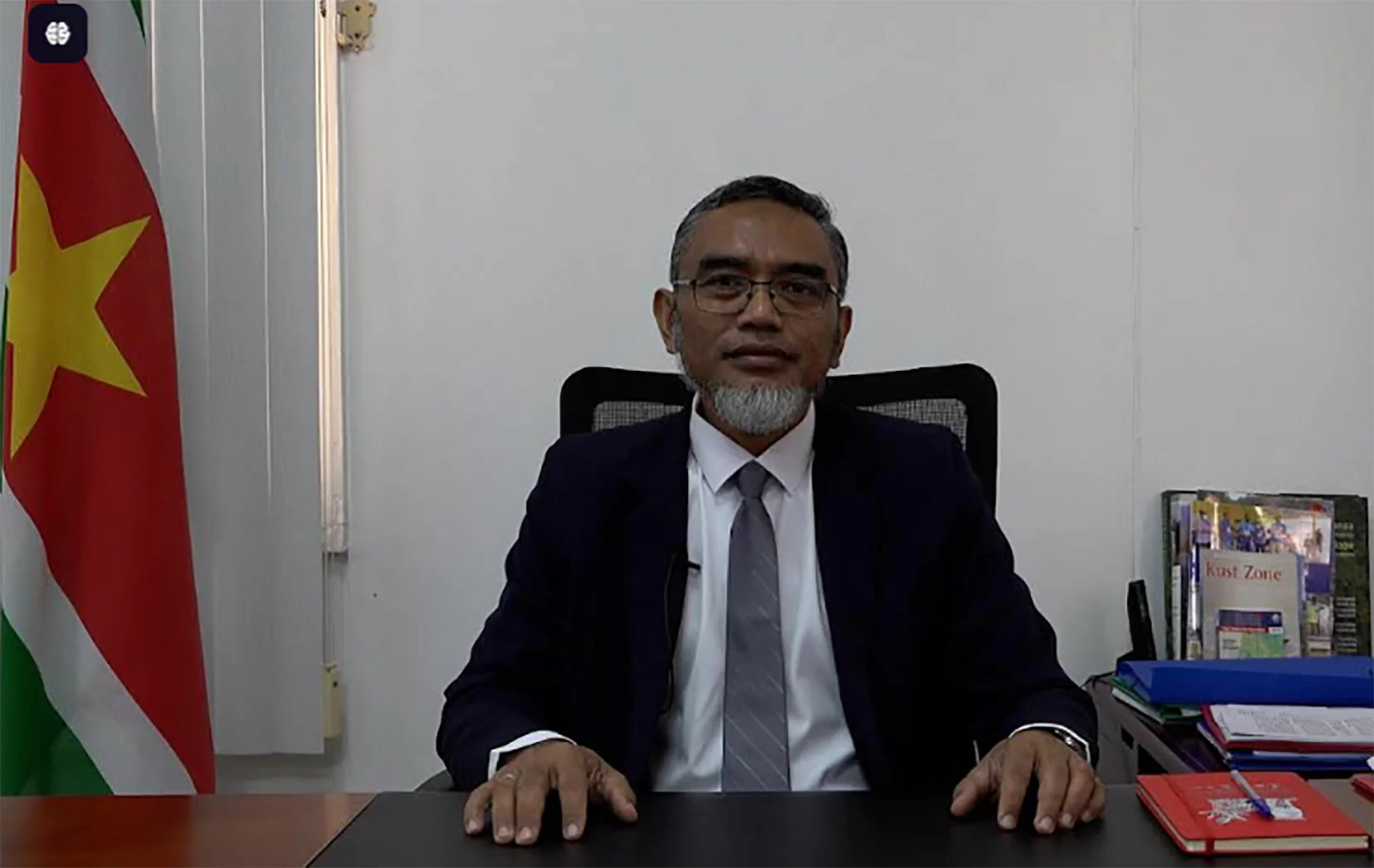
Minister Soeropawiro: Alleen onrechtmatige gronduitgiften worden nietig verklaard
Stanley Soeropawiro, Suriname’s Minister of Land Policy and Forest Management (GBB), has addressed the recent uproar surrounding the nullification of land allocations over the past five years. The minister clarified that only cases where legal procedures were not followed are being annulled. He emphasized that neither the president nor he personally decides which allocations are invalid, stating, “It is the law that dictates this.” Soeropawiro referenced the 2023 Audit Chamber report, which identified unlawful land allocations during the period in question. He assured that legitimate landowners need not worry, as the process aims to protect bona fide stakeholders. However, nullifications may occur if legal deadlines were not adhered to. The minister noted that irregularities date back to 2018, with no improvement observed since his appointment on July 16. He has since collaborated with the Audit Chamber to implement recommendations and prevent future irregularities. Soeropawiro also highlighted cases where land status remains unclear, prohibiting allocations until resolved. Additionally, he stressed the legal requirements for land applications, including Surinamese nationality, majority age, and compliance with inspection and district commissioner advice. The minister reiterated that strict adherence to legal procedures is paramount to ensure transparency and fairness in land allocation processes.
-

FLASH : Official Calendar of Upcoming Elections
The Provisional Electoral Council (CEP) of Haiti has formally presented the Executive branch with a detailed electoral calendar and draft electoral decree, marking a significant step toward the nation’s upcoming elections. The calendar, submitted on November 14, 2025, outlines a meticulous timeline of activities leading to the election of a new president by early 2027. For the process to proceed smoothly, the CEP has emphasized the necessity of three critical prerequisites: the timely publication of the electoral decree in the official journal ‘Le Moniteur,’ the establishment of adequate security conditions, and the availability of sufficient financial resources. The calendar spans over two years, encompassing key phases such as voter registration, candidate accreditation, electoral campaigns, and the deployment of temporary staff. The first round of legislative and presidential elections is slated for August 30, 2026, with the second round scheduled for December 6, 2026. Final results for the presidential and legislative elections are expected to be published by January 7, 2027, while local government results will be announced by January 20, 2027. The CEP has also highlighted the importance of public awareness campaigns and the recruitment of personnel to ensure the integrity and efficiency of the electoral process. The full calendar is available for download in PDF format, providing transparency and accessibility to the public.
-

Lisa vs Guy: Candidates outline their plans to revitalise Castries South East
As Saint Lucia’s general election approaches, Castries South East has become a focal point of political attention, with two candidates presenting starkly different visions for the constituency’s future. Lisa C. Jawahir, the Saint Lucia Labour Party’s (SLP) newly launched candidate, is championing sustainability and eco-tourism, while Guy Joseph of the United Workers Party (UWP) is emphasizing practical, community-driven projects.
Lisa Jawahir, officially introduced as the SLP candidate on September 21, aims to succeed outgoing MP Joachim Henry. Her campaign centers on unlocking the constituency’s potential through initiatives like upgrading sporting facilities, promoting agribusiness, and positioning Castries South East as a hub for eco-tourism. Jawahir, a native of Forestière, has already gained national and regional recognition, including her recent election as vice president of ParlAmericas Caribbean’s Gender Equality Network. She has pledged to prioritize inclusivity, sustainability, and climate-conscious development.
In contrast, Guy Joseph, a three-term former MP, is focusing on immediate, tangible benefits for the community. His campaign highlights projects such as creating a dirt bike track near Bexon playing fields and organizing events like a fresh meat festival in Marc to stimulate local businesses. Joseph, a seasoned entrepreneur with deep roots in the area, has a track record of spearheading infrastructure projects, including affordable housing developments and road improvements during his parliamentary tenure.
Castries South East, one of the largest constituencies in the Castries District, is home to 16,140 residents across rural and semi-urban communities. Despite its potential, the area faces persistent challenges, including poor road conditions, flooding, and limited youth opportunities. While recent projects like drainage improvements and slope stabilization have been completed, residents argue that more needs to be done to address these issues and realize the constituency’s full potential.
As the election draws near, voters in Castries South East must choose between Joseph’s focus on practical, community-based economic initiatives and Jawahir’s vision of sustainable development and eco-tourism. The outcome will shape the future of this diverse and dynamic constituency.