作者: admin

  • Grange reaffirms commitment to Bustamante celebrations

    Grange reaffirms commitment to Bustamante celebrations

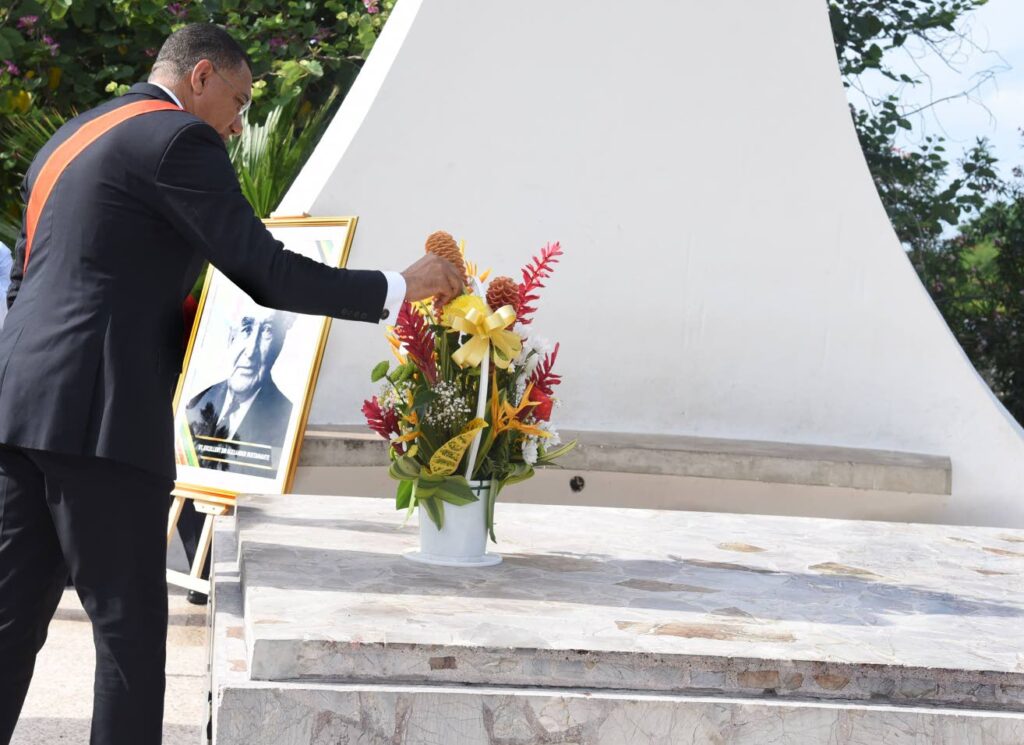
    The Jamaican government has announced comprehensive plans to commemorate the 142nd anniversary of National Hero Sir Alexander Bustamante’s birth, scheduling simultaneous ceremonies at both his Blenheim birthplace in Hanover and National Heroes’ Park in Kingston on February 24, 2026.

    Minister of Culture, Gender, Entertainment and Sport Olivia Grange has confirmed the government’s commitment to fully fund the celebrations through the Jamaica Cultural Development Commission (JCDC), addressing previous concerns about potential funding limitations. The commemorative events will commence with a floral tribute ceremony at National Heroes Park at 9:00 AM, followed by an 11:00 AM birthday tribute ceremony in Blenheim.

    Concurrently, Minister of Labour and Social Security Pearnel Charles, Jnr will lead additional commemorative activities in Clarendon South Eastern constituency, where Sir Alexander served as Member of Parliament for nearly two decades, recognizing his enduring political legacy.

    Minister Grange acknowledged current fiscal constraints resulting from Hurricane Melissa recovery efforts but emphasized the critical importance of maintaining heritage commemorations. “These celebrations offer a sense of continuity, pride and inspiration at a time when our people, especially our youth, need it most,” Grange stated, highlighting the psychological value of historical remembrance during challenging times.

    The government explicitly addressed concerns about potential disruptions to Hanover celebrations, noting that similar funding concerns in February 2025 were resolved through direct ministry intervention. Grange emphasized that honoring Bustamante’s advocacy for workers’ rights and national development remains essential for national identity formation, particularly for younger generations processing recent natural disaster impacts.

    All sectors of Jamaican society, including educational institutions, youth groups, and cultural organizations, are encouraged to participate in both locations. The JCDC has made itself available for additional information and participation coordination, ensuring broad accessibility to the commemorative events.


  • Science over ceremony

    Science over ceremony

    A profound cultural shift is underway in Jamaica, where a growing number of citizens are choosing to donate their bodies to medical science, a practice once met with widespread resistance. The University of the West Indies (UWI) Mona campus reports a dramatic increase in formal applications, with 62 individuals now registered for its body donor program.

    This surge marks a significant departure from historical trends. Prior to 2019, the university received a mere two to four applications annually. Since implementing a dedicated advocacy program, that number has jumped to an average of 10 per year. Consequently, UWI now receives between 12 and 15 suitable bodies annually, a stark contrast to the single donation recorded in 2014.

    Professor of Anatomy Jean-Pierre Louboutin identifies soaring funeral costs as a primary catalyst for this change. A basic funeral package in Jamaica now ranges from J$300,000 to J$600,000, with premium services exceeding J$1 million. This represents a steep climb from 2013, when the most affordable option cost approximately J$128,000. Burial vaults and cremation services have seen similarly dramatic price escalations, making body donation—which is free—a financially viable alternative for many families.

    However, economics is only part of the narrative. Death doula Patrice Dwyer emphasizes that for many, the decision is rooted in a deeper contemplation of legacy and a desire to contribute to medical advancement. Medical professionals are among the most eager donors, often viewing it as a final act of service to the field they dedicated their lives to.

    The impact of these donations is immense. They are fundamental for surgical training, anatomical research, and the development of new medical treatments. Professor Louboutin highlights a unique benefit for Jamaica: the ability to conduct population-specific research on Jamaican anatomy, which can lead to tailored surgical techniques and a better understanding of health threats prevalent locally.

    Furthermore, Jamaica’s program has become a regional resource. Other UWI campuses in Trinidad and Barbados, which lack donor programs due to cultural preferences like cremation, often send surgical residents to Jamaica for essential anatomical training.

    The process is governed by the Anatomy Act of Jamaica, requiring formal permission from relatives. Not all bodies are eligible; those involved in criminal investigations, autopsies, suicides, or with certain infectious diseases cannot be accepted. Donated bodies are embalmed and can be used for education and research for up to 20 years.

    As Dwyer notes, with Jamaica being an island nation, space for traditional burials is finite. This reality, coupled with growing environmental awareness, is pushing Jamaicans to consider sustainable alternatives like body donation, aquamation, and recomposition, framing a final gift to science as a powerful and lasting legacy.

  • Local egg farmers crying foul

    Local egg farmers crying foul

    FALMOUTH, Trelawny — Jamaica’s domestic egg industry is confronting an existential threat as prolonged importation policies, initially enacted following Hurricane Melissa, now jeopardize the recovery of local producers. Mark Campbell, President of the Jamaica Egg Farmers’ Association (JEFA), issued a stark warning that imported eggs are systematically displacing local products in retail and hospitality markets, undermining the resilience of farmers who had nearly recovered from previous hurricane damage.

    Campbell reported that both large-scale and small-scale farmers are experiencing market rejection, with supermarkets and shops prioritizing cheaper imported eggs over locally sourced produce. This sudden shift has left numerous long-term suppliers without viable outlets for their stock, creating severe uncertainty across the agricultural sector.

    The industry had demonstrated remarkable recovery following hurricanes Beryl and Melissa, with production levels in St. Elizabeth, St. Ann, Trelawny, and western Jamaica rebounding to approximately 80% of pre-hurricane capacity. While JEFA had initially supported limited, temporary imports to address peak-season shortages, Campbell emphasized that continued foreign egg shipments now threaten to deliver a “double blow” to local farmers, potentially creating oversupply conditions that could lead to spoilage and financial losses.

    Additionally, Campbell raised alarms about alleged improper repackaging of imported eggs without adequate origin labeling or expiration dates, creating potential consumer safety risks and traceability challenges. He acknowledged the post-hurricane support from the Ministry of Agriculture and Fisheries and the Rural Agricultural Development Authority but urged immediate regulatory intervention to protect local producers and ensure market stability. Campbell asserted that any supermarket experiencing shortages should contact JEFA directly for local egg sourcing, warning that continued imports might inflict irreparable damage on Jamaica’s agricultural sector.

  • Split over shared community Bill

    Split over shared community Bill

    A newly proposed legislative framework for Jamaica’s gated communities has ignited contrasting reactions from residents across the island. The Registration (Shared Community) Act, 2026, designed to establish regulatory standards for residential developments with shared amenities, faces both staunch opposition and strong endorsement from different community groups.

    Critics, led by the Kingston-based Citizens Rights to the City (CRC) coalition representing over 20 communities, argue the legislation imposes financial burdens without proper consultation. CRC spokesperson Diana McCaulay contends the bill’s requirements for professional accounting services and mandatory insurance coverage for common areas would disproportionately increase maintenance fees for residents. “Instead of providing help, this bill creates costly hurdles,” McCaulay stated, emphasizing that volunteer-run communities would struggle with compliance costs.

    Conversely, Montego Bay’s Ironshore Citizens Association welcomes the legislation as a necessary step toward formalizing community governance. Association representative Daine Thomas praised the bill’s provisions for establishing clear governance structures and enforcement mechanisms for fee collection. “This ensures arbitrary rules can be challenged through established bodies rather than courts,” Thomas explained, noting their community already maintains the required infrastructure.

    The controversy extends beyond financial concerns to procedural questions. CRC alleges inadequate stakeholder consultation before the bill’s January 27 parliamentary tabling, prompting calls for a joint select committee to facilitate proper public discourse. This demand finds support even among bill proponents like Berkeley House resident David Ebanks, who acknowledges the legislation could address longstanding governance issues in his community.

    McCaulay suggests implementing tiered regulations based on community size and demographic composition, arguing that smaller retirement communities require different considerations than affluent developments. She proposes grandfathering clauses and implementation grace periods to ease the transition for existing communities while maintaining the bill’s core objectives.

  • First-class focus

    First-class focus

    In an extraordinary display of perseverance and dedication, Jamaican educator Charleen Robinson has achieved academic excellence while maintaining an exceptionally demanding professional schedule. The St. Elizabeth native recently graduated with first-class honors in a dual Bachelor of Education program specializing in business and computer science, all while serving as a full-time high school teacher, part-time HEART/NSTA Trust instructor, and justice of the peace.

    Robinson, who teaches business and information technology at Maggotty High School, balanced her rigorous academic pursuits with her commitment to preparing students for Caribbean Secondary Education Certificate (CSEC) examinations. Despite her own university assessments, she consistently organized intensive revision sessions during weekends and evenings to ensure her students’ success, resulting in remarkable 100% pass rates year after year.

    Her motivation stemmed from a deeply personal place—her 24-year-old son adjusting to life in the United States. “He’s been my rock and a reminder that it’s never too late to reach higher,” Robinson revealed, noting that her son occasionally assisted with challenging coursework. She embarked on her degree journey in September 2022 through Bethlehem Moravian College’s partnership with The University of the West Indies, building upon her existing teaching diploma and classroom experience.

    The academic recognition extended beyond first-class honors, with Robinson receiving both the Principal’s Award and a special distinction in computer science. Her achievement demonstrates that professional responsibilities and personal circumstances need not hinder educational advancement. Beyond academics, Robinson actively participates in extracurricular activities including football and track and field, supporting students in their holistic development.

    Looking toward future studies at the master’s level, Robinson hopes her story will inspire other working professionals and adult learners hesitant to pursue further education. Her advice resonates with determination: “Don’t let time, age, or circumstances stop you. Even if it takes longer than you planned, never give up on your goals.”

  • Cubaanse veiligheidstroepen verlaten Venezuela nu Amerikaanse druk toeneemt

    Cubaanse veiligheidstroepen verlaten Venezuela nu Amerikaanse druk toeneemt

    Venezuela’s interim leadership under Delcy Rodríguez is significantly reducing its longstanding security dependence on Cuba amid intense pressure from the United States, according to eleven sources familiar with the matter. This strategic shift marks a departure from the policies of deposed president Nicolás Maduro and his predecessor Hugo Chávez, both of whom relied heavily on Cuban elite troops for personal protection.

    The unraveling of the Caracas-Havana security alliance follows the January 3rd U.S. military operation that resulted in Maduro’s capture and the deaths of 32 Cuban personnel who were embedded within Venezuela’s military and powerful counterintelligence unit DGCIM. This deep security cooperation, established in the late 2000s, proved essential for neutralizing domestic opposition and maintaining Chavista rule.

    Multiple sources confirm that Cuban security advisors and medical personnel have been gradually departing Venezuela via air travel in recent weeks. Some Cuban intelligence officers within DGCIM have been removed from their positions, though the exact circumstances surrounding their departure remain unclear—whether by Rodríguez’s order, voluntary decision, or recall by Havana.

    The Biden administration has been actively pressuring Venezuela to sever its ties with Cuba as part of a broader strategy to undermine Havana’s communist government. Since mid-December, Washington has blocked Venezuela’s oil shipments to Cuba, creating economic strangulation on the island nation. A White House official stated that the U.S. maintains ‘a very good relationship with Venezuela’s leaders’ and believes Rodríguez’s ‘self-interest aligns with promoting our key objectives.’

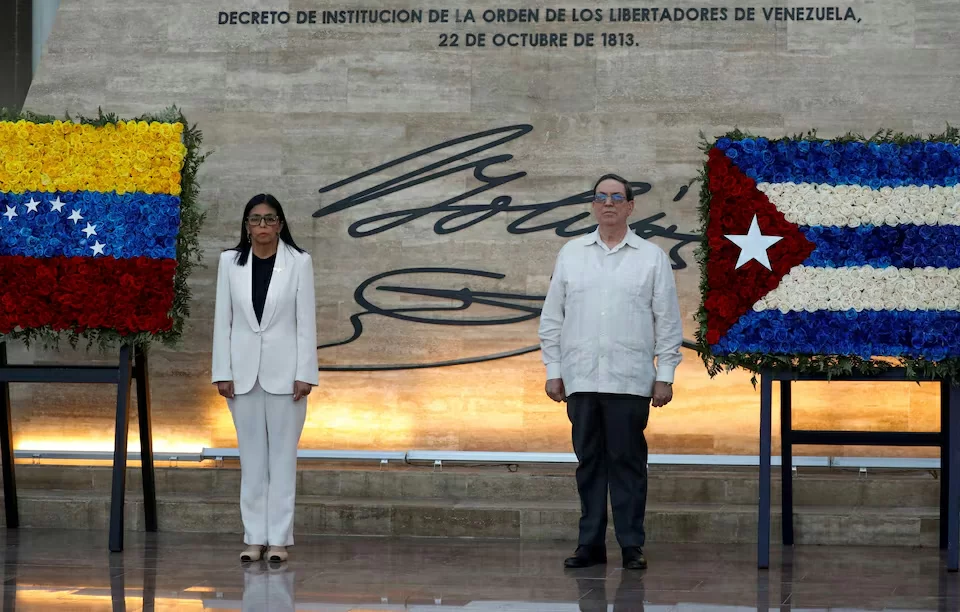
    Despite these developments, both governments publicly maintain their continued alliance. Rodríguez recently participated in a floral memorial ceremony with Cuban Foreign Minister Bruno Rodríguez Padilla honoring victims of the U.S. operation, where Cuban solidarity was prominently reaffirmed. Subsequent phone conversations between Rodríguez and Cuban President Miguel Díaz-Canel further emphasized ongoing ‘unity’ between the nations.

    Analysts suggest Rodríguez is navigating a delicate balance—distancing herself from Cuban influence while avoiding complete abandonment of the relationship. ‘She wants to keep the Cubans at arm’s length until the situation stabilizes and her power position becomes clear, but she doesn’t want to completely cut them off either,’ noted Frank Mora, former U.S. ambassador to the Organization of American States.

    While the visible Cuban presence diminishes, some intelligence operatives likely remain to monitor Venezuela’s political evolution. The legacy of Cuban counterintelligence efforts persists through Maduro’s loyalists who retain power, suggesting that despite failing to protect Maduro, Cuba’s role in sustaining Chavista governance remains significant.

  • Wanted: Jaheim Canute Collins

    Wanted: Jaheim Canute Collins

    Barbados law enforcement authorities have launched a public appeal for assistance in locating Jaheim Canute Collins, also known as ‘Jam’, who is currently sought for interrogation regarding serious criminal investigations. The individual, whose last documented residence was in the Silver Sands area of Christ Church, remains at large as police intensify their search efforts.

    Collins is physically described as standing approximately 5 feet 8 inches tall with a slender build and brown complexion. Official police communications have directly advised the wanted individual to voluntarily present himself at the Criminal Investigations Department (South) located at Oistins Police Station, with legal representation accompanying him.

    Law enforcement agencies have established multiple channels for information submission regarding Collins’ whereabouts. Citizens can contact the Criminal Investigations Department (South) at 418-2608 or 418-2612, Police Emergency services at 211, Crime Stoppers anonymously at 1-800-8477, or their nearest police precinct.

    Authorities have simultaneously issued a stern reminder to the public regarding the legal consequences of harboring or assisting wanted individuals. The Barbados Police Force emphasized that providing shelter or assistance to fugitives constitutes a serious criminal offense punishable by prosecution under the nation’s legal framework. This public warning serves as both a deterrent and educational notice regarding civic responsibilities in ongoing criminal investigations.

  • Dominica Parliament to convene on Monday, February 23, 2026

    Dominica Parliament to convene on Monday, February 23, 2026

    The Parliament of Dominica is set to commence its Third Session of the Eleventh Parliament on Monday, February 23, 2026, with a significant legislative agenda featuring five pivotal bills. This parliamentary sitting will address comprehensive reforms across financial regulation, healthcare standards, and regional economic integration.

    The legislative package includes the Payment System and Services Bill 2026, which establishes a robust licensing framework for payment service providers within the Eastern Caribbean Currency Union. This legislation aims to expand regulatory oversight and enhance consumer protection mechanisms in financial transactions.

    In parallel, the Food Safety Bill 2026 introduces strengthened food safety protocols, improved quality standards, and more effective inspection and enforcement procedures to safeguard consumer health in Dominica.

    Regional integration advances through the Caribbean Community (Movement of Factors) Bill 2026, which implements critical provisions of the Revised Treaty of Chaguaramas. This legislation facilitates the right of establishment, service provision, and capital movement across CARICOM member states, promoting greater economic cohesion within the Caribbean Single Market and Economy.

    The healthcare sector undergoes substantial regulatory modernization through two complementary bills. The Medical Profession Bill 2026 proposes establishing the Dominica Medical Council to oversee professional registration, licensing, conduct discipline, and continuing education standards for medical practitioners. Similarly, the Nurses and Midwives Bill 2026 creates a parallel council to regulate nursing and midwifery professions, establishing formal requirements for registration, professional conduct, and ongoing training.

    The parliamentary proceedings will be publicly accessible through live broadcasts on the Government Information Service (GIS) and Dominica Broadcasting Station (DBS) commencing at 10:00 a.m., ensuring transparency and public engagement with these significant legislative developments.

  • Trump Slaps All Countries with New 10% Tariffs

    Trump Slaps All Countries with New 10% Tariffs

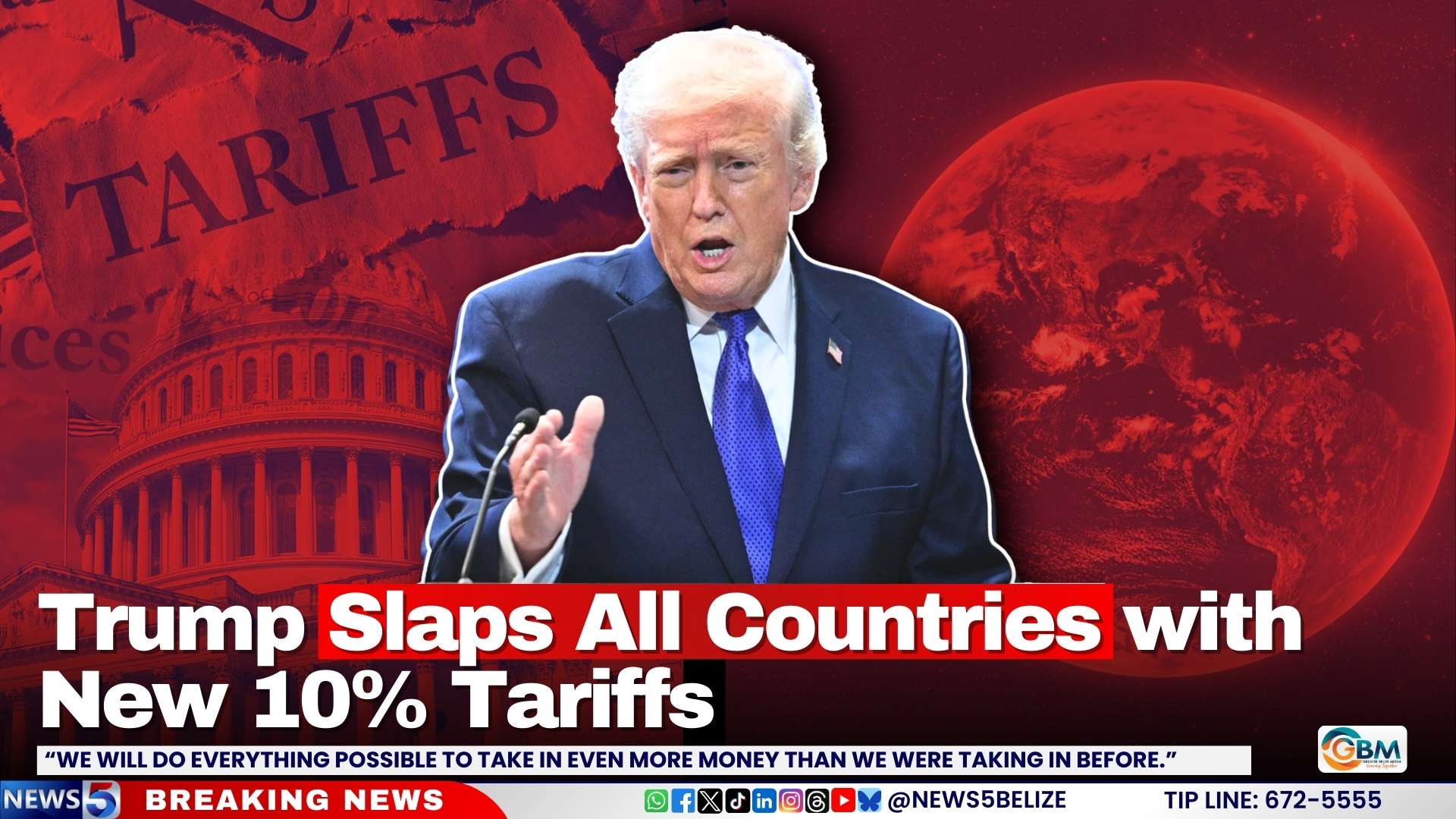
    In a dramatic escalation of trade policy, former President Donald Trump has instituted a comprehensive 10% tariff on all imports following a landmark Supreme Court decision that invalidated his previous tariff authority. The high court’s 6-3 ruling determined that Trump had overstepped his presidential powers under the International Emergency Economic Powers Act of 1977, with Chief Justice John Roberts writing that the administration claimed “extraordinary power to unilaterally impose tariffs of unlimited amount, duration, and scope” without proper congressional authorization.

    Within hours of the judicial setback, Trump invoked alternative authority under the Trade Act of 1974 to implement a temporary 10% universal tariff scheduled to take effect February 24 and remain active for 150 days. During an impassioned press conference, the president characterized the court’s decision as “deeply disappointing” and questioned the patriotism of certain justices whom he described as “very unpatriotic and disloyal to our Constitution.”

    The sweeping tariff measure contains exemptions for specific categories including agricultural commodities, essential minerals and metals, pharmaceutical products, electronic devices, and passenger vehicles. Administration officials indicate the policy aims to reduce dollar outflow and stimulate domestic manufacturing capacity.

    Notably, products already subject to existing tariffs—such as steel, aluminum, lumber, and automotive goods—will see the new 10% levy applied additionally, creating compounded duty rates. Trump subsequently declared on his social media platform that the adjustment process “begins, and we will do everything possible to take in even more money than we were taking in before,” suggesting the administration views the tariffs primarily as revenue-generating measures rather than purely trade corrective actions.

  • Fisherfolk want end to US military action in region

    Fisherfolk want end to US military action in region

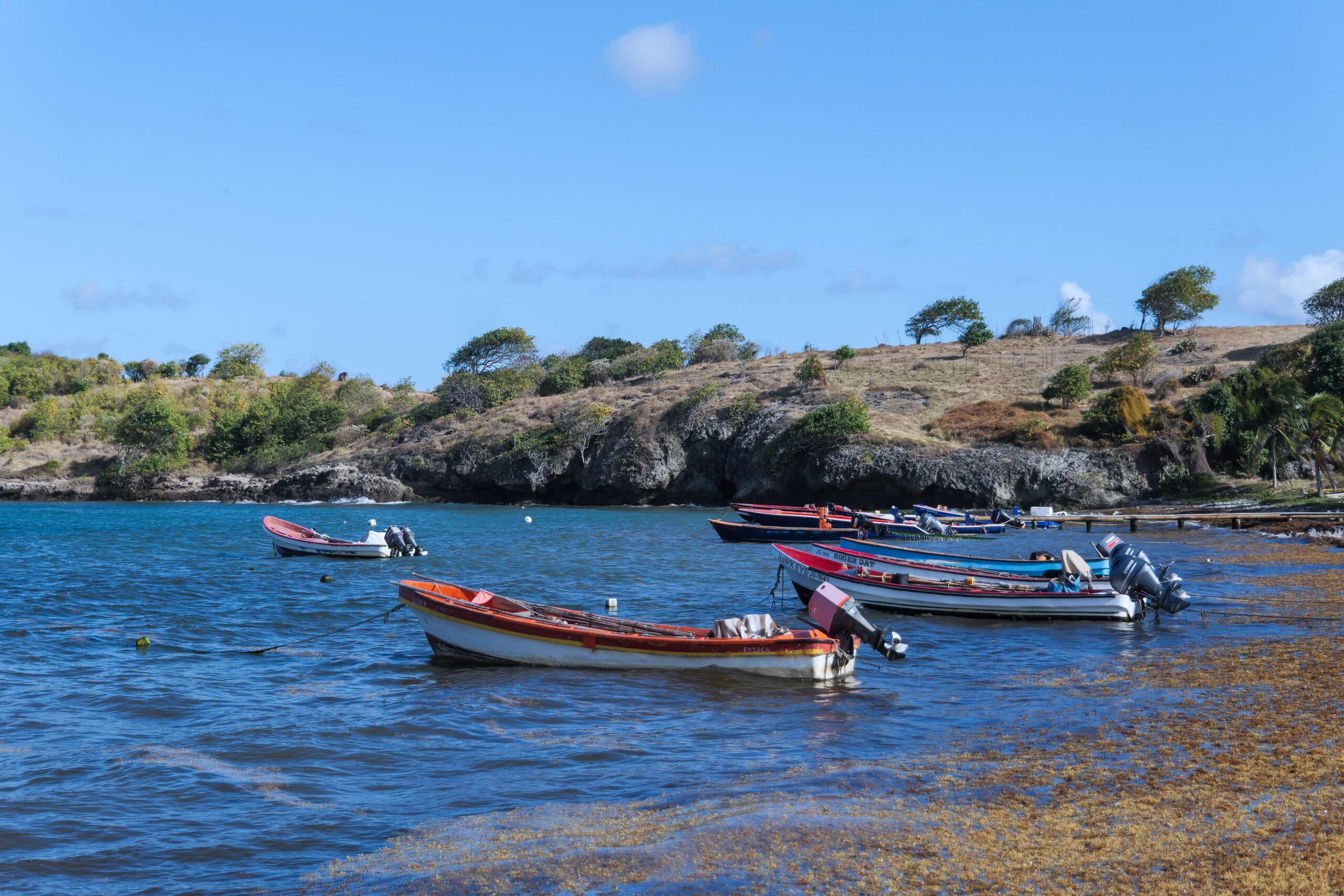
    A recent United States military drone strike in Caribbean waters has triggered widespread alarm and economic disruption throughout Saint Lucia’s fishing industry, raising serious questions about sovereignty and military intervention in the region.

    Fishermen across the island nation report plummeting morale and operational paralysis following the Trump administration’s confirmation of a ‘lethal kinetic strike’ conducted last Friday against suspected drug traffickers near the Grenadine island of Bequia. While official confirmation remains pending regarding potential Saint Lucian casualties, the proximity of the military action has created palpable anxiety among maritime workers.

    For generations, fishing has served as both economic backbone and cultural cornerstone in Saint Lucia, sustaining coastal communities from the era of Arawak and Carib inhabitants to modern times. Now, this vital heritage faces unprecedented threat as fishermen hesitate to venture into traditional fishing grounds.

    Mathaius ‘MJ’, a southern-based fisherman, expressed raw anger in interviews: ‘What Trump is doing is wickedness. We have loans to pay, children to feed. Now men are afraid to go out.’ He described the eerie transformation at Vieux Fort Fisheries Complex, where typically bustling docks now sit nearly empty—only two boats departed recently compared to normal activity levels.

    The psychological impact extends beyond economic concerns. Fishermen traditionally launch around 3 a.m. to reach fish aggregating devices before marine life moves, but many now fear their predawn movements might be misinterpreted by military surveillance. Veteran fisherman Joseph Dalsan emphasized the cultural dimension: ‘My grandfather did this, his grandfather before him. Why kill people on the spot? If you suspect a boat, board it, search it, arrest people if they’re criminals.’

    The Goodwill Fishermen’s Cooperative Society urges compliance with fishing regulations—including vessel specifications governed by the Department of Fisheries—as protective measures. Operations Manager Kaygianna Toussaint advised: ‘Fishers must ensure their operations are legal and above board so there is evidence to support them if anything happens.’ She specifically recommended remaining within verifiable territorial waters.

    However, many fishermen doubt compliance alone can protect against aerial strikes that allow no opportunity for verification or response. The situation escalated further as the Royal Saint Lucia Police Force confirmed investigating the disappearance of local man Ricky Joseph, whose family fears he may have been caught in the strike. Assistant Commissioner Luke Defreitas acknowledged examining potential connections between Joseph’s disappearance and charred vessel remains recovered off Micoud.

    The community’s outrage stems from perceived double standards, with Dalsan noting: ‘America does not kill their own like that. They have bigger problems to deal with.’ As anxiety mounts, Saint Lucian fisherfolk increasingly demand their government advocate for removal of US military operations from Caribbean waters.