作者: admin

  • Mayor’s Office launches “Boca Chica Verde” program

    Mayor’s Office launches “Boca Chica Verde” program

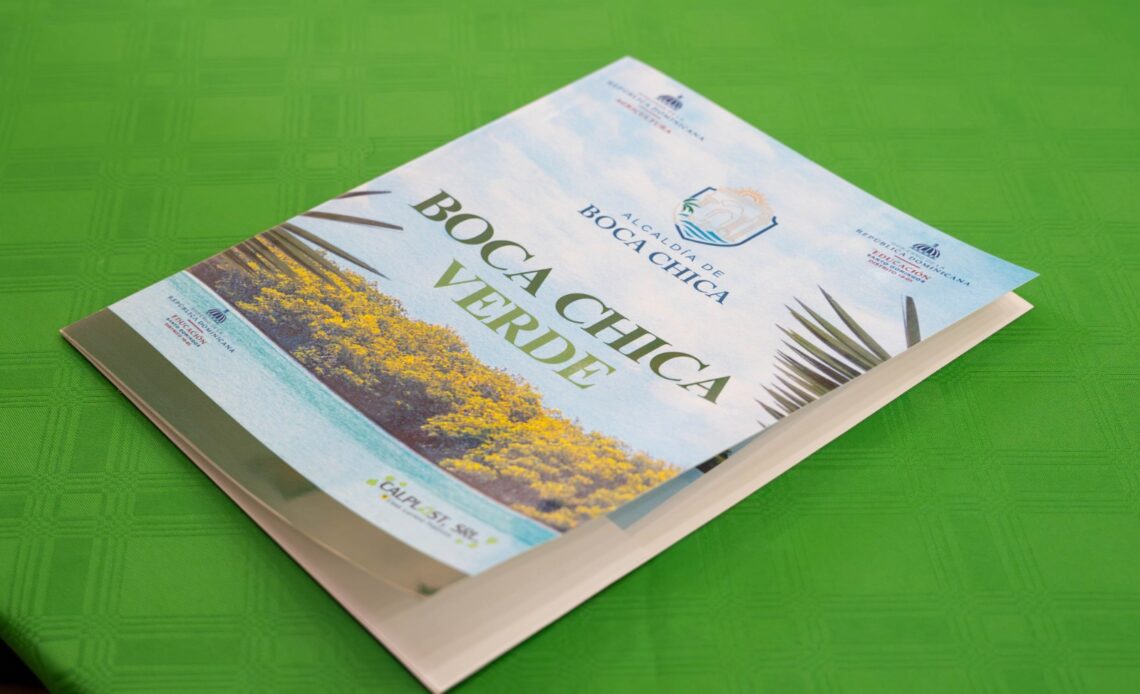
    The Boca Chica Mayor’s Office has inaugurated a comprehensive environmental program titled “Boca Chica Verde,” marking a significant step toward enhancing ecological awareness and youth engagement in municipal sustainability efforts. This collaborative initiative brings together multiple institutions, including the Municipal Environmental Management Department (UGAM) and the local Education Department, with additional support from the Ministry of Agriculture, the 10-05 Educational District, and the Deep Green Foundation.

    The program commenced with a formal launch event at the Boca Chica Town Hall, gathering representatives from ten educational institutions across the municipality. A central component of the initiative is the ECORETO competition, which challenges student teams to conceptualize and present innovative ecological solutions addressing pressing environmental concerns. Participating schools will develop practical projects across several critical areas: recycling and waste reuse strategies, establishment of school nurseries and reforestation efforts, restoration of vital ecosystems including mangroves, beaches, and coral reefs, and the organization of environmental volunteer corps.

    To ensure the success of these projects, students received expert technical guidance and motivational addresses from program coordinators and distinguished guests. These included officials from the Ministry of Agriculture, representatives from the Deep Green Foundation, and influential youth communicator Mario Joshua, known professionally as “Mario RD.” The initiative is scheduled to culminate during the national Environment Week with a Municipal Ecological Fair. This concluding event will serve as a platform for showcasing the student-led projects and will feature the presentation of the ECOLÍDERES award, recognizing outstanding environmental leadership. The program reinforces the administration’s commitment to sustainable development under the leadership of Mayor Ramón Candelaria.


  • Windies target semifinal stride against South Africa

    Windies target semifinal stride against South Africa

    As the ICC Men’s T20 World Cup advances to its critical Super 8 phase, West Indies assistant coach Floyd Reifer projected an aura of composed confidence during pre-match preparations for Thursday’s high-stakes encounter against South Africa. Despite maintaining an unblemished record thus far, Reifer emphasized that his squad carries “no point to prove” to external critics, focusing instead on internal standards of excellence.

    The upcoming match at Ahmedabad’s iconic stadium presents what many analysts characterize as a virtual semifinal elimination game. Both teams enter this confrontation with perfect tournament records, where victory would substantially pave the path to the final four while defeat would necessitate must-win performances in subsequent group stage matches.

    Historical statistics reveal South Africa’s dominance in World Cup encounters, having secured victory in four of their five previous T20 World Cup meetings against the Caribbean squad. Overall head-to-head records show nearly even standings with West Indies claiming 15 victories against 14 losses in their 29 T20 International meetings.

    Reifer dismissed the relevance of historical narratives during his media briefing: “We arrived here with identical aspirations to every other participating nation – to claim championship glory. While many commentators have positioned us as underdogs flying beneath the radar, we approach each contest with identical positive mentality and strategic preparation.”

    The assistant coach highlighted the team’s multidimensional strength, noting exceptional synchronization across batting, bowling, and fielding departments. “Our collective energy and camaraderie have created an optimal competitive environment. Each player understands their responsibilities and executes with precision, which proves essential for tournament success.”

    When addressing South Africa’s theoretical advantage of venue familiarity – having played most previous matches at the same Ahmedabad ground – Reifer remained unfazed. “We maintain focus on our execution rather than external factors. Proper planning and implementation will determine our performance, not geographical considerations.”

    Reifer anticipates a contest decided by narrow margins, noting both teams possess numerous match-winning capabilities. “In modern T20 cricket, balanced squads face off and victory typically belongs to whichever unit better executes their strategies under pressure. The evolution of scoring rates to 230-plus totals demands crystalline role comprehension during each match phase.”

    Thursday’s encounter represents more than mere advancement opportunity for West Indies – it offers a platform to demonstrate their championship credentials while silencing doubters. Reifer’s tranquil assurance suggests the Caribbean squad believes their peak performance remains ahead in the tournament.

  • Social : The CDH denounces the blocking of the recruitment of 80 new customs agents

    Social : The CDH denounces the blocking of the recruitment of 80 new customs agents

    The Haitian Customs Collective (CDH) has issued a formal condemnation of the General Customs Administration’s management practices, alleging systematic corruption in the recruitment process for new agents. The organization expressed profound concern over what it describes as opaque hiring procedures that favor personal connections over merit-based selection.

    According to the CDH’s investigation, the legitimate recruitment process for 80 customs surveillance agents has been effectively sidelined. This process, which involved competitive examinations administered to 3,232 candidates on August 24, 2025, was initially scheduled to conclude with new agents joining the administration by October. However, the CDH claims that Director Gérald Remplais has instead overseen the appointment of 210 agents based on personal connections rather than examination performance.

    The collective’s statement reveals that since November, internal investigations have uncovered evidence of favoritism and irregular practices within the institution. These findings suggest a management approach that allegedly prioritizes personal relationships over professional qualifications, potentially undermining both institutional integrity and operational effectiveness.

    The CDH has called upon relevant state authorities, oversight bodies, and international customs partners to intervene urgently. The organization emphasizes that ethical governance and professional standards are essential for maintaining public trust and ensuring the proper functioning of Haiti’s customs services. The collective reaffirmed its commitment to advocating for transparency, merit-based appointments, and the protection of agents’ rights within the customs administration.

  • ONA : Working meeting on the ONAPolis program

    ONA : Working meeting on the ONAPolis program

    Port-au-Prince, Haiti – In a significant move to bolster its social security infrastructure, Haiti’s National Old-Age Insurance Office (ONA) convened a high-level interdepartmental meeting on February 25, 2026, to evaluate and reinforce the ONAPolis program. The gathering brought together key stakeholders including representatives from the Haitian National Police (PNH), Portfolio Directorate, Budget Directorate, and the Ministry of Economy and Finance (MEF).

    During the comprehensive working session, participants addressed operational challenges identified during the program’s implementation and developed strategies to enhance institutional cooperation. Ronald Bazile, Director General of ONA, emphasized the importance of adhering to the established memorandum of understanding to ensure clear understanding of respective responsibilities among all participating entities.

    The ONAPolis program, designed as an integral component of Haiti’s structured social protection system, provides police officers with identical benefits and subjection to the same regulations as all ONA insured members. Regarding credit applications, the agency reinforced that all requests must be channeled exclusively through the Police Human Resources Department, with direct submissions to ONA remaining ineligible for consideration.

    To maintain transparency and operational efficiency, ONA has implemented rigorous financial assessment protocols that include systematic verification through the National Credit Bank (BNC) to evaluate applicants’ solvency status. These measures are specifically designed to prevent over-indebtedness, preserve the program’s financial stability, and protect beneficiaries from unsustainable debt burdens.

    Following productive discussions, participating institutions agreed to enhance operational collaboration with the Police HR Department, establish periodic financial reconciliation mechanisms, improve institutional communication channels, and further clarify financial processes and administrative responsibilities.

    ONA reaffirmed its commitment to maintaining stringent financial analysis standards, safeguarding beneficiaries against over-indebtedness, consolidating ONAPolis for sustainable social protection, and facilitating prioritized processing for specialized units where feasible. This strategic approach underscores ONA’s central role in administering a robust social program founded on administrative rigor, institutional accountability, and effective protection of insured individuals.

  • Authorities investigate environmental impact of land clearing in Santo Cerro

    Authorities investigate environmental impact of land clearing in Santo Cerro

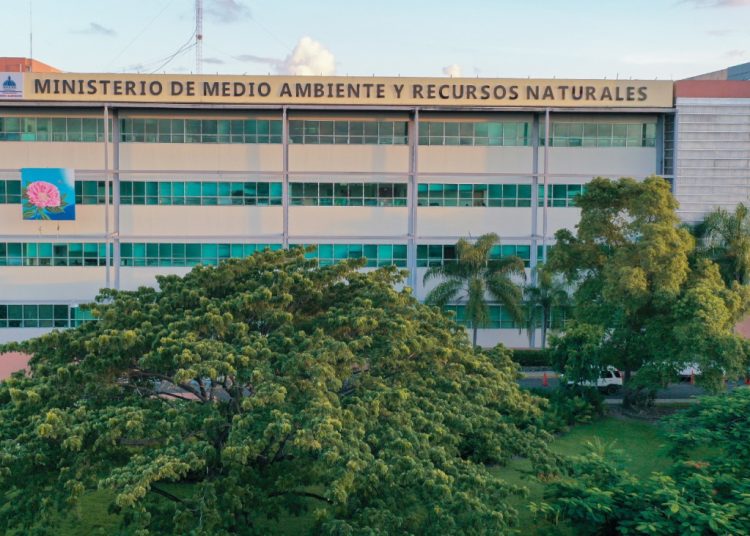
    Environmental authorities in the Dominican Republic have intervened to stop a significant land development project in La Vega province after uncovering potential regulatory violations. A team of specialists from the Ministry of Environment conducted a thorough inspection in the Santo Cerro sector’s Burende section on February 4, 2026, responding to citizen reports submitted through the Green Line platform.

    The inspection team, comprising technicians Darío Concepción and Anderson Santana with security support from Major Echavarría of the National Environmental Protection Service, documented extensive mechanized clearing operations across approximately 100 tareas (about 62,500 square meters). The site assessment revealed comprehensive vegetation removal including undergrowth, shrubs, and immature trees, accompanied by road construction, land grading activities, and the rehabilitation of an existing structure previously owned by engineer Rey Concepción.

    Investigators discovered promotional signage marketing the property for sale, indicating potential plans for parcel subdivision and ecotourism development. The technical evaluation concluded that these activities likely caused substantial disruption to native vegetation, wildlife habitats, and adjacent micro-watershed systems. In response to these findings, officials have mandated an immediate cessation of all development work and initiated requirements for large-scale reforestation efforts, with particular emphasis on areas showing evidence of prior excavation. The Ministry is pursuing administrative penalties for breaches of environmental protection statutes while continuing to assess the situation for potential legal action.

  • Politic : PM Alix Didier Fils-Aimé met with Secretary of State Marco Rubio

    Politic : PM Alix Didier Fils-Aimé met with Secretary of State Marco Rubio

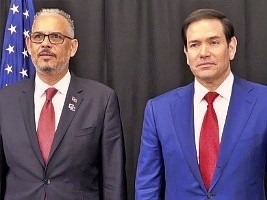
    In a significant diplomatic engagement on the sidelines of the 50th CARICOM Heads of State Summit in Basseterre, Saint Kitts and Nevis (February 24-27, 2026), Haitian Prime Minister Alix Didier Fils-Aimé convened with U.S. Secretary of State Marco Rubio to reinforce strategic bilateral cooperation between their nations.

    The high-level meeting, characterized by open dialogue and results-oriented diplomacy, focused on sustainable institutional stabilization, enhanced public security measures, and establishing frameworks for credible electoral processes in Haiti. Central to discussions was the recently established ‘Pact to Rebuild National Stability and Guarantee Credible Elections,’ which Secretary Rubio endorsed as a critical political breakthrough demonstrating unity among Haiti’s political factions and civil society.

    Security concerns dominated the agenda, with Prime Minister Fils-Aimé detailing governmental efforts to reestablish state authority and dismantle criminal networks undermining public safety. Both leaders emphasized the necessity of strengthened bilateral cooperation to boost operational capabilities of Haitian security forces through enhanced training, equipment, and intelligence sharing.

    Particular attention was given to mobilizing international support for the Gang Repression Force (FRG), addressing needs for specialized personnel, strategic equipment, logistical infrastructure, and financial backing. The officials committed to collaborative efforts ensuring effective implementation of this security initiative, recognizing its fundamental importance in restoring republican order and creating conditions for democratic transition.

    The meeting concluded with mutual commitment to ongoing strategic dialogue, reflecting shared responsibility in addressing Haiti’s governance and security challenges while fostering international confidence in the country’s stabilization efforts.

  • ‘RIP, Ninja Man’: Health warnings echo through City streets as street character dies

    ‘RIP, Ninja Man’: Health warnings echo through City streets as street character dies

    The sudden passing of Anthony Fitzpatrick Lynch, widely known as ‘Ninja Man,’ has created an emotional void across Bridgetown’s vibrant streets where he became both a legendary character and controversial figure. His death this Tuesday has ignited profound reflections on mental health awareness, social care systems, and the complex relationships between street personalities and their communities.

    Interviews conducted throughout the capital reveal deeply divided yet heartfelt perspectives on Lynch’s legacy. Vendors and regular pedestrians described him as “everybody’s boy”—a man whose unpredictable behavior ranged from delightfully eccentric to profoundly troubling. Vino Williams, emotionally capturing the prevailing sentiment, noted: “He gave enough trouble when ready, but was everybody’s baby regardless.”

    The conversation has evolved beyond mourning into urgent public health discourse. Frankie Browne, a local entertainer, emerged as a vocal advocate for systematic health interventions: “This tragedy underscores the critical need for all street individuals—and indeed every Barbadian—to undergo regular health screenings. We cannot wait until crisis strikes to address medical needs.”

    Memories of Ninja Man paint a portrait of contradictions: a non-violent yet disruptive presence who wore nurses’ uniforms and formal dresses with equal flair, slept near government buildings, and offered quirky wisdom to passersby. His 2023 alleged theft of $100,000 in historical artifacts from the Parliament Buildings, including National Hero Errol Barrow’s boots—later accidentally destroyed by police during his apprehension—added layers to his complex narrative.

    Ricardo Maynard offered psychological insight: “He clearly faced unresolved challenges that manifested in unpredictable behavior. We must understand such individuals through compassionate lenses rather than mere judgment.”

    Not all recollections were fond. A critic identified as Foxx called him “a societal nuisance” whose actions necessitated increased security measures around government properties.

    As Bridgetown adjusts to his absence, Ninja Man joins Barbados’ folklore of unforgettable street personalities like Tallah-Lallah and Gearbox. His legacy now serves as both a cultural memory and a catalyst for meaningful dialogue about mental healthcare accessibility and proactive public health strategies for vulnerable populations.

  • Security : High-level strategic meeting on strengthening national security

    Security : High-level strategic meeting on strengthening national security

    In a significant move to address Haiti’s pressing security challenges, Acting Prime Minister Patrick Pélissier convened a high-level strategic meeting on February 25, 2026, focusing on national security reinforcement and institutional stability. The Justice Minister, serving as interim leader during Prime Minister Fils-Aimé’s attendance at the 50th CARICOM Conference in Saint Kitts and Nevis, orchestrated this crucial gathering that united top governmental and law enforcement officials.

    The high-stakes session assembled the Haitian National Police (PNH) High Command, central government representatives, and Delmas Mayor Wilson Jeudy. Following Prime Minister Fils-Aimé’s directives, key PNH operational divisions participated extensively, including the General Directorate, Central Directorate of Judicial Police, Central Directorate of Administration and Police, alongside West 1 and 2 Departmental Directorates.

    Deliberations yielded comprehensive security enhancement mechanisms designed to:

    • Optimize mobile patrol deployments and stationary checkpoint operations
    • Intensify preventive measures and law enforcement activities across all ten geographic departments
    • Expand police presence through additional outposts and forward operating bases
    • Strengthen internal troop supervision while ensuring clear officer identification protocols
    • Enhance intelligence-driven traffic interventions and targeted search operations

    These measures demonstrate the government’s dedication to reestablishing state authority, safeguarding citizens and property, and dismantling criminal networks while maintaining strict adherence to legal frameworks and fundamental rights.

    The administration highlighted the critical importance of structured community collaboration, identifying citizen participation—particularly through alert systems for kidnapping incidents and suspicious activities—as fundamental to national security strategy.

    This coordinated effort between law enforcement agencies, judicial authorities across eighteen jurisdictions, and municipal governments aims to foster an environment of confidence, stability, and optimism for all Haitian citizens.

  • West Indies Women end series on a high

    West Indies Women end series on a high

    In a spectacular display of individual prowess, the West Indies Women’s cricket team secured a commanding six-wicket triumph against Sri Lanka Women in the third One Day International at National Stadium on Wednesday. Despite the emphatic victory, the hosts conceded the three-match series 2-1 to the visiting Sri Lankan side.

    The match will be remembered as Hayley Matthews’ masterclass, with the West Indies captain delivering a Player-of-the-Match performance through her magnificent century that anchored a successful chase of 218 runs. Matthews’ leadership ensured her team concluded the series with significant momentum despite the overall series defeat.

    Sri Lanka’s decision to bat first immediately backfired as Matthews demonstrated her all-round capabilities, claiming the crucial wicket of Chamari Athapaththu for a duck in her opening over. The visitors struggled against disciplined West Indian bowling throughout their innings, though Harshitha Samarawickrama provided stability with a composed 70-run contribution. Supported by Hasini Perera (27) and Vishmi Gunaratne (26), Samarawickrama helped rebuild the innings before Kavisha Dilhari’s explosive unbeaten 45 propelled Sri Lanka to a competitive 217/7 from their allotted 50 overs.

    The West Indies response began disastrously, crumbling to 12/2 within four overs as Qiana Joseph and Shemaine Campbelle fell cheaply. This early collapse set the stage for a remarkable recovery orchestrated by Matthews and veteran Stafanie Taylor. Their monumental 124-run partnership for the third wicket transformed the game’s dynamics, combining tactical patience with aggressive strokeplay.

    During this critical stand, Taylor achieved a historic personal milestone, becoming only the second cricketer in women’s ODI history to surpass 6,000 runs. Her steady presence allowed Matthews to accelerate freely, culminating in the captain’s tenth ODI century—a powerful statement of her dominance in the format.

    Following Taylor’s departure for 38, Chinelle Henry (32*) and Deandra Dottin (24*) efficiently completed the chase with an unbroken 49-run partnership, reaching the target with four overs remaining.

    The post-match ceremony highlighted the series outcome, with Sri Lanka’s Harshitha Samarawickrama earning Player-of-the-Series honors for her consistent batting performances. For West Indies, the victory provides crucial momentum as they transition to the T20 format, demonstrating their considerable potential despite the series loss.

  • Abinader inaugurates Bayaguana–El Puerto highway, linking East and Northeast

    Abinader inaugurates Bayaguana–El Puerto highway, linking East and Northeast

    BAYAGUANA, Dominican Republic – President Luis Abinader has officially opened the Bayaguana–El Puerto highway, a transformative infrastructure project that resolves a longstanding transportation deficit for historically marginalized communities. This critical artery forms an integral segment of a broader 103-kilometer corridor, establishing unprecedented connectivity between the Eastern Region and the Northeast without requiring transit through Santo Domingo.

    Public Works Minister Eduardo Estrella emphasized the highway’s multifaceted benefits, highlighting drastic reductions in travel duration, enhanced road safety protocols, and the facilitation of robust economic activity between agricultural, commercial, and tourism hubs. This initiative is part of an extensive regional development push, with 27 concurrent infrastructure ventures in Monte Plata province alone, collectively adding over 100 kilometers of new roadways to better integrate Central Cibao with the Northeast.

    The infrastructure directly serves numerous communities—including El Mamón, Libonao, Los Manantiales, and Copey—by drastically improving accessibility to essential services like healthcare and education while simultaneously reducing transportation overheads. Economically, it is poised to boost output for key local products such as citrus, cocoa, livestock, ginger, and honey, in addition to improving travel to cultural and ecological sites like the National Sanctuary of Santo Cristo de los Milagros.

    Hailed by local authorities as a landmark achievement after a 30-year wait, the project also encompassed the paving of 2.3 kilometers of urban streets in Bayaguana and Copey, where residents celebrated their first-ever paved roads. The main thoroughfare extends 20.3 kilometers, designed with dual 3.65-meter lanes, pedestrian walkways, advanced drainage systems, comprehensive signage, and an 80 km/h speed rating.

    In conjunction with the recently inaugurated Villa Riva highway, the Bayaguana–El Puerto roadway signifies a pivotal shift in the nation’s interprovincial connectivity, effectively dismantling historical barriers and redrawing the Dominican Republic’s logistical and economic map.