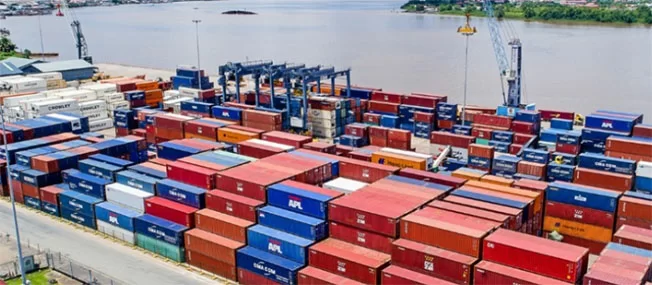
Despite the recent imposition of broad import tariffs by the United States, trade between Latin America and the Caribbean is projected to grow significantly in 2025, according to a report released by the United Nations Economic Commission for Latin America and the Caribbean (ECLAC). The report, presented on Wednesday, indicates that the impact of the US tariffs has been less severe than initially feared. The value of regional exports is expected to rise by 5% this year, up from 4.5% in 2024, driven by a 4% volume growth and a modest 1% price increase. Mexico, the region’s largest exporter, is also anticipated to see a 5% growth in exports. The limited effect of the US tariffs is attributed to strong demand in the early months of the year, with American companies accelerating imports and building inventories in anticipation of higher tariffs. Additionally, robust trade dynamics among Asian economies have contributed to global trade stability. However, ECLAC warns that the outlook for 2026 is less favorable, with growth in international goods trade expected to slow due to reduced inventory buildup and potential new trade tensions. The export of services from the region is projected to grow by 8% this year, slightly down from 9% in 2024. Between January and August, prices for key export commodities from the region rose by an average of 1.7%, compared to a 2.1% decline in the same period last year. ECLAC attributes the upward revision in expectations to the strong trade momentum in the first half of the year. Currently, the effective average US tariff on Latin American goods is 10%, seven percentage points lower than the global average. However, the commission cautions that this relatively favorable position could change quickly due to trade deficits and geopolitical developments. ECLAC advises regional countries to diversify their trade relationships and deepen regional integration to enhance economic resilience in a world where trade policy is increasingly used as a strategic tool.
作者: admin
-
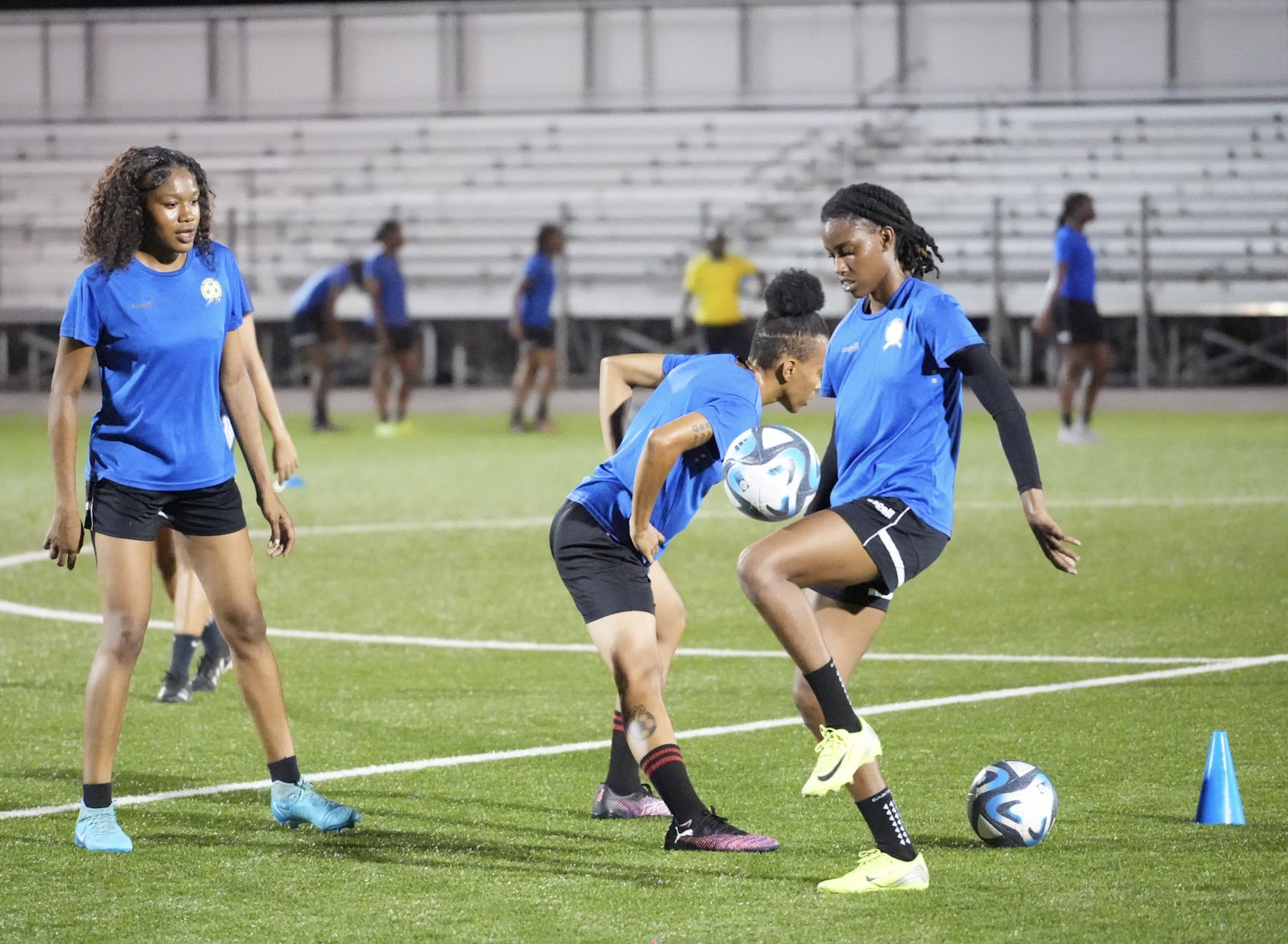
Barbados to host Trinidad and Tobago for Concacaf W Qualifier
The Lady Tridents of Barbados are set to face Trinidad and Tobago in a pivotal match of the 2025/26 Concacaf W Qualifiers on Monday, December 1, at the Kensington Oval. Head Coach Kerry Trotman has passionately called on fans to rally behind the team, emphasizing the unique thrill of playing on home soil. “Representing your nation in front of a supportive home crowd is an unparalleled experience,” Trotman remarked. “I urge all Bajans to come out and show their unwavering support, especially during this patriotic weekend.” She added that the team’s preparations are progressing smoothly, with the final squad selection underway, ensuring the players are ready to take on Trinidad with pride. BFA President Randy Harris expressed his enthusiasm for hosting an international women’s football match in Barbados, highlighting the association’s dedication to advancing women’s football. “Women’s football is gaining global momentum, and the BFA is fully aligned with FIFA’s vision to unlock its full potential and accelerate its growth worldwide,” Harris stated. “We remain committed to strengthening all facets of the women’s game locally, making it a top priority.” The Lady Tridents are placed in Group F of the Concacaf W Qualifiers, alongside Trinidad and Tobago, El Salvador, and Honduras. The upcoming rounds of matches are scheduled for February (vs. El Salvador) and April (vs. Honduras) during the FIFA Women’s International Match Windows in 2025. The six group winners will secure a spot in the 2026 Concacaf W Championship, which serves as the qualifier for the 2027 FIFA Women’s World Cup and the 2028 Summer Olympics. Admission to the match is free, encouraging widespread attendance and support for the Lady Tridents.
-
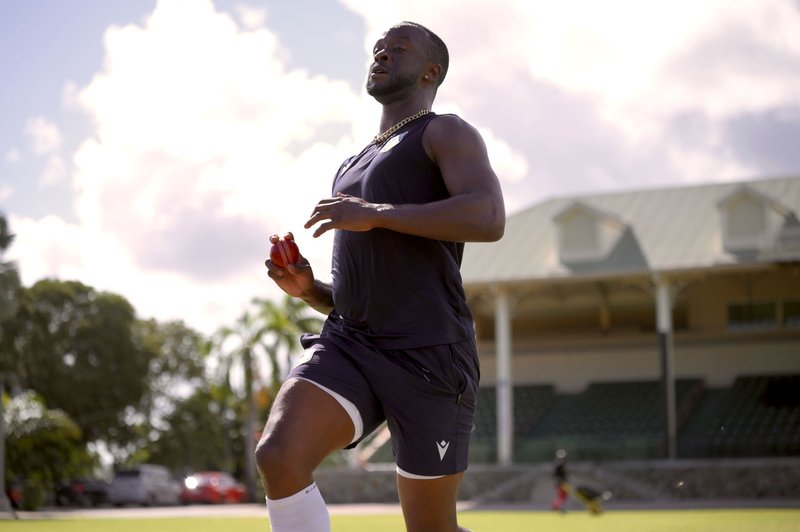
Roach recall key to West Indies’ hopes, says Sammy
West Indies head coach Daren Sammy has expressed strong confidence in the inclusion of veteran fast bowler Kemar Roach for the upcoming Test series against New Zealand, asserting that his presence will significantly enhance the team’s competitiveness. Roach’s selection comes at a crucial time, as the West Indies grapple with injuries to key fast bowlers Alzarri Joseph, Shamar Joseph, Ramon Simmonds, and Jediah Blades. The 37-year-old Barbadian, who recently participated in a High-Performance camp organized by Cricket West Indies (CWI), is set to spearhead the bowling attack alongside Jayden Seales. Roach’s career appeared to be winding down after he was omitted from the Test squads against Australia and India earlier this year. However, his last appearance for the Windies in January’s drawn series against Pakistan showcased his enduring skill. Sammy highlighted Roach’s impressive track record against New Zealand, where he has claimed 36 of his 284 Test wickets, emphasizing that his experience and discipline will be pivotal in challenging the fifth-ranked Kiwis. The coach also hinted that a strong performance by Roach could complicate future selection decisions, especially with Alzarri and Shamar expected to return next year. Sammy expressed optimism about the depth of West Indies’ fast bowling resources, envisioning a scenario where multiple performers, including Roach, could elevate the team’s prospects in upcoming series against Sri Lanka, Pakistan, and Bangladesh.
-
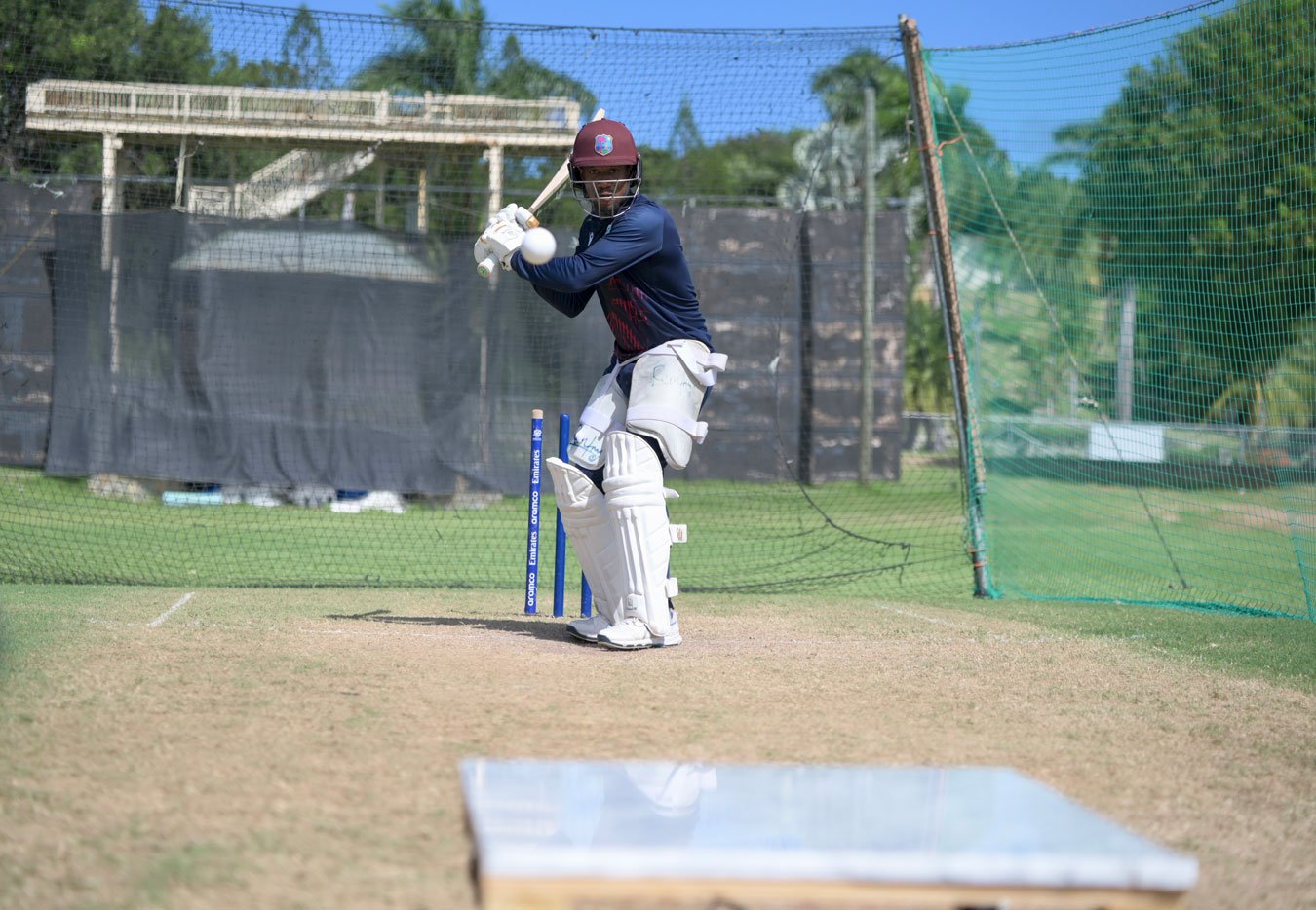
Shields earns maiden call-up as WI gear up for NZ tests
The West Indies cricket team has introduced fresh talent to its 15-member Test squad for the upcoming three-match series against New Zealand, commencing next month. Ojay Shields, a promising Jamaican fast bowler, has received his maiden call-up, stepping in to fill the void left by injured frontline pacers Alzarri Joseph and Shamar Joseph. Shields, who has claimed 34 wickets in 16 first-class matches, will join seasoned campaigner Kemar Roach and Jayden Seales to form a relatively inexperienced pace attack. Additionally, middle-order batsman Kavem Hodge has been recalled to the squad, bringing his experience of 11 Tests and 556 runs to the table. The team, which assembled in New Zealand on November 20, will benefit from a two-day warm-up match against a New Zealand XI in Lincoln, Christchurch, to acclimatize to local conditions. Miles Bascombe, CWI’s Director of Cricket, emphasized the meticulous preparation undertaken for this challenging tour, including a high-performance camp in Antigua designed to simulate New Zealand’s pace-friendly pitches. The series, part of the 2025-2027 ICC World Test Championship, marks the West Indies’ final fixture for 2025. The squad, led by Roston Chase, is supported by a comprehensive team management unit, including head coach Daren Sammy and a host of specialized coaches and support staff. The tour schedule includes warm-up matches and three Tests across Christchurch, Wellington, and Mount Maunganui, promising an exciting contest between the two cricketing nations.
-

Colombia: Senator states Peace Agreement impacted social conscience
Carlos Gallo, a former member of the last secretariat of the Revolutionary Armed Forces of Colombia-People’s Army (FARC-EP), recently shared insights with Prensa Latina on the implementation of Colombia’s historic peace agreement. Gallo emphasized that the process was fundamentally a political endeavor, rather than a mechanical checklist of fulfilled terms. He noted that the government succeeding Juan Manuel Santos’s administration (2010-2018) opposed the agreement, creating significant political tension and resistance for four years. Despite this, a coalition of political and social forces emerged to safeguard the peace process from complete collapse. Gallo highlighted that the agreement catalyzed profound political and social transformations, including the election of Colombia’s first progressive government. The Final Peace Agreement, signed at the Colon Theater in Bogotá, marked the end of nearly four years of negotiations in Cuba and over 50 years of armed conflict with FARC-EP. As the agreement approaches its ninth anniversary on November 24, Gallo’s reflections underscore its enduring impact on Colombia’s political landscape.
-
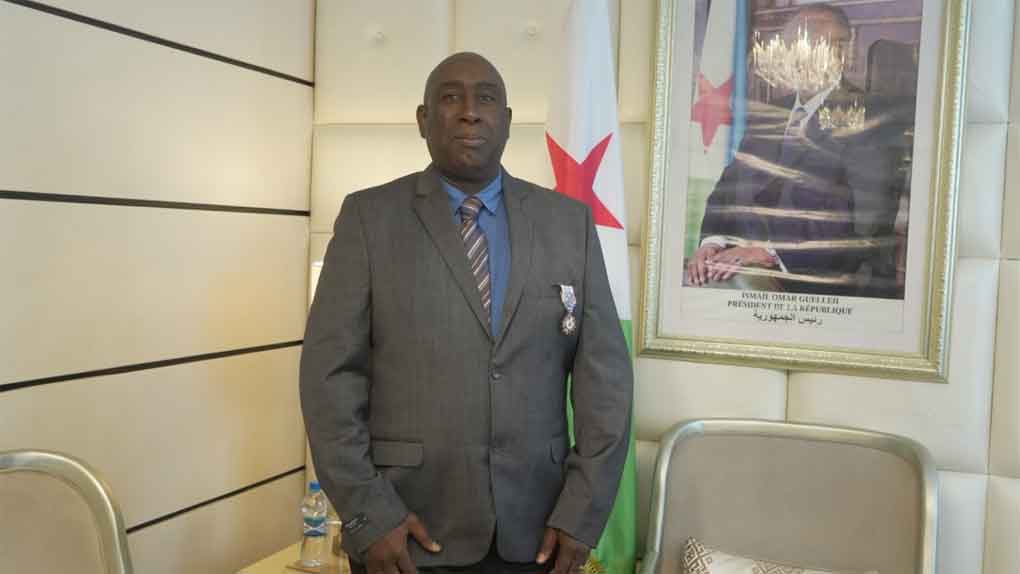
Head of Cuban Medical Brigade receives high distinction in Djibouti (+Photo)
In a prestigious ceremony held at the Hall of Honor of the local government in Djibouti, Dr. Gonzalez Cruz was awarded one of the nation’s highest distinctions for his exceptional contributions to the healthcare sector. The accolade acknowledges his leadership in coordinating dozens of Caribbean doctors who have significantly bolstered Djibouti’s national health system and expanded specialized services across multiple hospitals. The award also highlights Dr. Cruz’s unwavering professionalism, dedication to patient care, and the exemplary quality of cooperation between Djibouti and Cuba, which stands as a cornerstone of solidarity between the two nations. The event was graced by the presence of the Cuban Ambassador to Djibouti, Marcelo Caballero Torres, alongside members of the diplomatic and medical missions. Notably, the ceremony coincided with Djibouti’s Independence Day on June 27th, commemorating the country’s liberation from France in 1977 and its establishment as an independent republic.
-
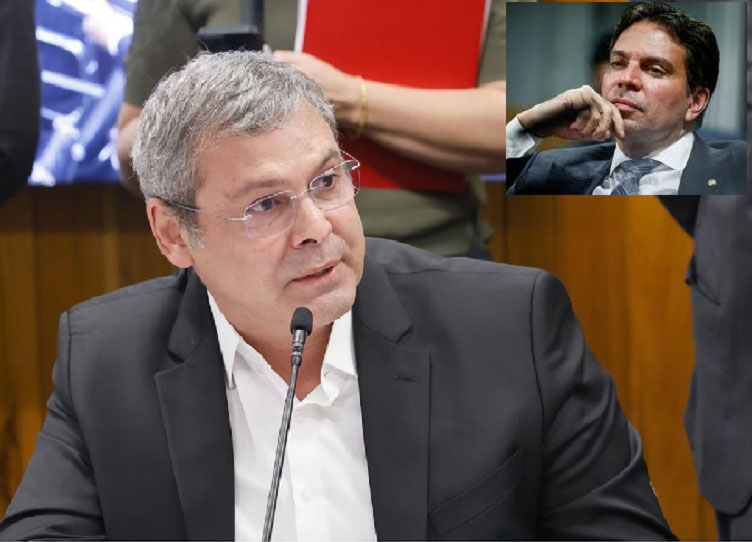
Brazil’s PT calls for arrest of coup-plotter congressman
In a significant development, Lindbergh Farias, the leader of the Workers’ Party (PT) in the Chamber of Deputies, has formally submitted a request to the Supreme Federal Court (STF) concerning the escape of Congressman Ramagem. Farias has accused Ramagem of using an irregular passport, violating precautionary measures, and posing a concrete risk to the enforcement of criminal law. Ramagem was sentenced to 16 years, one month, and 15 days in prison for his involvement in an attempted coup against democracy. Farias has taken to social media to publicize his actions and detail the measures already undertaken. In his statement, he emphasized the urgency of including Ramagem’s name on Interpol’s red list to facilitate his capture. Additionally, Farias has called for Ramagem’s extradition to Brazil to ensure he serves his sentence following the final ruling. According to Farias, Ramagem’s escape to the United States is fundamentally incompatible with the court’s imposed sentences, underscoring the need for swift international cooperation to uphold justice.
-

US pressures Europe to define interests on Ukraine
At a recent press conference, a German official revealed that Washington has actively engaged Ukrainian and European leaders to outline their core interests and integrate them into ongoing discussions. Analysts view this move as a strategic effort to distribute the responsibilities of a protracted military stalemate in Ukraine. Geopolitical experts suggest that this diplomatic initiative by the United States aims to alleviate the burdens of a conflict that predominantly impacts NATO’s hegemonic interests, especially after failing to secure decisive military victories against Russia. Berlin has asserted that the current line of contact should serve as the foundation for any future agreements, a stance widely interpreted as an implicit acknowledgment of the shortcomings of Ukraine’s counteroffensive and the constraints of Western military and economic support. Cornelius, a key figure in the discussions, underscored that any accord involving European states, the European Union, and NATO must receive unanimous approval from all allies. This requirement highlights the deepening fissures within the Atlantic alliance as member states grapple with the escalating military and economic pressures of the ongoing conflict.
-
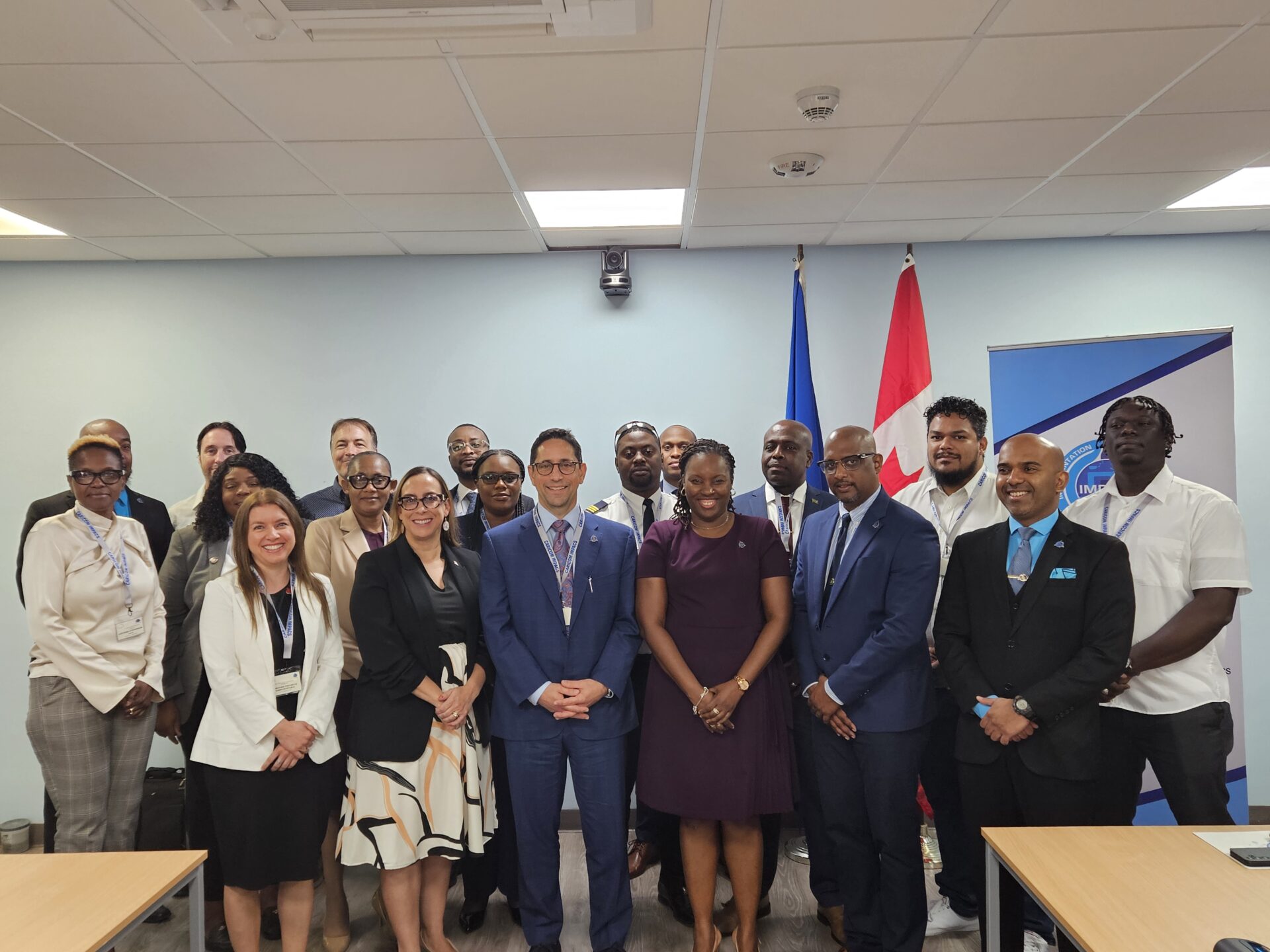
CARICOM IMPACS workshop enhances collective efforts to combat illegal glass eel trafficking
A high-level workshop addressing the illegal trafficking of glass eels, a critical issue linked to transnational organized crime, commenced on November 20, 2025, in Bridgetown, Barbados. Organized by CARICOM IMPACS, the event brought together law enforcement, customs, fisheries, and environmental protection agencies from across the Caribbean to strengthen their investigative capabilities and combat this growing threat.
-
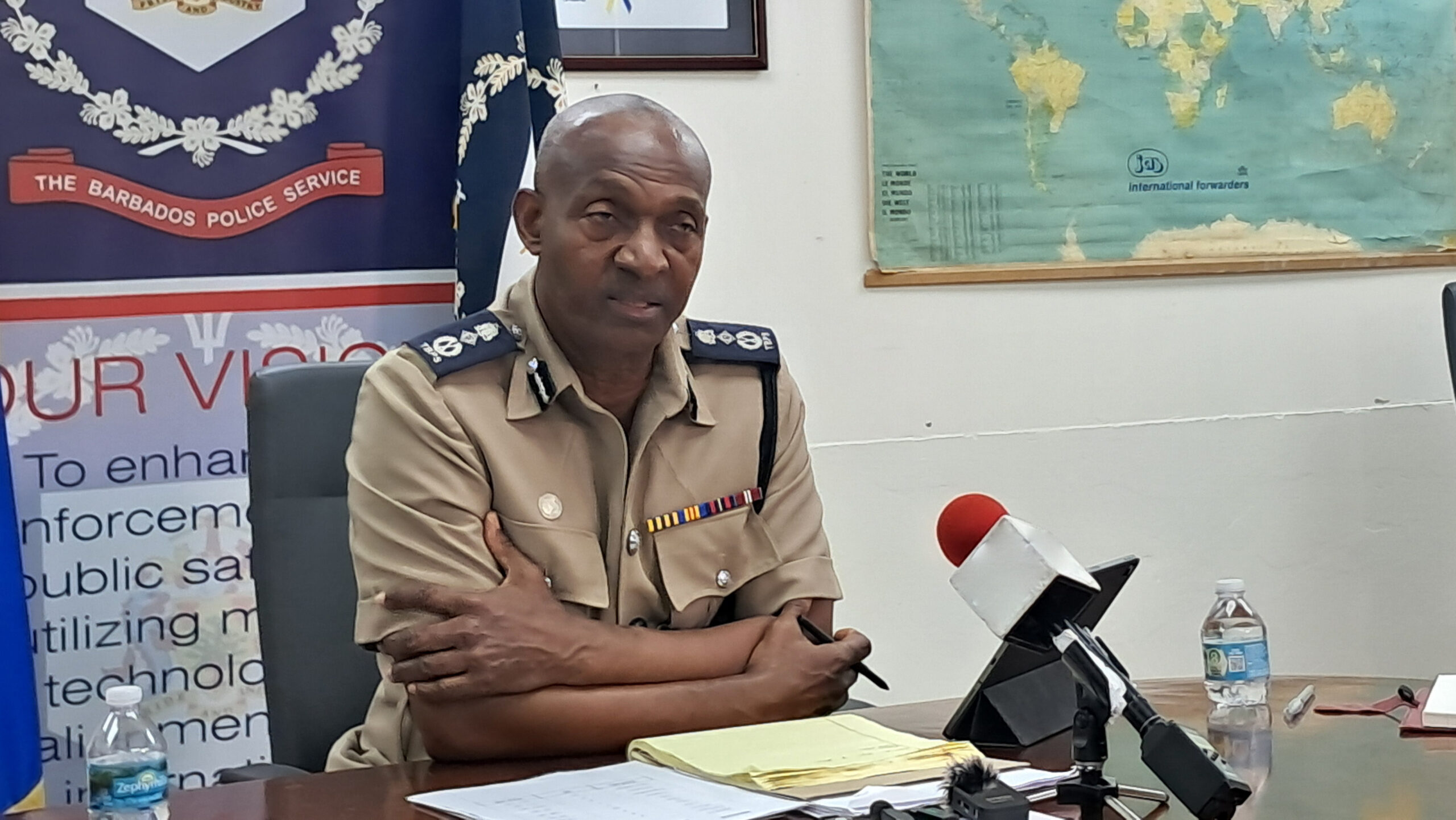
Police chief: No leniency on gun attackers after shootout
Barbados Police Commissioner Richard Boyce has issued a stern warning to individuals involved in the illegal possession, trafficking, and use of firearms, emphasizing that the Barbados Police Service will adopt a zero-tolerance approach to gun violence. His statement comes in the wake of a recent shootout near Westbury Cemetery, where officers were fired upon while responding to a drive-by shooting on President Kennedy Drive. Boyce declared, ‘We are coming for you,’ signaling an intensified crackdown on those who endanger communities with illegal firearms. He stressed that the police will not tolerate any threats to public safety, particularly from individuals who target law enforcement. ‘Anyone who points a firearm at a police officer in the lawful execution of duty is attacking the state itself,’ Boyce asserted, promising a robust and decisive response. He highlighted the reckless behavior of a small but dangerous group of offenders, noting that most firearm-related incidents stem from personal conflicts and criminal activities. Despite these challenges, Boyce reassured the public that Barbados is not ‘under siege,’ crediting the police’s community-focused efforts for a recent month without gun-related homicides. The police service has identified crime hotspots and plans to increase patrols, particularly during upcoming Independence and Christmas celebrations. Enhanced road policing, vehicle checks, and the introduction of new police motorcycles, including electric units, are part of the strategy to improve response times. So far this year, authorities have seized 79 firearms and 2,754 rounds of ammunition, including high-powered weapons like AR-15 and AK-47 assault rifles.