
In a captivating new memoir, the acclaimed choreographer and brother of legendary ballerina Maya Plisetskaya offers a profound glimpse into the 20th-century art world and the luminaries of Russian ballet. His narrative weaves through a life deeply connected to dance, particularly in Cuba, where he left an indelible mark. In 1963, under a cultural agreement between the Soviet Union and Cuba, he was appointed as the principal partner of Alicia Alonso at the National Ballet of Cuba, a role he held for eight of his ten years in the country. During this transformative period, he not only performed but also taught at the Havana Ballet Academy, honing his craft as a choreographer. His creative genius gave birth to iconic ballets such as *La Avanzada* (1964), *Primer Concierto* (1971), and his magnum opus, *Canto Vital* (1973). These works remain staples of the Cuban repertoire and have been embraced by ballet companies worldwide, cementing his legacy as a pivotal figure in the global dance community.
作者: admin
-
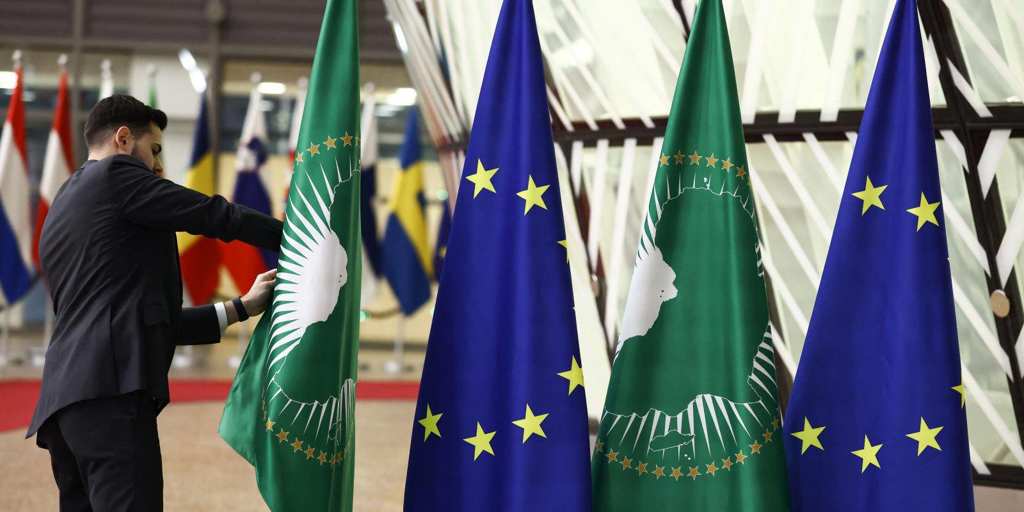
Delegations arriving in Angola for the AU-EU summit
Jorge Cardoso, the Director for Africa, the Middle East, and Regional Organizations at the Angolan Ministry of Foreign Affairs, has announced that 42 heads of state and government have confirmed their participation in an upcoming international summit. Delegations are scheduled to arrive between Saturday and Sunday, with some expected to land as late as Monday. Notably, 42 delegations hail from the African continent, while 26 represent the European bloc. Cardoso, serving as the event’s spokesperson, emphasized the significant European presence, with 14 delegations led by heads of state or government. The summit will also feature the participation of United Nations Secretary-General Antonio Guterres, alongside representatives from key UN specialized agencies. Additionally, the president of the African Development Bank, Sidi Ould Tah, and delegates from various regional organizations have confirmed their attendance, underscoring the event’s global significance.
-
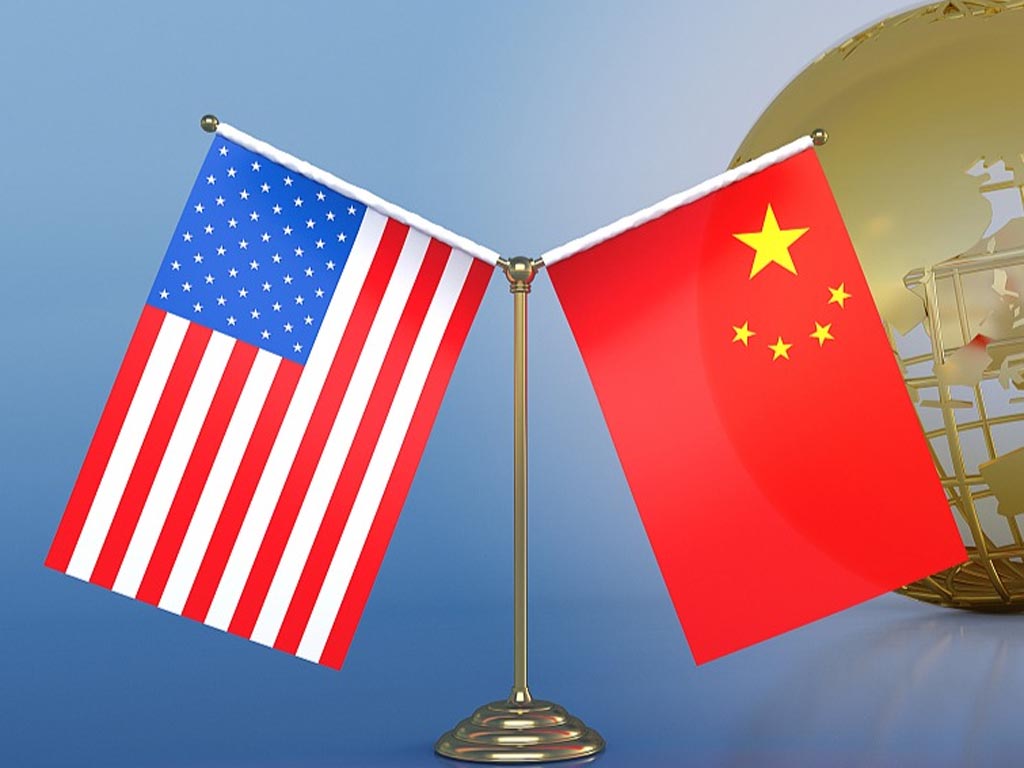
China and the US exchanged views on maritime military security
From November 18 to 20, China and the United States engaged in high-level discussions to address maritime and air security concerns, as reported by the Chinese military’s official WeChat account. The talks focused on evaluating the current state of bilateral security and analyzing typical scenarios involving naval and air force encounters. Both sides reviewed the annual implementation of the ‘Code of Conduct for Safe Encounters between China and the United States Maritime and Air Forces,’ a framework designed to enhance operational professionalism and safety. Additionally, the delegations explored measures to improve the management of maritime military security and agreed on preliminary topics for the 2026 working group meeting. The discussions underscored the importance of this mechanism in reducing the risk of misunderstandings and strengthening crisis management capabilities. China reiterated its firm stance against any actions, under the guise of freedom of navigation or overflight, that infringe upon its sovereignty and security.
-

COP30 loopt vast: diepe kloof over afbouw fossiele brandstoffen
The COP30 climate negotiations in Belém, Brazil, have reached a critical impasse as participating nations remain deeply divided over the future of fossil fuels, the central theme of this year’s summit. Weeks of discussions have failed to bridge the gap between countries advocating for a rapid phase-out of oil, gas, and coal and those resisting such measures. The latest draft of the final agreement notably omits any reference to phasing out fossil fuels, drawing sharp criticism from a coalition of nations, scientists, and climate organizations, who argue that this omission is incompatible with the Paris Agreement goals. Small island states, European countries, and some Latin American nations are pushing for binding commitments to accelerate the transition away from fossil fuels. On the opposing side, major oil and gas producers, including Gulf states, Russia, and several African and South American nations, argue that a hard exit from fossil fuels would destabilize their economies. Instead, they advocate for emissions reductions and technological solutions like carbon capture, without binding production limits. Another major sticking point is climate financing. Developing nations are demanding concrete commitments for funds addressing loss and damage, forest protection, and compensation for the economic impacts of climate measures. Wealthy nations, however, remain hesitant to commit without broader participation from emerging economies like China, India, and Brazil. Host country Brazil has called for unity, warning that a failure to reach an agreement would severely weaken global climate action. However, the negotiations have been further complicated by logistical issues, a fire at the conference center, and growing frustration among participants and civil society organizations. The core of the deadlock is clear: while the world seeks to reduce CO₂ emissions, not all nations are willing to cut oil and gas production. Developing countries demand financial guarantees before making commitments, and wealthy nations fear legally binding obligations. Without breakthroughs on fossil fuels and climate financing, a robust final agreement remains unlikely.
-
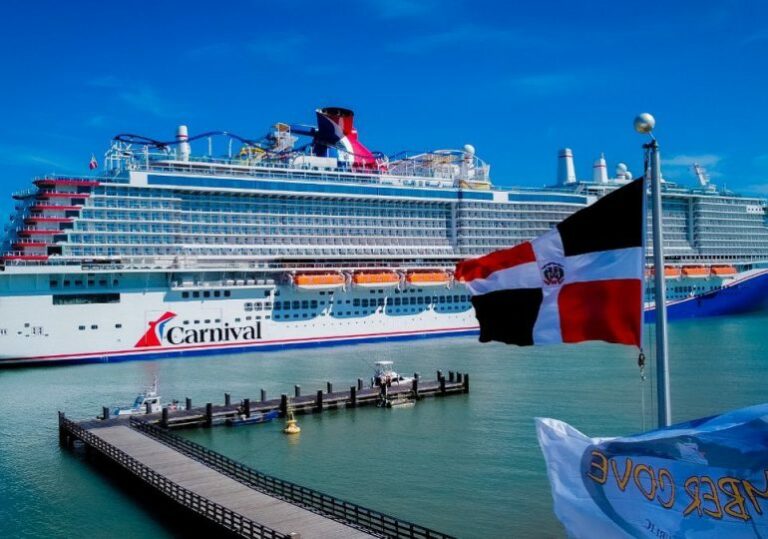
Carnival Cruise Line will be offering longer trips to the Dominican Republic.
Carnival Cruise Line has unveiled a strategic redeployment of its fleet for the 2027-28 season, responding to unprecedented consumer demand by introducing extended Caribbean itineraries and optimizing vessel assignments across key homeports. The comprehensive restructuring will position four ships from Galveston, Texas, beginning November 2027, offering voyages ranging from four to ten days throughout the Caribbean basin.
The revised deployment strategy features distinct itinerary patterns based on duration. Shorter cruises will focus primarily on Mexican destinations including Cozumel and Progreso, while extended voyages will encompass an expansive array of ports across multiple nations. These longer journeys will include calls at Belize, Grand Turk, Amber Cove in the Dominican Republic, Limón in Costa Rica, Colón in Panama, Roatán, Grand Cayman, and Montego Bay, Jamaica, alongside Carnival’s private destinations of Celebration Key and Half Moon Cay.
Notable itinerary innovations include Carnival Sunshine’s introduction of eight new cruises featuring a specialized 10-day circuit visiting Cozumel, Isla Tropicale, Montego Bay, and Grand Cayman. Simultaneously, Carnival Spirit will operate from Tampa, Florida, offering six to eight-day voyages to Belize, Grand Cayman, Ocho Rios in Jamaica, and Mexican ports. The Spirit will additionally deploy six eight-day Panama Canal itineraries visiting Limón, Grand Cayman, and Colón, culminating in an exceptional 13-day Carnival Journeys cruise on January 30, 2028, with extended port calls in Grand Cayman, Limón, Colón, Aruba, Curaçao, and Ocho Rios.
A significant vessel reassignment will see Carnival Sunshine, with its 3,000-passenger capacity, repositioned to Galveston instead of Carnival Spirit, which will transition to Tampa operations. This capacity enhancement strategically addresses growing demand from the Texas market while enabling the introduction of novel longer-duration Caribbean voyages from Florida.
Christine Duffy, President of Carnival Cruise Line, emphasized the consumer-driven nature of these changes: ‘This strategic redeployment allows us to serve increased guest demand in Galveston while simultaneously introducing new, extended Caribbean itineraries for travelers departing from Tampa.’ The comprehensive fleet optimization demonstrates Carnival’s commitment to matching vessel capacity with market demand while expanding destination options for Caribbean-bound travelers.
-
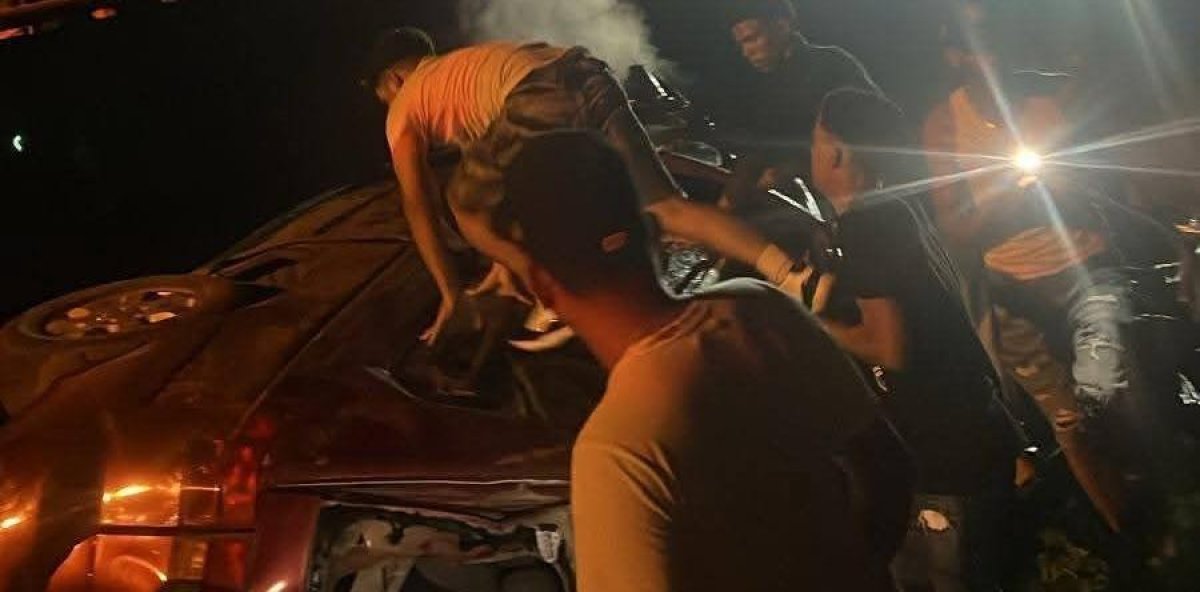
They fell into the river 23 Haitians injured after bus crashes and catches fire in Valverde
A severe accident in the community of El Maizal, Valverde province, left 23 Haitian nationals injured after the minibus they were traveling in lost control, plunged into a river, and subsequently caught fire. The incident occurred last Friday night, prompting a swift and coordinated response from the National Emergency and Security System 9-1-1. Among the injured were four minors, three women, and 16 men, all of whom received immediate pre-hospital care and initial medical evaluations. Emergency services, including 13 ambulances from the Directorate of Out-of-Hospital Emergency Care Services (DAEH), two units from the General Directorate of Traffic Safety and Land Transport (Digesett), and teams from the National Police, Fire Department, and Military and Police Commission (Comipol), converged on the scene. Firefighters worked tirelessly to extinguish the blaze and secure the area, while medical personnel conducted victim triage, stabilization, and transport to nearby health centers. Simultaneously, Digesett, Comipol, and the National Police managed traffic flow and ensured perimeter safety during the rescue operations. The identities and immigration statuses of the victims remain undisclosed, with authorities expected to release a detailed report on the incident shortly.
-
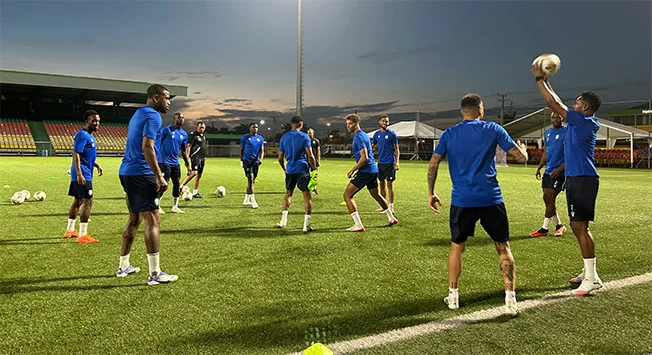
Column: Voorbereidingen op play-off tegen Bolivia per direct van start
Following a disappointing 3-1 loss to Guatemala, the Natio men’s football team, under coach Menzo, will face intercontinental playoffs in March next year for one of the final two World Cup tickets. Their journey begins against Bolivia, with a potential follow-up match against Iraq. As the team looks ahead, it’s crucial to dissect the factors behind Tuesday night’s defeat and strategize for future success. While the technical staff’s decision to alter the lineup raised questions—such as why Boëtius was benched while Jubitana and Chery started—the focus should be on the subpar preparation. After a stellar 4-0 victory against El Salvador, the team had five days to recover and prepare. However, the logistics were far from ideal. The squad flew via Panama to Guatemala, arriving at their hotel after midnight. A direct charter flight on Friday would have been less exhausting and provided an extra day to acclimatize to the 1,500-meter altitude. Despite the luxurious hotel, delayed meals and the growing presence of fans disrupted the players’ routine. The training sessions were equally problematic. On Sunday, the intended stadium was closed, forcing a last-minute scramble for an alternative location across Guatemala City. The team, escorted by heavily armed military jeeps, navigated through heavy traffic, arriving at a poorly lit field. The next day, training was canceled due to a waterlogged pitch, and the team had to train at a distant sports complex. While Natio’s preparation pales in comparison to European Champions League teams, it’s essential to control as many variables as possible. Looking ahead, the team must lobby to avoid playing in Guadalajara’s high altitude, secure a suitable hotel and training facility, and negotiate efficient travel arrangements. With these measures, Natio can ensure their next opponent doesn’t have the upper hand.
-

It all depends on the color… Subtracting from the positive signs of the Dominican Republic’s economy
The Dominican Republic faces a complex economic landscape as the International Monetary Fund (IMF) emphasizes the urgent need for fiscal and structural reforms. While the country has demonstrated resilience in navigating a turbulent global environment, concerns persist over stagnant incomes, chronic budgetary deficits, and rising public debt. The IMF has called for immediate action to address these issues, particularly in the electricity sector, where subsidies are escalating while revenue from energy supply declines. Economist Rosa Cañete Alonso echoed these concerns, warning that the nation is trapped in a cycle of stagnant revenues and rigid spending, prioritizing debt repayment over future investments. Despite these challenges, the Central Bank of the Dominican Republic highlighted positive developments, noting sustained economic growth and a 3% increase in Foreign Direct Investment (FDI) in 2024, contrasting with an 11% global decline. The Central Bank emphasized the country’s ability to cover its current account deficit and strengthen its regional economic position. However, the opposition has criticized the government, accusing it of economic mismanagement and deteriorating public services. Columnist José Luis Taveras urged the opposition to move beyond unconstructive criticism and propose viable solutions. As the Dominican Republic balances optimism with pressing reforms, the path to sustained economic stability remains a critical focus.
-

Regering geeft SRD 1000 aan ambtenaren en kwetsbare groepen
In a significant move to support vulnerable populations, the Surinamese government has announced a one-time, tax-free payment of SRD 1000 for civil servants, individuals with disabilities, low-income households, and pensioners in December 2025. The decision, unveiled by the Cabinet of the President, underscores the administration’s commitment to social responsibility. While the total cost of this initiative remains undisclosed, the government emphasizes its focus on aiding the working class, which plays a pivotal role in societal functioning, as long as financial conditions permit. The payment is intended as a gesture of gratitude for the contributions of these groups throughout 2025. Additionally, the government highlights the need to prioritize vulnerable households, according to the Suriname Communication Service. Despite the country’s ongoing financial challenges, the administration deems it essential to provide such support. Since taking office, the government has implemented measures to reduce income tax on overtime, holiday allowances, bonuses, and gratuities to bolster purchasing power. Efforts are also underway to keep the prices of essential goods affordable. Furthermore, the administration is working to increase state revenues, ease interest and repayment obligations, control inflation, and stabilize the exchange rate. The government stresses the importance of collective motivation to build a more prosperous Suriname, ensuring well-being for all.
-
Somoharjdo over intrekken perceel: De steiger is van het volk
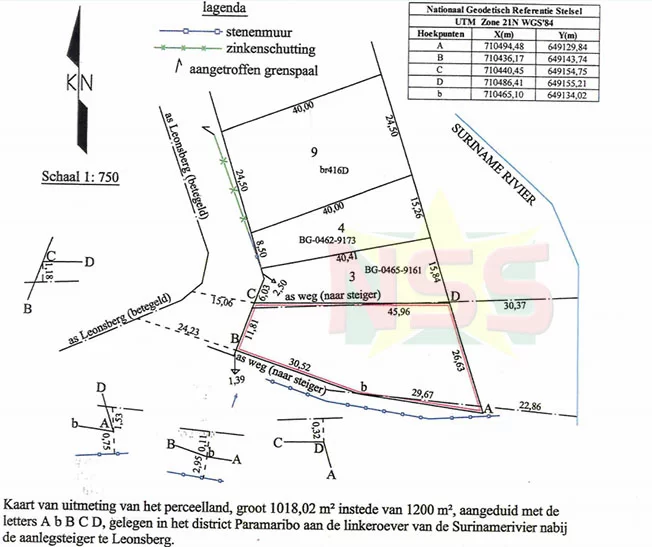
The Ministry of Land Policy and Forest Management (GBB) in Suriname has officially revoked the allocated land parcel near the public pier in Leonsberg, previously granted to Sandiep Seemangal. The decision, signed by Minister Stanley Soeropawiro, emphasizes that the revocation was made in the interest of the public. ‘The pier does not belong to an individual but to the people. Minister Soeropawiro has taken the necessary action,’ stated Bronto Somohardjo, Chairman of the GBB Standing Committee, in an interview with Starnieuws. Somohardjo further stressed that the government, with parliamentary support, is committed to reclaiming unlawfully allocated public resources and ensuring that public facilities remain accessible. ‘We will no longer tolerate the privatization of public amenities. Wrongs must be righted. Boat operators will be protected, and the people’s access to the pier will be guaranteed,’ he added. The investigation revealed several critical issues: the parcel borders a public walkway to the pier, which has been in use for decades; its allocation obstructed access to the pier, disregarding existing infrastructure; the Maritime Authority Suriname raised navigational concerns; the land was largely overgrown with weeds and lacked any construction; and no compensation is due to the beneficiary as the revocation serves the public interest. A map confirms the 1,018 m² parcel’s location along the road to the pier, underscoring its role as a vital public access point.