作者: admin

  • Island Champs rivalries heat up after Day Two

    Island Champs rivalries heat up after Day Two

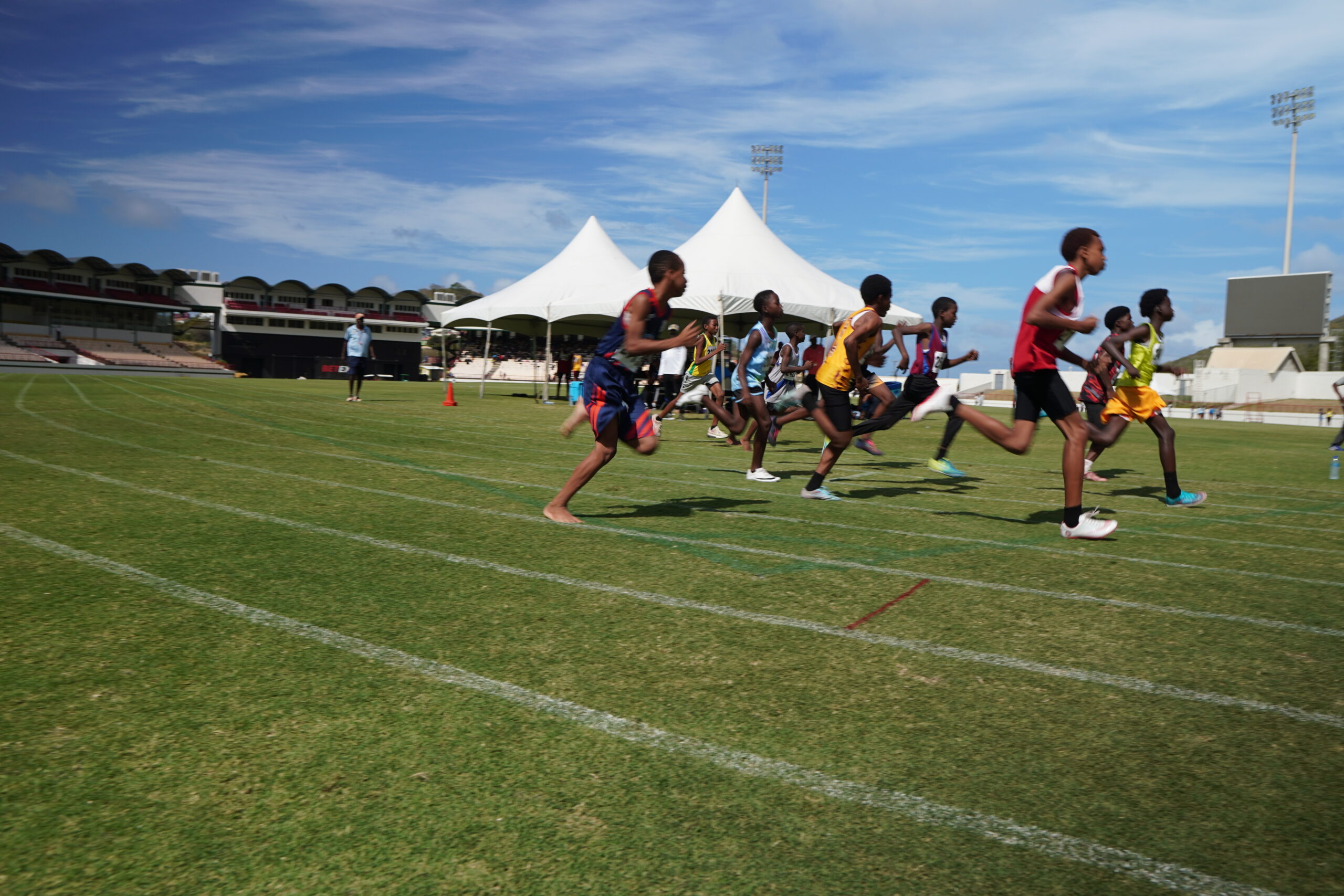
    The second day of Island Champs at Daren Sammy Cricket Ground witnessed fierce competition as secondary school athletes battled for finals placement across multiple track events on Tuesday, March 10. Defending champions St Joseph’s Convent (girls) and St Mary’s College (boys) demonstrated their continued dominance while several challengers emerged to threaten their titles.

    Preliminary rounds featured intense races in the 150m, 200m, 600m, 800m, 1000m, 1200m, 1500m, and 4x100m relays, with athletes pushing for qualification to the March 22 finals. Vieux Fort Comprehensive, Soufriere Comprehensive, and Saint Lucia Sports Academy remained strong contenders, while Leon Hess Comprehensive, Beanefield Comprehensive, Micoud Secondary, Choiseul Secondary, and the TVET Institute – School of Innovation & Technology (Anse Ger) maintained competitive presence.

    Notable performances included Skai Sammy’s 20.3-second run in the 150m for SJC. In Under-14 girls competition, Brianne Jason of SLSA posted a remarkable 1:51.3 in the 600m, while Neah Mortley of LHCSS dominated the 1000m with a 2:45.0 finish, outpacing national swimmer Sapphire Parks of SJC by over a minute.

    Among boys, Christiano Nestor of Choiseul impressed with an 18.6-second 150m, though he faces stiff competition from Nasri Edwin (VFCSS) and Devin Mesmain (SCSS). Aiden Biscette of SLSA led both the 600m (1:45.1) and 1500m (4:07.9), with Railey Thomas of Corinth consistently challenging.

    In intermediate divisions, Shaimaelle Durand of VFCSS shone with a 27.0-second 200m, while Aria Andrew of SLSA won her 800m heat in 2:39.6. Renard Bernard of VFCSS demonstrated Under-16 prowess with a 23.4-second 200m, and Jake Roberts of SLSA clocked 2:17.0 in the 800m.

    The senior division featured standout performances from double CARIFTA champion Jady Emmanuel of Choiseul, who dominated the 200m with a 26.9-second run ahead of CARIFTA teammates Barbara-Marie Maximin (Beanefield) and Isabella Emilienne (SLSA). Curtis Auguste of Anse Ger led the Under-18 boys 200m with 22.9 seconds, the only athlete to beat his teammate Rell Leonce.

    The competition continues with Day 3 featuring ball throw and javelin throw finals, followed by field event finals and track semifinals next week, culminating in the highly anticipated track finals on March 22.


  • Regering en bedrijfsleven bespreken economische impact wereldwijde ontwikkelingen

    Regering en bedrijfsleven bespreken economische impact wereldwijde ontwikkelingen

    President Jennifer Simons of Suriname convened a crucial meeting with top business representatives on Tuesday to address the mounting economic challenges stemming from international market volatility. The high-level discussion focused on developing strategic measures to mitigate the adverse effects of rising costs and global uncertainties on national production and state revenues.

    In attendance were key figures from Suriname’s most influential business associations: the Surinamese Business Association (VSB), the Association of Surinamese Manufacturers (ASFA), and the Association for Small and Medium Enterprises in Suriname (AKMOS). The dialogue centered on analyzing the global economic climate and its specific implications for Surinamese production sectors, alongside the financial stability of both corporations and government coffers.

    VSB Chairwoman Rekha Bissumbhar highlighted the severity of the situation, noting that escalating oil prices and international transportation disruptions have significantly driven up costs for goods and production. “Global developments are affecting us all,” Bissumbhar stated. “With oil prices soaring and transportation to Suriname becoming increasingly challenging, we must collaboratively devise solutions to maintain uninterrupted production.”

    The meeting addressed Suriname’s rising production costs and living expenses triggered by worldwide inflation. Participants explored various containment strategies, including sourcing alternative input materials to curb price increases. Discussions also examined how different economic sectors could contribute to stabilizing state revenues during this period.

    Beyond existing key industries, emphasis was placed on economic diversification through sectors such as agro-industry, tourism, aviation, mining, and oil and gas. Particular attention was given to small and medium-sized enterprises (SMEs) in agriculture and agro-processing, with proposals to create enhanced incentives for scaling operations and achieving greater self-sufficiency.

    Business leaders unanimously agreed that close cooperation between government, private sector, and civil society organizations is essential to navigate current economic challenges and foster sustainable development.

  • COMMENTARY: The Return of Textbooks

    COMMENTARY: The Return of Textbooks

    A significant educational shift is underway in Denmark as the Scandinavian nation implements a groundbreaking reversal of digital learning policies. The Danish government has formally prohibited mobile phones and electronic devices in classrooms, mandating a return to traditional textbooks and analog learning methods. This policy transformation follows a comprehensive decade-long study revealing concerning declines in student concentration levels and mental wellbeing linked to excessive screen time.

    The decision emerges against a backdrop of growing global concern regarding technology’s role in education. Research indicates Danish adolescents spend approximately five hours daily on electronic devices, with corresponding deteriorations in mental health metrics documented by the Children’s Wellbeing Commission. Educational experts now advocate for supervised, limited computer usage rather than the unfettered digital access previously permitted.

    Textbooks are experiencing a renaissance as educators recognize their unique pedagogical advantages. These physical learning tools provide structured knowledge progression, systematically guiding students through complex subjects while building foundational understanding. Mathematics education particularly benefits from this sequential approach, enabling students to master fundamental concepts before advancing to sophisticated theories.

    The cognitive benefits of traditional learning materials receive strong endorsement from Harvard University Professor Steven Pinker, who notes: “Taking notes leads to better memory than using a screen.” This observation aligns with cognitive psychology principles suggesting that deeper information processing occurs when students physically engage with materials rather than passively consuming digital content.

    The Caribbean region faces contrasting challenges, with the Caribbean Examinations Council recently approving limited artificial intelligence integration for school-based assessments. This divergence in educational approaches highlights a global crossroads in pedagogical philosophy, pitting technological advancement against traditional learning methodologies.

    Evidence increasingly suggests that physical textbooks enhance knowledge retention through tactile engagement and reduced digital distraction. The deliberate action of page-turning creates cognitive anchors that facilitate memory formation, while the absence of notifications and multimedia alternatives promotes sustained focus on academic content.

    As educational systems worldwide grapple with technology integration, Denmark’s bold experiment offers a compelling case study in balancing digital innovation with proven learning techniques. The outcomes may well determine whether other nations follow Scandinavia’s lead in prioritizing cognitive development over technological convenience.

  • Antiguan Performer Drastic Captures Songwriter of the Year Title

    Antiguan Performer Drastic Captures Songwriter of the Year Title

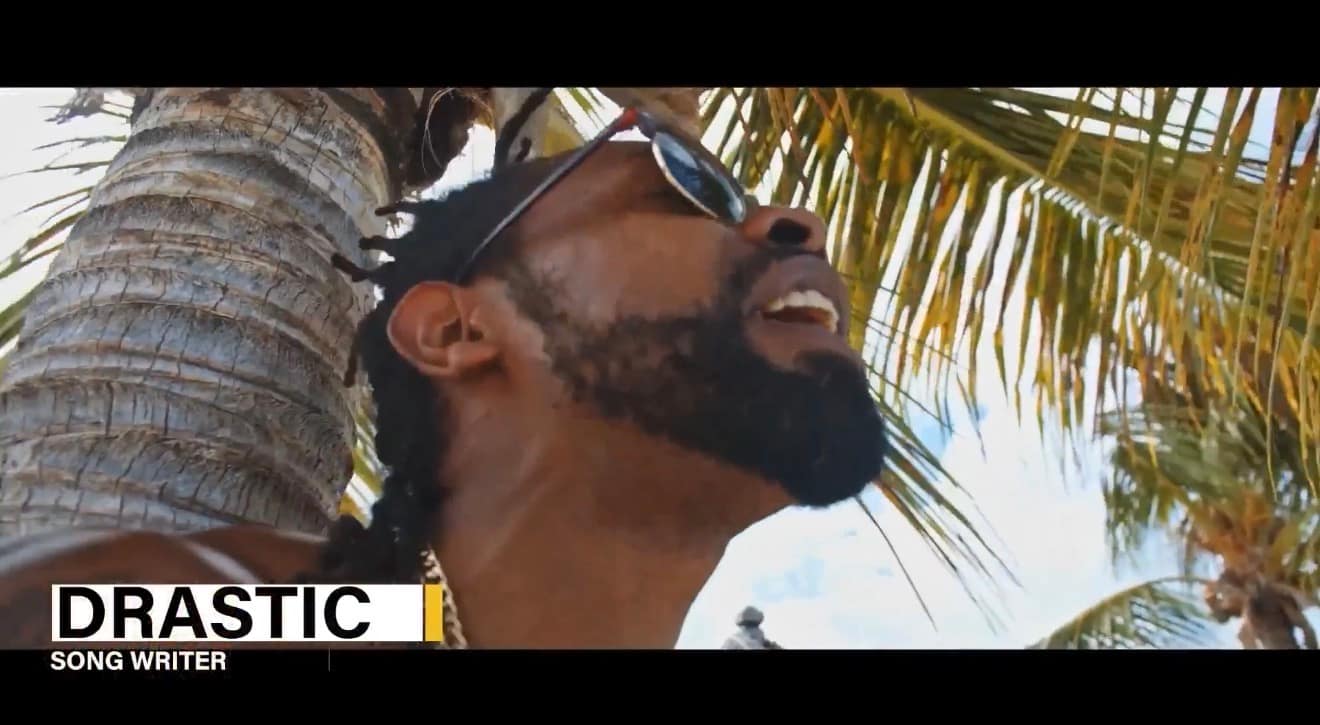
    In a notable celebration of musical talent, the Antiguan Soca performer known professionally as Drastic, born Art Phillip, secured the prestigious Songwriter of the Year accolade at the National Music Awards ceremony held on Tuesday evening. The honor was accepted by an official representative for the artist, who was unable to attend the event in person. Drastic triumphed over fellow finalist Arlen Seaton in a category dedicated to honoring exceptional songwriting prowess within the vibrant music scene of Antigua and Barbuda.

    During concise acceptance remarks, the representative expressed profound gratitude to the event’s organizing body and governmental supporters. ‘On behalf of Drastic, who is not currently on the island, we extend our thanks to the organizers, the minister, and the entire team whose diligent efforts made this ceremony possible,’ the spokesperson stated. The award was characterized not merely as a singular achievement but as a testament to the artist’s enduring dedication to his musical craft. ‘This recognition stands as a testimony to Drastic’s hard work over many years. His commitment to his music is unwavering,’ the representative emphasized.

    The Songwriter of the Year award constituted one of numerous distinctions presented throughout the evening. The annual National Music Awards ceremony serves to acknowledge and celebrate the diverse contributors—including performers, producers, bands, and DJs—who play pivotal roles in fostering the development and expansion of Antigua and Barbuda’s music industry.

  • King Warrior Sound Wins Sound of the Year at National Music Awards

    King Warrior Sound Wins Sound of the Year at National Music Awards

    In a triumphant moment for Antigua and Barbuda’s music community, King Warrior Sound has captured the prestigious Sound of the Year honor at the National Music Awards ceremony. The acclaimed sound system emerged victorious over formidable competitors Stonewall Reloaded and Larger Than Life in a category dedicated to recognizing excellence within the nation’s vibrant music landscape.

    During the awards presentation, a representative of King Warrior Sound accepted the trophy with emotional remarks that blended gratitude with personal reflection. ‘Let me first thank the Lord for this opportunity,’ the representative stated as he opened his acceptance speech before extending appreciation to the sound system’s dedicated supporters.

    The victory celebration took on deeper significance as the representative acknowledged the team’s recent personal hardships, revealing that the award arrived during a challenging period following the passing of their mother. This personal context added profound emotional weight to their achievement.

    Special recognition was given to longtime collaborator Billy, with the representative addressing audience expectations directly: ‘Respect to my brother Billy, because I know persons were looking for Billy. Billy is my brother.’ The acknowledgment extended to what he described as ‘the entire King Warrior family,’ highlighting the collective effort behind their success.

    The Sound of the Year category served as a centerpiece of the National Music Awards, which comprehensively honors artists, bands, DJs, producers, and event promoters who have significantly contributed to the development and enrichment of Antigua and Barbuda’s music industry.

  • Barbados positioned as hub as interCaribbean expands regional network

    Barbados positioned as hub as interCaribbean expands regional network

    InterCaribbean Airways has strategically positioned Barbados as a central hub in its network expansion with the weekend launch of new direct flight routes to three Caribbean destinations. The airline inaugurated scheduled services from Grantley Adams International Airport to Sint Maarten’s Princess Juliana International Airport (twice weekly), Tortola’s Terrance B. Lettsome International Airport (three times weekly), and Trinidad and Tobago’s Piarco International Airport (four times weekly), effective March 8.

    The inaugural flights were met with ceremonial welcomes across all destinations, with government officials and tourism leaders emphasizing the transformative potential of enhanced regional connectivity. Graham Clarke, Barbados Tourism Marketing Inc.’s Director for the Caribbean, highlighted how direct flights significantly improve visitor experiences by eliminating lengthy layovers that previously diminished travel quality.

    Sint Maarten’s Director of Tourism May Ling Chun underscored the importance of intra-Caribbean exploration, particularly amid global geopolitical tensions and economic uncertainties. “This moment reminds us of something very important: the Caribbean must continue to strengthen itself from within,” Chun stated during celebration events.

    The expansion brings substantial economic implications beyond tourism. British Virgin Islands Premier Natalio Wheatley noted that over 70% of their workforce originates from the southern Caribbean, while also highlighting frequent visa-related travel to Barbados. The territory recorded its highest arrivals at 1.2 million visitors last year, with interCaribbean ranking among the top carriers alongside American Airlines.

    InterCaribbean founder Lyndon Gardiner emphasized the trade opportunities arising from regular scheduled flights to Trinidad and Tobago, identifying the nation as one of the Caribbean’s most significant trading partners for manufactured goods, food, and beverages. Emmanuel Baah, Deputy General Manager at Trinidad and Tobago’s Airports Authority, reinforced that enhanced connectivity creates pathways for increased investment and trade exploration across the region.

    With over 30 years of regional operation, interCaribbean now serves 24 destinations across 18 Caribbean countries, employing more than 600 people as one of the Caribbean’s largest indigenous carriers.

  • UWI and Nigerian universities collaborate:  Vice-Chancellors build transformative partnership for Africa-Caribbean education

    UWI and Nigerian universities collaborate: Vice-Chancellors build transformative partnership for Africa-Caribbean education

    In a landmark move for global higher education, The University of the West Indies (UWI) and Nigeria’s Committee of Vice-Chancellors of Nigerian Universities (CVCNU) have established a transformative partnership through a signed Memorandum of Understanding. The agreement, finalized during a three-day summit at UWI’s Regional Headquarters in Jamaica, brings together 23 newly appointed Nigerian Vice-Chancellors and UWI’s senior leadership including Vice-Chancellor Professor Sir Hilary Beckles, five Campus Principals, and three Pro Vice-Chancellors.

    The strategic collaboration encompasses multiple dimensions of academic excellence, targeting enhanced international rankings, research innovation, sustainable financial models, and digital learning advancements in artificial intelligence and cybersecurity. The partnership specifically aims to strengthen cultural connections while addressing contemporary challenges through joint academic endeavors.

    Professor Beckles emphasized the historical significance of the agreement, noting its foundation in shared heritage and common vision. ‘This framework represents a pioneering model for knowledge sharing and problem-solving across the African continent and diaspora,’ he stated during the signing ceremony.

    Professor Andrew Haruna, Secretary General of CVCNU, identified the agreement as his first signed MoU since assuming office and characterized it as ‘a strategic step toward building a structured and impactful Africa-Caribbean higher education alliance.’ He highlighted the partnership’s practical focus on moving beyond historical connections to actionable collaboration in research, digital innovation, and academic exchange.

    The operational implementation will be coordinated by UWI’s Pro Vice-Chancellor for Global Affairs Ms. Sandrea Maynard and CVCNU’s Assistant Secretary-General Dr. Sylverina Olaghere. The initial three-year agreement features renewable terms based on mutual consent, ensuring long-term sustainability.

    Collaborative activities will include joint research initiatives, faculty and student exchange programs, scholarship opportunities, internship placements, and projects aligned with United Nations Sustainable Development Goals. The partnership will specifically address cross-cutting themes including climate change, health sciences, energy solutions, agricultural development, cultural studies, and digital policy formulation.

    This academic bridge between the Caribbean and African higher education sectors represents a significant advancement in South-South cooperation, creating structured mechanisms for institutional capacity building and global visibility enhancement for both regions’ academic institutions.

  • ABCAS Debate Team Travels to St. Kitts and Nevis for Leeward Islands Debating Competition

    ABCAS Debate Team Travels to St. Kitts and Nevis for Leeward Islands Debating Competition

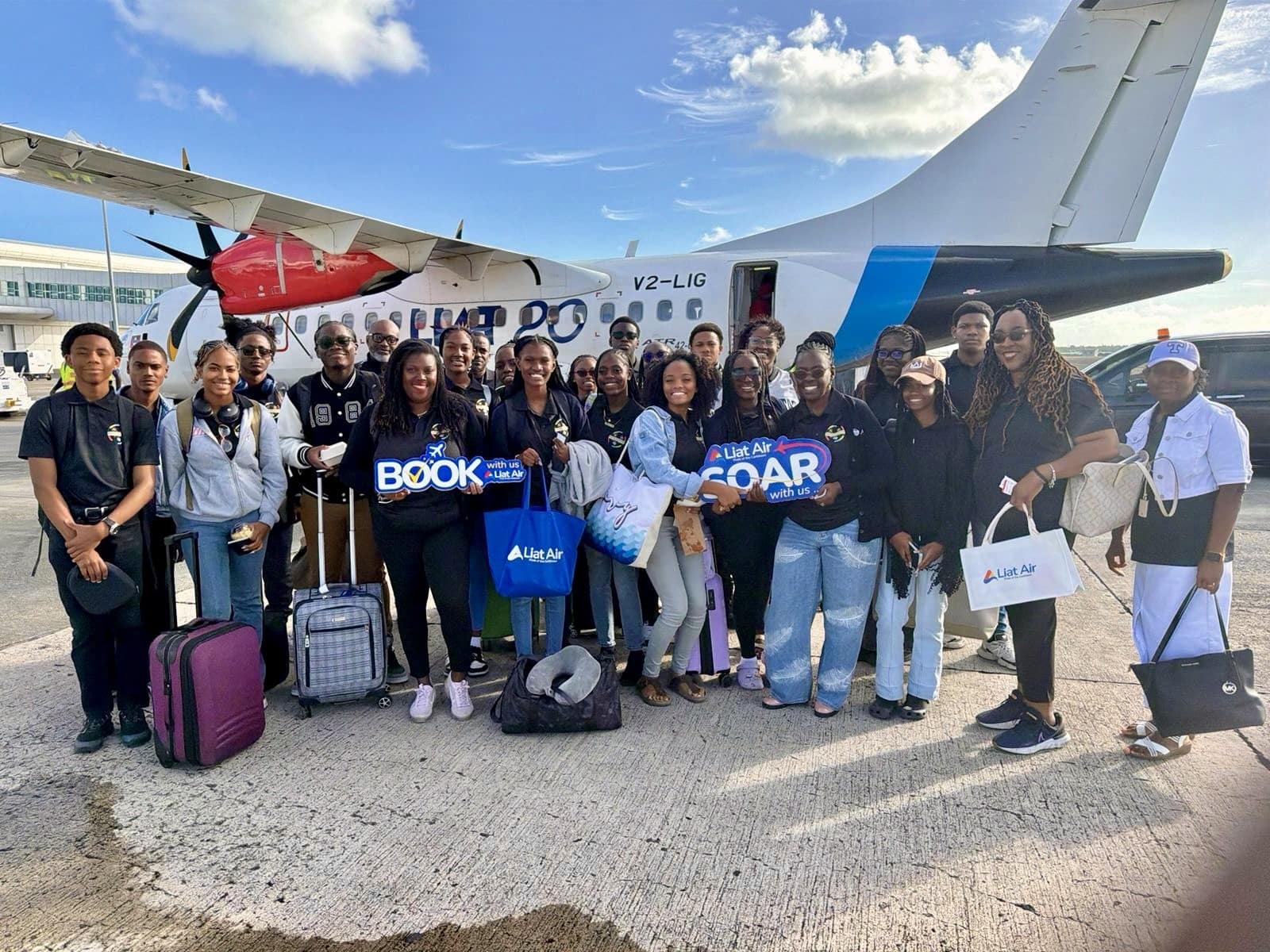
    A 25-member delegation from the Antigua and Barbuda College of Advanced Studies (ABCAS) has embarked on a significant academic mission to participate in the prestigious Leeward Islands Debating Competition hosted in St. Kitts and Nevis. The team, comprising both talented student debaters and distinguished faculty representatives, is under the leadership of Dr. Najele Williams Buffonge, Vice President of ABCAS.

    The delegation features prominent academic figures including Robyn Joseph Nathaniel, Registrar; Jace Gore, Head of the Department of Information Technology; Mark Brown, Head of the Department of Fine Arts and Creative Studies; and Sonia Whittaker, Vice Principal of the Antigua and Barbuda International Institute of Technology.

    This educational endeavor has been made possible through substantial community support, highlighted by a successful fundraising luncheon and generous contributions from numerous sponsors. Key supporters acknowledged include LIAT Air, Brownie Bakery – Point, the Antigua and Barbuda Defence Force, Omaha Bakery, Blue Waters Resort and Spa, and several local businesses and supermarkets. Significant institutional backing has also been provided by the Ministry of Tourism and Investment, the Antigua and Barbuda Tourism Authority, and the Inland Revenue Department.

    ABCAS has extended special gratitude to staff members at both the Harrison Centre and Muriel O’Mard Campus for their dedicated efforts in preparing the students for this regional academic competition. The institution emphasizes that this participation not only represents academic excellence but also showcases Antigua and Barbuda’s commitment to educational development and regional collaboration.

  • VAT, bonus won’t shut up the union, leader tells govt

    VAT, bonus won’t shut up the union, leader tells govt

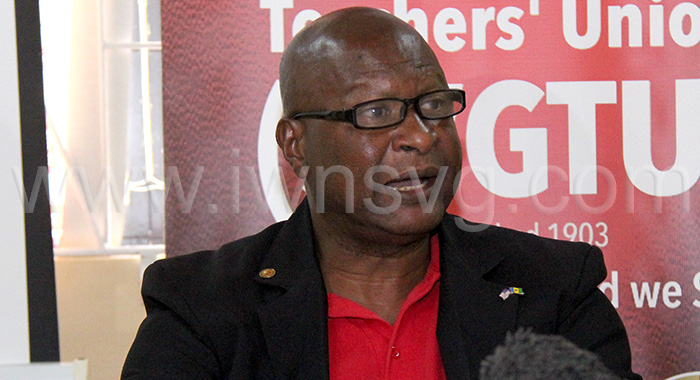
    Oswald Robinson, the outgoing president of the St. Vincent and the Grenadines Teachers’ Union (SVGTU), has launched scathing criticism against the Ministry of Education for allegedly ignoring repeated requests to address urgent educational concerns. During a recent appearance on BOOM FM’s “Teachers’ Talk” program, Robinson expressed frustration that three education ministers and the chief education officer have failed to respond to written communications seeking dialogue on pressing matters.

    The union leader highlighted multiple critical issues requiring immediate attention, including severe shortages of basic school supplies, deteriorating infrastructure at several educational institutions, and systemic challenges in public education financing. Robinson specifically referenced the “Go Public! Fund Education” global campaign initiated by Education International, emphasizing the need for adequately funded public education systems despite the government’s significant fiscal constraints.

    Robinson revealed that the newly elected administration under Prime Minister Godwin Friday has inherited a substantial EC$3.5 billion public debt, with a debt-to-GDP ratio exceeding 103%. This financial burden requires approximately 40 cents of every dollar to be allocated toward debt servicing, creating complex challenges for education funding. The Eastern Caribbean Currency Union has established targets to reduce the debt-to-GDP ratio to 60% by 2035.

    The outgoing union president provided specific examples of institutional neglect, including bat infestations at New Adelphi Secondary School, missing leadership positions at Bethel High School, and severely compromised infrastructure with leaking roofs and missing louvres. Robinson also reported that some schools lack even basic supplies like chalk and toilet paper, while others have experienced interruptions to their feeding programs.

    Robinson warned that the current administration’s avoidance of dialogue with educators establishes a poor foundation for collaborative progress. He emphasized that social dialogue remains essential for addressing these systemic challenges and urged education officials to engage with the union’s perspectives before conditions deteriorate further.

  • MPs question ads for foreign workers

    MPs question ads for foreign workers

    Barbadian legislators are confronting a growing trend of businesses advertising overseas for positions traditionally filled by local workers, prompting significant parliamentary debate during the Ministry of Labour’s appropriations review. Christ Church West Central MP Adrian Forde highlighted constituent frustrations with frequent newspaper advertisements claiming insufficient qualified Barbadians for roles ranging from bartenders and chefs to teaching positions. These notices routinely assert that no suitable local candidates exist, thereby justifying recruitment beyond national borders.

    Labour Minister Colin Jordan clarified the jurisdictional framework, noting that while work permit authorization resides with the Ministry of Home Affairs’ Immigration Department, his ministry ensures labor market equity through employer-worker connections. The critical innovation addressing these concerns is the Barbados Job Register—a digital platform launched in August 2025 designed to transform workforce matching. This system requires immigration officials to consult its database before approving any foreign work permits, ensuring Barbadian candidates receive priority consideration.

    According to Acting Director Moreen Bowen of the Barbados Employment Career and Counselling Service, the platform has attracted significant engagement since its inception, with approximately 2,800 jobseekers and 140 employers registered by February’s end. Jobseekers represent diverse sectors including construction, financial services, technology, retail, and hospitality, with skills spanning customer service, computer proficiency, and data entry. The platform’s functionality allows candidates to upload detailed résumés showcasing qualifications and experience, while employers can search for suitable matches.

    The government is currently developing an enhanced second phase featuring direct vacancy postings and AI-powered job matching algorithms. Outreach collaborations with educational institutions like the Barbados Vocational Training Board, Samuel Jackman Prescod Institute of Technology, and Barbados Community College have bolstered registrations. While employer feedback remains limited, approximately 43 positions have been filled through the system to date. Minister Jordan emphasized ongoing coordination with immigration authorities to prioritize local hiring, simultaneously urging businesses to acknowledge their social responsibility in providing decent employment for Barbadian citizens.