作者: admin

  • Saint Lucia’s election season explained

    Saint Lucia’s election season explained

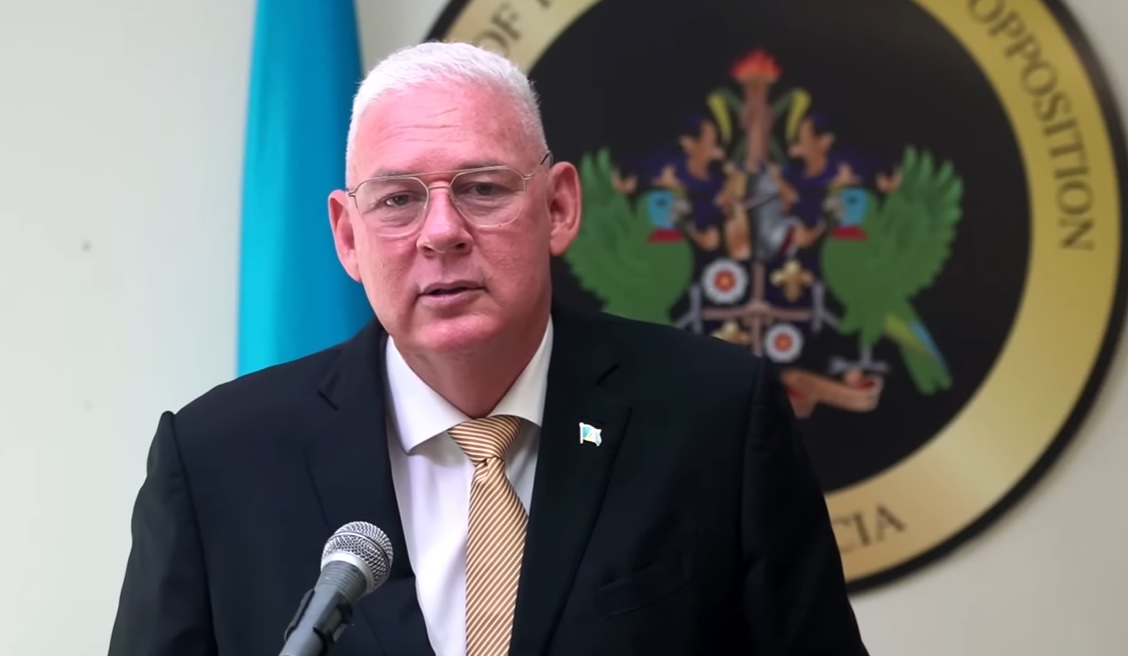
    The dissolution of Saint Lucia’s Parliament marks the beginning of a critical electoral countdown, with significant implications for governance and the democratic process. Under the Constitution, the governor-general holds the authority to dissolve Parliament, typically acting on the advice of the prime minister. However, the governor-general also possesses reserve powers to ensure stability, such as refusing a dissolution request if the government can continue without fresh elections or independently dissolving Parliament following a no-confidence vote. Once dissolved, a general election must be held within three months, as mandated by the governor-general’s writ.

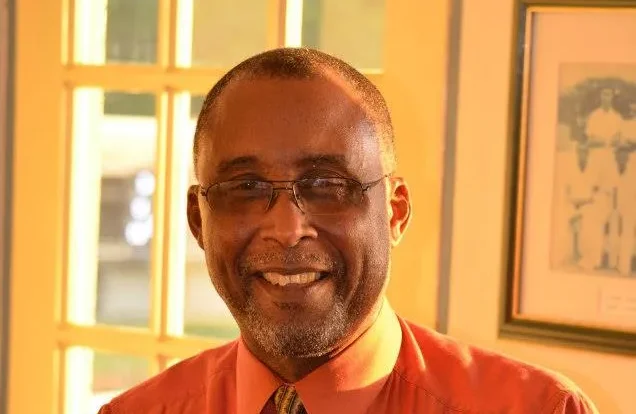
    Claudius Francis, Speaker of the House of Assembly, clarified that while Parliament’s dissolution halts law-making, it does not suspend the government’s operations. The national budget, passed earlier this year, ensures that spending authority remains intact. Ministers, including the prime minister, retain their powers during this period, and the prime minister can advise the governor-general to recall Parliament in emergencies. MPs, though no longer members of Parliament, continue to serve as district representatives until reelection or removal.

    The appointment of the prime minister and ministers is a constitutional process. The governor-general appoints the prime minister based on their likelihood of commanding majority support in the House of Assembly, typically the leader of the winning party. Ministers are appointed on the prime minister’s advice, with the PM holding absolute authority over the Cabinet. MPs and ministers have distinct roles: MPs focus on legislation and constituency representation, while ministers manage national affairs and ministries.

    Nomination day, a pivotal event in the electoral process, is governed by strict rules. Candidates must submit required documents, including nomination papers, statutory declarations, and a cash deposit, between 9 a.m. and 12 noon. Returning Officers, appointed by the governor-general, oversee the process in each constituency. If only one valid candidate is nominated, they are automatically elected. These procedures ensure fairness, transparency, and continuity in governance during elections.
  • PM Says Former 2 Drilly Members Could Be Hired to Paint Government Buildings

    PM Says Former 2 Drilly Members Could Be Hired to Paint Government Buildings

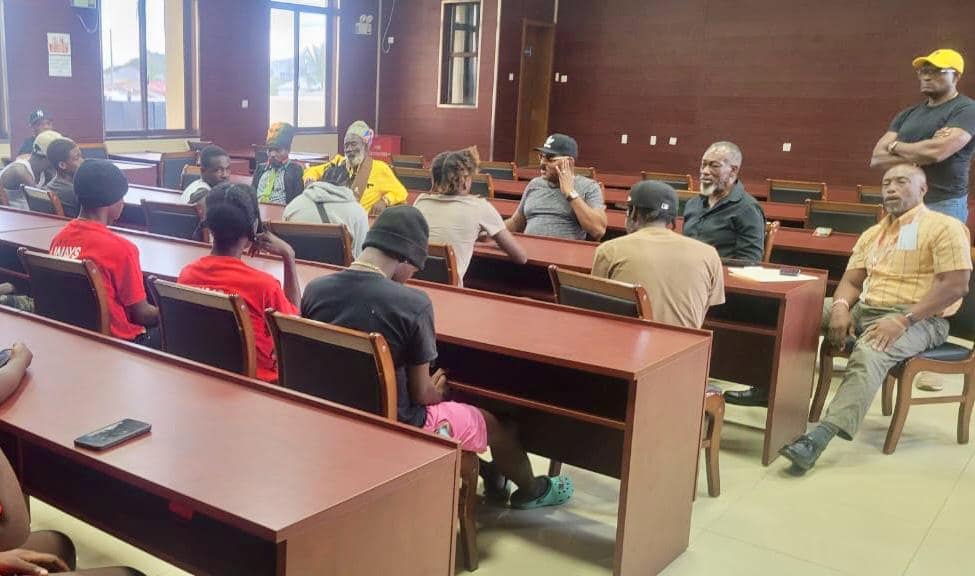
    Prime Minister Gaston Browne has unveiled a groundbreaking initiative aimed at reintegrating young men previously associated with the 2 Drilly group into society by offering them paid work to paint public buildings. Speaking on the Browne and Browne Show, Browne emphasized the dual purpose of this project: to enhance community aesthetics and provide legitimate employment opportunities for at-risk youth. He stated, ‘We want to take them off the block and give them contracts to go and… paint government buildings.’ Browne directly addressed the 2 Drilly group, expressing hope that they are no longer active as a gang and inviting them to participate in the initiative. ‘They can probably come and check me. We can give them a job to paint the fisheries there so they can put some money in their pocket for Christmas,’ he said. This effort is part of a broader strategy to support social and cultural development, focusing not just on economic metrics like GDP but also on fostering a well-cultured society and a clean, attractive environment. The initiative is both economic and social, aiming to provide alternatives to street life while beautifying public spaces in preparation for the Christmas season. Although the start date remains unspecified, the government plans to identify community teams to carry out the work.

  • Simons eert ouderen tijdens Bigi Sma Dey: Generaties moeten elkaar blijven dragen

    Simons eert ouderen tijdens Bigi Sma Dey: Generaties moeten elkaar blijven dragen

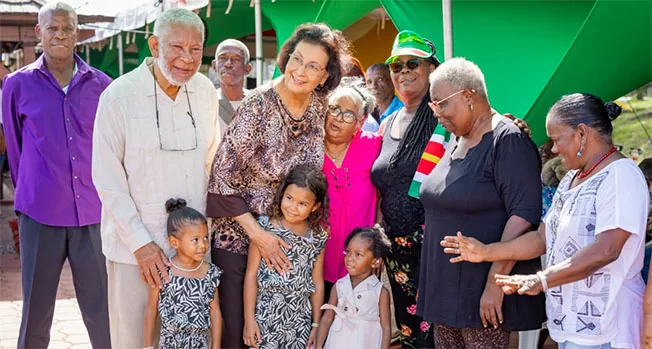
    During the Bigi Sma Dey celebration on Saturday, President Jennifer Simons delivered a powerful message urging both young and old to continue supporting one another in the ongoing development of Suriname. The event, organized by the Presidential Srefidensi Commission to mark the country’s 50th anniversary of independence, took place at Waka Pasi and brought together over 500 senior citizens for a day filled with music, snacks, and camaraderie. The attendees, hailing from various care homes in Paramaribo and Wanica, as well as neighborhoods in need of additional support, were honored for their lifelong contributions to the nation’s progress. President Simons highlighted the historical significance of the Waka Pasi/Palmentuin area, where generations of Surinamese have left their mark. ‘We stand today in a Paramaribo built by our ancestors. Each generation adds its stone to the foundation,’ she stated. Addressing the elders, she emphasized that their efforts have paved the way for current generations to build a brighter future, according to the Suriname Communication Service. Simons also expressed her gratitude to the many young volunteers who ensured the seniors enjoyed a relaxing day. She stressed the importance of intergenerational collaboration, noting, ‘The elderly possess experience and wisdom. They still have much to teach us. That’s why young and old must continue to support each other for the betterment of Suriname.’ The president concluded on an optimistic note, wishing everyone a pleasant day and affirming, ‘Sranan sa wini’ (Suriname will prevail).

  • UNDP gives GECOM high marks for 2025 elections conduct

    UNDP gives GECOM high marks for 2025 elections conduct

    The United Nations Development Programme (UNDP) has lauded the Guyana Elections Commission (GECOM) for its exemplary conduct during the September 1, 2025, general and regional elections. In a recent statement, the UNDP highlighted that GECOM, with technical assistance from UNDP Guyana and funding from the UK Government, orchestrated one of the most transparent, credible, and professionally managed elections in the nation’s modern history. This marks a significant milestone for Guyana, which has historically faced political unrest and controversies surrounding its electoral processes since its first free and fair elections in 1992. The UNDP emphasized the strategic advice provided by its Electoral Technical Support Team, which played a pivotal role in overcoming bottlenecks and ensuring the acceptance of election results. Despite recount challenges, the tabulation process was efficiently organized, with results announced promptly and accepted by all political parties. The UNDP also acknowledged the legal reforms enacted in 2022, which introduced groundbreaking technological advancements to enhance transparency. GECOM’s in-house statement of poll upload system, fortified with cybersecurity measures, ensured seamless result uploads even during website outages. An upgraded results tabulation application, praised for its clarity and user-friendliness, was deployed across 20 counting centers. The UNDP’s Information Technology Specialist underscored the critical role of technology in fostering credible, inclusive, and resilient elections. However, the European Union Election Observation Mission (EUEOM) noted concerns regarding GECOM’s appointment model, which risks inefficient decision-making and diminished public trust. The EUEOM also raised issues about potential voter manipulation, campaign financing, and the alleged misuse of state resources by the incumbent party.

  • Bigger grants, bigger impact? UWP proposes $25 000 youth business grants

    Bigger grants, bigger impact? UWP proposes $25 000 youth business grants

    In Saint Lucia, a young entrepreneur’s journey from braiding hair at 15 to owning her own salon exemplifies the transformative power of small-scale grants. With a $5,000 grant from the Youth Economy Agency (YEA), she invested in essential equipment like a hydraulic chair and salon sink, expanding her services and renting out stations for additional income. Her story highlights the YEA’s mission to empower young entrepreneurs through financial support, training, and mentorship. Since its inception, the YEA has disbursed over 1,505 grants, trained 880 individuals, and injected an estimated $9.6 million into the economy. However, with a general election approaching, the United Workers Party (UWP) has pledged to increase start-up grants to $25,000, sparking a debate on the viability and impact of larger funding. UWP leader Allen Chastanet argues that smaller grants, like the YEA’s $3,000 to $5,000 offerings, are insufficient for meaningful business growth. He cites the party’s proposed “Youth SOS Plan” as a more impactful solution for youth-led ventures in agriculture, digital economy, hospitality, and creative sectors. Youth advocates, however, emphasize that the effectiveness of grants depends on alignment with the needs of the target demographic. Franz George, a youth development advocate and business consultant, notes that smaller grants can suffice for micro-enterprises with limited scaling ambitions, while larger grants may be necessary for ventures requiring significant capital. He stresses the importance of monitoring and evaluation to assess the long-term sustainability of grant programmes. As the YEA continues to support young entrepreneurs with its holistic approach, the upcoming election raises questions about the future of youth economic empowerment in Saint Lucia. Will larger grants drive greater impact, or is the key to success a tailored, needs-based approach? The answer may shape the island’s entrepreneurial landscape for years to come.

  • City of Boston raises Dominica flag at City Hall; mayor honors Dominican Diaspora leaders

    City of Boston raises Dominica flag at City Hall; mayor honors Dominican Diaspora leaders

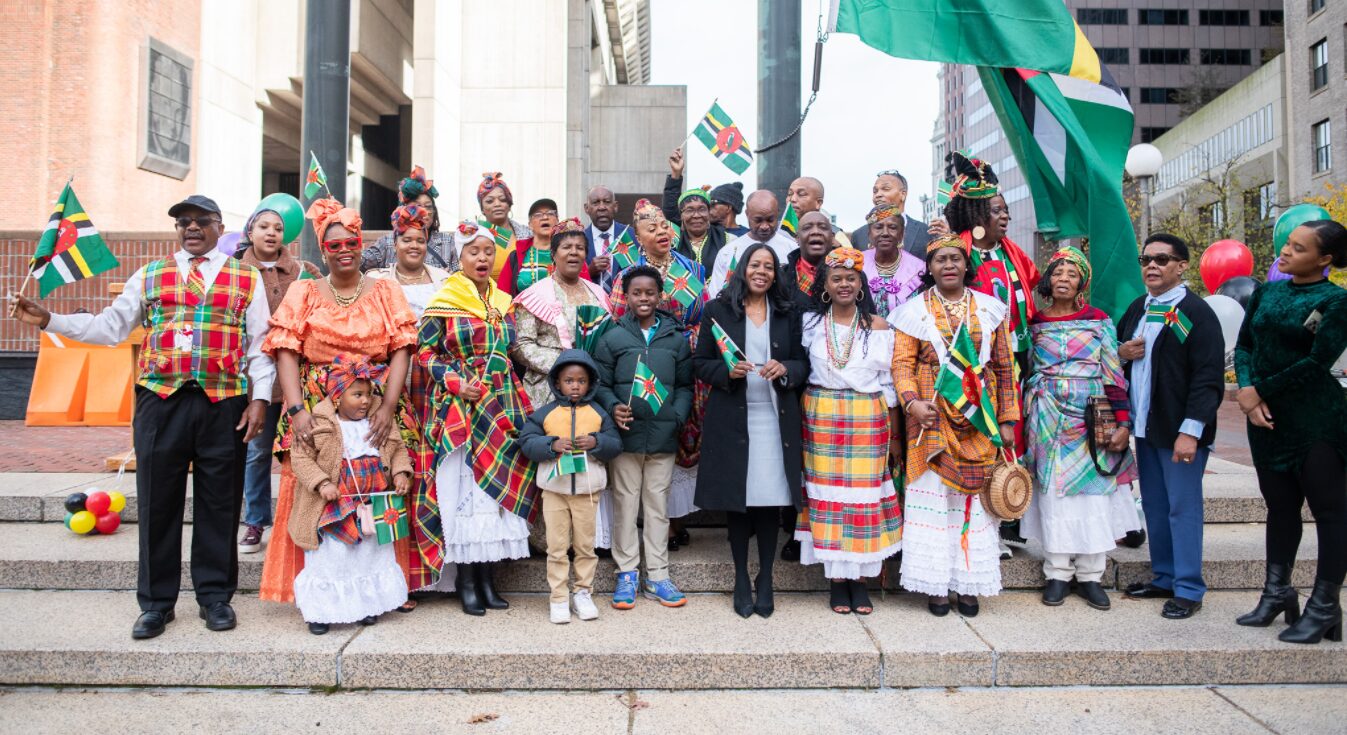
    The City of Boston honored Dominica’s rich culture, heritage, and global diaspora with a vibrant flag-raising ceremony on November 7, officially proclaimed as ‘Dominica Day’ by Mayor Michelle Wu. The event, held at City Hall Plaza, symbolized unity, recognition, and cultural pride for the Dominican community in Greater Boston. Organized by the Mayor’s Office of Arts & Culture, led by Caribbean Cultural Advisor Bianca Rose, and supported by the Equity & Inclusion Cabinet, the ceremony underscored Boston’s commitment to celebrating multiculturalism and immigrant contributions. The event featured a prayer by Pastor Cuthbert Joseph, a spoken word performance by Samirah Johnson, and a heartfelt rendition of the Dominica National Anthem by Marsha White Tucker. The raising of the Dominica flag, a powerful emblem of cultural heritage, was a highlight of the day. Consul Sheldon Peter Anthony delivered an inspiring speech on the flag’s history and symbolism, while Framingham City Councilor Leslie White Harvey and Boston City Council President Ruthzee Louijeune praised Dominican contributions to the city. Mayor Wu’s official proclamation, read by James Reginald Colimon, Director of Global Affairs, recognized the significant impact of Dominicans in Boston. Several members of the Dominican diaspora were honored with City of Boston Citations for their cultural leadership and service. Attendees enjoyed Dominican cuisine, a photo exhibition by Elizabeth Thomas, and an artifacts display curated by Lisa White and Terri-Anne Bynoe. The annual event serves as a testament to Dominica’s global presence and the enduring contributions of its people to Boston’s civic and cultural life.

  • Israel killed more than 340 Palestinians in Gaza after the truce

    Israel killed more than 340 Palestinians in Gaza after the truce

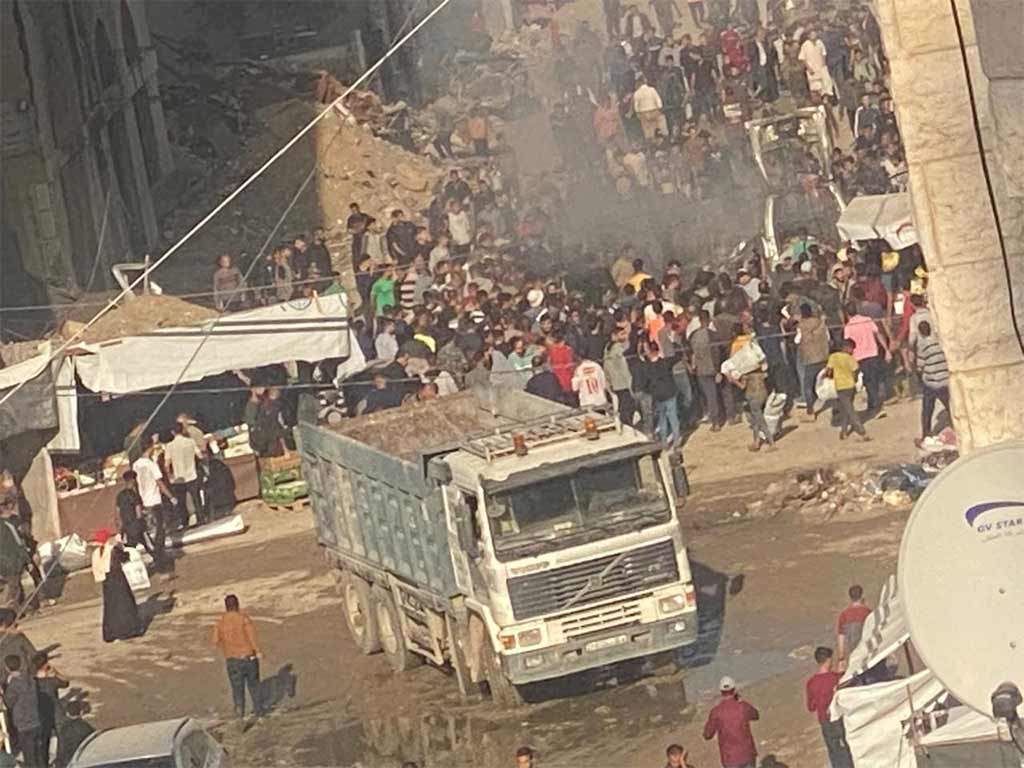
    The Gaza Government Press Office has released a stark statement detailing the devastating impact of recent military actions in the region. According to the report, 24 individuals lost their lives, and 87 others sustained injuries during a series of bombings that occurred just yesterday. The statement strongly condemned what it described as systematic violations of the previously agreed-upon truce, warning that such actions could reignite a new wave of violent clashes. The Israeli Army was reported to have conducted 142 targeted attacks on civilians, residential homes, and tents housing displaced persons. Additionally, there were 228 ground and air bombings, 21 incursions, and over a hundred demolition operations carried out during this period. The Palestinian Central Bureau of Statistics (PCBS) also highlighted a concerning increase in the number of settlers in the West Bank, now exceeding 770,000, with 336,000 residing in the occupied area of East Jerusalem. Furthermore, it was reported that a total of 2,382 square kilometers of land has been confiscated, amounting to 42 percent of the West Bank’s territory.

  • India advocates for human-centered technologies

    India advocates for human-centered technologies

    During a session titled ‘A Fair and Equitable Future for All: Critical Minerals, Decent Work, and Artificial Intelligence,’ Indian Prime Minister Narendra Modi underscored the importance of making advanced technologies, particularly artificial intelligence (AI), globally accessible rather than confined to national boundaries. He advocated for open-source models over proprietary systems, emphasizing inclusivity and collaboration. Modi highlighted how India has embedded this vision into its technological ecosystem, yielding substantial advancements in space applications, AI, and digital payments, areas where India is a global leader. He stressed the need for equitable access, population training, and responsible deployment of these technologies. The Prime Minister also referenced the India-AI Mission, which aims to develop accessible high-performance computing capacity. Modi asserted that while AI should enhance human capabilities, ultimate decision-making must remain in human hands. He called for a shift in focus from ‘Jobs of Today’ to ‘Capabilities of Tomorrow’ and proposed the creation of a Global Framework for Talent Mobility in the coming years. Additionally, he extended an invitation to all G20 nations to attend the AI Impact Summit, themed ‘Sarvajanam Hitaya, Sarvajanam Sukhaya’ (Well-being for all, Happiness for all), scheduled for February 2026 in India. Concluding his address, Modi reaffirmed India’s commitment to global well-being, sustainable development, reliable trade, fair finance, and inclusive progress.

  • Erdogan: There will be no world peace without a Palestinian state

    Erdogan: There will be no world peace without a Palestinian state

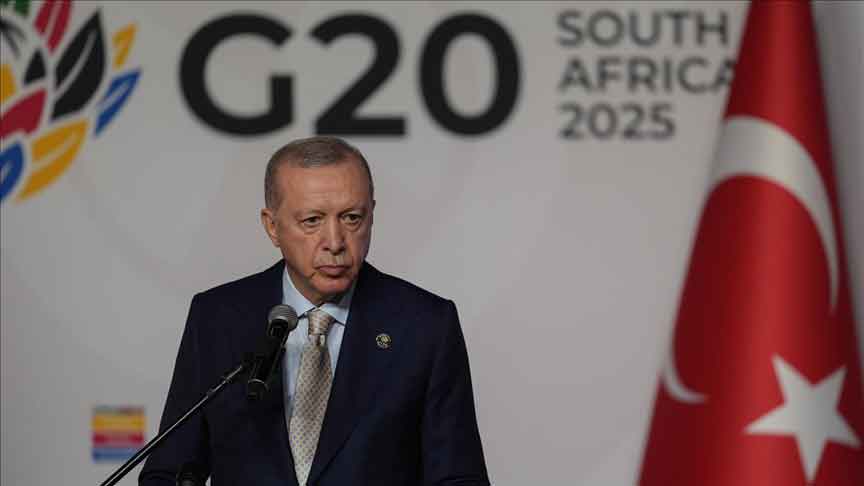
    During a press conference concluding the G20 Summit in Johannesburg, South Africa, Turkish President Recep Tayyip Erdogan articulated a resolute stance on the Palestinian issue, as reported by the Anadolu agency. Erdogan declared that Turkey remains steadfast in its support for the Palestinian cause, asserting that this commitment is unwavering and fearless. He emphasized that Turkey will continue to advocate for the rights of the Palestinian people across all international platforms. Erdogan also condemned what he described as a ‘genocide’ in Gaza and other Palestinian territories, attributing responsibility to the Israeli government and Prime Minister Benjamin Netanyahu for the dire situation in the region. He reiterated his belief that the conflict in Gaza constitutes a genocide, a statement made amidst widespread international alarm over the high number of civilian casualties. Additionally, Erdogan commended South Africa for its ‘courageous and exemplary’ position on the Israeli-Palestinian conflict, particularly regarding its actions at the International Court of Justice, where South Africa has accused Israel of genocide. Turkey has expressed its support for South Africa’s legal initiative in various diplomatic arenas.

  • COP30 ends with incremental gains, but health risks loom without stronger action

    COP30 ends with incremental gains, but health risks loom without stronger action

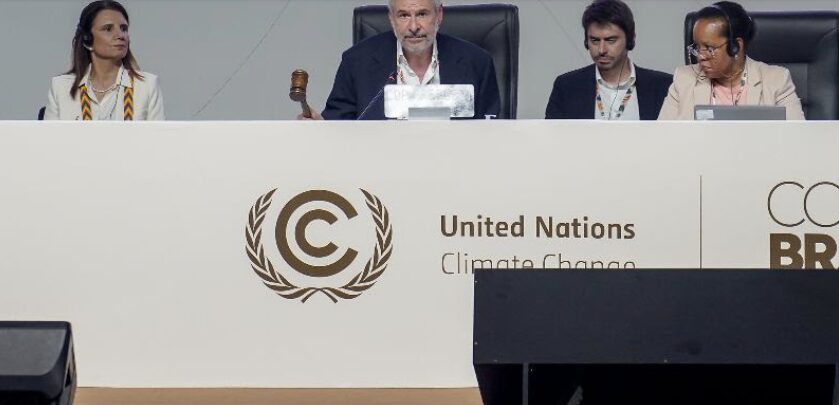
    The 30th Conference of the Parties (COP30) in Belém, Brazil, concluded with significant shortcomings, according to the Global Climate and Health Alliance. Despite high expectations, the summit failed to deliver the transformative climate action necessary to safeguard global health. Key issues included the lack of a formal agreement on phasing out fossil fuels and delays in implementing adaptation measures. Dr. Jeni Miller, Executive Director of the Alliance, expressed disappointment, stating that while some progress was made, COP30 did not mark the turning point it had promised. The Alliance, representing over 200 health and civil society organizations worldwide, emphasized that the delay in adaptation finance until 2035, instead of the requested 2030 deadline, could result in increased suffering and mortality, particularly in developing nations. These countries, already grappling with poverty, fragile health systems, and debt, are at heightened risk from escalating climate impacts. Even high-income countries are seeing their healthcare systems stretched to the limit. Brazil’s COP30 President, André Corrêa do Lago, announced plans for two roadmaps: one to halt deforestation and another to guide a just transition away from fossil fuels. However, the absence of a formal fossil fuel phaseout agreement remains a critical gap. Dr. Miller warned that without decisive action, the world risks reaching dangerous and irreversible tipping points in critical earth systems. The final text of the just transition work programme recognized the human right to health and a clean environment and established a mechanism for international cooperation and capacity-building. While these provisions were welcomed, Dr. Miller stressed the need for adequate resourcing to ensure their implementation. She called on wealthy nations to lead by example, noting that 80 countries supported a fossil fuel phaseout plan. She emphasized that leadership does not require consensus and that phasing out fossil fuels would benefit public health and reduce the financial burden on healthcare systems. Dr. Miller also reminded developed countries of their Paris Agreement commitments, calling climate finance for vulnerable nations an investment in global stability, goodwill, and cooperation. The Alliance applauded the launch of the Belém Health Action Plan but warned that without concrete implementation and sufficient climate finance, it risks remaining symbolic. Nurses and health advocates pledged to continue pressing global leaders to deliver the protections communities and future generations urgently need.