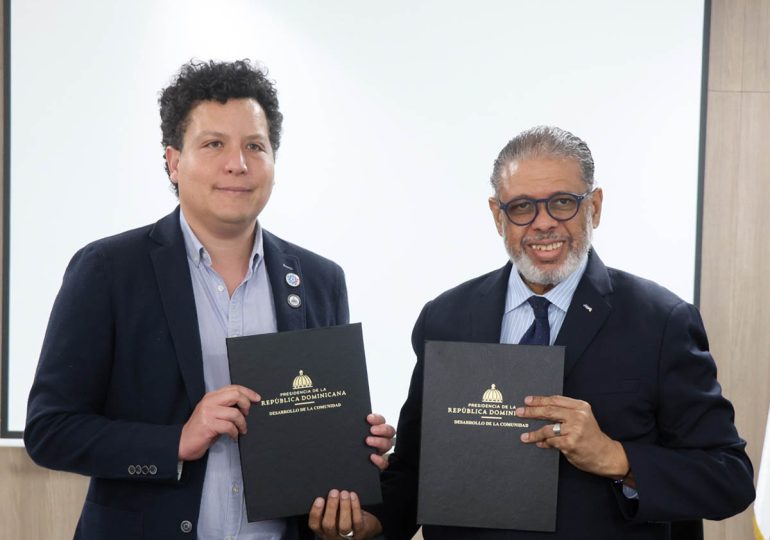
In a significant move to address pressing social issues, the Dominican Republic’s General Directorate for Community Development (DGDC) and Chile’s Social Investment and Solidarity Fund (FOSIS) have formalized a collaborative partnership. The two institutions signed a letter of intent at the DGDC headquarters in Santo Domingo, marking a pivotal step in their joint efforts to combat poverty, enhance food security, and improve housing conditions. The agreement was sealed by DGDC Director Dr. Modesto Guzmán and FOSIS Director Nicolás Navarrete, with Marcos Ibarra, head of international cooperation at FOSIS, also in attendance. Dr. Guzmán emphasized the importance of this alliance in fostering international cooperation, transparency, and sustainable development. He underscored the shared commitment to initiatives that uplift vulnerable populations. Navarrete lauded the DGDC’s leadership and expressed optimism about the partnership, highlighting the parallel social challenges and developmental trajectories of both nations. The agreement outlines a framework for technical cooperation, knowledge exchange, and future collaborative projects across technical, academic, and institutional domains. This partnership builds on Dr. Guzmán’s visit to Chile in September, where he gained insights into the country’s successful social programs.
作者: admin
-
Grantley Adams International ‘can now handle’ largest passenger plane
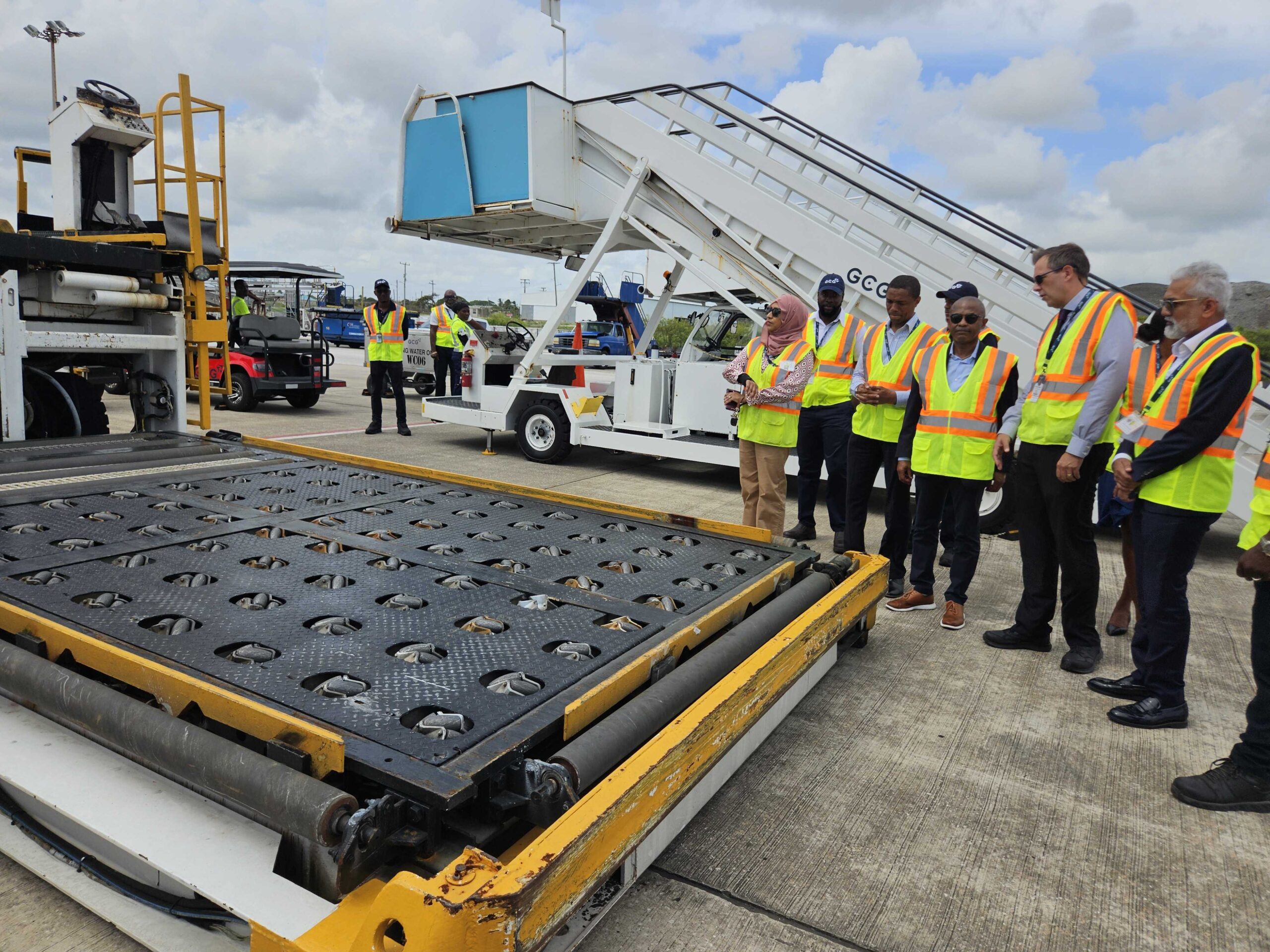
In a significant move to enhance tourism and operational efficiency, the two primary aircraft handling companies at Barbados’ Grantley Adams International Airport have collectively invested over $17 million in state-of-the-art upgrades over the past two years. The investments, announced by Tourism and International Transport Minister Ian Gooding-Edghill during a tour of the Seawell facility, include advanced ground handling equipment, upgraded sky and airport dining services, and new facilities for air-to-sea passengers.
-
Building productive and business alliances that contribute to the country’s development
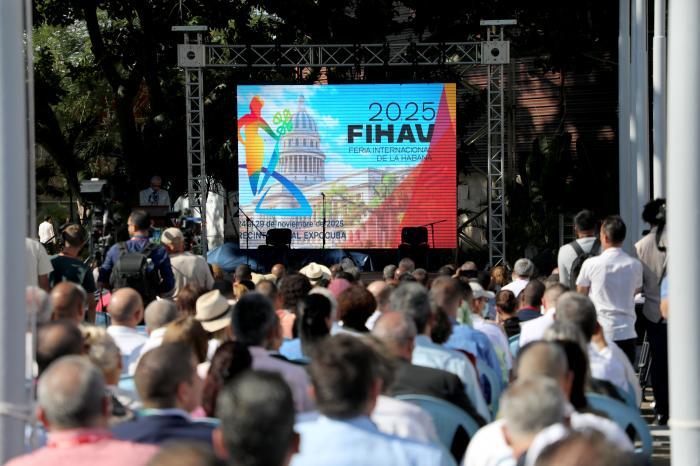
During the opening day of the Havana International Fair (Fihav) 2025, Cuban President Miguel Díaz-Canel Bermúdez highlighted the significance of the event as a testament to the nation’s resilience and creative resistance in the face of ongoing economic challenges. Addressing the Cuban press, Díaz-Canel emphasized that the fair, which runs from November 25 to November 29, serves as a platform to showcase Cuba’s potential and foster international partnerships. Despite the intensified U.S. economic blockade, the president underscored the importance of innovation, productivity, and alliances to overcome adversity. He noted that the fair enables Cuba to demonstrate its capabilities while learning from other nations, thereby building productive and business alliances crucial for the country’s development. Díaz-Canel also praised the presence of foreign businesspeople at the event, interpreting it as a sign of continued trust in Cuba. He acknowledged the challenges faced by these businesspeople, including unpaid debts and unmet commitments, yet highlighted their commitment to Cuba’s integrity and respect for their rights. The president also reflected on the participation of Cuban businesspeople living abroad, emphasizing their role in shaping the economic actors needed to build socialism in contemporary times. Díaz-Canel concluded by affirming Cuba’s determination to defend its present while striving for a better future, with the 41st edition of Fihav playing a pivotal role in this endeavor.
-

Arajet doubles daily flights to Newark as demand surges
Santo Domingo – Arajet, the Dominican Republic’s rapidly growing airline, has announced a significant expansion of its services to New York–Newark (EWR), doubling its daily flights to two starting November 19. This move comes in response to robust seasonal demand and consistently high load factors exceeding 85%. The airline’s strategic focus on strengthening its foothold in the U.S. market aligns with its broader growth objectives.
-
Premier Mark Brantley to Participate in First Gathering of ParlAmericas Parliamentary Network on Security
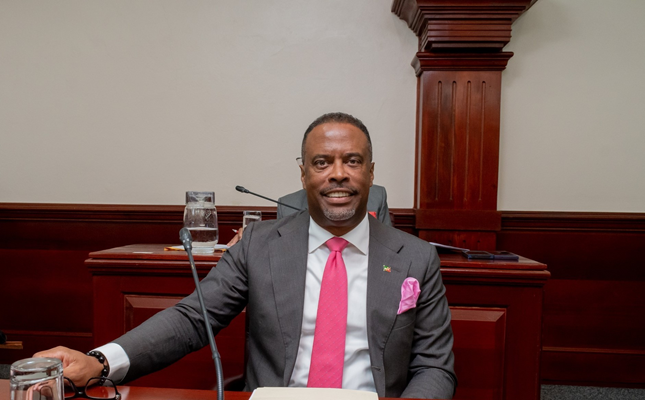
The Honourable Mark Brantley, Premier of Nevis and Opposition Leader of St. Kitts and Nevis, is set to contribute to critical hemispheric security discussions at the inaugural ParlAmericas Parliamentary Network on Security gathering. The high-level conference, scheduled for November 27-28, 2025 in Panama City, will convene parliamentarians from across the Americas and Caribbean to address pressing security challenges under the theme “Parliamentary Responses to Challenges in the Americas and the Caribbean.”
The landmark event marks the formal establishment of the ParlAmericas Parliamentary Network on Security, a groundbreaking initiative designed to foster interparliamentary cooperation and facilitate knowledge exchange on democratic oversight of security matters. The platform aims to develop comprehensive regional strategies against evolving transnational threats that affect nations throughout the hemisphere.
Delegates will engage in intensive deliberations examining the root causes of insecurity and violence, including the growing sophistication of transnational criminal networks and socioeconomic factors compromising citizen safety. The agenda features expert analysis of innovative institutional approaches to crime prevention and a keynote address exploring the interconnectedness of human security, sustainable development, and democratic resilience.
Additional sessions will address compounding challenges such as food insecurity, climate-induced threats, and economic instability, highlighting legislative responsibilities in building robust food systems, climate adaptation measures, and sustainable economic frameworks. The initiative receives financial backing from the Government of Canada through Global Affairs Canada, reflecting international support for regional security cooperation.
Premier Brantley’s participation underscores the Federation of St. Kitts and Nevis’ dedication to multilateral engagement and its commitment to advancing regional stability, security, and human development objectives through collaborative parliamentary action.
-

City chef convicted for importing dogs illegally
Elizabeth “Liza” Chung, a 40-year-old chef residing in Georgetown, Guyana, has been convicted for illegally importing 10 dogs without the required permit. The incident occurred on November 22, 2025, when Chung was intercepted at the Bina Hill Police checkpoint in Region Nine (Upper Takatu-Upper Essequibo). The Guyana Police Force reported that Chung was transporting the dogs in a vehicle when she was apprehended.
Chung pleaded guilty to the charge of importing a terrestrial animal without a permit, a violation of the 2011 Animal Health Act. Lethem Magistrate Omadatt Chandan imposed a fine of GY$20,000 on Chung following her guilty plea. The case highlights the enforcement of animal health regulations and the legal consequences of non-compliance.
This incident underscores the importance of adhering to legal requirements for animal importation to prevent potential risks to public health and animal welfare. Authorities continue to monitor and enforce such regulations to ensure compliance and safeguard the community.
-

Justice : Minister Pélissier is working…
Haiti’s Minister of Justice, Patrick Pélissier, has been actively engaging with key public institutions under his ministry’s purview to address critical issues in the country’s justice system. In a series of high-level working sessions, Pélissier met with leaders from the National Council for Legal Aid (CNAL), the Central Financial Intelligence Unit (UCREF), and the National Commission for the Fight Against Drugs (CONALD) to discuss pressing challenges and outline actionable solutions.
-

Guatemala Seeks Role in Belize/Honduras Sapodilla Cayes Dispute
The International Court of Justice (ICJ) in The Hague commenced a pivotal hearing today, November 24, 2025, addressing the long-standing territorial dispute over the Sapodilla Cayes, a group of islands claimed by both Belize and Honduras. In a significant development, Guatemala has formally requested permission to intervene in the case, adding a new dimension to the decades-old conflict. The hearing marks the latest phase in a legal battle that reignited in 2022 when Belize filed its case against Honduras. The Sapodilla Cayes, referred to as Cayos Zapotillos by Honduras, are at the heart of this sovereignty dispute. ICJ President Iwasawa Yuji outlined the procedural timeline, noting that Belize’s application was based on the 1948 Pact of Bogotá, which provides a framework for peaceful dispute resolution in the Americas. The court has set deadlines for the submission of legal documents, with Belize’s memorial due by May 2, 2023, and Honduras’s counter-memorial by December 4, 2023. This case underscores the complexities of territorial claims in the region and the role of international law in resolving such disputes.
-

Guatemala Flags Overlap in Belize/Honduras Claim
The longstanding territorial dispute between Guatemala and Belize has taken a new turn with Belize’s recent claim against Honduras, adding complexity to an already intricate legal battle. The International Court of Justice (ICJ) in The Hague is now faced with the challenge of addressing two overlapping cases concerning sovereignty over key islands in the southern waters of Belize. Guatemala has emphasized that this is not the first time these islands have been at the center of a legal showdown, as the country and Belize have been engaged in a separate case since 2019 over the same territory. Belize’s new claim against Honduras, filed just days before Guatemala was due to submit its reply in the ongoing Guatemala/Belize case, has created a procedural dilemma for the court. Guatemalan Ambassador Ana Cristina Rodriguez Pineda highlighted the interconnectedness of the two cases, noting that Belize has acknowledged this overlap in its correspondence with Honduras. She suggested that hearing the merits of both cases consecutively could ensure consistency and efficiency, particularly if Guatemala is allowed to intervene. The outcome of these disputes holds significant implications for regional sovereignty and international legal precedents.
-
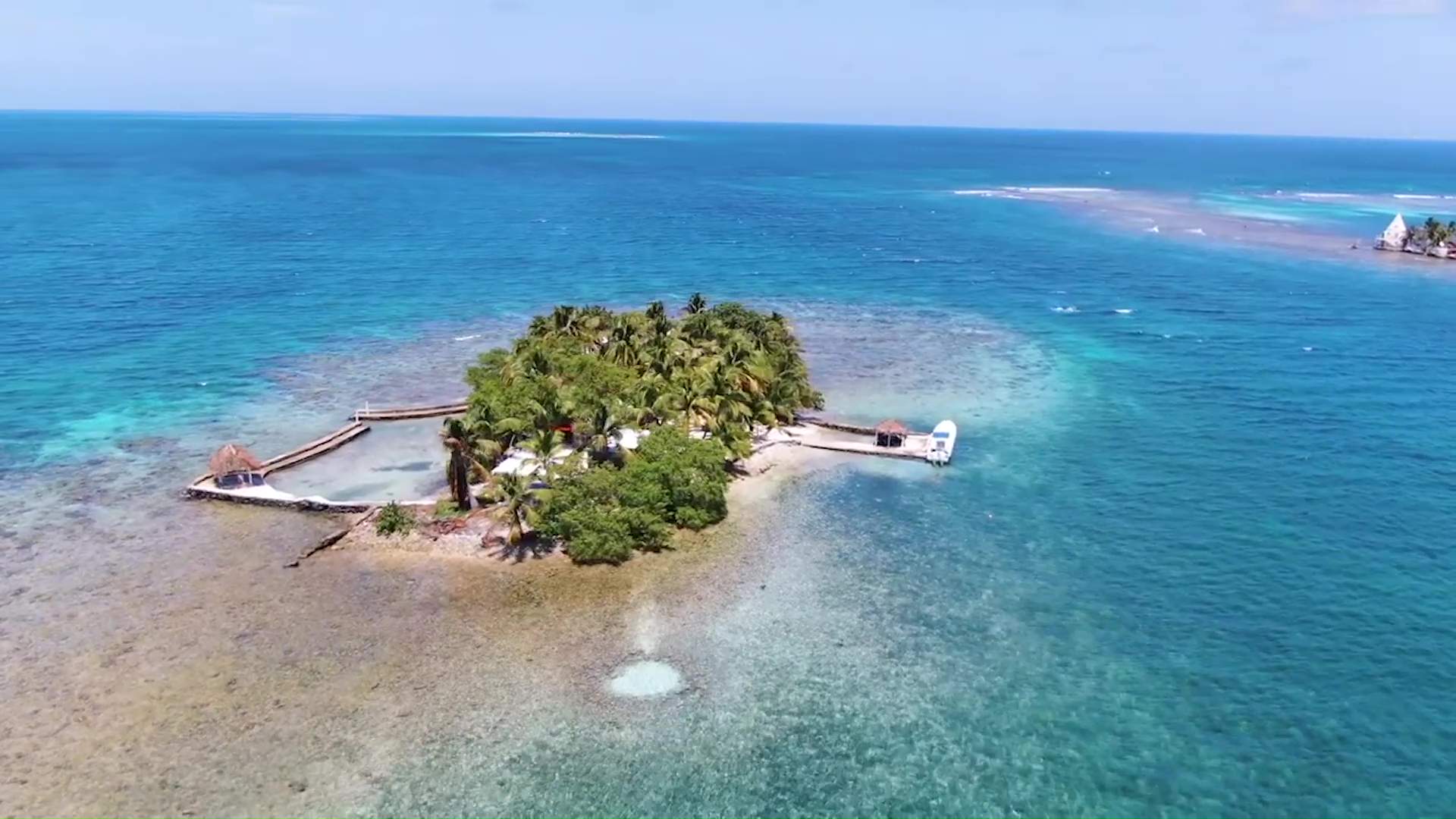
Paradise at the Heart of a High-Stakes Territorial Tug-of-War
The Sapodilla Cayes, a pristine cluster of fourteen islands nestled where the Caribbean meets the Gulf of Honduras, are at the heart of a high-stakes territorial dispute. Renowned for their turquoise waters, vibrant coral gardens, and rich biodiversity, these islands are more than a marine sanctuary—they are a geopolitical flashpoint. For decades, Guatemala and Honduras have laid competing claims to the cayes, turning this remote paradise into a battleground for sovereignty and security. The International Court of Justice (ICJ) is now tasked with determining the rightful owner of this strategic and ecologically vital region, a decision that could reshape the geopolitical landscape of Central America.
The Sapodilla Cayes Marine Reserve, which has expanded eightfold to over 300,000 acres since 2021, is a testament to Belize’s commitment to conservation. Managed by the Toledo Institute for Development and Environment (TIDE) with just seven rangers, the reserve faces significant challenges, including illegal fishing by Guatemalan and Honduran fishers. Armed and often resistant to arrest, these fishers employ destructive methods such as gill nets and longlines, threatening the fragile ecosystem. Joint patrols by TIDE and the Belize Coast Guard, including operations like Lighthouse and Corona Reef Patrols, aim to safeguard the area’s biodiversity and enforce fisheries guidelines.
As the ICJ hears arguments on Guatemala’s intervention in the Belize-Honduras dispute, the stakes are immense. A ruling could either resolve the long-standing territorial claims or leave the issue unresolved, jeopardizing Belize’s maritime entitlements. Meanwhile, the broader case of Guatemala’s claim to Belizean land and maritime areas remains pending, with oral hearings yet to commence. The Sapodilla Cayes, a symbol of natural beauty and geopolitical tension, stand at the crossroads of conservation and conflict, their fate hanging in the balance.