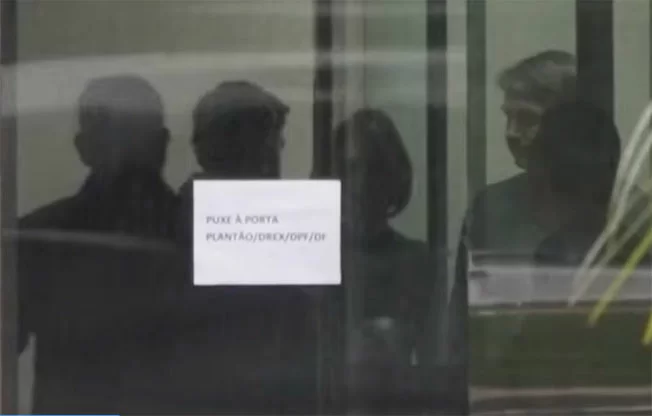
Former Brazilian President Jair Bolsonaro has commenced his 27-year prison sentence this weekend following his conviction by the Supreme Court. The charges stem from his alleged leadership in a coup attempt after his electoral defeat in 2022, undermining the democratic rule of law, and directing an armed criminal organization. Bolsonaro, aged 70, was transferred to the federal police headquarters in Brasília on Saturday after attempting to remove his electronic ankle monitor. The court interpreted this as a potential escape attempt, though Bolsonaro claimed he was experiencing hallucinations. Initially, Bolsonaro was allowed to await his appeal under house arrest, but after his appeal was rejected last week, all legal avenues were exhausted. His lawyers’ request for house arrest due to poor health was also denied. The Supreme Court decided to place Bolsonaro in a special cell within the police headquarters for security reasons. The 12-square-meter cell includes a private bathroom, air conditioning, a TV, and a bed, with no contact permitted with other detainees. Several former top officials, including two generals, a former Minister of Justice, and Bolsonaro’s intended vice president, have also been detained. A former security chief and congressman remains at large, reportedly in the United States. Despite his conviction, Bolsonaro retains popularity among a segment of the Brazilian population. His ally, former U.S. President Donald Trump, labeled the prosecution a ‘witch hunt.’ During the trial, the U.S. increased import tariffs on Brazil to 50%, though these were largely reversed after diplomatic discussions between Brazilian President Lula and Trump at the ASEAN summit. The sentencing of Bolsonaro is historic, marking the first time a former Brazilian president has received a long-term prison sentence for attempting a coup. Analysts predict the case will have lasting implications for Brazil’s political landscape.
作者: admin
-
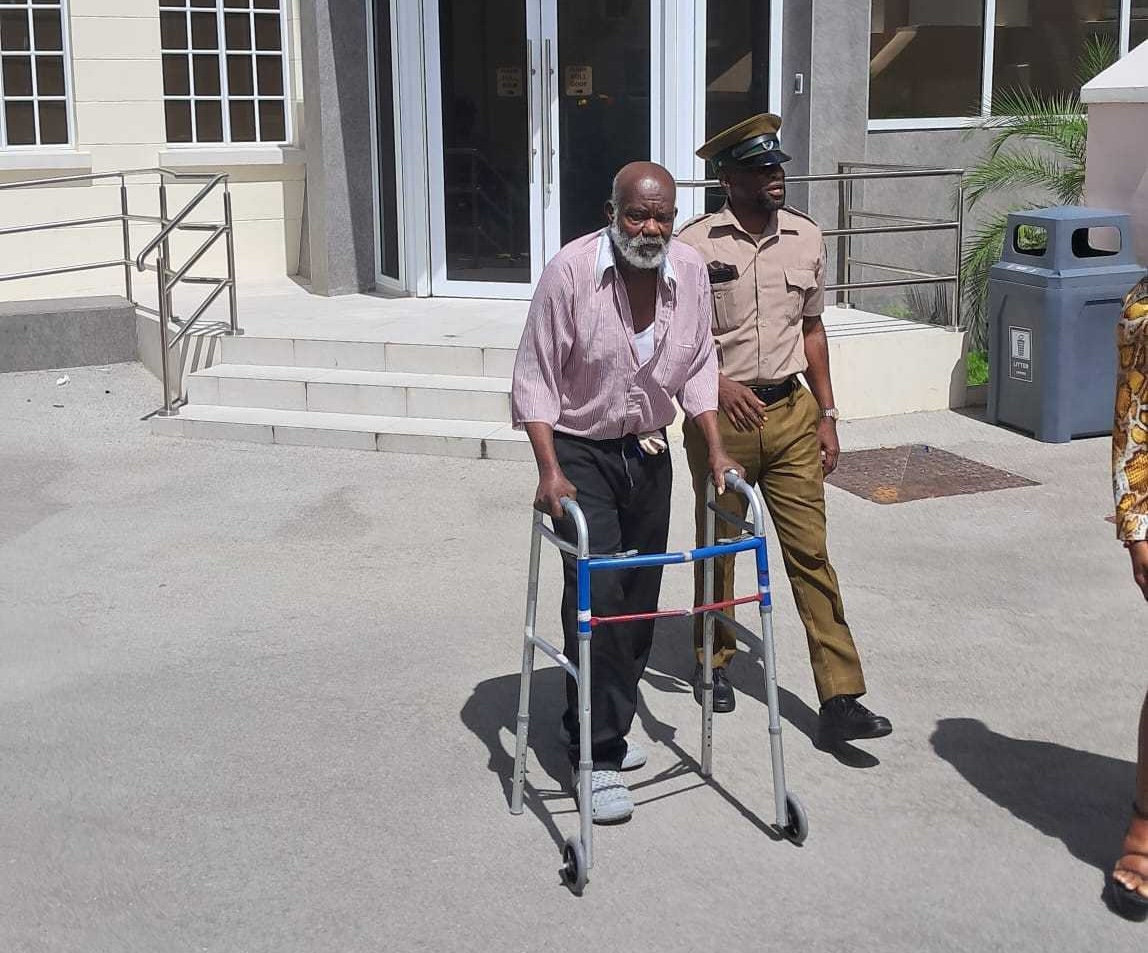
Grandfather guilty of disposing of granddaughter’s body
An 80-year-old man from Bush Hall, Winfield Nurse, has been found guilty of unlawfully disposing of the body of his 12-year-old granddaughter, Rasheeda Bascombe, in a case spanning over a decade. The verdict was delivered unanimously by a nine-member jury at the No. 4A Supreme Court on Tuesday, following a brief deliberation of just over an hour and a half. Nurse’s conviction marks the culmination of a tragic and long-standing mystery that has haunted the family since Bascombe’s disappearance between 2002 and 2013. According to court proceedings, Nurse admitted to police that Bascombe had contacted him three months after she went missing, demanding $1,000. In a written statement, Nurse recounted meeting her in Jackson, where an altercation ensued. He claimed Bascombe pulled out a knife, leading to a scuffle during which both fell to the ground, resulting in her being fatally stabbed. Nurse further stated that he returned two days later and disposed of her body by rolling it over a cliff to avoid detection. Bascombe’s mother, Hermena Straker, who has since passed away, testified in 2013 that Nurse confessed to her at Glebe Police Station, detailing the fatal encounter. Nurse chose not to defend himself during the trial, and no witnesses were called on his behalf. His attorney, Lennox Miller, requested a pre-sentence report, and Justice Donna Babb-Agard adjourned sentencing until January 29, 2026. The case was prosecuted by Principal State Counsel Olivia Davis and State Counsel Tito Holder.
-
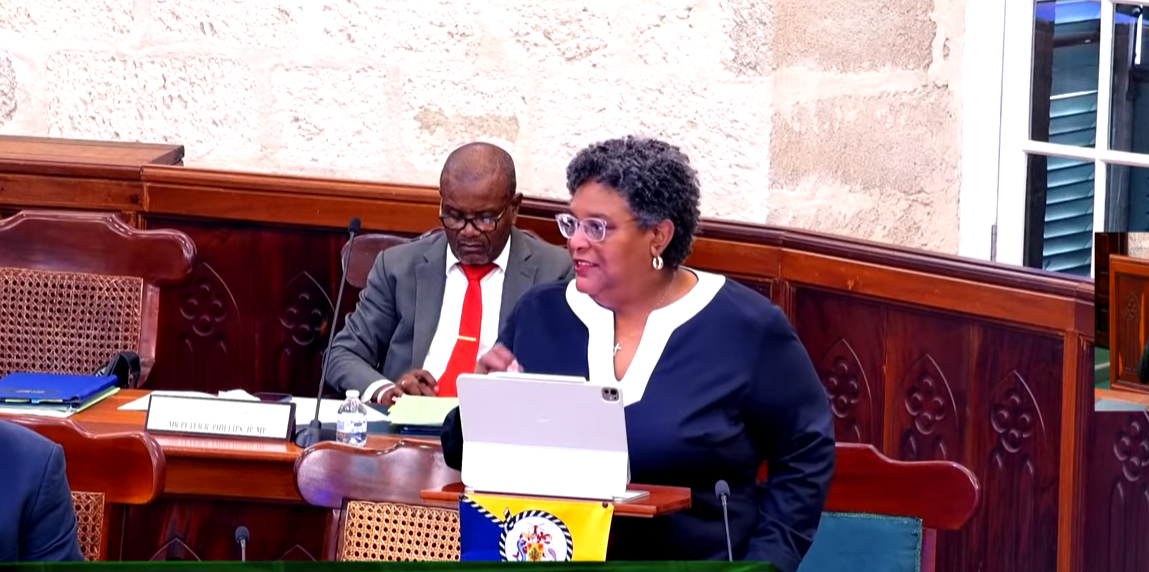
House Speaker to come from outside Parliament in constitutional change
In a groundbreaking move, Barbados is poised to revolutionize its parliamentary system with sweeping constitutional and legislative changes. For the first time in generations, the Speaker of the House of Assembly will be elected from outside the chamber, and senators holding ministerial roles will gain the right to participate directly in House debates. These reforms, spearheaded by Prime Minister Mia Mottley, signify a transformative shift in parliamentary representation and ministerial accountability in the Caribbean nation.
-

Adhin: 50 jaar onafhankelijkheid vraagt om eerbied én zelfonderzoek
During an extraordinary meeting of the National Assembly (DNA) on November 25, Speaker Ashwin Adhin emphasized the need for national reflection and the reinforcement of Suriname’s state foundations. Addressing government officials, parliament members, international guests, and the public in the Congress Hall, Adhin highlighted the importance of evaluating the nation’s progress since its independence 50 years ago. He expressed gratitude to delegations from neighboring countries, partner states, and the broader international community, noting the presence of representatives from the Netherlands, India, China, Indonesia, and the Asantehene of the Ashanti Kingdom as a testament to Suriname’s historical, cultural, and diplomatic ties. Adhin identified four critical structural challenges facing Suriname: financial stability, autonomous long-term planning, organizational strength of the state and society, and political culture. He warned that without addressing these issues, the next 50 years could mirror the past. Adhin called for a renewed commitment to sovereignty, responsibility, and leadership, asserting that true independence is not just a date but an attitude. He urged citizens, leaders, and institutions to embrace discipline, better organization, system strengthening, and integrity to fulfill the promise of 1975.
-

ONDA offers free work registration for authors at Mercadexpo UNIBE
The National Copyright Office (ONDA) has unveiled a groundbreaking initiative to support creators participating in Mercadexpo 2025. Through Resolution 011-2025, signed by Director José Rubén Gonell Cosme, ONDA will provide free registration for artistic, literary, and scientific works during the event. This move aims to foster intellectual property protection within a prominent academic and business forum.
The fee waiver applies to works submitted in person from November 26 to 28 at the Universidad Iberoamericana (UNIBE), the venue for the marketing and business fair. ONDA has committed to streamlining internal procedures to ensure the resolution’s effective implementation and will extensively promote the initiative across its communication platforms.
Mercadexpo, renowned as one of the Dominican Republic’s premier marketing congresses, will center its 2025 edition on the theme “Emotion.” The event will explore how emotional connections shape purchasing decisions, brand loyalty, and memorable consumer experiences. Over three days, attendees will engage in conferences, workshops, networking sessions, and certification programs led by international experts.
ONDA’s decision to offer free registration underscores the significance of safeguarding creativity in a dynamic environment that unites students, professionals, and businesses. This initiative not only empowers creators to protect their intellectual property but also provides them with a platform to explore cutting-edge marketing trends and the pivotal role of emotions in today’s competitive marketplace.
-
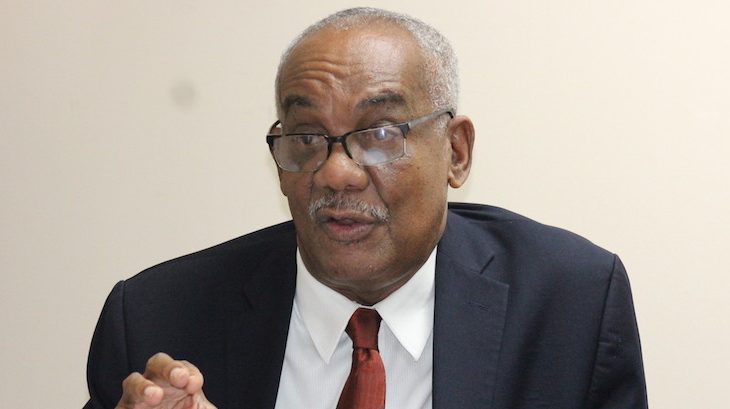
Changes to House Speaker election proposed by minority opinion
The Barbados government introduced three significant constitutional amendments to Parliament on Tuesday, sparking debate and raising questions about the process of constitutional reform. The proposals include widening the permissible size variation of constituencies, electing the Speaker of the House from outside the House of Assembly, and granting ministers expanded speaking rights in both legislative chambers. These amendments, however, were not endorsed by the Constitutional Reform Commission (CRC), according to its Chair, retired jurist Christopher Blackman, who expressed confusion over the current status of the commission’s report on constitutional changes, completed in 2024.
-

Massale viering van 50 jaar Srefidensi op Onafhankelijkheidsplein
Suriname marked its 50th anniversary of independence, known as Srefidensi, with a series of vibrant celebrations centered around Independence Square. The event was a testament to national pride and unity, despite a minor incident during the festivities. A parachutist descending with a massive Surinamese flag captivated the audience, who erupted in cheers upon his safe landing. Earlier in the day, another parachutist carrying the SLM flag had a mishap, landing incorrectly. The crowd, visibly concerned, breathed a sigh of relief and applauded warmly as he was taken to an ambulance, signaling the resilience and spirit of the occasion. The parade and military display were highlights of the day, with President Jennifer Simons, also the Commander-in-Chief, receiving enthusiastic greetings as she inspected the troops. Notably, the presence of numerous women in leadership roles within the armed forces drew appreciative cheers and applause from the audience. The event also featured the introduction of new police uniforms and a parachute show, which, despite a rough landing by one participant, concluded successfully, leaving the crowd in high spirits. In her address at the presidential palace, President Simons emphasized the importance of unity, dignity, and mutual respect in building a prosperous future for Suriname. She called on the nation to work together over the next fifty years to create a thriving country for future generations.
-

CCJ Academy for Law hosts 8th Biennial Conference in Trinidad and Tobago
The Caribbean Court of Justice (CCJ) Academy for Law is set to host its 8th Biennial Conference from November 26 to 28, 2025, at the Hyatt Regency Trinidad. Marking the CCJ’s 20th anniversary, the event, themed ‘The CCJ at 20: Reflections on Caribbean Jurisprudence,’ will convene a diverse group of stakeholders, including judicial officers, legal practitioners, academics, policymakers, and regional partners, to reflect on the Court’s two-decade legacy and its future trajectory. The conference will feature an Opening Ceremony with addresses by Senator John Jeremie, SC, Attorney General of Trinidad and Tobago, CCJ President Justice Winston Anderson, and Deputy Chair of the CCJ Academy for Law, Justice Chantal Ononaiwu. Representatives from CARICOM, the European Union, the Inter-American Development Bank, and the Caribbean Development Bank will also contribute. The three-day program will delve into critical legal topics such as constitutional law, criminal justice reform, environmental justice, and the role of technology in law. Notable sessions include discussions on the CCJ’s Original Jurisdiction and its impact on the CARICOM Single Market and Economy. Former CCJ President Sir Dennis Byron and Dr. Kenny Anthony, former Prime Minister of Saint Lucia, will also deliver key presentations. The event underscores the Academy’s mission to advance legal education and foster a resilient regional justice sector, supported by partners including LexisNexis, the Caribbean Development Bank, and the European Union.
-
Research shows 56.5% of Dominicans in the U.S. have postgraduate degrees
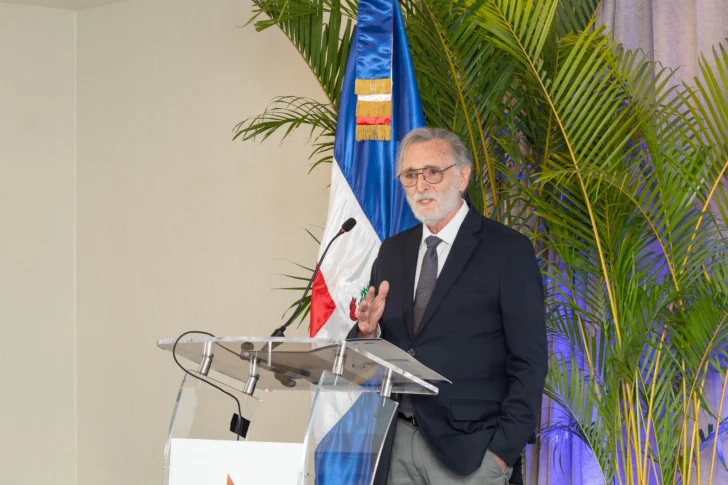
Santo Domingo – A recent conference organized by the National Institute of Migration (INM RD) shed light on the significant role of skilled migration in the global economy. Researcher Raúl Delgado Wise revealed a striking disparity: 56.5% of Dominicans residing in the United States possess postgraduate degrees, compared to a mere 2.6% in the Dominican Republic. His keynote address delved into the phenomenon of skilled migration within the framework of cognitive capitalism, emphasizing how knowledge, innovation, and highly trained human capital are pivotal to economic competitiveness.
The event brought together academics, specialists, and international organizations to explore the Dominican diaspora’s participation in global innovation networks. Delgado Wise highlighted the reliance of major technological ecosystems, such as Silicon Valley, on foreign talent. He noted that one-third of doctorates awarded in the U.S. go to migrants, underscoring the critical role of international expertise in driving technological advancements. However, he also cautioned that the privatization of knowledge exacerbates global inequalities and fosters technological dependence of the Global North on the Global South.
Elba Franco, director of the National School of Migration, celebrated the recent graduation of 25 professionals from the Master’s in Migration Policies and Development program. She emphasized the importance of scientific research in crafting effective public policies. INM RD director Wilfredo Lozano expressed gratitude to participants and advocated for an ‘insular perspective’ in migration governance. He also expressed interest in integrating Haitian students into future academic programs, highlighting the need for regional collaboration.
The conference underscored the dual nature of skilled migration for the Dominican Republic, presenting both opportunities and challenges. Key issues discussed included talent retention, innovation capacity, and the necessity of evidence-based policymaking to harness the potential of the diaspora effectively.
-

PM: Amendments to prevent widespread changes to electoral boundaries
Prime Minister Mia Mottley has issued a stark warning regarding the necessity of legislative reforms to address electoral boundary issues in Barbados. On Tuesday, Mottley introduced two significant bills—the Constitution Amendment Bill and the Parliament Miscellaneous Provisions Bill—to the House of Assembly. These measures aim to empower the Electoral and Boundaries Commission (EBC) to rectify what she termed ‘an error from years past.’ The last adjustments to constituency boundaries occurred in 2003, with prior changes dating back to 1991. Mottley emphasized that the demographic shifts in Barbados have rendered the current constituency framework outdated, necessitating drastic boundary revisions that could make many constituencies ‘unrecognizable.’ Under the existing constitutional mandate, constituency populations must remain within a 10% variance of each other. However, the EBC has recommended expanding this range to 20% (80% to 120%) to better reflect current demographic realities. Mottley highlighted significant population movements into regions such as St Philip, St Thomas, Christ Church, St George, and St Peter over the past two decades. In a related development, the EBC recently announced the removal of over 8,000 individuals from the voters’ list, including 4,923 deemed to have resided overseas for more than five years and 3,367 confirmed deceased. The commission has urged citizens to verify their electoral details, particularly if they have relocated, ensuring no one is disenfranchised due to missed enumeration visits.