作者: admin

  • St. Lucians vote for a new government

    St. Lucians vote for a new government

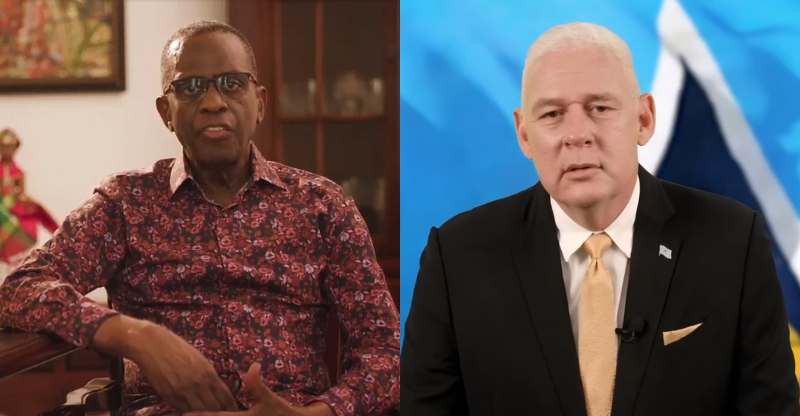
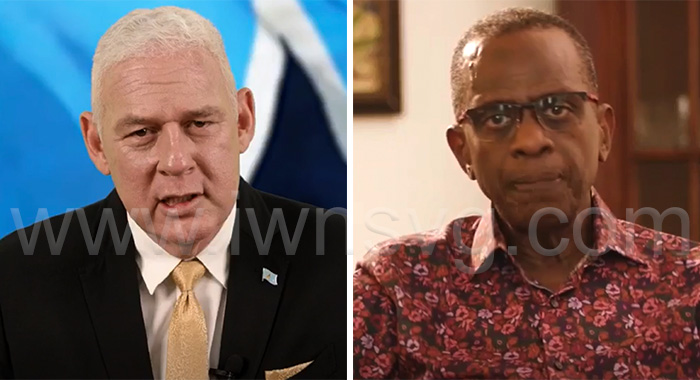
    CASTRIES, St. Lucia – Citizens of this Eastern Caribbean nation are preparing to cast their votes in a pivotal general election on Monday, marking a democratic contest between incumbent Prime Minister Phillip Pierre’s St. Lucia Labour Party (SLP) and Allen Chastanet’s opposition United Workers Party (UWP).

    The electoral process, monitored by international observers from CARICOM and the Organization of American States, features 52 nominated candidates including eight independents, though political analysts anticipate a direct confrontation between the two dominant parties.

    Prime Minister Pierre, 71, called the election nearly one year ahead of the constitutional deadline, expressing confidence that his party would maintain or exceed its current 13-seat majority achieved in the July 2021 polls. In his final pre-election message on social media, Pierre emphasized divine guidance and collective progress, invoking Psalm 33:12: “Blessed is the nation whose God is the Lord.”

    Opposition leader Chastanet, 65, similarly sought spiritual intervention, praying for “peace, wisdom and protection” during the voting process. Addressing supporters at his final rally in Choiseul, Chastanet referenced recent electoral victories by “yellow” parties across the Caribbean, including in Trinidad and Tobago and St. Vincent and the Grenadines, suggesting a regional political shift.

    Political analyst Rhyesa Joseph identified multiple factors influencing voter behavior, including “national leadership and governance, parliamentary representation, quality of the opposition candidate and trust and confidence in political affiliation.”

    The Electoral Department reports approximately 180,000 registered voters, with Chief Elections Officer Herman St. Helen noting a significant late surge in registrations, particularly among youth. St. Helen emphatically guaranteed a free and fair electoral process despite allegations of corruption.

    Voter turnout remains a concern, with historical data showing a dramatic decline from 80% in 1979 to just over 50% in 2021. Local publication The Voice urged citizens to fulfill their “civic duty” despite this trend.

    Key battlegrounds include constituencies where former UWP members Richard Frederick and Stephenson King, now running as independents after previously aligning with the SLP, face heightened competition. The election’s outcome will determine the direction of national development policies and St. Lucia’s positioning within the Caribbean community.

  • Dominican Republic wins silver and bronze at World Robot Olympiad 2025

    Dominican Republic wins silver and bronze at World Robot Olympiad 2025

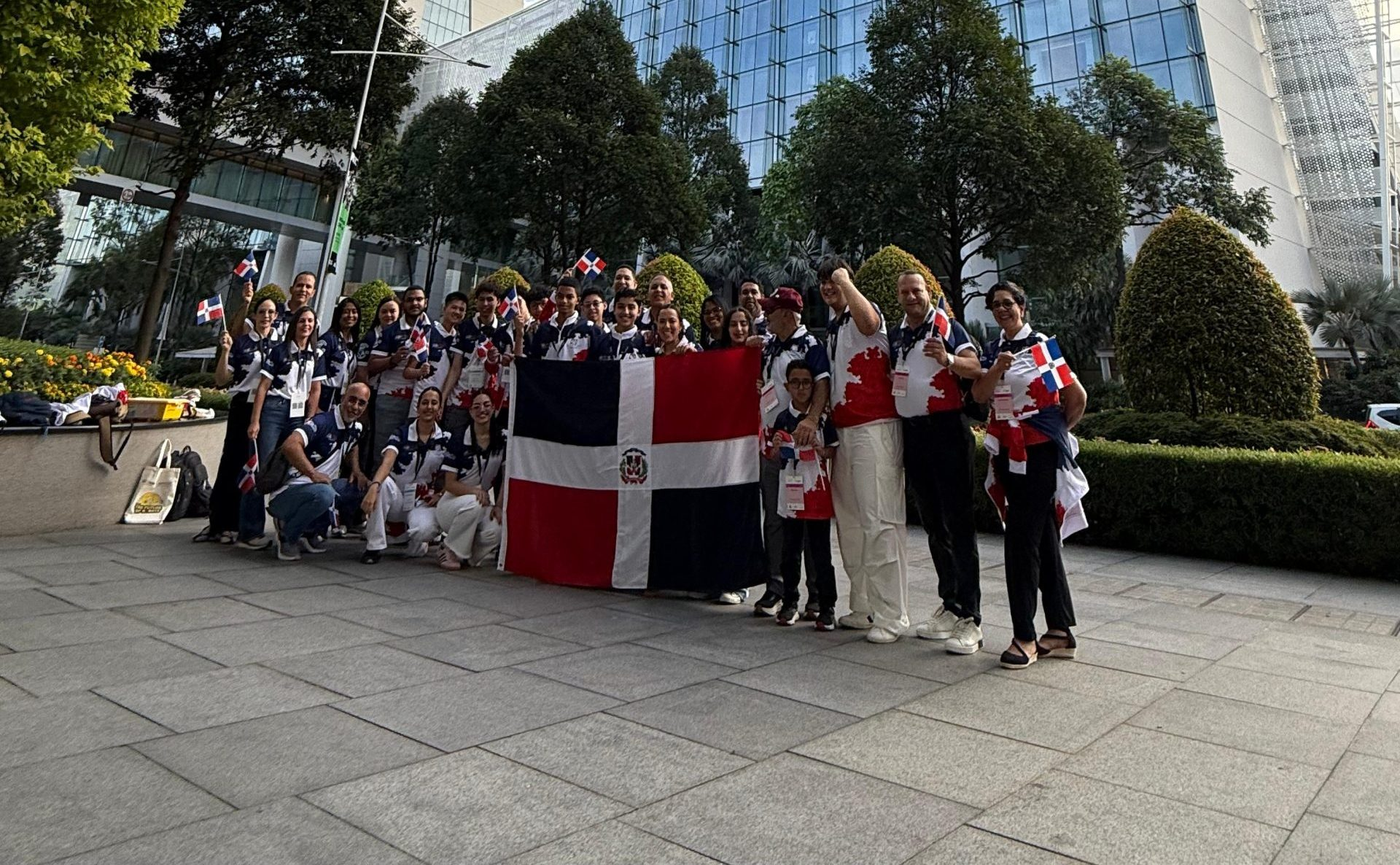
    SINGAPORE – The Dominican Republic has dramatically elevated its status in the global technology arena by capturing two prestigious medals at the World Robot Olympiad (WRO) 2025 finals. Competing in a fiercely contested field representing over 96 nations, the Caribbean nation’s young talents demonstrated exceptional skill and innovation on the world stage.

    In a landmark achievement for the country’s STEAM (Science, Technology, Engineering, Arts, and Mathematics) education sector, the ‘Fire Busters’ team was awarded the silver medal in the highly competitive Future Innovators – Senior category. The judging panel specifically highlighted their project’s groundbreaking innovation, significant social impact potential, and outstanding technical execution. This accomplishment has propelled the Dominican Republic to an impressive 18th place in the global rankings for this division.

    Simultaneously, the ‘Cyberbot’ squad secured the bronze medal in the RoboMission – Junior category, where they excelled in robot design sophistication, strategic implementation, and advanced programming techniques against international counterparts.

    The path to Singapore was paved through an extensive national selection process orchestrated by WRO Dominican Republic. This rigorous competition, which unfolded across Santiago and Santo Domingo, attracted hundreds of participants from both public and private educational institutions, showcasing the growing depth of robotic talent throughout the country.

  • Region 1 policeman arrested after video surfaces of man brandishing, shooting rifle, threatening to kill

    Region 1 policeman arrested after video surfaces of man brandishing, shooting rifle, threatening to kill

    A law enforcement officer from Guyana’s Region 1 (Barima-Waini) has been taken into custody following the emergence of a disturbing video depicting an armed individual threatening lethal violence in Port Kaituma. The Guyana Police Force confirmed Sunday that the officer was placed under close arrest to facilitate an internal investigation into the alarming incident.

    The controversial footage, which surfaced on social media platforms, shows a man dressed in civilian clothing brandishing an assault rifle on a public roadway. During the altercation, the individual discharged multiple rounds—including one shot fired while a peacemaker attempted to disarm him, and two additional shots while walking with the weapon. Two women were visible in the video attempting to de-escalate the situation.

    Police Commissioner Clifton Hicken has ordered the Office of Professional Responsibility to conduct a comprehensive investigation into the circumstances surrounding the incident. The law enforcement agency emphasized that the video evidence would form a crucial component of the probe, which will determine appropriate disciplinary and criminal measures.

    The police force issued an official statement affirming its commitment to ‘maintaining the highest standards of professionalism and accountability.’ The statement came approximately one hour after Team Mohamed’s Facebook page published the viral video, though police did not explicitly acknowledge the social media post as their source.

    The incident has drawn political attention, with the We Invest in Nationhood (WIN) political party calling for authorities to investigate what they describe as inadequate supervision of police personnel in Region One. The party’s social media caption accompanying the video demanded thorough investigation into these alleged police infractions.

  • Column: De ketens van onderdanigheid

    Column: De ketens van onderdanigheid

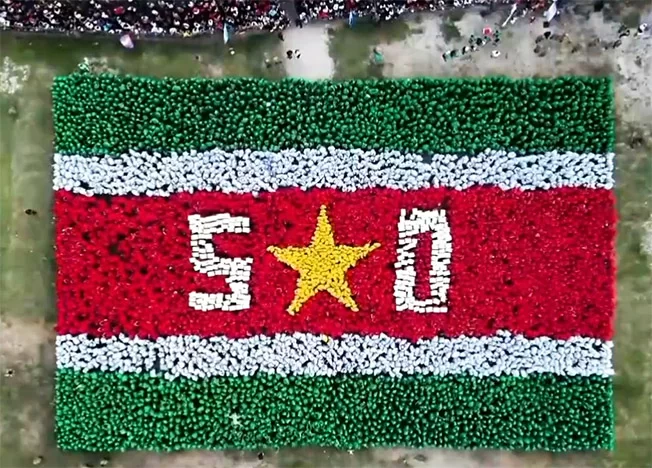
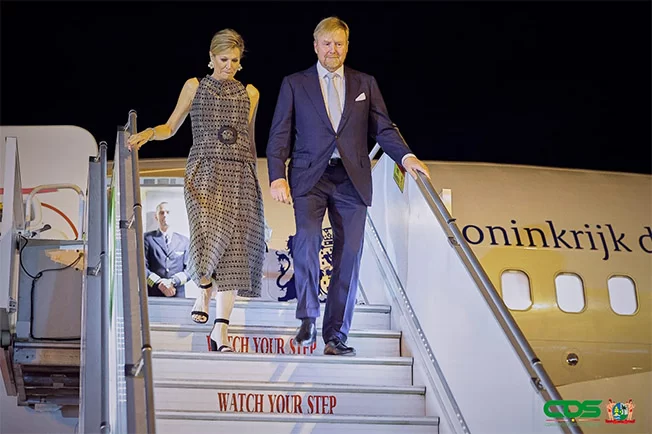
    The state visit of King Willem-Alexander and Queen Máxima to Suriname has evolved beyond ceremonial formalities into a profound examination of the complex historical relationship between the Netherlands and its former colony. While theoretically representing an opportunity to open a new chapter in bilateral relations, the visit has instead highlighted enduring tensions through its stringent protocol requirements.

    Surinamese media outlets have received official instructions mandating specific royal address protocols, including the use of ‘Her Excellency’ and ‘Their Majesties King and Queen,’ while being discouraged from publishing speculative or unverified reporting. All publications and broadcasts must reflect the dignity of the state visit—requirements notably more rigid than those enforced in the Netherlands itself.

    These protocol directives have sparked intense national introspection about Suriname’s cultural identity and historical consciousness. Many question why the nation remains bound to ceremonial practices that echo colonial subservience and slavery-era power dynamics. The symbolic weight of bowing to these royal protocols, critics argue, demonstrates that Suriname has not fully transcended its colonial past, with the Orange family—once rulers over ancestors—still maintaining invisible chains around the nation’s neck.

    The visit has consequently become a catalyst for deeper reflection about national dignity and historical reconciliation. True progress, commentators suggest, will emerge not through adherence to protocols that perpetuate historical power imbalances, but through breaking the chains that bind Suriname to a past that must be confronted and overcome. Only through such liberation can Suriname truly advance as a proud, free, and equal nation in its relationship with the Netherlands.

  • Expat rugby pioneer Lucas dead at 85

    Expat rugby pioneer Lucas dead at 85

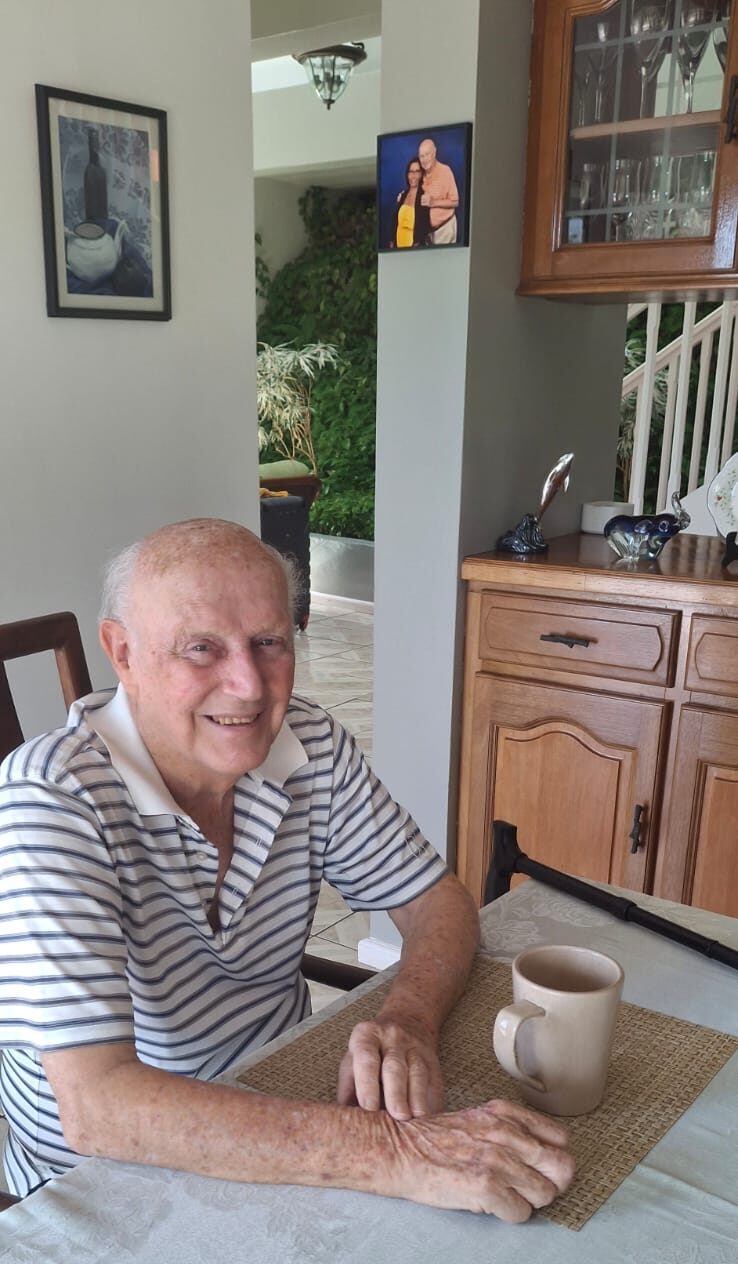
    The Caribbean island of Saint Lucia is mourning the loss of British-born rugby pioneer John Eric Lucas, who passed away on November 1 at age 85. His funeral service on November 28 at Our Lady of the Rosary of Fatima in La Clery brought together family, athletes, and business leaders to honor his transformative impact on the island’s sporting culture.

    Lucas arrived in Saint Lucia in the 1970s through his accounting work with the Commonwealth Development Corporation, serving as secretary accountant of LUCELEC. Though offered opportunities to return to Africa after his contract, he chose to remain on the island, captivated by its people and culture. He subsequently joined Minvelle & Chastenet Limited, where he rose to finance director and formed a pivotal partnership with managing director Fred Devaux.

    His sporting legacy began through collaboration with Canadian educators including Millar Young from Castries Comprehensive Secondary School. Lucas leveraged his administrative skills and community connections to establish rugby’s foundation on the island. As former national player Michael Pierre recalled: ‘He was in the rugby administration when I played, and he was also a top rugby official.’

    The Saint Lucia Rugby Club flourished under his guidance, hosting international teams and traveling to neighboring territories including Barbados, Martinique, and Guadeloupe. Although the sport experienced a decline in the late 1980s, Lucas lived to see its resurgence over the past two decades.

    Beyond sports, Lucas was celebrated for his charitable work and community dedication. Saint Lucia Olympic Committee President Alfred Emmanuel noted: ‘Surely he was one of the pioneers of the sport in Saint Lucia… He used his connections to get locals involved in the sport, and the rest is history.’

    His family described him as ‘a very outgoing and charismatic man’ whose passion for sports led to numerous socially beneficial initiatives, including his role as vice president of the Saint Lucia Chamber of Commerce. His son Christopher Eric Lucas remembered him as ‘a kind and compassionate man, hardly ever without a smile on his face.’

    The Saint Lucia Rugby Football Union, represented by president Roger Butcher and former player Lyndell Norville, paid formal tribute at his memorial service, acknowledging Lucas’s enduring legacy in establishing rugby as part of the island’s sporting identity.

  • An uprising that gave continuity to the Revolution

    An uprising that gave continuity to the Revolution

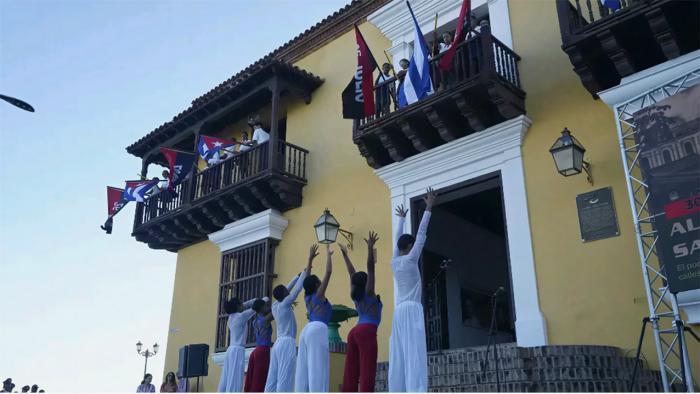
    SANTIAGO DE CUBA – The city commemorated the 69th anniversary of the November 30, 1956 uprising with a solemn ceremony that echoed the revolutionary spirit of the past while reaffirming contemporary political commitments. The event marked the historic action led by Frank País that supported the landing of the Granma yacht, a pivotal moment in Cuba’s revolutionary struggle.

    At Loma del Intendente, floral tributes were ceremoniously placed before the memorial plaque honoring the uprising. The offerings included wreaths from Army General Raúl Castro Ruz, revolutionary leader and former president; First Secretary of the Communist Party and President of the Republic Miguel Díaz-Canel Bermúdez; National Assembly President Esteban Lazo Hernández; and one representing the Cuban people.

    The ceremony, presided over by Beatriz Johnson Urrutia, First Secretary of the Party in Santiago de Cuba province, served multiple purposes beyond historical remembrance. New members of the Young Communist League received their membership cards during the event, while various organizations and entities presented their commitments in celebration of the upcoming 67th anniversary of the Revolution’s triumph.

    The original 1956 uprising, as described by Frank País himself, demonstrated overwhelming popular support for the revolutionary cause. Citizens provided critical assistance to revolutionaries by caring for the wounded, concealing combatants, safeguarding weapons and uniforms, offering their homes as refuge, and monitoring army movements. This collective courage during the struggle’s most challenging moments created what País characterized as “a beautiful sight” of unified resistance.

    The contemporary ceremony effectively bridged historical memory with current political symbolism, emphasizing continuity between the revolutionary past and present governance structures through the participation of both veteran leaders and new party members.

  • Cuba shows sustained progress in the fight against HIV

    Cuba shows sustained progress in the fight against HIV

    Cuba has demonstrated remarkable success in its battle against HIV/AIDS, reporting substantial improvements in key health indicators that position the nation as a regional leader in disease management. Recent data reveals that the Caribbean island has achieved a 39% reduction in HIV-related mortality alongside a 14.5% decrease in new infections, bringing annual diagnoses down to 1,708 cases.

    Dr. Jacqueline Sánchez Fuentes, head of the STI Control Strategy at Cuba’s Ministry of Public Health, attributes these achievements to the country’s comprehensive national program and sustained political commitment. The current HIV-positive population stands at 35,373 individuals, a figure that has remained stable due to the program’s effectiveness.

    The nation’s health system has prioritized universal access to antiretroviral treatment while intensifying preventive measures. Current objectives include achieving 95% coverage in both diagnosis and treatment protocols, alongside expanded prophylaxis and combined prevention strategies targeting key populations.

    These medical advances coincide with Cuba’s parallel efforts to combat social stigma and discrimination against people living with HIV. The dual approach addresses both clinical and societal aspects of the disease, particularly relevant as the global community observes World AIDS Day with its focus on reducing inequalities.

    Cuba’s progress stands in contrast to the broader global landscape. According to WHO and UNAIDS estimates, worldwide HIV prevalence has increased by 27% since 2010, with approximately 40.8 million people currently living with the virus. The global community records 1.3 million new infections annually and approximately 630,000 AIDS-related deaths each year.

    Despite these challenging statistics, international efforts have yielded positive results, with a 40% reduction in new infections and a 54% decrease in mortality compared to 2010 levels. In the Americas, where an estimated 4.2 million people live with HIV, Cuba continues to strengthen its healthcare response, reaffirming its commitment to universal health access and quality patient care.

  • Electoral body assures seamless voting after advance-poll hiccups

    Electoral body assures seamless voting after advance-poll hiccups

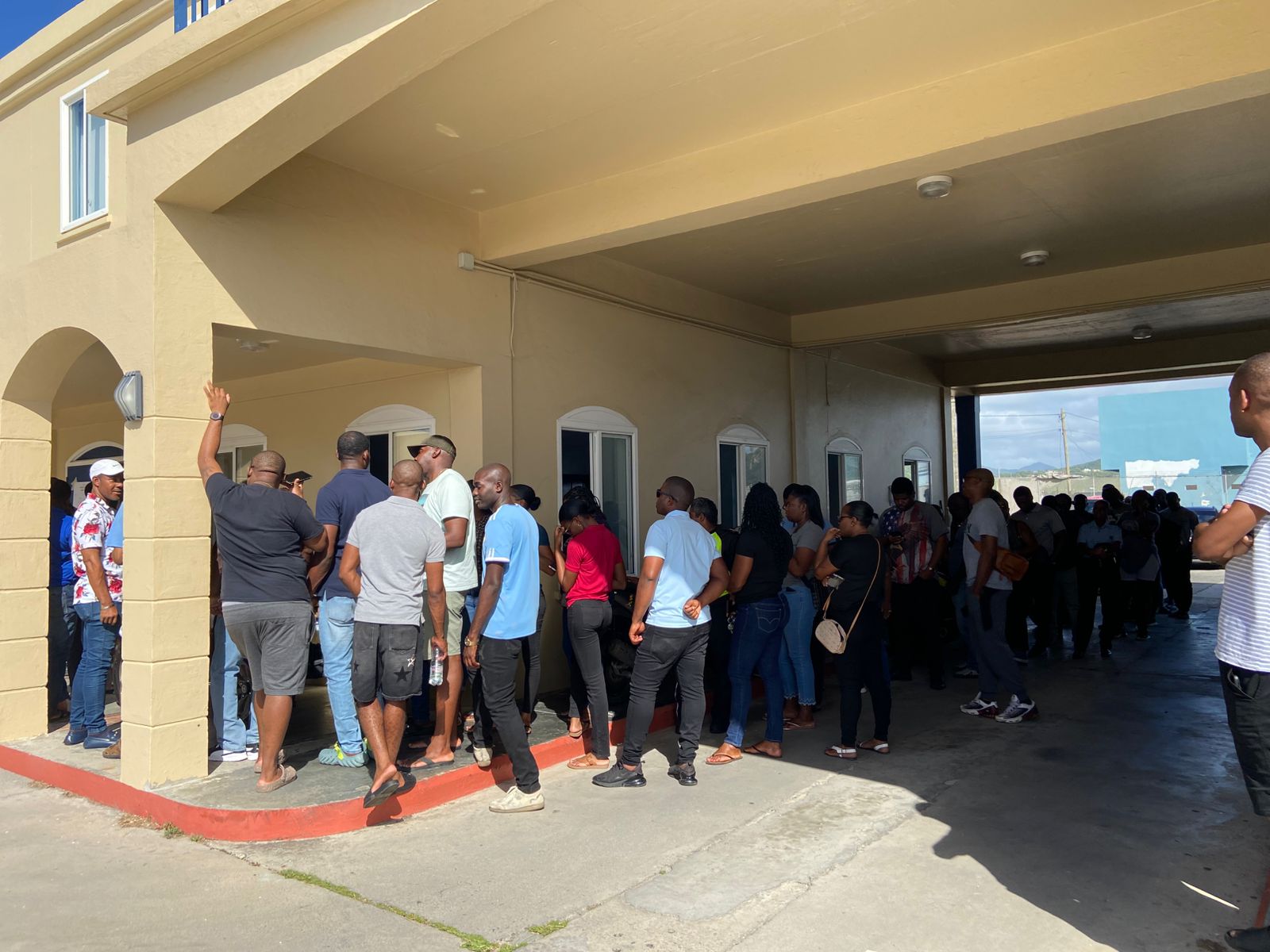
    The Electoral Commission has moved to address public concerns regarding potential voting delays, offering firm assurances that tomorrow’s general election will proceed with efficiency and minimal disruption. This response follows significant logistical challenges encountered during advance polling for essential service personnel on November 28, where police officers, firefighters, and correctional officers faced extensive queues and late voting.

    In an official statement released today, the Commission detailed that the Electoral Department—which holds complete authority over election proceedings—has already enacted comprehensive measures to guarantee streamlined operations across all polling stations. The previous delays were attributed to an expansion of polling divisions from two to four without proportional increases in polling stations, creating a bottleneck effect.

    Compounding the issue was a notable surge in the number of essential service voters since the 2021 election, alongside the retention of retired officers on voter rolls. This demographic growth resulted in a substantially larger electorate than anticipated, overwhelming the available infrastructure at all four advance polling locations.

    The Electoral Department had initially recommended additional polling stations to accommodate the increased voter volume. However, resource constraints within the police force prevented the implementation of this expansion. In retrospect, the Commission acknowledged that each division required more stations—with Soufriere needing at least four, and Vieux Fort, the Police Training School, and Gros Islet requiring up to six.

    Despite these advance polling complications, officials emphasized that the circumstances were unique to the essential service electorate. The Commission confirmed that any essential service workers unable to vote during the advance poll retain full eligibility to cast their ballots on Election Day.

    The Commission concluded: “The Electoral Department will reevaluate this matter in collaboration with police authorities to prevent recurrence in future elections. For December 1, 2025, all necessary protocols have been established to ensure a swift and uninterrupted election process for all voters.”

  • Nederlandse koning reist met delegatie van 15 bedrijven voor versterking samenwerking

    Nederlandse koning reist met delegatie van 15 bedrijven voor versterking samenwerking

    King Willem-Alexander and Queen Máxima of the Netherlands arrived in Suriname on Sunday evening, accompanied by a substantial Dutch business delegation comprising 15 prominent companies and institutions. This high-profile state visit signals a robust commitment to enhancing economic cooperation between the two nations across multiple sectors including water management, infrastructure, health technology, logistics, agriculture, and innovation.

    The delegation, coordinated by VNO-NCW—the Netherlands’ largest employers’ organization—and led by Mr. Maarten Schuurman, represents a strategic effort to deepen sustainable economic relations. The composition of the delegation reflects the key pillars of the Dutch economy while identifying specific collaboration opportunities with Suriname.

    Water and infrastructure form a central focus, with world-leading companies such as Boskalis, De Boer (Dutch Dredging), Fugro, Royal HaskoningDHV, and research institute Deltares participating. These organizations bring expertise in climate adaptation, coastal protection, dredging, geodata, river management, and sustainable infrastructure. During the visit, an agreement will be signed with Suriname’s Ministry of Public Works and Spatial Planning for dredging the Suriname River, supported by a donation exceeding 50 million euros.

    A second cluster includes companies active in energy, industry, and transport: Koole Group (liquid storage and logistics), Janson Bridging (modular bridges and emergency infrastructure), Royal Van Lent Shipyard (Feadship, shipbuilding), and KLM (strengthening air connectivity). Their involvement indicates interest in modernizing transport chains, maritime cooperation, and improving regional connectivity.

    Invest International plays a pivotal role in financing international projects utilizing Dutch expertise, demonstrating openness to co-financing initiatives in water, infrastructure, climate, energy, and innovation.

    The delegation also features technology and innovation partners like Philips and TNO (through geodata overlap with Fugro), bringing expertise in medical technology, research innovation, digitalization, energy innovation, and strengthening public services. This highlights cooperation beyond traditional sectors.

    Trade and agriculture are represented by Koppert Cress (innovative horticulture) and Jacaranda Trading (heavy equipment international trade), emphasizing opportunities for entrepreneurship, agro-innovation, and smaller-scale trade.

    The diversity of the delegation underscores the Netherlands’ comprehensive approach to strengthening economic relations, knowledge exchange, sustainable infrastructure, innovation, maritime and air connectivity, agriculture, trade, and development-oriented project financing.

  • Pierre, Chastanet make final pitch on eve of election

    Pierre, Chastanet make final pitch on eve of election

    In a climactic conclusion to Saint Lucia’s election campaign, the nation’s principal political figures delivered compelling final addresses to voters on November 30th. Prime Minister Philip J. Pierre of the Saint Lucia Labour Party (SLP) and United Workers Party (UWP) leader Allen Chastanet presented contrasting governmental visions hours before citizens cast their ballots in the December 1st general election.

    Pierre framed the electoral decision as a fundamental choice between divergent national trajectories rather than mere party preference. The incumbent leader emphasized maintaining proven leadership and steady economic management, advocating for continuity in economic growth strategies, youth development programs, and equitable opportunity creation. “Choose progress, choose unity, choose a Saint Lucia that will go forward together,” Pierre declared in his closing argument to the electorate.

    Conversely, Chastanet positioned his party as agents of transformative change, seeking to return the UWP to power after their 2016-2021 governance period. The opposition leader promised a revitalized approach, stating, “We’re now stronger. We’re ready for a fresh beginning with a new mindset and the right team.” Both leaders engaged in strategic criticism of their opponent’s administrative records while making their ultimate appeals for voter support.

    The televised addresses represented the final opportunity for both parties to influence undecided voters in what appears to be a closely contested election that will determine Saint Lucia’s leadership for the upcoming five-year term.