作者: admin

  • Parliament committee queries accountability — $80M in drugs left to expire

    Parliament committee queries accountability — $80M in drugs left to expire

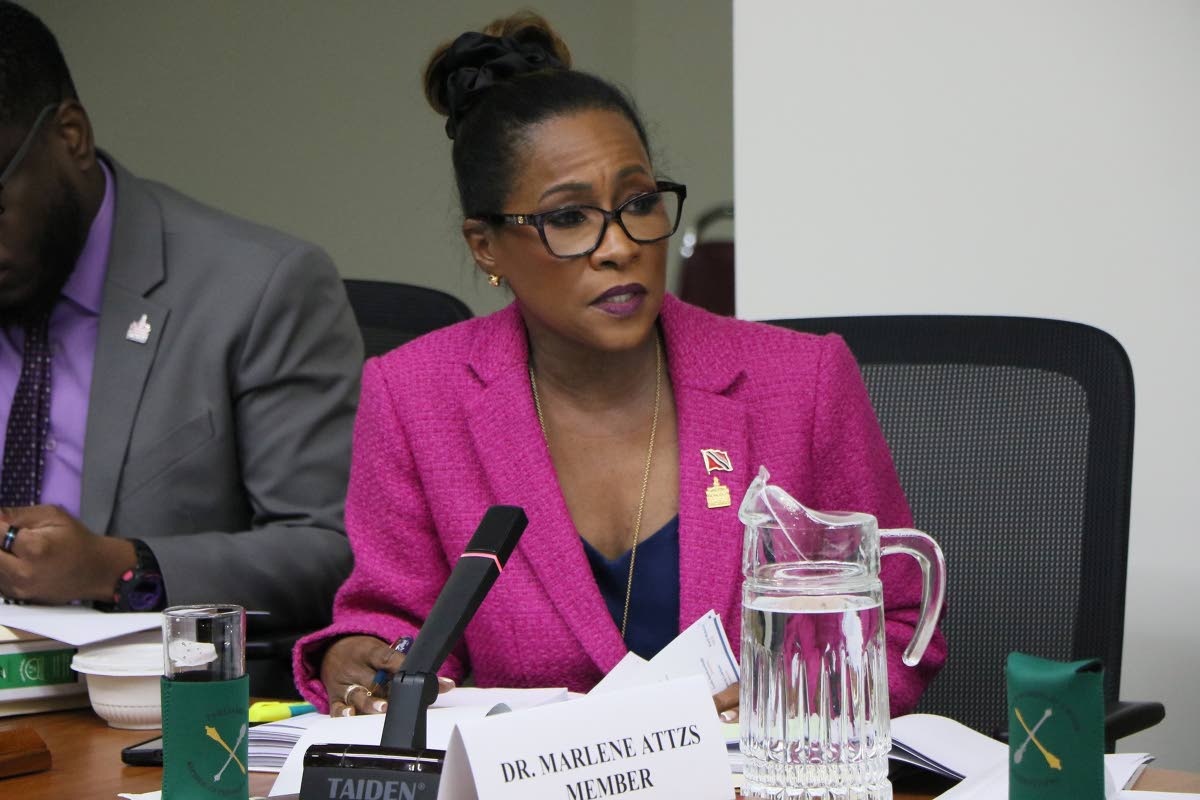
    A staggering $80 million worth of pharmaceuticals intended for Trinidad and Tobago’s national healthcare system expired over a decade-long period while sitting in Ministry of Health storage facilities, raising serious concerns about accountability and systemic inefficiencies within the country’s medical supply chain.

    The alarming revelation emerged during Monday’s sitting of Parliament’s Public Administration and Appropriations Committee (PAAC), where officials highlighted critical failures in drug management protocols. Committee members emphasized the urgent need for strengthened oversight mechanisms to protect public health resources and ensure taxpayer funds are properly utilized.

    Hasmath Ali, Chief Chemist and Acting Director of the Ministry’s Chemistry Food and Drugs Division, acknowledged the severity of the situation while stressing the non-negotiable requirement for rigorous due diligence in pharmaceutical management. “Due diligence is required to ensure the safety of the population. In circumstances that relate to health, there is no argument from me on that,” Ali told committee members.

    Independent Senator Dr. Marlene Attz expressed profound concern over the massive financial loss, questioning whether systemic “lethargy” throughout Trinidad’s healthcare infrastructure contributed to this accumulation of expired medications. She suggested incorporating laypersons into oversight committees to provide fresh perspectives and enhanced accountability measures.

    Ali clarified that while the expired drugs fell under the responsibility of a separate procurement and distribution entity, the Ministry recognized the necessity of addressing these systemic shortcomings. In response to the crisis, officials revealed plans to modernize operations through legislative updates to the Food and Drugs Act and digitization of drug registration processes.

    North Central Regional Health Authority CEO Davlin Thomas provided additional context, explaining that regional health authorities don’t control procurement decisions. “The issue is not with the procurement process itself, but with how these drugs are managed upon arrival and how they are distributed,” Thomas stated, emphasizing that demand-based procurement originates from public need rather than RHA recommendations.

    An anonymous senior RHA official described persistent challenges in inventory management that contribute to pharmaceutical surpluses. The source cited difficulties in accurate forecasting, short decision-making timeframes, and consumption patterns that often differ significantly from procurement orders. Compounding these issues are staff shortages, procedural delays, and strict disposal policies that prevent repurposing drugs nearing expiration.

    Despite these challenges, the official noted gradual improvements through enhanced training programs and stricter monitoring protocols, resulting in decreasing expiration rates in recent years.


  • Paediatrician on safe toy choices this Christmas

    Paediatrician on safe toy choices this Christmas

    As the festive season approaches, pediatric expert Dr. Tricia Jailal is raising urgent awareness about toy safety during December’s international Safe Toys and Gifts Month. With 13 years of experience in child healthcare and co-founding ABC Paediatrics, Dr. Jailal emphasizes that gift selection requires careful consideration beyond mere holiday excitement.

    During the holiday period, toy-related injuries become significantly more prevalent. “Ingestion of small toy parts occurs quite frequently along with choking,” Dr. Jailal explains. “Falls and physical injuries from ride-on toys are equally concerning.”

    The pediatrician outlines five critical evaluation criteria for toy selection: age appropriateness, safety features, developmental value, durability, and child engagement potential. She particularly warns about button batteries as “the most dangerous object that can be overlooked,” noting they can cause severe internal burns within hours if swallowed.

    Other significant hazards include:
    – Plush toys with loose filling that pose choking risks
    – USB-charged toys with hidden heat sources causing burns
    – Excessively loud toys potentially damaging hearing
    – Sharp-edged plastic or wooden toys leading to cuts
    – Toxic materials in art supplies and chemically scented items
    – Projectile toys risking eye injuries
    – Water-expandable toys like Orbeez causing internal blockages

    Dr. Jailal recommends the “toilet paper roll test” for choking hazards: if any toy part fits inside the roll, it presents a choking risk. She strongly advises against unregulated market purchases, emphasizing that “unregulated toys mean these toys have not been tested, inspected or certified.”

    Certification marks like CPC, ASTM F963, or CE indicate compliance with safety standards. Parents should avoid toys containing phthalates, BPA, lead, formaldehyde, heavy metals, toxic foam materials, brittle plastics, uncoated metals, unknown fillings, scented components, and latex.

    Even with safe toys, Dr. Jailal stresses the importance of “eyes and ears” supervision during playtime, limiting distractions to enable quick reaction to potential dangers. She notes that children with special needs require additional consideration based on developmental age and sensory sensitivities rather than chronological age.

    For inappropriate gifts received from well-meaning relatives, Dr. Jailal suggests practical solutions: “You can put the toy away until your child reaches the appropriate age,” or make safety modifications by removing small parts.

    The article concludes with developmental stage recommendations:
    – Infants: Tummy time play mats and textured fabric books
    – Toddlers: Shape sorters, ring stackers, and wooden peg puzzles
    – Preschoolers: Board games, art sets, and pretend play items

    Dr. Jailal summarizes: “I know how much joy toys can bring to children, but also how important it is to pair that joy with safety. Give joy, not risk, but also think beyond toys—choose gifts that encourage the growth and development of our children.”

  • A duty to support steelbands

    A duty to support steelbands

    Cultural Minister Michelle Benjamin faces mounting pressure to address the funding crisis threatening Trinidad’s steelband tradition, as revealed in a recent editorial published by Newsday. The scathing critique exposes what the author describes as corporate exploitation of Carnival celebrations without adequate financial support for the cultural foundations that make the festival possible.

    The editorial, submitted by Gordon Laughlin via email, presents a compelling case against what he characterizes as corporate Trinidad’s imbalanced relationship with Carnival. According to the analysis, numerous commercial entities—including hotel chains, event promoters, tourism operators, chambers of commerce, and even energy corporations—significantly profit from the international attention and cultural capital generated by the festival. Despite this financial benefit, these organizations allegedly provide minimal support to the steelbands that create the musical backbone of Carnival celebrations.

    Steelbands represent more than mere entertainment, the piece emphasizes. They constitute both the rhythmic heartbeat of Trinidad’s most famous cultural export and a historically significant musical innovation—the only instrument invented during the 20th century that has achieved global recognition. Despite this cultural importance, steelbands reportedly face persistent financial challenges, forced to assemble limited resources annually while corporate entities generate millions in revenue from Carnival-associated activities.

    The editorial issues a direct appeal to the Ministry of Culture for immediate intervention, demanding the establishment of mandatory long-term sponsorship contracts for corporations benefiting from Carnival. The author argues that sustained financial commitment represents an essential requirement rather than an optional contribution, framing corporate support as an ethical obligation rather than charitable donation.

    The piece concludes with an ultimatum for commercial entities: either provide substantial support to preserve Trinidad’s cultural heritage or relinquish their profitable association with Carnival. The criticism highlights growing concerns about cultural sustainability amid commercial exploitation, presenting a challenge for cultural authorities to balance economic interests with cultural preservation.

  • Pharmacy association: No formal complaint against alleged drug monopoly

    Pharmacy association: No formal complaint against alleged drug monopoly

    During a parliamentary hearing on December 1, the head of Trinidad and Tobago’s Private Pharmacy Retail Business Association (PPRBA) revealed that no official antitrust complaint has been filed with the Fair Trade Commission (FTC) despite two years of public allegations about pharmaceutical market dominance.

    Glenwayne Suchit, president of PPRBA, testified before the Public Administration and Appropriations Committee (PAAC) at Port of Spain’s Cabildo Building, acknowledging that only an informal complaint was submitted to the FTC on September 6, 2024. PAAC Chairman Jagdeo Singh presented correspondence showing the FTC had responded within seven days, requesting extensive documentation to initiate any potential investigation.

    Suchit confirmed that despite receiving a comprehensive list of required evidence from the commission last September, the association had not provided the necessary materials to trigger a formal probe. When questioned by Singh about whether any investigation had commenced, Suchit responded, “No investigation has been launched.”

    The hearing revealed ongoing tensions between independent pharmacies and major pharmaceutical distributors. Suchit repeated previous claims that Aventa, part of the Agostini Group, controls approximately 74% of the private pharmaceutical market and 70% of the wholesale distribution sector alongside two other major players.

    According to the association’s submission, approximately 700 of Trinidad and Tobago’s 900 most prescribed medications are concentrated within a single supplier’s supply chain. Suchit alleged widespread pricing discrimination, citing examples where SuperPharm (also owned by Agostini) could sell common medications like Panadol at lower prices than independent pharmacies could purchase them wholesale.

    Works and Infrastructure Minister Jearlean John intervened, suggesting that the FTC cannot fulfill its statutory duties without proper formal complaints and evidence submission. “Why don’t you use your own impetus?” she challenged, implying the association needed to take more concrete action.

    The session grew heated when Suchit claimed independent pharmacies were being denied access to subsidized Chronic Disease Assistance Programme drugs and accused distributors of “unfair trading” and having “no principles.” Chairman Singh cautioned him to avoid “emotional hyperbole,” prompting an apology from the association president.

    The revelations come five months after Aventa Group CEO James Walker publicly dismissed monopoly allegations, setting the stage for continued tensions in Trinidad and Tobago’s pharmaceutical sector.

  • Lawful campaign to dismantle Maduro regime

    Lawful campaign to dismantle Maduro regime

    In a significant development in hemispheric security policy, the United States has intensified its naval operations targeting narcotics-trafficking vessels originating from Venezuela. This strategic shift, while drawing criticism from some United Nations voices, represents a legally defensible response to what experts characterize as state-sanctioned criminal operations threatening regional stability.

    The legal foundation for these maritime interdictions stems from extensive documentation revealing the transformation of Venezuela’s state apparatus under President Nicolás Maduro into a sophisticated narcotics enterprise. US Department of Justice indictments have formally charged Maduro and his inner circle with weaponizing the Venezuelan state apparatus for cocaine trafficking operations. When a government abandons its sovereign responsibility to combat illegal drugs and instead becomes the primary perpetrator, it forfeits the right to shield its activities behind sovereignty claims.

    For Trinidad and Tobago and other Caribbean nations positioned along critical trafficking corridors, this policy has direct implications for national security. The enhanced US naval presence, including the advanced capabilities of the USS Gerald R. Ford strike group, functions as a crucial force multiplier for regional law enforcement agencies. By disrupting supply chains at their source, these operations alleviate pressure on local Coast Guard units and police forces, directly contributing to community safety.

    The characterization of these measures as ‘extrajudicial killings’ fails to acknowledge the nature of the targets—dedicated maritime vessels operating as extensions of criminal enterprises rather than civilian crafts engaged in innocent passage. The inherent right of self-defense under Article 51 of the UN Charter extends to confronting persistent armed threats, including the relentless flow of cocaine that fuels widespread violence and public health crises across the hemisphere.

    This comprehensive campaign serves dual lawful purposes: protecting citizens while undermining the illicit financial networks sustaining an illegitimate regime. By directly targeting trafficking revenues that enrich Venezuelan military and security forces, the US applies legitimate pressure to create conditions conducive to democratic restoration. While diplomatic solutions remain preferable, the human cost of inaction—measured in lost lives and destabilized communities—makes this targeted approach both morally necessary and legally justified in addressing a clear and present danger to regional security.

  • Boxing board chairman pleased with Fight Night’s pro bout

    Boxing board chairman pleased with Fight Night’s pro bout

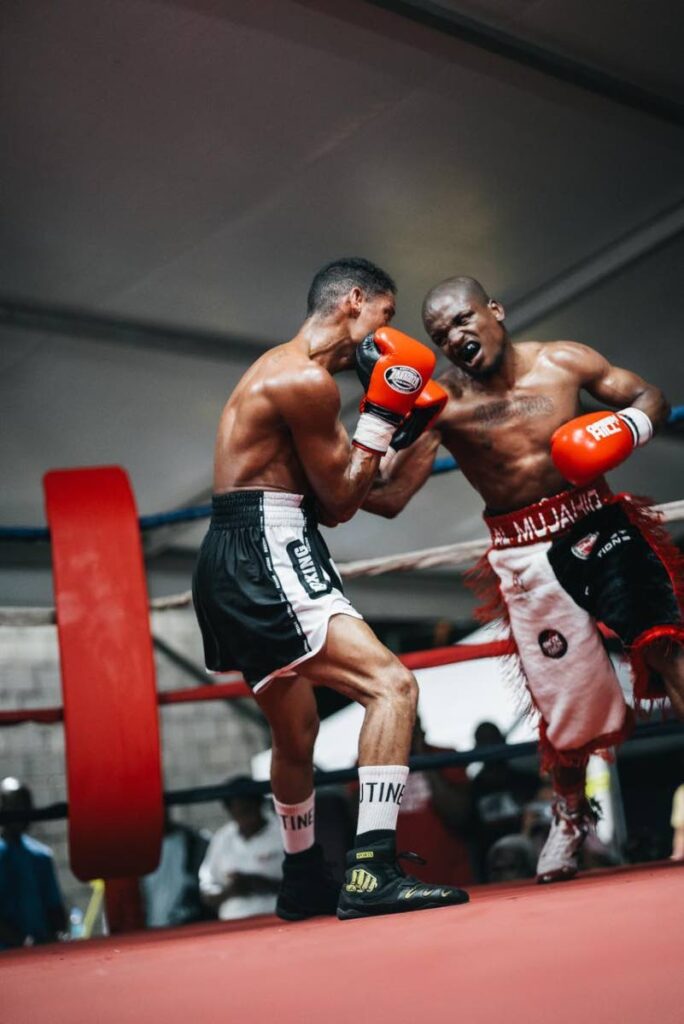
    In a significant development for Caribbean boxing, Trinidad and Tobago’s Anthony Joseph launched his professional career with a hard-fought victory over Venezuelan opponent Angel Hernandez. The six-round bout, which captivated spectators at the Simeon Road Basketball Court in Petit Valley on November 29, culminated in a points decision favoring the 30-year-old Trinidadian boxer.

    The event, organized by Golden Fist Promotions as their second Fight Night installment, represented more than just a single victory. It signaled a potential renaissance for professional boxing in the twin-island nation, with newly appointed Trinidad Boxing Board of Control (TBBC) chairman Kirt Sinnette hailing the occasion as a watershed moment.

    Sinnette, a former Olympian who assumed leadership on November 5, characterized the event as “the rebirth of professional boxing in TT” and emphasized its symbolic importance following his recent appointment. Through an official release dated December 1, the chairman extended congratulations to promoters for delivering what he described as an “exceptional Pro-Am event.”

    The fight card featured nine additional bouts beyond Joseph’s professional debut, showcasing emerging talent from across the region. Trinidadian boxers Eyed George and Jeremiah Thomas secured victories against Barbadian opponents Kemara Stewart and Charles Cox respectively, highlighting the event’s regional appeal. Other triumphant fighters included Joshua James, Jeromy Rodolfo (both HIIT FITT), Jahem Alexander, Joshua De Silver (Golden Fist), Aiden Rampaul (Edson Breedy Athletics), Mark Ramsingh (Fight Factory), and Abdul Taylor (Biomel).

    The TBBC expressed commitment to developing strategic partnerships with gyms, promoters, and regional federations, outlining an ambitious vision to establish Trinidad and Tobago as the Caribbean’s premier professional boxing destination. This roadmap includes creating an athlete-centered professional ecosystem, boosting sport tourism through internationally recognized events, and generating sustainable opportunities for athletes and stakeholders.

  • Trinidad and Tobago come up short in Fiba 3×3 AmeriCup

    Trinidad and Tobago come up short in Fiba 3×3 AmeriCup

    In a display of relentless determination, Trinidad and Tobago’s national men’s basketball team concluded their FIBA 3×3 AmeriCup campaign in León, Mexico, over the weekend with two narrow defeats that eliminated them from knockout stage contention. The four-man squad, featuring Chike Augustine, Tyrik Singh, and the Boyd brothers—Akheel ‘Smally’ Boyd and Ahkeem ‘Fato’ Boyd—fought vigorously in Pool C but ultimately fell short against formidable North and South American opponents.

    The team’s opening match on November 28 saw a hard-fought 21-16 loss to Canada, followed by an equally intense 21-17 defeat against Argentina later that same day. Ahkeem Boyd emerged as a standout performer against Argentina, delivering a game-high ten points with remarkable accuracy from beyond the arc, sinking four of six two-point attempts. His offensive prowess kept Trinidad and Tobago competitive throughout the contest, while brother Akheel contributed six points despite struggling from perimeter range.

    Facing elimination, Trinidad and Tobago opened strong against Argentina, establishing an early 4-0 lead within the first ninety seconds courtesy of baskets from Ahkeem Boyd and Augustine. The team continued to maintain momentum, reaching ten points first and extending their advantage to 12-7 when Ahkeem connected on his third two-pointer. However, Argentina’s balanced attack—led by Juan Fernandez (7 points), Alejo Maggi (6 points), and Martin Molina (5 points)—methodically closed the gap, tying the game at 12-12 before eventually seizing control in the final minutes.

    With the score knotted at 17-17 and under two minutes remaining, Argentina executed a decisive finish. Molina converted two critical free throws to establish a 19-17 lead, before Santino Mazzucchelli sealed the victory with consecutive baskets, ending Trinidad and Tobago’s tournament hopes.

    Canada and Argentina advanced from Pool C, with Canada ultimately progressing to the semifinals. Argentina was eliminated in the quarterfinals by the United States, who claimed both the men’s and women’s championships with a dominant 21-14 victory.

  • Unions face stark reality

    Unions face stark reality

    A contentious debate has emerged in Trinidad and Tobago’s labor landscape following Finance Minister Davendranath Tancoo’s confirmation of a 10% salary increase exclusively for Public Services Association (PSA) members. The announcement has sparked widespread discontent among other labor groups whose collective agreements were signed in April but now appear excluded from similar benefits.

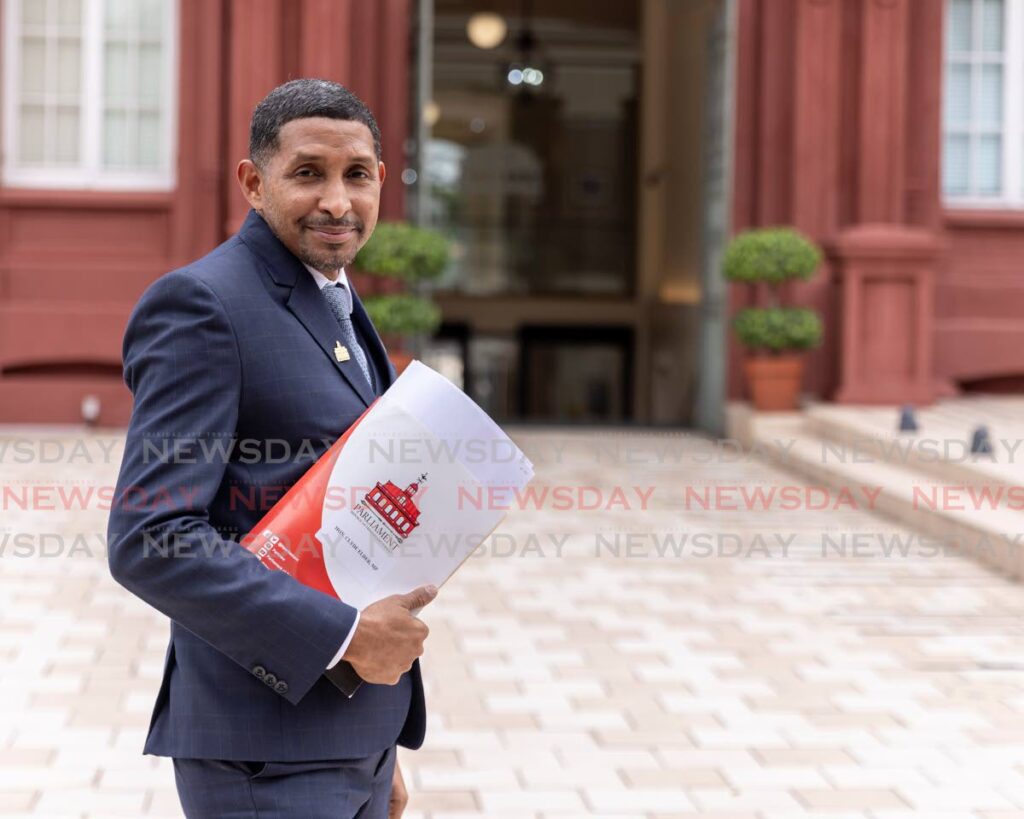
    Clyde Elder, Minister in the Ministry of Public Utilities, solidified the government’s position on November 28 by declaring, “An agreement made and signed is what it is.” The former trade unionist turned minister defended the selective increase by emphasizing the PSA’s political advocacy: “They put up that fight. They fought with the party – the UNC – and today, because of that fight, they are seeing the rewards.”

    The remarks have exposed underlying tensions in labor-government relations, revealing what critics describe as a system where political alignment determines economic benefits. Joanne Ogeer, secretary general of the Communication Workers’ Union, warned that such approaches create “peace by silence rather than peace by justice,” where negotiations become influenced by political loyalty rather than workers’ rights.

    Financial disclosures from the Chief Personnel Officer’s office indicate the PSA settlement will require $3.8 billion in back pay and $420 million in recurrent expenditure, raising questions about fiscal sustainability and equitable distribution of public funds. The situation echoes previous administrations’ contentious relationships with unions, though observers note the current government’s approach represents an evolution toward more explicit political conditioning of labor benefits.

    The developing scenario places essential workers—including firefighters, prison officers, police, and security personnel—in precarious positions, potentially facing the consequences of political maneuvering within the country’s labor movement.

  • How AI is shaping strategic engagement

    How AI is shaping strategic engagement

    In an era of escalating geopolitical complexities stemming from US-Venezuela tensions, Caribbean nations are increasingly turning to artificial intelligence to safeguard their strategic interests. Trinidad and Tobago, like its regional counterparts, faces unprecedented challenges in maintaining balanced international relations while protecting economic and political stability across the hemisphere.

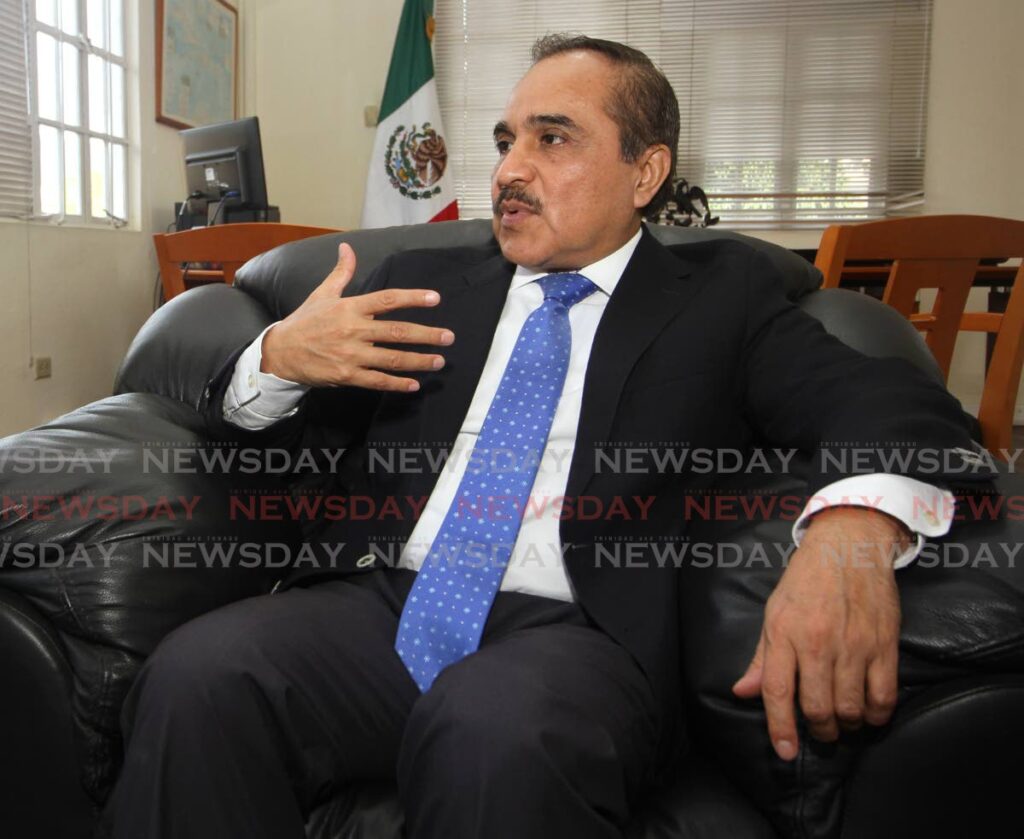
    The evolving diplomatic landscape demands both agility and strategic foresight, with AI emerging as a transformative tool for modern statecraft. Through development initiatives, trade facilitation, and cultural diplomacy, Mexico under Ambassador Víctor Hugo Morales Meléndez has strengthened partnerships with Caribbean nations. Similarly, Panama’s strategic position as a logistics hub, guided by Ambassador Diomedes Carles, enhances regional connectivity through expanded aviation operations.

    AI technology now provides critical capabilities for analyzing cross-border energy flows, identifying economic disruptions, and monitoring migration patterns arising from regional instability. This data-driven approach equips diplomats with actionable intelligence for informed decision-making amid trade and security uncertainties.

    The transformation extends to economic diplomacy, where AI-powered market analytics and supply-chain monitoring enable smaller economies to identify competitive sectors and investment opportunities. As Mexico advances nearshoring and regional integration initiatives, Trinidad and Tobago can leverage analytical capabilities to attract investment and participate in emerging manufacturing networks.

    Consular services and public diplomacy also benefit from technological integration, with automated document verification and data-driven diaspora engagement enhancing embassy efficiency despite limited resources. During periods of geopolitical tension, these tools prove invaluable for citizen protection and regional stability maintenance.

    While technology augments diplomatic capabilities, the human elements of judgment, negotiation, and cultural understanding remain irreplaceable. The Caribbean’s next generation of diplomats must operate at the intersection of geopolitics, economics, and technology, combining analytical rigor with cultural intelligence to shape the region’s influence in an increasingly complex global landscape.

  • Labour minister says unions must live with their choices

    Labour minister says unions must live with their choices

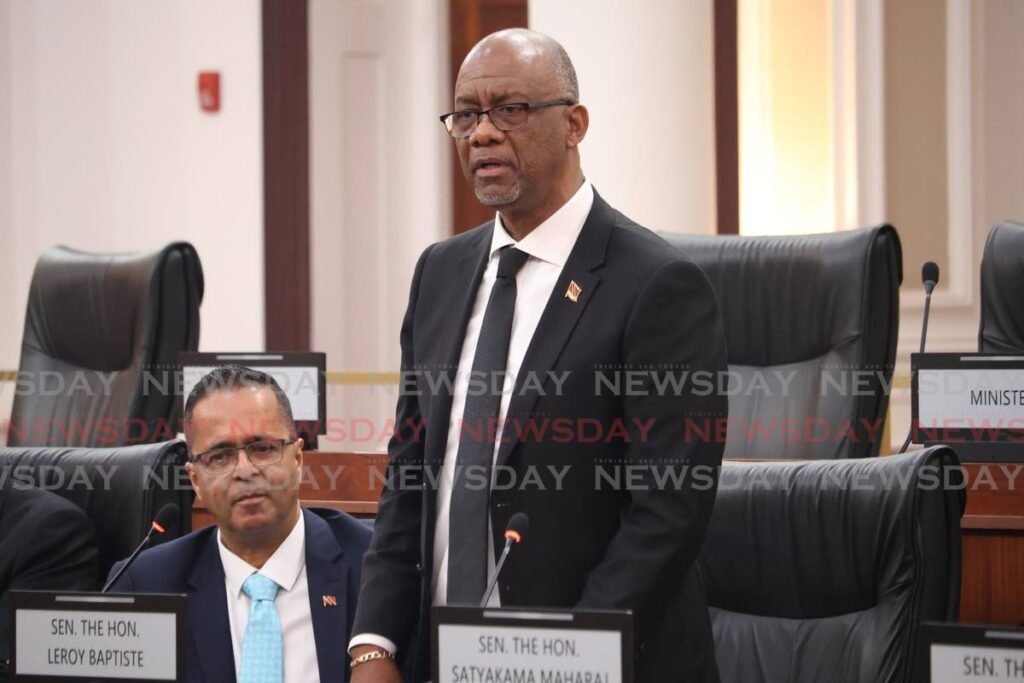
    Labor Minister Leroy Baptiste has articulated a staunch defense of disparate wage settlements between public sector unions, asserting that collective bargaining inherently involves calculated risks with inevitable consequences. This position emerges amid controversy surrounding Minister Clyde Elder’s remarks criticizing unions that accepted a previous four percent wage increase from the former PNM administration while now witnessing the Public Services Association (PSA) secure a ten percent increase promised by the incumbent UNC government.

    The PSA recently concluded protracted negotiations with the Chief Personnel Officer, finalizing a ten percent wage hike after enduring years of frozen salaries dating back to 2013. Baptiste emphasized that the PSA’s persistence came with significant sacrifices, including legal expenditures and prolonged financial stagnation for its members.

    “Negotiations fundamentally involve gambling and risk-taking,” Baptiste stated. “Unions make strategic decisions and must subsequently live with the outcomes. Those who accepted the four percent increase now benefit from updated salaries, while the PSA chose a different path that ultimately yielded different results.”

    Regarding whether this settlement establishes a precedent for other unions, Baptiste clarified that the government maintains no legal obligation to renegotiate previously ratified agreements. Any reconsideration of existing contracts would fall exclusively under the Finance Minister’s discretion.

    Meanwhile, TT Unified Teachers Association (TTUTA) President Crystal Ashe congratulated the PSA while condemning Elder’s implications that political alignment influenced the wage outcome. “We are non-partisan and reject the notion that rewards should correlate with political affiliations,” Ashe asserted. “Any government should prioritize citizen welfare irrespective of union political positions.”

    TTUTA continues awaiting implementation of its negotiated five percent increase for 2020-2023, having received no definitive timeline from either the Education or Finance ministries despite formal inquiries. Ashe remained noncommittal about pursuing higher increases in future negotiations, noting “we will cross that bridge when we reach it.”