作者: admin

  • Caribbean stock market urged as key to business growth

    Caribbean stock market urged as key to business growth

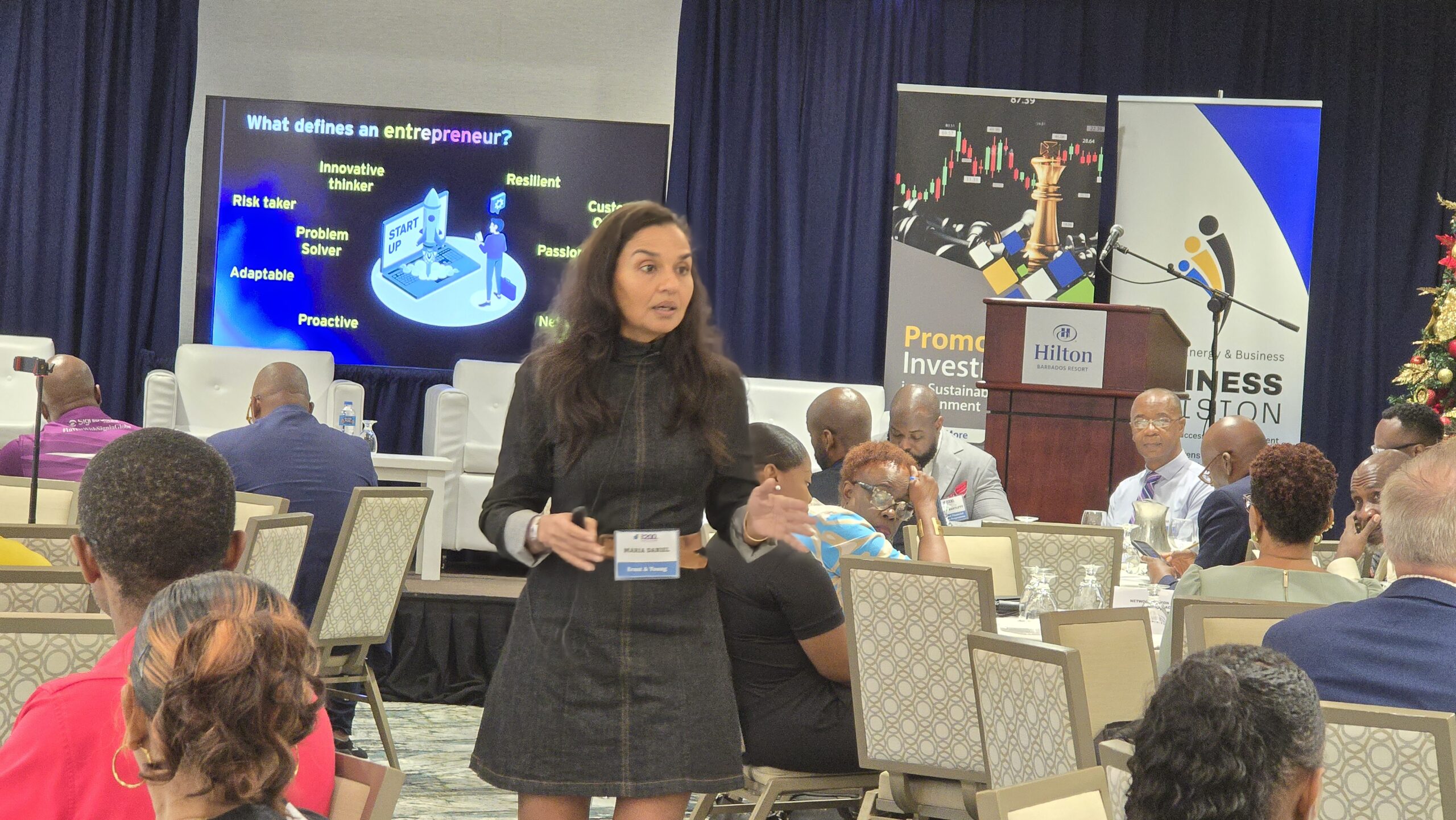
    A prominent financial consultant has endorsed proposals for establishing a consolidated Caribbean stock market, asserting that the current fragmentation of national exchanges significantly impedes regional economic expansion and cross-border business scalability. Maria Daniel, Managing Director of EY Parthenon Caribbean, emphasized that a unified securities exchange would simultaneously empower companies to broaden their operational footprint throughout the region while offering investors substantially diversified portfolio opportunities.

    Speaking at a two-day Innovation Growth Market workshop in Barbados, Daniel articulated the compelling economic rationale for integration: “We must acknowledge our individual limitations—small populations and confined territories. True scalability in the Caribbean necessitates unification: harmonized regulations, a single stock exchange, and ultimately a common currency.”

    The consultant elaborated that a regional exchange would attract capital from both within the Caribbean and international markets, noting that technological advancements now render implementation more feasible than ever. Digital trading platforms and streamlined online reporting mechanisms, she explained, effectively eliminate historical logistical barriers that previously hindered such initiatives.

    Daniel particularly highlighted the transformative potential for small and medium enterprises (SMEs), stating that a unified market would “distribute risk across larger populations while amplifying corporate narratives to broader investor audiences.” She cited Jamaica’s Junior Stock Exchange as a proven success model, where prohibitively high debt costs forced companies toward equity financing, ultimately stimulating economic growth.

    Beyond regional benefits, Daniel emphasized that standardized regulations and a single exchange would significantly boost foreign investor confidence by eliminating the complexity of navigating multiple regulatory frameworks. She concluded with an urgent call to action: “We possess the necessary tools, technology, and expertise. What remains essential is political will and intergovernmental collaboration to transform this vision into reality. A Caribbean stock exchange transcends mere concept—it represents an imperative stride toward regional economic development and integration.”

  • Column: Reorganisatie damesvoetbal

    Column: Reorganisatie damesvoetbal

    The absence of domestic women’s football competitions since July’s cup final has exposed systemic failures within the national sporting structure. When the national team coach announced preliminary selections on October 20th, local leagues had been dormant for over three months, resulting in zero representatives from domestic clubs making the cut.

    This development highlights a recurring pattern where athletes from local clubs consistently underperform in regional competitions, with lack of match fitness and rhythm routinely cited as contributing factors. Despite these persistent issues, no club has publicly expressed concern about continuously subjecting athletes to humiliating defeats, nor has there been any indication of strategic changes to improve preparedness.

    The introduction of professional sport passports has accelerated the transition toward fully professional women’s selections. What began as a combination of local amateurs and professionals has now become exclusively professional, completely excluding domestic amateur players. Local clubs failed to advocate for necessary structural reforms, including realigning domestic competitions with regional calendars and establishing a professional women’s league to better prepare athletes for international competition.

    Administrative inertia has reached critical levels, with the governing body spending thousands of dollars on delegations while maintaining a laissez-faire approach that has left athletes fundamentally unprepared. The current trajectory suggests women’s football has reached an impasse, with the sport facing existential threats if policies remain unchanged.

    The core issue lies not with professionally licensed players but with the fundamental approach to sports development. Had domestic sports cultivation reached higher standards, local players would undoubtedly have secured places in the national selection. This situation demands immediate structural overhaul before the entire women’s football program becomes unsustainable.

  • Education Minister swears in 450 students as 100% agents at Model UN

    Education Minister swears in 450 students as 100% agents at Model UN

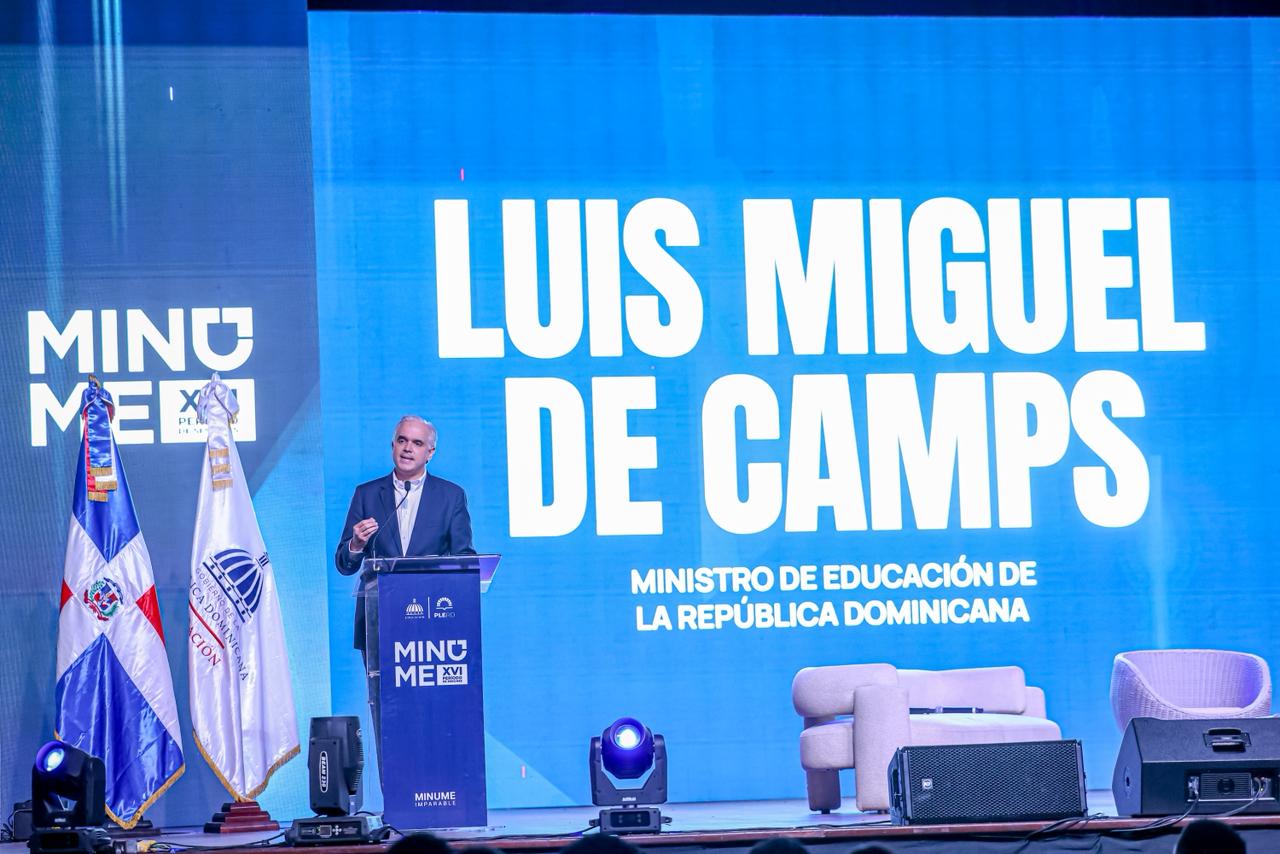
    Santo Domingo witnessed a powerful demonstration of youth leadership as Education Minister Luis Miguel De Camps engaged directly with students at the sixteenth International Model United Nations (MINUME) conference. The minister’s participation went beyond ceremonial duties, featuring active involvement in committee discussions where he challenged participants with probing questions and encouraged their diplomatic efforts.

    During the event, Minister De Camps administered the official oath to 450 students joining the “100% Agents” initiative, a program dedicated to fostering ethical and responsible leadership qualities among young Dominicans. He emphasized the transformative potential of MINUME, characterizing it as the nation’s premier platform for developing youth leadership capabilities throughout the Dominican Republic and the broader Caribbean region.

    The MINUME conference meticulously recreates the United Nations framework, enabling students to assume the roles of international delegates and engage in sophisticated debates on pressing global issues. This immersive experience cultivates essential skills in critical analysis, persuasive argumentation, and conflict resolution through diplomatic negotiation. The event’s operations are supported by a dedicated team of 26 young volunteer journalists who document the proceedings.

    Minister De Camps highlighted the program’s significant contribution to strengthening the national education system by preparing a generation committed to constructive dialogue and purposeful action. He challenged participants to perceive themselves as fundamental actors in building what he described as a “more just, humane, and sustainable society” through their developed diplomatic capabilities and leadership potential.

  • Home in ruins leaves St Michael man facing Christmas in squalor

    Home in ruins leaves St Michael man facing Christmas in squalor

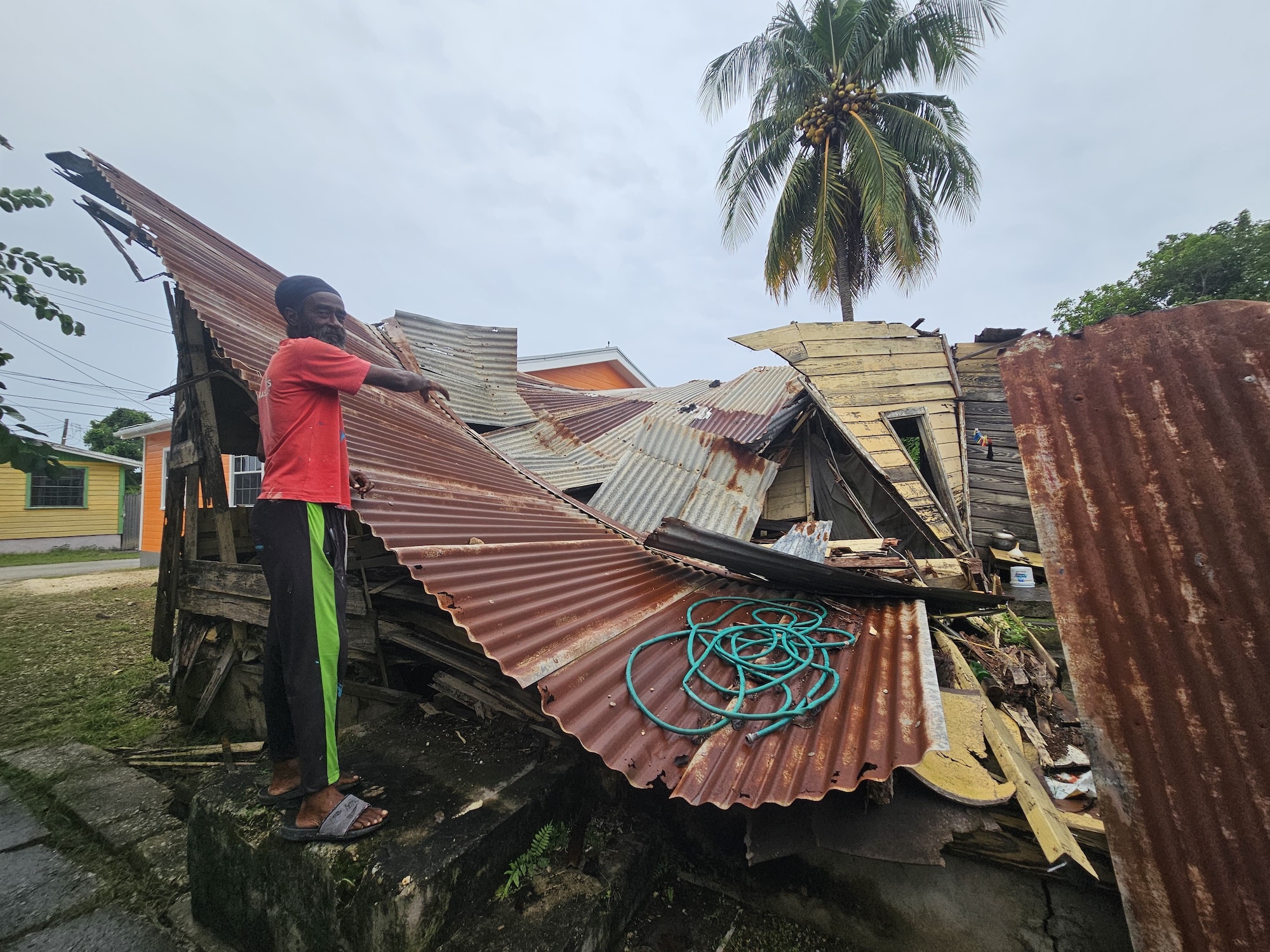
    A resident of St Michael, Barbados, is confronting a dire housing situation as Christmas approaches, living without basic utilities in a severely deteriorated wooden structure. Terry Austin, 58, has endured more than twenty years in a home that now lacks electricity, running water, and waterproof integrity, leaving him with no dry place to sleep.

    During recent flood conditions on the island, Austin revealed the harsh realities of his daily existence at his Pounder’s Gap residence. The two-bedroom wooden house exhibits catastrophic structural failure: the roof has collapsed significantly, flooring is largely absent, and rainwater inundates the interior during storms. Austin described adopting desperate measures for rest, including sleeping in corners or wearing raincoats for protection from moisture.

    The property’s decline began following Hurricane Tomas and has progressively worsened through subsequent years. Despite appeals to multiple government administrations—both Democratic Labour Party (DLP) and Barbados Labour Party (BLP)—Austin claims he has received no substantive assistance. Working as a painter and landscaper, he lacks sufficient income for repairs and lives alone, with his adult children also facing financial constraints that prevent them from offering support.

    The situation has profoundly impacted Austin’s mental health, particularly due to chronic sleep deprivation. He expressed willingness to accept even minimal shelter, stating that any secure structure would represent an improvement over his current circumstances.

    In response to inquiries, recently appointed Housing Minister Chris Gibbs, who represents St Michael West, confirmed official awareness of Austin’s predicament. The Urban Development Commission is now actively engaged in seeking a housing solution for the resident.

  • Govt ‘to turn derelict buildings into climate-resilient homes’

    Govt ‘to turn derelict buildings into climate-resilient homes’

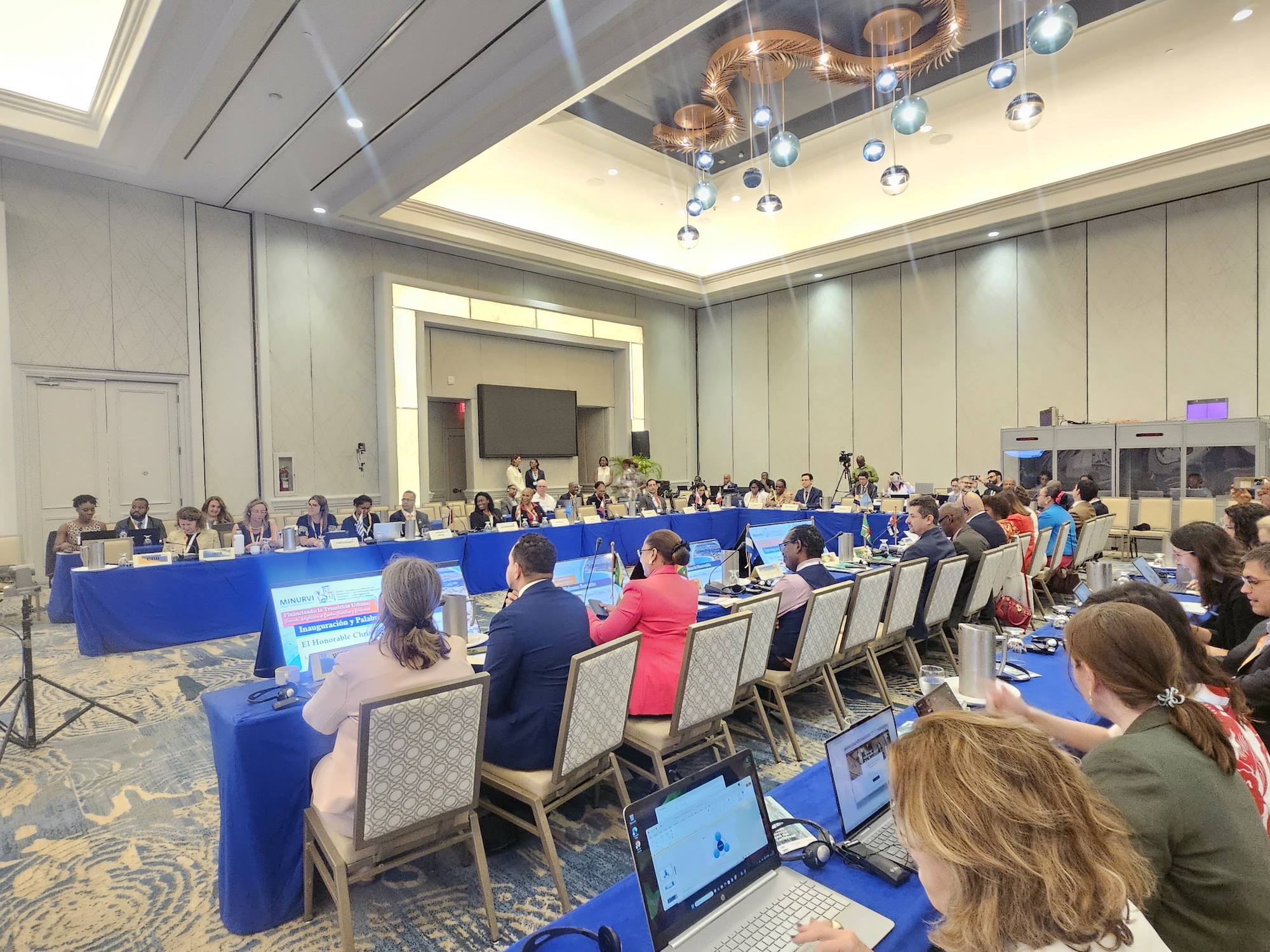
    Barbados is accelerating innovative strategies to transform derelict structures and vacant lands into sustainable housing solutions, positioning urban renewal as a cornerstone of climate adaptation policy. Acting Prime Minister Dr. William Duguid unveiled this initiative while addressing the 34th general assembly of MINURVI, the Forum of Ministers and High-Level Authorities of Housing and Urban Development of Latin America and the Caribbean.

    Dr. Duguid delivered a compelling argument for rethinking urban infrastructure in the era of climate change, stating that existing systems were designed for environmental conditions that no longer exist. “As we build for the future, we must build for the new climate reality,” he emphasized. “This means constructing with greater emphasis on resilience—not just in roads, but in buildings and housing infrastructure as well.”

    The minister connected recent extreme weather events, including Hurricane Melissa’s devastation in Jamaica and Cuba, to the urgent need for adaptive urban planning. He highlighted how strategic reuse of underutilized assets could simultaneously address housing shortages, attract private investment, and create more robust urban environments.

    Barbados’s Ministry of Housing, Lands and Maintenance is already advancing several policies in this direction. In collaboration with the Inter-American Development Bank, officials are conducting technical studies on repurposing vacant lots and abandoned buildings within urban corridors for future housing development.

    Housing Minister Chris Gibbs reinforced the critical timing of these initiatives, noting that climate impacts have become a “global equalizer” leaving all nations operating with heightened vulnerability. He emphasized the alignment between these urban adaptation strategies and recent climate discussions at COP30 in Belém, Brazil.

    The regional significance of these efforts was further underscored by José Manuel Salazar Xirinachs, executive secretary of the UN Economic Commission for Latin America and the Caribbean. In a pre-recorded address, he warned that housing deficiencies across the region leave millions exposed to climate risks while exacerbating existing challenges of inequality and weak governance structures.

  • Sugarmas 53 Injects over $21 Million Into Economy; Record Events Planned for 2025/2026 Season

    Sugarmas 53 Injects over $21 Million Into Economy; Record Events Planned for 2025/2026 Season

    BASSETERRE, St. Kitts – The recently concluded Sugarmas 53 carnival has delivered a substantial economic windfall to the Federation, injecting over $21 million into the local economy during its six-week duration. The announcement came from National Carnival Committee (NCC) Chair Shannon Hawley during a Wednesday press conference where she revealed unprecedented success metrics and ambitious plans for the upcoming season.

    Hawley confirmed that the 2024/2025 carnival period witnessed remarkable economic activity, with the federation experiencing a significant surge in visitor arrivals. Particularly during the peak two weeks of festivities, the Robert L. Bradshaw International Airport recorded more than 16,000 passenger arrivals, demonstrating the event’s growing international appeal.

    With the 2025/2026 season preparations already underway, organizers are projecting even greater economic impact. The calendar shows a notable expansion of private fringe events, with over 35 private parties and fetes scheduled – setting a new record for the carnival’s history. ‘We have really seen the difference in terms of the number of individuals who have flown in, particularly over the Sugarmas period,’ Hawley noted, expressing gratitude for the widespread participation.

    The NCC has outlined a comprehensive support program for stakeholders, with the government allocating more than $1.2 million in preparation funds, participation support, and prize winnings. This record investment, championed by Minister Honourable Samuel Duggins and Federal Cabinet, aims to ensure stakeholder satisfaction across all carnival aspects.

    Hawley emphasized the committee’s supportive role rather than competitive stance, stating that all contributors – from private event organizers to parade troupes, J’ouvert groups, and national competition participants – will benefit from financial backing. The upcoming season officially commences with the Midnight Escape event next Friday, followed by the Republic Bank teen competition, continuing the tradition of offering diverse entertainment options for all demographics.

  • Clinical trial begins with Jusvinza to treat joint sequelae of chikungunya

    Clinical trial begins with Jusvinza to treat joint sequelae of chikungunya

    A groundbreaking clinical trial investigating Cuba’s domestically developed Jusvinza medication for treating persistent polyarthritis in chikungunya survivors commenced this week at the Comandante Faustino Pérez Provincial Clinical Surgical Hospital. The study represents a significant advancement in addressing one of the most debilitating long-term effects of the viral disease.

    Under the leadership of Dr. Yudisay Reyes Pelier, an oncology specialist and member of the Center for Genetic Engineering and Biotechnology (CIGB) Clinical Research Group, the research will assess Jusvinza’s efficacy in alleviating chronic joint inflammation and pain that continues to afflict patients months after recovering from the acute infection phase.

    The randomized trial involves 120 participants aged 19-80, all with confirmed chikungunya diagnoses and joint symptoms persisting beyond three months. Researchers have divided subjects into two equal cohorts: an experimental group receiving Jusvinza alongside conventional therapy, and a control group continuing with standard treatment alone.

    Treatment protocol entails nine subcutaneous injections administered over six weeks, with flexibility for outpatient or inpatient delivery based on individual clinical circumstances and geographical location.

    Jusvinza (scientific designation CIGB-258) is a peptide-based biopharmaceutical product with established emergency authorization in Cuba for severe COVID-19 cases. The drug has demonstrated capacity to regulate hyperinflammatory responses causing pulmonary damage, showcasing its immunomodulatory properties.

    Dr. Eulogio Pimentel Vázquez, CIGB Director, emphasized the medication’s proven safety profile and its development as a cost-effective therapeutic alternative for chronic inflammatory conditions compared to international counterparts.

    This investigation forms part of Cuba’s comprehensive healthcare strategy to address chikungunya’s lasting sequelae following recent epidemic outbreaks that left substantial patient populations with enduring arthralgia compromising quality of life and workforce participation.

    Research teams anticipate Jusvinza will achieve over 70% improvement in clinical outcomes, potentially establishing the Cuban-developed drug as an accessible solution for a condition currently lacking specific effective treatments. The trial simultaneously highlights Faustino Pérez Hospital’s role as a clinical research hub and demonstrates Cuba’s scientific capability in creating innovative solutions for pressing public health challenges.

  • Suriname in actie met 110 sporters bij IGS 2025 in Guyana

    Suriname in actie met 110 sporters bij IGS 2025 in Guyana

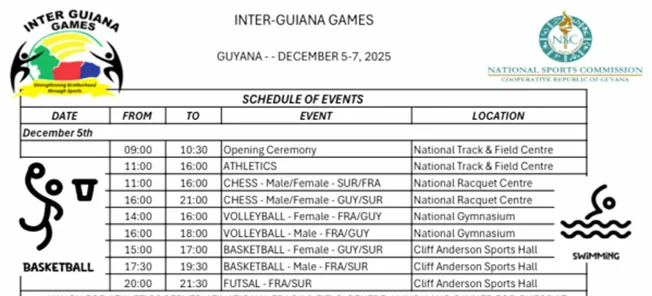
    Suriname is dispatching a 110-strong athletic delegation to compete in the Inter-Guiana Games (IGG) hosted by Guyana from December 5-7. This annual multi-sport event fosters regional camaraderie and athletic excellence among youth from Suriname, Guyana, and French Guiana. The contingent will embark on a road journey to Guyana on Wednesday morning.

    The athlete roster, comprising competitors aged 14-18, will be accompanied by coaches, trainers, and officials from the Foundation School Sport Federation Suriname (SSFS). These young talents will showcase their skills across six competitive disciplines: athletics, swimming, basketball, volleyball, futsal, and chess.

    Following months of intensive training regimens, the Surinamese delegation is widely regarded as exceptionally well-prepared and highly competitive. While podium finishes remain an objective, the mission equally emphasizes cultivating team spirit, demonstrating discipline, and representing the nation with pride.

    As the operational arm of Suriname’s Ministry of Youth Development and Sport, SSFS has orchestrated all logistical and competitive preparations for the games. Looking ahead to 2026, Suriname plans to build on this momentum through participation in additional international youth tournaments, further solidifying its commitment to regional sports development and athletic diplomacy.

  • Northeast : €3 million from the EU to strengthen community schools

    Northeast : €3 million from the EU to strengthen community schools

    In a significant move to bolster education systems in crisis-affected regions, UNESCO has unveiled two major programs supported by €7.7 million in funding from the European Union. The initiatives specifically target Haiti and Afghanistan, where educational infrastructure faces severe challenges due to ongoing instability.

    The Haitian component, receiving €3 million in EU support, will focus on strengthening community schools in the country’s northeastern region. These institutions serve tens of thousands of students in rural areas where educational access remains particularly vulnerable. The comprehensive program aims to integrate these community schools into the national education system while enhancing adherence to quality teaching standards.

    UNESCO Director General Khaled El-Enany emphasized the critical nature of educational continuity during crises, stating: “In times of crisis, school is a refuge that must never falter, and access to education is a right that must be guaranteed. These initiatives reflect UNESCO’s determination to provide people with opportunities to learn, to work, and to thrive – including in the most fragile and crisis-affected contexts.”

    Haiti’s education system faces unprecedented challenges amid one of the most unstable periods in the nation’s recent history. Escalating violence and deepening socio-economic turmoil have severely undermined public institutions, strained social cohesion, and placed essential services – particularly education – at serious risk.

    The UNESCO program will foster community participation and facilitate dialogue between families, teachers, and educational leaders, recognizing schools as vital spaces that support social cohesion and trust. Additionally, UNESCO will collaborate closely with national authorities to enhance the collection and utilization of education data, thereby strengthening the overall governance and management of Haiti’s education system.

  • Legal Firestorm Over Police Transfer Raises Accountability Questions

    Legal Firestorm Over Police Transfer Raises Accountability Questions

    A contentious legal battle has erupted within the Belize Police Department, challenging the legitimacy of a high-ranking official’s administrative authority. Commissioner of Police Dr. Anthony Rosado faces formal judicial scrutiny following allegations of wielding personnel transfers as instruments of retaliation rather than operational necessity.

    The controversy centers on the abrupt reassignment of a Police Constable from a specialized gang intelligence unit to a remote substation in Mahogany Heights. Legal representatives from Myles & Banner have issued a formal demand letter asserting this transfer constitutes unlawful punishment rather than routine administrative procedure. The constable’s relocation reportedly resulted in the loss of critical allowances and potentially derailed his career progression.

    According to court documents, the transfer appears connected to the officer’s disclosure of sensitive information pertaining to the high-profile Joseph Budna kidnapping investigation. The legal challenge cites multiple procedural irregularities, including the November implementation date falling outside standard July-August transfer windows and alleged violation of departmental policies explicitly prohibiting transfers as disciplinary measures.

    Legal precedent establishes that the Commissioner’s transfer authority, while extensive for officers below Inspector rank, must align with principles of fairness and reasonableness. The petition references landmark cases including Troy Bainton v. Commissioner of Police (2023) and Arzu vs. Commissioner of Police (2019), where courts previously intervened in instances of alleged power abuse.

    The constable’s attorneys contend their client had secured a performance-based agreement for promotion to Inspector, making the transfer particularly damaging to his professional trajectory. They characterize the reassignment as an act of bad faith intended to isolate and intimidate an officer for fulfilling his duties.

    Unless the decision is reversed by Friday, judicial review and injunction proceedings will commence, potentially establishing new boundaries for administrative authority within Belize’s law enforcement hierarchy. This case raises fundamental questions about accountability mechanisms, transparency in policing operations, and the permissible exercise of institutional power.