作者: admin

  • Finance Minister says budgets focussing on long term objectives

    Finance Minister says budgets focussing on long term objectives

    In a significant address to the Guyana Manufacturing and Services Association’s annual awards ceremony, Finance Minister Dr. Ashni Singh articulated the government’s steadfast commitment to prioritizing long-term economic objectives over short-term populist measures. The minister revealed that Guyana’s Natural Resources Fund now holds surplus capital exceeding the nation’s entire external debt, creating a rare fiscal position among global economies.

    Dr. Singh detailed a strategic reorientation of national budgets away from government consumption toward substantial investments in economic infrastructure. This shift has dramatically transformed the composition of public spending: while public investment constituted less than 25% of the total budget in 2019, it has now surpassed 50% as of 2024. The minister characterized this transformation as a series of ‘hard choices’ necessary to ensure long-term competitiveness and prosperity, even when such decisions lack immediate popular appeal.

    The address came amid mounting public anticipation regarding potential universal cash grants, following campaign hints from President Irfaan Ali and reassurances from Vice President Bharrat Jagdeo. Opposition parties have intensified calls for the administration to fulfill these apparent electoral promises.

    Dr. Singh firmly rejected any approach that would compromise long-term economic health for short-term gains, emphasizing the government’s balanced strategy of prudent debt management and fiscal sustainability. Despite declining oil prices—with 2025 crude projections at $68 per barrel, below the initial $71.9 forecast—the minister declined to specify whether expenditure cuts would feature in the 2026 budget.

    Highlighting Guyana’s remarkable economic turnaround, Dr. Singh noted the debt-to-GDP ratio has plummeted from over 600% in 1990 to 24.3% in 2024, positioning Guyana among the world’s least indebted nations. Official figures confirm the Natural Resources Fund holds approximately US$3.64 billion, surpassing the projected 2025 external debt of US$3.77 billion—a rare achievement that enables simultaneous accelerated public investment and substantial sovereign savings.
  • Over 54,000 People Employed in Antigua and Barbuda, Jobless Rate Falls Below 5%

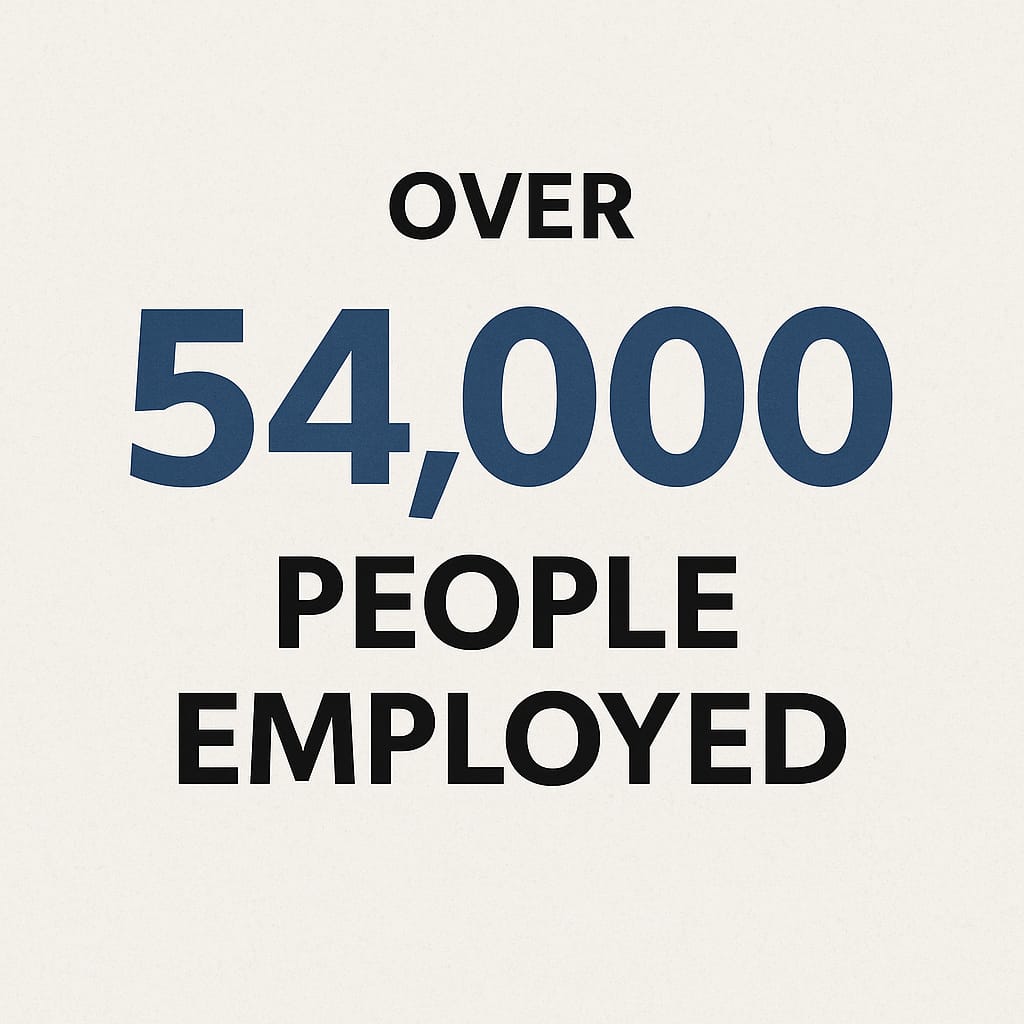
    Over 54,000 People Employed in Antigua and Barbuda, Jobless Rate Falls Below 5%

    The twin-island nation of Antigua and Barbuda has reached an unprecedented employment milestone, with Prime Minister Gaston Browne announcing that workforce participation has hit its highest level in modern history. During Thursday’s parliamentary presentation of the 2026 national budget, Browne revealed that over 54,000 citizens are now gainfully employed, pushing the national unemployment rate below the 5 percent threshold—a figure the administration characterizes as reaching ‘full-employment levels.’

    This remarkable turnaround represents a dramatic improvement from a decade ago, when unemployment lingered in double digits. Prime Minister Browne attributed this economic transformation to his government’s aggressive investment-driven development model and strategic policy interventions. Multiple sectors have contributed to this employment surge, with construction activity reaching a record $900 million, tourism arrivals rebounding strongly, and service industries expanding steadily.

    The administration’s capital investment programs have played a crucial role in both immediate job creation and long-term economic development. Major infrastructure initiatives—including housing developments, water system upgrades, and road rehabilitation projects—have generated substantial employment opportunities while building foundational assets for future growth.

    These employment gains coincide with other positive economic indicators: a projected 5 percent growth rate for 2026, nearly $7 billion in expected national output, and a primary fiscal surplus of $254.9 million. Looking forward, the government plans to continue its workforce development initiatives through educational investments including tuition-free access to the University of the West Indies Five Islands Campus after scheduled upgrades, full payment of CSEC examination fees starting in 2026, and expanded skills training programs.

    Parliamentary debate on the 2026 budget, which outlines these economic achievements and future plans, will continue next week.

  • Local football leagues get Licensing Tips

    Local football leagues get Licensing Tips

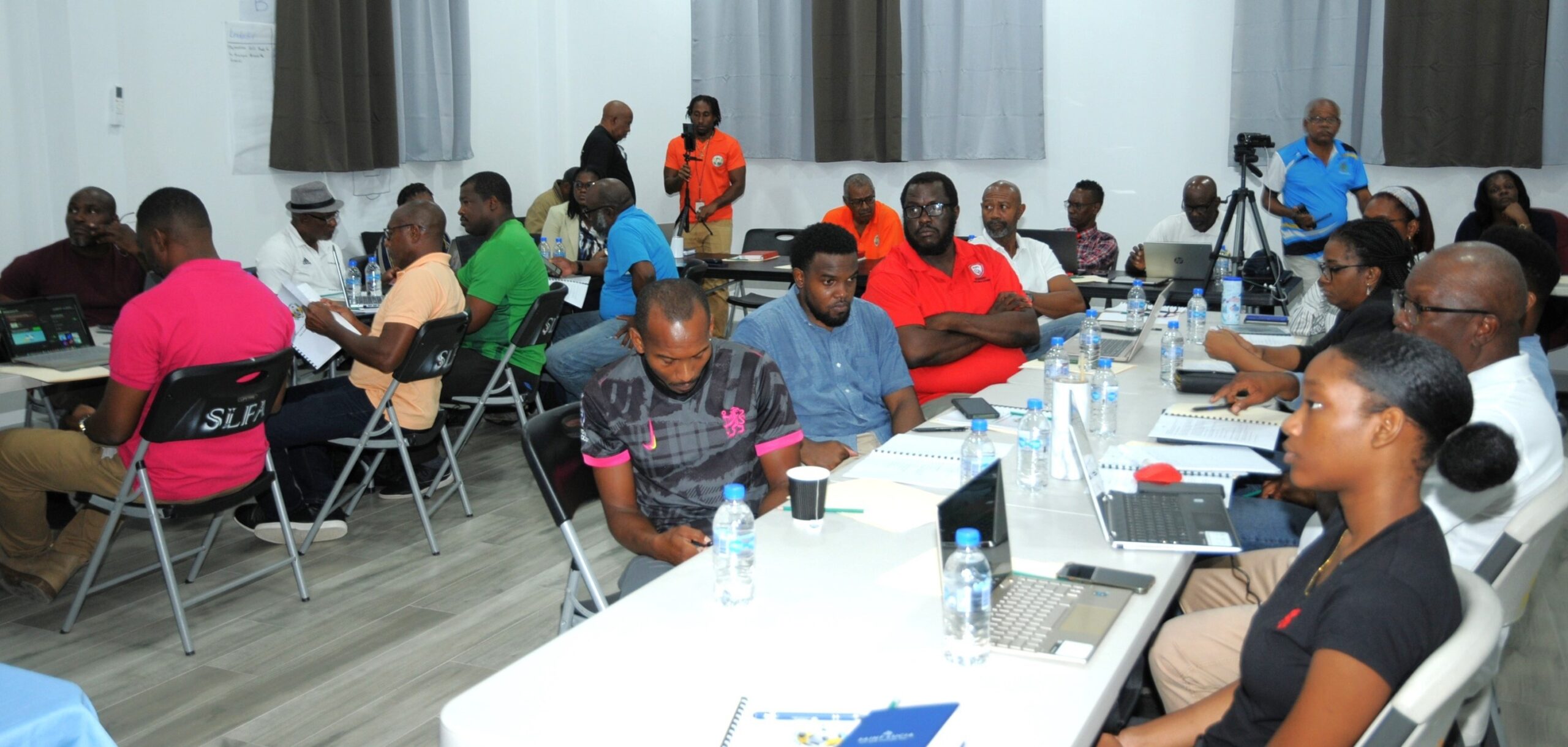
    Saint Lucia’s football landscape is undergoing significant transformation as the nation moves toward full professionalization of the sport. On December 3, 2025, the Saint Lucia Football Association (SLFA) hosted a comprehensive Club Licensing Workshop at its La Clery headquarters, drawing over 25 administrators from across the island’s football community.

    The strategic session, facilitated by Concacaf Professional Football Administrator Leanne Lopez and Trinidad & Tobago Football Association’s Club Licensing Manager Amara Felix Toussaint, focused on implementing international standards within the Saint Lucia Semi-Professional Football League. The workshop emphasized critical operational areas including player registration protocols, transfer procedures, and sustainable development frameworks designed to elevate local clubs to global compliance standards.

    SLFA President Lyndon Cooper delivered a compelling address underscoring the urgency of adoption, stating: ‘Small countries like ours face a stark reality – implement these regulations or risk exclusion from regional and international competitions. The club licensing system isn’t optional; it’s mandatory for any club aspiring to compete beyond our shores.’

    Cooper announced the establishment of a pioneering club licensing board that will collaborate with the SLFA appeals committee to ensure transparent and equitable license distribution. This governance structure will maintain fairness regardless of club size or resources, creating a level competitive landscape.

    Concacaf’s representative Lopez emphasized the organization’s commitment to Saint Lucia’s development, noting: ‘The talent potential here is tremendous. Club licensing serves as a catalyst for professionalization, and we’re enthusiastic about supporting this progression through continued dialogue and resource allocation.’

    The workshop also highlighted critical international calendar deadlines for player registration and transfers, emphasizing the importance of temporal compliance for global participation. This initiative marks a foundational step in Saint Lucia’s journey toward football excellence, positioning the nation for enhanced regional competitiveness and international recognition.

  • Construction Sector Triples to $900M, PM Says, Marking a Decade of Unprecedented Expansion

    Construction Sector Triples to $900M, PM Says, Marking a Decade of Unprecedented Expansion

    Prime Minister Gaston Browne has announced a landmark achievement for Antigua and Barbuda’s economy, revealing that the nation’s construction industry has expanded dramatically to reach a valuation of $900 million. This figure represents a threefold increase, underscoring a period of exceptional growth over the past ten years.

    The announcement, made during a national address, highlights the sector’s transformation into a critical pillar of the country’s economic framework. The Prime Minister attributed this unprecedented expansion to a combination of strategic public infrastructure projects, a surge in private foreign direct investment, and a robust residential housing market driven by the Citizenship by Investment Program (CIP).

    This sustained boom has yielded significant socioeconomic benefits, including substantial job creation across various skill levels and a notable boost to ancillary industries such as manufacturing, quarrying, and retail. The government’s policy of fostering an investor-friendly environment is cited as a key catalyst for this growth, encouraging large-scale developments in tourism, commercial real estate, and luxury housing.

    The sector’s performance is widely regarded as a bellwether for the nation’s overall economic health, with its success creating a positive multiplier effect throughout the local economy. This decade of expansion not only demonstrates resilience but also positions the construction industry as a fundamental driver of Antigua and Barbuda’s continued development and prosperity.

  • Budget 2026 Promises ‘Most People-Centred’ Agenda in Nation’s History, PM Says

    Budget 2026 Promises ‘Most People-Centred’ Agenda in Nation’s History, PM Says

    Prime Minister Gaston Browne has announced a transformative fiscal blueprint for 2026, characterizing it as the most socially conscious budget in Antigua and Barbuda’s history. The comprehensive economic plan, presented under the banner “People-Centered Growth and Development,” represents a strategic shift from economic stabilization to widespread social prosperity.

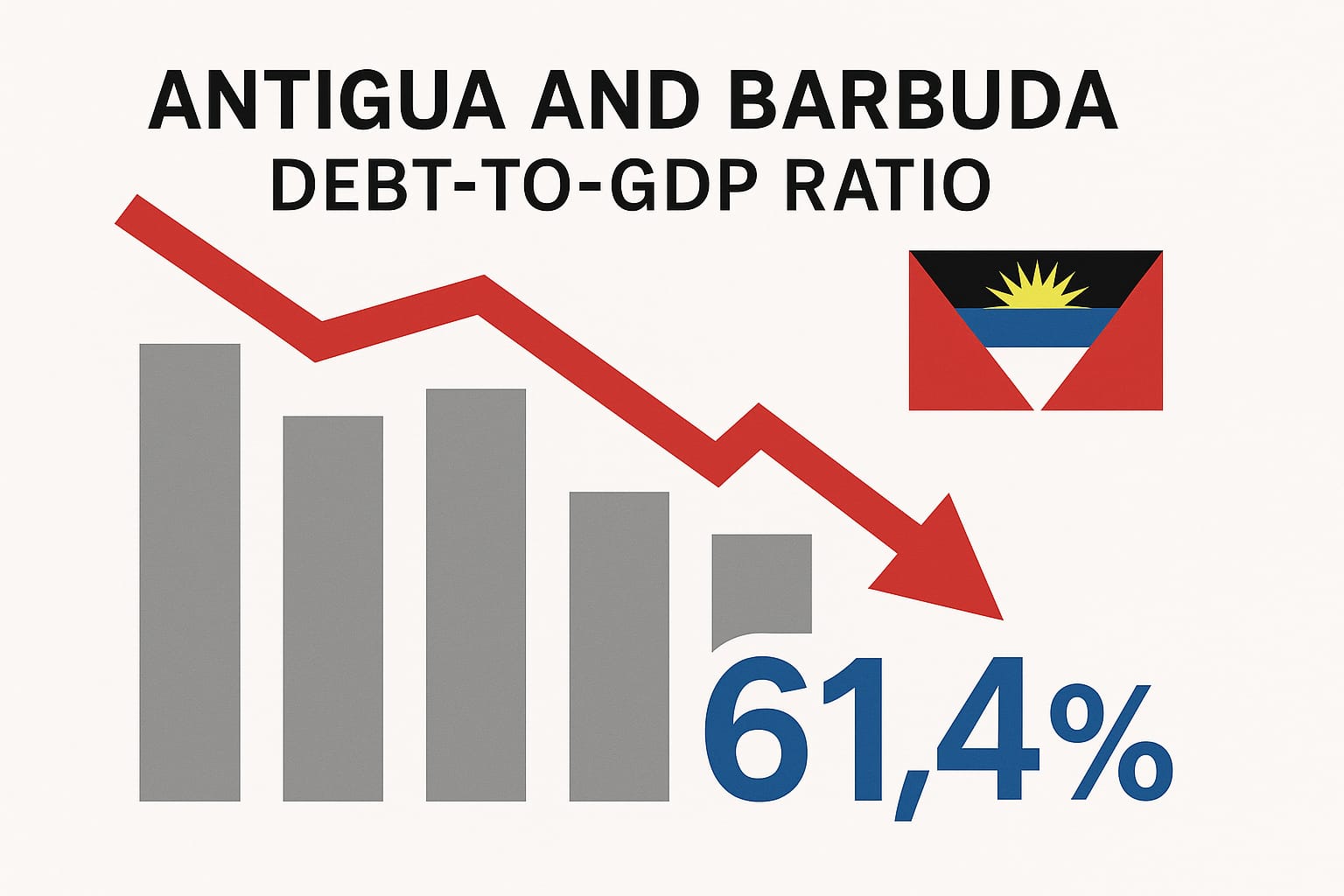
    Addressing Parliament on Thursday, Browne revealed impressive economic indicators supporting this ambitious agenda. The nation anticipates 5% economic growth in 2026, with gross domestic product approaching $7 billion. Fiscal metrics show remarkable improvement: a primary surplus of $254.9 million, overall surplus of $116.3 million, and debt-to-GDP ratio declining to 61.4%—nearing the Eastern Caribbean Currency Union’s 60% target for the first time.

    The administration’s economic transformation narrative highlights a journey from survival borrowing to surplus generation enabling substantial public investment. Strategic developments in tourism infrastructure, construction projects, housing initiatives, water systems, and port modernization have created broad-based economic momentum.

    Social program enhancements form the budget’s cornerstone. Commitments include fully subsidized university education at the upgraded University of the West Indies Five Islands Campus, government-covered secondary education examination fees starting 2026, and expanded affordable housing options. The measures further incorporate wage and pension increases alongside continued subsidies for essential commodities including fuel, electricity, and staple food items.

    Healthcare receives significant attention with allocated funding for a new $10 million renal treatment center and the revitalization of cancer care facilities. Infrastructure development focuses on road network improvements, enhanced water production capabilities, and climate-resilient construction to address hurricane vulnerabilities.

    While acknowledging persistent global economic challenges, Browne emphasized national resilience achieved through strategic planning and disciplined fiscal management. The Prime Minister urged continued stability, noting that sustained progress requires consistent commitment rather than occurring automatically.

    Ministers will provide detailed departmental breakdowns when parliamentary budget debates commence next week.

  • United Nations warns of famine among Sudanese children

    United Nations warns of famine among Sudanese children

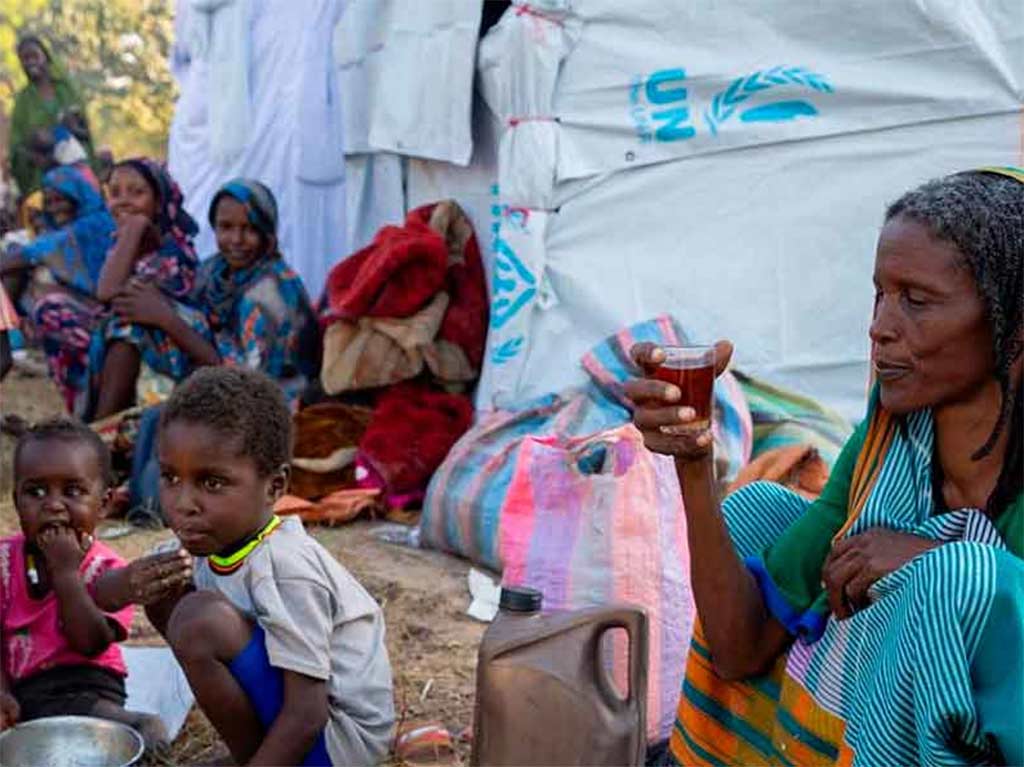
    The United Nations Children’s Fund (UNICEF) has issued a grave warning regarding the escalating humanitarian catastrophe in Sudan, describing the situation as a ‘silent emergency’ for the global community but ‘deafening for the children who endure its horrors daily.’ Blanca Carazo, overseeing International Programs at UNICEF Spain, emphasized on Wednesday that millions of Sudanese children have been forcibly displaced from their homes, facing profound uncertainty regarding their next meal or access to essential medical treatment. The UN agency further reported that Sudan’s healthcare infrastructure is teetering on the brink of total collapse, exacerbated by multiple direct airstrikes targeting medical facilities. Compounding the crisis, humanitarian access remains critically constrained, severely hampering relief efforts. This devastating turmoil stems from an intense power struggle that erupted in mid-April 2023 between the nation’s military leader, General Abdel Fattah al-Burhan, and the commander of the paramilitary Rapid Support Forces (RSF), General Mohamed Hamdan Dagalo. The conflict has plunged the country into a severe internal war, creating one of the world’s most urgent yet underreported humanitarian disasters.

  • Debt-to-GDP Falls to 61.4%, PM Says, Bringing Antigua Closer Than Ever to ECCU Target

    Debt-to-GDP Falls to 61.4%, PM Says, Bringing Antigua Closer Than Ever to ECCU Target

    In a significant fiscal milestone, Antigua and Barbuda has achieved its most favorable debt position in over ten years, with Prime Minister Gaston Browne announcing a debt-to-GDP ratio of 61.4% during Thursday’s 2026 national budget presentation. This figure places the twin-island nation within immediate reach of the Eastern Caribbean Currency Union’s benchmark target of 60%, marking a transformative recovery from the 120% debt burden recorded in 2014.

    The Prime Minister characterized this dramatic reduction—effectively halving the national debt over eight years—as concrete validation of his administration’s strategic fiscal consolidation policies. Addressing Parliament, Browne emphasized that this achievement demonstrates ‘sound fiscal management’ and positions the country favorably for enhanced financial stability.

    Economic analysts note that approaching the ECCU benchmark carries substantial implications for the nation’s financial future. A lower debt ratio typically translates to improved credit ratings, reduced borrowing costs, and increased access to favorable financing terms—critical factors for sustainable economic development.

    The debt reduction coincides with impressive fiscal performance, including an overall surplus of $116.3 million and a primary surplus of $254.9 million. These positive indicators have been fueled by robust revenue generation across key sectors, particularly tourism, construction, and import-related activities.

    Browne’s fiscal update accompanied the presentation of the 2026 budget, themed ‘People-Centered Growth and Development,’ which prioritizes investments in education, healthcare, housing, and infrastructure. The Prime Minister assured that these initiatives would be supported by maintained fiscal discipline, noting that the government now comfortably covers all expenses, including interest payments, while retaining development funds.

    Parliamentary debate on the proposed budget is scheduled to resume next week, with lawmakers expected to examine the detailed spending plans within the context of the country’s improved economic standing.

  • Cuba commemorates Day Against Unilateral Coercive Measures

    Cuba commemorates Day Against Unilateral Coercive Measures

    In a forceful diplomatic statement, Cuban officials have launched a renewed condemnation against the longstanding United States economic embargo, characterizing the policy as a deliberate campaign of “economic war and intensified strangulation” against the Cuban populace. The remarks highlighted the daily hardships and systemic challenges faced by ordinary citizens as a direct consequence of the comprehensive sanctions regime.

    Extending beyond national interests, the address expressed Cuba’s firm solidarity with all sovereign states subjected to comparable unilateral coercive measures. These international sanctions were categorically denounced as both “illegal and arbitrary,” representing what was described as a violation of international law and the principles of national self-determination. The rhetoric framed the embargo not merely as a bilateral issue, but as part of a broader pattern of geopolitical pressure tactics employed against independent nations.

    The condemnation underscores the persistent tension in US-Cuba relations and signals Havana’s intent to continue its diplomatic campaign against the embargo on the global stage. This positioning aligns Cuba with other nations critical of the use of economic sanctions as a tool of foreign policy, seeking to build a coalition of support within international forums like the United Nations, where the embargo has been overwhelmingly criticized by the General Assembly.

  • Small Craft Advisory remains in effect for Barbados

    Small Craft Advisory remains in effect for Barbados

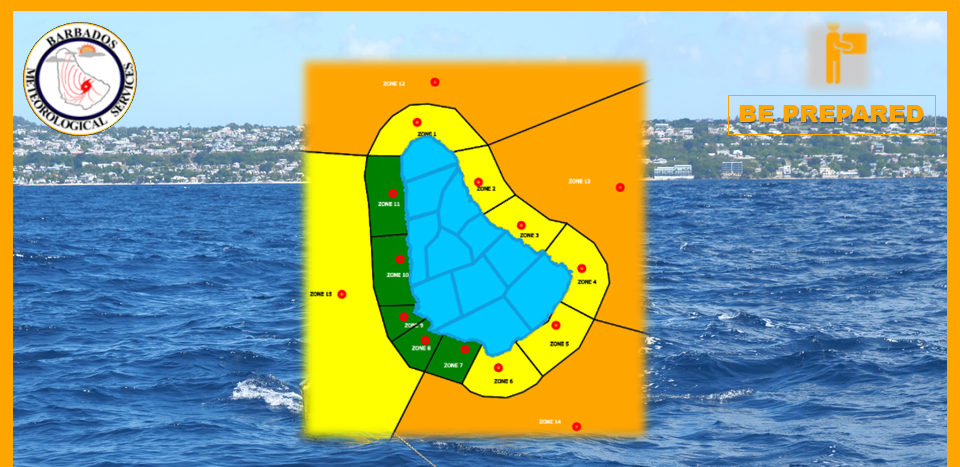
    The Barbados Meteorological Services (BMS) has maintained its Small Craft Advisory through Friday evening as turbulent marine conditions persist across the island’s coastal waters. According to Thursday’s official bulletin, sustained winds measuring 20 to 25 knots continue generating substantial swells reaching 2.0 to 3.0 meters (7-10 feet) in open waters.

    Meteorologists attribute these challenging conditions to a robust Atlantic high-pressure system currently influencing eastern Caribbean marine patterns. While projections indicate gradual improvement over the weekend, maritime conditions are expected to remain unstable through Friday.

    Authorities have issued renewed cautions to marine operators, particularly small craft vessels and recreational beachgoers, highlighting potential navigation hazards posed by the persistent swell activity. The advisory remains effective until 6:00 PM local time on Friday, December 5th, subject to potential extension should conditions warrant.

    The BMS emphasizes the importance of monitoring updates from official channels including the Department of Emergency Management and Barbados Fisheries Division. Marine stakeholders are advised to exercise heightened vigilance and adhere strictly to safety protocols issued by relevant authorities during this period of elevated maritime risk.

  • Cuba reaffirms Zero tolerance policy on drugs

    Cuba reaffirms Zero tolerance policy on drugs

    Cuban authorities have detailed the nation’s ongoing battle against international drug trafficking networks during a comprehensive press briefing. Silvera, who chairs the National Drug Commission, acknowledged that while domestic drug consumption remains relatively contained, the country faces escalating challenges from increasingly diverse and potent narcotics circulating globally.

    Addressing the complex situation, Silvera emphasized the government’s collaborative approach, working across multiple societal sectors to implement preventative strategies against substance abuse. This multi-faceted effort comes despite Cuba’s unique position as a non-producing and non-trafficking nation that nevertheless suffers repeated attempts at drug introduction, primarily through maritime routes.

    Colonel Juan Carlos Poey, head of the Specialized Anti-Drug Unit at the Ministry of the Interior (Minint), provided critical context, noting that Cuba’s geographical placement on major trafficking corridors makes it vulnerable to transnational criminal operations. First Colonel Ivey Carballo, Chief of Staff of the Border Guard Troops Directorate, further elaborated on this strategic challenge, explaining that the nation’s position on the South-North trafficking route necessitates constant vigilance over maritime territories.

    The officials highlighted the crucial role of public cooperation in anti-drug efforts, with Cuban citizens frequently assisting authorities by reporting and temporarily securing packages containing illicit substances discovered in coastal waters. This community involvement, combined with systematic institutional efforts, forms the backbone of Cuba’s comprehensive strategy to eliminate drug trafficking—a phenomenon fundamentally incompatible with the nation’s social principles and foundational values.