作者: admin

  • Choiseul Jazz returns: Amber Digby announced as first headliner

    Choiseul Jazz returns: Amber Digby announced as first headliner

    The Choiseul Jazz & Arts Festival is poised to deliver an extraordinary cultural spectacle when it returns to La Fargue Playing Field on May 1, 2026. This highly anticipated event, commencing at 3:00 PM, represents the most ambitious iteration to date, featuring an eclectic fusion of international stars, regional sensations, and exceptional local artists.

    American country music virtuoso Amber Digby headlines the festival as the first confirmed international act, with two additional prominent regional performers to be unveiled in subsequent weeks. The diverse musical roster includes Saint Lucian soca phenomenon Imran Nerdy alongside Choiseulian talents Meshach, Alpha, Leo, and Ti Keno. The MTX Band and Laborie Steelpan Orchestra will further enrich the auditory experience with their distinctive performances.

    Beyond mere entertainment, the festival serves as a vibrant platform for celebrating Choiseul’s artistic excellence and cultural identity. Emina Athil-Antoine, Chairperson of Choiseul Events, emphasized the event’s deep community roots: “Our vision ensures an authentically Choiseulian experience that reflects our rich artistic heritage. From musical performances and visual arts to culinary traditions and cultural expressions, every element will carry our distinctive local character.”

    The festival’s symbolic logo, featuring the historic sugar mill, embodies the community’s resilience and creative spirit. Keithson Charles, Member of Parliament for Choiseul/Saltibus, highlighted the event’s dual significance: “This gathering not only celebrates our cultural tapestry but also stimulates economic vitality for local vendors, small businesses, and service providers. It provides a powerful stage for showcasing our homegrown talent while fostering community prosperity.”

    Attendees can anticipate an immersive cultural journey that harmonizes international musical excellence with authentic Choiseulian traditions, creating an unforgettable celebration of artistic expression and community pride.

  • CXC reports successful rollout of first fully electronic/hybrid exams

    CXC reports successful rollout of first fully electronic/hybrid exams

    The Caribbean Examinations Council (CXC) has achieved a groundbreaking milestone with the successful administration of the January 2026 Caribbean Secondary Education Certificate (CSEC) examinations, marking the organization’s first full implementation of electronic and hybrid testing modalities.

    During a comprehensive regional briefing, Registrar and Chief Executive Officer Dr. Wayne Wesley characterized the examination period as a transformative achievement in CXC’s digital evolution. The session attracted 10,481 candidates from 17 Caribbean territories, representing 17,695 subject entries, with approximately 96% of examinations conducted through digital platforms.

    The testing window spanned January 5-29, 2026, featuring an extended four-day schedule compared to previous years to accommodate the technological transition for high-volume subjects including Mathematics and English.

    The digital rollout coincided with Hurricane Melissa’s impact on Jamaica, prompting activation of emergency protocols. Despite meteorological challenges, examination integrity remained uncompromised through coordinated efforts with Jamaica’s Ministry of Education and institutional stakeholders.

    As part of humanitarian accommodations, 708 subject entries across 29 centers (approximately 4% of total entries) utilized traditional paper-based formats. These provisions covered 12 CSEC subjects affected by weather disruptions.

    Dr. Wesley reported overwhelmingly positive feedback from participating nations, noting that technical issues were promptly resolved with support from ministry officials and IT personnel. Candidates experiencing delays received full time compensation, with assurances that all hardship cases would receive compassionate consideration through established review procedures.

    Performance metrics revealed strongest outcomes in English A, Principles of Business, Principles of Accounts, and Office Administration, while Mathematics and Physics continued to present academic challenges. Grade distribution data showed consistent achievement patterns across the region.

    Looking ahead, CXC announced preparations for its inaugural Regional Education Conference and Ministerial Forum in Kingston, Jamaica (March 16-19), designed to foster collaborative innovation in digital education and artificial intelligence integration.

    Dr. Wesley concluded: ‘This demonstration confirms digital examination delivery not as experimental methodology but as the definitive future for Caribbean assessment systems.’

  • Community patrol conducted in Cochrane – Derelict vehicles tagged

    Community patrol conducted in Cochrane – Derelict vehicles tagged

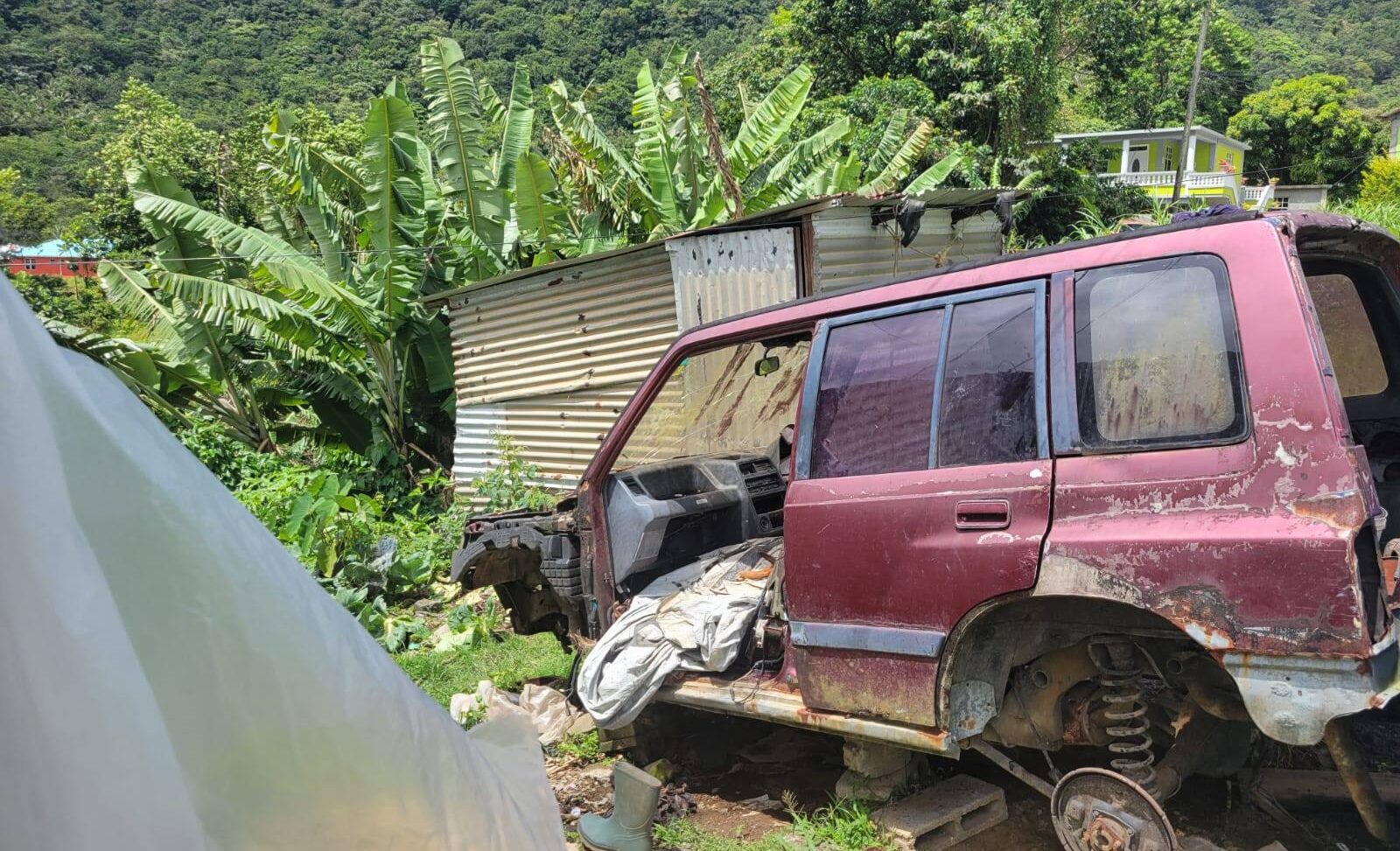
    The Commonwealth of Dominica Police Force (CDPF) is amplifying its community engagement efforts through sustained patrols under its Community Policing Initiative. This week, officers conducted targeted operations in Cochrane village, facilitating substantive dialogues with residents to reinforce collaborative ties between law enforcement and the community.

    During these patrols, authorities identified multiple abandoned vehicles, placing official removal tags and explicit warning notices on them. The CDPF issued a firm directive to vehicle owners, mandating removal within a specified timeframe. Non-compliance will trigger legal consequences, including forcible removal of vehicles at owners’ expense.

    Police officials emphasized that derelict vehicles present multifaceted public safety concerns, including potential safety hazards, environmental contamination risks, and tendencies to attract criminal operations. The initiative forms part of broader measures to ensure communities remain secure, hygienic, and well-organized.

    The CDPF is urging continued public cooperation with law enforcement personnel to uphold safety standards across Dominican communities, reinforcing that effective policing requires active citizen participation.

  • Most CARICOM nations emit well below the global average, but face some of the world’s highest climate risk

    Most CARICOM nations emit well below the global average, but face some of the world’s highest climate risk

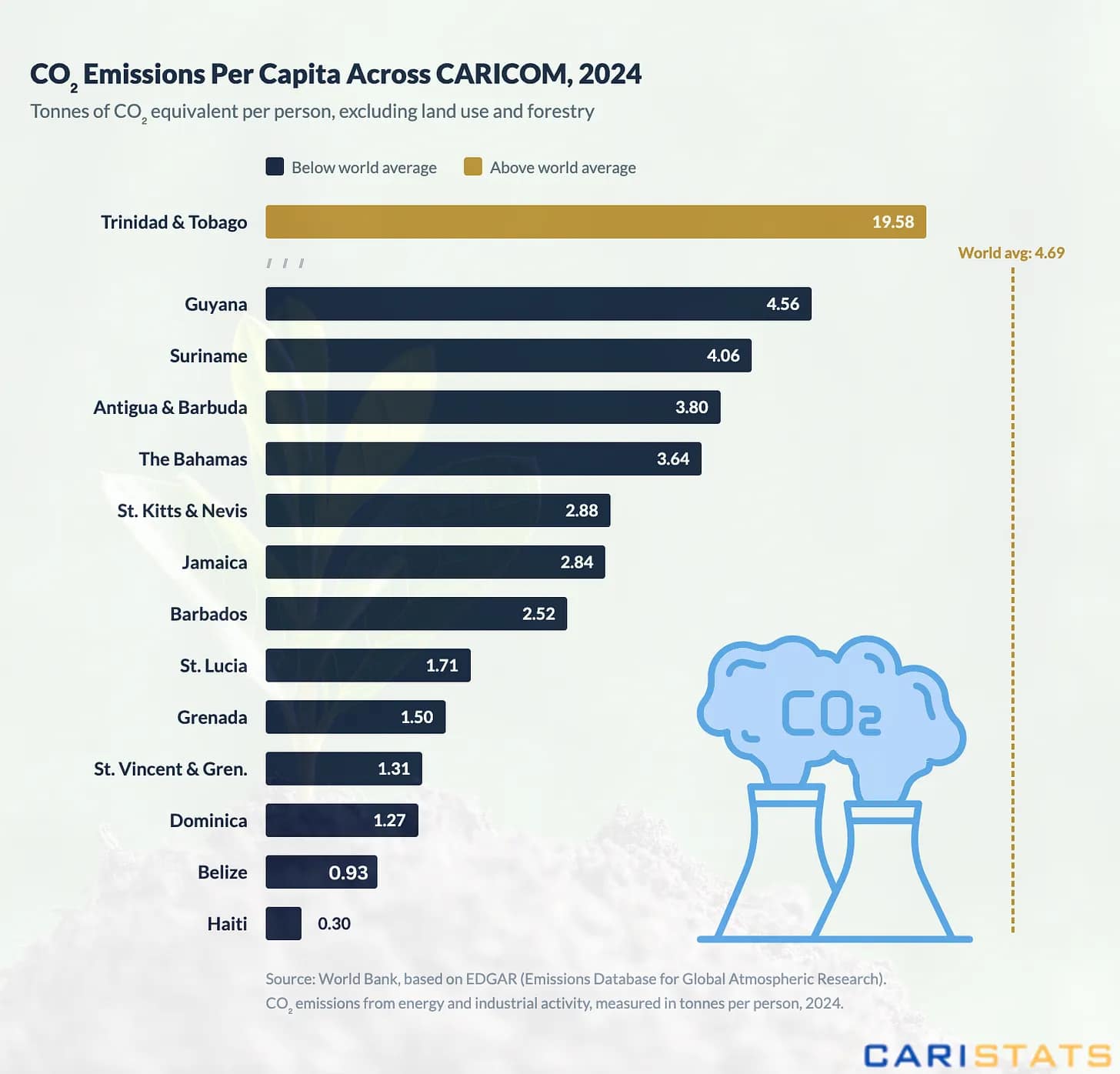
    A comprehensive analysis of carbon emissions data reveals a significant disparity among Caribbean Community (CARICOM) nations, with most member states maintaining per capita emissions well below the global average. According to the latest figures from the Emissions Database for Global Atmospheric Research (EDGAR), 13 of the 14 CARICOM countries emitted less than the worldwide per capita average of 4.69 tonnes of carbon dioxide in 2024.

    Trinidad and Tobago stands as the notable exception, registering 19.58 tonnes of CO₂ per person—more than quadruple the global benchmark. This elevated emission level is directly attributable to the nation’s petrochemical-dependent economy, though officials note a promising 28% reduction since 2015, coinciding with decreased output from its energy sector.

    At the opposite extreme, Haiti demonstrates the region’s lowest emissions at merely 0.30 tonnes per capita, followed by Belize at 0.93 tonnes. Several Eastern Caribbean nations—including Dominica, Grenada, St. Vincent and the Grenadines, and St. Lucia—all maintained emissions below 2 tonnes per person, representing less than half the global average.

    Guyana emerges as the most significant regional emitter on an upward trajectory, with per capita emissions surging 67% since 2015 from 2.73 to 4.56 tonnes. This increase parallels the rapid development of the country’s offshore oil industry.

    The data underscores a persistent climate injustice: Caribbean nations that contribute minimally to global carbon emissions simultaneously face disproportionate vulnerability to climate change impacts, including rising sea levels and intensifying hurricane activity.

  • Castries man, 39, fatally stabbed

    Castries man, 39, fatally stabbed

    The community of Morne Du Don in Castries, Saint Lucia, was shaken by a lethal stabbing incident on Thursday evening that resulted in the death of 39-year-old Germaine Modeste, locally known as “Germs.

    The violent altercation occurred at approximately 6 p.m., culminating in Modeste sustaining fatal stab wounds. Eyewitness accounts describe a physical confrontation between the deceased and two other males recognized within the community.

    A distraught niece of the victim recounted hearing commotion outside her home before discovering her uncle bleeding critically on the steps. “I was traumatized. I have never known my uncle to be involved in any acts of violence,” she told St Lucia Times. “He was very loving, he always says it as it is and if he saw you doing something that was not good, he would always tell you ‘check on yourself.’”

    Another witness reported that the assailants fled the scene immediately after the attack, despite calls for assistance. Emergency response teams from the Saint Lucia Fire and Emergency Services were dispatched to the location and administered urgent medical aid. Unfortunately, Modeste succumbed to his severe injuries despite resuscitation efforts.

    Local law enforcement authorities have initiated a formal investigation into the homicide, marking another violent incident on the island. The investigation aims to identify and apprehend the perpetrators responsible for this tragic community loss.

  • Officials address concerns over fencing at Reduit Beach

    Officials address concerns over fencing at Reduit Beach

    A temporary barrier erected along a section of Reduit Beach near the Mount Pimard development site has sparked public concern in Saint Lucia, prompting clarifications from project developers. In a joint statement, development firms A’ILA and Invest Saint Lucia addressed circulating videos showing fenced areas, explaining the measure as essential for public safety during vendor relocation and beachfront enhancements.

    The developers detailed that the fencing coincides with the completion of the new Mount Pimard Beach Park facility, designed to accommodate beach vendors including the notable Marie’s Fish Shack. This transitional period requires temporary safety barriers to facilitate remedial upgrades aimed at improving both the visual appeal and functional aspects of the beachfront. The entire improvement process is projected to conclude within two weeks following vendor relocation.

    Emphatically denying any permanent access restrictions, an A’ILA spokesperson stated: “We reaffirm that public access to Reduit Beach will not be restricted. Beach vendors are actively operating and both locals and visitors are presently using the beach without interruption.” The statement highlighted Reduit Beach’s enduring significance as a public recreational space that will remain fully accessible.

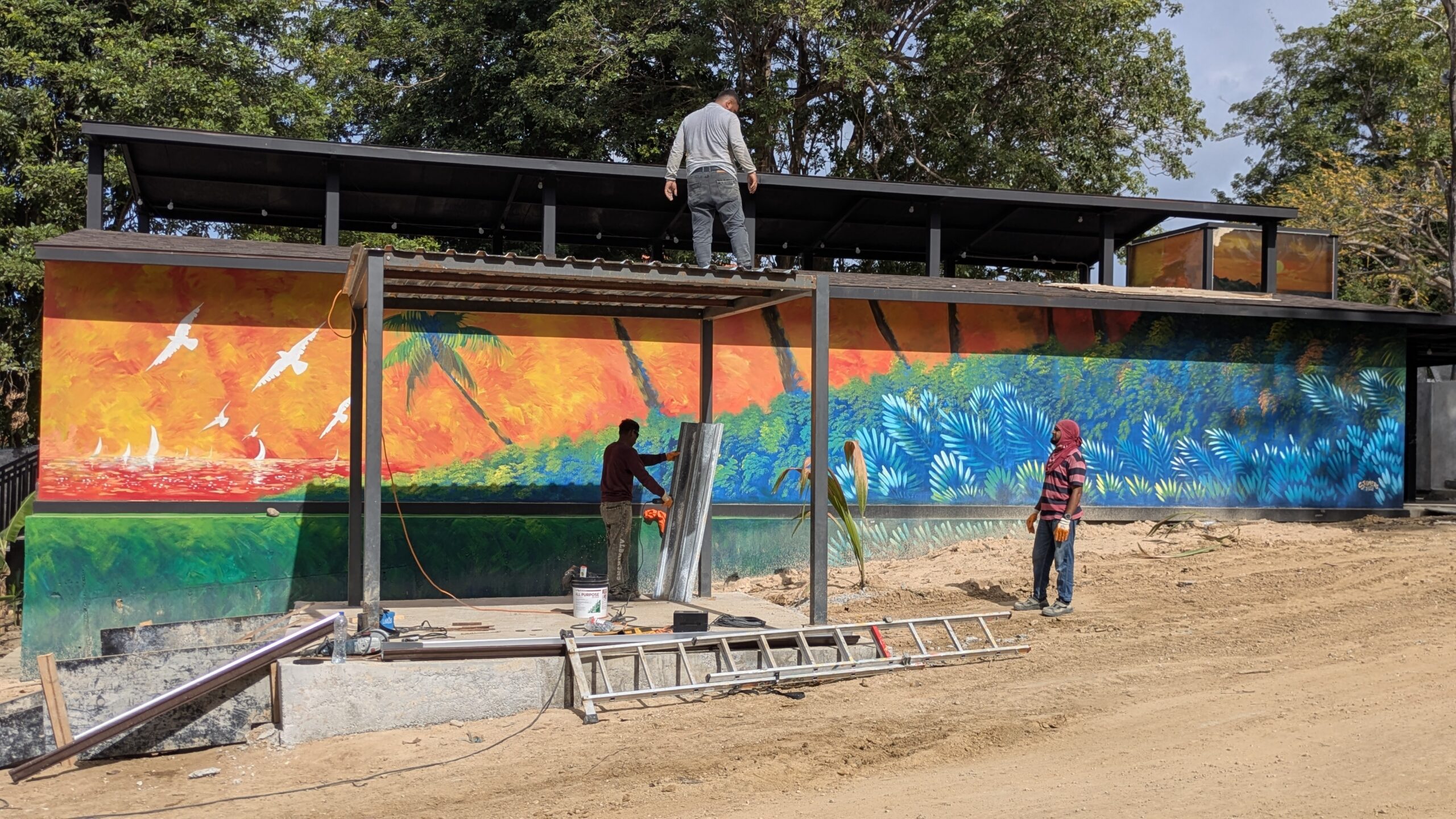
    The broader Mount Pimard development represents a substantial $1.3 billion multi-phase investment featuring a family hotel, adults-only wellness resort, luxury villas, residential units, shopping boulevard, and one of the island’s largest conference centers. The project is anticipated to generate substantial employment during construction phases and create additional permanent opportunities upon operational launch. The first phase, The LifeCo holistic wellness resort, is nearing completion with an expected opening in the near future.

    Tourism Minister Ernest Hilaire has endorsed the development, noting its potential to address the growing demand for hotel accommodations on the island.

  • CDB reports doubling of Climate Finance investments in 2025

    CDB reports doubling of Climate Finance investments in 2025

    The Caribbean Development Bank (CDB) marked a transformative year in 2025 by authorizing an unprecedented $226.7 million for climate-focused initiatives, constituting its largest annual environmental commitment in history. This monumental allocation represented approximately 50% of the Bank’s total project approvals for the year and more than doubled the $101.5 million deployed in 2024.

    A significant portion of this climate financing was driven by a $125 million environmental Policy-Based Loan (PBL) to Guyana, supplemented by identical $30 million packages to Dominica and Saint Vincent and the Grenadines. These strategic financial instruments are engineered to facilitate crucial reforms in biodiversity conservation, climate adaptation, and sustainable water management. Furthermore, they aim to enhance the technical and fiscal capabilities of member nations to withstand and recover from climate-induced disruptions.

    Valerie Isaac, Chief of the Environmental Sustainability Division at CDB, characterized the climate emergency as an existential threat to regional development and welfare, particularly impacting vulnerable populations. Speaking at the Bank’s Annual News Conference in Bridgetown, Barbados, she asserted that resilience has transitioned from being optional to an absolute necessity for regional stability and economic expansion.

    Beyond direct project funding, CDB secured an additional $27 million in grants and loans from the Green Climate Fund (GCF) to support the Integrated Utility Services Programme. With total investments surpassing $68 million, this initiative will promote energy efficiency and renewable energy adoption—including rooftop solar installations—across Barbados, Belize, and Jamaica.

    Another $27 million in GCF grants will finance the Caribbean Hydrometeorological and Multi-Hazard Early Warning Services Project, modernizing forecasting infrastructure in Belize and Trinidad and Tobago to safeguard approximately 1.8 million residents.

    A key strategic advancement was the activation of the Climate Change Project Preparation Fund, designed to accelerate project pipelines by eliminating bottlenecks that hinder climate finance deployment.

    Looking toward 2026, CDB plans to intensify its climate agenda by finalizing a $200 million regional blue economy initiative to protect marine resources while generating employment in ocean-based industries. The Bank will also establish a regional platform to develop investment portfolios aligned with national energy and transportation objectives, while concurrently strengthening water sector resilience and promoting community-led adaptation strategies.

    Ms. Isaac emphasized that current decisions will shape the Caribbean’s developmental path for the next fifty years, pledging continued innovation, capacity-building, and large-scale mobilization of climate finance.

    The Annual News Conference was held on March 3, 2026, at the Frank Collymore Hall in Bridgetown, featuring addresses from President Daniel M. Best, Projects Director O’Reilly Lewis, and Acting Deputy Director of Economics Jason Cotton.

  • Saint Lucia nurses armed with safety skills amid crime surge

    Saint Lucia nurses armed with safety skills amid crime surge

    In response to escalating homicides nationwide, Saint Lucia’s Ministry of Health has redefined workplace safety as a critical public health imperative. The government has initiated a groundbreaking collaboration with law enforcement to conduct specialized situational awareness training for medical personnel working in high-risk environments.

    The inaugural session commenced on March 10, 2026, at the Gros Islet Human Resource Centre, where nurses and frontline healthcare staff participated in intensive security preparedness workshops. Police Inspector Shervon Mattieu, the program’s lead facilitator, emphasized that the curriculum was specifically designed to address the unique vulnerabilities faced by healthcare professionals, particularly those stationed at polyclinics throughout the island.

    The comprehensive training program focuses on developing critical observation skills, threat recognition techniques, and de-escalation strategies. Participants learn to identify suspicious behavioral patterns, environmental cues, and potential security threats within clinical settings. Inspector Mattieu highlighted the increasing challenges medical facilities face as they often become primary contact points for victims of violent crimes.

    “We currently operate in an era of heightened criminal activity where shooting and stabbing victims frequently seek treatment at medical facilities,” Mattieu explained. “This unfortunately means healthcare workers may encounter agitated or hostile individuals who require careful management.”

    The workshops combine theoretical knowledge with practical exercises covering aggression management, behavioral analysis, and environmental awareness. This dual approach ensures staff can effectively recognize and respond to potential security threats before they escalate into violent incidents.

    Healthcare professionals have welcomed the initiative as both timely and essential. Sirmina Charles, a participating nurse, noted that safety concerns have become increasingly pressing due to worsening crime rates. “As healthcare providers, we frequently treat individuals involved in criminal activities, which can create uncertain and uncomfortable situations, particularly for female staff,” Charles explained.

    Participants reported gaining valuable insights and increased confidence in handling potentially dangerous encounters, noting the training provided crucial tools for maintaining safety while delivering essential medical services.

  • Today in History: The Grenada Revolution 13 March 1979

    Today in History: The Grenada Revolution 13 March 1979

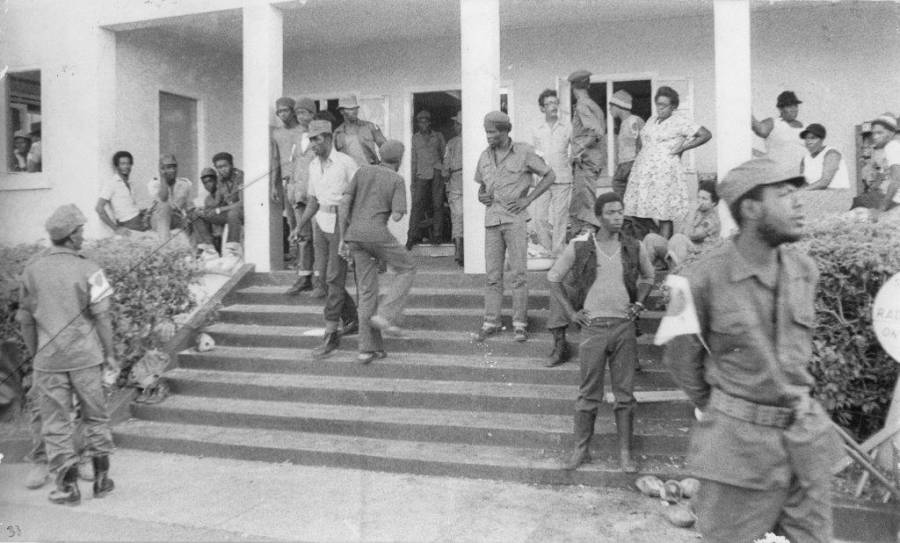
    On March 13, 1979, the Caribbean witnessed its first successful coup d’état within an English-speaking nation when the New Jewel Movement (NJM) orchestrated a dramatic overthrow of Grenada’s government. The revolutionary forces, comprising approximately 45 members of the National Liberation Army, launched a pre-dawn assault on the Grenada Defence Force barracks at True Blue at approximately 4:15 AM, setting the military headquarters ablaze and compelling most soldiers to flee.

    The NJM leadership subsequently revealed that their hastily executed takeover was precipitated by intelligence indicating Prime Minister Eric Gairy’s alleged plan to detain and eliminate opposition members. Evidence reportedly included eight secret underground cells at the prison intended for NJM’s Political Bureau. This development followed the arrest of two NJM members in the United States in February 1979 on charges of illegal arms shipments, which had forced remaining leaders underground.

    By 6:15 AM, Radio Grenada was captured without resistance, becoming the platform for the revolutionary announcement. Maurice Bishop, the movement’s leader, addressed the nation at 10:48 AM, outlining the revolution’s objectives centered on food security, adequate housing, improved health services, and a prosperous future for Grenadian children. Bishop pledged the restoration of democratic freedoms, including electoral rights and religious and political expression.

    Throughout the day, police stations across the islands surrendered peacefully by hoisting white flags, with minimal exchange of gunfire. Although Gairy loyalists attempted to organize resistance at Fort George police headquarters, they recognized the futility of their efforts as NJM forces established control nationwide. By 5:00 PM, all police stations had surrendered, and most government officials, military leaders, and police officers were detained. The takeover resulted in two direct fatalities and one indirect death.

    The revolution received widespread public support despite its unexpected nature, with many Grenadians viewing it as a promising alternative to the economic and political instability that had characterized the 1970s under Gairy’s leadership. Fidel Castro later characterized the event as “a successful Moncada,” drawing parallels to his own 1953 attempted coup in Cuba.

    The Grenada National Museum currently hosts an extensive exhibition documenting the events leading to the revolution, its four-and-a-half-year duration, and its eventual conclusion following the execution of Prime Minister Maurice Bishop and subsequent US-led invasion in October 1983.

  • Court Orders Removal of Terror Group from Belize’s Sanctions List

    Court Orders Removal of Terror Group from Belize’s Sanctions List

    In a significant legal development, the Belize High Court has mandated the removal of the Al-Nusrah Front for the People of Levant from the nation’s Consolidated Sanctions List. The March 10, 2026 judicial order directs the Financial Intelligence Unit (FIU) to eliminate the organization from its registry maintained under the Money Laundering and Terrorism Prevention Act.

    The Al-Nusrah Front, alternatively identified as Jabhat al-Nusra, emerged as a militant faction during the Syrian civil conflict in 2012. With established connections to al-Qaeda, the organization executed numerous insurgent operations and bombings targeting Syrian governmental institutions and security apparatus. Their operational objectives centered on overthrowing the Assad administration while expanding their ideological influence throughout the region.

    International counterterrorism authorities, including the U.S. State Department, designated the group as a foreign terrorist organization in December 2012. However, in a notable policy shift announced in July 2025, the United States revealed intentions to revoke this designation, citing the group’s organizational transformation and evolving geopolitical circumstances in Syria.

    Belize’s sanctions mechanism functions as a protective barrier preventing entities associated with terrorism or financial crimes from accessing domestic financial networks. The court-ordered delisting consequently enables the release of previously frozen assets belonging to the organization within Belizean jurisdiction. The FIU maintains dynamic oversight of the sanctions list, regularly updating entries to align with international security developments and diplomatic considerations.