作者: admin

  • Vier doden bij nieuwe VS aanval; Venezuela verwerpt aanval

    Vier doden bij nieuwe VS aanval; Venezuela verwerpt aanval

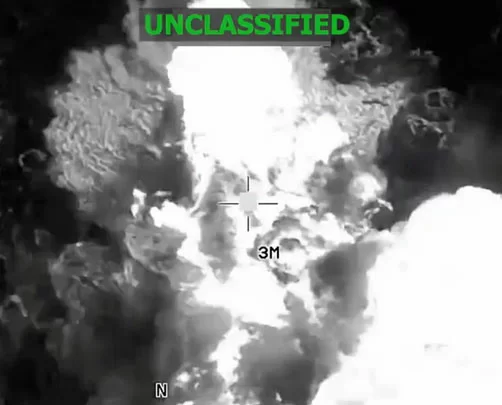
    The United States Navy has conducted another kinetic military strike against a vessel suspected of involvement in drug trafficking operations, resulting in four confirmed fatalities according to Pentagon officials. This incident represents the latest escalation in Washington’s intensified maritime campaign against narcotics smuggling that has targeted dozens of vessels since early September.

    Official statements from US Southern Command confirm the deployment of lethal force against what intelligence identified as a drug trafficking vessel. The operation, described as a ‘kinetic strike,’ eliminated four individuals aboard the suspect craft. This approach forms part of Operation Martillo, a broader multinational effort aimed at disrupting transnational criminal organizations operating in maritime transit zones.

    The Venezuelan government under President Nicolás Maduro has launched a vehement diplomatic response to the incident. Venezuela’s National Assembly has established a special commission to investigate the American military actions, with Parliamentary President Jorge Rodríguez promising a thorough examination of the circumstances. Venezuelan officials have condemned the strikes as illegal under international law and characterized them as part of broader US pressure tactics targeting the resource-rich nation, particularly its substantial oil and gas reserves.

    While the US government maintains that these military actions represent justified measures in the global fight against drug trafficking, international observers and legal experts have raised significant concerns. Critics argue that employing lethal force against suspected vessels on the high seas without judicial process or transparent evidence presentation may constitute extrajudicial executions. The legal justification for such attacks in international waters remains particularly contentious, with questions emerging about compliance with international maritime law and human rights standards.

  • Tourism minister meets with team from World Bank

    Tourism minister meets with team from World Bank

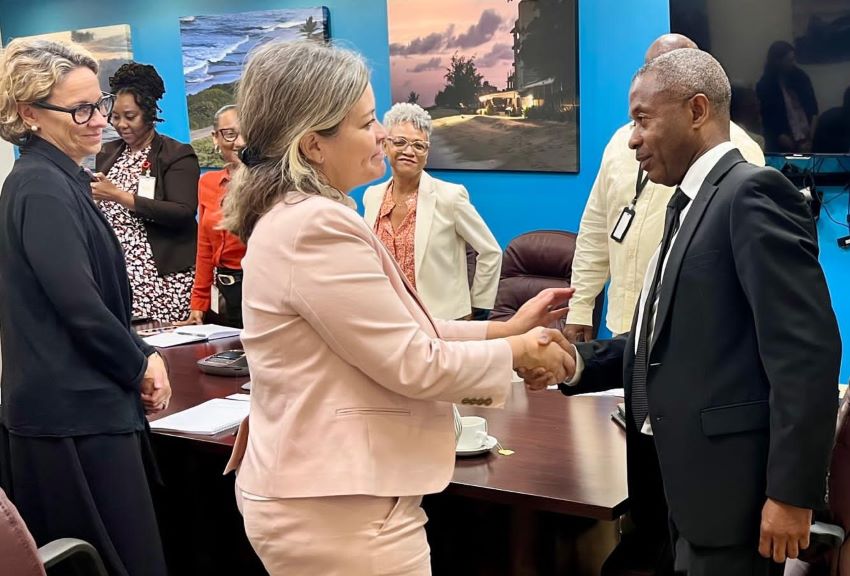
    Barbados is positioning itself for a significant expansion of its tourism sector through a new strategic collaboration with the World Bank. The partnership was formalized during a high-level meeting between Minister of Tourism and International Transport Ian Gooding-Edghill and a delegation from the World Bank led by Maria Marcela Silva, Regional Director for Infrastructure in Latin America and the Caribbean.

    The discussions at the ministry’s Warrens headquarters focused on comprehensive development strategies, with Minister Gooding-Edghill highlighting Barbados’ remarkable tourism growth trajectory between 2023 and 2024. He detailed the government’s multi-faceted approach, emphasizing the critical expansion of room inventory and the successful implementation of an airlift strategy that has driven substantial visitor growth. “Barbados is entering an exciting period of growth,” the Minister stated. “We are building out and expanding our room inventory absolutely necessary as we drive more traffic to destination Barbados.”

    Ms. Silva, who is concurrently participating in the 34th General Assembly’s Forum of Ministers and Highest Authorities of Housing and Urban Development, underscored the World Bank’s commitment to supporting Barbados’ infrastructure ambitions. She outlined the Bank’s capacity to provide both financial resources and technical expertise, particularly in tourism and international transport sectors. “We are very keen to work with you,” Silva affirmed. “We think that there is a huge opportunity in the tourism sector one of these sectors that we see as having a lot of potential to support job creation, economic growth and so on.”

    The bilateral talks extended to several key areas including technical assistance programs for aviation development, sustainable tourism practices, cruise tourism enhancement, and market diversification strategies. Significant attention was given to the proposed expansion of Grantley Adams International Airport and Barbados’ pursuit of Category 1 status with both the US Federal Aviation Administration and the International Civil Aviation Organization.

    The World Bank delegation emphasized their comprehensive infrastructure mandate, covering energy, transport, urban development, tourism, and disaster risk management. They committed to sharing valuable data analytics, best practices, and innovative financing options to support Barbados’ development objectives.

    The meeting included senior officials from both parties, including acting Permanent Secretary Deborah Norville, Permanent Secretary Charley Browne, acting Chief Technical Officer Dionne Gibbs-Nicholls, and several World Bank specialists in urban development and resilience.

  • BEL Seeks Two-Year Rate Increase to Recover Rising Energy Supply Costs

    BEL Seeks Two-Year Rate Increase to Recover Rising Energy Supply Costs

    Belize Electricity Limited (BEL) has formally petitioned the Public Utilities Commission for authorization to implement a 5.55-cent average rate increase per kilowatt-hour. This strategic proposal aims to address a significant financial shortfall while simultaneously preparing the national grid for anticipated future demand surges.

    The utility company’s application reveals an accumulated BZ$87.5 million in unrecovered supply costs spanning from July 2023 through October 2025 under existing tariff structures. Additionally, BEL projects a further BZ$20.9 million in unfunded energy expenses between November 2025 and June 2026. Company executives emphasize that the requested rate adjustment is essential to stabilize cash flow, meet operational requirements, and sustain critical infrastructure investments in the national grid system.

    Several converging factors are driving the proposed increase. BEL anticipates substantial supply-side pressures in early 2026, including seasonal demand spikes during warmer, drier months that will necessitate increased reliance on higher-cost generation sources such as gas turbines. The company is preparing to deploy temporary generation units to bridge capacity gaps until new medium-term projects become operational. Furthermore, projected increases in electricity import prices from Mexico’s CFE between April and July 2026 are expected to create additional cost pressures.

    In a measured approach to consumer protection, BEL recommends implementing the rate increase through a phased two-year schedule. This gradual implementation strategy aims to balance the utility’s financial requirements for maintaining safe, reliable service against the national priority of keeping electricity rates affordable and predictable for consumers. The company emphasizes that even with the proposed adjustment, BEL would maintain its position as Belize’s lowest-cost electricity provider and remain among the most competitive utilities in the Caribbean and Central American regions.

    The utility company acknowledges that electricity pricing changes have far-reaching implications for households, businesses, and community development initiatives nationwide. BEL frames the proposed adjustment as an essential investment in grid reliability and national development, ensuring stable energy delivery supports Belize’s continued economic growth and infrastructure modernization.

  • Barbados Landship to receive UNESCO Inscription in India

    Barbados Landship to receive UNESCO Inscription in India

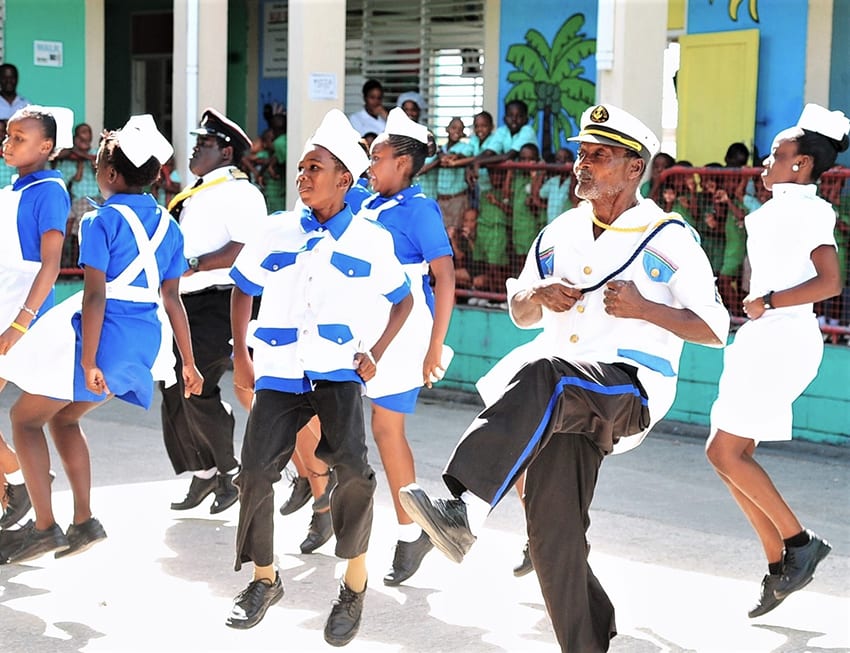
    The cultural legacy of the Barbados Landship Association (BLA), the island’s oldest indigenous institution, is set to receive international validation through its inscription on UNESCO’s List of Intangible Cultural Heritage in Need of Urgent Safeguarding. This prestigious acknowledgment will be formally conferred next week during an official ceremony in New Delhi, India, where Barbadian cultural representatives led by Senator Dr. Shantal Munro-Knight will accept the Certificate of Inscription.

    The Minister, who holds responsibility for Culture within the Prime Minister’s Office, characterized this achievement as a monumental milestone for Barbados. She emphasized that this UNESCO recognition elevates the Landship’s profile on the global stage, celebrating an organization renowned for its captivating marching displays and intricate manoeuvres during national celebrations, including the annual Independence Parade.

    This successful nomination culminated from a rigorous three-year multidisciplinary effort orchestrated by the Division of Culture. The comprehensive process involved extensive historical research, collaborative sessions with various landship docks, and stakeholder engagements to build a compelling case for the institution’s cultural significance. Dr. Munro-Knight highlighted the rarity of such inscriptions among Caribbean nations, making this accomplishment particularly noteworthy for Barbadian heritage preservation.

    Concurrently, Barbados has submitted an additional nomination for road tennis to be included on UNESCO’s Representative List of the Intangible Cultural Heritage of Humanity, demonstrating the nation’s ongoing commitment to cultural conservation. The Minister expressed optimism regarding this separate application’s success.

    Reflecting on the historical context, Dr. Munro-Knight noted that the Landship tradition emerged from Barbados’ complex colonial past, representing community resilience through indigenous practices like the ‘su su’ cooperative saving system. Despite originating under challenging circumstances, the institution has endured through generations as a testament to Barbadian cultural innovation and collective identity formation.

  • Column: De transparante CEO die wantrouwen doorbreekt

    Column: De transparante CEO die wantrouwen doorbreekt

    In the heart of Suriname’s business landscape, Kuldipsingh Handelsmaatschappij has evolved from a modest construction materials shop into a diversified technical sector giant employing over 1,500 people. The company’s most remarkable transformation, however, lies in its port facility division—a venture that began as a speculative gamble on Suriname’s then-nascent oil and gas industry.

    A decade ago, Kuldipsingh made a bold strategic decision: investing in modern port infrastructure ahead of the anticipated energy boom. What many viewed as a mysterious and potentially suspicious expansion has now materialized into a fully operational facility serving international energy heavyweights including Halliburton, Shell, Staatsolie Blue Water shipping, Noble, and Petronas.

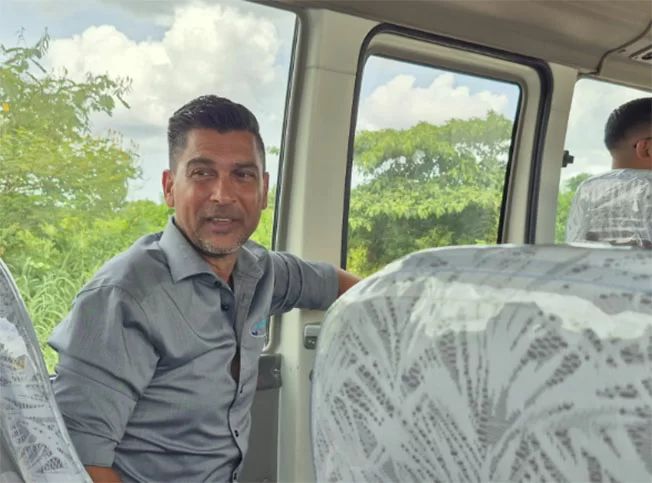
    The true revelation emerged during a recent masterclass on Local Content organized by Staatsolie, where journalists gained unprecedented access to the facility. The tour was led by an unassuming guide dressed in worn but neat jeans and shirt—later revealed to be Vinood Ramkhelawan, CEO of Kuldipsingh Port Facility NV. His accessible demeanor and humorous delivery contrasted sharply with corporate expectations, yet his operational expertise proved formidable.

    What distinguishes Ramkhelawan’s leadership approach is radical transparency. In an industry often characterized by defensive statements and polished corporate messaging, he openly discusses harsh business realities, political challenges, and daily obstacles facing Surinamese companies. This candor is gradually dismantling years of suspicion surrounding the company’s rapid growth.

    The operational reality visible behind the port gates demonstrates tangible results of vision and perseverance: future-proof infrastructure supporting Suriname’s energy sector. Rather than polished sales pitches, visitors witness factual operations, safety standards, and strategic planning.

    The success story highlights a crucial dichotomy: while Surinamese entrepreneurship demonstrates remarkable drive, knowledge, and courage to leverage the oil and gas sector, governmental support structures lag significantly—particularly regarding local content development. The political sphere emerges as the primary constraint on national energy development.

    Kuldipsingh’s journey exemplifies how vision, courage, and transparency can build not just infrastructure but trust. Under leadership that combines honest dialogue with operational excellence, the Surinamese dream becomes tangible—proof that calculated risks and centering local labor can transform national economic prospects.

  • Small fire quickly contained at Chamber of Deputies

    Small fire quickly contained at Chamber of Deputies

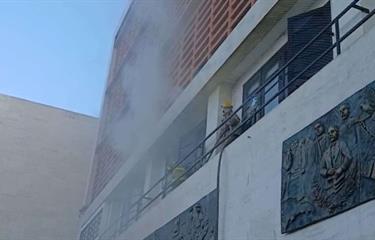
    SANTO DOMINGO – A minor kitchen fire erupted within the Office of the President at the Chamber of Deputies on the morning of Friday, December 5. Emergency protocols were immediately activated, prompting a rapid deployment of National District firefighters to the legislative premises. The specialized response team efficiently managed to contain and extinguish the blaze, preventing any structural damage from spreading beyond the kitchen area.

    Official statements confirmed that all personnel were successfully evacuated and no injuries were reported among employees and responders. The incident, now fully resolved, triggered an immediate investigation by authorities to determine the precise origin and cause of the ignition.

    The legislative body issued public gratitude for the swift and professional action of the fire department, acknowledging their critical role in mitigating potential disaster. The Chamber also expressed appreciation for the concern shown by citizens and assured that further developments would be communicated through established official channels once the investigation concludes.

  • Cuba reaffirms zero-tolerance policy against drugs

    Cuba reaffirms zero-tolerance policy against drugs

    Cuban authorities have successfully intercepted 72 separate drug smuggling attempts between 2024 and 2025, seizing substantial quantities of marijuana, cocaine, methamphetamine, and synthetic cannabinoids originating from 11 different countries. This achievement comes despite significant challenges posed by the United States embargo and the increasingly sophisticated methods employed by international drug cartels.

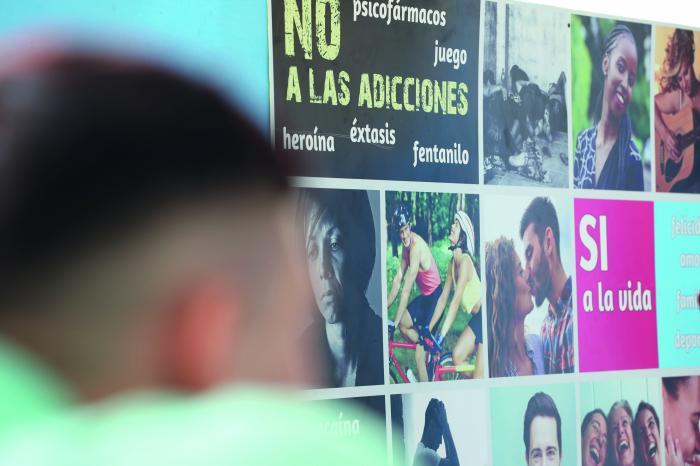
    At a recent press conference, Justice Minister Oscar Manuel Silvera Martínez, who chairs Cuba’s National Drug Commission, detailed the nation’s comprehensive anti-narcotics strategy. The approach combines rigorous law enforcement with extensive public education campaigns, maintaining a zero-tolerance policy toward drug trafficking and consumption. Minister Silvera emphasized that Cuba’s geographical position places it along major drug transit routes connecting South American production centers with North American consumer markets, yet the country has consistently prevented itself from becoming a significant storage or transit point for narcotics.

    Colonel Juan Carlos Poey Guerra, head of the Ministry of Interior’s Specialized Anti-Drug Enforcement Agency, highlighted emerging challenges including the proliferation of synthetic substances and innovative smuggling techniques. These include speedboat deliveries, airborne drops, and packages deliberately abandoned in Cuban waters that wash ashore due to currents and weather patterns. The recent passage of Hurricane Melissa led to the discovery of 792.5 kilograms of marijuana and 12.25 kilograms of cocaine along Guantánamo’s northern coast, demonstrating how natural phenomena can unexpectedly introduce drugs into Cuban territory.

    First Colonel Yvey Daniel Carballo Pérez of the Border Guard Troops Directorate noted that Cuba’s extensive 5,746-kilometer coastline presents substantial monitoring challenges. Despite these difficulties, authorities have captured 14 speedboats and 39 traffickers in recent operations, seizing a total of 4,487 kilograms of illicit substances. All interdiction operations have been conducted without loss of human life, even during high-speed pursuits of smuggling vessels.

    The Cuban government has intensified its anti-drug efforts through enhanced training programs, technological modernization, and sophisticated laboratory analysis that has identified 41 new synthetic drug formulations entering the country, most traced to United States origins. Community involvement remains crucial to these efforts, with coastal residents playing a vital role in reporting suspicious packages and activities.

  • Santiago marched with Fidel

    Santiago marched with Fidel

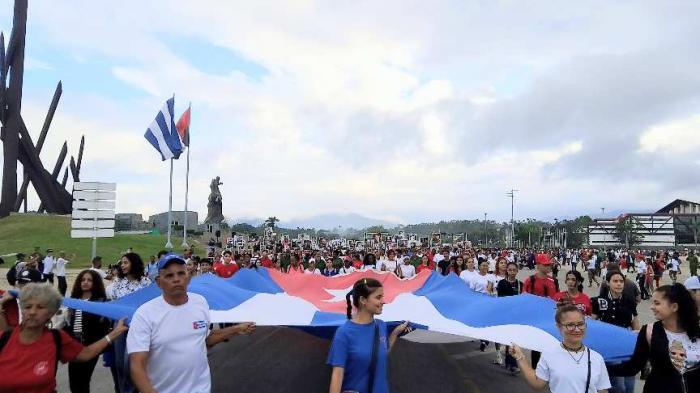
    SANTIAGO DE CUBA – Thousands of Cubans marched through the streets of Santiago de Cuba on Saturday to mark the ninth anniversary of Commander-in-Chief Fidel Castro Ruz’s interment at Santa Ifigenia Heritage Cemetery. The procession, moving from Antonio Maceo Grajales Revolution Square to the national monument, demonstrated remarkable resilience amid ongoing recovery from Hurricane Melissa and an intensified economic blockade.

    Young Adriano Giro Mustelier captured the spirit of the event, proclaiming, ‘Let’s march for Fidel, for the Revolution, and for Cuba!’ His words echoed through the crowd as participants of all ages moved along Patria Avenue to the sounds of the March of July 26 and patriotic songs.

    A university student who participated in the inaugural tribute march as a child told Granma, ‘We do this because Fidel and his example are more necessary today than ever.’ The march also served as a show of solidarity with Venezuela, expressing support against what participants termed ‘new aggressions of U.S. imperialism.’

    Concurrent with the memorial march, the Fidel Castro Ruz Center is hosting the exhibition ‘Siempre Alejandro’ (Always Alejandro) by National Prize for Plastic Arts winner Nelson Domínguez. The collection of 18 canvases in the Cinco Palmas room presents interpretive studies of Castro through striking visual allegories.

    Domínguez’s works, including pieces titled ‘Cinco Palmas,’ ‘Fidel Guerrillero,’ ‘La Guerra Necesaria,’ and ‘Fidel en la Sierra,’ explore the revolutionary leader’s legacy through symbolic imagery rather than traditional portraiture. ‘These are works in which I am searching for my Fidel,’ Domínguez explained. ‘The purpose was not to make a portrait, but an interpretation.’

    Exhibition curator Juan Martín Soler noted that Domínguez’s pieces reflect the artist’s personal experiences with Castro during the revolutionary period in the mountains and subsequent memorable encounters. The exhibition, attracting numerous young visitors, serves as another testament to Castro’s enduring presence in Cuban cultural and political life.

  • Economie moet versneld transformeren naar ‘Suriname 3.0’

    Economie moet versneld transformeren naar ‘Suriname 3.0’

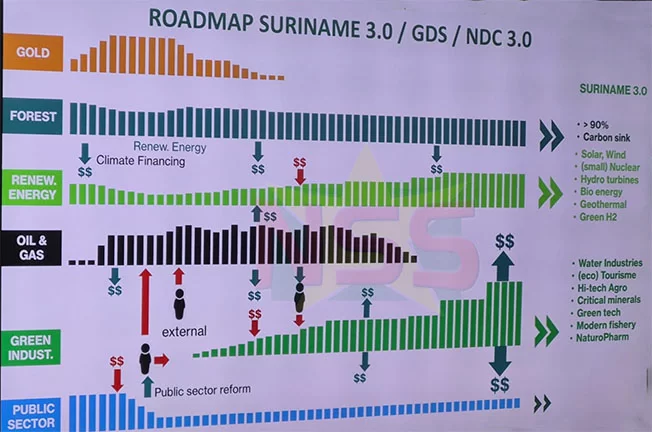
    Suriname stands on the brink of a historic economic transformation as its offshore oil and gas sector accelerates development, according to Oil, Gas & Environment Minister Patrick Brunings. The government has announced plans for a comprehensive national conference in April 2026 that will bring together government entities, private sector representatives, academic institutions, and international partners to establish a detailed roadmap for ‘Suriname 3.0’ – the nation’s transition to a modern, diversified, and sustainable economy.

    Minister Brunings, who comes from an oil industry background himself, emphasized the urgency of preparation: “We must make a structural leap. The offshore developments are real, investments are coming, and we must be ready.” The future oil and gas revenues are specifically intended not to maintain the status quo but to fundamentally reshape Suriname’s economic structure.

    The proposed roadmap outlines a strategic shift away from the gold sector toward multiple new revenue streams supported by oil income. Key development areas include water and climate industries, eco-tourism, high-tech agriculture, critical minerals, green technology, modern fisheries, natural pharmaceuticals, and renewable energy as a second economic pillar. Suriname aims to maintain and even expand its status as a >90% carbon sink nation through investments in solar, wind, hydro, bioenergy, geothermal, green hydrogen, and small-scale nuclear power.

    A crucial component involves reforming the government apparatus, with plans to gradually reduce the size of the public sector. Part of the civil service workforce will be retrained for positions in the oil, gas, and green industries. “The government cannot keep growing. Future jobs will emerge primarily in the productive sector. We must prepare personnel for that,” Brunings stated.

    The transformation faces significant challenges, particularly regarding local content capacity. A masterclass organized by Staatsolie highlighted growing gaps between industry requirements and current market capabilities. International companies operating in Suriname need local goods and services, technically specialized personnel, and supporting sectors including legal, financial, hospitality, logistics, and medical services.

    Despite evident motivation and potential among Surinamese businesses, substantial deficiencies remain – including shortages of well-trained technical staff, insufficient HSE and quality standards, lack of certifications, and inadequate training facilities. The Kuldipsingh Port Facility demonstrates both the rapid pace of offshore development and Suriname’s potential competitiveness, as major international players now operate locally rather than diverting to Trinidad & Tobago or Guyana.

    However, government preparedness lags behind market developments, particularly in policy formulation, regulations, local content requirements, and data collection. Without accelerated action, local small and medium enterprises risk exclusion from emerging opportunities. The April 2026 conference will establish foundations for a national oil and gas development plan, green economy investment strategy, public administration reform, robust local content agreements, and a long-term roadmap for Suriname’s economic future.

  • New Parika-Supenaam ferry arrives in Guyana

    New Parika-Supenaam ferry arrives in Guyana

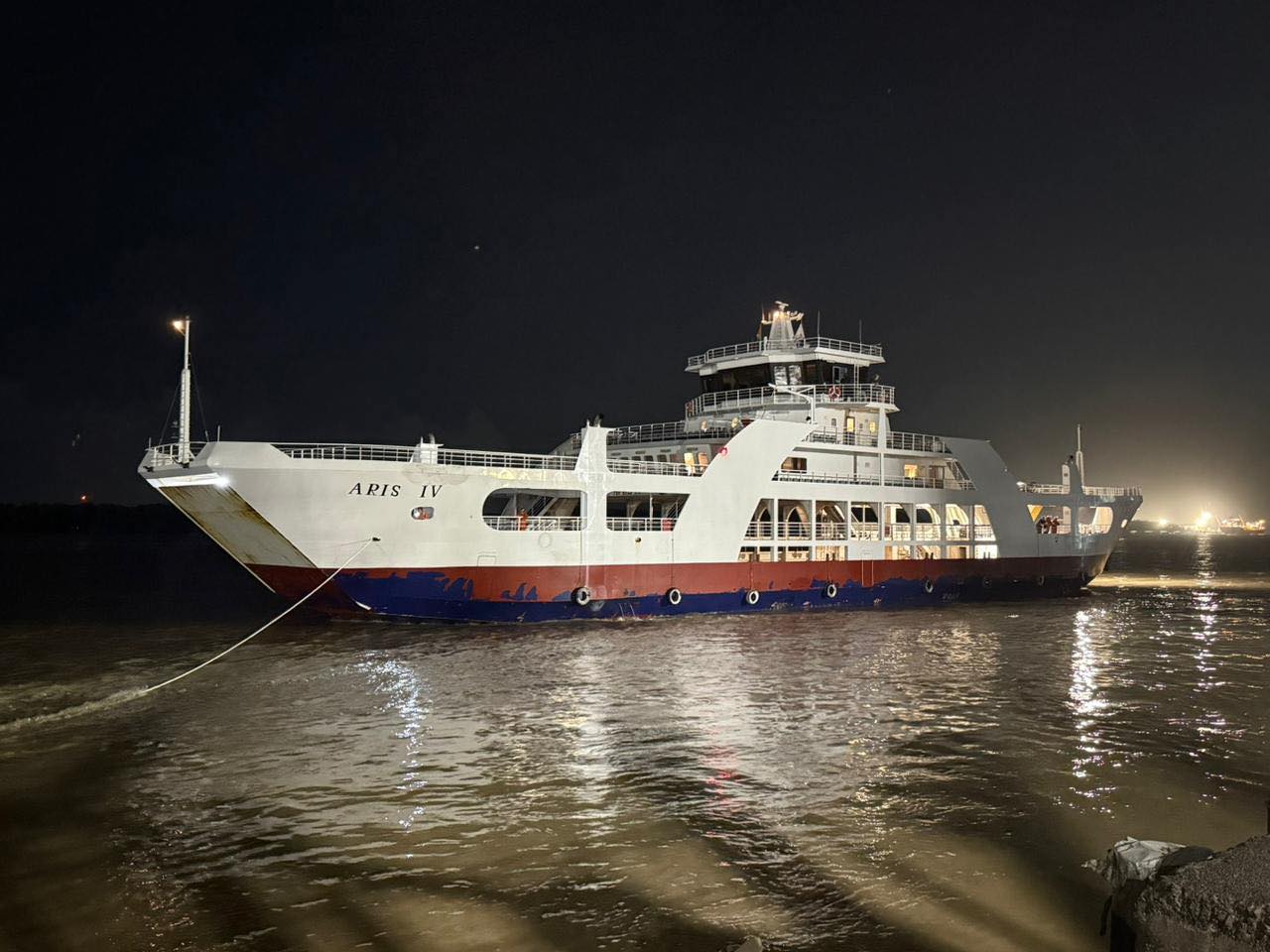
    Guyana’s transportation network has received a significant upgrade with the arrival of the ARIS IV, a modern roll-on/roll-off ferry that will soon commence operations on the crucial Parika-Supenaam route. The vessel, constructed in Greece in 2020, completed a transatlantic journey spanning 5,200 nautical miles before reaching Guyanese waters.

    President Irfaan Ali officially announced the ferry’s arrival through a social media statement on Thursday evening, December 4, 2025, highlighting the achievement as part of the government’s infrastructure modernization efforts. The acquisition represents a strategic investment in the country’s transportation capabilities, with the government purchasing the vessel for approximately $4.4 million USD (3.8 million Euros).

    Technical specifications from maritime database Shipax indicate the ARIS IV measures 58.8 meters in length with a 15.7-meter beam and substantial cargo capacity of 550 deadweight tonnes. The 827 gross tonnage vessel will be integrated into the existing fleet managed by the Transport and Harbours Department, joining other recently acquired ferries including the Chinese-built MV Kanawan and MV Sabanto, and India’s MV Ma Lisha.

    The addition of this European-made vessel to Guyana’s maritime infrastructure is expected to enhance connectivity and trade along the vital Parika-Supenaam corridor, potentially reducing transit times and improving reliability for both passenger and commercial transport services.