作者: admin

  • VS werkt aan inreisverbod burgers uit meer dan 30 landen

    VS werkt aan inreisverbod burgers uit meer dan 30 landen

    The United States government is preparing a substantial expansion of its travel restriction policies that would bar citizens from more than thirty additional countries from entering the nation. Homeland Security Secretary Kristi Noem revealed the planned measures during a Thursday interview with Fox News, though she declined to provide specific details regarding which nations would be affected.

    This announcement represents the latest in a series of increasingly stringent immigration measures implemented by the Trump administration over recent months. In June, President Trump signed a proclamation that completely barred citizens from twelve countries while imposing severe restrictions on travelers from seven others. These restrictions apply to both immigrants and temporary visitors, including students, tourists, and business travelers.

    Secretary Noem emphasized that countries lacking stable governance structures or those unable to adequately verify identity and security information risk being added to the expanded list. “If a nation cannot vouch for the identity of its citizens, why should we admit those individuals into our country?” she questioned during the interview.

    The potential expansion comes amid heightened political pressure following the deadly attack on two National Guard members in Washington, DC. The suspect, an Afghan national who entered the United States through a resettlement program in 2021, allegedly underwent insufficient screening according to administration critics. In response, President Trump announced that immigration from “all Third World countries” would be “permanently paused” without specifying which nations this designation encompassed.

    Since returning to the White House in January, the Trump administration has implemented an immigration enforcement-centered policy approach. Federal agents have been deployed to major cities, and asylum seekers have been systematically turned away at the southern border. While the administration’s focus has primarily emphasized deportations and enhanced border security, the potential travel ban expansion signals a new effort to restrict legal entry pathways into the United States.

    Earlier reports from Reuters, citing an internal document, indicated that the administration was considering barring citizens from an additional 36 countries, though it remains unclear whether this proposal aligns with Secretary Noem’s recent announcement.

  • St George Secondary toasts student success, calls for improved transport

    St George Secondary toasts student success, calls for improved transport

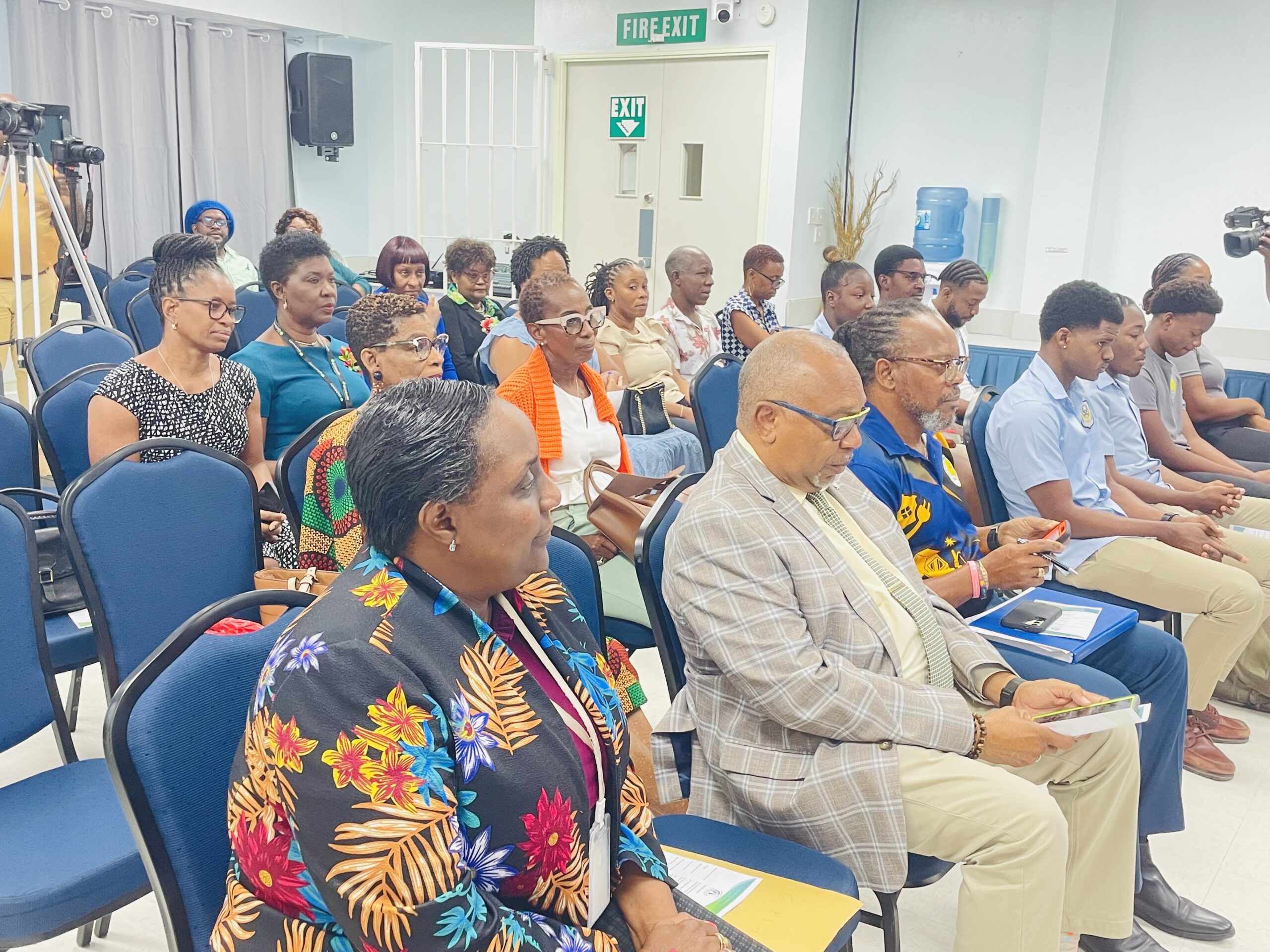
    St George Secondary School is revolutionizing educational approaches through a comprehensive strategy emphasizing student wellbeing, practical skills development, and community integration. Principal Dennis Browne unveiled these transformative initiatives during the institution’s annual speech day and prize-giving ceremony, signaling a paradigm shift in educational methodology.

    The school has implemented an innovative alternative uniform system specifically for skills-training days, designed to foster student pride and recognition. This sartorial approach allows learners to visibly identify with technical and vocational programs while promoting the school’s commitment to hands-on education within the Barbadian community.

    Addressing behavioral development, the administration has rebranded its positive behavior management program with a values-driven framework. This is complemented by strengthened partnerships with key agencies including the Edna Nicholls Centre, Juvenile Liaison Scheme, and National Task Force on Crime Prevention, creating a supportive ecosystem for student development.

    A standout initiative involves scheduled mental health days each term, where students engage in unconventional activities including equine grooming, canine interaction, and various non-academic exercises. These experiences are carefully designed to promote emotional wellbeing, joy, and behavioral maturation beyond traditional classroom boundaries.

    Principal Browne highlighted transportation challenges as a significant barrier to extracurricular participation, advocating for improved transport solutions to support student engagement.

    Minister of Educational Transformation Chad Blackman commended the school’s leadership and comprehensive vision, recognizing St George Secondary as “a beacon of excellence in Barbados.” He particularly praised the practical-learning initiatives and encouraged students to embrace their role as “architects of the transformation of this country.”

    The ceremony, themed “The Rising of the Lion: Celebrating Strength, Spirit and Success,” honored outstanding scholars including Asia Edwards, recipient of the Chairman’s Prize, and Jahsmyne Taitt, who received multiple accolades including Most Outstanding Student and Principal’s Prize.

  • Training grant signals shift in valuing skilled trades

    Training grant signals shift in valuing skilled trades

    In a landmark policy shift, Barbados is fundamentally restructuring its educational priorities to place technical and vocational training on equal footing with traditional academic pathways. The government’s newly launched Tertiary Construction Grant represents a strategic investment in positioning skilled tradespeople at the core of the nation’s economic transformation agenda.

    The inaugural awards ceremony, held at the Ministry of Educational Transformation, celebrated the first cohort of recipients who will receive full funding for training in critical construction trades including carpentry, masonry, electrical installation, plumbing, tiling, and welding. These programs will be administered through the Samuel Jackman Prescod Institute of Technology (SJPI) and the Barbados Vocational Training Board.

    Minister of Training and Tertiary Education Sandra Husbands characterized the initiative as a ‘watershed moment’ for Barbadian education, acknowledging past systemic failures. ‘We have neglected too many children for too long,’ Husbands stated, revealing that approximately 40% of students graduate with proficiency in two or fewer subjects. ‘This indicates not that our children cannot learn, but that we have not created an educational system that helps everyone to learn.’

    The minister emphasized the urgent need for a national mindset shift, challenging the longstanding perception of vocational training as a secondary option. ‘People are born with different skill sets, all of which are necessary for life,’ she asserted. ‘Trades are critical to our built environment, critical to economic growth, and critical for national development.’

    This educational transformation directly addresses Barbados’ current construction boom, with nine hotels scheduled for development requiring approximately 7,000-9,000 construction workers and nearly 10,000 hospitality staff. ‘We must capitalize on this opportunity to secure the quality of life Barbados wants to offer its citizens,’ Husbands emphasized.

    The ministry also announced plans for a modern welding plant at SJPI to meet international demand, noting that skilled welders in neighboring Guyana can earn approximately $3,000 daily—demonstrating the substantial economic potential of technical mastery.

    Grant recipients expressed enthusiasm for both the opportunity and validation the program provides. Tiffany Kinch, one of the female participants, shared her journey from informal construction experience to pursuing formal qualifications: ‘I want the actual certification rather than just learning on the job.’ Fellow recipient Faden Blackman, studying carpentry and joinery, highlighted the creative satisfaction and community contribution possible through skilled trades.

    Minister Husbands concluded with a call to action for private sector involvement, urging established tradespeople to provide mentorship and workplaces to offer training opportunities, ensuring the next generation fully develops their capabilities.

  • School proposes ‘technical sixth’, adult education pilot

    School proposes ‘technical sixth’, adult education pilot

    In an innovative educational move, St George Secondary School has announced groundbreaking plans to launch Barbados’ first technical and vocational sixth form programme outside traditional polytechnic institutions. Principal Dennis Browne unveiled the ambitious initiative during the school’s annual speech day and prize-giving ceremony, presenting a comprehensive blueprint for educational transformation.

    The pioneering programme represents a significant departure from conventional academically-focused sixth forms, offering a two-year curriculum structured around technical skill development. Students will progress through Level 1 training in their first year followed by Level 2 advancement in their second year, while simultaneously completing compulsory courses in computation, communication, digital literacy, and entrepreneurship.

    A distinctive feature of the initiative involves establishing on-campus business incubators for graduates. The school plans to convert three prefabricated buildings into twelve individual workstations, providing each graduate with their own operational shop space to launch their trade with continued institutional support.

    Principal Browne emphasized the programme’s collaborative nature, revealing partnerships with the Youth Entrepreneurship Scheme for expert guidance and internship opportunities. The initiative specifically targets students excluded from technical education due to capacity constraints at established institutions like the Samuel Jackman Prescod Institute of Technology, which turns away 3,500 applicants annually despite its 2,500-student capacity.

    During his address, Browne directly appealed to the attending Minister of Educational Transformation for governmental support, expressing confidence in the programme’s potential to reduce youth unemployment by creating alternative educational pathways that combine skill acquisition with immediate entrepreneurial opportunities.

  • Hospitals with high volume of patients with respiratory viruses

    Hospitals with high volume of patients with respiratory viruses

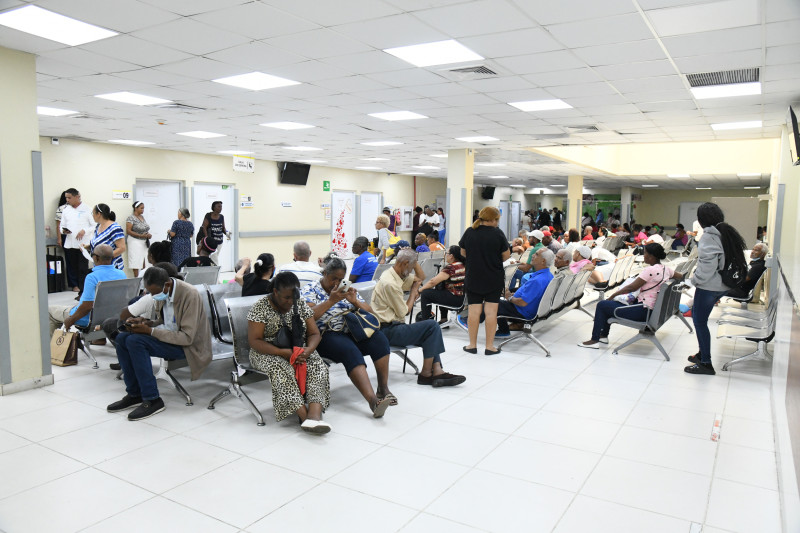
    The Dominican Republic is confronting a severe pediatric health emergency as hospitals nationwide report dramatic increases in respiratory illness hospitalizations and consultations. Sentinel surveillance data reveals an unprecedented surge in Respiratory Syncytial Virus (RSV) infections, reaching the highest levels recorded this year and significantly exceeding 2024 case numbers.

    Health authorities attribute this alarming pattern to unusual meteorological conditions, with recent heavy rainfall, persistent humidity, and temperature fluctuations creating ideal transmission conditions for respiratory pathogens. The epidemic has manifested through substantially higher cases of bronchiolitis and pneumonia in children, displaying an earlier, more intense, and prolonged seasonal pattern than typically observed.

    While RSV dominates the current health crisis, multiple other respiratory viruses continue circulating at moderate levels, including influenza strains A(H3N2), A(H1N1)pdm09, influenza B/Victoria, SARS-CoV-2, adenovirus, metapneumovirus, and parainfluenza. This viral co-circulation elevates risks of coinfections, exacerbates chronic respiratory conditions like asthma and COPD, and increases complication likelihood among vulnerable populations.

    The epidemiological pattern mirrors regional trends, with the United States, Canada, Mexico, and Southern Cone nations reporting similarly early and intense RSV seasons. In response, the Ministry of Public Health has implemented enhanced virological surveillance, expanded sentinel sampling, and strengthened neonatal and pediatric ICU capacity monitoring. Rapid referral pathways for severe cases have been activated to manage the increased healthcare demand.

    Concurrently, health officials are intensifying influenza vaccination campaigns targeting priority groups including pregnant women, older adults, young children, and healthcare personnel. Community-level preventive measures emphasize adequate ventilation, mask usage during respiratory symptoms, proper respiratory hygiene, frequent handwashing, and reduced overcrowding in educational and childcare facilities.

    Concerning severe respiratory infections, the latest epidemiological week recorded 40 suspected Severe Acute Respiratory Infection (SARI) cases, slightly exceeding 2024’s 35 cases. The highest hospital demand originates from Santo Domingo, San Cristóbal, the National District, and Santiago provinces. The national cumulative total reaches 1,559 suspected SARI cases with 54 fatalities recorded this year.

    Regarding other diseases, dengue surveillance shows 38 suspected cases in the latest reporting week with no confirmations, maintaining a significant decrease from 2024 figures. Malaria maintains localized transmission with 836 confirmed cases among 50,365 suspected instances, while leptospirosis reports 156 confirmed cases and 15 fatalities, primarily linked to recent flooding from Tropical Storm Melissa.

  • CELOS slaat alarm: snelle toename cassaveziekte vraagt onmiddellijke alertheid

    CELOS slaat alarm: snelle toename cassaveziekte vraagt onmiddellijke alertheid

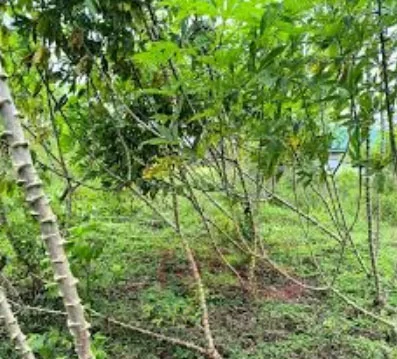
    Suriname’s agricultural sector faces an escalating biosecurity emergency as an aggressive strain of Cassava Witches’ Broom Disease demonstrates accelerated proliferation beyond initial projections. The Center for Agricultural Research in Suriname (CELOS) has issued heightened alerts to farming communities following concerning reports from multiple districts, particularly Marowijne, where cassava plants exhibit severe pathological manifestations.

    The pathogenic variant presents distinctive symptomatology including abnormal proliferation of branches, pronounced leaf deformities, and critically stunted growth patterns—rendering infected specimens entirely unsuitable for cultivation. CELOS Director Soedeshchand Jairam characterized the situation as epidemiologically urgent, emphasizing that “this disease manifestation represents a novel threat to Suriname’s ecosystem. Preventive inertia is not an option—our intervention velocity directly correlates with containment efficacy.”

    While cassava phytopathological conditions have historical prevalence across South America, this emergent strain demonstrates significantly heightened virulence. Previously documented in Southeast Asia since 2010 with substantial agricultural devastation, the pathogen breached Western Hemisphere defenses through initial 2023-2024 detections in French Guiana. Jairam notes this established “immediate cross-border contamination risks that current observations confirm have materialized at our national perimeter.”

    The disease transmission occurs primarily through human-mediated transportation of infected cassava cuttings, creating critical control challenges. CELOS advocates stringent phytosanitary protocols urging farmers to exclusively source planting materials from visually asymptomatic fields. The institution, supported by the International Center for Tropical Agriculture, is developing a national diagnostic certification system to validate planting material biosecurity.

    Digital surveillance reports indicate concentrated symptomatic manifestations across eastern and southern regions, with additional suspected cases identified in Brokopondo and Saramacca—suggesting potential multi-regional dissemination. CELOS is coordinating comprehensive field inspections to delineate contamination boundaries and severity gradients.

    Socioeconomic implications are substantial given cassava’s role as staple subsistence crop and primary income source for thousands of smallholder agriculturists. Pathogenic disruption of vegetative propagation mechanisms threatens direct production declines and severe livelihood impacts. Jairam emphasizes collaborative vigilance: “Farmers constitute our primary surveillance network—their observational acuity and willingness to report anomalies remain paramount to containment success.”

    The director concluded that effective pathogen management requires integrated response frameworks: “This battle transcends institutional capabilities—it demands consolidated action across farming communities, civil society, and governmental agencies as shared biological security responsibility.”

  • What is happening in Cotuí?  Unusual color in the waters of the Hatillo dam denounced

    What is happening in Cotuí? Unusual color in the waters of the Hatillo dam denounced

    Environmental authorities face mounting pressure as the Hatillo Dam reservoir in Quitasueño, Cotuí—the Caribbean’s largest freshwater lake—undergoes a disturbing transformation. Local fishermen and visitors have reported alarming changes in the water’s appearance, with crystal-clear waters turning an unnatural olive-green hue over recent days.

    The concerning discoloration has forced numerous fishing professionals to suspend their operations indefinitely, creating economic uncertainty for communities dependent on the reservoir’s resources. The sudden alteration has sparked widespread confusion among residents who rely on the aquatic ecosystem for their livelihoods.

    Multiple theories have emerged regarding the potential causes behind this ecological phenomenon. Experts and community members speculate about possible contamination events, climate change impacts, or even deliberate human interference. The severity of the situation has prompted calls for immediate scientific investigation.

    The Dominican Republic’s Ministry of Environment now faces urgent demands to deploy technical teams to assess the water quality and identify the exact causes of the discoloration. Environmental specialists emphasize the need for comprehensive water sampling and analysis to determine whether toxic algae blooms, chemical pollutants, or other factors are responsible for the dramatic color change.

    The Hatillo Dam serves as a critical water source and economic hub for the Sánchez Ramírez province, making its ecological health a matter of regional significance. Further deterioration could potentially affect water supply, aquatic life, and local economies throughout the Greater Antilles region.

  • St. Lucia PM promises continuation of policies of his first administration

    St. Lucia PM promises continuation of policies of his first administration

    CASTRIES, St. Lucia – Phillip Joseph Pierre assumed office as St. Lucia’s 12th prime minister on Friday, marking a significant political milestone following his party’s decisive victory in Monday’s general elections. The swearing-in ceremony, conducted by Governor General Sir Errol Charles at the official Morne residence overlooking the capital, inaugurated Pierre’s second consecutive term—a feat unmatched by any political party in St. Lucia over the past two decades.

    The 71-year-old leader expressed profound gratitude to the nation’s electorate for delivering the St. Lucia Labour Party (SLP) a commanding parliamentary majority of 14 out of 17 seats. Two additional seats were secured by independents previously aligned with Pierre’s administration, while the opposition United Workers Party retained only one seat under outgoing leader Allen Chastanet.

    Pierre’s inauguration attracted regional dignitaries including the prime ministers of Antigua and Barbuda, Barbados, Dominica, Grenada, and St. Kitts-Nevis, alongside former St. Vincent and the Grenadines premier Ralph Gonsalves, underscoring the event’s diplomatic significance.

    In his acceptance address, Prime Minister Pierre outlined a governance vision centered on social equity and youth empowerment. “We cannot develop a dual society where any demographic is allowed to go adrift,” he asserted, emphasizing targeted interventions for vulnerable populations and disenchanted young males susceptible to gang influence.

    The administration plans to implement an impactful public investment program featuring critical infrastructure upgrades at Hewanorra International Airport and water supply systems, complemented by enhanced citizen security initiatives. Pierre simultaneously cautioned against societal negativity and division, advocating for zero tolerance toward deviant behaviors while promoting national unity.

    Foreign policy will maintain active engagement with the Organisation of Eastern Caribbean States and CARICOM, guided by principles of regional sovereignty and peace. The new cabinet is scheduled for announcement and swearing-in next week, formally commencing Pierre’s mandate to execute campaign promises through progressive policy implementation.

  • Jahmy Belgrave Gunned Down on East Canal

    Jahmy Belgrave Gunned Down on East Canal

    BELIZE CITY – A devastating shooting on East Canal Street has claimed the life of 28-year-old Jahmy Belgrave, a father of three with a fourth child expected, cutting short his determined efforts to rebuild his life away from past dangers.

    According to family members, Belgrave had recently returned to Belize City after attempting to establish a new beginning in San Pedro, Ambergris Caye. His relocation followed sustained death threats and conflicts with former associates. Despite his aspirations for a fresh start, economic challenges and continued police scrutiny related to his past reputation hampered his ability to sustain himself on the island.

    Tragedy struck on December 5th as Belgrave visited his children’s residence. Eyewitness accounts indicate he was engaged in conversation with his daughter when an assailant emerged from a neighboring property and opened fire. The attack occurred at a location he had deliberately avoided for an extended period due to security concerns.

    Belgrave’s sister, who chose to remain anonymous, revealed her brother had developed renewed perspective about life’s priorities. He actively counseled younger male relatives against repeating his mistakes, using his own experiences as cautionary examples about the perils of street life. Ironically, he ultimately fell victim to the very violence he warned others to avoid.

    Although Belgrave had historical connections to George Street and previous encounters with law enforcement, his family emphasizes his recent dedication to parental responsibilities. He had planned to rent a two-bedroom house to accommodate his children, demonstrating his commitment to providing a stable environment.

    Belize City police have launched an investigation but have not yet identified any suspects. The case highlights ongoing challenges with gun violence and the difficult transition for individuals attempting to leave criminal backgrounds behind. The family maintains that regardless of his past, Belgrave deserved the opportunity to reform his life through legitimate means rather than meeting violent death.

  • Elibox stars with ball as Saint Lucia win U23 cricket series

    Elibox stars with ball as Saint Lucia win U23 cricket series

    Saint Lucia’s Under-23 cricket team has clinched the bilateral 50-over series against Dominica with a commanding five-wicket victory in Portsmouth, taking an insurmountable 2-0 lead with one match remaining. The Friday contest, reduced to 20 overs per side due to playing conditions, showcased all-round excellence from the visiting side.

    Dominica, having won the toss and elected to bat at Benjamin’s Park, encountered immediate trouble as their captain Stephan Pascal fell early for just five runs to Jaden Elibox. The home team’s innings never gained substantial momentum despite a resilient 72-run knock from Lluvio Charles that provided some stability. Elibox emerged as the bowling protagonist, claiming four crucial wickets for 35 runs in just 3.5 overs, systematically dismantling Dominica’s middle order. Aaron Joseph provided valuable support with figures of 2-20 as the hosts limped to 149-9 from their allotted overs.

    In response, Saint Lucia launched an aggressive and calculated chase led by captain Noelle Leo’s explosive half-century. Leo blazed to 57 runs from merely 18 deliveries, peppering the boundary with eight fours and three sixes. He received formidable support from Theo Edward, who contributed a rapid 48 from 34 balls featuring two fours and five sixes. The opening partnership of 69 runs within the first five overs effectively neutralized any potential pressure from the Dominican bowlers. Although Saint Lucia lost several middle-order batsmen in quick succession, they comfortably reached the target of 153 in just 17.3 overs, winning with 15 deliveries to spare.

    The victory marks Saint Lucia’s successful defense of their 50-over championship title against their regional rivals. Both teams will complete the series with a final match before transitioning to a three-day format contest, providing additional development opportunities for emerging Caribbean cricketers.