作者: admin

  • Niet visumvrij, maar wél een vijfjarenvisum voor Surinamers

    Niet visumvrij, maar wél een vijfjarenvisum voor Surinamers

    The longstanding discussion regarding visa-free travel for Surinamese citizens to Europe continues to linger just beyond reach, presenting an appealing yet currently unattainable prospect. While the idea of seamless travel to Schengen areas remains attractive, the reality dictates that such arrangements require unanimous European Union approval—a complex political undertaking in today’s climate of heightened migration scrutiny and border control concerns.

    Rather than fixating on this distant ideal, a more immediate solution exists within existing frameworks: the underutilized multiple-entry Schengen visa valid for up to five years. This operational mechanism already functions effectively for several third countries including Turkey, India, Qatar, and the United Arab Emirates. Through a graduated approach, successful applicants demonstrating consistent compliance with travel regulations can obtain progressively extended validity periods, ultimately reaching five-year standard visas.

    The United States already exemplifies this model effectively, granting Surinamese tourists five-to-ten year multiple-entry visas that eliminate annual application burdens. Adopting a similar Schengen-compliant framework would yield substantial practical benefits for diverse demographic groups. Families with children in the Netherlands, professionals pursuing continuing education, researchers attending conferences, and business entrepreneurs would all experience reduced administrative overhead and enhanced travel flexibility.

    Contrary to concerns about potential brain drain, extended visa validity does not equate to work or residence rights—these remain subject to separate regulatory procedures. The fundamental migration dynamics remain unchanged by visa duration, though the treatment of travelers would significantly improve, shifting from suspicion toward trust-based engagement.

    The path forward requires diplomatic focus on expanding existing provisions rather than awaiting unanimous EU policy shifts. Netherlands and other Schengen nations already possess the authority to implement these measures structurally. While visa-free travel may eventually materialize, the five-year visa solution remains immediately achievable through strategic advocacy and bilateral dialogue.
  • MP Shallow to serve out term as CWI president

    MP Shallow to serve out term as CWI president

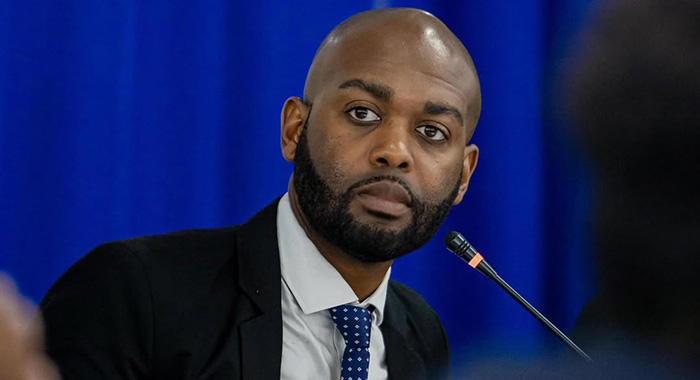
    Kishore Shallow, Minister of Tourism for St. Vincent and the Grenadines and President of Cricket West Indies (CWI), has firmly declared his intention to complete his current term leading the regional cricket body through 2027. The announcement comes amid growing scrutiny regarding his capacity to balance both high-profile positions simultaneously.

    In an exclusive interview with iWitness News, Shallow revealed he has received explicit endorsement from Prime Minister Godwin Friday, regional leaders, and the CWI board to maintain his presidential role. The minister, who also serves as parliamentary representative for North Leeward, was elected unopposed to his second consecutive three-year term in March, following a similar uncontested election previously.

    Addressing concerns about potential conflicts of interest, Shallow clarified fundamental misconceptions about the nature of the CWI presidency. “The position is not executive nor full-time,” he stated, explaining that the operational secretariat remains based in Antigua while he performs his duties remotely. The governing body is considering rebranding the role as ‘Chairman of the Board’ to better reflect its actual responsibilities.

    Shallow expressed confidence that his constituents overwhelmingly support his dual roles, attributing criticism to “a small minority with personal grievances” rather than genuine public concern. He guaranteed that his CWI responsibilities would not compromise his ministerial duties, pledging to resign immediately if workload conflicts emerged.

    The cricket administrator outlined compelling professional reasons for continuing his tenure, emphasizing the implementation of CWI’s 2024-2027 strategic plan. With approximately 70% of organizational reforms already achieved, Shallow aims to reach near-complete implementation before departing. Critical initiatives include financial stabilization through commercial operations restructuring, securing equitable revenue distribution from the International Cricket Council, and establishing a robust succession plan.

    Shallow noted that parliamentary representation in cricket governance is not unprecedented, citing current ICC board members who also hold legislative positions. His determination to continue stems from both board support and personal commitment to seeing through transformative changes he initiated, believing sustained leadership is essential for Caribbean cricket’s future stability.

  • The dirty side of the 2025 election campaign

    The dirty side of the 2025 election campaign

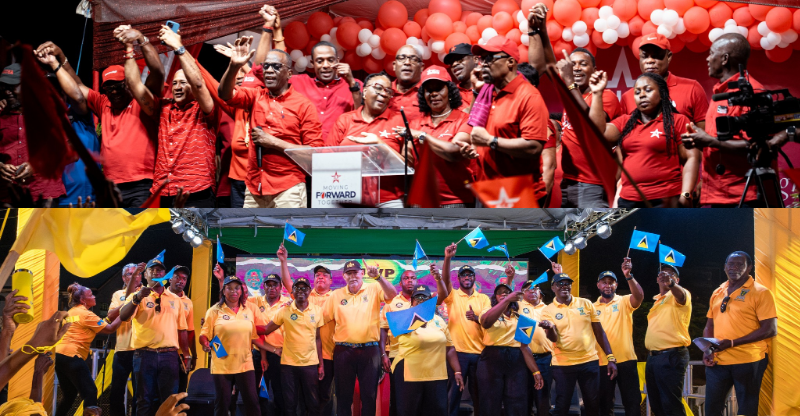
    The commencement of Saint Lucia’s 2025 general election campaign triggered a 21-day period of intensified political engagement characterized by aggressive messaging, heated debates, and a notable deterioration into personal attacks. The nation’s political landscape, shaped by a winner-take-all electoral system and a deeply adversarial political culture inherited from Westminster, created an environment where personal vilification frequently overshadowed policy discussions.

    Professor Cynthia Barrow-Giles, a distinguished Saint Lucian political scientist, had presciently analyzed this dynamic in her 2010 publication ‘Democracy at Work: A Comparative Study of the Caribbean State.’ Her examination of how electoral systems and political culture shape regional democracy remains remarkably relevant fifteen years later. She argued that this combination inevitably produces “high-stakes elections, skewed parliaments, and a style of politics where personal attacks often overshadow policy.”

    Despite superficial assessments describing the 2025 campaign as proceeding “smoothly,” the rhetorical landscape revealed a different reality. Charges of “corruption,” “criminal” behavior, and being “unfit for office” dominated political discourse across platforms. Particularly disturbing were at least two pro-UWP campaign songs that derogatorily referred to Prime Minister Philip J Pierre as “autistic” and “retarded,” language that sparked cross-party outrage and drew condemnation from advocacy groups including the Helen Association for Persons with Autism.

    The targeting extended beyond political figures to their families. UWP’s Vieux Fort North candidate Calixte Kakal Xavier found himself defending attacks directed at his partner and son rather than addressing policy issues. Female candidates from both major parties faced gender-based questioning rather than evaluations of their competence. Former Prime Minister Allen Chastanet continued to face racially-charged criticism with his “whiteness” routinely used as shorthand for foreignness.

    Significantly, the most virulent attacks frequently originated not from the candidates themselves but from party surrogates, supporters, and unofficial mouthpieces operating outside formal party messaging structures. This phenomenon of “unregulated actors” shaping campaign tone without accountability, as noted by Barrow-Giles, represents a regional pattern in small states’ political cultures.

    The Saint Lucia Labour Party (SLP) centered its campaign on governance achievements, with Prime Minister Pierre emphasizing his administration’s “record” while explicitly rejecting participation in “roro” (local vernacular for rhetorical excess). The party maintained consistent messaging around continuity and stability, bolstered by former UWP figures including Andy Daniel, Edmund Estephane, and Felix Champagne Deterville, who appeared on Labour platforms to condemn UWP leadership, providing the strategic advantage of insider criticism.

    The United Workers Party (UWP) mounted a campaign fueled by large rallies, promises of renewal, and sharp critiques of the Labour administration. Their messaging focused on accusations of mismanagement, rising living costs, and failures in healthcare and law enforcement. A cornerstone of their strategy involved introducing twelve new faces, many political newcomers, which regional pollster Peter Wickham described as an “impressive” rebuild following the party’s devastating 2021 defeat.

    However, this infusion of new talent presented challenges when several candidates faced backlash for controversial remarks. Tommy Descartes’s comment that “gangsters are yellow” and Stephen Fevrier’s remarks about auctioning Olympian Julien Alfred’s shoe required subsequent withdrawals and clarifications, illustrating the tension between political spectacle and substance that Barrow-Giles identified in Caribbean electoral competitions.

    With the election concluded and Prime Minister Pierre preparing to form his new Cabinet, public exchanges have notably diminished. Candidates across the political spectrum have thanked their teams, exchanged congratulations, and acknowledged voter efforts. As the new administration takes shape, attention is expected to shift toward governance and policy, though discussions about campaign rhetoric and its implications for democratic discourse will undoubtedly continue.

  • Rosebel eert 30 jaar trouwe medewerkers

    Rosebel eert 30 jaar trouwe medewerkers

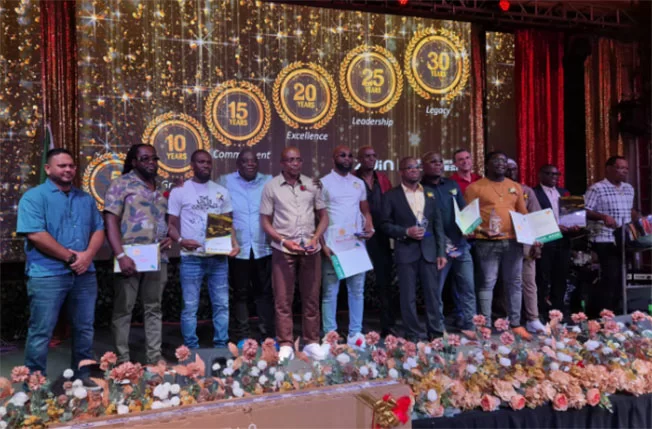
    PARAMARIBO – In a significant celebration of workforce dedication, Zijin Rosebel Gold Mines recognized 162 employees reaching career milestones during a special ceremony held Saturday in Brokopondo. The event spotlighted personnel with service periods ranging from 5 to 30 years at the prominent gold mining operation.

    The anniversary gala, hosted at Roeli’s Event Venue in Wanica, transformed into an evening of appreciation through live musical entertainment and comedic performances by Glenn Huisden. Each honored employee received a commemorative award, official certificate, and monetary bonus in recognition of their service contributions.

    Country Director Stephanie Lobbrecht emphasized the human capital foundation of the company’s operations: “We celebrate our people because they form the very heart of Rosebel. Without their consistent efforts, the achievements we deliver daily for both the company and nation would remain unattainable.”

    This year’s recognition ceremony encompassed 436 milestone achievers across multiple service tiers: 328 employees marking five years of service, 5 reaching ten years, 28 achieving fifteen years, and 73 celebrating twenty years of employment. Notably, one employee commemorated a quarter-century with the organization, while another achieved the exceptional milestone of thirty years’ service.

    Lobbrecht confirmed the company currently employs approximately 1,700 workers while highlighting Rosebel’s organizational priorities: “Safety remains our absolute top priority. Nothing is more devastating than when individuals leave home and fail to return safely. Beyond this fundamental commitment, team spirit remains indispensable. It is precisely through our strong collaborative dynamics that we have maintained production excellence throughout so many years.”

  • Maduros alleges that US strikes in Caribbean are about oil, not drug trade clean-up

    Maduros alleges that US strikes in Caribbean are about oil, not drug trade clean-up

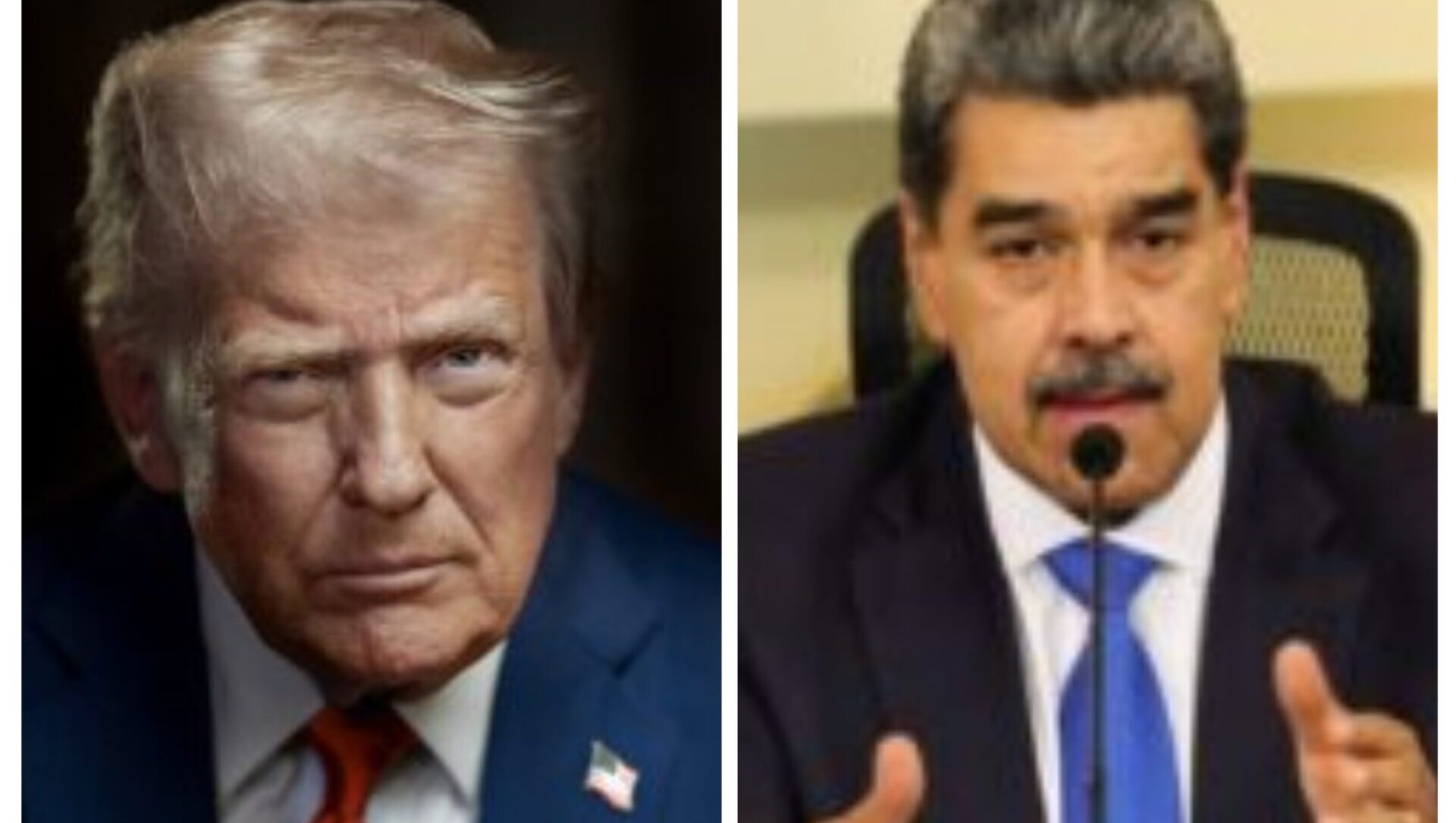
    A significant geopolitical dispute has emerged between Venezuela and the United States regarding American military activities in the Caribbean region. Venezuelan President Nicolás Maduro has publicly accused the US of deploying military forces to secure access to Venezuela’s substantial oil reserves, which rank as the world’s largest proven deposits.

    The US State Department has categorically denied these allegations, maintaining that its recent military operations—including airstrikes over the past three months that reportedly resulted in approximately 80 civilian casualties—are exclusively targeting drug trafficking networks. However, critics cited by The Guardian question the effectiveness of these tactics, noting that most narcotics enter the United States through Mexico rather than Caribbean routes.

    Energy experts provide a more nuanced perspective on the situation. Francisco J Monaldi of Rice University acknowledges that oil interests may play a role but argues they cannot be the primary motivation, given Venezuela’s current minimal contribution to global oil production—less than 1% despite its massive reserves. The country’s oil industry has suffered catastrophic decline due to years of mismanagement, international sanctions, and critically insufficient investment.

    The sanctions landscape has been particularly volatile. Former President Donald Trump initially imposed stringent sanctions banning Venezuelan oil imports, which President Joe Biden temporarily lifted in an effort to promote democratic reforms. Following Maduro’s controversial re-election amid allegations of electoral manipulation, Trump reinstated these restrictions.

    This pattern has led some analysts to suggest that regime change rather than oil access might be the ultimate objective, especially considering Trump’s consistent opposition to Maduro and his administration’s alliances with China, Russia, and Iran.

    Venezuela faces monumental challenges in revitalizing its oil sector, including profound political instability and severely deteriorated infrastructure. José Ignacio Hernández, a legal scholar specializing in Venezuela’s energy industry, notes that even with governmental change, international companies would require stability guarantees before committing substantial investments, with US energy giant Chevron positioned to benefit most from any normalization.

    Despite these complex realities, Colombian President Gustavo Petro has aligned with Maduro’s perspective, characterizing recent US military actions as fundamentally “a negotiation about oil” rather than genuine counter-narcotics or democracy promotion efforts.

  • Women’s leadership event sparking local breakthroughs

    Women’s leadership event sparking local breakthroughs

    The Sandals Grande Palladium hosted a transformative gathering of female executives on November 29 as Influential BossLady’s ImpactUS 25 conference brought together CEOs, entrepreneurs, directors, and emerging leaders for a day of substantive dialogue and strategic learning.

    Unlike conventional motivational events, ImpactUS 25 distinguished itself by focusing on actionable insights and authentic success stories. The conference specifically addressed the challenges women face in bridging the gap between their current positions and their leadership aspirations, tackling both systemic barriers and deeply personal obstacles that have historically undermined confidence.

    Conference architect Shermalyn Sidonie-John, Brand Marketing Manager at GraceKennedy Ltd, inaugurated the proceedings with an expert masterclass on ‘influence capital.’ She articulated this concept as ‘how we are perceived in the minds of people who make the decisions,’ identifying three foundational pillars: Presence, Platform, and Power.

    Behavioral specialist Sharlene Jn Baptiste delivered a compelling session examining ‘The Bravery Gap,’ revealing how fear frequently masquerades as rational thinking. Her presentation emphasized radical self-honesty and the conscious rejection of fear-based decision-making in leadership development.

    The event’s keynote address featured GraceKennedy Ltd CEO Andrea Coy, who expounded on leadership as a multidimensional craft requiring both tactical execution and nuanced understanding of subtle dynamics. Coy emphasized that mastering core competencies significantly enhances a leader’s personal equity and professional presence.

    A particularly inspiring testimony came from Lorraine Sidonie, CEO of Events Company of Saint Lucia, who revealed how her goal-setting commitment at ImpactUS 2023 resulted in the publication of her book ‘Soul Medication’ on Amazon. This achievement represented a full-circle moment demonstrating the conference’s lasting impact.

    Two expert panels provided practical guidance on critical topics: financial literacy as an empowerment foundation and strategic self-care practices. The first panel, featuring Ava Beckles, Shermain George, Alisha Ally, and Ana-Kaye Green Marshall, explored ‘Money Moves for Leaders: Strategic Investment for Personal and Organisational Growth.’ A subsequent panel offered reflections from six distinguished women including Crisy Laurent, Dr. Natasha St Aimee, and other prominent figures.

    The conference’s most poignant moments emerged during attendee testimonials, where participants shared tangible outcomes from previous events—including business launches, enhanced communication skills, and renewed confidence. First-time attendees spoke openly about overcoming trauma and dismantling limiting mental patterns.

    One emerging entrepreneur captured the event’s value: ‘Hearing women discuss challenges I currently face and their solutions provided clear vision for what my future could look like after implementing these strategies.’

  • TBPS celebrates first female acting deputy police commissioner

    TBPS celebrates first female acting deputy police commissioner

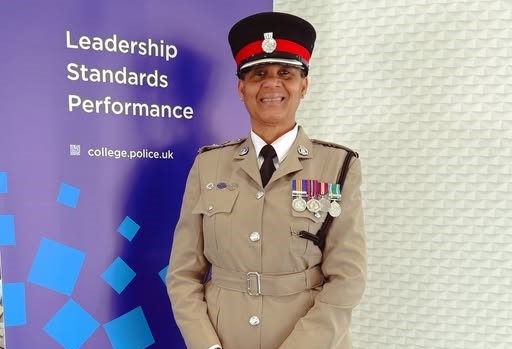
    The Barbados Police Service (TBPS) has reached a historic organizational milestone with the groundbreaking appointment of Sonia Boyce as the service’s first female Acting Deputy Commissioner of Police. This landmark promotion represents a transformative moment in Barbadian law enforcement history, signaling a new era of gender representation in the nation’s highest policing ranks.

    In an official communiqué endorsed by the Commissioner of Police and supported across all departmental ranks, the TBPS leadership publicly commended Boyce for her exemplary leadership qualities and steadfast dedication to law enforcement excellence. The service highlighted how her professional trajectory has established new precedents for advancement within the organization.

    “Your distinctive leadership capabilities, professional integrity, and unwavering commitment to public service have fundamentally paved the pathway for this extraordinary achievement,” the statement read. “Your exemplary conduct continues to serve as an inspiration to officers throughout all divisions and ranking structures within our organization.”

    The police service’s announcement further emphasized the profound symbolic significance of Boyce’s appointment, characterizing it as both a personal professional triumph and a defining institutional achievement for the entire nation. The statement expressed unanimous institutional support for Boyce’s new responsibilities, articulating confidence that her tenure would foster enhanced community relations, operational advancements, and progressive development within Barbados’ policing framework.

    This appointment occurs within the broader context of Caribbean law enforcement agencies increasingly recognizing the strategic importance of gender diversity in senior command positions. Boyce’s elevation to acting deputy commissioner represents a significant breakthrough in breaking traditional gender barriers within the region’s police leadership structures.

  • Five Killed in Explosion Outside Police Station in Mexico

    Five Killed in Explosion Outside Police Station in Mexico

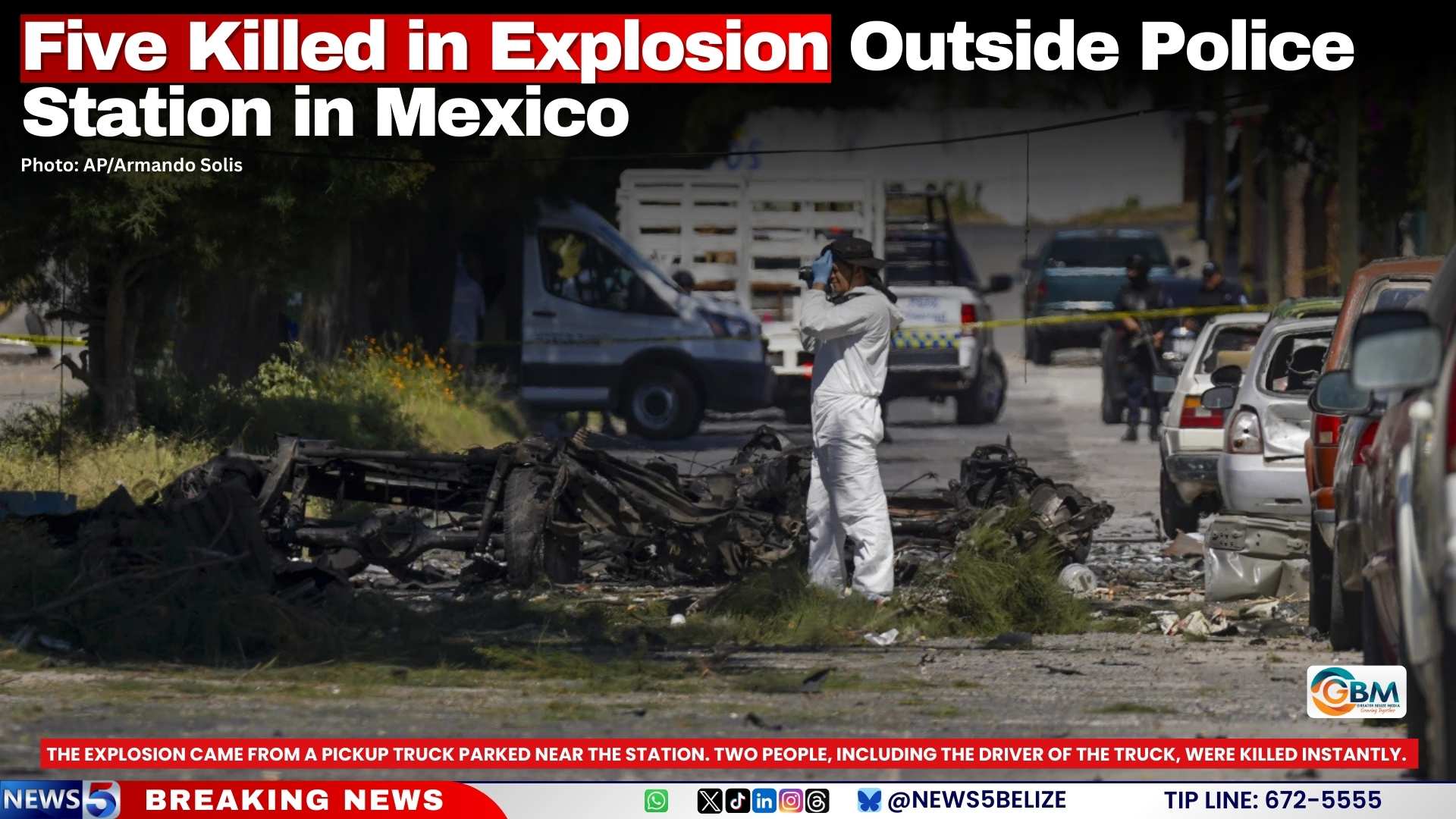
    A devastating vehicle-borne explosive device detonated outside a police headquarters in the western Mexican state of Michoacán on Saturday, resulting in five fatalities and five additional casualties requiring hospitalization. The midday blast occurred in the coastal municipality of Coahuayana, an area where federal authorities had recently intensified security operations to combat persistent criminal activity.

    Official reports indicate the explosion originated from a pickup truck strategically positioned near the station’s perimeter. The detonation proved immediately lethal for two individuals, including the vehicle’s operator. Emergency services transported eight wounded victims—all identified as members of the local community police force—to medical facilities, where three subsequently succumbed to their injuries.

    Héctor Zepeda, commanding officer of the community police unit, characterized the explosion’s magnitude as unprecedented, noting that forensic teams recovered human remains dispersed across considerable distances from the epicenter. While criminal factions operating throughout the region frequently employ drone-dropped explosives and roadside improvised devices, the deployment of vehicle-borne weaponry represents a significant tactical escalation.

    The violence occurs against the backdrop of ongoing territorial conflicts between rival cartels vying for control of Michoacán’s strategic narcotics transportation corridors. Intelligence assessments confirm that at least three of the six drug trafficking organizations formally designated as terrorist entities by the U.S. government maintain active operational presence throughout the region, which serves as a critical thoroughfare for precursor chemicals utilized in synthetic drug manufacturing.

  • China zet eeuwenoude wetenschap en wijsheid in voor duurzame vooruitgang

    China zet eeuwenoude wetenschap en wijsheid in voor duurzame vooruitgang

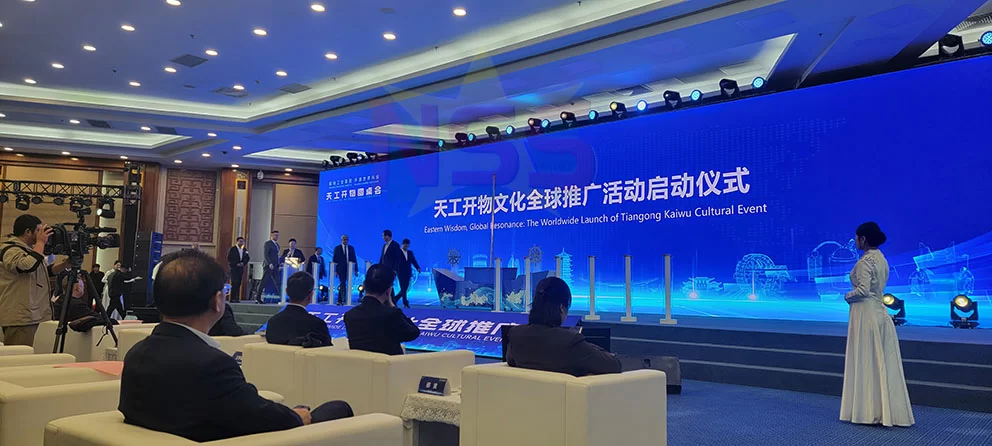
    China is systematically reviving its rich technological heritage from centuries past to address contemporary societal challenges and bolster sustainable economic growth. At the center of this initiative is the 17th-century masterwork ‘Tiangong Kaiwu’ (The Revelation of Heavenly Works), authored by Ming Dynasty scholar Song Yingxing (1587–1666). This comprehensive technological encyclopedia—one of the world’s earliest and most detailed—documents over 200 techniques spanning agriculture, metallurgy, ceramics, textiles, printing, and hydraulic engineering.

    The recent Tiangong Kaiwu Forum in Beijing, themed ‘Decoding Industrial Genetics, Building a Shared Tech Future’, highlighted how this historical knowledge is being integrated into modern industrial and environmental applications. The text’s detailed illustrations and systematic explanations of craft and production methods are now inspiring innovations in fields ranging from advanced materials to renewable energy.

    For instance, traditional ceramic techniques described in the book now inform the production of technical ceramics used in electronics, medical implants, and environmental technologies. Similarly, historical metallurgical methods are being adapted to develop stronger, lighter, and more sustainable materials essential for transportation and construction.

    Hydraulic systems and mechanical pumps detailed by Song Yingxing are now foundational to modern small-scale irrigation and hydroelectric projects, supporting China’s investments in sustainable energy and efficient agriculture. The government is actively promoting research and corporate initiatives that draw on such traditional knowledge to advance carbon neutrality and high-value green manufacturing.

    Beyond domestic applications, the revival of Tiangong Kaiwu is reshaping global perceptions of technological history, emphasizing China’s longstanding role in scientific progress. By bridging ancient wisdom with modern innovation, China is positioning itself as a key player in the global transition toward a sustainable and technologically advanced future.

  • Lantern Festival centrepiece of National Day celebrations

    Lantern Festival centrepiece of National Day celebrations

    The Cultural Development Foundation (CDF) is revitalizing Saint Lucia’s cherished annual Festival of Lights, maintaining key traditions despite a streamlined December festival calendar. This cultural celebration serves as dual homage to both National Day on December 13 and the official commencement of the Christmas season.

    Historical significance underpins the festivities, as Saint Lucia’s National Day concurrently honors St. Lucy, the patron saint of light. The island’s nomenclature traces back to French sailors who allegedly shipwrecked on the feast day of Sainte Lucie.

    While Communications Director Kendal John acknowledges this year’s reduced festival scale, the organization has strategically preserved the lantern competition and core illumination events. “We have retained some elements for Derek Walcott Square, such as carol singing, but we are hoping to bring carolling back as a full festival next year,” John disclosed to St. Lucia Times.

    The lantern competition remains the festival’s centerpiece, demonstrating the artistic ingenuity of Saint Lucians across generations. The CDF facilitated this creative expression through comprehensive lantern-building workshops conducted in communities, educational institutions, and corporate environments.

    These educational initiatives represent a deliberate conservation effort for the ancient tradition of lantern crafting, which incorporates both Christian and pre-Christian customs venerating Saint Lucia and the patron saint of light. Anthony Wilkie Jr, Senior Officer for Training, Promotion and Development at the CDF, emphasized: “We feel the importance of encouraging all sectors within our society to be part of our traditions and to learn the various skills that contribute to those elements which are our cultural practices.

    For participants like Cassie Emmanuel, marketing officer at IBS Inc., the workshops provided inaugural hands-on experience. “It’s a fun experience, and it aligns perfectly with our corporate social responsibility, where we are looking forward to collaborating with the creative arts,” she noted.

    The festival schedule features public lantern judging on December 6 at the National Cultural Centre, followed by the grand lantern parade on December 12. This procession will originate at Vigie Playing Field at 7 p.m., featuring the Royal Saint Lucia Police Band, masqueraders, drummers, steelpan performers, folk dancers, stilt walkers, and Papa Jab with his entourage.

    The celebration culminates at William Peter Boulevard, transitioning into the Festival of Lights at Derek Walcott Square. The finale will incorporate a solo band, bamboo bursting, carol singing, traditional lighting ceremonies, and fireworks, collectively marking National Day’s arrival and inaugurating Saint Lucia’s Twelve Days of Christmas.