作者: admin

  • Blind Welfare president appeals for protection of children’s sight

    Blind Welfare president appeals for protection of children’s sight

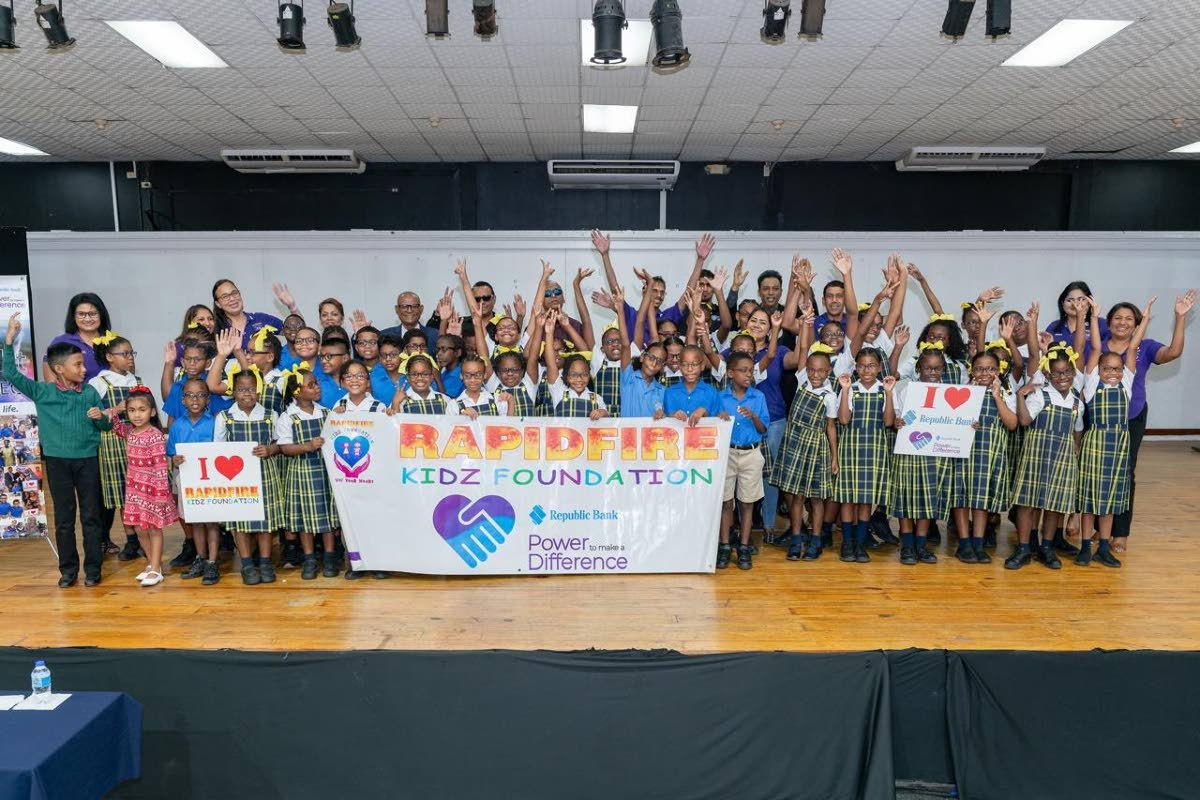
    In a powerful address that blended personal experience with national urgency, Trinidad and Tobago Blind Welfare Association president Deonarine Ragoo issued an impassioned call for immediate action on children’s vision care. Speaking at the Rapidfire Kidz Foundation’s Eyes Right Project ceremony on November 30, the visually impaired leader addressed an auditorium of students, parents, and officials at Naparima College.

    The event marked a significant milestone as 51 students from San Fernando Boys’ and Girls’ Government Primary Schools received prescription glasses through a collaborative initiative between the foundation and Republic Bank Ltd. This partnership represents a concerted effort to ensure that visual impairments don’t hinder educational opportunities or dim future prospects.

    Ragoo, who possesses firsthand understanding of vision loss having been born with only ten percent vision before losing even that fifteen years ago, framed the initiative as more than charity. ‘This function must be looked at in the context of bringing freedom, social justice and empowerment to our nation’s children,’ he declared, elevating the discussion from mere healthcare to fundamental rights.

    The statistics presented were sobering: an estimated 15,000-20,000 people in Trinidad and Tobago live with visual impairment, often due to delayed treatment caused by poverty or neglect. Ragoo emphasized that such delays frequently lead to reduced vision or permanent blindness—outcomes his organization has fought against for over a century.

    Beyond immediate optical care, the president highlighted technological barriers facing visually impaired students, specifically the critical need for Braille displays costing approximately $25,000 each. These devices enable access to digital educational content, representing what Ragoo termed ‘true empowerment’ that leads to ‘true freedom.’

    The foundation demonstrated its expanded commitment to youth development by also supporting athletic pursuits. A $30,000 donation from fundraising proceeds was presented to former West Indies bowler Samuel Badree for constructing cricket nets at the SB Cricket Academy’s facility in Tarouba, scheduled to open in early 2026.

    Republic Bank Ltd reinforced its partnership with a $90,000 pledge for the 2025-2026 period, ensuring the Eyes Right Project’s continued expansion. Since its 2012 launch, the initiative has distributed 1,401 pairs of glasses, addressing vision problems that might otherwise go untreated.

    Practical guidance accompanied the donations, as See View Optical general manager Premnath Sookdeo educated young recipients on proper eyewear maintenance, warning against dry wiping lenses to prevent scratches from accumulated particles.

    Foundation president Kevin Ratiram encouraged balanced lifestyles, advising students to complement their improved visual capabilities with outdoor activities and family time rather than excessive screen use.

    As students departed with clearer vision and broader opportunities, Ragoo’s closing wish encapsulated the event’s spirit: ‘I wish you a Merry Christmas, a prosperous 2026, and many decades of good sight.’


  • Fixing Trinidad and Tobago our duty

    Fixing Trinidad and Tobago our duty

    In a powerful public appeal, citizen Steve Alvarez has issued a compelling call to action for Trinidad and Tobago residents, drawing striking parallels between familial relationships and civic responsibility. Alvarez contends that while many citizens profess deep love for their nation, their actions frequently mirror those of dependent children who continuously extract resources from parents without reciprocating effort or value.

    The timing of this message coincides with the beginning of the Christmas season, presenting what Alvarez describes as an ideal opportunity for transformative community engagement. His practical recommendations include organizing volunteer initiatives to maintain public spaces, eliminating unauthorized garbage dumping, and providing assistance to vulnerable community members including the elderly and impoverished.

    However, Alvarez emphasizes that civic duty extends beyond aesthetic improvements to include active participation in governance processes. He encourages citizens to voice concerns about punitive legislation and contribute constructive suggestions regarding the government’s economic strategies for national survival and growth.

    The proposal outlines specific community-led interventions: residents collaboratively repairing potholes with temporary concrete solutions, promptly addressing water pipe leaks through coordinated reporting and basic repairs, and collectively purchasing sports equipment for youth development programs.

    Transcending political affiliations, Alvarez frames nation-building as a continuous process requiring daily commitment rather than merely electoral participation. He advocates for grassroots problem-solving as ultimately more impactful and rewarding than passive reliance on governmental intervention.

    The message concludes with a unifying vision: incremental national restoration through individual community transformations, positioning collective action as the foundation for Trinidad and Tobago’s revitalization.

  • Gifting shoes this Christmas? Look for quality, comfort

    Gifting shoes this Christmas? Look for quality, comfort

    As the Christmas shopping season reaches its peak, consumers face a critical purchasing decision: authentic branded footwear versus counterfeit alternatives. This choice carries significant implications for both personal wellness and economic integrity.

    Premium footwear manufacturers like Nike, Adidas, and Crocs have built their market dominance through decades of research and development. Their products incorporate engineered materials specifically designed for anatomical support, impact absorption, and long-term durability. The manufacturing processes undergo rigorous quality control measures to ensure consistent performance standards.

    Conversely, counterfeit footwear operations prioritize cost reduction over quality and safety. These unauthorized manufacturers typically utilize substandard materials that compromise structural integrity and comfort. The absence of proper biomechanical engineering in knockoff designs can lead to foot discomfort, improper alignment, and potential injury with extended use.

    From an economic perspective, authentic purchases support legitimate businesses that invest in innovation, employment, and consumer protection. Counterfeit transactions inadvertently fund unregulated operations that often violate intellectual property rights and labor standards.

    Consumer protection experts emphasize that branded footwear represents more than just a logo—it embodies scientific research into foot health, quality materials sourcing, and manufacturing accountability. The higher initial investment typically translates to longer product lifespan and better value per wear.

    This holiday season, consumers should consider that gifting footwear involves not just immediate satisfaction but long-term foot health and ethical consumption practices. While counterfeit options may present tempting short-term savings, they carry hidden costs in comfort, durability, and potential health implications.

    Industry professionals like Delicia Burris, owner of Glorious Touch Health and Wellness Spa, reinforce that footwear choices directly impact musculoskeletal health and overall wellbeing during seasonal activities.

  • Prisons, Club Sando fail to go top in TTPFL

    Prisons, Club Sando fail to go top in TTPFL

    The TT Premier Football League witnessed significant upheaval during matchday seven as leading contenders failed to capitalize on critical opportunities to claim the top position. The December 7 double-header at Arima Velodrome produced unexpected results that dramatically reshaped the league standings.

    Defending champions Defence Force delivered a spectacular second-half performance to overcome Club Sando 3-1. Despite Club Sando establishing an early advantage through Keron Cornwall’s 26th-minute strike, Defence Force mounted a stunning comeback with three unanswered goals in the final period. Elijah Seechan initiated the turnaround with a 61st-minute equalizer, followed by late goals from Joshua Araujo-Wilson (81st minute) and Caden Trestrail (87th minute) that secured victory for the reigning champions.

    In the subsequent match, Prison Service FC squandered their opportunity to claim pole position after being held to a 2-2 draw by San Juan Jabloteh. Jabloteh established an early lead through Andell Fraser’s 25th-minute goal, but Prison Service responded with second-half strikes from Nahshon Simon (47th minute) and Ricardo John (72nd minute). Their advantage proved short-lived as Malachi Webb equalized just two minutes later to secure a valuable point for Jabloteh.

    The surprising results propelled Miscellaneous Police FC to the summit of the table following their 1-0 victory over 1976 FC Phoenix at Dwight Yorke Stadium on December 6. Kadeem Hutchinson’s 88th-minute goal proved decisive in establishing Police’s narrow advantage.

    Current league standings show Police FC and Prison Service FC tied at 16 points each, with Club Sando trailing closely behind at 15 points. The postponed matches between Caledonia vs AC Port of Spain and Terminix La Horquetta Rangers vs Central FC Reboot will likely further influence the tightly contested championship race.

  • Strikers U19 face Titans as Under-23 Cup resumes

    Strikers U19 face Titans as Under-23 Cup resumes

    The Cricket West Indies/TT Cricket Board Under-23 Cup makes its anticipated return on December 9 with a rescheduled second-round showdown between Soca Strikers Under-19 and Steelpan Titans at Balmain’s National Cricket Centre in Couva.

    Originally slated for December 6, this critical match became the tournament’s third weather-related postponement in four scheduled games, highlighting the disruptive impact of seasonal rainfall on Caribbean cricket calendars.

    Soca Strikers U19 enter the contest with formidable momentum following their dominant nine-wicket victory over Scarlet Blazers in the tournament opener – the only match thus far to reach a conclusive result. Their previous performance demonstrated exceptional all-round capabilities with both bat and ball.

    During that opening match at Brian Lara Cricket Academy, Blazers posted 190 all out in 41.2 overs, thanks primarily to Sachin Emrit’s unbeaten 50 and R Yearwood’s contribution of 39 runs. The bowling attack proved decisive as Brendan Boodoo delivered a spectacular performance, claiming 5/21, supported by Saleem Khan’s 2/37.

    The chase became a masterclass in controlled batting as Khan remained undefeated with 107 runs from 109 deliveries, partnered by Aadi Ramsaran’s equally impressive 61 not out from 68 balls. Their unbeaten partnership guided Soca Strikers to a commanding 196/1 in just 36.2 overs.

    Tournament scheduling continues to face challenges as the initial first-round match between Steelpan Titans and Cocrico Warriors suffered similar weather disruptions, with its December 6 rescheduling also falling victim to precipitation. The following day’s second-round encounter between Cocrico Warriors and Scarlet Blazers began but ultimately succumbed to weather after Blazers reached 177/2 in 33.2 overs, featuring half-centuries from Yearwood (54) and Rajeev Ramnath (51 not out).

    Following the December 9 fixture, the tournament progresses immediately to third-round matches on December 10, featuring Titans versus Blazers at NCC and Strikers U19 confronting Warriors at Tarouba.

  • Justin Bridgemohan 24th on debut at World Sailing Inclusion Champs

    Justin Bridgemohan 24th on debut at World Sailing Inclusion Champs

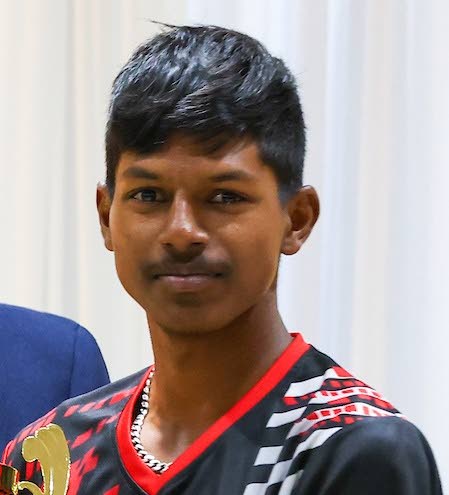
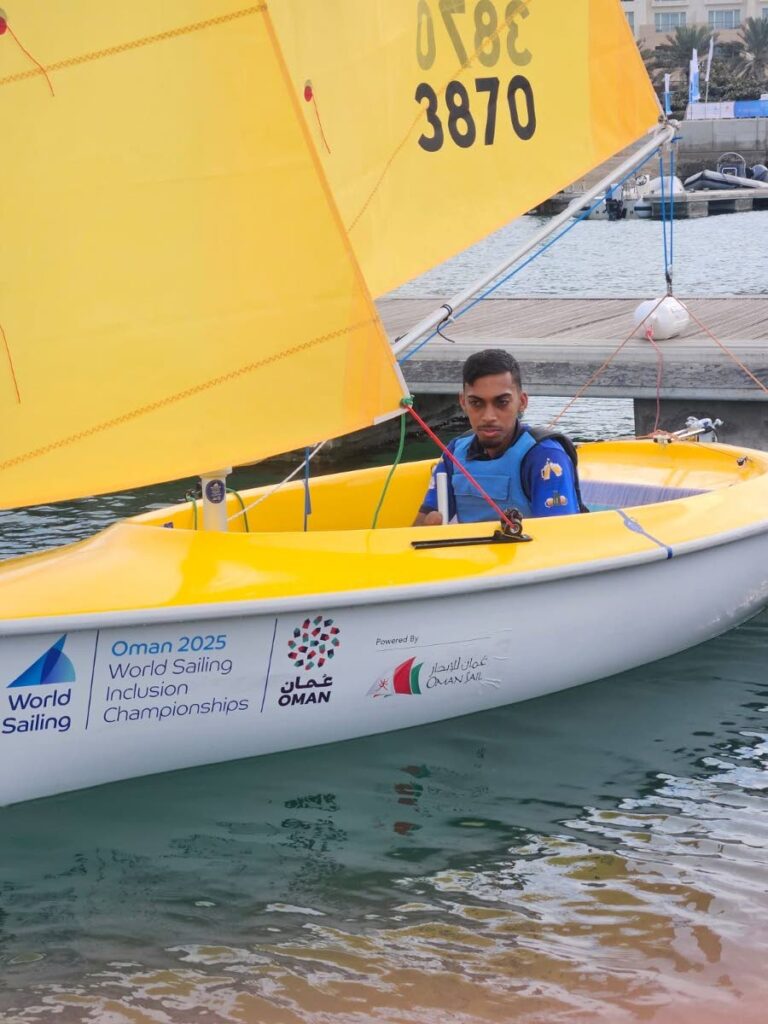
    In a landmark moment for Trinidad and Tobago sailing, Justin Bridgemohan concluded his inaugural appearance at the 2025 World Sailing Inclusion Championships with a 24th-place finish in the inclusive one-person championship division. The historic event, held at the Mussanah Sailing School in Oman on December 8, marked the Caribbean nation’s first-ever representation in para-sailing at this elite international level.

    Competing under the banner of the Andrew Lewis Sailing Foundation, Bridgemohan demonstrated remarkable resilience throughout nine challenging rounds, ultimately accumulating a net score of 59. His campaign began with an unfortunate disqualification in the opening race after his vessel made contact with a marker. Undeterred by this setback, the debutant sailor mounted an impressive comeback, achieving consistently strong placements of eighth, ninth, 11th, fifth, 11th, sixth, second, and seventh in subsequent races.

    Notably, without the initial disqualification, statistical analysis indicates Bridgemohan would have secured a position within the championship’s top 20 competitors. This performance becomes even more extraordinary considering the athlete has only been sailing for three months through the Andrew Lewis Sailing Academy’s local training program.

    Bridgemohan’s journey to international competition began through the mentorship of coach Kristoff Stuven, a former national sailor, who recognized his potential despite the athlete’s recent introduction to the sport. In a post-competition interview from Oman, Bridgemohan appealed for public support to sustain his developing career, identifying the 2032 Brisbane Paralympics as his ultimate objective.

    The pioneering sailor extended gratitude to multiple supporters including TT Paralympics Committee president Sudhir Ramesar, coach Stuven for expedition coordination, mentor Andrew Lewis, trainer Yannick Along, his family, and the Trinidad and Tobago Yachting Association for advancing para-sailing initiatives.

  • Windies’ Greaves takes page from New Zealand duo’s book

    Windies’ Greaves takes page from New Zealand duo’s book

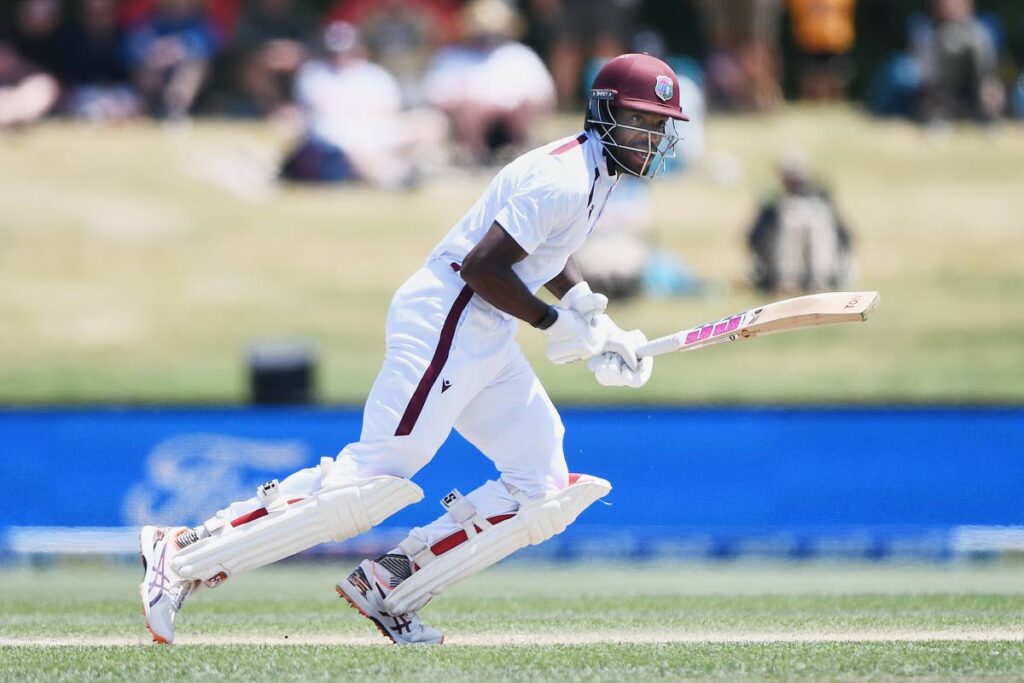
    In a stunning display of resilience, West Indies cricketer Justin Greaves has revealed the strategic inspiration behind his match-saving performance that secured a dramatic draw against New Zealand in the first Test at Christchurch. The remarkable comeback, achieved while chasing an unprecedented 531 runs, has been hailed as one of Test cricket’s most memorable escapes.

    Greaves, whose unbeaten 202 formed the cornerstone of West Indies’ improbable recovery, credited his meticulous observation of New Zealand batsmen Tom Latham and Rachin Ravindra for providing the tactical template. “I studied how both Tom Latham and Rachin applied themselves on the pitch,” Greaves explained. “I took a page from each batter’s book – Tom’s exceptional patience combined with Rachin’s shot execution capability.”

    The Caribbean team’s prospects appeared bleak on day four when they stumbled to 72/4, facing what would have been the highest successful run chase in Test history. However, Greaves forged critical partnerships with captain Shai Hope (140) and tailender Kemar Roach, who contributed a maiden Test half-century of 58 not out. The collective effort propelled West Indies to 457/6 by the conclusion, denying New Zealand victory.

    Reflecting on the tense final sessions, Greaves acknowledged the calculated shift in strategy after losing Hope and Tevin Imlach in quick succession. “We initially aimed for victory with Shai, but after those wickets, our focus shifted to taking the game as deep as possible,” he stated. “We didn’t want to leave the outcome dependent on our bowlers, so securing the draw became a significant achievement.”

    The 29-year-old all-rounder, who made his Test debut just eleven months ago, emphasized the substantial leap from regional first-class cricket to the international arena. “Test cricket is considerably more demanding both physically and mentally,” Greaves noted. “I’ve had to completely transform my training approach regarding strength, conditioning, and technical skills.”

    Greaves also identified former world-ranked all-rounder Jason Holder as an influential mentor as he continues developing his dual batting and medium-pace bowling capabilities. Looking ahead to the second Test commencing December 9 in Wellington, Greaves anticipates similar pitch conditions and emphasizes maintaining disciplined processes that served the team effectively in Christchurch.

  • Couple snatched from Monos Island home:US$2.5m ransom demand

    Couple snatched from Monos Island home:US$2.5m ransom demand

    A distressing kidnapping case has shaken the Caribbean nation of Trinidad and Tobago as former powerboat racing champion Derek “Stones” Tardieu, 70, and his wife Clarabelle, 47, remain captive after being abducted from their Monos Island residence on December 6th. The kidnappers have demanded a substantial ransom of US$2.5 million for their safe release, according to official reports.

    The ordeal began when a harrowing voice message reached a family member’s phone from an unknown number at approximately 9:44 PM on December 6th. In the recording, Tardieu could be heard stating, “They have meh and want US$2.5 million for meh release.” This prompted his son to immediately visit the couple’s Blanchette Bay home, where he discovered the residence thoroughly ransacked and both occupants missing.

    Subsequently, a disturbing video surfaced on social media platforms showing the couple under duress, with firearms pointed at their heads and an individual holding a grenade. While the captors’ faces remained concealed, Tardieu was audibly distressed, pleading with his brother Robert: “Robert, please, my life… oh God, oh God.”

    The situation is particularly grave due to Tardieu’s critical health condition. The former racing legend suffers from severe cardiac issues and a brain tumor requiring consistent medication, raising urgent concerns about his wellbeing in captivity.

    Family members and the local community have expressed profound shock and devastation. Jonathan Tardieu, former president of the TT Powerboat Association and nephew of the victim, described the incident as completely unexpected. “His whole life he’s been on Monos, more than 20 years. Everybody wants him back safe,” he told reporters.

    The kidnapping has escalated to involve national security considerations, with Opposition Chief Whip Marvin Gonzales calling for governmental transparency regarding collaboration with Venezuelan authorities. “Venezuela is our closest neighbour. We have to collaborate with our neighbors and allies,” Gonzales emphasized, highlighting the potential cross-border dimensions of the case.

    Police Commissioner Allister Guevarro has designated the investigation as top priority, stating that specialized units are actively pursuing all leads. “Kidnapping for ransom will be met with decisive action and police remain fully committed to protecting citizens and bringing perpetrators to justice,” Guevarro affirmed in an official communication.

    Authorities continue to urge public assistance while maintaining tight operational security around the investigation. The family and community await any breakthrough with hopeful apprehension, praying for the safe return of the beloved local figure and his wife.

  • SFBA welcomes refinery restart as government reviews reactivation plan

    SFBA welcomes refinery restart as government reviews reactivation plan

    The San Fernando Business Association (SFBA) has enthusiastically endorsed the Trinidadian government’s decision to recommission the Pointe-a-Pierre petroleum refinery, characterizing the move as a crucial economic stimulus for southern Trinidad and a transformative development for national prosperity.

    SFBA President Daphne Bartlett, in an official December 7 statement, expressed the association’s profound satisfaction with Prime Minister Kamla Persad-Bissessar’s administration for honoring its campaign commitment to restart refinery operations. Bartlett emphasized that the facility’s 2018 closure severely disrupted foreign exchange revenues, paralyzed ancillary industries, and exacerbated resource allocation challenges.

    “During its operational peak, the refinery generated substantial profitability through aviation fuel exports and international sales, earning critical foreign currency,” Bartlett explained. “Domestically, we utilized Trinidad and Tobago dollars for fuel purchases while bitumen by-products maintained our road infrastructure. Since the shutdown, we’ve been forced to import these commodities with limited foreign reserves, directly contributing to our deteriorating road conditions.”

    Bartlett further highlighted the reactivation’s potential to revitalize adjacent communities historically dependent on Petrotrin and its supply chain for employment. “Economic activity generates commercial vitality. Enterprises throughout the San Fernando region will experience renewed growth, and secondary operations will reactivate. This initiative represents a comprehensive national advantage,” she affirmed.

    Addressing feedstock concerns, Bartlett noted the refinery’s historical reliance on imported crude to supplement domestic production. With emerging oil producers like Guyana and Suriname, plus potential Venezuelan supply partnerships, she expressed confidence in sustainable operational continuity. “The reopening illuminates a prosperous future. We appreciate the Prime Minister’s exemplary seasonal offering,” Bartlett concluded.

    The business endorsement coincides with governmental advances in the reactivation process. Prime Minister Persad-Bissessar convened with the refinery recommissioning committee—chaired by former energy minister Kevin Ramnarine—at the Diplomatic Centre on December 5 to evaluate progress. She reiterated commitments to procedural transparency and assured citizens that national interests would remain paramount.

    Photographs from the December 4 meeting depicted Persad-Bissessar, Energy Minister Dr. Roodal Moonilal, and committee members examining interim strategic recommendations. Moonilal previously indicated that technical feasibility evaluations would conclude in early December, informing decisions regarding implementation schedules, financial investments, and capital needs.

    Preliminary estimates suggest partial production could restart within 12-18 months, with complete operational restoration anticipated within three years. “We expect the assessment to deliver thorough analysis and a definitive strategic roadmap,” Moonilal stated, emphasizing that fiscal allocations and capital investments remain pivotal factors.

    The refinery, formerly a cornerstone of Trinidad and Tobago’s economy, ceased operations in November 2018 during Petrotrin’s restructuring into Trinidad Petroleum Holdings Ltd. Its restoration constitutes one of the current administration’s most significant industrial projects, drawing intense scrutiny from energy sector participants, labor organizations, and regional allies.

    As committee deliberations continue, the Prime Minister has guaranteed ongoing public updates—a commitment aligning with SFBA’s advocacy for economic confidence and regional rejuvenation in southern Trinidad.

  • Chambers call for fair forex distribution as Eximbank CEO axed

    Chambers call for fair forex distribution as Eximbank CEO axed

    In the wake of Navin Dookeran’s abrupt termination as CEO of Eximbank, Trinidad and Tobago’s business chambers are urgently calling for fundamental reforms in foreign exchange allocation policies. The newly appointed board, chaired by Edwin Chariah with Suresh Maharaj as deputy chairman, now faces mounting pressure to establish more equitable distribution mechanisms that serve a broader spectrum of the business community.

    Vivek Charran, President of the Confederation of Regional Business Chambers, emphasized the critical nature of this transition: ‘Our primary concern is ensuring this new administration develops a fair and balanced approach to forex distribution for our most vulnerable enterprises. We’re discussing generational family businesses and retail SMEs that are fundamentally fighting for survival.’

    The business community’s consensus reveals deep-seated frustrations with the previous system’s limitations. Ramon Gregorio of the Greater Tunapuna Chamber of Industry and Commerce noted the essential balancing act required: ‘This is about reconciling the needs of large manufacturers with enabling SMEs to develop into larger organizations. Achieving proper equity and balance remains our central advocacy point.’

    Baldath Maharaj of the Chaguanas Chamber of Industry and Commerce stressed the institutional requirements for effective reform: ‘Our chamber consistently emphasizes fairness, predictability, and transparency in allocation processes. Whatever strategic direction emerges, businesses must have confidence in an equitable and accessible system—this stability is indispensable for investment, growth, and national development.’

    The chambers collectively expressed hope that the new directorship would expand forex allocation policies beyond the manufacturing sector to include goods and services industries frequently excluded from the equation. Gregorio added, ‘We urgently need a holistic approach that addresses the distinct challenges all sectors face in securing foreign exchange.’

    Despite understanding the underlying forex shortages and national challenges, business leaders highlighted the practical realities: many retailers and manufacturers depend on Eximbank’s window to maintain operations, meet payroll obligations, and settle long-pending foreign supplier invoices. Charran revealed that during previous meetings with bank officials and former Finance Minister Colm Imbert, chambers were explicitly told no forex was available despite the operating window—with indications that stricter controls might be implemented.

    Regarding leadership transition, chambers expressed confidence in the board’s diligence in selecting a replacement CEO while emphasizing the need for continuity. Maharaj noted, ‘History demonstrates that leadership transitions involve adjustment periods. We need a CEO with substantial expertise in export development and manufacturing who can maintain operational continuity while addressing the immediate needs of the business community.’

    Dookeran, when contacted for comment, referred to a previous article expressing pride in his accomplishments since his 2019 appointment but declined further statement. The business community’s unified message remains clear: systemic reform, not personnel changes, represents the true path toward resolving Trinidad and Tobago’s foreign exchange distribution challenges.