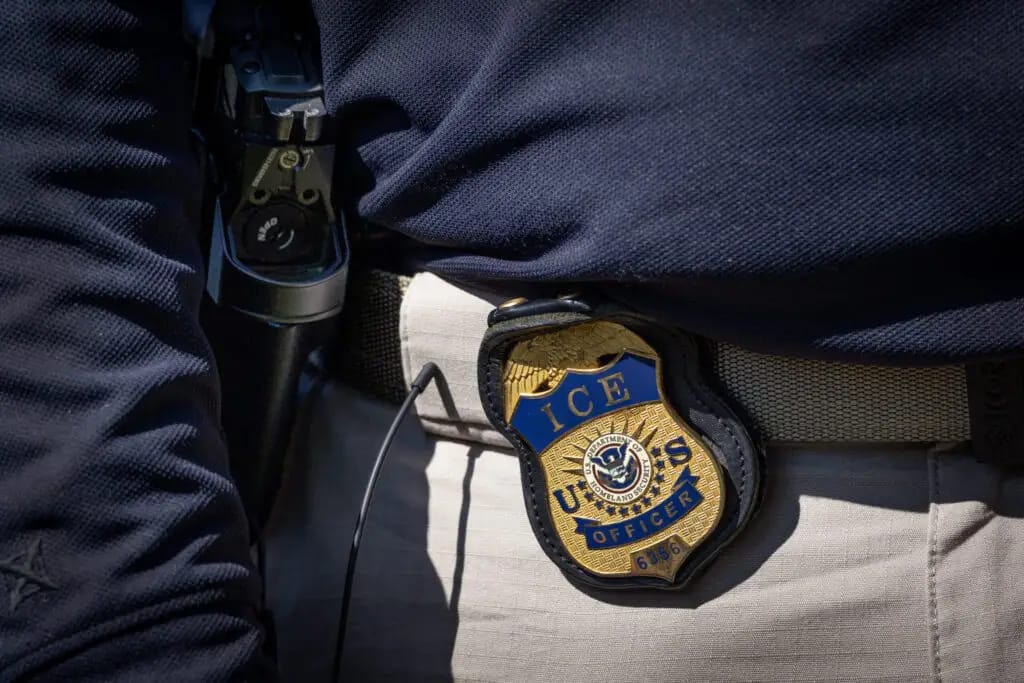
In a dramatic turn of events, Rafie Shouhed, an elderly U.S. citizen and former Trump voter, has announced his intention to file a $50 million damages claim against the U.S. government following a violent encounter with Immigration and Customs Enforcement (ICE) agents. The incident occurred during a raid at Shouhed’s Los Angeles car wash earlier this month, part of President Donald Trump’s intensified crackdown on undocumented migrants. Surveillance footage captured the moment Shouhed was forcefully body-slammed to the ground by several masked and heavily armed agents, who then detained him for nearly 12 hours without providing medical attention, despite his pleas about a pre-existing heart condition. Shouhed, who immigrated to the U.S. from Iran in the 1980s, described the agents as unresponsive and aggressive, stating, ‘The only word they said was, ‘You do not F with ICE.’’ The raid has sparked widespread controversy, particularly in Los Angeles, where critics argue that such operations disproportionately target individuals based on ethnicity or workplace. The video of the incident, which shows agents pinning Shouhed to the ground with one agent’s knee on his neck, has fueled public outrage and raised questions about the methods employed in these enforcement actions. Shouhed’s legal claim underscores the growing tensions surrounding ICE’s operations and their impact on communities across the nation.
作者: admin
-
Tech education on workbench: new training facilities, options ‘coming’
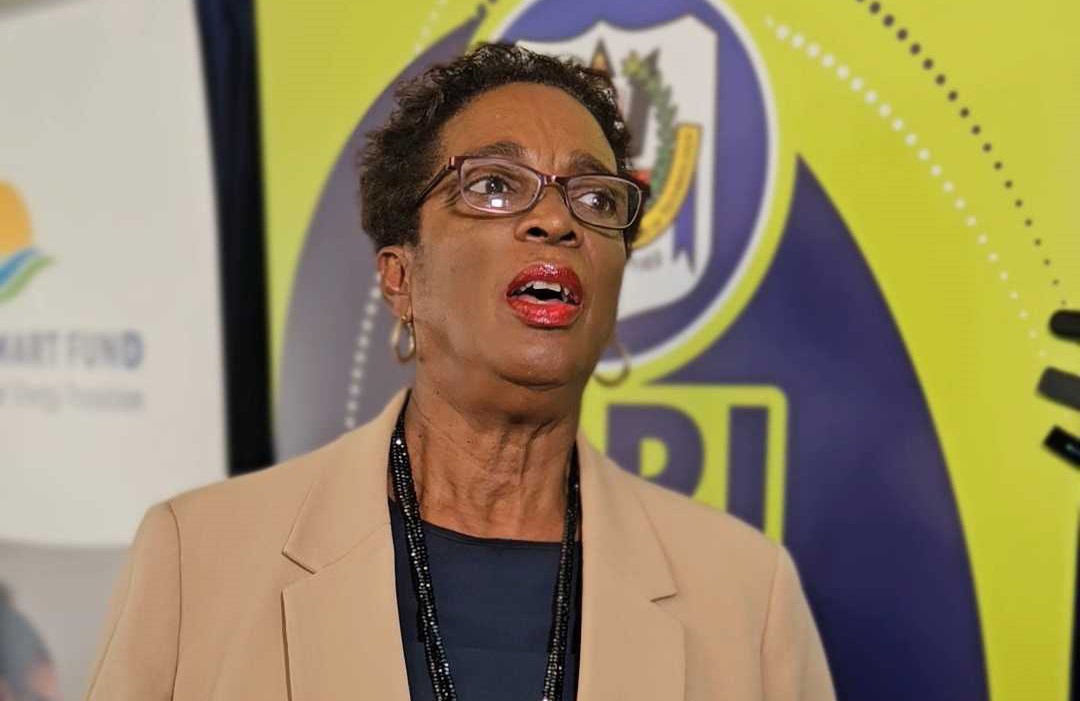
Barbados is embarking on a transformative journey to revamp its tertiary education system, with the government introducing comprehensive reforms aimed at prioritizing technical and vocational training. These changes are designed to equip young people with the skills necessary to thrive in both local and global job markets. Sandra Husbands, Minister of Training and Tertiary Education, emphasized that the reforms are a direct response to the evolving demands of the digital revolution, which has significantly altered industries worldwide. Speaking at the Samuel Jackman Prescod Institute of Technology (SJPI), Husbands highlighted the need to cultivate a new generation of technicians capable of excelling in diverse fields such as construction and automobile engineering. The reforms will involve a complete overhaul of curricula across the nation’s institutions, moving away from traditional three-year programs that offer no immediate earning opportunities. Instead, the new system will focus on modular, on-demand training, allowing students to earn certifications progressively. Husbands also outlined a shift from examination-based assessments to competency-based evaluations, ensuring students demonstrate practical skills. The reforms target an estimated 20,000 young people who have left school with limited qualifications, aiming to re-engage them in a dynamic and innovative educational environment. Additionally, SJPI is undergoing modernization and expansion, including the construction of a state-of-the-art welding workshop to meet regional industry demands. The project, with a preliminary cost of $9 million, reflects the high demand for skilled welders, particularly in Guyana’s oil industry. These initiatives underscore Barbados’ commitment to producing globally certified graduates ready to tackle the challenges of the modern workforce.
-

US Report: Antigua Easy to Start Business, But Legal Hurdles Persist
Antigua and Barbuda has positioned itself as an attractive destination for foreign investors, boasting a business registration process that can be completed in as little as three weeks. However, a recent U.S. government report highlights persistent legal complexities and procedural hurdles that continue to challenge foreign companies seeking to enter the market. The 2025 Investment Climate Statement, released by the U.S. Department of State in September, underscores the need for filings with multiple agencies, including the Intellectual Property and Commercial Office, Inland Revenue Department, Social Security Scheme, Medical Benefits Scheme, and the Board of Education. Most investors rely on local attorneys to navigate these requirements, adding to the complexity and cost of establishing a business. The Antigua and Barbuda Investment Authority (ABIA) plays a pivotal role in facilitating foreign investment by guiding investors through incentives and concessions. Additionally, the country’s participation in the World Trade Organization’s Joint Initiative on Investment Facilitation for Development has spurred reforms aimed at enhancing transparency and streamlining processes. Despite these efforts, the report notes that many policies affecting investors are developed without public consultation, and some legislation lacks broad stakeholder input. While accounting and regulatory procedures generally align with international standards, critics argue that a more robust consultative process is essential to bolster investor confidence. The government emphasizes that there are no restrictions on foreign ownership and that the legal system, rooted in British common law, safeguards property rights and commercial enforcement. Nevertheless, the report concludes that while the overall investment climate is improving, legal and procedural hurdles remain significant barriers for investors.
-

People must feel safe to “say something”
Barbados is grappling with a deepening crisis in its justice system, as witness intimidation and fear of retaliation threaten the integrity of criminal trials. The recent collapse of a murder case involving the tragic death of 20-year-old Shae Hackett has highlighted a systemic issue: the reluctance of witnesses to testify in court. Despite initial cooperation, a key witness recanted his statement, leaving prosecutors with no viable evidence to proceed. The accused were acquitted, underscoring the fragility of a system that relies heavily on eyewitness testimony. Deputy Director of Public Prosecutions (DPP) Krystal Delaney expressed justified frustration, emphasizing that justice cannot be served without the courage of witnesses to come forward. The problem is not with the laws or the police but with the pervasive fear that silences those who hold the truth. Witness intimidation has become increasingly brazen, with reports of attacks on the homes of those willing to testify. This climate of fear has led to legislative reforms, including witness protection programs, anonymous testimony, and the use of video links to safeguard identities. However, these measures must be complemented by swift police action against intimidation and greater public awareness of available protections. The courts and prosecution must also advocate for modern tools, such as pre-recorded testimony and psychological support for traumatized witnesses. As Delaney aptly stated, justice cannot function on whispers and retractions; it requires the unwavering voices of citizens who understand that their testimony is essential to upholding the rule of law. Barbados must shift its perception of witnesses, viewing them not as informers but as courageous individuals whose cooperation ensures the safety of all.
-

US Warns Over Property Dispute in Antigua, Cautions Investors
The U.S. Department of State has issued a warning to American investors regarding real estate investments in Antigua and Barbuda, citing an unresolved property dispute involving alleged expropriation of a U.S.-owned asset. The caution was highlighted in the 2025 Investment Climate Statement released in September, which raised concerns about the security of property rights in the Caribbean nation. While Antigua and Barbuda actively promotes foreign investment across sectors such as tourism and agriculture, the unresolved case has cast a shadow over its otherwise favorable investment climate. The report emphasized the need for careful consideration when investing in real estate, though it did not disclose specific details about the property or the parties involved. Despite the government’s assurances that it will not expropriate investments without due process and compensation, the dispute underscores potential gaps in enforcement of legal protections. This warning serves as a reminder of the risks that can accompany foreign investments, even in seemingly open markets.
-
Integrity Commission Under Fire in U.S. Report on Antigua and Barbuda
Antigua and Barbuda’s Integrity Commission has come under intense criticism in a recent U.S. government report, which highlights its inability to effectively enforce anti-corruption laws. The 2025 Investment Climate Statement, published by the U.S. Department of State in September, underscores the commission’s independence but points to severe operational challenges, including understaffing and insufficient resources. These limitations have hindered its capacity to thoroughly investigate complaints and enforce the Integrity in Public Life Act, which mandates public officials to disclose their income, assets, and gifts received during their tenure. The commission, appointed by the governor general, is also responsible for addressing violations of the Prevention of Corruption Act. However, the report notes that allegations of corruption are rampant, with both major political parties frequently accusing each other, yet investigations rarely yield tangible results. Critics have voiced concerns to U.S. officials, arguing that the Integrity Act is inadequately enforced and requires strengthening. Additionally, the report highlights deficiencies in the country’s Freedom of Information Act, which, in theory, grants citizens access to government documents. In practice, however, residents often face difficulties obtaining records due to funding constraints rather than deliberate obstruction. Antigua and Barbuda is a signatory to both the Inter-American Convention against Corruption and the United Nations Convention Against Corruption (UNCAC). While the government claims to apply criminal penalties in proven cases of corruption, the report concludes that enforcement remains weak, raising questions about the nation’s commitment to combating corruption effectively.
-

Creole Heart Beat Phrase 4 Today: “La i ni lanmou, i ni lavi”
In a world often dominated by fast-paced news and complex global issues, a simple yet profound message has emerged to inspire and uplift. The phrase ‘Where there is love, there is life’ has been shared widely across social media platforms, accompanied by a video that resonates with audiences seeking positivity and hope. This timeless adage, attributed to Mahatma Gandhi, serves as a reminder of the transformative power of love in fostering meaningful existence. The video, which features serene visuals and soothing music, has garnered significant attention, encouraging viewers to reflect on the importance of love in their daily lives. As people continue to face challenges in various aspects of life, this message offers a universal truth that transcends cultural and geographical boundaries. The widespread sharing of this content underscores the collective yearning for connection and the enduring relevance of love as a cornerstone of human experience.
-

Global Ports Holding is investing $250 million In Antigua and Barbuda and other major ports
Global Ports Holding (GPH), the world’s largest cruise port operator, is spearheading a $250 million initiative to transform cruise destinations across the Caribbean and Europe. The ambitious project, set to unfold through 2027, includes the construction of new pools, terminals, and piers, alongside upgrades to existing facilities. Key developments are underway in Nassau (The Bahamas), Antigua & Barbuda, St. Lucia, Las Palmas (Spain), and San Juan (Puerto Rico).
In Nassau, the West Marina Pool is slated to open by mid-October 2025, followed by a Superyacht Marina by year-end. Antigua’s port district in St. John’s is being reimagined with a homeport terminal for turnaround operations, complemented by new retail, dining, and public amenities. St. Lucia’s Point Seraphine is undergoing upgrades to accommodate the region’s largest cruise ships, while Las Palmas is set to unveil Europe’s largest cruise terminal by September 2025, capable of hosting up to five ships and 12,000 passengers.
Mehmet Kutman, Chairman and CEO of GPH, emphasized the company’s commitment to creating world-class destinations that benefit both passengers and local communities. The projects aim to enhance the guest experience, foster economic growth, and deliver sustainable infrastructure. GPH’s expansion also includes new terminals in Alicante and the Canary Islands, further solidifying its global presence. By integrating modern facilities with retail, dining, and public spaces, GPH is positioning its ports as premier destinations for cruise travelers.
-
Antigua and Barbuda signs Visa Waiver agreement with the United Arab Emirates
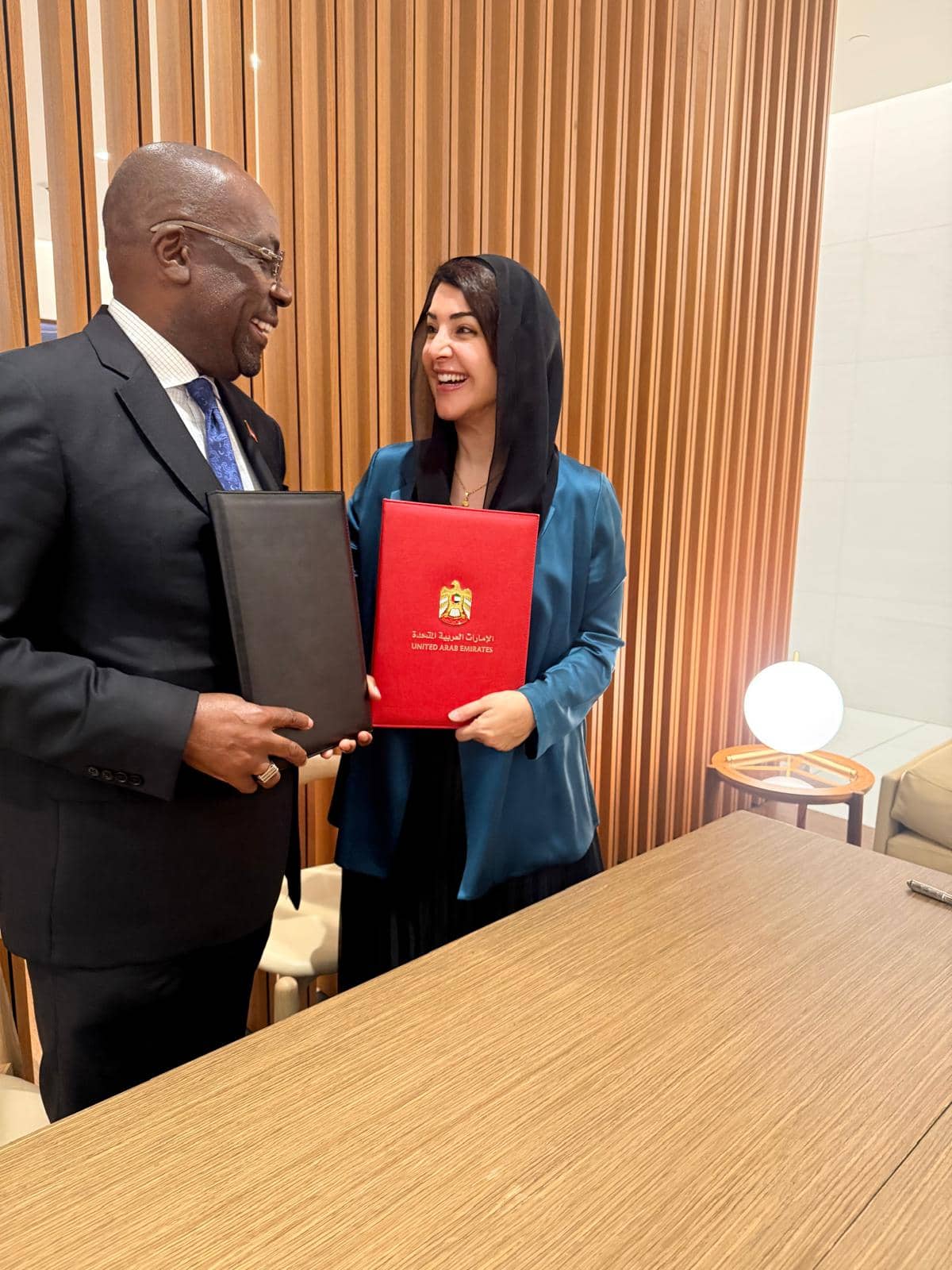
In a significant diplomatic move, Antigua and Barbuda has signed a Visa Waiver agreement with the United Arab Emirates (UAE), marking a new chapter in bilateral relations between the two nations. The agreement, formalized during the 80th session of the United Nations General Assembly, was signed by Antigua and Barbuda’s Minister of Foreign Affairs, the Hon. EP Chet Greene, and the UAE’s Minister of State for International Cooperation, Reem bint Ebrahim Al Hashimy. This pact is expected to enhance business, investment, and tourism opportunities for both countries. The UAE has been a key partner for Antigua and Barbuda, particularly through the UAE-Caribbean Renewable Energy Fund (UAE-CREF), which has facilitated the largest renewable energy investment in the Caribbean. A notable project under this initiative is the Green Barbuda project, which includes an 800kW diesel power plant and a 720kW hybrid solar power plant, significantly reducing energy costs for the island nation. Minister Greene hailed the agreement as a testament to the enduring friendship between the two countries, emphasizing its potential to unlock new opportunities in tourism, education, and other sectors. The signing ceremony was also attended by Antigua and Barbuda’s Permanent Representative to the United Nations, Ambassador Walton Webson, and other dignitaries. This agreement underscores the UAE’s role as a reliable partner in sustainable development and economic growth for Antigua and Barbuda.
-
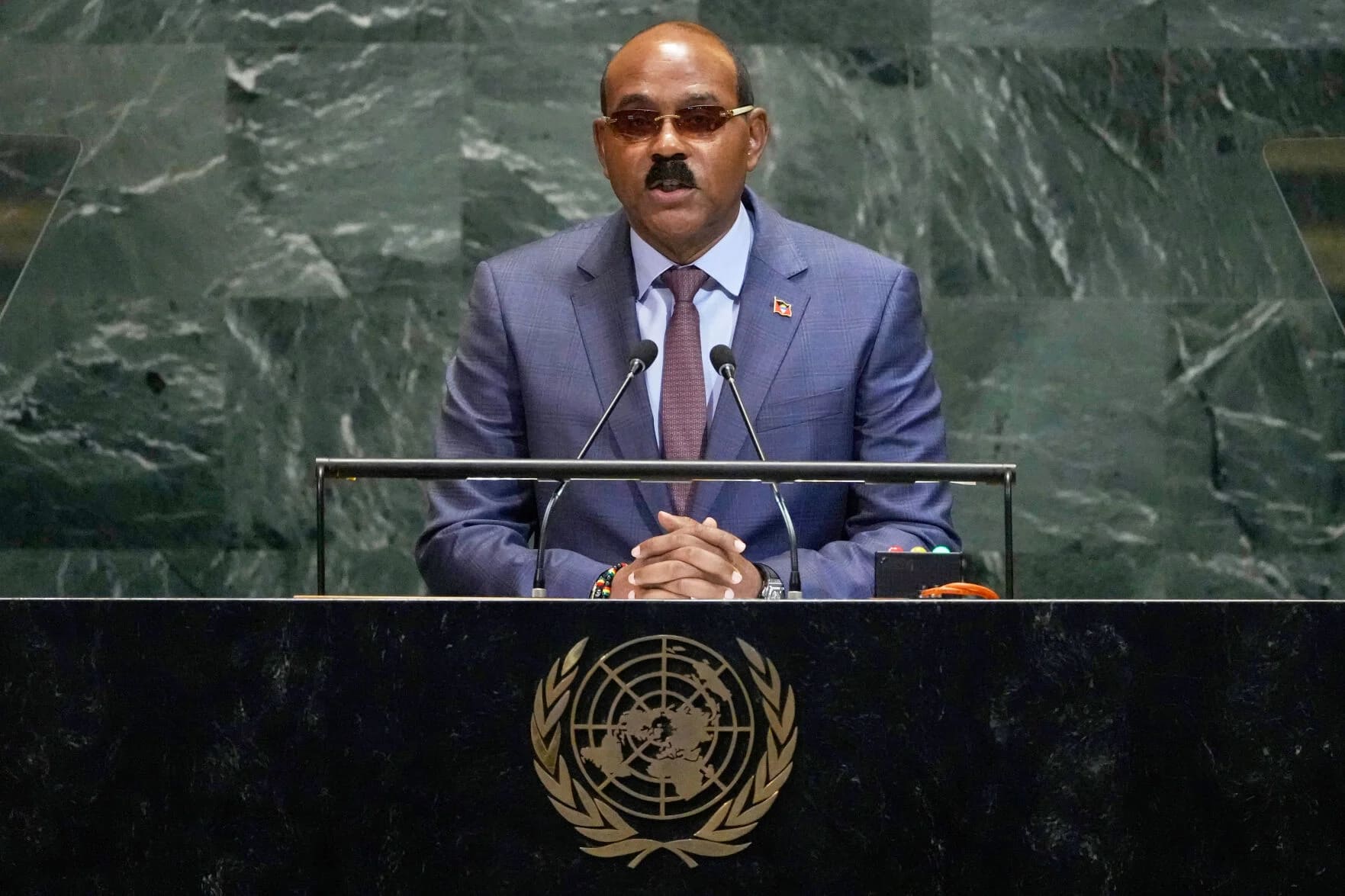
Prime Minister tells wealthy countries to act quickly as smaller nations are paying the price
During Climate Week NYC, Antigua and Barbuda’s Prime Minister Gaston Browne delivered a compelling plea to wealthy nations, emphasizing the urgent need for action on climate change. Speaking at the United Nations General Assembly, Browne highlighted the disproportionate impact of the climate crisis on small island developing states (SIDS), particularly in the Caribbean. He warned that rising sea levels and extreme weather events are turning every storm into a fiscal catastrophe for these vulnerable nations. Browne urged richer countries to prioritize climate action and act swiftly to mitigate the escalating threats. His remarks echoed the concerns raised by other Caribbean leaders, including The Bahamas’ Prime Minister Philip Davis, who has previously described climate change as an ‘existential threat’ to the region. Davis stressed the importance of the Commonwealth nations amplifying their collective voice to secure climate funding and drive immediate global action. The issue was also a focal point at the COP26 summit in 2021, where CARICOM leaders expressed fears about achieving the global target of limiting temperature rises to below 1.5°C. As the world prepares for COP27, Caribbean leaders continue to advocate for equitable access to climate financing and a unified response to the crisis.