作者: admin

  • Antigua and Barbuda Expands Visa-Free Travel Access For Citizens

    Antigua and Barbuda Expands Visa-Free Travel Access For Citizens

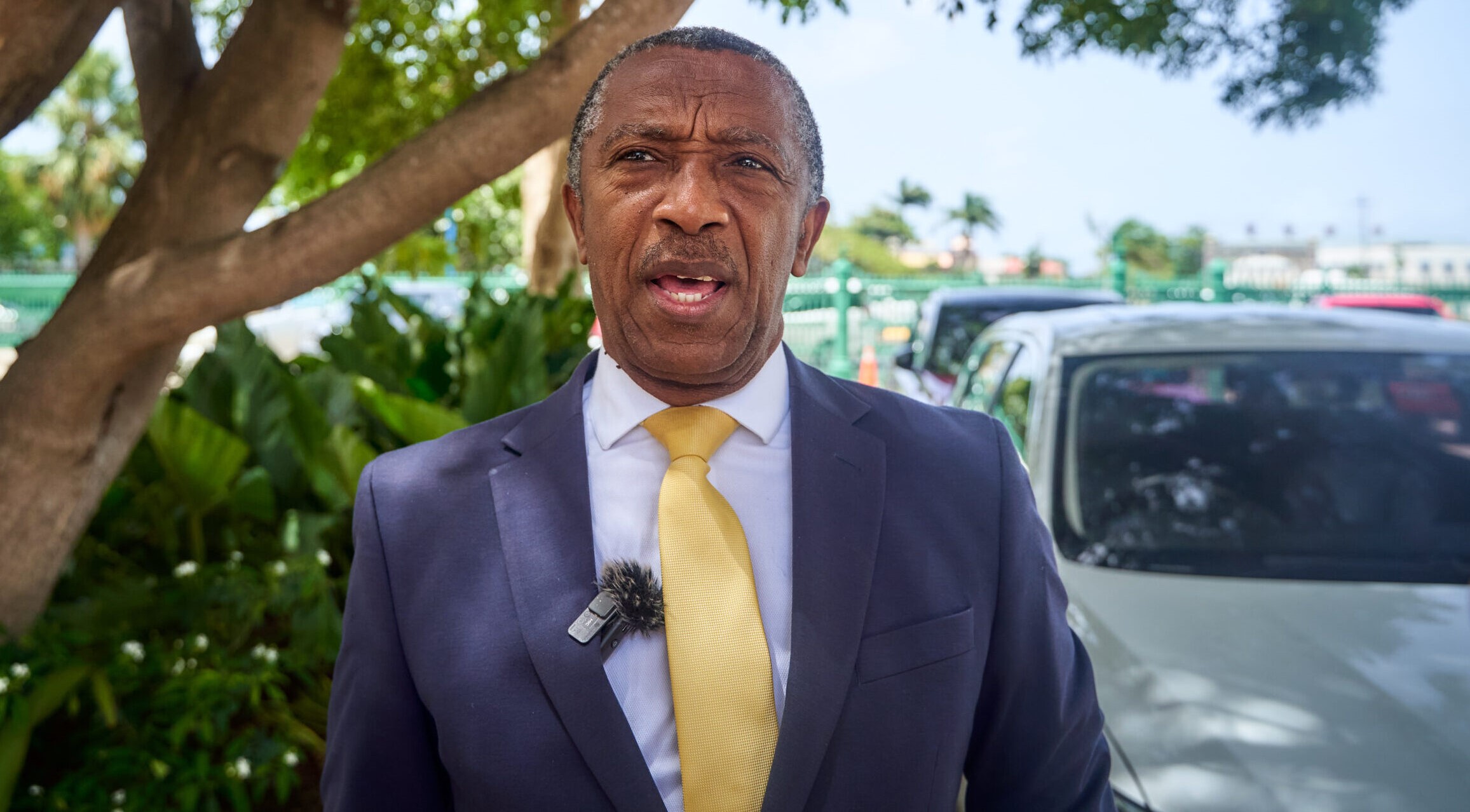
    The government of Antigua and Barbuda has significantly enhanced global mobility for its citizens through a strategic series of newly finalized visa waiver agreements with multiple nations across Africa and the Middle East. Foreign Affairs Minister EP Chet Greene announced during the 2026 Budget Debate in Parliament that these diplomatic achievements form a core component of the nation’s proactive foreign policy aimed at delivering tangible benefits to its people.

    The newly established arrangements with the United Arab Emirates, Ghana, Kenya, Rwanda, and Benin are designed to eliminate visa requirements, thereby streamlining international travel for Antiguans and Barbudans. Minister Greene emphasized that these agreements extend beyond symbolic diplomacy, serving as practical instruments to foster stronger economic cooperation, boost trade and investment opportunities, and enhance people-to-people connections with these key international partners.

    While specific terms for each bilateral agreement were not disclosed, the minister characterized them as evidence of a foreign policy that prioritizes concrete outcomes for citizens. In a broader context, this initiative aligns with a comprehensive restructuring of the nation’s foreign service apparatus, which includes new diplomatic appointments and adjustments to overseas missions aimed at expanding the country’s international presence.

    Although no new accord was announced with Japan during the parliamentary session, Minister Greene highlighted that existing arrangements with Tokyo remain active and that the government continues to fortify its long-standing relationship with the Asian nation. The administration indicated it will persistently pursue similar visa facilitation agreements as part of its ongoing strategy to deepen diplomatic and economic linkages worldwide.


  • Saint Lucia marks National Day: Festival of Lights & renewal

    Saint Lucia marks National Day: Festival of Lights & renewal

    Saint Lucia commemorates its National Day on December 13th with the culturally significant “Festival of Lights & Renewal,” blending spiritual symbolism with national pride. This annual observance transforms the island into a vibrant tapestry of light and tradition through a series of early December events.

    The celebrations commence with an annual lantern competition, followed by a spectacular lantern parade on National Day’s eve. The Festival of Lights brings early Christmas festivities to Castries and communities across the island, creating a nationwide atmosphere of joy and cultural resonance.

    According to the Saint Lucia Tourism Authority, these observances symbolize “the triumph of light over darkness, good overcoming evil, and the renewal of life.” The celebrations carry deep historical significance, tracing back to colonial-era roots that honor Saint Lucy, the patron saint of light believed to be the nation’s namesake.

    The historical narrative reveals Saint Lucy of Syracuse as a 3rd-century Christian martyr from Sicily who was executed in 304 AD during Roman persecution. Her feast day on December 13th has been observed for centuries throughout Europe.

    Historical accounts suggest European sailors may have shipwrecked on the island on December 13th, naming it in Saint Lucy’s honor while displacing the indigenous name ‘Ianoula’ (meaning ‘where the iguana is found’). This colonial renaming marked a significant cultural shift from the island’s original inhabitants.

    Over centuries, the December 13th commemorations have evolved into a unique fusion of religious traditions, local culture, and strengthened national identity. Despite these transformations, the core symbols of faith and spiritual renewal remain central to Saint Lucia’s contemporary celebrations, creating a distinctive cultural heritage that bridges historical legacy with modern national expression.

  • Cuban Foreign Minister disqualifies Nobel Peace Prize Committee

    Cuban Foreign Minister disqualifies Nobel Peace Prize Committee

    Cuban Foreign Minister Bruno Rodriguez has launched a scathing critique of the Nobel Peace Prize selection process, characterizing the prestigious award as a political tool favoring United States allies. Through his official Twitter account, Rodriguez asserted that the Norwegian Nobel Committee members—appointed by a NATO-aligned parliament—systematically transform the prize into recognition for “docile US allies” while simultaneously providing a platform for criticizing governments Washington finds inconvenient.

    The seasoned diplomat drew upon Cuba’s direct experience with over six decades of American economic blockade to question the committee’s consistent exclusion of Cuba’s Medical Brigades from consideration. These medical professionals have received repeated nominations for their humanitarian work worldwide, yet remain unrecognized by the Nobel committee.

    Rodriguez highlighted what he characterized as profound hypocrisy, noting the committee’s silence regarding aggressive US actions against Venezuela while enthusiastically presenting awards that allegedly contradict peace principles. He specifically referenced controversial past laureates including Henry Kissinger, Shimon Peres, and more recent recipients whose recognition coincided with US Secretary of State initiatives that Rodriguez claims promote military intervention in Venezuela.

    The Foreign Minister concluded that such demonstrated “double standard” fundamentally disqualifies the committee from delivering authoritative lectures on democratic values, arguing that the prize has become complicit in actions directly opposed to genuine peacekeeping efforts.

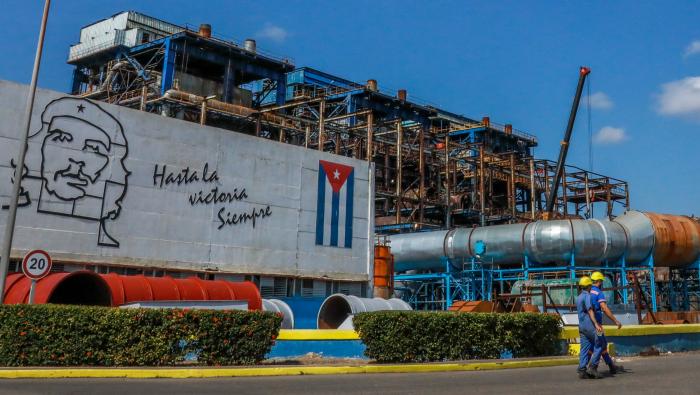
  • Communist Party of Cuba debates national agenda

    Communist Party of Cuba debates national agenda

    The Central Committee of the Cuban Communist Party (PCC) has convened an extraordinary plenary session via videoconference, compressing a previously scheduled two-day meeting into a single intensive session. This adjustment responds directly to what officials describe as “the complex situation currently facing the nation.

    The agenda encompasses multiple critical national priorities. Central to discussions is the comprehensive evaluation of the Government Program designed to rectify economic distortions and stimulate economic revitalization. This program recently underwent public consultation from November 15 through December 30, 2023, gathering citizen input on national recovery strategies.

    Committee members will further examine proposed economic targets for 2026 and deliberate the upcoming State Budget proposal. A significant portion of the session will address recovery efforts in eastern provinces devastated by Hurricane Melissa, including assessment of damages and evaluation of reconstruction progress. The meeting will also review ongoing recovery from previous natural disasters that have impacted the island nation.

    In organizational matters, the Political Bureau will present a comprehensive work report and announce key decisions regarding the preparatory process for the 9th PCC Congress. This significant party gathering is scheduled for April 16-19, 2026—a historically symbolic year that will mark the centenary of former leader Commander-in-Chief Fidel Castro Ruz’s birth.

  • UN warns of possible spread of conflict in DRC to the region

    UN warns of possible spread of conflict in DRC to the region

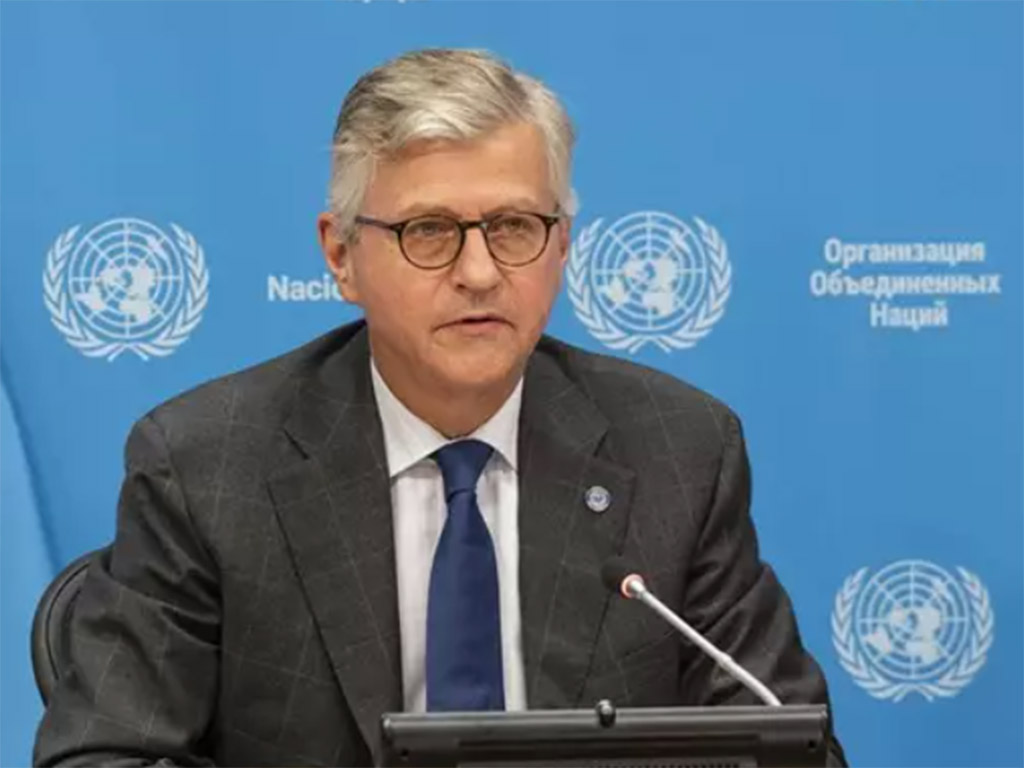
    United Nations Under-Secretary-General for Peace Operations Jean-Pierre Lacroix has issued a stark warning to the UN Security Council, declaring that a renewed military offensive by the Congo River Alliance-March 23 Movement (AFC/M23) in South Kivu province has dramatically escalated regional tensions. Lacroix emphasized that this development has “rekindled the specter of a regional conflagration with incalculable consequences” for Central Africa.

    The UN peacekeeping chief expressed grave concerns about the deteriorating security situation, noting that rebel advancements are creating serious risks of national fragmentation within the Democratic Republic of Congo. This is particularly evident in the eastern provinces where insurgent groups have established parallel governing structures challenging state authority.

    Complicating the crisis further, Lacroix highlighted the involvement of armed forces and militant groups from neighboring countries, whose direct and indirect participation threatens to expand the conflict beyond DRC’s borders. This external dimension significantly increases the danger of the confrontations spreading throughout the entire Great Lakes Region, potentially destabilizing multiple nations.

    The warning comes despite previous diplomatic efforts to de-escalate tensions, including agreements signed in Washington, D.C. between DRC President Felix Tshisekedi and Rwandan President Paul Kagame. Notably, the AFC/M23 offensive has already achieved significant territorial gains, capturing the strategic city of Uvira on December 10. Uvira served as the provisional capital of South Kivu province and represents a crucial border hub near Burundi, underscoring the conflict’s transnational implications.

  • Minimum wage hike lags behind cost of living – CTUSAB

    Minimum wage hike lags behind cost of living – CTUSAB

    Barbados’s leading labor organization has issued a strong critique of the government’s proposed minimum wage adjustment, declaring the planned 2% increase insufficient to address the nation’s escalating cost of living. The Congress of Trade Unions and Staff Associations of Barbados (CTUSAB) contends that the January adjustment fails to reflect both economic realities and previous government assurances.

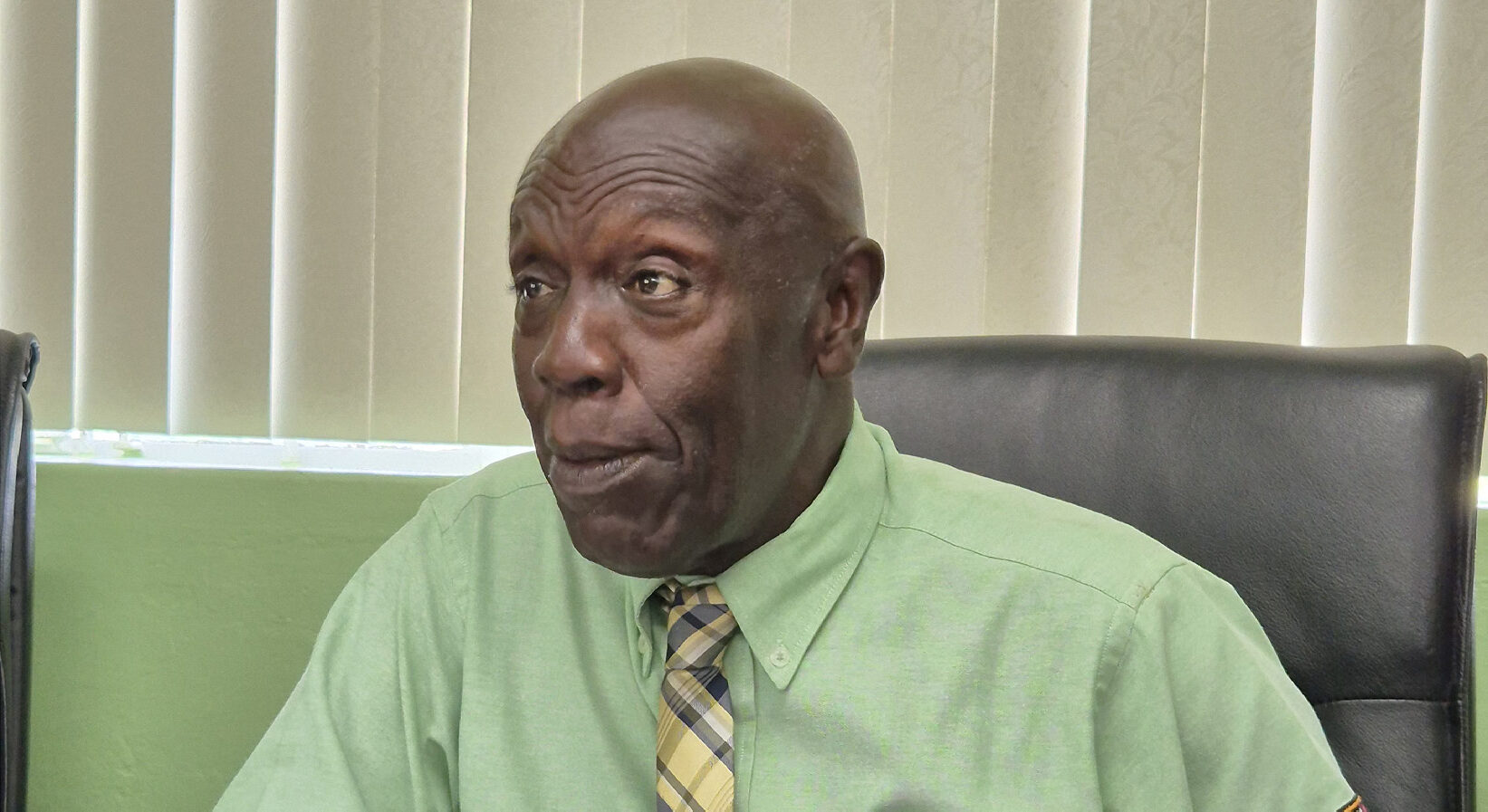
    CTUSAB General Secretary Dennis De Peiza emphasized that wage determinations must directly correlate with documented increases in essential expenses including food prices, healthcare, utilities, transportation, and general business operations. The union leader pointed to the government’s own reports of robust fiscal performance—including seventeen consecutive quarters of economic growth and substantial surpluses—as justification for expecting a more meaningful wage enhancement for vulnerable workers.

    The scheduled adjustment would elevate the national minimum wage from $10.50 to $10.71 per hour, while security guards would see their industry-specific rate increase from $11.43 to $11.66. This follows a significant June 2025 increase that raised rates from $8.50 and $9.25 respectively.

    In defense of the policy, Labour Minister Colin Jordan characterized the increase as a carefully calibrated compromise designed to balance worker support with business sustainability. Minister Jordan outlined the government’s commitment to methodical, evidence-based wage reform, noting that the Minimum Wage Board has commenced analysis of the previous increase’s economic impact and is developing a structured indexation framework informed by international models.

    While acknowledging the government’s fulfillment of its promise to implement an increase, CTUSAB maintains that the modest adjustment contradicts the administration’s proclaimed economic achievements. The union body continues to advocate for wage rates that enable vulnerable workers to achieve a decent standard of living, reinforcing its position that both national and sectoral minimum wages require more substantial elevation to match Barbados’s economic trajectory.

  • LETTER: We Need to Address the Culture That Breeds Crime

    LETTER: We Need to Address the Culture That Breeds Crime

    The Caribbean nation of Antigua, traditionally perceived as a safe haven, is confronting a disturbing surge in property crimes that exposes critical failures in its law enforcement system. A recent series of invasive break-ins—including incidents where perpetrators entered occupied residences—has revealed alarming vulnerabilities in the island’s security infrastructure.

    This security deterioration became profoundly personal when a residential burglary occurred while the occupant slept indoors. Although the resident emerged physically unharmed, the psychological impact remains severe. The subsequent police response proved inadequate: officers initially assessed the scene but failed to document crucial evidence later discovered by family members. Despite follow-up requests, law enforcement did not return to collect this vital information.

    This pattern of institutional neglect mirrors a commercial burglary at Kess Imports, where the business owner—not the police—uncovered critical overlooked evidence. Such systematic failures create an environment where criminal networks operate with impunity, effectively normalizing theft as a low-risk enterprise.

    In response to this crisis, a comprehensive six-point reform agenda has been proposed:

    1. **Self-Defense Empowerment**: Streamlining legal firearm acquisition processes to enable responsible citizens to act as first responders during critical incidents, particularly for vulnerable demographics like single women living alone.

    2. **Police Professionalization**: Implementing rigorous training standards, competitive compensation, and merit-based recruitment while establishing domestic forensic capabilities to improve case resolution rates.

    3. **Emergency System Modernization**: Creating reliable, multi-platform reporting systems including WhatsApp integration and automatic location tracking to replace currently dysfunctional communication channels.

    4. **Parental Accountability**: Addressing juvenile delinquency through increased parental responsibility.

    5. **Community Policing Expansion**: Deploying consistent neighborhood patrols leveraging Antigua’s small size for maximum deterrent effect.

    6. **Stolen Goods Market Elimination**: Legislating against resale of valuables without verifiable proof of purchase to disrupt criminal economic incentives.

    The escalating crime situation represents not isolated incidents but systemic failure. Without addressing underlying issues of negligence and inadequate resources, Antigua risks further erosion of public safety and social cohesion. The solution requires confronting uncomfortable truths and implementing genuine structural reform rather than temporary measures.

  • Thorne warns digital payment reforms risk excluding vulnerable Barbadians

    Thorne warns digital payment reforms risk excluding vulnerable Barbadians

    In a critical parliamentary session addressing the National Payment System (Amendment) Bill, Opposition Leader Ralph Thorne voiced substantial concerns regarding Barbados’ transition to the BimPay digital payment infrastructure. Thorne emphasized that while modernization through digitization represents inevitable progress, the government’s approach must carefully balance technological advancement with socioeconomic inclusivity.

    Thorne articulated a fundamental distinction between mere modernization and genuine development, noting that while digital systems facilitate speed and novelty, true development necessitates consideration of human elements. He highlighted how the abrupt shift to cashless transactions could disproportionately affect street vendors, small-scale merchants, and economically marginalized citizens who rely on traditional cash-based commerce for survival.

    Evidence of public discontent has already emerged, Thorne revealed, with protests organized not to reverse technological progress but to preserve essential economic spaces for vulnerable populations. He challenged the government to provide transparent projections detailing anticipated cash usage percentages post-implementation, warning that current uncertainty is generating widespread anxiety.

    Despite these concerns, Thorne acknowledged the necessity of digital payment systems for Barbados’ global competitiveness, particularly for international transactions that inherently require digital processing. He called for clear timelines and comprehensive support systems to ensure no segment of the population is excluded during this economic transformation.

  • Trade Minister Details Measures to Reduce Cost of Living for Residents

    Trade Minister Details Measures to Reduce Cost of Living for Residents

    In a significant address during the 2026 Budget Debate, Foreign Affairs Minister EP Chet Greene detailed the government’s multifaceted approach to mitigating the impact of soaring global inflation on Antigua and Barbuda’s population. As a nation heavily reliant on imports, the administration has enacted a series of deliberate fiscal interventions designed to insulate households from escalating costs of food, energy, and essential commodities.

    The cornerstone of this strategy involves the zero-rating of 48 critical food items through a suspension of the Common External Tariff (CET). This policy, which will remain effective for at least six months into the new year, eliminates taxes on essential nutrition staples including fresh vegetables, fruits, grains, canned goods, and baby formula.

    Complementing these measures, the government has maintained substantial subsidies on liquefied petroleum gas (LPG) and electricity tariffs. These energy subsidies, which will continue throughout the coming year, directly counter global supply chain disruptions that have driven energy prices upward worldwide.

    Minister Greene emphasized the administration’s proactive monitoring of local market conditions, with commitments to implement additional relief measures if economic circumstances deteriorate. The government has also established targeted support mechanisms for vulnerable households, including expanded social services and direct cash assistance programs.

    Long-term strategic planning forms another critical component of the government’s approach. Through carefully designed trade policies and tax exemptions on essential goods, the administration aims to stabilize living costs while simultaneously working to enhance domestic production capabilities and reduce import dependency over time.

    ‘Our primary objective is to ensure that ordinary citizens are shielded from the full impact of global price fluctuations,’ Minister Greene stated. ‘These interventions not only provide immediate relief but also establish a foundation for sustainable economic resilience and equitable access to basic necessities.’

    The comprehensive package reflects the government’s sustained commitment to public welfare amid ongoing global economic uncertainty, demonstrating a balanced approach between immediate relief and strategic long-term planning.

  • Otis Jackson Charged with Unlawful Possession of Firearm & Ammunition

    Otis Jackson Charged with Unlawful Possession of Firearm & Ammunition

    Authorities in Antigua and Barbuda have formally charged 29-year-old resident Otis Jackson with multiple weapons offenses following a targeted police operation in the Tindall Road vicinity. The arrest occurred on the evening of December 11th when law enforcement officers intercepted a vehicle during routine mobile patrol duties.

    According to official reports from the Royal Police Force’s Strategic Communications Office, the search yielded one 9mm Smith & Wesson pistol accompanied by seven corresponding rounds of ammunition. Jackson, a resident of Ottos, was immediately taken into custody and subsequently charged with both unlawful possession of a firearm and unlawful possession of ammunition.

    The seized evidence, including the weapon and the vehicle involved, has been transported to Police Headquarters for forensic examination and secure storage. Jackson awaits judicial proceedings where he will respond to the criminal charges brought against him.

    This incident forms part of the Royal Police Force’s broader initiative to combat illicit weapons circulation throughout the nation. Police commissioners have reaffirmed their commitment to removing illegal firearms from public spaces while appealing for continued community cooperation. Law enforcement officials emphasize the critical importance of public assistance in identifying criminal activity, particularly concerning illegal weapon distribution networks.

    Citizens possessing relevant information regarding firearms violations or other criminal undertakings are encouraged to contact the Criminal Investigations Department at 462-3913 or utilize the anonymous Crimestoppers hotline at 800-TIPS (8477).