作者: admin

  • Column: 51 stemmen voor schrappen muilkorfartikelen…

    Column: 51 stemmen voor schrappen muilkorfartikelen…

    A coalition-led legislative initiative in Suriname has reignited the decades-long debate over the nation’s controversial ‘gag laws’ – articles within the Criminal Code that critics argue systematically suppress freedom of expression. The proposed bill, aimed at abolishing these provisions, has received formal endorsement from the Surinamese Association of Journalists, an organization that has petitioned successive governments for reform since the 1990s.

    Despite surface-level political consensus, deep-seated skepticism permeates civil society. The fundamental issue transcends mere legal technicalities: Suriname’s constitutional framework and international commitments already provide robust protections for free speech. The nation has voluntarily bound itself to the International Covenant on Civil and Political Rights (ICCPR), the American Convention on Human Rights, and OAS human rights treaties. Yet implementation remains persistently inadequate.

    The administration of President Chan Santokhi—who once positioned himself as a champion of rule of law—has paradoxically intensified the application of these restrictive articles. Documented cases reveal citizens facing arrest for critical remarks, detained without preliminary judicial review, and released days later without formal charges. This pattern creates a chilling effect that normalizes self-censorship, precisely the laws’ intended function.

    These gag provisions demonstrate selective enforcement: while citizen disputes rarely trigger legal action, criticism targeting politicians, authorities, or foreign dignitaries promptly activates police intervention. This dichotomy reveals the laws’ true purpose—not societal protection, but power preservation.

    The current legislative effort demands measured scrutiny. Surinamese society has witnessed numerous failed reform attempts where political promises evaporated when confronted with practical implementation. Meaningful reform requires complete elimination without loopholes or replacement clauses that maintain the status quo.

    The core challenge remains political will rather than legal awareness. As the bill moves toward parliamentary consideration—requiring 51 votes for passage—civil society maintains vigilant skepticism. True progress will be measured not by rhetorical support but by concrete legislative action that transforms constitutional principles into lived reality for every Surinamese citizen.

  • Nearly half of Haiti’s population going hungry daily, says UN

    Nearly half of Haiti’s population going hungry daily, says UN

    The United Nations has issued a dire warning regarding Haiti’s escalating humanitarian catastrophe, revealing that nearly half the nation’s population now faces daily hunger amid rampant gang violence and mass displacement. This alarming assessment coincides with the launch of the UN’s 2026 Humanitarian Needs and Response Plan, which seeks $880 million to assist 4.2 million vulnerable Haitians.

    According to UN officials, the security situation has deteriorated dramatically over the past year, with internal displacement doubling to approximately 1.4 million people by September 2025—representing 12% of Haiti’s total population. Farhan Haq, Deputy Spokesperson for the UN Secretary-General, confirmed that widespread insecurity in the Port-au-Prince metropolitan area has progressively spread to regional zones, severely crippling economic activity and restricting access to essential food supplies.

    The statistics paint a grim picture: 5.7 million people currently experience daily hunger, with projections indicating this number will surge to 5.9 million during the upcoming lean season from March to June 2026. The crisis has disproportionately affected women and girls, with UN partners documenting an average of 27 new gender-based violence cases daily between January and September 2025. Shockingly, over half these cases involved sexual violence, with nearly two-thirds constituting collective rapes.

    Humanitarian Coordinator for Haiti Nicole Kouassi emphasized the critical funding shortfall, noting that the 2025 appeal for $908 million remains only 23% funded with just $206 million secured. She urgently appealed for sustained international support, cautioning that without immediate intervention, Haiti’s humanitarian situation will continue its rapid deterioration.

  • Residents lament unreliable bus service in Martins Bay

    Residents lament unreliable bus service in Martins Bay

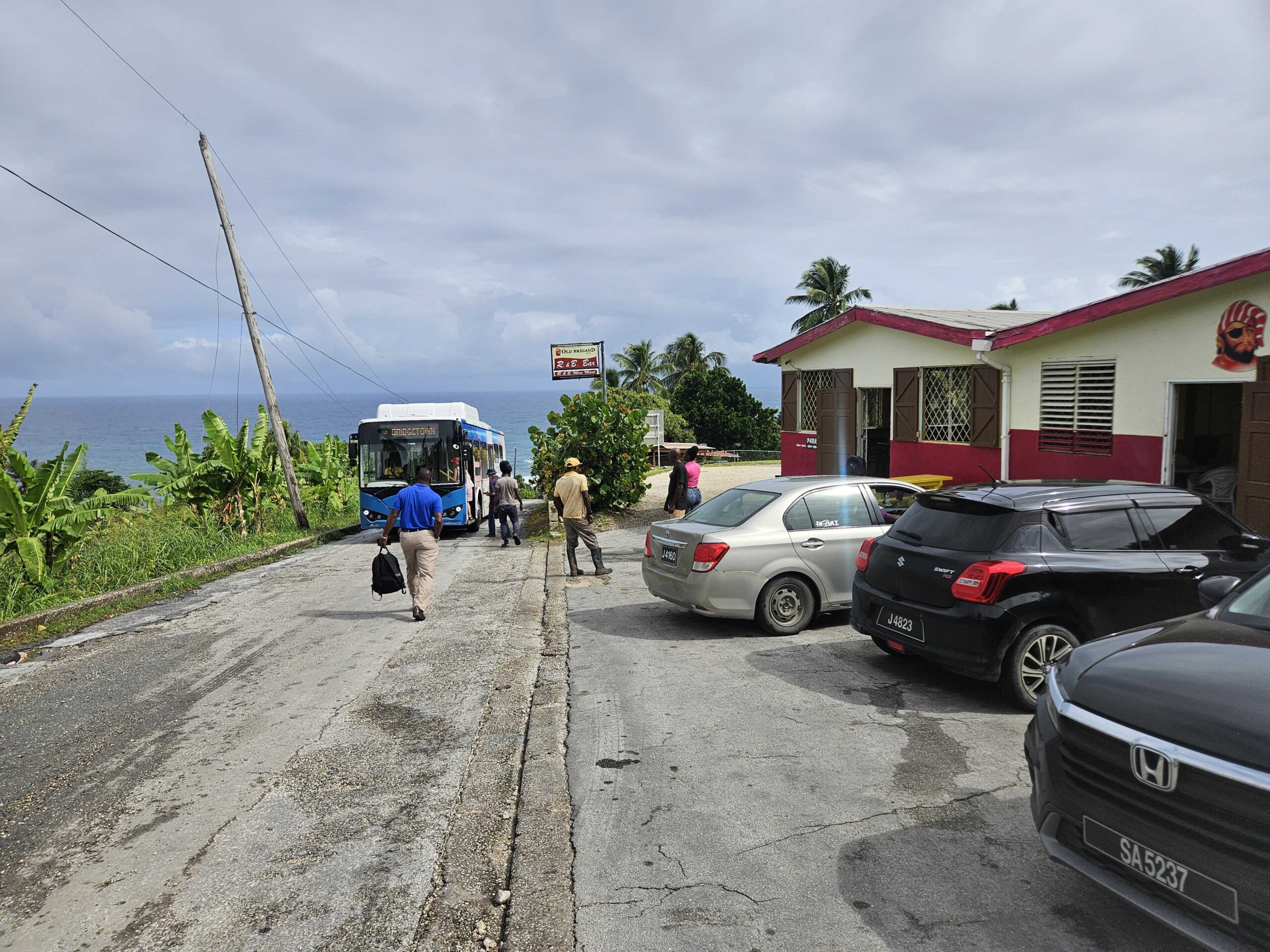
    The community of Martins Bay in St John faces severe disruption to daily life due to chronically unreliable bus services, forcing residents to adopt extreme measures for basic mobility. Workers and commuters report leaving home hours early and incurring substantial expenses for alternative transportation amid complete uncertainty about bus arrivals.

    Local resident Danesha Maxwell, 26, characterized the service as ‘exceptionally poor,’ particularly during daytime and evening operations. ‘There are days with two-hour gaps between buses,’ Maxwell explained. ‘This creates tremendous frustration for workers with fixed schedules, requiring us to depart at least an hour earlier than necessary since missing one bus doesn’t guarantee another will arrive.’

    Multiple residents interviewed near Newcastle junction detailed systematic service failures. Buses supposedly scheduled hourly often fail to materialize, with particularly severe gaps between 2:00 PM and 7:30 PM. The transportation breakdown creates safety concerns and severely restricts mobility, with commuters sometimes not reaching home until 7:30 PM despite theoretically earlier departures.

    The inadequate service forces residents into difficult choices: walking long distances, seeking rides from neighbors, or paying exorbitant taxi fares exceeding $100 for trips from Bridgetown to Martins Bay. Some residents allege certain drivers refuse to service the Martins Bay route despite instructions, a claim Transport Board Chief Operations Officer Lynda Holder says will undergo internal investigation.

    While road conditions in the area show gradual improvement through the Scotland District Road Rehabilitation project—funded by a BDS$230 million loan from China’s Export-Import Bank—residents emphasize that transportation reliability remains the immediate crisis. Beyond infrastructure, community members advocate for enhanced social facilities, including parks and youth engagement programs to address broader community needs.

  • Centrale Bank haalt SRD 400 miljoen uit de economie via nieuwe spaarcertificaten

    Centrale Bank haalt SRD 400 miljoen uit de economie via nieuwe spaarcertificaten

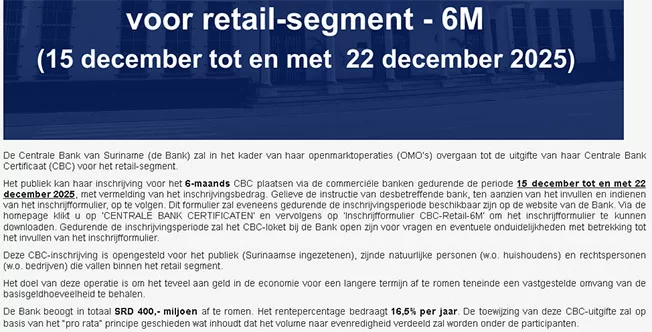
    The Central Bank of Suriname has initiated a new issuance of Central Bank Certificates (CBCs) aimed at temporarily withdrawing SRD 400 million from circulation. This monetary policy intervention seeks to regulate money supply and maintain economic stability by encouraging both individuals and businesses to deposit funds with the central bank, effectively reducing liquidity in the open market.

    The certificate offering, available through commercial banks from December 15 to December 22, carries a 16.5% annual interest rate with a six-month maturity period. In cases of oversubscription, the available amount will be distributed proportionally among all participants. Application forms are available at commercial banks and can also be downloaded from the Central Bank’s official website.

    This move represents a strategic shift in monetary policy following the conclusion of Suriname’s IMF program. The current interest rate of 16.5% is notably lower than rates during the IMF program period, reflecting the central bank’s adjusted approach to economic management. Simultaneously, authorities are developing a new monetary framework and preparing for the issuance of Treasury bills as complementary measures.

    The dual-purpose initiative not only provides a secure investment vehicle for citizens and corporations but also serves as a mechanism for the central bank to better balance economic conditions and stabilize foreign currency demand. By temporarily absorbing excess liquidity, the central bank aims to create a more controlled monetary environment while offering attractive returns to investors.

  • Chamber warns of supply chain risks amid rising Venezuela-US tensions

    Chamber warns of supply chain risks amid rising Venezuela-US tensions

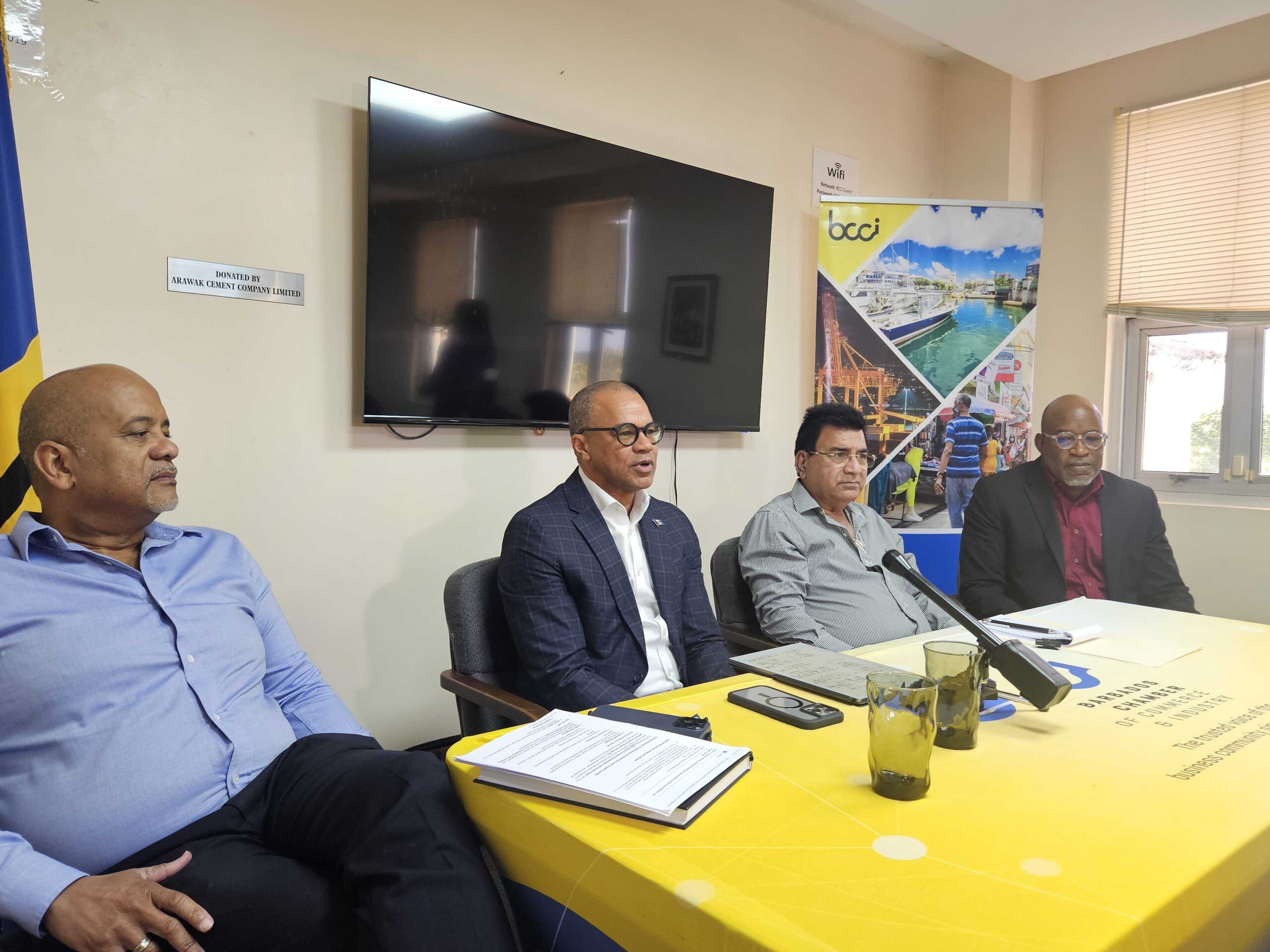
    Business authorities in Barbados are raising alarms about potential regional economic fallout from escalating geopolitical tensions between Venezuela and the United States. The Barbados Chamber of Commerce and Industry (BCCI) has identified this developing situation as a significant threat to Caribbean supply chains, potentially triggering increased costs and operational delays throughout the region.

    BCCI President Paul Inniss expressed particular concern during a recent press briefing at the organization’s Deighton Road headquarters. ‘As a chamber representing business interests, we must view any tension involving our trading partners with serious concern,’ Inniss stated. ‘This represents one of several strategic risks that require careful consideration and contingency planning.’

    The chamber has proactively begun advising its membership on business continuity strategies, highlighting vulnerabilities within current shipping logistics. Inniss revealed an inefficient pattern in regional trade routes: ‘Our analysis indicates many goods originate from South America, travel northward, only to subsequently return south—a circuitous routing that unnecessarily inflates costs.’

    Despite these concerns, officials downplayed immediate impacts on Barbados’ energy sector. ‘Our current import volume from Venezuela remains minimal,’ Inniss clarified, referencing two recent diplomatic engagements with Venezuelan delegations. While acknowledging global oil markets have already reacted to geopolitical announcements, he characterized potential energy impacts as ‘still in early stages.’

    Christopher Sambrano, chair of the chamber’s economic advisory committee, addressed broader implications, including effects on Trinidad’s energy imports and regional tourism. ‘The fundamental concern involves added market uncertainty,’ Sambrano noted. ‘As a business community and society, we’ve demonstrated resilience through previous global challenges and must remain adaptable.’

    Emphasizing Barbados’s identity as a peaceful destination, Sambrano expressed hope for swift resolution: ‘Visitors seek refuge in our region from global tensions. Maintaining our status as a zone of peace remains paramount to our tourism economy.’

    The BCCI continues collaborating with Barbados’ Ministry of International Trade to develop direct sourcing alternatives, aiming to mitigate potential inflationary pressures on imported goods throughout the supply chain.

  • Samenwerking MAS en UKHO beoogt versterking maritieme veiligheid

    Samenwerking MAS en UKHO beoogt versterking maritieme veiligheid

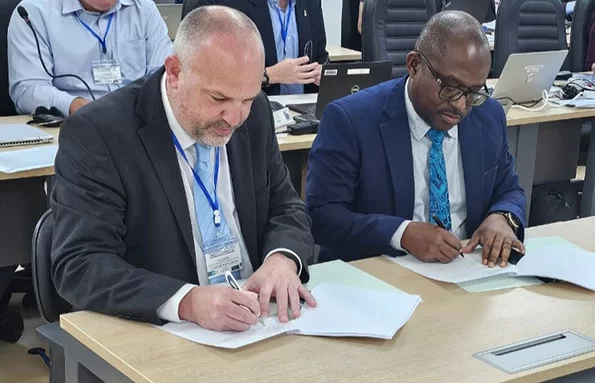
    In a significant bilateral advancement for maritime operations, Suriname’s Maritime Authority (MAS) has formalized a strategic partnership with the United Kingdom Hydrographic Office (UKHO) through a newly signed cooperation agreement. This collaboration focuses on deploying state-of-the-art hydrographic surveying technology and jointly producing specialized navigation charts for maritime transport.

    The partnership will employ advanced multibeam echosounder systems to conduct comprehensive seabed and river mapping, alongside precision hydrographic measurements. This technological integration aims to substantially enhance the efficiency of hydrographic surveys while dramatically reducing production costs associated with both river and seafloor mapping operations.

    According to official statements from MAS, this agreement delivers multifaceted benefits beyond mere cost reduction. It represents a substantial leap in technological capability for Suriname’s maritime sector while simultaneously strengthening navigational safety standards throughout the region. The collaboration marks a critical step in modernizing Suriname’s hydrographic infrastructure through knowledge transfer and technical assistance from one of the world’s leading hydrographic institutions.

    The UKHO brings centuries of cartographic expertise to this partnership, having maintained the world’s largest repository of depth information for safe navigation. This cooperation signifies growing international interest in Suriname’s maritime domain and sets a precedent for technological exchange between Caribbean nations and European specialized agencies.

  • UN Rights Office condemns Sudan fighting as “Flagrant” Breach of International Law

    UN Rights Office condemns Sudan fighting as “Flagrant” Breach of International Law

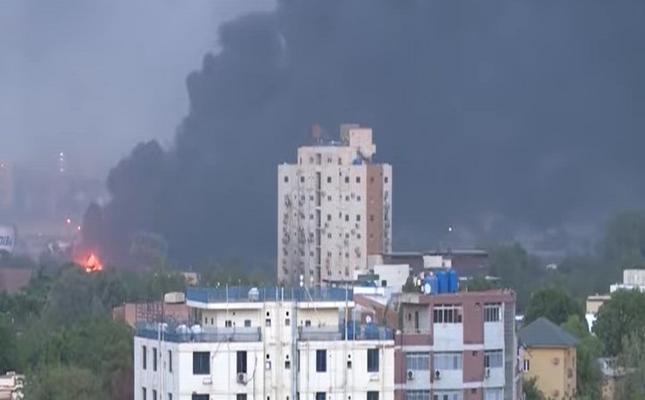
    A damning report from the United Nations Office of the High Commissioner for Human Rights (OHCHR) has declared the persistent violence in Sudan a blatant violation of international legal frameworks. The comprehensive assessment, released on December 18, 2025, documents systematic atrocities occurring amid the nation’s devastating civil conflict.

    The investigation specifically highlights the April 11-13 assault on Zamzam’s internally displaced persons (IDP) camp as emblematic of widespread humanitarian law breaches. Documented evidence confirms at least 1,013 civilian fatalities during the three-day offensive executed by the Rapid Support Forces paramilitary group. The report meticulously details horrific accounts of targeted killings, sexual violence, torture, and mass abductions.

    During a press briefing at UN Headquarters in New York, High Commissioner for Human Rights Volker Türk emphasized the urgent need for impartial investigations and accountability through fair judicial proceedings. Türk simultaneously highlighted the critical shortcomings in humanitarian response capabilities, noting that overwhelming needs and persistent insecurity continue to hamper relief efforts in displacement camps.

    The current crisis originated in 2023 following the collapse of Sudan’s transitional government, triggering violent clashes between national armed forces and paramilitary units. Current estimates indicate over 150,000 fatalities and 12 million displaced persons nationwide.

    UN Deputy Spokesperson Farhan Haq provided alarming updates regarding deteriorating conditions in the Kordofan region, where escalating drone strikes and artillery shelling have created new displacement crises. Recent attacks on civilian areas in Dilling and Kadugli have forced families to undertake perilous journeys through suspected minefields.

    Between October and December 2025, over 50,000 individuals were displaced across Kordofan due to intensified violence. North Darfur State reports indicate additional civilian casualties and displacement from drone strikes in multiple localities. The conflict’s infrastructure impact expanded significantly with attacks on power stations in Atbara causing widespread blackouts across River Nile State.

    The international humanitarian response faces critical funding shortfalls, with the UN’s $4.2 billion appeal remaining severely underfunded at only 36% of requested resources.

  • Ministry of Agriculture Backyard Gardening Competition Launched

    Ministry of Agriculture Backyard Gardening Competition Launched

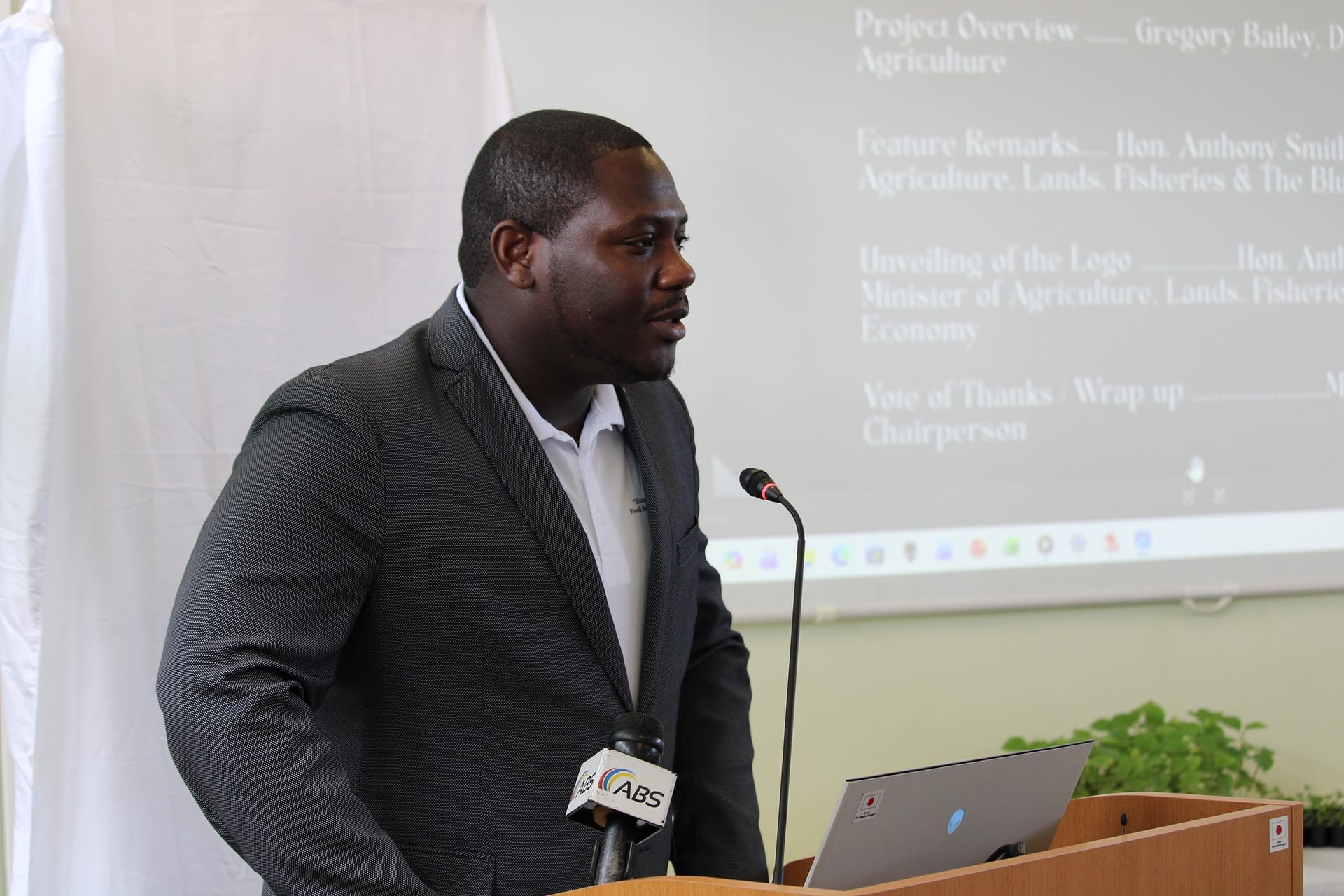
    The Ministry of Agriculture, Lands, Fisheries and the Blue Economy (MALFBE) has officially inaugurated a nationwide Backyard Gardening Competition, marking a significant step toward enhancing food sovereignty in Antigua and Barbuda. The December 16th launch event at Point Wharf Fisheries Complex introduced the revitalized initiative under the branding ‘Plant2Plate Antigua & Barbuda Initiative’.

    Permanent Secretary Walter Christopher emphasized the program’s dual purpose: reducing dependency on imported foodstuffs while establishing robust social protection mechanisms. He revealed that over 600 households have already enrolled, with the ultimate ambition of establishing productive gardens in every home across the twin-island nation.

    Agriculture Director Gregory Bailey provided historical context, tracing the program’s origins to 2008 when it began with approximately 450 registered gardeners. The movement has since evolved into a structured national phenomenon, with nearly 700 active participants currently documented. The initiative has gained such prominence that April 21st is now celebrated as National Backyard Garden Day.

    Minister Anthony Smith Jr. articulated the strategic vision behind the competition, noting the country’s vulnerability to global food price fluctuations and supply chain disruptions. The theme ‘Homegrown Today, Food Secured Tomorrow’ encapsulates the program’s objective of transforming residential spaces into productive agricultural hubs that benefit families, communities, and the national economy.

    The competition introduces innovative components including enhanced monetary incentives and a new culinary showcase titled ‘Cook What You Grow,’ encouraging participants to create dishes using their homegrown produce. This addition reinforces the complete farm-to-table cycle while celebrating culinary innovation.

    The launch ceremony concluded with the unveiling of the new Plant2Plate logo, symbolizing a collective commitment to food sovereignty and sustainable development. Officials characterized the initiative not as a mere competition but as a transformative national movement toward building a more resilient and self-sufficient future.

  • UK issues advisory for Barbados visitors

    UK issues advisory for Barbados visitors

    The British government has updated its travel guidance for Barbados, warning citizens of potential terrorist threats despite acknowledging no recent history of such incidents on the island. The Foreign Commonwealth and Development Office (FCDO) advisory states that while Barbados lacks a recent terrorism record, attacks ‘cannot be ruled out’ given the global threat landscape affecting UK interests worldwide.

    The comprehensive advisory additionally highlights concerns about violent crime trends in Barbados, including increased gang-related shootings, armed robberies, and sexual assaults occurring in populated areas. UK travelers are instructed to exercise heightened vigilance regarding personal security, particularly when using ATMs, traveling after dark, and attending large gatherings during festival seasons.

    Barbados Foreign Affairs Minister Kerrie Symmonds contested the terrorism warning as ‘highly improbable’ and theoretically nonexistent. He suggested the advisory might reflect concerns about potential backlash from ‘hateful and divisive policy making’ in Northern Atlantic nations that have alienated migrant populations and developing countries.

    The updated guidance includes specific recommendations: securing accommodations, using licensed taxis with pre-negotiated fares (as meters are absent), avoiding public displays of wealth, and utilizing hotel safes for valuables. Special considerations were provided for LGBT+ travelers, noting conservative Caribbean attitudes toward public affection between same-sex couples.

    Minister Symmonds acknowledged the accuracy of the crime-related portions of the advisory, confirming increased serious offenses and gun-related crimes while maintaining that terrorism references represent a generic global warning rather than Barbados-specific intelligence.

  • ‘No businesses cut staff hours’ after minimum wage raise

    ‘No businesses cut staff hours’ after minimum wage raise

    Barbados enterprises have successfully absorbed recent minimum wage increases without resorting to workforce hour reductions, though concerns mount over broader economic repercussions including potential inflation acceleration. According to the Barbados Chamber of Commerce and Industry (BCCI), no member businesses have implemented reduced working schedules following the June wage adjustment that elevated national minimum rates from $8.50 to $10.50 hourly.

    BCCI President Paul Inniss confirmed during a Thursday press briefing that while labor costs have risen substantially, businesses are predominantly transferring these expenses to consumers rather than diminishing employee hours. “The feedback has been that additional costs are transferred to clients and customers,” Inniss stated, noting that security services and retail sectors have particularly felt the impact.

    The wage structure continues evolving with scheduled January increases raising national minimum wage to $10.71 (a 21-cent increase) and security guard sector rates to $11.66 hourly (a 23-cent rise). Inniss emphasized that most chamber members already compensate above minimum thresholds, affirming the organization’s commitment to ensuring “every working Barbadian should earn a liveable wage.”

    However, economic experts within the chamber caution against cyclical inflationary dangers. Christopher Sambrano, chairman of BCCI’s economic advisory committee, warned of potential “hyperinflation effect” where rising wages perpetually drive goods costs upward, creating self-sustaining inflation cycles.

    Sambrano proposed enhanced productivity as critical mitigation strategy, advocating for operational efficiencies through improved sourcing, advanced software systems, and AI implementation. “If we can ensure employees receive comfortable compensation while incentivizing productivity, and employers leverage operational improvements, not all costs need transmission to consumers,” he explained.

    Regarding the impending January adjustment, Inniss noted the chamber’s active participation in wage negotiations through the Barbados Private Sector Association, expressing lack of surprise at government decisions while acknowledging the necessity for business evolution toward greater efficiency.