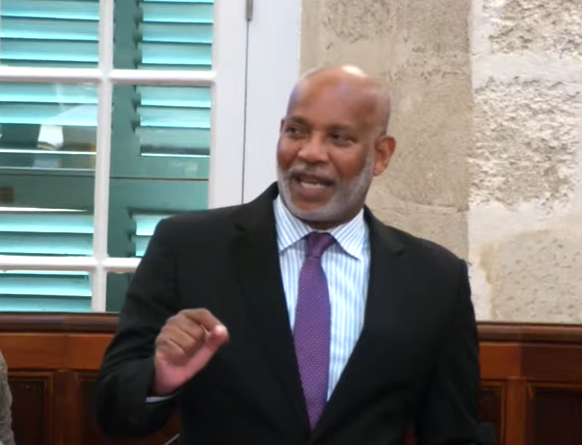
The recent launch of full free movement among Barbados, Belize, Dominica, and St Vincent and the Grenadines marks a significant milestone in Caribbean regional integration. This initiative, which allows citizens of these nations to live, work, and study without bureaucratic obstacles such as skills certificates or work permits, has been hailed as a transformative step towards unity. However, it has also ignited a contentious debate over its legal and constitutional foundations. At the core of this debate lies a tension between policy-making and the rule of law. Attorney General Dale Marshall defends the initiative, asserting that it aligns with the existing Immigration Act and the CARICOM Protocol on Enhanced Cooperation. He emphasizes the discretionary authority granted to the immigration minister to determine the duration of stay for non-citizens. Prime Minister Mia Mottley’s decision to implement the policy ahead of parliamentary approval is framed as a pragmatic move to prevent potential disadvantages for citizens of the participating countries. The government has pledged to introduce legislation soon to solidify the arrangement’s legal standing. On the opposing side, the Barbados Bar Association (BBA) and the Democratic Labour Party (DLP) raise concerns about the constitutionality of the initiative. The BBA argues that executive discretion cannot override the legislature’s role in fundamental policy changes, particularly when altering individual rights and obligations. They stress that the Caribbean Community (Movement of Skilled Nationals) Act remains the primary domestic law governing free movement and that bypassing parliamentary approval undermines legal clarity. The DLP adds that policies, no matter how visionary, must adhere to legal frameworks to avoid setting unfavourable precedents. While the initiative is a bold step towards regional unity, its success hinges on balancing vision with legality. The government’s commitment to introducing legislation and engaging in public dialogue will be crucial in ensuring the policy’s legitimacy and long-term sustainability.
作者: admin
-

LETTER: My Journey with UWI Global Campus: Pride, Sacrifice, and a Call for Better Support
Pursuing higher education has been one of the most transformative experiences of my life. From earning my Associate’s degree to now working toward my Bachelor’s at the University of the West Indies (UWI) Global Campus, this journey has been both challenging and rewarding. My ultimate goal is to achieve a Master’s degree, a testament to my commitment to lifelong learning. UWI Global Campus, with its fully online model, has been instrumental in making this possible, offering flexibility that caters to working professionals like myself who juggle studies, careers, and family responsibilities. Beyond convenience, the program fosters regional unity, connecting students from across the Caribbean and emphasizing education as a tool for personal and collective growth. However, the path to academic success is not without its hurdles. The financial and time investments required are significant, and the lack of adequate support from instructors can be disheartening. This semester, I raised concerns about challenges I faced, only to be met with indifference. At the university level, constructive feedback and open dialogue should be standard, yet students often encounter hostility when seeking clarification or voicing questions. This culture of defensiveness undermines the very essence of education, which should be rooted in respect and collaboration. While UWI Global Campus excels in accessibility and diversity, it must also prioritize accountability and student well-being. As I continue my academic journey, I remain proud of my achievements but also advocate for a more supportive and respectful learning environment. Education has the power to transform lives and societies, but only when its principles are upheld in practice.
-
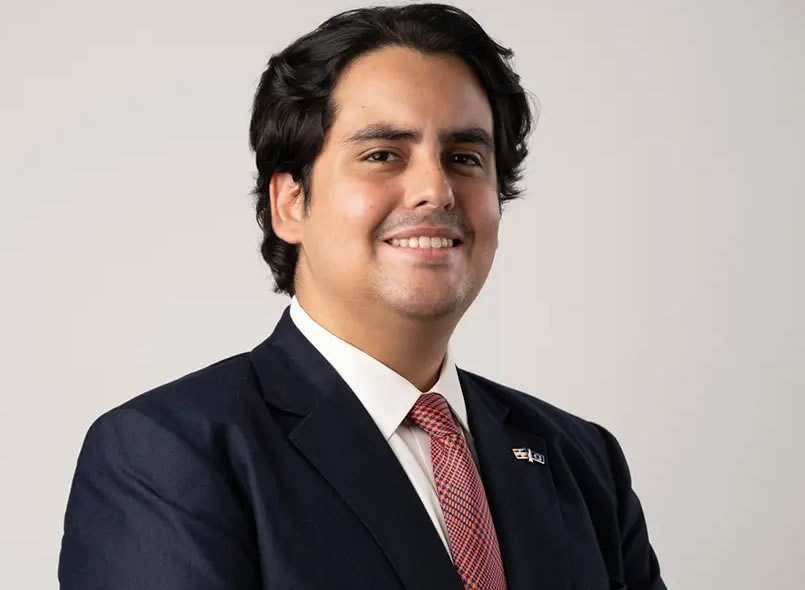
Law, Capital, and the Startup Frontier: Jean Marco Pou Fernández on Structuring Dominican Innovation
Jean Marco Pou Fernández, a prominent figure in the Dominican Republic, has carved a unique niche at the intersection of law, business, and diplomacy. As an attorney, entrepreneur, and former President of the EuroCámara de Comercio de la República Dominicana, Pou’s influence extends across corporate law, infrastructure projects, and binational chambers connecting Santo Domingo to global hubs like Brussels and Madrid. Later this year, he will further his expertise by pursuing an LL.M. in International Business and Economic Law at Georgetown University, solidifying his role in shaping the hemisphere’s most critical economic debates.
Pou’s insights are particularly valuable for founders and investors in the Dominican Republic, offering clarity on structuring startups for capital, scalability, and international credibility. He emphasizes that corporate governance is essential for investor confidence, advocating for practices like shareholder agreements, advisory boards, and transparent records. These measures, he argues, signal a startup’s seriousness about attracting external funding.
Despite the Dominican Republic’s legal framework supporting venture deals, Pou highlights gaps such as the absence of standardized instruments like SAFEs or convertible notes, unclear regulations on stock options, and slow IP enforcement. These challenges, he notes, make the country less competitive compared to other markets.
For cross-border ventures, Pou stresses the importance of strategic structuring, recommending that founders maintain local entities while raising capital through Delaware or EU holdings. This approach provides investors with legal familiarity while enabling local operations to thrive. He also underscores the role of legal advisors in balancing founder protection with investor appeal, ensuring that international clauses are enforceable under Dominican law.
Pou identifies three key policy reforms to accelerate innovation: a Startup Act to simplify incorporation and offer tax incentives, clear crowdfunding and fintech regulations, and legal recognition of employee equity plans. These changes, he believes, could transform the Dominican Republic into a more attractive ecosystem for global capital.
Additionally, Pou sees potential in a Digital Nomad Visa, not just as a tourism driver but as a means of fostering knowledge transfer through connections with accelerators, coworking spaces, and universities.
Pou’s perspective reflects a broader shift in Dominican business credibility, moving away from legacy institutions and toward founders who prioritize governance, traction, and structure. As a bridge between the old order and the emerging economy, Pou embodies the tectonic shift in credibility from traditional boardrooms to the innovators shaping tomorrow’s economy.
-
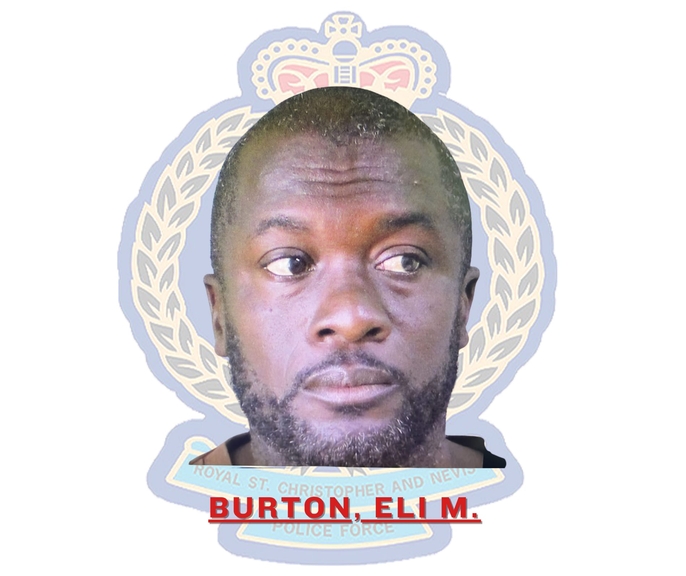
Dominican fined for importing marijuana
In a significant legal development, Eli Burton, a Dominican national, has been convicted and fined for drug-related offenses in St. Kitts. The incident dates back to August 25, 2025, when Burton was apprehended at the Deep Water Port in Bird Rock, Basseterre, following the discovery of cannabis in his possession. The charges against him included Importation of a Controlled Drug and Possession of a Controlled Drug (Cannabis) with Intent to Supply. Burton pleaded guilty to both charges and was fined $5,000 for each offense, with the stipulation that failure to pay would result in a 12-month imprisonment. Additionally, Burton faced two more charges brought by the St. Kitts Customs and Excise Department for the Importation of Goods (Cannabis) Packed to Deceive a Customs Officer. For these, he was convicted and cautioned. The sentences were pronounced by Her Honour Magistrate Yasmine Clarke at the Basseterre Magistrate’s Court on October 6, 2025. This case underscores the stringent enforcement of drug laws in the region and serves as a reminder of the legal consequences of drug trafficking.
-
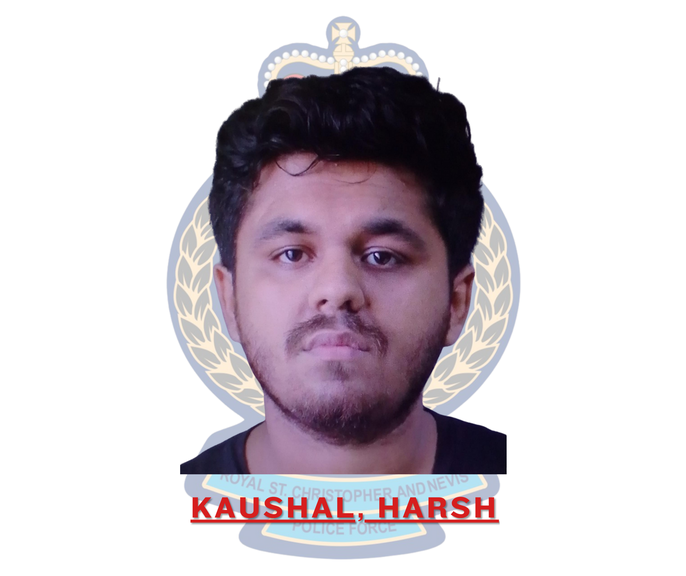
Kaushal charged with Embezzlement and Larceny
In a significant legal development, Harsh Kaushal, a resident of Golf View, Frigate Bay, has been formally charged with multiple financial crimes by the Royal St. Christopher and Nevis Police Force. The charges, which include Larceny by Servant and Embezzlement, stem from alleged activities spanning a five-year period from July 1, 2020, to October 2, 2025. The police confirmed that Kaushal was officially charged on October 6, 2025, at the Basseterre Police Station. While specific details of the case remain undisclosed, the charges highlight a serious breach of trust and financial misconduct. This case underscores the ongoing efforts by law enforcement to address white-collar crimes in the region.
-

UN Secretary-General calls for end to Israel-Hamas war
As the Israel-Hamas conflict marks its second anniversary, United Nations Secretary-General António Guterres has issued a renewed plea for an immediate cessation of hostilities. The war, which erupted on October 7, 2023, has resulted in the deaths of over 67,000 Palestinians and left more than 1,000 Israelis dead or injured. Guterres described the situation as a ‘humanitarian catastrophe on a scale that defies comprehension,’ urging all parties to ‘end the suffering for all’ and prioritize civilian lives and futures. The conflict has not only destabilized the Middle East but also strained relations among Israel’s allies, who continue to advocate for a resolution. The United States has proposed a new plan currently under review by Hamas, which Guterres characterized as a critical opportunity to end the tragedy. He emphasized the necessity of a permanent ceasefire and a credible political process to prevent further bloodshed and foster peace, reiterating the UN’s unwavering commitment to supporting these efforts. Momentum for a two-state solution has grown, with several nations formally recognizing Palestine. However, ongoing shelling in Gaza exacerbates what the UN calls a ‘full-scale humanitarian crisis.’ In response, the UN has allocated $9 million from the Central Emergency Response Fund (CERF) to sustain fuel supplies for essential services in Gaza. Despite a slight reduction in airstrikes, shelling and gunfire persist, with 21 killed and 96 injured in a single day. Humanitarian efforts, including the delivery of wheat flour to bakeries, have provided some relief, with bakeries producing 100,000 bundles of bread daily. As the conflict enters its third year, global voices express hope for peace before another grim anniversary passes.
-

Report links social media to rising cases of child marriage
A groundbreaking report by Plan International, titled ‘Let Me Be a Girl, Not a Wife,’ has exposed the alarming role of social media in perpetuating child marriage. Presented in Spain’s Congress of Deputies ahead of the International Day of the Girl Child (October 11), the study highlights how digital platforms are inadvertently facilitating contact between minors and older men, undermining parental authority and pressuring families to marry off girls to ‘preserve their honor.’ The report, which includes testimonies from over 250 girls across 15 countries—including the Dominican Republic—reveals that 12 million girls are forced into marriage annually. While global rates of early marriage have decreased from 22% to 19% in the past decade, the study found that six in ten married girls neither study nor work, and over a third are compelled to leave school. Poverty remains the primary driver of child marriage, but the report emphasizes that social media has emerged as a new enabler, allowing men to exploit vulnerable girls. Despite child marriage being illegal in 14 of the 15 countries studied, informal unions continue to be socially accepted. Plan International has called on governments to invest in education and initiatives that challenge harmful societal norms and safeguard girls’ rights, reaffirming that every girl deserves the opportunity to grow, learn, and thrive without the burden of forced marriage.
-
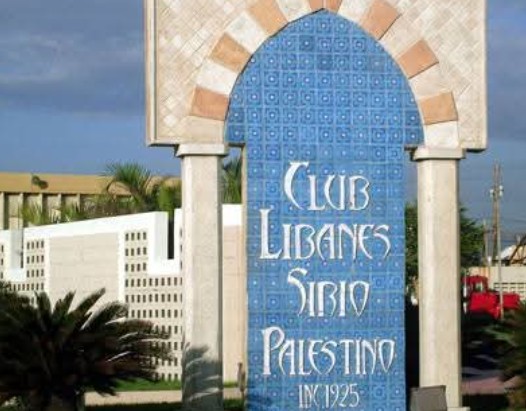
Lebanese Syrian Palestinian Club celebrates 100 years of cultural legacy in the Dominican Republic
Santo Domingo, Dominican Republic – The Lebanese Syrian Palestinian Club is commemorating its 100th anniversary this year, celebrating a century of cultural enrichment and community engagement. Established in 1925 by Middle Eastern immigrant families, the club has evolved into a vital cultural institution, fostering tradition, integration, and family unity across generations. This milestone underscores its enduring role as a cornerstone of cultural pride and solidarity in the Dominican Republic. To honor its centennial, the club has unveiled an extensive yearlong program packed with cultural, artistic, and philanthropic events. Highlights include the Lebanese, Syrian, and Palestinian Culture Festival on October 4 and 5, a belly dancing workshop on November 5, a charity bingo event on October 30, and a pop-rock concert featuring Aljadaqui, Neokarma, and 4ta Dimensión on November 1. December will bring a Christmas Bonus celebration, a White Party, and a grand New Year’s event, with further activities announced via the club’s social media channels. Yamil Attias, the club’s president, highlighted that the centennial not only celebrates the institution’s rich history but also pays tribute to the immigrant families who created a space dedicated to unity, solidarity, and cultural preservation. The festivities, hosted at the club’s headquarters in Santo Domingo, will extend throughout 2025, marking a century of brotherhood and cultural exchange.
-

International Forum to address mental health in the Dominican Penitentiary System
Santo Domingo is set to host the International Forum ‘Mental Health and the Penitentiary System’ on October 10 and 11, 2025, at the Pedro Henríquez Ureña National Library Auditorium. The event, coinciding with International Mental Health Day, is organized by ONAPREP in collaboration with the Regional Penitentiary Academy (ARP), the Prisons Forum, the Dominican College of Psychologists (CODOPSI), and the Dominican Association of Social Work Professionals (ADOPTRASOC). It will convene experts from Argentina, Spain, the United States, Guatemala, Puerto Rico, and the Dominican Republic.
Over two days, the forum will delve into critical issues surrounding mental health in prison environments. Discussions will explore the intersection of mental health and criminal justice, the biopsychosocial approach to behavior, youth risk factors, and the challenges faced by the Dominican penitentiary system. Additionally, international best practices for psychological care of inmates will be highlighted. Notable speakers include Elliot Palma, Juan Carlos Corzo, Carlos Fonfrías, Julio Santana Mariño, Juan Carlos Domínguez, Silvio Angelini, and Nubia Lluberes.
The opening ceremony will feature addresses from Dr. Víctor Atallah, Minister of Public Health; Roberto Santana, ONAPREP director; Elliott Palma, forum coordinator; and Yanis Mejía, coordinator of ONAPREP’s Health Department and CODOPSI president. The agenda includes keynote speeches, thematic panels, roundtable discussions, and the signing of the Ibero-American Declaration on Mental Health and the Penitentiary System, which will encapsulate the forum’s findings and recommendations. The event aims to foster collaboration among justice, health, and educational institutions, advocating for evidence-based public policies and human rights to enhance comprehensive care within prison systems.
-

Isabel Aguiar overpass to open Wednesday, improving traffic in Santo Domingo
The Isabel Aguiar overpass, a significant infrastructure project in Santo Domingo, is officially set to open on Wednesday, October 8, following an 18-month construction period. Located at the intersection with 27 de Febrero, the overpass aims to address chronic traffic congestion in the Pintura zone. With a total cost exceeding 2 billion pesos, the project was meticulously supervised by Minister of Public Works Eduardo Estrella. The 480-meter structure is designed to accommodate 70,000 vehicles daily, facilitating smoother travel from Pintura to Plaza de la Bandera. The overpass features five lanes—three east-west and two west-east—constructed with reinforced concrete, New Jersey-type walls, and post-tensioned beam bridges, enabling vehicles to travel at 50 km/h without traffic lights. Additionally, the project is expected to reduce travel times between Santo Domingo Oeste, the south, and the National District by up to 40%, while providing direct connections to the 6 de Noviembre Highway and the 27 de Febrero Extension. Minister Estrella also announced that the overpass will be complemented by a trench at Plaza de la Bandera, slated for completion by mid-2026, offering a long-term solution to traffic woes. The construction was funded through the Aerodom contract, with a focus on timely payments and efficient execution.