作者: admin

  • Two Major Water Facilities for Orange Walk

    Two Major Water Facilities for Orange Walk

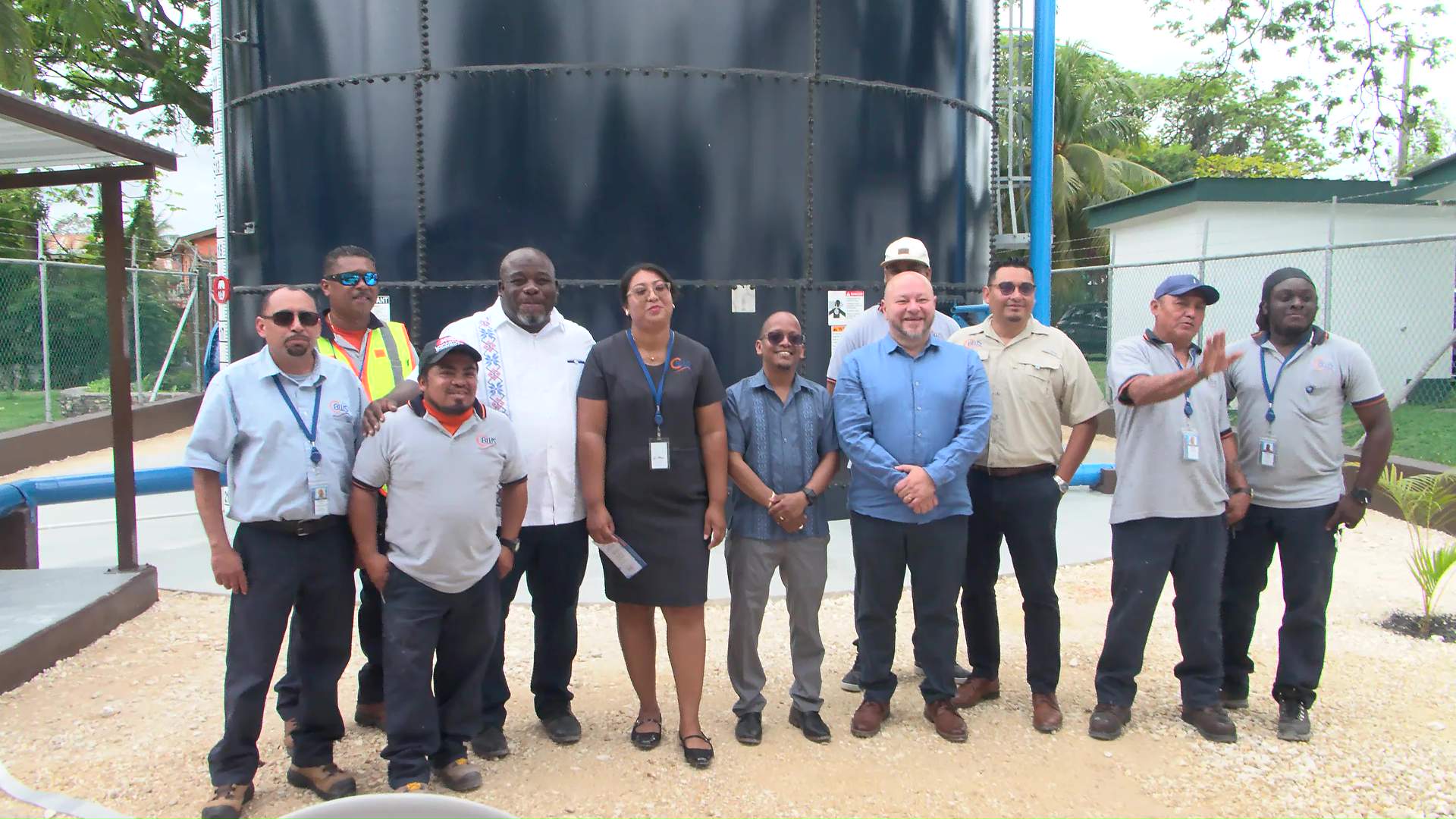
    Orange Walk Town is witnessing a transformative upgrade to its water supply infrastructure with the commissioning of two major facilities designed to address longstanding reliability issues and climate resilience. The project, a collaborative effort between Belize Water Services Limited (BWS) and government authorities, represents a significant investment in public utilities amid growing concerns over environmental pressures.

    The existing water system in Orange Walk has historically relied on a limited network of wells, several of which are now showing signs of deterioration due to climate change effects, including unusual salinity intrusion in inland sources. According to Cornelio Acosta, Executive Chairman of BWS, the town previously operated with minimal water reserves and no contingency systems when main lines failed. “We’ve seen climate change severely affect two of our main wells,” Acosta stated. “One has completely collapsed while another shows increased salinity—quite unusual for an inland location.”

    The new infrastructure includes a pumping station in Petville with a capacity of 300,000 gallons per day, supplementing the previously overburdened Clark Street pumps. Additionally, a new 50,000-gallon storage facility provides critical redundancy, capable of supplying water for up to three hours during outages, allowing technicians time to conduct repairs without immediate service disruption to residents.

    Michel Chebat, Minister of Public Utilities, emphasized the strategic importance of these developments: “These enhancements directly contribute to system reliability and resilience, particularly in the context of climate adaptation, ensuring consistent water delivery to Orange Walk residents.”

    Local officials, including Mayor Ladrick Sheppard, welcomed the improvements, noting that frequent breaks in aging infrastructure had long disrupted daily life and strained municipal resources. The upgrades mark a substantial step toward meeting both current demand and future challenges posed by environmental changes.

  • Omar Fernández marries Alexia Rubio in private ceremony

    Omar Fernández marries Alexia Rubio in private ceremony

    Santo Domingo, Dominican Republic – A prominent Dominican political figure has stepped away from the public eye to celebrate a major personal milestone. Senator Omar Fernández, representing the National District, has married his long-time partner Alexia Rubio in a quiet, heartfelt ceremony held this Thursday.

    The intimate gathering was restricted exclusively to the couple’s closest family members and inner circle of friends, aligning with the low-profile approach the pair has taken to their relationship since they first went public with their romance in 2025. For years, Fernández and Rubio have intentionally kept their personal connection out of mainstream media attention, a choice that has only stoked public curiosity around their private wedding celebration.

    Rubio, a respected Dominican professional, has built an established career across marketing, strategic communications, and sponsorship leadership. She currently holds the position of Sponsorship Manager at Banco de Reservas, widely known as Banreservas, one of the Dominican Republic’s leading financial institutions. In her role, Rubio takes charge of sponsorship audit processes, coordinates high-profile institutional events, and stewards the bank’s key strategic partnerships with external organizations.

    While Fernández’s public role keeps him firmly in the political spotlight, the wedding marks a rare personal moment that has drawn gentle attention from Dominican audiences, many of whom have extended well wishes to the newlyweds following news of the ceremony.

  • Act now to stay competitive, says BIBA president

    Act now to stay competitive, says BIBA president

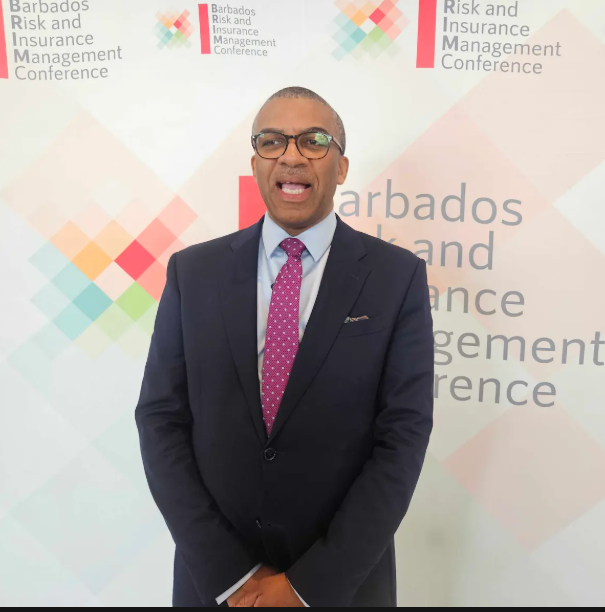
    At the sixth Annual Barbados Risk and Insurance Management Conference, BIBA President Marlon Yarde issued a stark warning that the nation risks strategic obsolescence without adopting proactive leadership in an increasingly volatile global environment. Addressing attendees at the Wyndham Grand Barbados on Thursday, Yarde emphasized that conventional risk assessment frameworks have become inadequate in addressing contemporary threats.

    The business leader identified multiple converging crises—including climate volatility, geopolitical instability, economic realignment, cyber threats, and technological disruption—as present operational realities rather than distant possibilities. Yarde asserted that these compound challenges necessitate a fundamental reimagining of organizational leadership, moving risk management from technical specialists to core executive responsibility.

    “Leadership in our current context is defined by decision-making under uncertainty,” Yarde stated. He cautioned that institutional hesitation carries substantial consequences, noting that deferred actions systematically erode both resilience and competitive positioning. “Not deciding is, in fact, a decision,” he emphasized. “Leaders are accountable not only for decisions made but equally for those they avoid.”

    The BIBA president outlined how postponed decisions trigger cascading effects: risks compound, opportunities diminish, costs escalate, and strategic advantages weaken. This dynamic proves particularly dangerous for small, open economies like Barbados that face disproportionate exposure to external shocks. Yarde stressed that building resilience requires deliberate, forward-looking strategies rather than reactive measures.

    Throughout the two-day conference, participants will examine practical responses to cyber vulnerabilities, climate exposures, and sovereign rating challenges. Yarde concluded that maintaining Barbados’ global business standing demands continuous reinvention through innovation, regulatory adaptability, and unequivocal action—emphasizing that effective risk management ultimately requires leadership that is both decisive and future-oriented.

  • Finance minister sets out “New Barbados” plan for digital economy, urban rebirth

    Finance minister sets out “New Barbados” plan for digital economy, urban rebirth

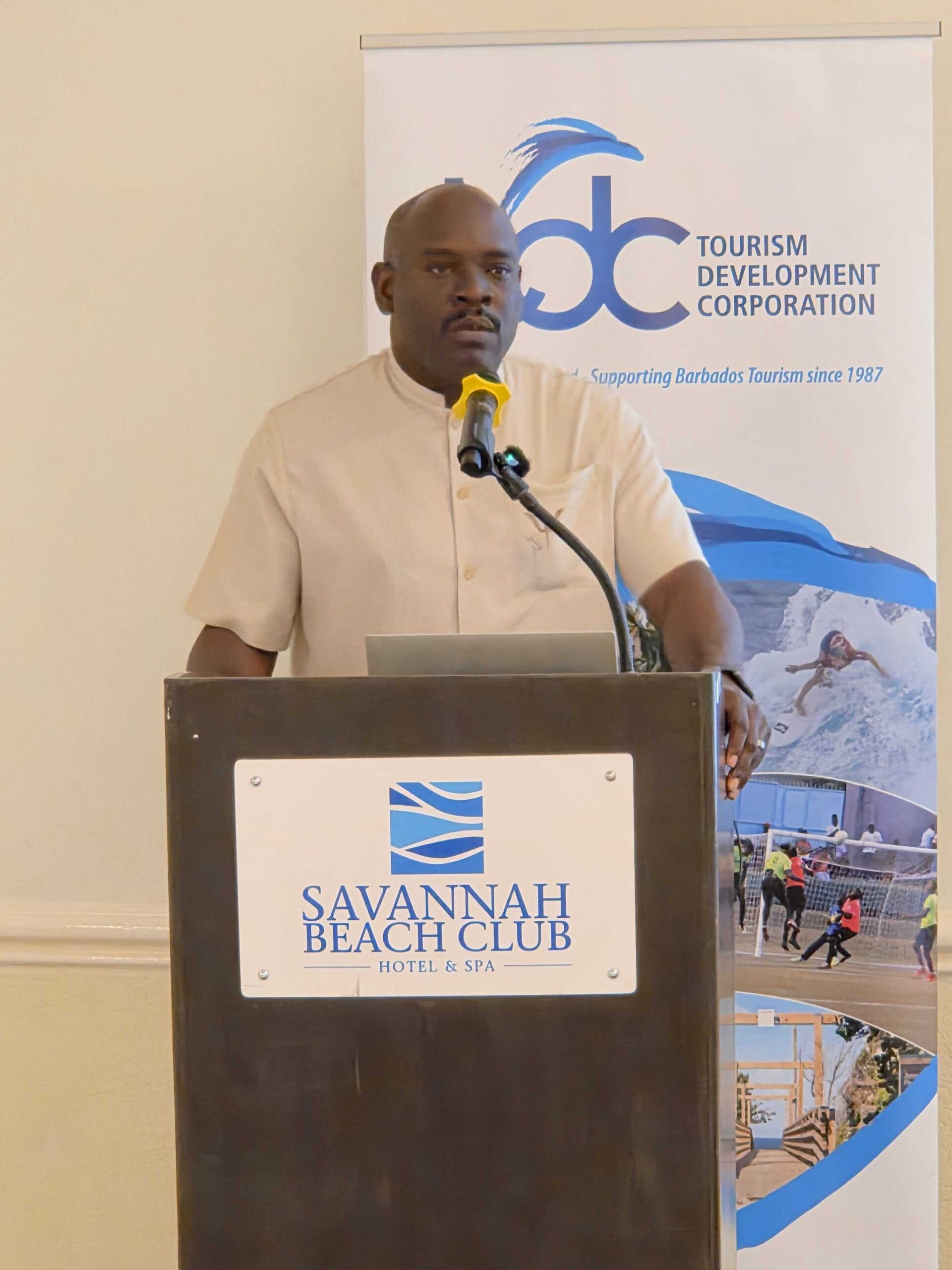
    Barbados has launched an ambitious national transformation strategy designed to double the size of its economy within the next decade. Finance Minister Ryan Straughn presented the comprehensive blueprint, which centers on three core pillars: digital sovereignty, urban regeneration of the capital city, and a reformed low-tax economic model.

    The announcement, made during the Tourism Development Corporation’s annual meeting, signals a fundamental shift in the nation’s development approach. Minister Straughn emphasized the critical need for rapid execution and national confidence during what he described as a “transformative moment” for the Caribbean nation.

    A cornerstone of the plan involves the comprehensive urban regeneration of Bridgetown, which the minister predicts will undergo a dramatic transformation within three to five years. The redevelopment strategy specifically aims to ensure local communities benefit directly from new hotel developments and commercial investments through improved public spaces and community enfranchisement.

    Digital transformation forms another critical component, with the upcoming launch of a “Smart Finance” platform in the next financial year. This system will digitize concession applications and eliminate administrative bottlenecks that currently hinder business efficiency. Minister Straughn articulated a vision where citizens no longer need to queue for government services, freeing time for higher-value activities.

    The tourism sector, acknowledged as the nation’s primary industry, will undergo strategic diversification to build long-term resilience. The government has charged Barbados Tourism Marketing Inc. with eliminating traditional seasonal downturns by targeting 70-80% capacity utilization during off-peak months through expanded outreach to Latin American, African, and Middle Eastern markets.

    To address demographic challenges, Barbados is preparing new immigration legislation to attract global talent while simultaneously implementing aggressive re-skilling programs for its domestic workforce. Minister Straughn envisioned creating a “virtual Barbados” that punches above its weight globally through system re-engineering and digital efficiency.

    The government reaffirmed its commitment to maintaining a low direct-tax environment to sustain investor confidence while completing ongoing fiscal repairs. The minister concluded with strong confidence in the nation’s potential to achieve its economic doubling target through sector-led growth and strategic partnerships.

  • Credit rating progress welcomed but investment grade ‘still out of reach’

    Credit rating progress welcomed but investment grade ‘still out of reach’

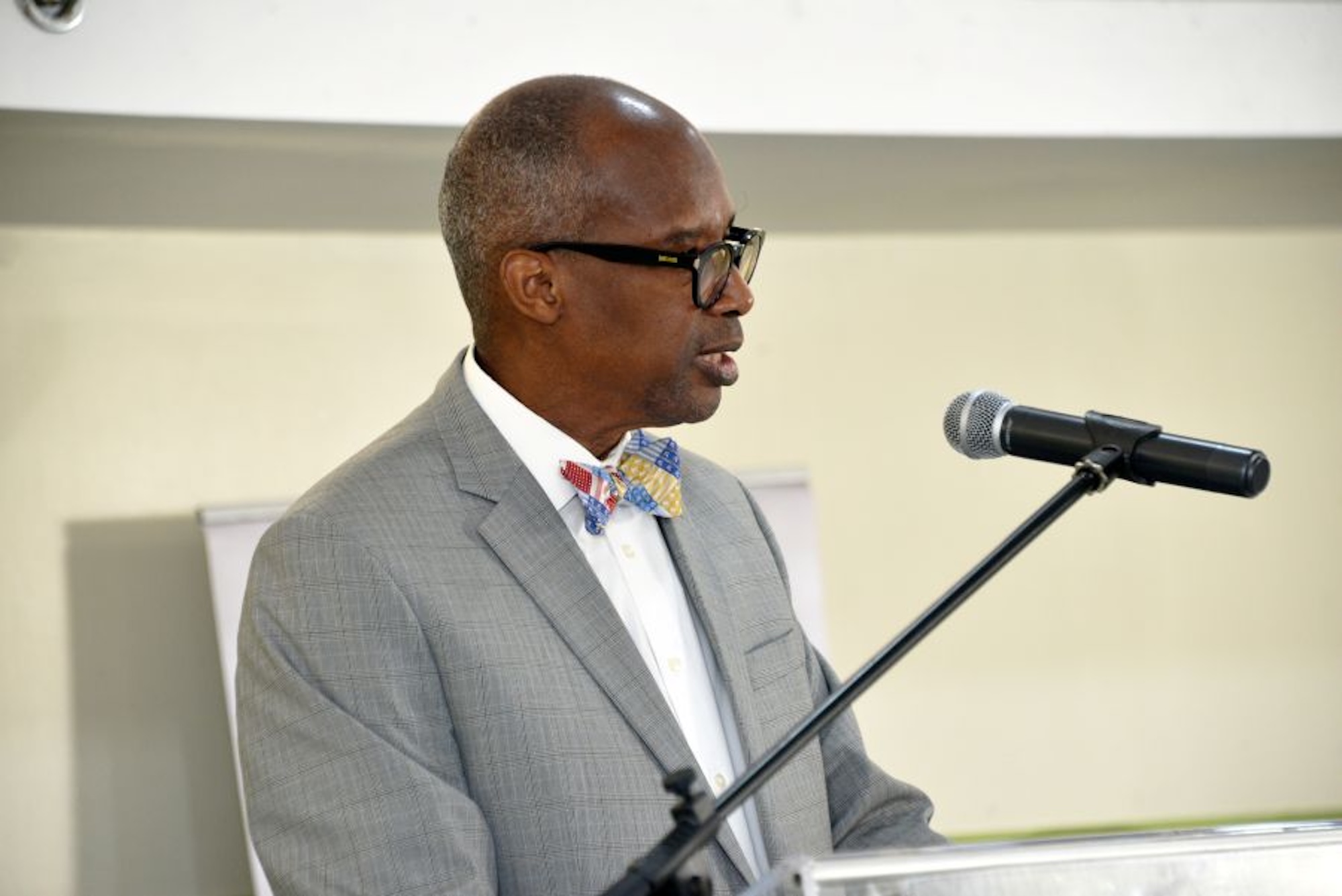
    Investment advisor Kelvin Dalrymple asserted Thursday that while Barbados continues to demonstrate macroeconomic progress through disciplined policymaking, the nation’s sub-investment grade rating continues to influence international investor perception. Speaking at the Sixth Annual Barbados Risk and Insurance Management Conference, the Ratings Advisory Clinic CEO provided nuanced analysis of the country’s financial standing.

    Dalrymple’s comments follow Moody’s April 2025 upgrade of Barbados’s long-term issuer rating from B3 to B2 with a stable outlook, a development widely interpreted as reinforcing the island’s economic recovery narrative. This improvement reflects sustained fiscal discipline under the Barbados Economic Recovery and Transformation (BERT) program, initiated in 2018 to stabilize public finances following a severe fiscal crisis.

    “Investment decisions transcend mere ratings,” Dalrymple explained. “They encompass broader perceptions of economic discipline and policy direction. As Barbados continues implementing policies that strengthen both its macroeconomy and general economic landscape, we anticipate increased investment attraction.”

    The CEO contextualized Barbados’s current position, noting the nation resides in the B category across all three major credit rating agencies—Standard and Poor’s, Moody’s, and Fitch—with at least two maintaining positive outlooks. “These outlooks indicate trajectory direction beyond mere rating levels,” Dalrymple emphasized. “Continued macroeconomic improvement suggests potential rating enhancements.”

    Dalrymple elucidated the practical implications of credit ratings, stating they directly determine borrowing costs on international markets. “Sovereign credit ratings represent opinions of creditworthiness that dictate borrowing capacity and interest rates. Higher ratings typically translate to cheaper international borrowing costs.”

    The investment advisor highlighted the lasting impact of economic reforms implemented under International Monetary Fund guidance. “The discipline cultivated during the IMF program continues benefiting Barbados. Existing and forthcoming policies should positively influence the country’s credit ratings.”

    While acknowledging Barbados’s positive direction, Dalrymple stressed that sustained progress hinges on consistent policymaking and holistic national effort. “Credit ratings constitute a whole-of-country exercise involving government, private sector, and citizens collectively understanding what ratings signify—and what they don’t.”

    Addressing government borrowing concerns, Dalrymple advocated for comprehensive assessment frameworks rather than isolated debt examination. “Borrowing affordability depends on multiple factors: sources, rates, tenure, and repayment periods. These elements must all be considered within the broader economic context.”

    The advisor declined to definitively assess current borrowing levels, characterizing the issue as dynamically evolving. He emphasized economic growth’s fundamental role in debt sustainability, noting that expanded GDP naturally reduces debt-to-GDP ratios, while stagnant growth amid high borrowing would necessitate governmental reassessment.

    Dalrymple concluded that Barbados’s continued policy discipline and economic growth remain imperative for credit profile improvement and enhanced investment attraction, despite measurable progress already achieved.

  • Villa Double Killing Leaves Community Shattered as Teen Couple Gunned Down in Broad Daylight

    Villa Double Killing Leaves Community Shattered as Teen Couple Gunned Down in Broad Daylight

    The Villa community was plunged into mourning Thursday following the execution-style killing of two teenagers in a brazen daylight shooting. Omari Lewis, 17, and his girlfriend Brianna Clark, 18, were fatally shot on Hunt Street in what authorities believe was a targeted attack from a moving vehicle.

    Residents discovered the victims lying side-by-side on the pavement, their young lives abruptly ended in a burst of violence that has left families shattered and a neighborhood confronting its vulnerability. The immediate aftermath saw emotional scenes as relatives arrived at the crime scene, with some collapsing in grief while others stood in traumatized silence against a backdrop of overwhelming anguish.

    Clark, who had been raised by her grandmother since childhood, represented a particularly profound loss for her family. The tragedy has exposed deepening concerns about firearm proliferation and street violence affecting vulnerable communities.

    Law enforcement has launched an intensive investigation, emphasizing the critical need for community cooperation to identify perpetrators. Prime Minister Gaston Browne, who represents the area parliamentarily, condemned the killings while highlighting the alarming prevalence of illegal weapons. He called for a comprehensive societal response that combines law enforcement action with addressing root causes of violent crime.

    Officials warned that without greater public involvement and sustained efforts to combat criminality, such incidents risk becoming increasingly common. The deaths mark another tragic chapter in ongoing struggles with gun violence, leaving communities to grapple with lasting trauma and unanswered questions as they search for both justice and prevention measures.

  • A War Far Away. A Ticket Price Here.

    A War Far Away. A Ticket Price Here.

    Amidst a turbulent global energy market triggered by the closure of the Strait of Hormuz, interCaribbean Airways is confronting significant operational challenges. This crisis emerges mere days after the airline celebrated the launch of five new nonstop routes from Barbados, marking a period of both expansion and adversity.

    In an exclusive interview, Chairman Dr. Lyndon Gardiner addressed the timing of these concurrent events. “It’s extraordinary timing, frankly,” Gardiner acknowledged. “But I’ll tell you what hasn’t shifted – the need for Caribbean people to move. A mother in Trinidad still needs to get to Barbados. A businessperson in Guyana still needs to reach Kingston. Our job is to be there for it.”

    The aviation executive elaborated on the practical implications of the fuel price spike, explaining that fuel constitutes the airline’s single largest operating cost, typically exceeding one-third of total expenses. Jet fuel prices have surged more than 40% since January, directly increasing the cost of every flight operation.

    Gardiner emphasized the Caribbean’s particular vulnerability to these global shifts: “We operate across 24 destinations, and nearly all of our fuel is imported. When global supply tightens, we feel it immediately, before the large carriers, before hedging strategies kick in.” He further detailed how the complex logistics of shipping, storing, and uplifing fuel at each station add substantial costs even before engines start.

    Despite these pressures, interCaribbean maintains its commitment to affordable regional travel. The airline avoids surge pricing models and includes one free bag – critical considerations for families transporting goods across islands. “We understand what regional travel actually is for Caribbean people,” Gardiner stated. “It is not a luxury. It is how families stay connected and how business gets done across this sea.”

    Regarding the Barbados expansion, Gardiner positioned Bridgetown as a natural hub at the intersection of the Eastern and Southern Caribbean with infrastructure capable of supporting serious regional connectivity. The newly launched routes connect Barbados directly to Port of Spain, Sint Maarten, Tortola, and Georgetown, reducing dependency on routing through international hubs like Miami or London.

    Gardiner’s message to Caribbean travelers remained resolute: “Travel. Don’t let uncertainty stop you from moving. This region has been through worse.” He referenced the airline’s operational continuity during COVID shutdowns and hurricane recoveries as evidence of regional resilience. “The world will keep shifting. That’s not new. What matters is whether this region can still move. We’re here to make sure it can.”

    interCaribbean Airways currently operates scheduled services across 18 countries and territories, serving 24 destinations throughout the Caribbean. The airline recently launched three new nonstop routes from Grantley Adams International Airport, Barbados, on March 8-9, 2026.

  • ABLP Barbuda Branch Calls for Immediate Implementation of 5% Salary Increase for Council Workers

    ABLP Barbuda Branch Calls for Immediate Implementation of 5% Salary Increase for Council Workers

    The Barbuda Branch of the Antigua and Barbuda Labour Party (ABLP) has issued a formal demand for the immediate execution of a previously authorized 5% salary enhancement for all Barbuda Council employees. This development follows the successful implementation of identical wage adjustments for government workers throughout Antigua and Barbuda, creating a significant compensation disparity between mainland and Barbudan public servants.

    ABLP Political Candidate Kendra Beazer emphasized the critical nature of equitable treatment across the nation’s public sector, stating that council workers form the fundamental infrastructure of Barbuda’s local administration and community service delivery. Beazer characterized the salary increase not as a discretionary benefit but as an entitlement that must be promptly honored.

    The political organization’s Barbuda division contends that this differential treatment establishes an unjust inequality that potentially erodes workforce morale and contradicts principles of good governance. The ABLP has called upon the Barbuda Council’s Finance Chair to align local compensation policies with national standards and demonstrate tangible commitment to employee welfare.

    This situation highlights ongoing administrative challenges in maintaining compensation parity across Antigua and Barbuda’s dual-island governance structure. The ABLP Barbuda Branch has reaffirmed its solidarity with local workers and urged expedited resolution to ensure equitable application of national commitments.

  • Suriname op rand van geschiedenis: cruciaal duel tegen Bolivia om WK-droom

    Suriname op rand van geschiedenis: cruciaal duel tegen Bolivia om WK-droom

    In what represents the most significant match in Surinamese football history, the national team prepares for an intercontinental playoff semi-final showdown against Bolivia tonight. The high-stakes encounter, scheduled for 7:00 PM Suriname time at Estadio BBVA in Monterrey, Mexico, will determine which nation advances to the final qualifying match for a coveted World Cup berth.

    Suriname stands merely two victories away from achieving what has previously been unattainable—the country’s inaugural qualification for the FIFA World Cup. The mathematical reality presents a binary outcome: victory secures advancement to the March 31st final against Iraq, while defeat terminates World Cup aspirations indefinitely. Should regular time conclude evenly, the match will proceed to extra time followed by penalty kicks if necessary.

    National team coach Henk ten Cate maintains unwavering confidence in Suriname’s breakthrough potential, emphasizing the collective support from the entire nation under the unifying motto “Bribi na krakti!” (Unity is strength).

    Suriname approaches the contest with mixed but promising preparatory results, including a decisive 4-0 victory against El Salvador, a 1-1 draw with Panama, and a 1-3 defeat against Guatemala. Their opponents, Bolivia, despite recent friendly match setbacks, present physically robust and experienced opposition with prior World Cup participation, most recently in 1994.

    The intercontinental playoffs feature six nations competing for two remaining World Cup slots: Suriname, Bolivia, Iraq, DR Congo, Jamaica, and New Caledonia. All matches are conducted on neutral territory in Mexico to ensure competitive fairness.

  • Author who lost sight finds vision through book

    Author who lost sight finds vision through book

    Barbados author Ralbert Ashton has transformed personal tragedy into a powerful narrative of hope with the official launch of his memoir “Blind but not Broken” at the Barbados Council for the Disabled’s headquarters. The Wednesday event at Harambe House, Garrison, marked the culmination of Ashton’s journey from darkness to enlightenment following his vision loss.

    Ashton revealed during his candid address that the immediate aftermath of his blindness plunged him into severe depression—a common but often unspoken challenge among the disabled community. “One of my first experiences when I went blind was depression,” Ashton shared, noting that many others he encountered reported similar psychological struggles.

    Remarkably, Ashton’s perspective underwent a profound transformation. “I see more now that I’m blind than I can see,” he stated, characterizing individuals with disabilities as everyday heroes who navigate complex challenges largely invisible to the broader population. He emphasized the often-underestimated daily difficulties: “Walking in the shoe, if you don’t know, it is indeed a struggle… it takes a lot to get through the day.

    The creative process of writing provided both therapeutic relief and purposeful direction for Ashton. He described memoir-writing as a healing mechanism and a vehicle for encouraging others to pursue their ambitions despite limitations. “I love to write. For me it’s therapeutic,” Ashton explained. “I think that persons out there who have goals and ideas can achieve those goals, and that is why I wrote the book.

    While uncertain about future publications, Ashton confirmed his commitment to continuing writing in some capacity. His current work is available for $20, with enhanced accessibility options in development. “We’re in the process of doing an audiobook and an eBook for those who are blind or visually impaired,” he announced.

    The launch garnered official recognition from Minister of People Empowerment and Elder Affairs Adrian Forde, who praised Ashton’s resilience as exemplary. Forde described the memoir as “a true embodiment of the courage, the resolve, the commitment, and of course the love and the energy needed in order to survive the test of time.”