作者: admin

  • PM Briceño Mediates Tensions Over Chiquibul Operations

    PM Briceño Mediates Tensions Over Chiquibul Operations

    Prime Minister John Briceño has personally intervened to mediate escalating tensions between environmental conservation groups and commercial operators in Belize’s protected forest reserves. The dispute centers around operational coordination and access rights within the ecologically sensitive Chiquibul Forest Reserves and Mountain Pine Ridge areas.

    At the heart of the controversy lies a conflict between conservation organization Friends for Conservation and Development (FCD) and commercial entity Bulridge Ltd. FCD claims that Bulridge has recently blocked their researchers from accessing critical Scarlet Macaw habitats, jeopardizing long-term conservation studies of the endangered species. The organization has raised concerns about potential environmental risks and inadequate coordination procedures.

    Prime Minister Briceño, however, presents a different perspective, emphasizing that the core issue revolves around safety protocols and operational coordination rather than intentional obstruction. Speaking about his direct involvement in mediation efforts, Briceño revealed that discussions have been ongoing since mid-2025, with the most recent high-level meeting occurring in July or August.

    The Prime Minister clarified that Bulridge holds official responsibility for managing access to the reserves, particularly given their commercial logging operations involving large timber transport vehicles. Briceño emphasized that safety concerns necessitate that all organizations operating within the reserves—including FCD researchers—must coordinate their activities with Bulridge to prevent accidents.

    A potential resolution appears to be underway through the identification of a new operational area for conservation activities near the Guatemala border bridge, where FCD may establish new headquarters in collaboration with the Belize Defence Force. Briceño also noted that both organizations are conducting parallel studies on Scarlet Macaw populations, suggesting that enhanced communication rather than restricted access would serve both conservation and commercial interests.

    The government-mediated solution involves ongoing coordination between Bulridge Ltd., the Forestry Department, and FCD to establish clear protocols that balance environmental research needs with industrial safety requirements in these protected natural areas.


  • PM Briceño Defends Blue Bond Marine Protections

    PM Briceño Defends Blue Bond Marine Protections

    BELIZE CITY – Prime Minister John Briceño has mounted a robust defense of marine conservation measures linked to Belize’s landmark Blue Bond agreement, confronting mounting concerns from fishing communities about potential economic impacts. The escalating debate pits traditional fishing livelihoods against long-term ecological sustainability goals.

    Fishing industry representatives and tourism operators have voiced strong objections to proposed expansions of marine protected areas, warning these measures could severely restrict access to vital lobster and conch fishing grounds. They argue such restrictions would jeopardize employment opportunities and undermine coastal community economies that depend on marine resources.

    In a detailed rebuttal, PM Briceño presented scientific evidence and practical case studies demonstrating how marine reserves ultimately benefit fishing industries. “If we consume all available resources today, we jeopardize tomorrow’s harvests,” Briceño stated emphatically. “Protected areas serve dual purposes: safeguarding marine biodiversity while simultaneously enhancing fish stocks through natural recovery processes.”

    The Prime Minister cited specific success stories, including the Port of Honduras marine reserve in southern Belize. He recalled initial opposition from fishing communities that has since transformed into support as fishermen observed tangible benefits. “Marine reserves function as nursery grounds where species mature and subsequently migrate to adjacent fishing areas, resulting in larger catches and improved sustainability,” Briceño explained.

    Highlighting the Glovers Reef Marine Reserve as another exemplary case, Briceño described how local guides now actively patrol and protect the area. “Community members themselves report significantly larger fish, conch, and lobster in waters surrounding protected zones,” he noted, emphasizing this community-led conservation approach.

    The government maintains that the Blue Bond initiative, which restructured Belize’s national debt to fund marine conservation, represents a transformative opportunity to balance ecological protection with economic prosperity. Officials have committed to ongoing dialogue with fishing communities to address concerns while advancing scientifically-backed conservation strategies.

  • PM Fully Backs 2026 Plans for National Bus Company

    PM Fully Backs 2026 Plans for National Bus Company

    Belize is accelerating toward a comprehensive transformation of its national transportation network with Prime Minister John Briceño’s unequivocal endorsement of the National Bus Consolidation Plan. The initiative, spearheaded by the National Bus Consolidation Advisory Committee since October, targets a complete operational launch in 2026, potentially as early as January.

    The modernization program represents a paradigm shift for Belizean public transit, focusing on three core improvements: passenger safety enhancements, terminal infrastructure upgrades, and the introduction of a new fleet of buses. Prime Minister Briceño specifically highlighted the government’s commitment to transitioning to electric vehicles as a cornerstone of the initiative.

    “We need to commend Minister Zabaneh for the work he has done,” stated Briceño, acknowledging the extensive consultation process. “He has been examining how we can introduce modern electricity-run buses to reduce our carbon footprint and decrease the cost of moving passengers across the country.”

    The Prime Minister contrasted the proposed system with current conditions, noting the inadequacies of existing transportation: “It’s unfair to passengers who must use old buses where they get dusty, get wet, and face breakdowns. This represents a positive change for Belize.”

    The government’s vision extends beyond mere vehicle replacement, envisioning a integrated national transportation company that provides comfortable, reliable, and environmentally sustainable transit options for Belizean commuters throughout the country.

  • PM Says Belizean Parliament is Relatively “Well-Behaved”

    PM Says Belizean Parliament is Relatively “Well-Behaved”

    In the wake of a physical altercation among Mexican legislators this week, Belizean Prime Minister John Briceño has characterized his nation’s parliament as comparatively “well-behaved.” The Mexican incident erupted during Monday’s congressional session when opposition lawmakers stormed the podium during debates concerning reforms to Mexico City’s transparency oversight agency. Video documentation revealed female legislators engaging in shoving matches and hair-pulling confrontations.

    The ruling Morena party defended the proposed reforms as essential operational streamlining measures, while opposition members accused the governing party of procedural violations. This international episode prompted Prime Minister Briceño to reflect on parliamentary conduct within Belize’s own legislative chambers.

    Briceño acknowledged that while Belizean lawmakers occasionally engage in heated verbal exchanges, physical altercations remain outside the realm of acceptable conduct. “It goes to show you how well behaved we are,” stated Briceño, referencing not only the Mexican incident but similar legislative conflicts across Asia and Canada, noting such occurrences happen “all the time” in Central America.

    The Prime Minister emphasized that despite occasional vigorous debates, Belizean parliamentarians maintain collegial relationships beyond their legislative duties. “We could argue with one another in the house, but when the thing [is] done, we are hugging one another,” Briceño remarked, highlighting the absence of physical confrontations in Belize’s political culture as a point of national distinction.

  • BCCI wants upgraded cargo system implemented at Port

    BCCI wants upgraded cargo system implemented at Port

    Barbadian businesses are facing severe financial strain due to chronic inefficiencies at Bridgetown Port, with the nation’s leading commerce organization revealing that congestion-related costs have reached alarming proportions. The Barbados Chamber of Commerce and Industry (BCCI) has issued an urgent call for accelerated implementation of a new cargo clearance system, citing an annual drain of approximately $19 million in foreign exchange through demurrage charges alone.

    Lalu Vaswani, Chairman of the BCCI Customs and Trade Facilitation Committee, emphasized during a recent press conference that these substantial additional costs are inevitably passed through supply chains to consumers, exacerbating the country’s cost of living crisis. The Chamber is now advocating for decisive government action with established timelines to achieve full pre-clearance implementation.

    The core solution proposed involves fundamentally redesigning Barbados’ trade facilitation framework through pre-clearance procedures that would allow customs documentation to be processed before vessel arrival. This approach could reduce clearance times from five days to 24-48 hours, significantly minimizing exposure to punitive demurrage fees that accumulate when containers are held beyond allotted timeframes.

    Vaswani identified aging port infrastructure, originally designed for significantly lower trade volumes, as a primary contributor to the congestion problems. The BCCI’s reform agenda includes establishing measurable targets, with an initial goal of achieving 50% cargo pre-clearance within twelve months of implementation to demonstrate tangible benefits.

    Further technological enhancements are planned, including an electronic single window system that would streamline approvals across multiple agencies through a unified portal. While acknowledging that external factors like volatile international shipping rates remain challenging, Vaswani noted that government intervention had previously helped mitigate some cost pressures by capping freight charges at historical levels.

    The Chamber insists on universal commitment from all stakeholders, emphasizing that partial participation would undermine the system’s effectiveness. This comprehensive port modernization initiative represents a critical step toward reducing inflationary pressures and enhancing Barbados’ trade competitiveness.

  • PM Commits to Completing Redistricting by End of 2026

    PM Commits to Completing Redistricting by End of 2026

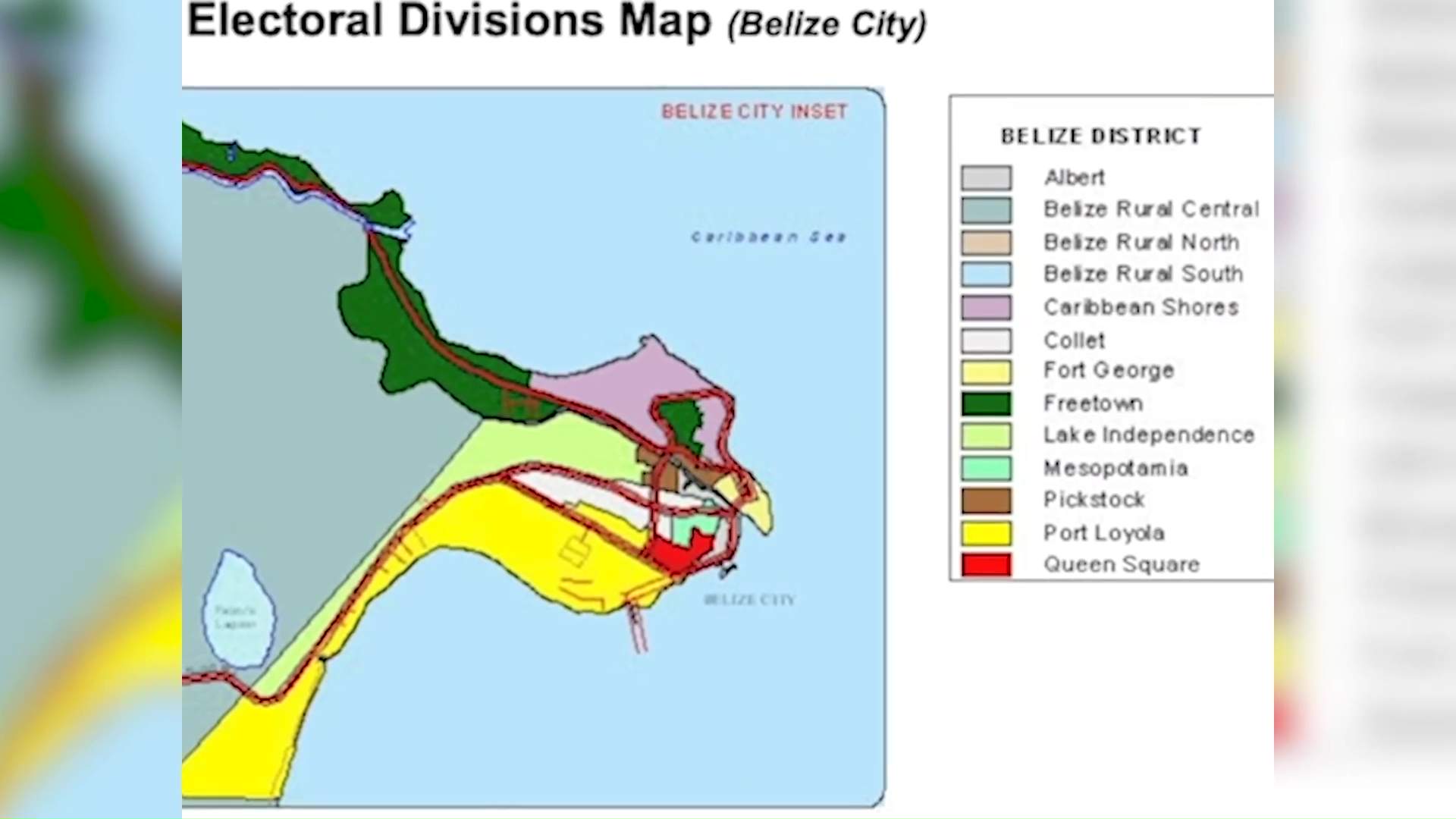
    Belizean Prime Minister John Briceño has formally recommitted to completing the nation’s long-awaited constituency redistricting process by December 2026. This constitutional mandate aims to rebalance voter representation across Belize’s thirty-one electoral districts, ensuring approximately equal population distribution in accordance with constitutional requirements.

    The redistricting initiative, stalled for multiple years despite governmental assurances, requires complex constitutional amendments alongside geographical boundary revisions. Prime Minister Briceño clarified the technical challenges during a recent address, noting constitutional ambiguities regarding seat allocation formulas and elimination procedures.

    “The constitutional framework lacks precise guidance on seat quantification, particularly concerning potential seat reductions in overrepresented regions like Belize City,” Briceño explained. He emphasized the distinction between total resident population counts versus registered voter numbers in redistricting calculations—a critical nuance requiring legislative clarification.

    The amendment process itself demands a minimum ninety-day procedural timeline once initiated. This commitment emerges against a backdrop of persistent public and political pressure to address representation disparities that have accumulated over successive electoral cycles. The government’s renewed timeline places the completion window beyond immediate electoral concerns, focusing instead on comprehensive constitutional compliance.

  • Belize’s Sugar Industry Faces Labor Crunch, Rising Costs

    Belize’s Sugar Industry Faces Labor Crunch, Rising Costs

    Belize’s vital sugar industry is confronting a severe operational crisis characterized by critical labor shortages and escalating administrative costs. During the previous harvest season, over 100,000 tons of sugarcane were abandoned to decompose in fields due to an acute lack of harvest workers. This agricultural dilemma persists despite the industry’s gradual transition toward mechanized farming methods, which hasn’t yet eliminated the essential need for manual laborers.

    Historically, Belizean farmers have relied on immigrant labor to address workforce deficits. However, industry representatives now report that work permit fees for foreign agricultural workers have surged from $50 to $200 monthly per worker, creating substantial financial pressure. This 300% cost increase has made legal workforce maintenance increasingly challenging for producers.

    Prime Minister John Briceño offers a contrasting perspective, asserting that the core issue isn’t financial but structural. He emphasizes that labor availability and bureaucratic processing delays represent the genuine obstacles rather than permit fees themselves. “The charges have always been there,” Briceño stated, “We have not raised any charges. I think more than anything else it’s the availability of manual labor.”

    The disagreement came to the forefront during recent discussions between sugar producers and government officials. Cosme Hernandez, General Manager of the Progressive Sugarcane Farmers Association, confirmed the matter was raised directly with Minister Martinez. Hernandez revealed that the permit fee structure remained at $50 for over five years before dramatically increasing to the current $200 monthly rate, creating financial strain for the past several growing seasons.

    Producers have proposed returning to the previous $50 fee structure as the most viable solution to maintain both workforce legality and operational viability. This developing situation threatens both Belize’s agricultural economy and its position in the global sugar market, with stakeholders urgently seeking resolution before further crop losses occur.

  • Belize Coast Guard Hosts Annual Christmas Luncheon

    Belize Coast Guard Hosts Annual Christmas Luncheon

    The Belize Coast Guard upheld its cherished annual tradition on December 19, 2025, by hosting a special Christmas luncheon to recognize the dedication of its personnel. In a symbolic role reversal, senior law enforcement leadership personally served meals to coast guard members as a gesture of appreciation for their year-round service. The event featured the distribution of awards and prizes to attendees, creating an atmosphere of camaraderie and mutual respect. Acting Commandant Captain Gregory Soberanis emphasized the significance of the tradition, noting that it reinforces the value and significance of every service member’s contributions. The ceremony served as a meaningful opportunity for leadership to express gratitude to the maritime professionals who respond to calls for assistance regardless of weather conditions or time of day. News Five media crew documented the festivities and conducted an exclusive interview with Captain Soberanis, capturing the spirit of appreciation that defines this holiday tradition within Belize’s coastal defense force.

  • PUMA Energy Gifts Christmas Hampers to Sixty Families

    PUMA Energy Gifts Christmas Hampers to Sixty Families

    In a heartwarming display of corporate citizenship, PUMA Energy Belize has continued its thirteen-year commitment to community support through its annual Christmas hamper distribution initiative. Partnering with the Yabra Community Policing Unit, the energy company provided comprehensive holiday meal packages to sixty families in the Caesar Ridge Road area on December 19, 2025.

    The program represents an evolution of the company’s longstanding community engagement efforts. Originally conceived as a children’s Christmas party hosting approximately eighty youth participants, the initiative underwent strategic adaptation during COVID-19 restrictions that prevented large gatherings. This pivot transformed the event into a practical grocery distribution program that has continued to deliver meaningful impact.

    According to Brenda Pascasio-Garnett, Retail Manager at PUMA Belize, each carefully curated hamper contains all essential components for a complete Christmas feast. The packages include quality poultry gift certificates redeemable for ham or turkey, flour for holiday baking, eggs, cranberry sauce, stuffing, and all necessary accompaniments for traditional holiday meals.

    The retail manager emphasized the broader significance of the initiative, stating: “We encourage everyone within their communities to extend generosity however possible—whether through financial contributions or in-kind donations. Not every family experiences the same level of abundance during the holiday season, and even modest gestures can significantly spread Christmas cheer among those facing economic challenges.”

    This corporate social responsibility program demonstrates how businesses can maintain meaningful community partnerships through adaptive strategies that address evolving circumstances while preserving the core mission of supporting vulnerable populations during celebratory seasons.

  • FLASH : Countries pledge up to 7,500 troops to the GSF in Haiti

    FLASH : Countries pledge up to 7,500 troops to the GSF in Haiti

    WASHINGTON – In a significant development addressing Haiti’s security crisis, U.S. Secretary of State Marco Rubio announced on December 19 that international partners have committed approximately 7,500 personnel to the newly established Gang Suppression Force (GSF). The announcement came during a press conference where Rubio revealed that the pledged forces substantially exceed the initial United Nations Security Council authorization of 5,500 troops under Resolution 2793.

    The robust international response follows a December 9 closed-door donor conference co-hosted by the United States and Canada at the United Nations headquarters. According to official statements, eighteen participating nations have committed personnel, financial resources, and technical expertise to support the multinational security initiative.

    This security deployment aims to counter heavily armed criminal factions that have seized control of approximately 80% of Haiti’s capital, Port-au-Prince. These gangs, reportedly equipped primarily with weapons smuggled from the United States, have expanded their territorial control into provincial areas, creating a devastating humanitarian emergency. The escalating violence has displaced an estimated 1.4 million Haitians from their homes and exacerbated severe food insecurity throughout the Caribbean nation.

    Secretary Rubio emphasized that international donors have demonstrated strong financial support for the security mission, though specific funding amounts were not disclosed during the announcement. The enhanced troop commitments reflect growing international concern about the stabilization of Haiti’s security situation and the urgent need to address the interconnected humanitarian crisis.