作者: admin

  • Brilliant proposal by Irfaan

    Brilliant proposal by Irfaan

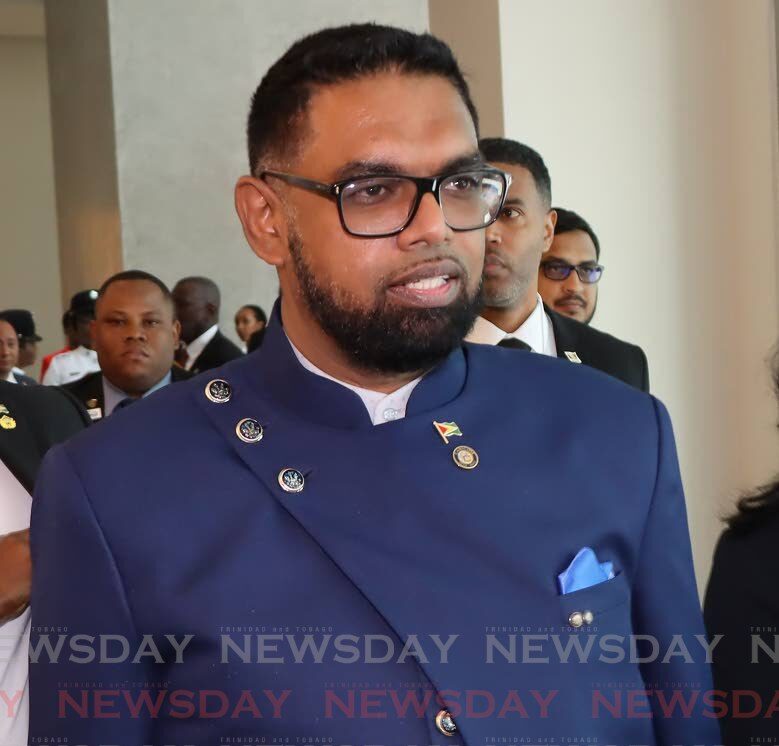
    In a bold geopolitical maneuver, Guyana President Dr. Irfaan Ali has garnered significant praise for his resolute pursuit of a cooperative agreement with the United States. This strategic partnership emerges against a backdrop of prolonged territorial tensions with Venezuela, which have intensified following renewed claims over the oil-rich Essequibo region.

    The historical context traces back to the 1899 Paris Arbitral Award, which definitively recognized Guyana’s sovereignty over Essequibo. Despite this settled matter, Venezuela has recently revitalized its expansionist ambitions, creating regional instability. The letter writer emphatically supports President Ali’s diplomatic approach, characterizing Venezuela as the Caribbean’s primary aggressor that has systematically engaged in moral brutality against Guyana while allegedly serving as a major conduit for narcotics and arms trafficking throughout the region.

    A particularly strategic proposition suggests incorporating a US military installation within the disputed territory as a permanent deterrent against Venezuelan aggression. Such presence would establish a definitive frontera—both physical and symbolic—protecting Guyana’s sovereignty while ensuring regional stability. This perspective gains credibility following Trinidad and Tobago’s recent acceptance of US radar infrastructure at Tobago airport, which has already demonstrated operational success through a landmark $171 million drug interdiction in the Caroni Swamp.

    The emerging US-Caribbean security architecture represents a pragmatic realignment against Venezuelan expansionism, with the author concluding that American partnership offers superior regional security outcomes compared to enduring Venezuelan threats. This geopolitical calculus positions military cooperation as essential for safeguarding Caribbean sovereignty and maintaining peace through demonstrated deterrence capabilities.

  • Shallow’s dilemma

    Shallow’s dilemma

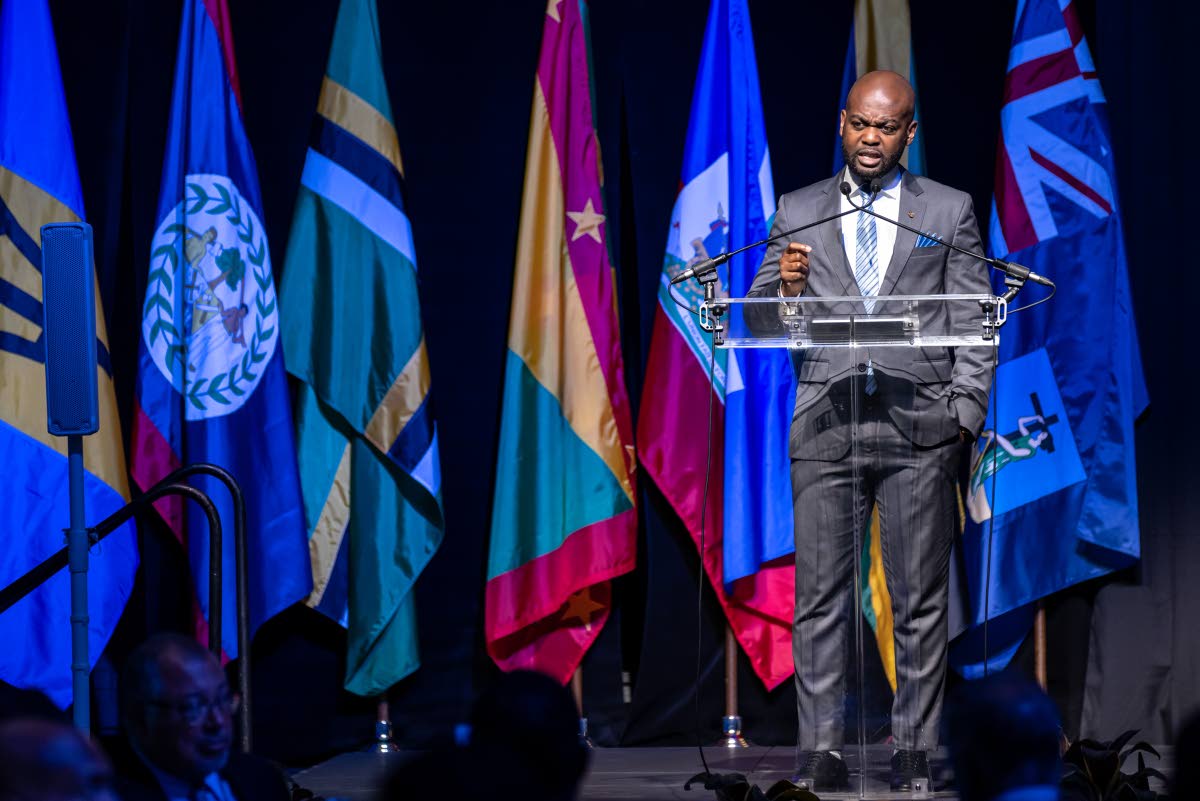
    A deepening crisis within Cricket West Indies (CWI) has sparked intense scrutiny of President Dr. Kishore Shallow’s leadership, with critics arguing his dual political role and poor decision-making have severely damaged Caribbean cricket.

    The core controversy centers on Shallow’s divided responsibilities between his elected parliamentary position in St. Vincent and the Grenadines and his CWI presidency. This dual commitment inevitably creates scheduling conflicts where governmental duties take precedence, leaving West Indies cricket administration neglected during a period of critical decline.

    Performance metrics under Shallow’s nearly three-year tenure reveal alarming regression. The West Indies team has consistently underperformed internationally, with critics highlighting disastrous personnel decisions including the controversial appointment of Daren Sammy as head coach and sole selector. This move proved particularly damaging after Sammy replaced Andre Coley, who had achieved notable successes including ending a 24-year victory drought against Australia in February 2024 and securing a series draw against Pakistan in early 2025.

    The administration’s tactical approach has drawn fierce criticism for lacking innovation or strategic vision. Rather than implementing new systems or development programs, Shallow’s leadership has maintained ineffective methods despite mounting losses and diminishing fan enthusiasm across the cricket-loving Caribbean region.

    Governance concerns extend to Shallow’s apparent failure to recognize his own limitations. Despite the team’s prolonged struggles and his acknowledged divided attention, he maintains confidence in his indispensability to CWI—a position critics describe as dangerously detached from reality.

    The article concludes that graceful resignation represents Shallow’s most honorable option, allowing fresh leadership to attempt rescuing West Indies cricket from its current trajectory toward irrelevance. The ultimate responsibility, analysts note, rests with leadership rather than players when organizations consistently fail.

  • Agriculture minister hosts children’s Xmas party

    Agriculture minister hosts children’s Xmas party

    In a heartwarming display of seasonal generosity, Minister of Agriculture and Fisheries Ravi Ratiram orchestrated a large-scale Christmas celebration for ministry staff families on December 21. The National Cycling Velodrome in Couva transformed into a festive wonderland, welcoming approximately 800 children for an afternoon of merriment and community bonding.

    The event exemplified the ministry’s dedication to staff welfare and family-oriented engagement practices. Minister Ratiram emphasized the significance of creating nurturing environments for children during his address, stating, ‘Christmas reminds us of what truly matters: family, love, kindness, gratitude and hope. When we invest in our children and create spaces where they feel valued and cherished, we are planting seeds for a stronger future for Trinidad and Tobago.’

    The celebration featured an array of entertainment including games, musical performances, and special surprises that delighted both children and parents alike. The minister personally acknowledged the crucial role that families play in supporting public officers, drawing a direct connection between domestic values and professional excellence.

    Ratiram also expressed profound appreciation for ministry staff, recognizing their commitment to national food security initiatives and sustainable agricultural development. He noted that the dedication shown by employees in their official capacities reflects the same values they demonstrate within their households.

    Concluding the festivities, Minister Ratiram extended heartfelt seasonal greetings to all attendees, wishing them a safe, joyful Christmas and prosperous New Year. The event successfully reinforced themes of unity, generosity, and goodwill that characterize the holiday season while strengthening institutional morale.

  • Avoiding aches, injuries during the holidays

    Avoiding aches, injuries during the holidays

    As Christmas approaches, a concerning trend emerges: countless individuals inadvertently pushing their bodies beyond limits through festive preparations. Dr. Nicole de Freitas, a seasoned physical therapist with 23 years of experience and clinical doctorate from the University of St Augustine for Health Sciences, warns that December’s intensified activities—from decorating to entertaining—create perfect conditions for physical strain and injury.

    Dr. de Freitas, owner of Total Rehabilitation Centre Limited in Trinidad and certified ergonomic specialist, emphasizes that ergonomics extends far beyond office environments. “Ergonomics represents the study between job characteristics and the worker,” she explains, noting that ‘job’ encompasses parenting, household management, cooking, and seasonal decorating. The Christmas period particularly amplifies both mental and physical demands, requiring heightened body awareness and movement intelligence.

    According to her research, most injuries occur when exhaustion sets in—typically late in the day when people override their body’s signals. The holiday combination of limited rest, alcohol consumption, and nutritional compromises creates a vulnerability cascade where bodies eventually “break down” without proper support.

    The specialist provides specific preventive strategies:

    For heavy lifting: Secure assistance for items exceeding 50 pounds, and break loads into manageable 20-25 pound segments. When retrieving overhead items, use sturdy ladders with staggered stance positioning.

    For decorating: Utilize stools for low-level work to avoid bending, maintain proximity to tasks, and alternate between sitting and standing positions during extended activities like gift wrapping.

    For cooking marathons: Segment tasks—sitting for vegetable chopping or leaf folding—and wear cushioned footwear with arch support rather than flat slippers. Avoid asymmetrical “stork standing” and practice knee bending instead of waist flexion when handling heavy turkeys or hams.

    For travelers: Acknowledge that seated positions increase spinal disc pressure significantly. Combat stiffness through frequent movement breaks, supplemental back support with towel rolls or pillows, and compression stockings for circulation. Maintain legroom for stretching and utilize neck pillows for additional support.

    For shoppers: Distribute weight through multiple trips, consider trolleys instead of carrying loads, and recognize when to pause.

    When injuries occur, Dr. de Freitas recommends immediate position changes followed by gradual movement within tolerable ranges—avoiding complete immobilization. Persistent pain beyond 48 hours, especially when accompanied by sharp sensations, weakness, or bladder/bowel control issues, warrants urgent medical attention.

    Her overarching philosophy: “Your best posture is your next posture.” Regular movement, maintained strength, nutritional density, and proper hydration collectively sustain the body machine. Most importantly, she reminds perfection-seekers that meaningful celebrations don’t require flawless execution—preserving one’s wellbeing ultimately defines successful holiday experiences.

  • US military activity plagues C’bean flights: Region on edge on land, sky and sea

    US military activity plagues C’bean flights: Region on edge on land, sky and sea

    The escalating geopolitical confrontation between the United States and Venezuela has introduced significant navigation challenges for Caribbean aviation, with GPS signal interference becoming a notable operational concern. Since December 16, US naval forces have established a maritime blockade around Venezuela, implementing electronic countermeasures that disrupt satellite navigation systems across the region.

    Despite Trinidad and Tobago’s proximity to Venezuela—merely seven miles distant—Caribbean Airlines (CAL) Chairman Reyna Kowlessar maintains that the airline’s operations remain unaffected by GPS jamming. In a December 22 statement, Kowlessar emphasized that comprehensive pre-flight checks ensure operational integrity, with no reported disruptions to CAL’s navigation systems.

    However, an experienced CAL pilot, speaking anonymously, revealed that while safety remains uncompromised, the intermittent GPS disruptions necessitate alternative navigation methods. Pilots increasingly rely on Very High Frequency Omni-Directional Range (VOR) systems and conventional navigation techniques, resulting in extended flight durations and increased fuel consumption. The pilot noted that typical five-hour flights to New York may now require six hours, creating economic inefficiencies without compromising safety protocols.

    A more pressing concern emerged regarding US military aircraft operating without activated transponders in Trinidadian airspace. The absence of these critical identification systems—which enable Traffic Collision Avoidance Systems (TCAS) to function—creates potential collision risks. This issue gained attention after a JetBlue pilot nearly collided with an unidentified military aircraft near Curaçao, prompting outrage within aviation circles.

    Air traffic control sources confirmed that while GPS disruptions remain manageable, the non-communication of military aircraft poses greater operational hazards. Retired Civil Aviation Director General Ramesh Lutchmedial provided historical context, referencing the 1983 Soviet shootdown of Korean Air Lines Flight 007 as precedent for why major powers typically avoid jeopardizing civilian aviation safety. Lutchmedial suggested that any active GPS jamming likely originates from Russian-supplied Venezuelan equipment rather than US systems.

    CAL leadership reaffirmed their commitment to safety-first operations, with continuous monitoring and adaptive route management ensuring passenger security amid regional tensions.

  • Kamla: No fears of economic impact from Caricom fallout

    Kamla: No fears of economic impact from Caricom fallout

    A significant diplomatic strain has emerged within the Caribbean Community (Caricom) as Trinidad and Tobago’s Prime Minister Kamla Persad-Bissessar publicly dismissed concerns about potential economic repercussions from the regional bloc. This development follows escalating tensions with Antigua and Barbuda Prime Minister Gaston Browne, who previously highlighted Trinidad’s substantial economic benefits from Caricom membership.

    Despite Browne’s December 21 Facebook post revealing Trinidad earned approximately US$1.1 billion from Caricom trade—including US$142 million in customs revenue under the Common External Tariff protection—Persad-Bissessar maintained an uncompromising stance. When questioned by Newsday about potential withdrawal from the regional organization, the Prime Minister responded via WhatsApp that “Withdrawal from Caricom has not been discussed by Cabinet” and asserted, “I am not worried about any economic impact.”

    The controversy stems from Persad-Bissessar’s apparent alignment with United States anti-narcotics operations targeting Venezuelan leadership, which critics characterize as sidelining Caricom’s zone of peace policy. This position has drawn sharp criticism from political opponents, including Port of Spain North/St Ann’s West MP Stuart Young, who labeled the Prime Minister’s approach as “reckless, unwarranted, dangerous and destructive.”

    Former foreign affairs minister and Opposition Senator Dr. Amery Browne emphasized the gravity of questioning Caricom’s integrity, noting the organization comprises 21 member states established in 1973. He warned that unsubstantiated accusations of narco-alignment represent serious allegations against multiple sovereign nations.

    In a conciliatory December 22 Facebook post, Prime Minister Browne struck a diplomatic tone, expressing affection for Trinidadian citizens while extending “season’s greetings” to his counterpart, suggesting ongoing efforts to de-escalate tensions within the regional community.

  • One year later, prayer service for missing Pete Phillip

    One year later, prayer service for missing Pete Phillip

    A solemn prayer service was held on December 22, 2025, at the La Romaine home of missing oil rig worker Pete Phillip, marking one year since his disappearance in a catastrophic rig collapse. The intimate gathering brought together immediate family members to commemorate the tragedy that presumably claimed Phillip’s life.

    The incident occurred in the early hours of December 22, 2024, when Well Services Ltd Rig 110 in the East Soldado Field suffered a partial structural failure during drilling operations. Among the 75 employees aboard, Phillip was the sole individual unaccounted for following the collapse. Despite extensive search and recovery efforts mounted immediately after the accident, his remains have yet to be recovered.

    Preparations for the memorial service were underway at the family home, where Phillip’s mother Patricia and sister Pauline coordinated meals for close relatives. As devout Pentecostals, the family made a collective decision to hold the prayer meeting despite the absence of a body or formal funeral proceedings.

    Pauline explained the family’s perspective: “We decided we had to mark the one-year anniversary. At least we can still put him to rest spiritually until we can recover his remains—whatever bones might be left.”

    Patricia Phillip, struggling with emotion, recalled receiving the devastating news while visiting her sister in New York. She immediately caught one of the first flights home, spending Christmas in Point Fortin during rescue operations, praying for her son’s safe return.

    The family continues to endure significant anxiety as recovery efforts remain stalled due to safety concerns regarding the unstable rig structure. Well Services Ltd has indicated they have a general idea of Phillip’s location within the wreckage but require specialized equipment from abroad to stabilize the structure before proceeding with recovery.

    A November 12 company release announced that a US-based contractor had arrived to undertake stabilization work and remove hazardous materials. The recovery of Phillip’s remains will commence once this initial phase is completed, though no specific timeline has been provided. The company has obtained necessary approvals from multiple regulatory agencies including the Environmental Management Agency and the Ministry of Energy.

    Family members have expressed frustration with the pace of recovery operations. Pauline stated, “I find they’re moving too slow. If this involved some minister or important person, they would have acted more quickly.” Patricia echoed this sentiment, suggesting that the response would have been different “if it was some big man, some big pappy.”

    Communication issues have compounded the family’s distress. The company has primarily engaged with Phillip’s wife, Candacy, as next of kin, leaving other family members feeling excluded from critical updates. “We just have to wait for whatever message we get from them,” Pauline lamented.

    Despite these frustrations, the family acknowledges the company’s support for Candacy and Phillip’s five children, including an 18-year-old son from a previous relationship. The company has provided educational support, weekly stipends, and home improvements for the family.

    Candacy, who was pregnant at the time of the accident, gave birth to Javon Pete Phillip in February—a son who will never know his father. The family now hopes recovery efforts might be completed before what would have been Phillip’s birthday on January 17.

  • Morris: US military radar undermining Tobago tourism

    Morris: US military radar undermining Tobago tourism

    A significant political dispute has emerged in Tobago regarding the impact of a US military radar installation on the island’s tourism industry. Minority Leader Kelvon Morris of the Tobago House of Assembly (THA) has declared that the radar system deployed at the ANR Robinson International Airport is substantially undermining Tobago’s tourism sector.

    Speaking at the unveiling of the PNM’s political platform on December 21, Morris, who serves as the PNM candidate for Darrel Spring/Whim in the upcoming January 12 THA election, presented concerning statistics showing international tourist arrivals plummeting from 1,988 in January to approximately 828 by May. He highlighted that even a highly anticipated jazz festival in April attracted only 972 visitors, far below projections.

    Morris attributed the tourism decline to multiple factors including airlift challenges, seasonal tourism patterns, and inadequate accommodations—issues he claims the ruling Tobago People’s Party (TPP) has failed to address over four years. The situation has been further exacerbated by the recent radar installation, which Morris states has already prompted three cruise ship cancellations and daily cancellations of flight and wedding bookings.

    The controversy extends beyond tourism into jurisdictional disputes. THA Chief Secretary and TPP leader Farley Augustine maintains he was never consulted about the radar installation before its implementation in November. Augustine asserts he should hold membership on the National Security Council (NSC), currently chaired by Prime Minister Kamla Persad-Bissessar.

    Former national security minister Gary Griffith has clarified that NSC membership is restricted to select cabinet ministers, excluding even heads of protective services. The political dynamics are further complicated by the TPP’s two MPs sitting with UNC backbenchers in Parliament, though no formal coalition exists between the parties.

    Prime Minister Persad-Bissessar first publicly acknowledged the radar’s existence on November 27, describing it as a Northrop Grumman G/ATOR system designed to enhance surveillance capabilities against narco traffickers and various security threats. At a recent public event, she condemned critics of the US military presence and warned that such criticism could jeopardize the US visas of approximately 350,000 Trinbagonians.

    The situation presents a complex intersection of national security priorities, local economic concerns, and international diplomacy that continues to evolve as Tobago approaches critical elections.

  • Emile Elias ordered to pay $5m to brothers

    Emile Elias ordered to pay $5m to brothers

    In a landmark ruling concluding one of Trinidad and Tobago’s longest-running familial legal disputes, the High Court has mandated the disbursement of over $5 million from court-held trust funds to settle decades-old costs between warring brothers. Justice Robin Mohammed delivered the decisive judgment that will see Joseph and Robert Elias receive payment from their brother Emile Elias’s share of their mother’s estate.

    The protracted legal conflict originated in 1985 with probate litigation concerning the estate of their father, Nagib Elias. The recent proceedings centered on enforcing costs orders from litigation in both 1985 and 1995. The judgment creditors, Joseph and Robert Elias, acting as executors of their father’s estate, sought recovery of $4.9 million in outstanding costs that they claimed Emile had persistently refused to pay.

    Justice Mohammed’s ruling established crucial legal precedents regarding limitation periods, determining that the Limitation of Personal Actions Ordinance—not the Limitation of Certain Actions Act—governed the dispute. This finding enabled the recovery of both principal amounts and accrued interest dating back to the original proceedings.

    The court quantified the debt at a principal sum of $1,578,482.27 as of 2012. Following a partial payment of $400,000 in 2016, the outstanding principal stood at $1,178,482.26. The court calculated accrued interest at $3,892,677.74 as of December 9, with daily interest continuing to accumulate at $161.43.

    The enforcement mechanism targeted Emile Elias’s entitlement to a one-fourth share (US$983,505.50) of a trust established under the will of Linda Elias, which had been paid into court earlier this year pending resolution of these proceedings.

    Justice Mohammed rejected Emile’s limitation defense, noting that acknowledgments and partial payments had effectively restarted any limitation period. Both parties agreed that appointing a receiver was unnecessary since the funds were already under court control.

    The court awarded costs to the judgment creditors at a discounted rate of 75 percent, citing missed settlement opportunities and the unfortunate familial nature of the dispute. Justice Mohammed expressed hope that this ruling would finally conclude the four-decade legal battle between the brothers.

    Legal representation included Deborah Peake, SC, Ravi Heffes-Doon and Samuel Harrison for Joseph and Robert Elias, while Douglas Mendes, SC, Jason Mootoo, SC and Adrian Byrne represented Emile Elias.

  • Bestial behaviour

    Bestial behaviour

    The recent killing of a protected ocelot in Grande Riviere has sparked outrage and concern among conservationists in Trinidad. This incident highlights critical gaps in wildlife protection and enforcement mechanisms despite substantial government investment in preservation strategies.

    Trinidad’s ocelot population represents a unique evolutionary case study. Unlike their mainland counterparts, these wild cats evolved without competition from larger carnivores like jaguars or pumas, having become isolated when rising sea levels separated Trinidad from the South American continent millennia ago. This distinctive biological heritage makes their conservation particularly significant.

    Disturbing evidence emerged when activists discovered a slain ocelot containing eight shotgun slugs upon examination by University of the West Indies veterinarians on December 17. Social media circulated images of the magnificent creature with its distinctive black, brown, and cream fur markings, drawing public attention to the incident.

    Environmental experts suggest hunters may be targeting ocelots to boost agouti populations, demonstrating a fundamental misunderstanding of ecological balance. While not universally classified as endangered, anecdotal evidence indicates declining ocelot numbers due to human activities, with this incident providing troubling confirmation.

    The situation raises serious questions about the implementation of the government’s $160,000 ocelot management plan developed by the Ministry of Planning and Development. Conservationists now question whether these protections exist merely on paper rather than being actively enforced.

    Commentator Paolo Kernahan observes that such incidents reflect broader educational deficiencies regarding environmental stewardship. This knowledge gap leads to destructive behaviors that ultimately undermine both biodiversity and economic potential.

    Paradoxically, the October budget emphasized tourism development through initiatives like the “Turtle Tourism Capital” project, promoting integration of “culture, conservation and community.” Wildlife protection represents not just an ecological imperative but also an economic opportunity that requires serious enforcement measures to prevent such counterproductive actions.