作者: admin

  • PM Friday meets with Taiwan envoy despite NDP’s 2016 policy

    PM Friday meets with Taiwan envoy despite NDP’s 2016 policy

    The newly elected administration of Prime Minister Ralph Gonsalves Friday in St. Vincent and the Grenadines (SVG) has initiated a series of diplomatic engagements that have drawn significant attention to the nation’s foreign policy direction. These developments occur against the backdrop of the New Democratic Party’s (NDP) previously stated 2016 position advocating for a shift in diplomatic recognition from Taipei to Beijing.

    Following the NDP’s decisive 14-1 electoral victory on November 28, which ended the Unity Labour Party’s two-decade tenure, the government has embarked on an intensive diplomatic outreach program. Prime Minister Friday and Foreign Minister Fitzgerald Bramble have conducted multiple high-level meetings with international representatives, including Taiwan’s Ambassador Fiona Huei-Chun Fan, U.S. Deputy Chief of Mission Karin Sullivan, and several Latin American diplomats.

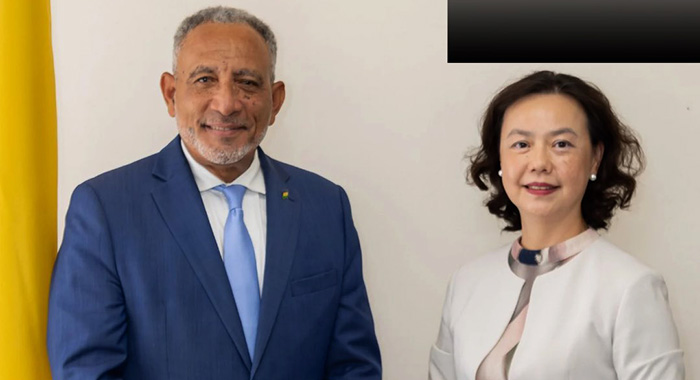
    The December 12 meeting between Prime Minister Friday and Taiwanese Ambassador Fan generated particular interest given the NDP’s historical stance. The government characterized these discussions as focusing on “various matters touching and concerning the way forward for SVG, with the generous assistance from both nations.” This careful phrasing maintains diplomatic ambiguity while acknowledging continued engagement.

    Simultaneously, the administration has strengthened ties with other key partners. Meetings with U.S. officials reaffirmed Washington’s commitment to “strong and constructive bilateral cooperation,” while discussions with Cuban Ambassador Carlos Ernesto Rodríguez Etcheverry emphasized strengthening “enduring bilateral relationships” and expanding investment opportunities.

    The government further demonstrated its regional commitment by participating in the 25th ALBA-TCP Summit on December 14, though Kingstown registered a procedural reservation regarding the final declaration due to insufficient review time. This move highlights the administration’s careful approach to international agreements during its transition period.

    Notably absent from any government statements has been explicit confirmation or denial of maintaining ties with Taiwan, despite campaign suggestions by political opponents that the NDP would pursue diplomatic recognition switch to Beijing. The administration’s deliberate diplomatic calibration suggests a potentially nuanced approach to international relations during its early governance phase.
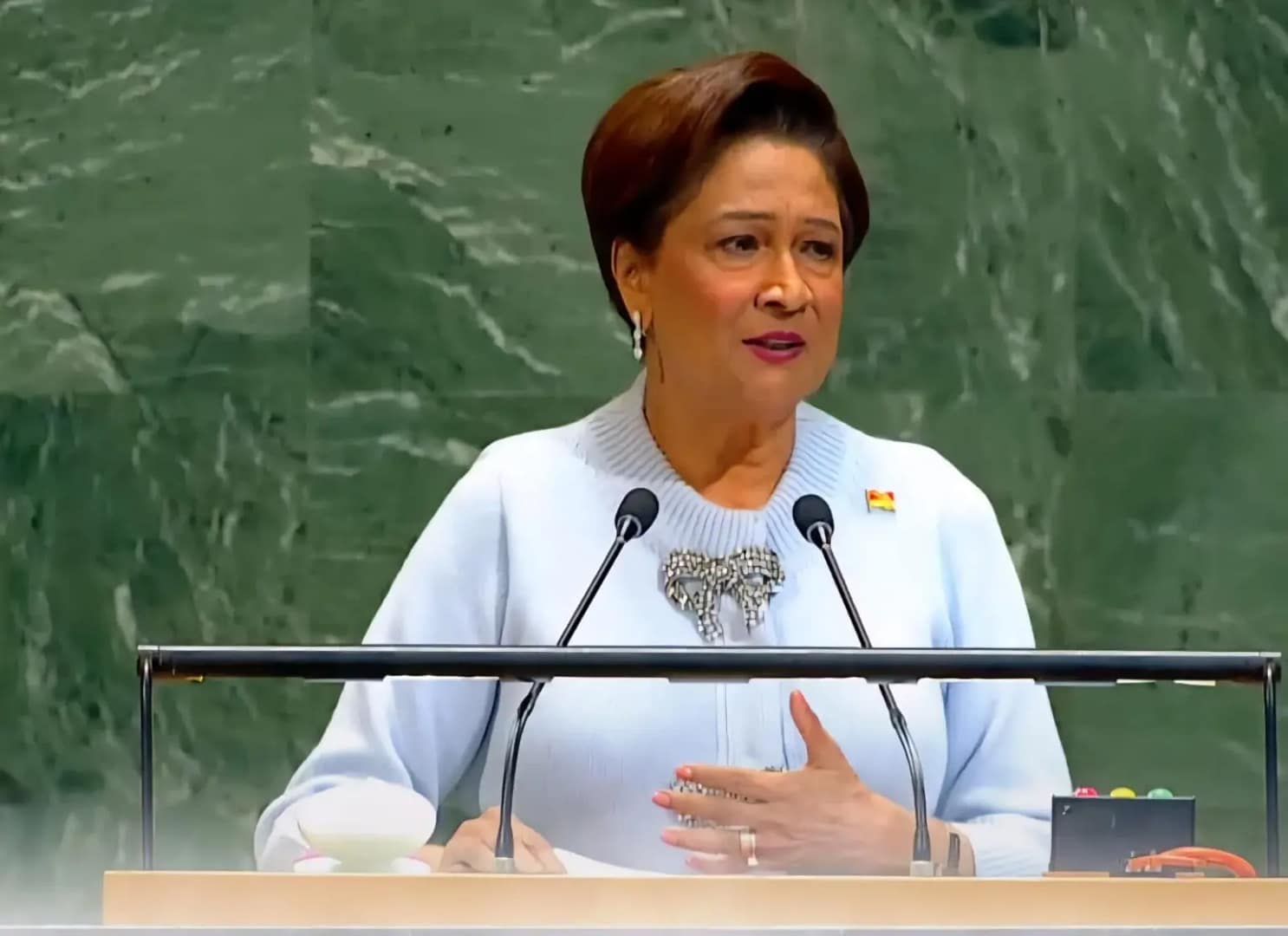

  • Persad-Bissessar Tells Browne to Focus on U.S. Visa Restrictions Facing Antiguans

    Persad-Bissessar Tells Browne to Focus on U.S. Visa Restrictions Facing Antiguans

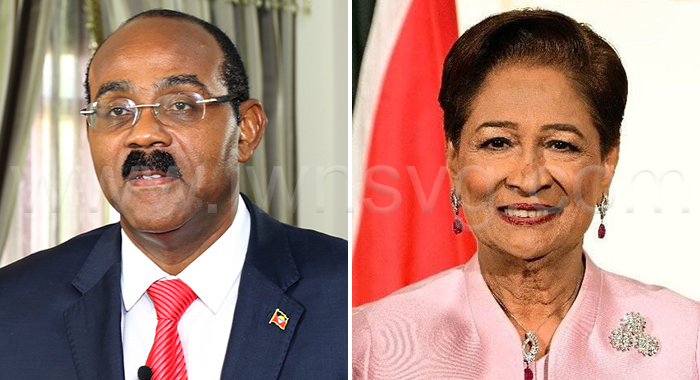
    A significant diplomatic confrontation has emerged within the Caribbean Community (CARICOM) as Trinidad and Tobago’s Prime Minister Kamla Persad-Bissessar launched a scathing critique against regional leadership and their perceived alignment with Venezuela’s government. The political firestorm ignited when Persad-Bissessar directly challenged Antigua and Barbuda Prime Minister Gaston Browne to address U.S. visa restrictions affecting his citizens rather than engaging in regional diplomacy.

    In a striking departure from CARICOM’s unified stance, the Trinidadian leader accused the regional bloc of effectively supporting the administration of Venezuelan President Nicolás Maduro, whom she characterized as presiding over a regime responsible for the imprisonment and elimination of thousands of political opponents. Persad-Bissessar specifically rejected CARICOM’s official ‘zone of peace’ policy, describing it as a strategic façade designed to remove American military presence from the Caribbean region, thereby enabling Maduro’s continued hold on power.

    The Prime Minister further highlighted escalating regional security concerns, referencing Venezuela’s persistent territorial claims against Guyana and recent statements suggesting Trinidad and Tobago might be considered Venezuelan territory. These developments, according to Persad-Bissessar, demonstrate clear security threats that CARICOM has failed to adequately address through its current diplomatic approach.

    Emphasizing national sovereignty over regional consensus, Persad-Bissessar stated her primary obligation remains protecting Trinidad and Tobago’s citizens rather than maintaining diplomatic harmony within CARICOM. The organization has yet to issue an official response to these allegations, which represent one of the most significant public challenges to CARICOM’s unified diplomatic position in recent years. This confrontation occurs amid ongoing tensions between Caribbean nations and the United States regarding regional security cooperation and immigration policies.

  • Four Norman Manley Law School Graduates Formally Called to the Bar

    Four Norman Manley Law School Graduates Formally Called to the Bar

    In a significant milestone for Jamaica’s legal community, the Norman Manley Law School celebrated the formal induction of its latest cohort of graduates into the legal profession on December 15, 2025. Presided over by Justice Ann-Marie Smith, the ceremonial proceedings at the Supreme Court represented the culmination of rigorous academic and practical training required for legal practice in Jamaica.

    The call to the bar ceremony serves as both a professional rite of passage and official authorization for graduates to practice law within Jamaican jurisdictions. This traditional proceeding acknowledges the completion of intensive legal education and prepares new attorneys for their upcoming roles within the justice system.

    Four distinguished graduates received formal recognition during the ceremony: Ravi Davis, Tia Dunnah, Rhynyce Robinson, and Sage Quinn. Each graduate has successfully navigated the demanding curriculum of the Norman Manley Law School, widely regarded as the Caribbean’s premier institution for legal education.

    The event underscores Jamaica’s ongoing commitment to maintaining high standards within its legal profession while ensuring a steady influx of qualified practitioners to serve the nation’s judicial needs. Family members, faculty, and established legal professionals attended the ceremony to witness the transition of these graduates from academic scholars to practicing officers of the court.

  • Statement by OECS Commission on the US Visa Proclamation for Citizens of Antigua and Barbuda and Dominica

    Statement by OECS Commission on the US Visa Proclamation for Citizens of Antigua and Barbuda and Dominica

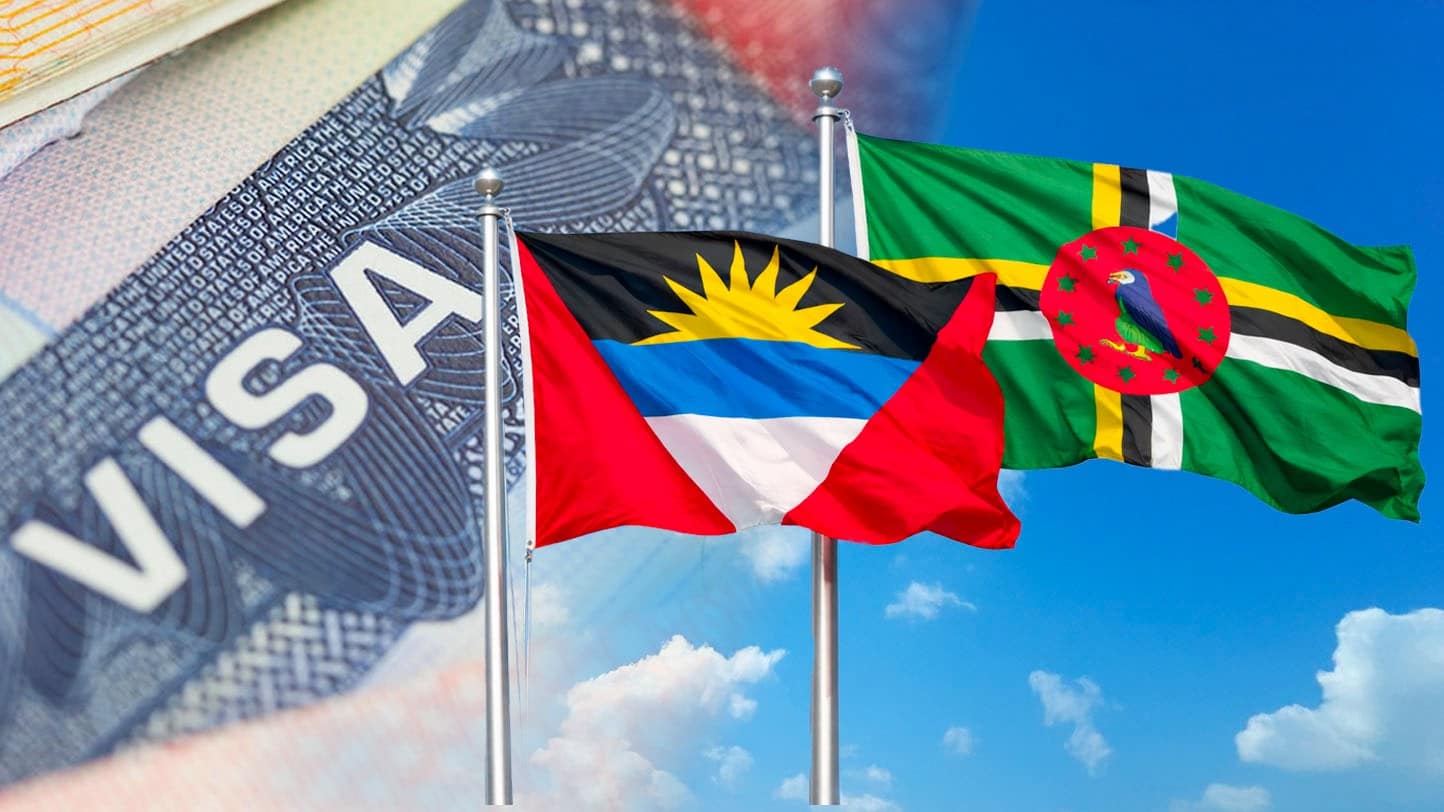
    The Organisation of Eastern Caribbean States (OECS) Commission has issued a formal statement expressing unwavering solidarity with the governments and citizens of Antigua and Barbuda and Dominica following the United States’ decision to revoke visa privileges for certain categories of their nationals. While acknowledging America’s sovereign right to implement immigration and border security policies, the regional body emphasized the need to consider such measures within the context of the historically cooperative relationship between the Caribbean and the US.

    The OECS highlighted the substantial contributions of Caribbean nationals to American society, noting their integral role in healthcare, education, construction, entrepreneurship, and public service. The diaspora from these nations has consistently demonstrated law-abiding behavior and civic engagement, strengthening communities across the United States.

    Economic interdependence between the Eastern Caribbean and the US was underscored, with the United States remaining a primary trading partner, investor, tourism source market, and development ally. These connections are maintained through continuous diplomatic engagement, private-sector collaboration, and structured dialogue on shared concerns including financial integrity and border security.

    Regarding Citizenship by Investment Programs (CIPs), the OECS revealed that member states have been actively engaged in technical, solutions-oriented discussions with US agencies and international partners. Significant progress has been made in enhancing due-diligence systems, improving information-sharing protocols, tightening eligibility standards, and establishing a regional independent regulatory authority to ensure compliance with international best practices.

    The organization emphasized that for small island developing states, CIPs represent crucial lawful instruments for financing resilience-building, disaster adaptation, and sustainable development without creating debt. These programs have supported critical public investments in infrastructure, education, health systems, renewable energy, and social resilience—areas that directly contribute to regional and hemispheric stability.

    The OECS respectfully urged consideration of the unique vulnerabilities and limited economic diversification options available to small Western Hemisphere states. The commission advocated for a collaborative, consultative approach grounded in dialogue and shared responsibility as the most effective pathway to addressing security concerns while preserving long-standing partnerships.

    Reaffirming its commitment to continued engagement with the US government, the OECS expressed confidence that through sustained dialogue and evidence-based collaboration, solutions could be developed that balance security objectives with the developmental realities of small, open economies. The organization stands firmly with Antigua and Barbuda and Dominica, reiterating its collective resolve to maintain the Eastern Caribbean as a region defined by good governance and constructive international engagement.

  • DSB zet stevig in op digitaal bankieren met nieuwe online diensten

    DSB zet stevig in op digitaal bankieren met nieuwe online diensten

    Suriname’s financial landscape is undergoing a significant digital transformation as De Surinaamsche Bank N.V. (DSB) unveils a comprehensive suite of innovative banking solutions. The institution has launched cutting-edge services including real-time ATM status monitoring and an AI-powered WhatsApp chatbot, marking a substantial leap in digital banking accessibility for its customers.

    The bank’s technological advancements include the DSB Buddy, an artificial intelligence chatbot available 24/7 via WhatsApp (+471100), providing instant information about various products and services. Additionally, the bank introduced the Corporate Prepaid Card, enabling employees to make company-approved payments seamlessly.

    These innovations have yielded remarkable results: DSB recorded 23,000 new accounts opened through September, while online banking users surged to 100,138—a significant increase from 76,510 in 2023 and 87,650 in 2024. The growth demonstrates the successful adoption of digital banking services among Surinamese consumers.

    During a press conference at their headquarters, DSB’s management elaborated on these developments while presenting their 2024 financial results. Among the standout innovations is the Digital Personal Loan platform, which enables completely paperless loan applications, processing, and signing through the same WhatsApp number used for the AI chatbot.

    The bank also unveiled a new compact Point-of-Sale (POS) device that enhances payment convenience through paperless transactions. The device sends electronic receipts via email, eliminating traditional paper receipts.

    The Corporate Prepaid Card has gained particular traction among larger corporations, allowing employees to cover business-related expenses with easily reloadable cards. Meanwhile, the reintroduced Easy Card enables international online payments from any location with internet access, requiring a USD checking account with a monthly limit of $2,000 and an annual fee of $50.

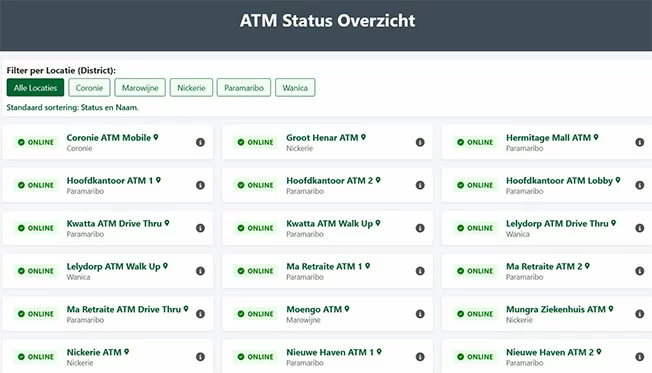
    For customers preferring cash transactions, DSB launched the online ATM Status Overview (atm.dsb.sr), providing real-time visibility of all DSB ATMs nationwide, indicating which machines are operational, out of service, or empty.

  • Antigua PM disputes statements by his Trinidad counterpart

    Antigua PM disputes statements by his Trinidad counterpart

    A significant diplomatic dispute has emerged within the Caribbean Community (CARICOM) as Antigua and Barbuda’s government has issued a formal rebuttal to Trinidad and Tobago Prime Minister Kamla Persad-Bissessar’s characterization of the regional bloc as “unreliable” and “dysfunctional.”

    Prime Minister Gaston Browne delivered a comprehensive response challenging Persad-Bissessar’s assertions, emphasizing that her comments warranted “a measured response grounded in facts, respect, and the long history of Caribbean cooperation.” The exchange represents one of the most public disagreements among CARICOM leadership in recent years.

    The core of the disagreement stems from Persad-Bissessar’s statement that CARICOM had “lost its way” by criticizing United States visa policies while maintaining relations with Venezuela’s government under Nicolás Maduro. She specifically distanced Trinidad and Tobago from CARICOM’s position regarding U.S. travel restrictions imposed on nationals from Dominica and Antigua and Barbuda.

    Prime Minister Browne presented substantial economic data to counter the reliability claims, revealing that Trinidad and Tobago had generated over US$1.1 billion in foreign exchange from CARICOM trade in 2024 alone. He highlighted that Trinidad maintains CARICOM’s only consistently positive trade balance since the organization’s founding in 1973, with the bloc serving as its second-largest export market after the United States.

    The Antiguan leader detailed how CARICOM members had collectively forgone approximately US$142.7 million in customs revenue through the Common External Tariff system, specifically to protect Trinidad and Tobago’s manufacturing sector. “This economic sacrifice,” Browne noted, “has been borne by Caribbean consumers in the spirit of regional solidarity.”

    Beyond economic cooperation, Browne emphasized CARICOM’s role in addressing regional security challenges, noting that the organization’s security mechanisms and intelligence sharing have been “an essential pillar” in combating Trinidad’s significant organized crime problems.

    The diplomatic tension emerged after the U.S. temporarily restricted visas for nationals from Antigua and Barbuda and Dominica—a decision later suspended following diplomatic representations. Persad-Bissessar had warned Caribbean nations about “bad-mouthing” the U.S., suggesting Antigua and Dominica faced consequences for their foreign policy positions.

    Browne categorically rejected claims that Antigua had disparaged the United States, stating “no evidence has been offered because none exists.” He emphasized his country’s “close collaboration with the United States, including constructive engagement on security matters, immigration, and consistent cooperation in multilateral fora.”

    The Antiguan leader concluded that CARICOM remains “a partnership rooted in shared history, shared bloodlines, shared struggle for independence, and a shared determination that small states are stronger when they act together,” advocating for continued regional unity despite current disagreements.

  • Project enhances social, behavioural change skills in SVG

    Project enhances social, behavioural change skills in SVG

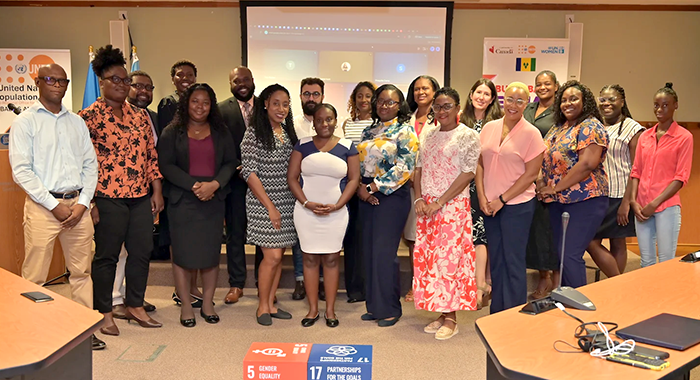
    A cohort of over 20 professionals from Saint Vincent and the Grenadines’ healthcare and criminal justice sectors has completed an intensive capacity-building program focused on social and behavioral change methodologies. The two-day interactive workshop, a component of the broader Build Back Equal initiative, equipped participants with advanced techniques for designing culturally appropriate and gender-sensitive strategies to advance gender equality nationwide.

    The program received substantial funding from the Government of Canada through Global Affairs Canada, with technical facilitation provided by the United Nations Population Fund (UNFPA) in collaboration with the Vincentian government. The workshop’s opening ceremony featured addresses from multiple cabinet ministers, underscoring the national importance placed on gender equity and youth development.

    Minister Kaschacka Cupid of Youth, Sports, Culture and Creative Industries emphasized the government’s commitment to investing in the nation’s youth, describing them as “the most vital resource the nation possesses.” He articulated the administration’s recognition that addressing complex challenges facing young people requires “a profound and sustained investment in their behaviour, their health and their future agency.”

    Representing Canada’s development partnership, Second Secretary TruTrang Nguyen reiterated Canada’s steadfast commitment to gender equality in the Eastern Caribbean, emphasizing the necessity of multi-stakeholder collaboration. “Gender Equality, and an end to violence, can only be achieved when we all seek to treat each other equally, recognize situations of inequality that need to be addressed, and are sensitive to the needs of the most vulnerable,” Nguyen stated.

    UNFPA Liaison Officer De-Jane Gibbons outlined the agency’s global “three zeros” mandate while calling for formal government adoption of the Standards for Quality Healthcare Services for Adolescents and a comprehensive Sexual and Reproductive Health Policy. These policy frameworks would represent significant steps toward ensuring all Vincentians can realize their full sexual and reproductive rights while contributing meaningfully to national development.

    The Build Back Equal project, jointly implemented by UN Women and UNFPA across four Eastern Caribbean nations from 2022-2026, takes a comprehensive approach to addressing barriers women face in accessing sexual reproductive health services and economic empowerment opportunities. This regional initiative aligns with UNFPA’s broader mission to create a world where every pregnancy is wanted, every childbirth is safe, and every young person’s potential is fulfilled.

  • PM Browne rebuts Trinidad leader’s comments, defends CARICOM record

    PM Browne rebuts Trinidad leader’s comments, defends CARICOM record

    A diplomatic rift has emerged between Caribbean leaders following critical remarks by Trinidad and Tobago’s Prime Minister about regional approaches to US relations. Prime Minister Kamla Persad-Bissessar of Trinidad and Tobago suggested during a public address that US travel restrictions imposed on Antigua and Barbuda and Dominica resulted from their criticism of the Trump administration. Her comments implied that Caribbean nations should exercise caution when engaging with Washington, describing the United States as her country’s largest trading partner.

    In a robust rebuttal, Antigua and Barbuda Prime Minister Gaston Browne issued a detailed response defending both his nation’s diplomatic record and the value of CARICOM cooperation. Browne emphasized that his government has never questioned any member state’s sovereign right to manage bilateral relationships according to their national interests. However, he asserted that no CARICOM member should challenge another’s legitimate engagement with international partners on matters affecting its citizens.

    The Antiguan leader presented substantial economic data to counter claims of CARICOM’s unreliability as a partner. He revealed that Trinidad and Tobago generated over $1.1 billion in foreign exchange from trade with CARICOM nations in 2024 alone, making the regional bloc its second-largest export market after the United States. Browne highlighted that Trinidad maintains the only consistently positive trade balance within CARICOM since the organization’s establishment in 1973.

    Browne further contextualized this economic relationship by noting the regional sacrifices made through the Common External Tariff system, which protects Trinidad’s manufacturing sector. In 2023, CARICOM members collectively forgone approximately $142.7 million in customs revenue by sourcing goods from Trinidad under this protection mechanism—a financial sacrifice borne by Caribbean consumers in the spirit of regional solidarity.

    The Prime Minister also addressed security cooperation, noting Trinidad’s benefit from CARICOM-led initiatives against organized crime through intelligence sharing and coordinated law enforcement. Browne firmly rejected characterizations of Antigua and Barbuda as anti-American, detailing his nation’s record of collaboration with the US on security, immigration, and multilateral engagement through international organizations.

    This exchange highlights ongoing tensions within CARICOM regarding foreign policy approaches, particularly toward Venezuela where Persad-Bissessar has supported US hardline positions and naval actions in the Caribbean—positions that diverge from other member states. Browne concluded by asserting that maintaining respectful relations with global partners and advocating for regional unity remain complementary rather than contradictory objectives.

  • St. Kitts and Nevis joins CAF, opening door to new development financing

    St. Kitts and Nevis joins CAF, opening door to new development financing

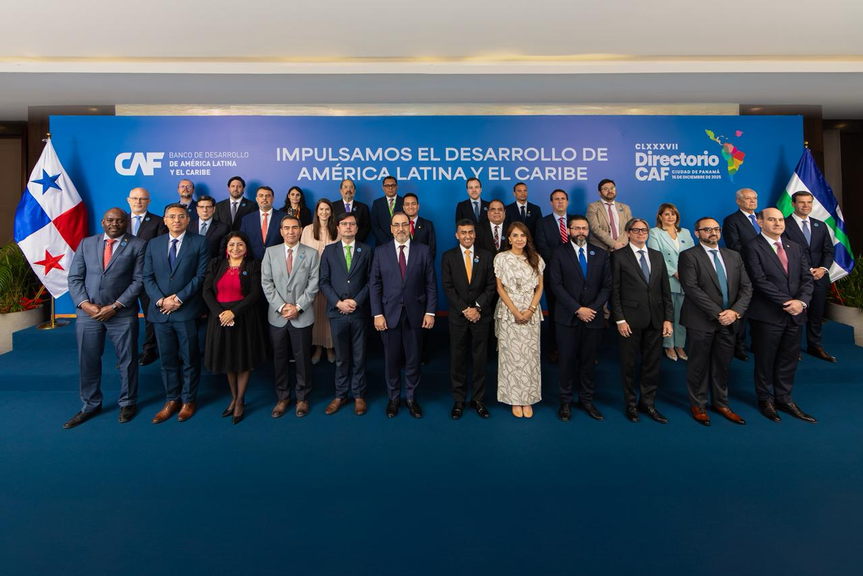
    In a significant move for regional economic development, the Federation of St. Kitts and Nevis has officially become a shareholder member of the Development Bank of Latin America and the Caribbean (CAF). This strategic accession, confirmed during CAF’s Board of Directors meeting in Panama City, positions the dual-island nation alongside Haiti as the latest Caribbean members to join the financial institution.

    The incorporation enables St. Kitts and Nevis to access tailored development financing solutions specifically designed for small island developing states facing climate vulnerabilities. The membership provides the Federation with streamlined access to technical assistance programs, knowledge-sharing initiatives, and flexible funding mechanisms aligned with national development priorities.

    CAF Executive President Sergio Díaz-Granados emphasized the institution’s regional commitment, stating: ‘Saint Kitts and Nevis and Haiti are joining a homegrown development bank established by the region for the region. CAF serves as more than a financial institution—it functions as a bridge enhancing connectivity between Latin America and the Caribbean.’

    The Panama City meeting proved substantially productive, with CAF approving approximately $3.175 billion in new regional operations. These funds will support critical infrastructure projects including electricity grid modernization, water security enhancements, sustainable transportation systems, and financial assistance programs for vulnerable communities and small-to-medium enterprises.

    This expansion triples CAF’s Caribbean shareholder representation compared to 2023 levels, following recent incorporations of Saint Lucia, The Bahamas, Antigua and Barbuda, and Grenada. The institution now counts six Caribbean shareholder nations, with additional countries progressing through membership procedures.

    Concurrently, Barbados achieved compliance requirements to transition to full membership status, joining Trinidad and Tobago as the second CARICOM nation to attain complete CAF membership. This development signals strengthening regional integration and enhanced financial cooperation throughout the Caribbean basin.

  • Parson’s Ground resident charged after social media video threat sparks police investigation

    Parson’s Ground resident charged after social media video threat sparks police investigation

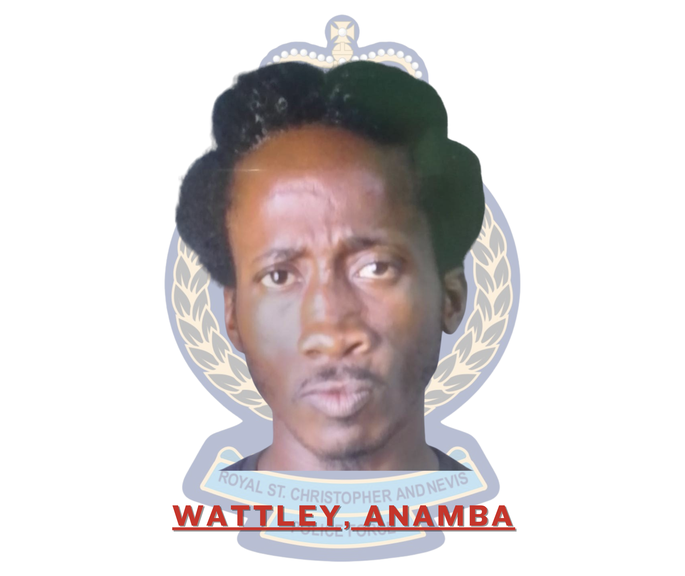
    BASSETERRE, St. Kitts – Law enforcement authorities in St. Kitts and Nevis have brought multiple criminal charges against Anamba Wattley, a resident of Parson’s Ground, following a comprehensive investigation into a threatening video disseminated through social media platforms. The Royal St. Christopher and Nevis Police Force (RSCNPF) confirmed the development after the video triggered significant public alarm.

    The police investigation, conducted between December 17 and 20, 2025, culminated in Wattley’s arrest on December 18 in the Rosemary Lane area of Basseterre. Initial charges were filed for Unlawful Communication related to the threatening content. Concurrently, police executed a search warrant at Wattley’s Parson’s Ground residence, resulting in the seizure of evidence and subsequent additional charges for Possession of Cannabis with Intent to Supply.

    On December 20, Wattley was formally charged with Incitement specifically tied to the December 17 video publication that had circulated widely and drawn police scrutiny. In an official statement released Sunday, the RSCNPF detailed that the individual responsible for creating and distributing the video containing threats against civilians was identified through what they described as ‘prompt and targeted investigative work.’

    The police force utilized the occasion to reassure both residents and international visitors that the twin-island nation remains a secure destination. Authorities emphasized that isolated incidents of unlawful behavior would not compromise public safety, particularly during the ongoing Christmas and Carnival celebrations. The statement further underscored the department’s strict policy regarding threats of violence, whether communicated through physical actions, verbal statements, or digital platforms.

    ‘When language transcends mere expression to actively encourage or instruct criminal behavior, it becomes a law enforcement matter,’ the RSCNPF statement clarified. ‘Legal intervention does not require actual harm to occur before authorities take action. Social media platforms do not provide immunity from accountability, and individuals who attempt to incite violence will encounter rapid legal repercussions.’

    The incident has demonstrated the police force’s operational readiness and investigative capabilities, with officials noting continued collaboration with community partners, event organizers, and stakeholders to ensure seasonal safety for all.