作者: admin

  • Fifty‑One Thousand Dollars Raised, No Hilux Raffle Drawn

    Fifty‑One Thousand Dollars Raised, No Hilux Raffle Drawn

    A major philanthropic scandal has erupted within Belize’s Sub Umbra Floreo Lions Club, where a highly publicized raffle for a Toyota Hilux pickup truck collapsed despite raising over $51,000 from community members. The promised draw never occurred, triggering widespread demands for accountability and refunds from disappointed ticket buyers who paid $100 each.

    Internal investigation reveals alarming financial discrepancies within the organization’s accounts. Bank statements obtained by journalists show the club’s combined service and administrative accounts contain significantly less money than the amount collected through ticket sales. Anonymous club members confirm these discrepancies, stating the service account reflects only approximately $32,000 despite recorded ticket sales of $51,300.

    Multiple Lions Club members have come forward anonymously expressing grave concerns about unexplained withdrawals and missing funds. One member stated: “The money is not in the account – that is the truth. It is missing and we can’t explain where it is.” Another member revealed the club had been locked out of account access since last year, unable to view statements or make withdrawals, yet mysterious transactions continued throughout February and March 2026.

    The Belize Zone Lion’s Club has launched a formal investigation to determine the whereabouts of the raffle funds and establish accountability. The controversy has escalated beyond internal club matters, drawing intense public scrutiny and threatening the organization’s reputation as a community service institution. Club members acknowledge that refunding ticket buyers would effectively bankrupt the organization given the current account balances.

    As the investigation continues, hundreds of ticket purchasers face uncertainty regarding their funds, while club members struggle with damaged reputations and questions about their identity as public servants. The situation represents a significant challenge for the Lions Club organization’s credibility and its community standing in Belize.


  • Pricing methods for petroleum products in Haiti

    Pricing methods for petroleum products in Haiti

    The Haitian government has established a comprehensive regulatory framework for petroleum product pricing through an official decree published in the national gazette “Le Moniteur” on March 27, 2026. This new system introduces a standardized monthly calculation methodology that will determine fuel prices across the nation.

    Under the directive from the Ministry of Economy and Finance (MEF) and the Ministry of Commerce and Industry (MCI), pump prices will be recalculated monthly based on a transparent cost structure. The finalized prices will be announced through joint ministerial notices on the first day of each month and will maintain nationwide consistency.

    The pricing formula incorporates multiple components including the CIF (Cost, Insurance, and Freight) value of the most recent monthly shipment, complemented by various operational and regulatory expenses. These encompass customs inspection fees, import duties, port charges, specific excise taxes, royalty payments, and calculated margins for both oil companies and distributors. Additional factors include transportation and storage costs, variable excise duties, and a stabilization margin.

    A three-tier adjustment mechanism has been implemented to govern price changes:

    1. Price stability will be maintained when monthly calculated price variations remain at or below 3%, with no adjustment required.

    2. Automatic pump price adjustments will trigger when calculated price fluctuations exceed 3% in either direction, though these adjustments will be capped at a maximum of 10% of the previously published price.

    3. Significant calculated price variations exceeding 3% that would necessitate pump price adjustments beyond 10% will require government determination following consultation with the Advisory Council.

    This structured approach aims to balance market responsiveness with consumer protection against volatile price swings.

  • Schools to enforce grooming, discipline policy ‘next term’

    Schools to enforce grooming, discipline policy ‘next term’

    The Barbadian education system is entering a new phase of strict enforcement regarding student appearance and conduct. Education Minister Chad Blackman has declared an end to the grace period for the National Grooming Policy, mandating all schools to implement a zero-tolerance approach starting Term 3 and continuing into the new academic year.

    During his address at the Lester Vaughan School’s annual ceremony, Minister Blackman emphasized that this policy is a cornerstone of the broader education transformation agenda, fundamentally rooted in developing personal character. The policy explicitly empowers school principals with the authority to maintain high standards of presentation, moving beyond mere aesthetics to prepare students for professional life.

    While public discourse has frequently centered on hairstyles, the minister clarified that the policy’s scope is far more comprehensive. It establishes clear prohibitions against makeup, artificial eyelashes, long acrylic nails, sagging trousers, and excessively tight or short skirts. All tattoos must be concealed, and general hygiene, including clean fingernails and polished shoes, is emphasized. The use of vibrant, unnatural hair colours is also expressly forbidden, as the ministry seeks to eliminate distractions within the learning environment.

    Introduced in January 2023 by the Mia Mottley administration, this framework attempts to navigate a delicate balance. It aims to respect a child’s right to self-expression, particularly regarding natural hairstyles, while simultaneously curbing trends deemed inappropriate for school. The government positions these standards as a necessary synthesis of 21st-century individuality and traditional order.

    The announcement has sparked a mixed response. The Barbados Union of Teachers (BUT) has called for even greater clarity in the guidelines to prevent inconsistent application across various institutions. Social commentators remain divided, with some viewing the strict measures as a crucial step to curb declining discipline, while others see it as an excessive measure.

    Minister Blackman issued a direct warning to parents nationwide, urging them to inspect their children before they leave home to ensure compliance. He framed discipline as the ultimate key to future success, arguing that academic certifications and creativity alone are insufficient. “But that one thing called discipline will unlock doors that money and qualifications cannot,” he stated, cautioning students that failure to master self-discipline in school would lead to difficulties in the demanding global job market.

    This renewed focus on discipline aligns with significant government investments in vocational training, exemplified by the new cosmetology laboratory unveiled at the same event, signaling a holistic approach to education reform.

  • Na Luum Ca Connects To New Digital Opportunities

    Na Luum Ca Connects To New Digital Opportunities

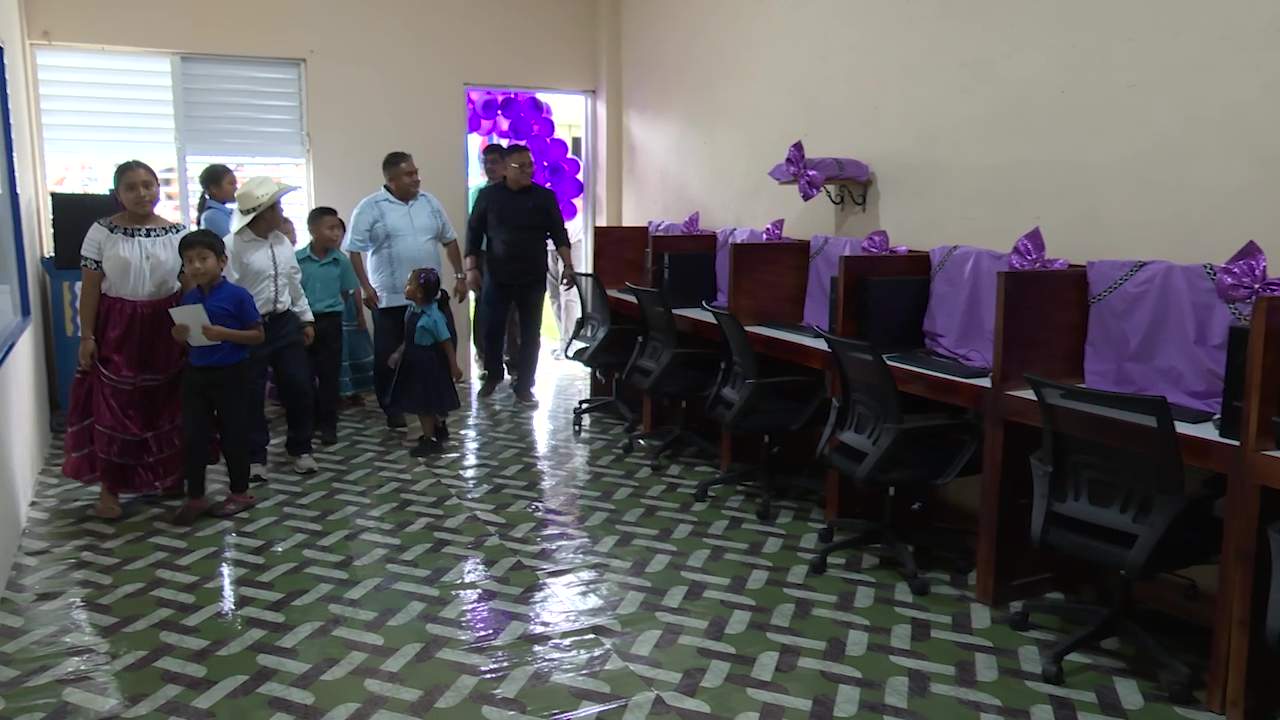
    The remote village of Na Luum Ca in Belize’s Toledo District has dramatically advanced its technological capabilities with the inauguration of a state-of-the-art Community Digital Hub. This transformative initiative resulted from a strategic partnership between Belize’s Ministry of Rural Transformation and Community Development and the United Nations Development Programme.

    Minister Oscar Requena presided over the official ribbon-cutting ceremony on Friday, March 30, 2026, emphasizing the facility’s role in bridging the digital divide for rural communities. The hub is equipped with six desktop computers, printers, and forthcoming internet connectivity designed to serve both educational and practical community needs.

    Beyond providing students with essential resources for academic assignments and digital literacy, the facility will empower adult residents to navigate government services electronically. Villagers can now process vital documentation—including birth certificates and marriage licenses—directly from their community without traveling to Belize City.

    This infrastructure development represents a significant milestone in Belize’s national digital inclusion strategy, demonstrating how targeted technological investment can create tangible opportunities in traditionally underserved regions. The initiative reflects growing recognition that digital access is fundamental to socioeconomic development in the 21st century.

  • Clean Water for Rural Belize, One Tap at a Time

    Clean Water for Rural Belize, One Tap at a Time

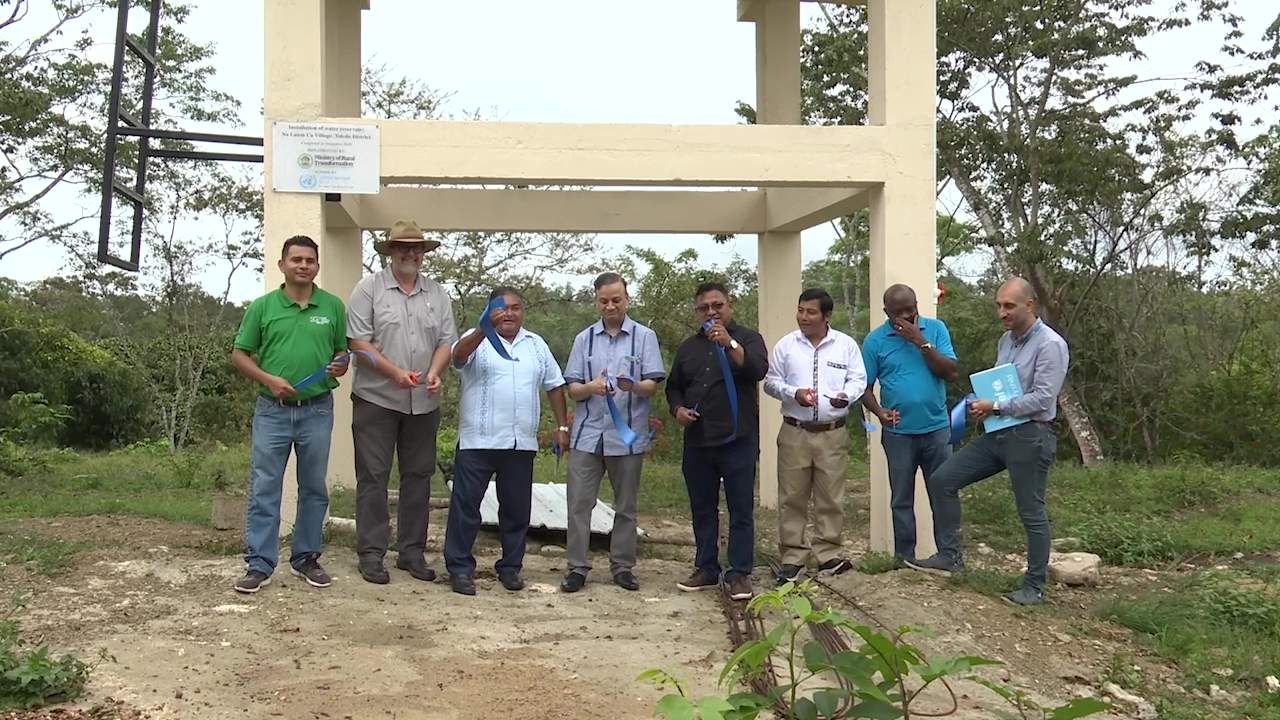
    BELIZE – A transformative partnership between the Government of Belize and UNICEF is making significant strides in addressing the critical challenge of clean water access in the nation’s remote regions. Spearheaded by the Ministry of Rural Transformation, a comprehensive Water, Sanitation, and Hygiene (WASH) program is being rolled out to upgrade infrastructure in villages, educational institutions, and healthcare centers across the country.

    The initiative places a paramount emphasis on safeguarding children’s health by establishing more secure and salubrious environments. Government authorities emphasize that robust WASH services are fundamental to preserving lives, enhancing educational outcomes, and guaranteeing inclusive development that leaves no community marginalized.

    A flagship endeavor within this national effort is the Na Luum Ca WASH project, which exemplifies a dual-purpose approach. While its primary objective is to deliver safe and dependable water to rural households, it simultaneously incorporates climate adaptation measures. The project features the construction of elevated water tanks and reservoirs, bolstered by sustainable energy solutions. A recent strategic enhancement involved the solarization of the water system in the nearby community of San Jose, complemented by the donation of a new generator. This creates a vital backup system, ensuring consistent water supply even during disruptions.

    Minister of Rural Transformation, Oscar Requena, highlighted the collaborative planning process, acknowledging the pivotal roles of Director Mr. Charles Galvez and the Ministry’s CEO in identifying and supporting these critical infrastructure needs. This multi-faceted program is not merely an infrastructure upgrade but a foundational investment in building more resilient and stronger communities for the future of Belize.

  • Miss Universe Visit Shifts Focus From Online Hate to Self-Worth

    Miss Universe Visit Shifts Focus From Online Hate to Self-Worth

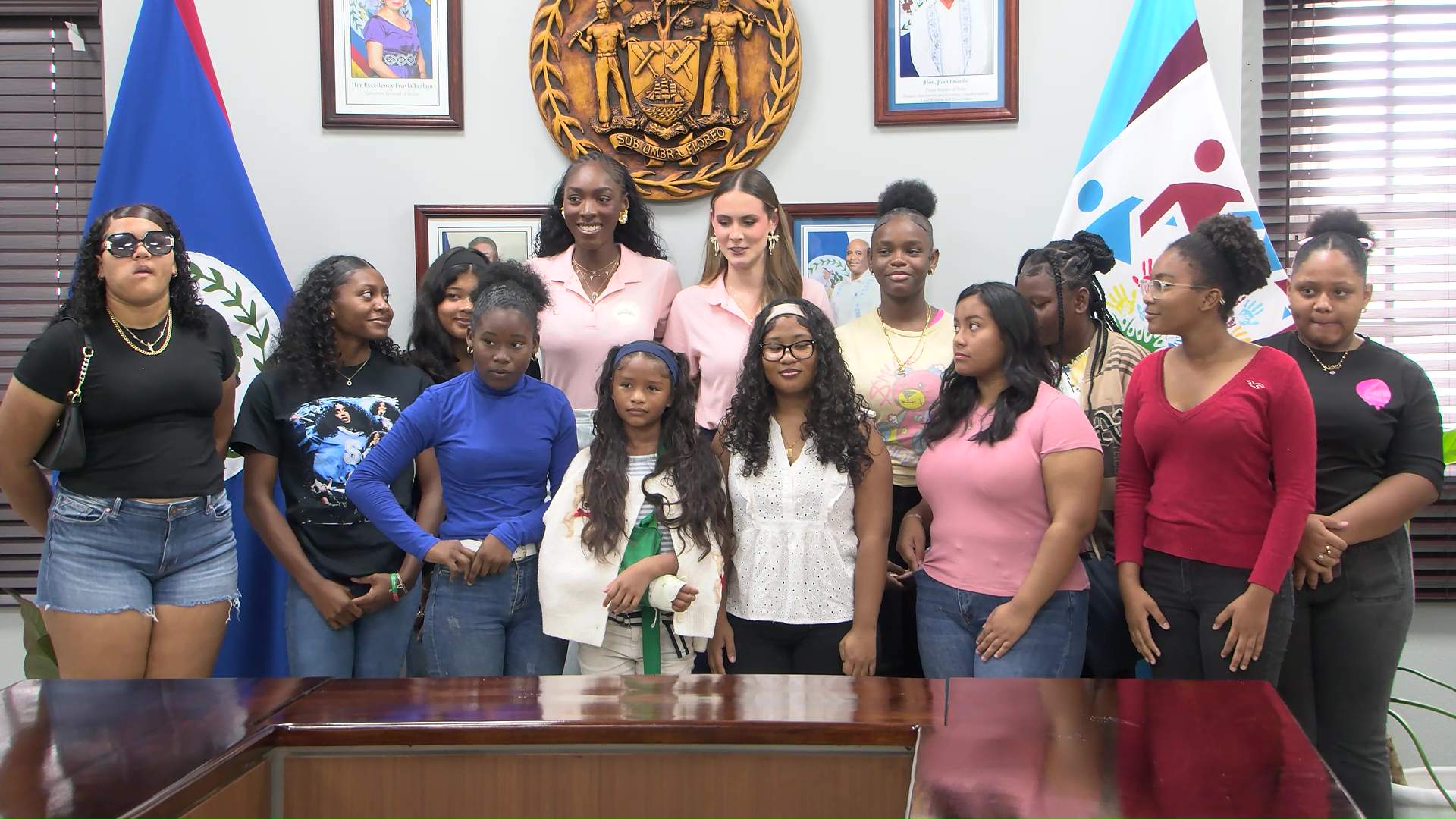
    BELIZE CITY – An official visit by Miss Universe Ivory Coast Olivia Yacé evolved into a profound national dialogue about racism and self-worth after a local tour guide’s racist social media comment sparked widespread condemnation. Rather than retreating from controversy, Yacé and Miss Universe Belize Isabella Zabaneh confronted the incident directly during a special empowerment session at City Hall with teenage girls.

    The event, dubbed ‘The Confidence Room,’ became an arena for candid discussion about identity, resilience, and the persistent challenges facing young women. Both beauty queens drew from personal experiences with racial prejudice to deliver powerful messages about self-acceptance.

    Yacé revealed the frequent racist insults she encounters: ‘The most common one I always get is I get called a monkey a lot, an ape, a chimpanzee.’ Addressing her attackers with remarkable composure, she posed a rhetorical challenge: ‘Look at me, am I ugly guys?’

    The tour guide responsible for the online remark, Alex Mes, expressed deep remorse during a phone interview, attributing his behavior to personal troubles and intoxication. ‘I would like to sincerely ask for an apology,’ Mes stated. ‘It was not my intention. I was going through a family dispute that morning and I was under the influence.’

    Zabaneh shared her own emotional journey, fighting back tears as she described the pain of facing color-based criticism in her own country. ‘As a woman who represents this country you might not see the black in me,’ she told the audience, ‘but the same thing you are calling me is what my family had to suffer through too.’

    Despite the initial controversy, the session culminated in a transformative experience for participants. Young attendee Abishai Staine summarized the takeaway: ‘I don’t have to listen to the opinion that people share because those opinions don’t matter. It is what I think about myself and that is what is important.’

    The event demonstrated how public figures can convert negative experiences into opportunities for collective healing and empowerment, ultimately overshadowing the initial incident with a stronger message of resilience and self-worth.

  • Benque Border Staff Shortage Raises Protest Concerns

    Benque Border Staff Shortage Raises Protest Concerns

    A deliberate work stoppage by immigration officers nearly brought cross-border transit to a halt at Belize’s western frontier on Monday, March 30th, 2026. Seven officers simultaneously called in sick at the Benque Viejo del Carmen border crossing, creating immediate operational chaos and triggering suspicions of a coordinated labor protest.

    Tanya Santos, Chief Executive Officer of Belize’s Immigration Department, revealed that subsequent verification showed only two officers had provided certified medical documentation for their absence. The mass absence forced supervisory staff to urgently recall off-duty personnel to maintain minimum operational capacity and prevent a complete shutdown of vital border services.

    In a strongly worded statement, Santos characterized the collective action as effectively ‘holding the port hostage’ without prior negotiation. She indicated this incident reflects an emerging pattern of labor unrest within border management operations and announced extraordinary contingency measures are being considered, including the potential deployment of police officers to staff critical immigration positions abandoned during such protests.

    While acknowledging plans to conduct meetings with the absent officers to address underlying grievances, Santos simultaneously condemned the methodology as ‘misguided and malicious,’ emphasizing that formal channels for addressing management concerns remained available but were deliberately bypassed. The incident has raised broader questions about labor relations within Belize’s border security apparatus and its vulnerability to service disruptions.

  • Final Ride, A Lasting Legacy for Kaya Cattouse

    Final Ride, A Lasting Legacy for Kaya Cattouse

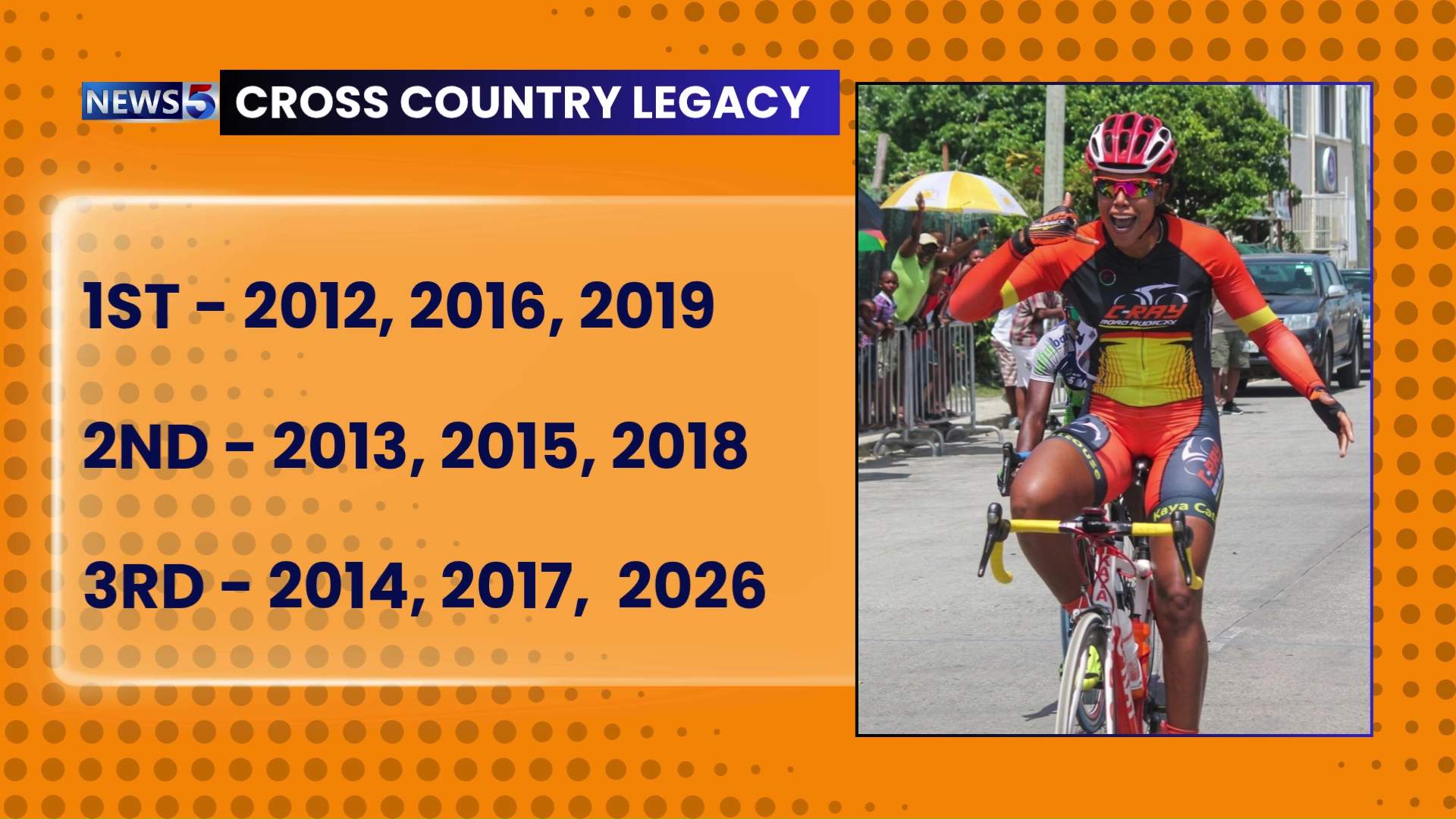
    Belizean cycling champion Kaya Cattouse has officially concluded her elite cross-country career with a symbolic third-place finish at the 2026 Female Cross Country Classic on March 30. The decorated athlete’s final race marked the end of an era characterized by exceptional athletic dominance and transformative advocacy within the sport.

    Cattouse’s retirement concludes a professional journey distinguished by consistent podium performances and championship victories across multiple seasons. Her competitive excellence established her as one of Central America’s most formidable cyclists, though her impact extended far beyond mere race results.

    The athlete emerged as a powerful voice for gender equality and institutional reform within cycling governance. Following her father’s precedent of challenging unfair practices, Cattouse frequently confronted cycling federations regarding inequitable treatment of female athletes and administrative inconsistencies. This advocacy sometimes resulted in professional consequences, including exclusion from national teams.

    In a post-race interview with journalist Shane Williams, Cattouse described her retirement as a “sigh of relief” after navigating the challenges of being a woman in Belizean cycling. She reflected on her complex journey with appreciation for the global opportunities and community support that defined her career.

    While retiring from elite competition, Cattouse leaves behind a transformed landscape for female cyclists in Belize. Her legacy combines athletic excellence with structural advocacy, having established new competitive records while simultaneously creating improved pathways for future generations of women in the sport.

  • Documentary “The Steps of Time” honors pioneers of Dominican ballet

    Documentary “The Steps of Time” honors pioneers of Dominican ballet

    SANTIAGO DE LOS CABALLEROS – Cultural institutions and ballet enthusiasts gathered at Centro León for a significant cinematic event showcasing Dominican Republic’s rich dance heritage. The premiere of “The Steps of Time” (2025), produced in collaboration with the Dominican Ballet Concert Foundation, served as both historical documentation and artistic tribute to the nation’s classical dance evolution.

    Directed by filmmaker Oliver Olivo, this compelling documentary traces the formative years of professional ballet through the pioneering efforts of three foundational figures: Clara Elena Ramírez, Paulina Comprés, and Xiomara Rojas. Through archival footage and contemporary interviews, the film meticulously documents how these visionaries established the institutional framework and pedagogical standards that transformed Dominican ballet from its nascent stages to a professionally recognized art form.

    Prominent cultural commentator Carlos Veitía, among other distinguished attendees, emphasized the film’s dual significance as both an artistic achievement and vital historical record. The documentary serves as a cultural time capsule, preserving the technical methodologies and artistic philosophies that defined early Dominican ballet.

    Beyond mere historical recounting, the film illustrates how these pioneers’ legacy continues to influence contemporary Dominican cultural identity, demonstrating ballet’s evolution from imported European art form to nationally distinctive expression. The screening event itself became a gathering point for multiple generations of dancers, educators, and cultural preservationists, highlighting the ongoing relevance of these historical contributions to today’s artistic landscape.

  • UWI outreach programme ends on polished note

    UWI outreach programme ends on polished note

    Students from Parkinson Memorial Secondary School concluded their transformative journey in the Global Alumni Outreach Programme with a comprehensive professional development session at the University of the West Indies, Cave Hill Campus. The final module, dedicated to interview preparedness and corporate etiquette, provided crucial career skills ahead of the students’ examinations.

    The program, officially titled ‘Preparing Today for Tomorrow’s Challenges – Transforming Children’s Lives’ (PTFTC-TCL), hosted its culminating dining etiquette session at the Campus Solutions Centre on Monday. This served as an intensive review for Parkinson Upper Fifth students before their practical examination the following day.

    Aisha Estwick, Assistant Registrar of the Employee Success Division in Human Resources for UWI Global Campus, initiated the session with critical insights into job application protocols. She detailed common CV pitfalls that lead to immediate rejection, highlighting inappropriate email addresses, grammatical inaccuracies, and exaggerated skill claims as primary disqualifiers. Estwick specifically cautioned against excessive document length, noting that CVs extending to ‘ten pages’ typically fail to advance in selection processes.

    The HR expert outlined essential CV components, emphasizing that Information Technology proficiency should extend beyond basic Microsoft Office knowledge to include social media platform familiarity. Regarding cover letters, Estwick stressed the necessity of customizing each application to demonstrate clear alignment between candidate qualifications and specific job requirements.

    Drawing from her extensive experience reviewing hundreds of applications, Estwick revealed that typically only five candidates progress to the interview stage from each pool of applicants—a statistic underscoring the competitive nature of job markets.

    Students gained additional perspective through a recorded address from Antigua and Barbuda’s Governor General, Rodney Williams, who advocated for developing core interpersonal competencies including communication, problem-solving, time management, and emotional intelligence as foundational career preparation.

    The practical segment, led by Campus Officer of Alumni Relations Sandra Griffith-Carrington, encompassed comprehensive business and dining etiquette training. Students underwent meticulous grooming checks (fingernails and shoes), received instruction on professional handshake techniques, and learned sophisticated napkin folding designs including the bow, rose, and candle configurations.

    Following theoretical instruction, students implemented their acquired knowledge during a practical exercise at Mount Restaurant, demonstrating full proficiency in formal dining protocols.

    Now celebrating its tenth anniversary, the PTFTC-TCL program operates across 16 secondary schools throughout Barbados with support from alumni volunteers and sponsors including the Sandals Foundation. The initiative aims to instill social graces and professional ethics—including accountability, dedication, and courtesy—as students transition toward their future careers.

    Griffith-Carrington concluded the session with enduring advice for the students: ‘Gratitude is the attitude that determines your altitude’—a principle applicable to both professional interviews and life pursuits.