作者: admin

  • BPWCCUL takes Christmas to Belmont

    BPWCCUL takes Christmas to Belmont

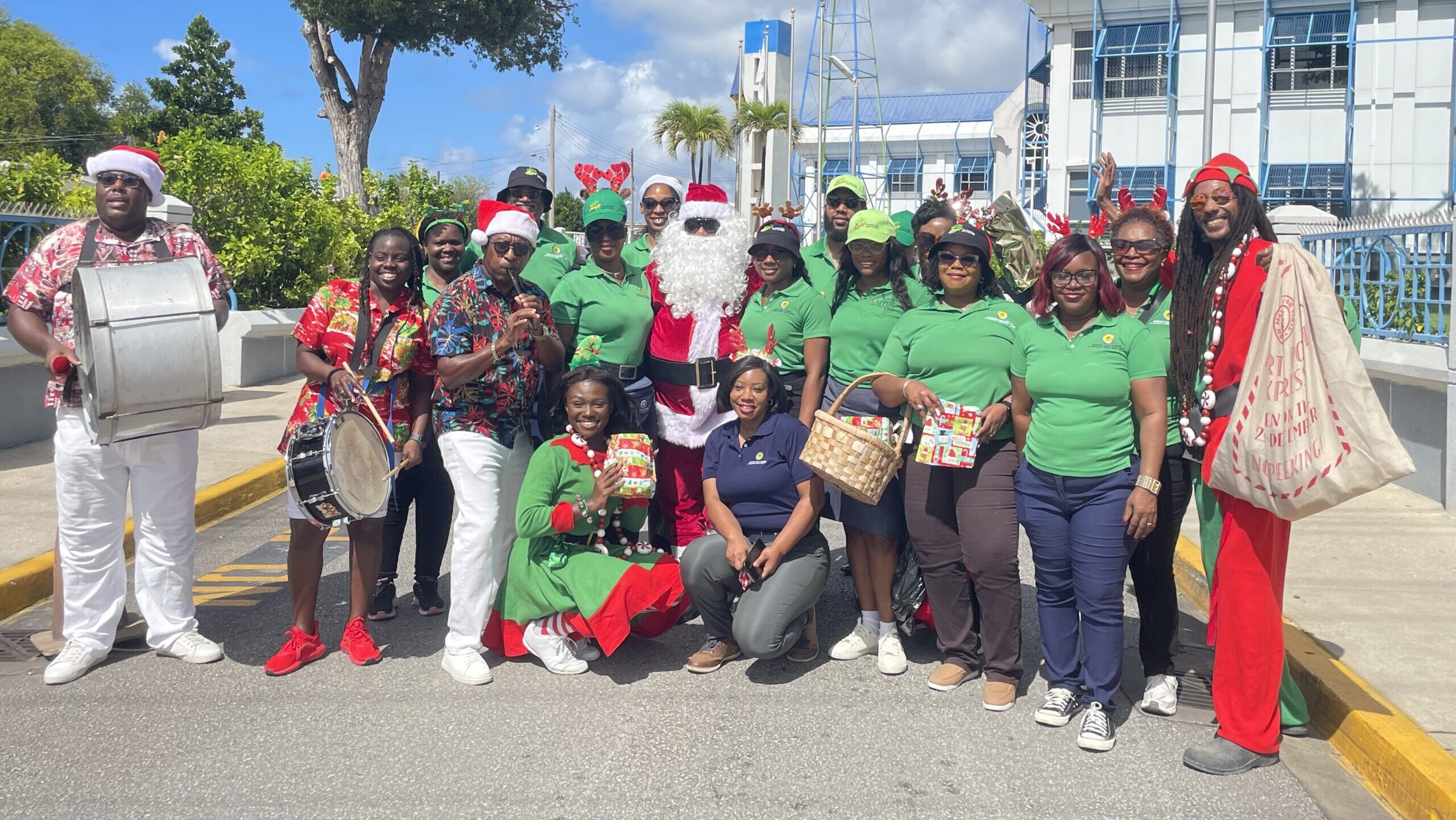
    In a heartwarming display of community spirit, the Barbados Public Workers’ Cooperative Credit Union (BPWCCUL) transformed streets surrounding its Belmont Road headquarters into a festive delivery route on Tuesday. A team of staff volunteers dressed as Santa Claus and elves embarked on a special mission to distribute Christmas gifts directly to children’s doorsteps in the neighboring communities.

    The initiative, which specifically targeted children aged three to ten years old, also included distributing small treats to elderly residents encountered during the delivery route. Branch Manager Michelle Ashby described the effort as part of the credit union’s ongoing commitment to giving back to both members and non-members alike who support the institution throughout the year.

    According to Community Relations Officer Stacy Mottley, this charitable outreach represents a tradition spanning more than two decades, though this year’s approach marked a departure from previous celebrations. Rather than inviting children to their branch facilities, BPWCCUL staff took the festive experience directly into the community, focusing specifically on areas immediately surrounding their Belmont Road headquarters.

    The volunteer corps included staff members from multiple branches across the island, including Emerald City and Carlton Black Rock locations. Retail Manager Harriett Franklin emphasized that the initiative reflects the organization’s community-based values and commitment to spreading Christmas joy beyond financial services.

    The credit union plans to continue its seasonal community engagement activities in the coming days, strengthening its role as both a financial institution and an active community partner during the holiday season.

  • CWI to postpone Breakout League, move First-Class season to Antigua

    CWI to postpone Breakout League, move First-Class season to Antigua

    Cricket West Indies (CWI) and the Caribbean Premier League (CPL) have jointly announced the postponement of the Breakout T20 League originally scheduled for 2026. This decision follows an extensive review of the increasingly congested international cricket calendar and preparations required for the ICC Men’s T20 World Cup.

    The Breakout T20 League, which enjoyed a successful inaugural edition earlier this year, represents a crucial developmental pathway for emerging Caribbean cricketers. Both organizations reaffirmed their commitment to the tournament despite the scheduling difficulties, recognizing its vital role in bridging the gap between regional competitions and international cricket.

    CWI CEO Chris Dehring emphasized the league’s fundamental purpose: “Our primary focus remains player development—specifically identifying and nurturing talent beyond traditional pathways. This pause during a fiscally constrained period allows us to reassess the league’s structure and positioning within the World Cup cycle to optimize developmental outcomes.”

    Dehring further outlined the strategic vision, noting the need for enhanced scouting networks, improved data analytics, and stronger integration with high-performance systems. “We must cast a wider net across the Caribbean to identify players with the requisite skills, athleticism, and mentality for modern cricket, including those with limited exposure to elite environments.”

    The current cricket cycle presents particular challenges, with multiple West Indies squads simultaneously competing on the global stage. Dehring acknowledged the demanding schedule facing both Under-19 and senior men’s teams as they prepare for upcoming World Cup tournaments.

    CPL CEO Pete Russell echoed this commitment, stating: “While we haven’t secured a suitable 2026 window, our dedication to the Breakout League remains unwavering. This interim period will enable us to refine the competition’s format and supporting structures to ensure its long-term viability within Caribbean cricket’s development ecosystem.”

    Both organizations confirmed that updates regarding the tournament’s rescheduling will be communicated in due course.

  • No plan to exit Caricom: PM allays fears latest discord with regional leaders will cause major T&T reaction

    No plan to exit Caricom: PM allays fears latest discord with regional leaders will cause major T&T reaction

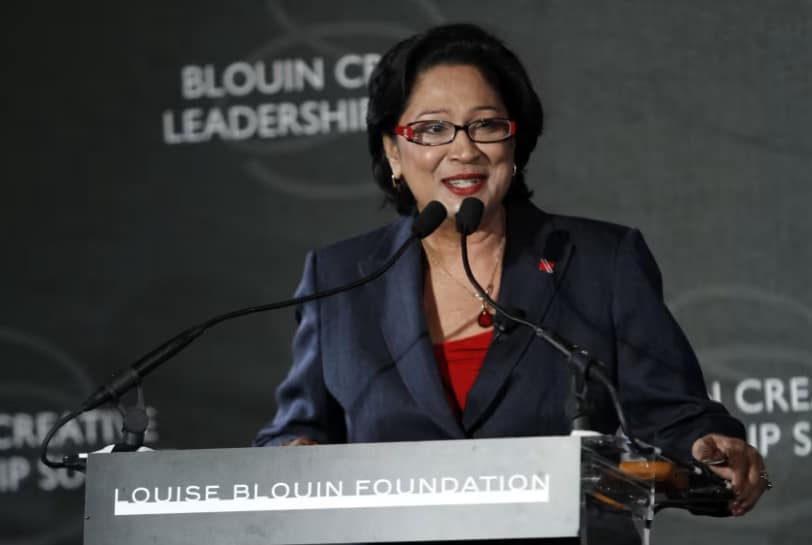
    Prime Minister Kamla Persad-Bissessar has categorically stated that her Cabinet has not entertained discussions regarding Trinidad and Tobago’s withdrawal from the Caribbean Community (Caricom). This declaration comes amidst escalating public apprehension that ongoing diplomatic friction between the Prime Minister and certain regional counterparts might precipitate the nation’s departure from the multilateral organization.

    Responding to inquiries via WhatsApp, Persad-Bissessar clarified her position, asserting, “That has not been discussed by Cabinet.” This statement reinforces her previous comments made several weeks prior, where she acknowledged exploring external trading alternatives while simultaneously denying any contemplation of a formal Caricom exit. When questioned if her stance had evolved following her recent characterization of Caricom as an “unreliable partner” supportive of Venezuela’s Maduro regime, the Prime Minister responded, “Not at this time.”

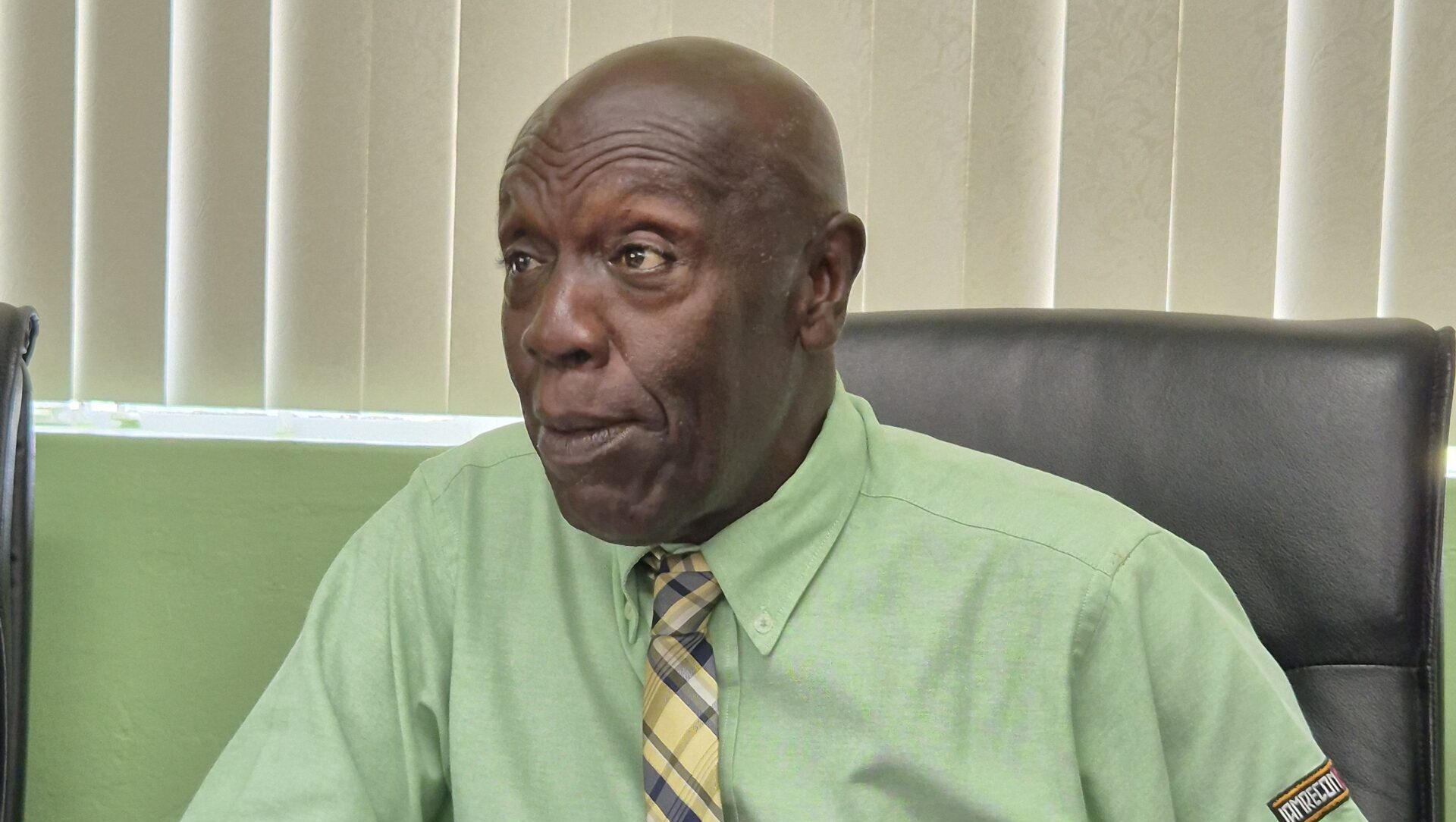
    The political landscape is further complicated by Trinidad and Tobago’s scheduled assumption of the Caricom chairmanship from July to December 2027. Political analyst Dr. Bishnu Ragoonath interpreted the Prime Minister’s comments as indicative of a desire for reform rather than withdrawal. “She’s acknowledged that Caricom has challenges and there are disputes among various leaders,” Ragoonath observed. “I’m not sure what T&T’s Prime Minister will do, but she’s admitted there’s need to fix Caricom.”

    Opposition criticism emerged from People’s National Movement MP Stuart Young, who condemned Persad-Bissessar’s continued critiques of Caricom as “reckless, unwarranted, dangerous and destructive.”

    The economic dimension reveals contrasting perspectives. T&T Manufacturers’ Association president Dale Parson reported no current decrease in Caricom imports, noting instead an acceleration in trade particularly with Antigua. However, broader business sector representatives expressed concern, emphasizing the necessity of all trade and investment avenues given Trinidad and Tobago’s fragile economic outlook, and hoping government leadership “understands that.”

    Amidst the tension, Antiguan Prime Minister Gaston Browne extended seasonal greetings to Persad-Bissessar, signaling underlying diplomatic courtesy. Simultaneously, Caricom Secretary General Dr. Carla Barnett issued a year-end message highlighting the community’s resilience through 2025’s hurricanes and geopolitical challenges, while noting progress in implementing the Caricom Single Market and Economy through enhanced freedom of movement between several member states.

    Economic data from the Ministry of Finance’s 2025 Review of the Economy underscores Caricom’s significance, revealing regional exports totaling TT$5.95 billion (US$877 million) and a merchandise trade surplus of TT$4.92 billion for the first nine months of the fiscal year, with food and beverage exports leading non-energy sectors.

  • Clapham man denied bail over alleged wounding

    Clapham man denied bail over alleged wounding

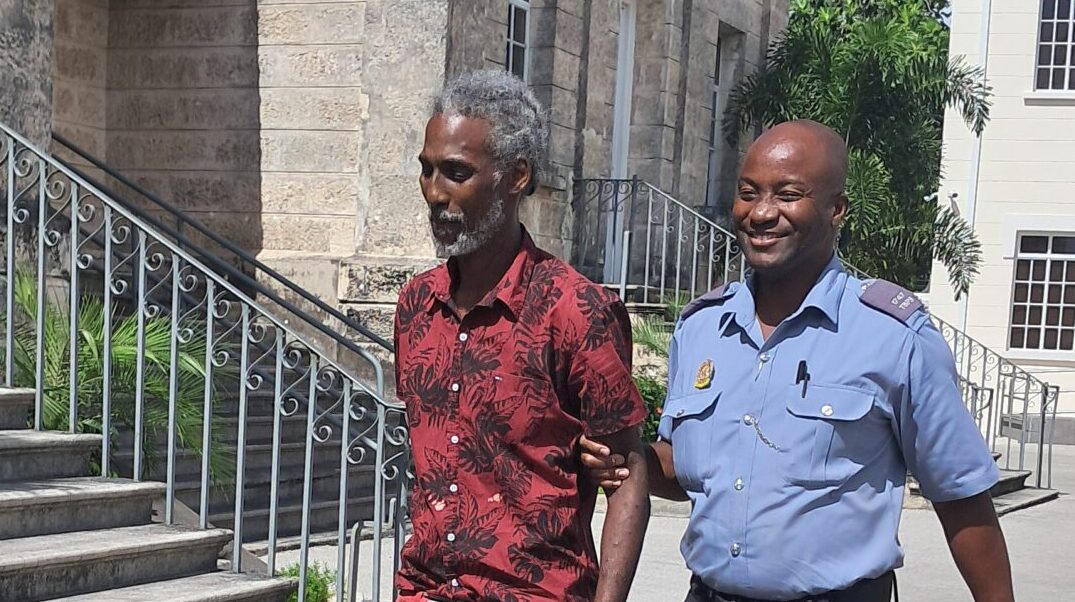
    A Clapham man has been ordered to remain in custody at Dodds Prison following a court hearing that revealed a history of police reports filed against him by the alleged victim. Marlon Damien Weekes, 42, appeared in the No. 2 District ‘A’ Magistrates’ Court facing a serious indictable charge of unlawfully wounding Norman Knight with intent to cause grievous bodily harm on December 18.

    During the bail hearing, Prosecutor Police Constable Troy Tudor presented multiple grounds for objecting to release, citing the substantial evidence against Weekes and concerns about witness intimidation. The court heard that Knight required hospitalization for multiple injuries sustained in the alleged attack, adding to the prosecution’s safety concerns given that both men reside as neighbors in the Christ Church community.

    Further complicating the case, prosecutors revealed that Weekes is currently on bail for a separate assault matter in another jurisdiction. Constable Tudor emphasized that the complainant had made ‘numerous calls to the police about the defendant’ prior to the December incident.

    Weekes denied ever receiving police notices regarding these previous complaints. However, Sergeant Osbourne provided testimony contradicting this claim, recounting one specific response where he found the accused intoxicated and sleeping on a vehicle while holding a pair of scissors. ‘Apparently, he drinks a lot, and I took the scissors from him, and he did not even know,’ the sergeant told the court.

    Magistrate Manila Renee, considering the accused’s previous conviction for possession of an offensive weapon despite its dated nature, remanded Weekes into custody until January 20 for further proceedings. No plea was taken during the hearing due to the indictable nature of the charge.

  • Liberta Family Receives New 4 Bedroom Home Under HAPI Initiative Ahead of Christmas

    Liberta Family Receives New 4 Bedroom Home Under HAPI Initiative Ahead of Christmas

    A Liberta family that lost their home in a devastating Father’s Day fire two years ago will celebrate Christmas in a newly constructed four-bedroom residence, thanks to the collaborative Home Advancement Programme for the Indigent (HAPI). The official handover ceremony took place on Tuesday, marking a significant milestone for both the program and the family’s journey toward stability.

    This project represents the first four-bedroom dwelling completed under the HAPI initiative, with its expanded design specifically tailored to accommodate the family’s size and made possible through substantial community support. The construction timeline was dramatically accelerated following a successful radio telethon that generated numerous local pledges, enabling organizers to expand the home’s scope beyond initial plans.

    E. P. Chet Greene, Member of Parliament for St Paul, emphasized the project’s demonstration of effective partnership between government resources and community contributions in addressing urgent social needs. HAPI organizers highlighted the achievement as evidence of how collective action can effectively combat housing insecurity among vulnerable populations.

    The timing proves particularly meaningful as family members return home for the holiday season, providing a permanent gathering place for reunification and the opportunity to rebuild their lives with renewed security and hope.

  • CTUSAB says Barbados’ economic progress being stifled

    CTUSAB says Barbados’ economic progress being stifled

    Barbados is experiencing a troubling divergence between economic indicators and social deterioration, according to a stark warning from the Congress of Trade Unions and Staff Associations (CTUSAB). In his annual Christmas address, General Secretary Dennis de Peiza presented a sobering assessment of the nation’s condition as 2025 approaches, highlighting that developmental achievements are being undermined by escalating social crises.

    The labor leader identified multiple concerning trends including a dramatic surge in violent crime, with firearms becoming the weapon of choice in a growing number of homicides and assaults. Particularly alarming is the increasing participation of teenagers and young adults in criminal enterprises, signaling deep societal fractures.

    Transportation systems have become emblematic of broader disciplinary breakdowns, with de Peiza criticizing the continued indifference of minibus and ZR/route taxi operators that authorities have failed to address. Educational institutions are similarly affected, experiencing erosion of order and discipline while children increasingly embrace subcultures contrary to traditional societal values.

    A visible homelessness crisis has emerged alongside rising poverty, destitution, and underemployment—conditions that contradict official reports of strong government revenues and low unemployment rates. This disparity raises fundamental questions about economic distribution and social policy effectiveness.

    At the governance level, de Peiza noted persistent concerns regarding transparency, accountability, and integrity in public office, contributing to diminished public trust. He challenged citizens to engage in serious introspection during the Christmas season, asking each individual to consider their role in both creating and solving national problems.

    The union leader emphasized that meaningful change requires collective action and unity rather than division, warning that silence and complacency would only exacerbate existing challenges. He urged Barbadians to reclaim their value system, speak against injustice, and resist superficial contemporary values while reflecting on the deeper significance of the Christmas season.

  • CARICOM Private Sector Reaffirms Support for Regional Integration

    CARICOM Private Sector Reaffirms Support for Regional Integration

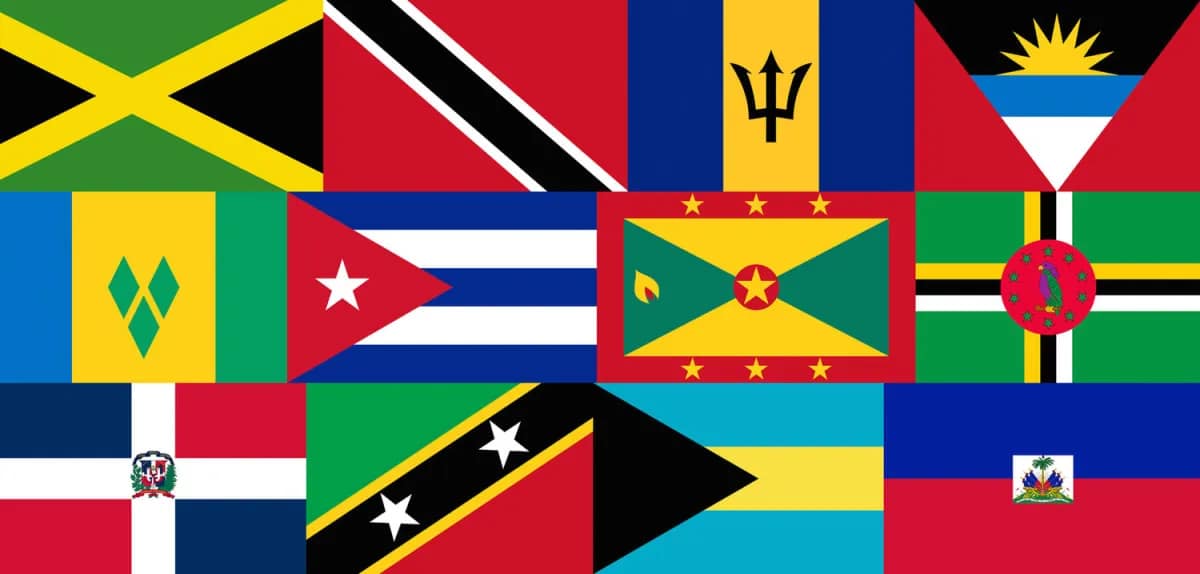
    In a significant show of regional solidarity, seven major private sector organizations across the Caribbean Community have jointly reaffirmed their steadfast commitment to the CARICOM Single Market and Economy (CSME). This collective endorsement comes five years after the CARICOM Private Sector Organization attained associate institutional status within the regional bloc in October 2020.

    The coalition, representing business interests from Trinidad and Tobago, Jamaica, Barbados, Guyana, OECS nations, Suriname, and Belize, has documented substantial benefits derived from the economic integration framework. According to their assessment, the CSME has generated measurable advantages for corporations and workers throughout the region, facilitating notable expansion in intra-regional commerce, reinforcing regional supply networks, and making meaningful contributions to foreign exchange revenues and economic operations across member states.

    From a strategic perspective, Caribbean business leaders emphasize the complementary nature of both intra-CARICOM trade and the Community’s robust external trading relationships, particularly with the United States as its principal collective trading partner. These interconnected economic channels collectively strengthen regional economic resilience and diversification efforts.

    Amid current global economic volatility, the private sector underscores the critical importance of stability, confidence-building, and constructive multilateral engagement among member nations. The organizations highlighted CARICOM’s continuing relevance as a vital platform for collaborative action, enabling member states to convert economic vulnerabilities into strategic assets through enhanced resilience and deliberate global economic integration.

    The signed statement recognizes the shared responsibility of all regional stakeholders in refining the CSME framework to better serve all member states and their populations. In an era marked by increasing global isolationist tendencies, the vision of CARICOM and CSME is deemed essential for collective regional sustainability.

    Business leaders specifically acknowledged the collaborative and inclusive framework established by CARICOM Heads of Government to pursue complete CSME implementation. The private sector across the region has pledged continued cooperation with governments and other stakeholders to realize this vision, while extending seasonal goodwill to all CARICOM citizens and anticipating continued constructive dialogue in pursuit of regional advancement and security.

  • Our certification is world class, says CXC

    Our certification is world class, says CXC

    The Caribbean Examinations Council (CXC) has vigorously reaffirmed its position as a globally respected educational institution, with leadership emphasizing its alignment with international standards. Dr. Nicole Manning, Director of Operations, provided exclusive commentary to Barbados TODAY addressing recent criticisms while highlighting the organization’s expanding international credibility.

    Executive leadership, including CEO and Registrar Dr. Wayne Wesley, recently acknowledged public scrutiny during a staff awards ceremony while reaffirming the Council’s commitment to administering examinations with unwavering professionalism and integrity. The organization maintains that its certification processes meet rigorous global benchmarks.

    Recent collaborative engagements with international credential evaluation services, particularly World Education Services (WES), have substantially strengthened CXC’s global positioning. According to Dr. Manning, these partnerships have yielded positive feedback from educational institutions across six different countries worldwide, with many reporting satisfaction with Caribbean students’ qualifications and academic preparedness.

    The Council’s Caribbean Advanced Proficiency Examination (CAPE) program offers significant advantages for students pursuing international education, including course exemptions and degree pathway acceleration. Notably, CAPE qualifications can lead to associate degree equivalency, potentially reducing undergraduate completion time by up to two years at certain institutions.

    Dr. Manning emphasized that CXC certifications enjoy widespread acceptance at prestigious global universities, including Oxford, Yale, and Harvard. This recognition demonstrates the qualifications’ robustness and eliminates any substantive questions regarding their international validity. The Council continues to encourage Caribbean stakeholders to recognize the inherent value of their regional educational credentials.

  • Barbados becomes member of ACWL

    Barbados becomes member of ACWL

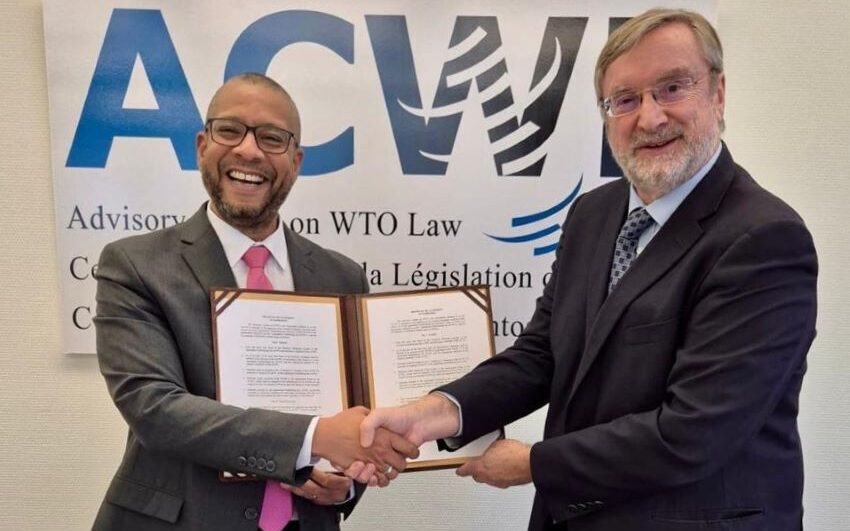
    In a strategic move to enhance its international trade legal expertise, Barbados has formally signed the protocol to join the Advisory Centre on WTO Law (ACWL), marking a significant advancement in the nation’s capacity to navigate global trade regulations. The December 17th signing ceremony culminated diplomatic efforts to secure membership in the Geneva-based organization that specializes in providing developing nations with critical WTO legal support.

    The ACWL, operating from its Swiss headquarters, delivers essential services including complimentary legal counsel, specialized training programs, and discounted representation in WTO dispute resolution processes. This membership creates unprecedented opportunities for Barbados’ legal professionals, particularly through internship placements and technical assistance programs designed to build expertise in complex trade legislation.

    Financial backing for Barbados’ accession came through Norwegian government sponsorship, part of a broader initiative to strengthen developing nations’ understanding of WTO dispute mechanisms and trade law infrastructure. The Nordic country’s funding demonstrates international commitment to creating more equitable participation in global trade governance systems.

    Matthew Wilson, Barbados’ Ambassador to the United Nations and WTO in Geneva, praised the ACWL’s esteemed reputation during the signing proceedings, emphasizing national pride in joining the organization. The diplomatic achievement was further acknowledged by ACWL Executive Director Niall Meagher, who commended Barbadian officials for their persistent efforts in finalizing the membership protocol.

    While Barbados will subsequently proceed with formal ratification of the agreement, the nation immediately gains access to comprehensive membership benefits. These include technical assistance programs, specialized training in WTO legal frameworks, and capacity-building initiatives that will empower Barbadian lawyers to effectively engage with international trade law mechanisms.

  • Charming your way rather than blowing up enemies

    Charming your way rather than blowing up enemies

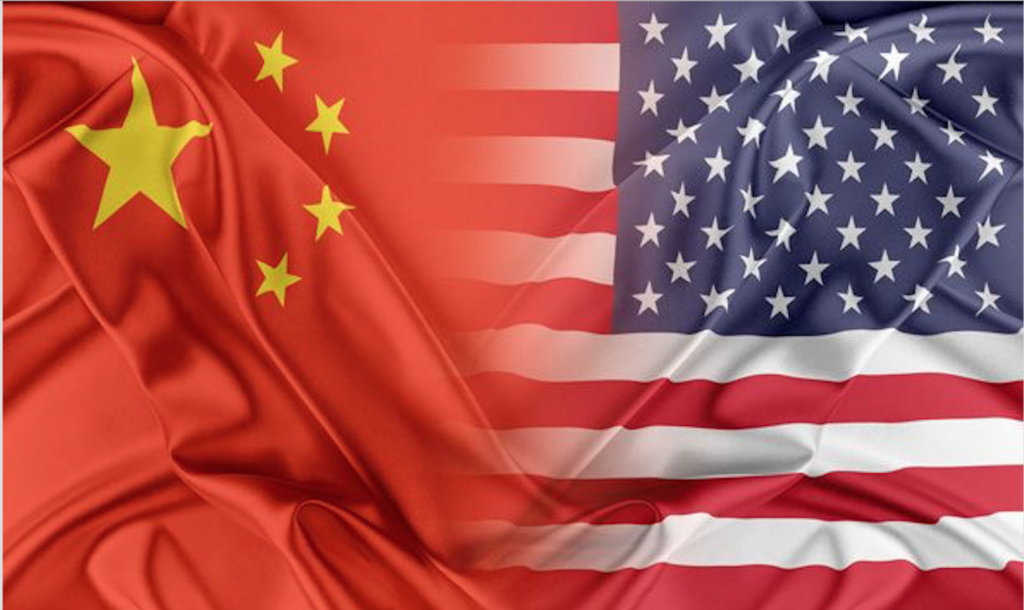
    The Caribbean has emerged as a critical theater for global power competition, witnessing a stark divergence in strategic approaches between two superpowers. Recent developments reveal a fundamental contrast between American assertiveness and Chinese subtlety in regional engagement.

    Washington’s resurgent Monroe Doctrine framework, originally articulated in 1823 to establish hemispheric dominance, now manifests through heightened security operations and confrontational policies. Recent anti-narcotics campaigns have resulted in nearly 100 alleged traffickers killed at sea without judicial oversight, raising serious concerns about international law compliance and accountability mechanisms.

    Conversely, Beijing has cultivated influence through tangible development projects and humanitarian assistance. China’s strategy emphasizes practical outcomes rather than ideological confrontation, positioning itself as a reliable partner for Caribbean nations facing economic challenges.

    The divergence is particularly evident in Barbados, where Chinese initiatives include donating 30 buses to the struggling transport system, renovating sports facilities, and rehabilitating critical road networks. These interventions directly impact daily life and economic mobility rather than serving as symbolic gestures.

    China’s soft power demonstration reached its peak with the visit of the medical ship Silk Road Ark. Hundreds of Barbadians queued for hours beyond health ministry expectations, seeking free medical care during the vessel’s brief deployment. Patients praised the Chinese medical teams’ organization, comprehensive diagnostics, and blend of modern and traditional treatments.

    Meanwhile, regional tensions have escalated due to US policies toward Venezuela, exposing deep divisions within CARICOM. Public disputes between Trinidad and Tobago’s Prime Minister Kamla Persad-Bissessar and other regional leaders have revealed significant fragmentation regarding alignment with American initiatives, including travel bans affecting member states.

    As China continues building infrastructure, supplying equipment, and providing medical assistance without political lecturing, the United States’ most visible regional presence remains its security footprint and military posturing. This fundamental difference in engagement strategies is reshaping Caribbean geopolitics and influencing regional perceptions of both global powers.