作者: admin

  • ABLP candidates share Easter messages of hope, unity and service

    ABLP candidates share Easter messages of hope, unity and service

    Across Antigua and Barbuda, the Easter weekend brought more than religious observance and family gatherings this year: it also became a platform for multiple candidates of the Antigua and Barbuda Labour Party to connect with voters and lay out their core values to constituencies across the nation.

    Rawdon Turner, the party’s candidate for the St. Peter constituency, opened his outreach by extending heartfelt warm Easter greetings to all local residents and the country at large. He framed the sacred spring season as a lasting reminder of three foundational pillars: collective hope, intentional renewal, and the unique strength that emerges when communities stand united. Reaffirming his long-standing campaign priorities, Turner emphasized that he remains fully committed to expanding investment and support to build more connected, resilient neighborhoods across the constituency, closing his message by wishing every local household peace, joy, and abundant blessings.

    Fellow candidate Dwayne George echoed these sentiments, centering his Easter reflection on the importance of presence and connection. For George, celebrating Easter Sunday in the heart of the community, surrounded by the core pillars of faith, family, and mutual love, served as a powerful reminder of what truly matters in public life and personal life alike. He closed his statement by extending wishes for a joyful, blessed holiday to all constituents and their loved ones.

    In the St. George constituency, candidate Michael Freeland expressed gratitude for the opportunity to mark the holiday alongside local friends and neighbors at St. George’s Anglican Church. Echoing the shared themes across all candidates’ messages, Freeland noted that the Easter tradition calls on people across all backgrounds to embrace hope, pursue personal and communal renewal, and prioritize togetherness. He emphasized that the meaning of the season stands as a consistent reminder that better days lie ahead for the constituency and the nation.

    Charles “Max” Fernandez also joined the lineup of candidates sharing holiday greetings, extending his own wishes to local families for renewed hope, lasting peace, and abundant blessings. Fernandez argued that the core Easter message of resurrection and new beginnings should inspire all residents to lift up one another, collaborate across divides, and work collectively to build a brighter future for their shared home.

    For Anthony Smith Jr., speaking to voters in the All Saints West constituency, the holiday provided a key opportunity to reaffirm his commitment to the area he seeks to represent. Smith framed Easter as a natural time for renewal, collective hope, and communal togetherness, noting that he remains fully prepared to listen to constituent concerns, serve the needs of local residents, and continue advancing work to lift up communities across All Saints West.

    Rounding out the slate of messages, Maria Browne, the candidate for St. John’s Rural East, extended greetings to both her constituency and the wider Antigua and Barbuda nation. She shared a wish that the spirit of the risen Christ would bring peace to every home, love to every family, and unity and hope to every community across the country. Browne added that the sacred season should renew shared faith and strengthen the bonds that hold all Antiguans and Barbudans together as one united people.

    While each candidate tailored their message to the specific needs and character of their own constituencies, all statements converged around overlapping core themes: faith, family connection, grassroots resilience, and dedicated public service. The coordinated holiday outreach came as candidates joined with all residents across Antigua and Barbuda in marking the annual Easter observance.
  • Early Sargassum Chokes Belize’s Easter Hotspots; And This Is Just the Start

    Early Sargassum Chokes Belize’s Easter Hotspots; And This Is Just the Start

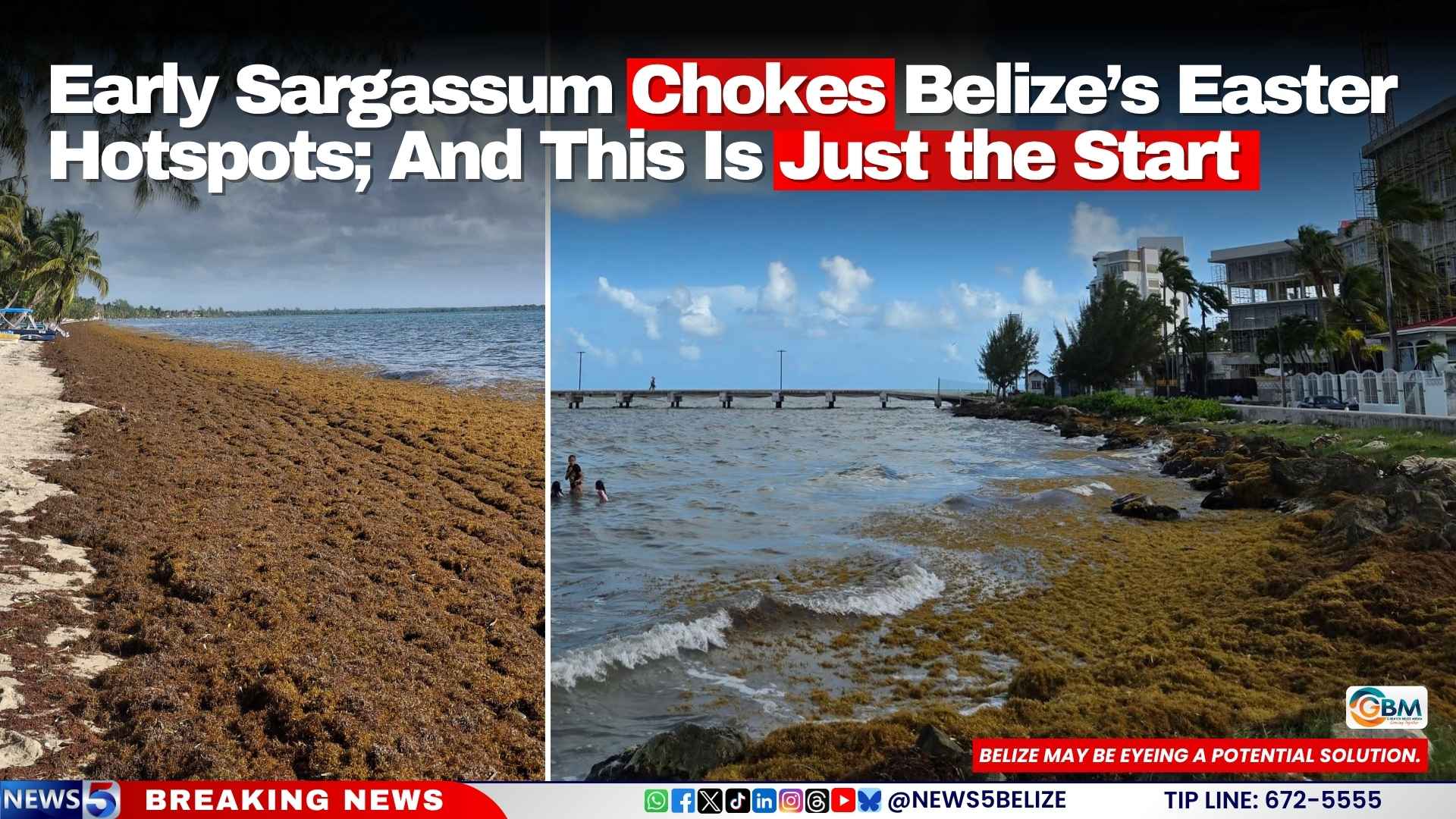
    The 2026 sargassum blooming season has arrived far earlier and more aggressively than expected along Belize’s coastlines, choking the country’s most popular Easter tourism destinations with dense, unmanageable mats of brown seaweed weeks before the annual peak is projected to hit.

    Popular visitor hotspots including Ambergris Caye, Caye Caulker, Placencia, and Hopkins have already seen widespread seaweed accumulation along their shorelines, catching many local communities and tourism operators off guard even as they prepped for the annual influx of Easter holiday travelers.

    Data from leading ocean monitoring institutions — the University of South Florida and the U.S. National Oceanic and Atmospheric Administration (NOAA) — confirms that sargassum biomass across the broader Atlantic Ocean and Caribbean basin is already at record-breaking levels for this time of year. The institutions’ March 2026 Sargassum Forecast warns that 2026 is on track to become one of the most severe sargassum seasons on record, with total volumes projected to hit all-time highs by mid-year.

    The crisis is not limited to Belize. Neighboring Mexico is already grappling with the early bloom: local reports confirm that the popular resort destination of Tulum had collected 244 metric tonnes of sargassum by the end of February 2026, a stark jump from just 59 tonnes collected during the same period in 2025.

    The unseasonable early surge has forced Belizean authorities and tourism operators to accelerate their response plans. The San Pedro Town Council expanded its cleanup crews and began daily removal operations weeks ahead of schedule, while private hotels and restaurants along affected coastlines have deployed floating containment barriers to stop sargassum from drifting into swimming areas and waterfront access points. Even with these proactive steps, persistent systemic challenges remain: illegal dumping of collected sargassum on Ambergris Caye has compounded the island’s existing waste management strains, turning a coastal environmental problem into a public nuisance for local residents.

    Despite the immediate pressures, Belize is actively exploring long-term, sustainable solutions to the annual sargassum crisis. Agriculture Minister Rodwell Ferguson confirmed during March 2026’s budget debate that Chilean companies specializing in sargassum collection and recycling are scheduled to arrive in Belize on April 7 to assess potential commercial harvesting and repurposing projects. These firms have developed techniques to turn waste sargassum into usable products ranging from organic fertilizer to biofuel and construction materials, offering an economic alternative to costly open-air disposal.

    This year’s early Easter bloom serves as a stark early warning for the entire Caribbean region: as ocean conditions continue to fuel larger, earlier sargassum blooms, communities reliant on coastal tourism and fisheries are bracing for a year of unprecedented environmental and economic disruption.

  • SLBMC Supports Dr. Sharon Cordner After Fire Forces Closure of Medical Practice

    SLBMC Supports Dr. Sharon Cordner After Fire Forces Closure of Medical Practice

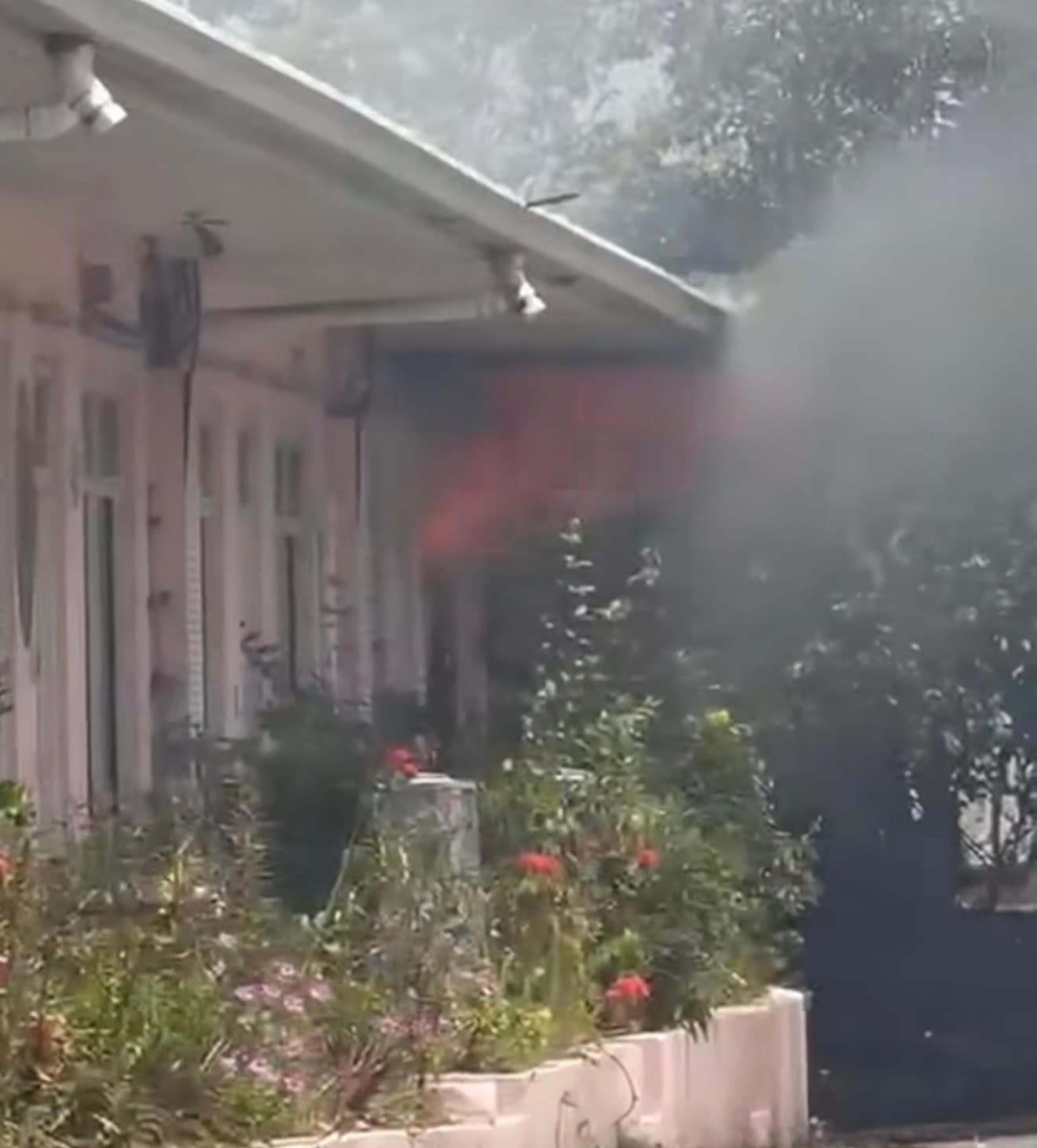
    A damaging fire has brought operations at Antigua’s Gambles Medical Centre to a sudden halt, prompting a show of solidarity from the island’s leading public healthcare facility, Sir Lester Bird Medical Centre.

    In an official public statement released this week, the tertiary hospital extended its full support to lead physician Dr. Sharon Cordner and her entire clinical and administrative staff, who are now navigating the chaotic aftermath of the unexpected blaze. The statement emphasized that the Sir Lester Bird Medical Centre leadership recognizes the critical, longstanding role that Cordner’s private community practice has played in expanding access to primary care for local residents, and stands ready to assist the team as they work to recover.

    As crews work to survey the full scope of structural and equipment damage caused by the fire, Cordner’s office will remain temporarily closed to patients. Hospital officials added that stakeholders are still reviewing all damage data to map out next steps for the practice, including potential repairs, relocation, or resumption of services. Sir Lester Bird Medical Centre has committed to sharing new public updates with the community as soon as additional details about the incident and recovery process are confirmed.

  • Antigua and Barbuda commits fully to ocean protection following intense negotiations at the UN

    Antigua and Barbuda commits fully to ocean protection following intense negotiations at the UN

    For small island developing nations like Antigua and Barbuda, the world’s oceans are far more than a geographic feature—they are the unshakable backbone of national life, underpinning local communities, driving economic activity, and securing the long-term future of the country. As such, the stakes of failing to safeguard marine biodiversity in areas outside national control are too high to ignore, and the island nation has made clear that the unfinished work of bringing the Biodiversity Beyond National Jurisdiction (BBNJ) Treaty into full force remains a top priority.

    Following the wrap-up of the third Preparatory Commission meeting held at United Nations headquarters, global negotiators have recorded meaningful incremental progress toward operationalizing the historic treaty. Yet despite these steps forward, critical gaps in the framework and implementation roadmap still stand between the current draft and a fully functional, enforceable agreement. These unaddressed provisions have created uncertainty around the treaty’s ability to deliver on its core goal: protecting and sustainably managing marine biodiversity in areas that fall outside the jurisdiction of any single country, which make up more than two-thirds of the world’s oceans.

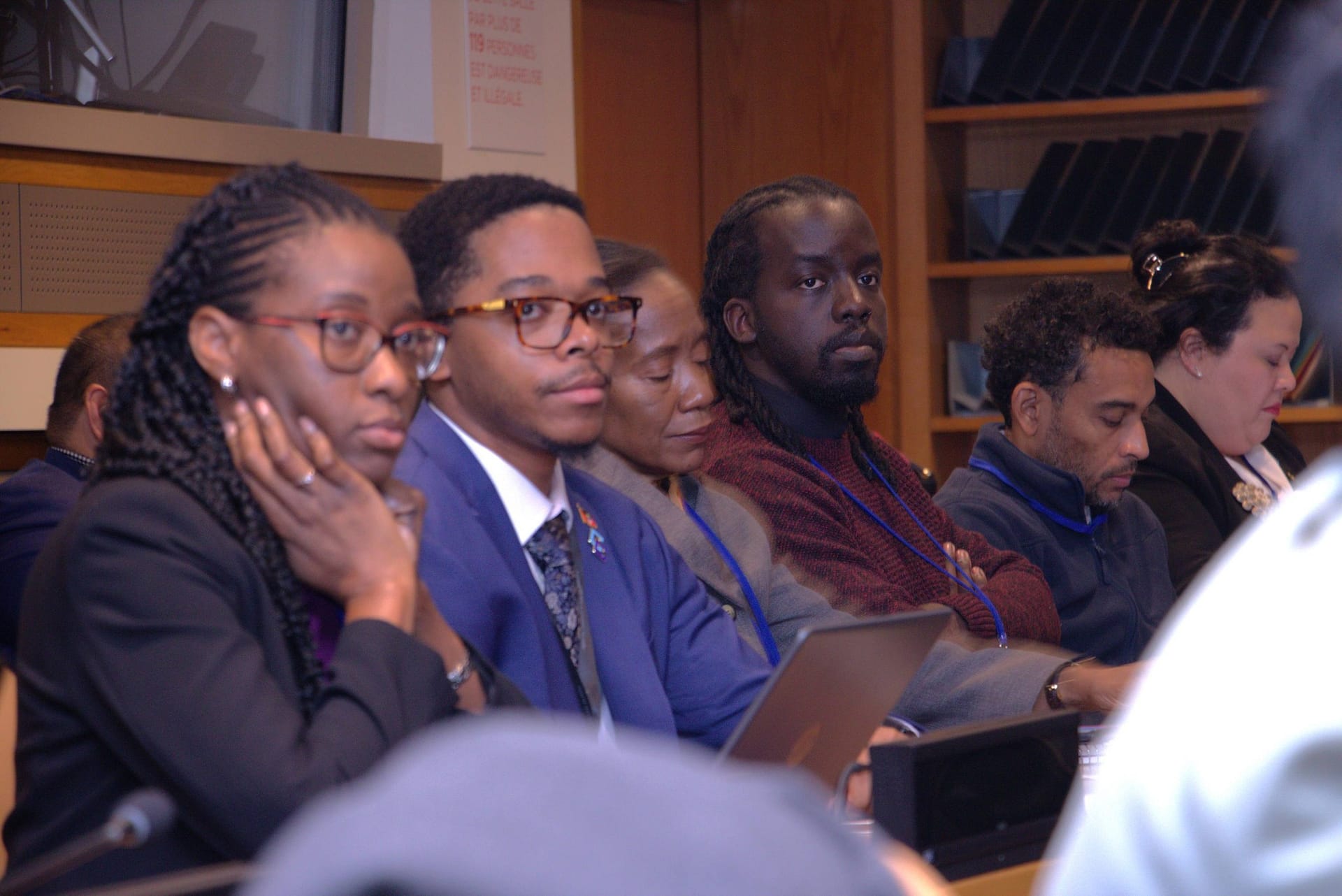
    Antigua and Barbuda has reaffirmed its unwavering commitment to closing these remaining gaps, and will continue its long-standing advocacy for a global ocean governance regime that is robust, equitable, and effective for all nations. The country has also highlighted the pivotal contributions of its national negotiating delegation, led by Asha Challenger, First Secretary of Antigua and Barbuda’s Permanent Mission to the United Nations and Vice President of the third Preparatory Commission. Challenger’s leadership has been instrumental in amplifying the shared concerns and priorities of small island developing states, which are disproportionately vulnerable to the impacts of marine biodiversity loss despite contributing the least to the crisis.

    Challenger’s work at the negotiating table was backed by a specialized team of technical and legal experts, including Darius Joseph, a Legal Officer with Antigua and Barbuda’s Department of Marine Services and Marine Shipping, and Zachary Phillips, Crown Counsel II from the country’s Office of the Attorney General. Both experts brought invaluable, targeted legal and policy insight to negotiations led by the Alliance of Small Island States (AOSIS), the bloc that represents the interests of small island developing nations on the global stage.

    Moving forward, Antigua and Barbuda remains fully dedicated to the multilateral process of finalizing the BBNJ Treaty, and will continue to champion ambitious ocean protection measures that will benefit current and future generations of island communities and global citizens alike.

  • Government moves to reform care system for at-risk youth

    Government moves to reform care system for at-risk youth

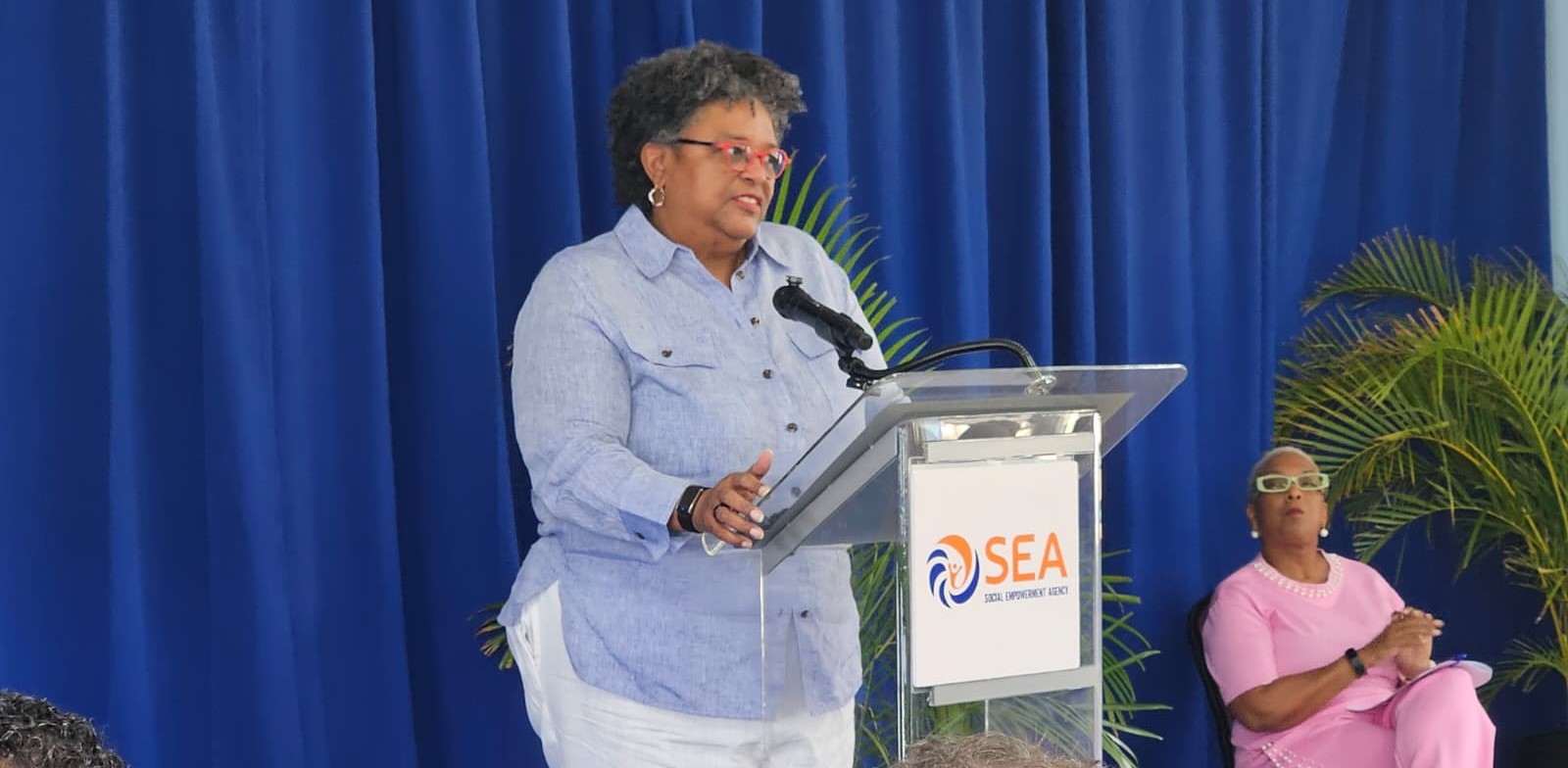
    On Saturday, Barbadian Prime Minister Mia Mottley announced a landmark shift in the nation’s approach to supporting vulnerable youth, moving away from century-old rigid institutional care frameworks in favor of home-like, community-focused residential settings. The announcement came during the official opening of the new Young People’s Village, a 12-to-18-year-old residential facility located in Holders Hill, St. James, a project framed as a cornerstone of the government’s sweeping national childcare system reform.

    Developed through a collaborative partnership between the Barbados Children’s Trust and the country’s Social Empowerment Agency, the new Holders Hill facility is designed to gradually transition young people from the highly structured, institutional environment of the existing Nightingale Children’s Village into a space that prioritizes independent living, practical life skill building, and healthy emotional growth. This transition aligns with the government’s core goal of replacing inflexible institutional care with stable, nurturing environments that better meet the developmental needs of at-risk youth.

    Speaking to facility staff and participating stakeholders, Mottley rejected outdated, rigid approaches to social care, noting that traditional Victorian-era care models have long failed vulnerable populations. “We have a duty, and we don’t want to use a Victorian approach to the delivery of social care services because that didn’t work either,” she stated, emphasizing the government’s commitment to stripping away the impersonal, institutional feel of traditional youth care as much as possible.

    Mottley went on to redefine the role of care staff, explaining that their work extends far beyond routine daily duties to shaping the long-term trajectories of the young people in their care. “You are not just doing a job, you are raising citizens and children to become adults,” she said, stressing that meaningful youth guidance must be rooted in shared values and positive personal example.

    The Prime Minister outlined three overarching national priorities guiding the country’s social policy agenda: cutting systemic poverty, dismantling structural injustice, and expanding life-changing opportunities, with a specific focus on vulnerable children and youth. She also issued a warning against rising culture of entitlement, arguing that individual personal responsibility remains a non-negotiable pillar of sustained national development. “Nobody owes us a living,” Mottley said, urging all Barbadians to take an active, hands-on role in supporting the nation’s young people.

    Echoing the well-known proverb that “it takes a village to raise a child,” Mottley emphasized that youth development and effective parenting require collective effort across communities, calling on local residents to invest time in mentoring and supporting at-risk young people. She also highlighted the urgent need to strengthen conflict resolution skills among youth, linking poor communication and lack of dialogue to rising incidents of violence, and encouraged more open, respectful conversation across age groups.

    While Mottley acknowledged that Barbados maintains one of the highest quality of life rankings in the Caribbean, she cautioned that widespread societal complacency, paired with a lack of shared responsibility for collective well-being, could erode hard-won progress and undermine future growth. The new youth facility is just one component of a broader, nationwide expansion of social care infrastructure that includes new residential and support services for elderly Barbadians and differently-abled adults, all developed through cross-sector partnerships with nonprofits like the Barbados Children’s Trust.

    Mottley stressed that ongoing collaboration between government, the private sector, and civil society is essential to building a resilient, effective social care system. She also noted that the new Young People’s Village incorporates renewable energy infrastructure, including on-site solar installations, as part of broader national efforts to reduce the country’s vulnerability to global energy and economic shocks.

    In additional policy announcements, Mottley disclosed that the Barbadian government has allocated $5 million in funding to faith-based organizations across the country to support local youth programmes and community development initiatives, framing these community-led projects as critical to strengthening grassroots support systems for vulnerable populations.

    Closing her remarks to the young residents of the new facility, Mottley framed the Holders Hill site as more than just a residential centre: it is a second chance and a clear pathway to a more prosperous future. “This is to make you a believer again in the possibilities of life… it is possible to achieve greatness, it is possible to be a good citizen, it is possible to be a good human being,” she told residents.

  • LETTER: Stop the Talking Points — Answer the Questions, Mr. Williams

    LETTER: Stop the Talking Points — Answer the Questions, Mr. Williams

    As Antigua and Barbuda prepares for its upcoming election, a letter to the editor from a self-identified concerned voter has highlighted growing public frustration over ambiguous political communication between top political figures. The voter, who has reviewed both Prime Minister Gaston Browne’s recent comments about a private meeting with opposition figure Adrian Williams, as well as Williams’ subsequent public reply, says the opposition leader’s response has left critical questions unanswered.

    The core of the dispute centers on specific, serious allegations made by Prime Minister Browne regarding his interaction with Williams. Instead of addressing these claims head-on, Williams has relied on broad, generic rhetoric centered on concepts like “leadership” and “vision” — a framing that the voter argues fails to address the concrete questions at the heart of the controversy.

    Voters, the letter emphasizes, are not seeking empty campaign slogans ahead of what is shaping up to be a high-stakes election. Two simple, direct questions remain unaddressed by Williams: First, did the meeting with Prime Minister Browne actually take place? Second, did Williams bring forward the specific questions that Browne has referenced in his public comments?

    The voter pushes back against Williams’ attempts to frame the exchange as defamation or excessive political rhetoric, arguing that dodging the core issues is unacceptable for anyone seeking public office. “If what the Prime Minister said is false, Williams should state that clearly and categorically. If the claims are actually true, he owes the public a full explanation,” the letter reads.

    This lack of transparency, the voter argues, points to a larger problem in modern political campaigning. Any individual asking citizens to place their trust in them to represent their interests must commit to openness and directness at all times, not just when it is politically convenient. Transparency cannot be an on-again, off-again promise that candidates abandon when faced with uncomfortable questions, the letter stresses.

    The voting public, the author notes, is closely watching how political figures respond to scrutiny, and they are far more aware of evasive tactics than many candidates assume. Voters have already seen the original allegations and tracked the weak, noncommittal response, and that inconsistency will not go unnoticed at the polls.

    With the outcome of the election set to shape the future direction of the nation, this contest is too important for political gamesmanship and rehearsed talking points, the letter concludes. What the public demands above all right now is honesty, and the writer reiterates the call for Williams to set aside generic rhetoric and answer the outstanding questions directly.

  • IMPORTANT NOTICE: From Dr. Sharon Cordner

    IMPORTANT NOTICE: From Dr. Sharon Cordner

    A formal important notification has been released to the public under the signature of Dr. Sharon Cordner. As of the current available information, the notice is framed as a critical communication originating from this medical professional, though full specific details regarding the subject matter, intended audience, and core directives of the announcement have not been publicly disclosed at this stage. Communications bearing the label of “important notice” from medical and public health figures typically pertain to matters of public concern, ranging from emerging health guidance to institutional updates, but without additional context, the full scope of Dr. Cordner’s announcement remains undisclosed. Members of the public and relevant stakeholders are advised to monitor subsequent official releases from Dr. Cordner or the institution she represents for complete details on the notification’s content and any required actions in response.

  • FEATURE: This is How the ABLP is Transforming Education

    FEATURE: This is How the ABLP is Transforming Education

    Across Antigua and Barbuda, the ruling Antigua and Barbuda Labour Party (ABLP) has emerged as a key driver of systemic change in the country’s education sector over recent years, rolling out a series of targeted reforms designed to expand access, upgrade infrastructure and improve learning outcomes for students at all levels.

    Unlike previous policy frameworks that focused primarily on incremental adjustments, the ABLP’s transformation agenda addresses longstanding gaps in the education system, from overcrowded primary school classrooms to outdated technical training programs that failed to align with the needs of the modern Caribbean labor market. One of the administration’s flagship initiatives has been a multi-million dollar school infrastructure upgrade program, which has broken ground on 12 new school campuses and renovated more than 30 existing facilities across both main islands and smaller outlying communities. These upgrades include new science laboratories, accessible ramps for students with disabilities, and expanded digital learning centers equipped with high-speed internet and modern computing devices.

    The government has also prioritized expanding access to early childhood education, making pre-primary schooling free for all children aged three to five in a policy shift that has removed financial barriers for low-income families and boosted early childhood enrollment by more than 18% since the program launched. For post-secondary learners, the ABLP has expanded scholarship and student loan programs, creating new tuition assistance opportunities for students pursuing degrees in high-demand fields including nursing, information technology, and sustainable tourism. The party has also pushed through curriculum reforms to integrate climate change education and digital literacy into all grade levels, updating learning standards that had not been comprehensively revised in more than two decades.

    Stakeholder feedback on the reforms has been mixed: educators have broadly welcomed the increased investment in infrastructure and professional development for teachers, while some opposition leaders have raised concerns about the pace of spending and delays in the delivery of some scheduled projects. Despite these debates, the ABLP frames its education transformation efforts as a core long-term investment in the country’s future, arguing that a stronger, more inclusive education system will lay the groundwork for more equitable economic growth and greater social mobility across Antigua and Barbuda.

  • Adrian Williams Responds to PM Browne, Says “Defamation Is Not Leadership”

    Adrian Williams Responds to PM Browne, Says “Defamation Is Not Leadership”

    As Antigua and Barbuda gears up for an upcoming general election, political tensions have flared between incumbent Prime Minister Gaston Browne and newly minted United Progressive Party (UPP) candidate Adrian Williams, following controversial remarks Browne made during a weekend radio broadcast.

    During the on-air appearance, Browne teased the public with the promise of releasing details of private past conversations he held with Williams, sparking immediate backlash from the opposition candidate. In his first public response to the prime minister’s comments, Williams has pushed back against the personal provocation, framing the incident as a distraction from the core issues that matter to voters.

    Williams declined to directly engage with the unsubstantiated hints Browne dropped about their private discussions, instead choosing to reframe the political conversation around the qualities of effective governance. In a public statement circulated widely across campaign channels, Williams argued that good leadership prioritizes problem-solving over personal attacks targeting political opponents.

    “Leadership is not about tearing others down to gain attention,” Williams said. “It is about presenting real solutions, addressing the issues that matter, and earning the trust of the people through action.”

    He expanded on this vision in his remarks, noting that meaningful political discourse should center on tangible progress for communities and a clear forward-looking plan for the country. When leaders pivot to personal attacks instead of delivering on policy promises, Williams argued, it exposes a fundamental lack of vision for the nation’s future. “True leadership stands on results, not rhetoric,” he added.

    In his formal campaign message, Williams doubled down on this position, saying: “Slander is not strategy. Defamation is not leadership. Let policies speak. Let results lead.”

    Browne has yet to release the full details of the private conversations he referenced during the radio broadcast, telling audiences he would disclose the content at a later date. For Williams, the exchange has underscored his campaign’s core goal: shifting the focus of the upcoming election away from personal drama and back to policy, governance, and the needs of everyday voters. As election day draws nearer, this early clash signals a contentious campaign season ahead, with Williams positioning himself as a candidate focused on substance over political mudslinging.

  • Jamaica top Carifta Games medals for 40th straight year

    Jamaica top Carifta Games medals for 40th straight year

    The 53rd edition of the Carifta Games, one of the Caribbean’s most prestigious annual junior athletics competitions, wrapped up on Monday at Grenada’s Kirani James Athletics Stadium, and it ended with a historic milestone for Jamaican track and field. For the 40th year running, Jamaica claimed the top spot on the overall medals table, capping off a dominant five-day performance with an impressive total haul of 71 medals.

    Heading into the final day of competition, Jamaican junior athletes had already secured 43 medals across a range of events, but the team pushed for even more success to cement their leading position. By the close of the final event, the nation added 28 additional medals to its count, finishing with an uneven split of 28 gold, 27 silver, and 16 bronze medals – a total more than double that of the second-place finisher.

    Trinidad and Tobago took second place in the overall rankings, finishing with a total of 35 medals: nine gold, 11 silver, and 15 bronze. The Bahamas followed closely behind in third with 30 total medals, comprising eight gold, 12 silver, and 10 bronze. Host nations and smaller Caribbean territories rounded out the top five: Barbados landed in fourth with 17 medals (six gold, three silver, eight bronze), while Guyana claimed fifth place with a six-medal haul that included four gold, one silver, and one bronze.

    The final day of competition delivered several standout moments for the Jamaican squad, particularly in the closing 4x400m relay events. Jamaica claimed victory in three of the four scheduled relay races: the girls’ Under-17, girls’ Under-20, and boys’ Under-17 divisions. The only relay title that eluded the Jamaican team was the boys’ Under-20 race, where the squad finished second to a record-breaking Barbados team that delivered a stunning performance to take gold.

    In individual event action, Jamaican athlete Michael-Andre Edwards rebounded from an earlier disappointment to claim top honors in the boys’ Under-20 triple jump. Edwards, who had previously lost his long jump title earlier in the championships, soared 15.84m with a -0.9m/s headwind to take gold. His win marked a one-two finish for Jamaica, as compatriot Rekelme Hunter took silver with a jump of 15.28m against a -0.1m/s wind.

    Adding another medal to the nation’s final-day haul, Xavier Tracey secured a bronze finish in the boys’ Under-17 discus throw with a best throw of 51.30m, rounding out a dominant overall performance for the Jamaican delegation that extended their decades-long unbroken run atop the Carifta Games medals standings.