作者: admin

  • Italy Arrests Nine Accused of Sending Gaza Aid Funds to Hamas

    Italy Arrests Nine Accused of Sending Gaza Aid Funds to Hamas

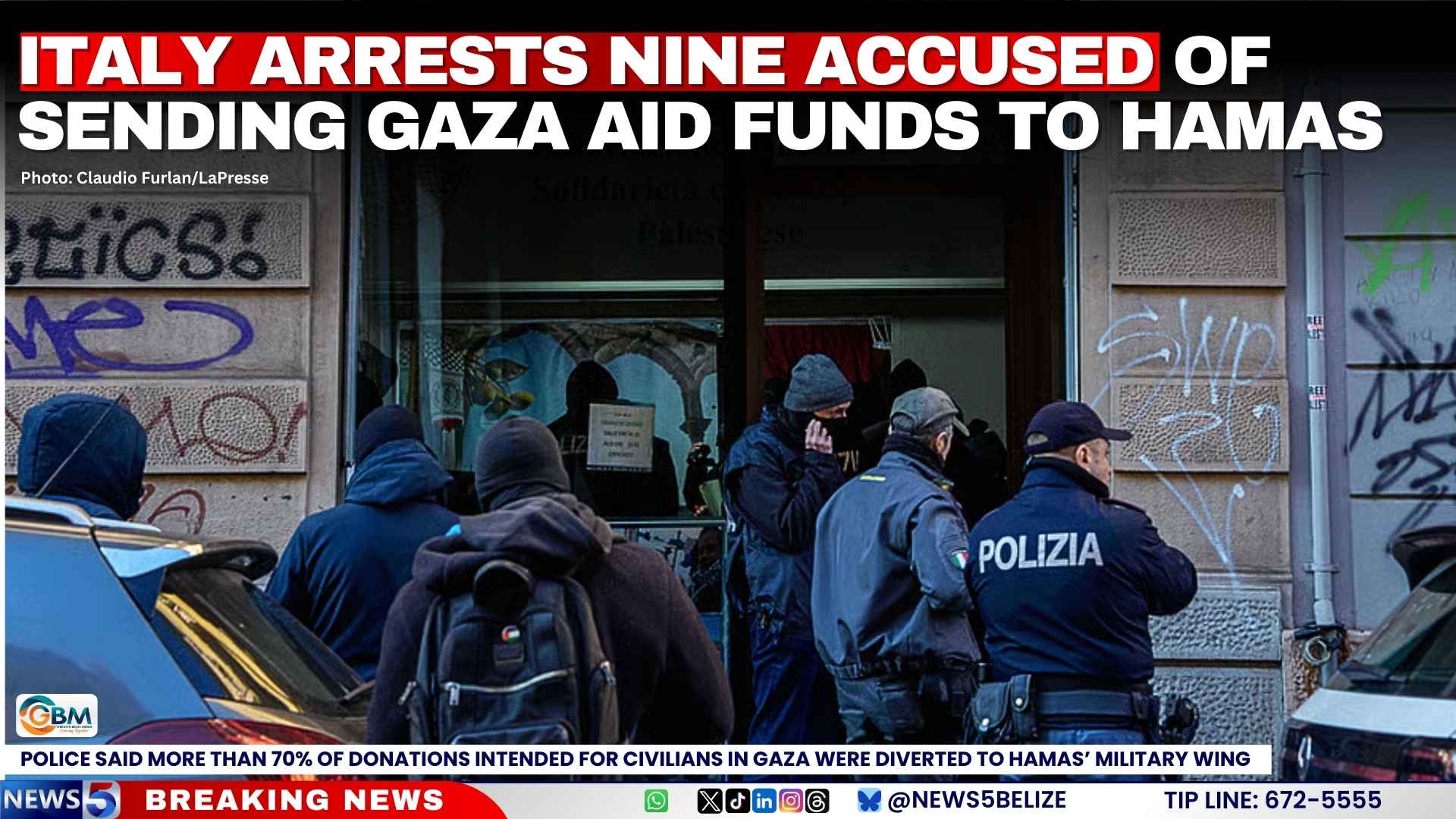
    Italian authorities have apprehended nine individuals allegedly involved in a sophisticated financial network that diverted approximately $8 million in humanitarian donations to Hamas’s military operations. The investigation, spanning multiple Italian regions, reveals a coordinated effort to mask military funding as civilian aid for Gaza.

    The arrests occur against the backdrop of sustained Israel-Hamas hostilities following the October 2023 attacks. While Gaza’s civilian population experiences critical shortages of essential supplies, this operation highlights how humanitarian crises can be exploited for militant financing.

    According to judicial documents, the scheme operated through a complex fundraising mechanism where donors were led to believe their contributions would support Palestinian civilians. Forensic financial analysis indicates over 70% of collected funds were systematically redirected to Hamas’s military wing and to families of suicide bombers and detainees.

    Among those detained is Mohammad Hannoun, president of Italy’s Palestinian Association, who publicly denies any affiliation with Hamas. In his defense, Hannoun stated his support extends only to what he characterizes as the ‘legitimate resistance’ of Palestinians, distancing himself from the terrorist organization’s military activities.

    The Italian police operation demonstrates enhanced international cooperation in combating terrorist financing networks, particularly those exploiting humanitarian channels during active conflicts. This case establishes significant precedent for European nations monitoring organizations that potentially cross from humanitarian work into militant support.

  • Authorities Step Up Sanitation Drive in St John’s City Centre

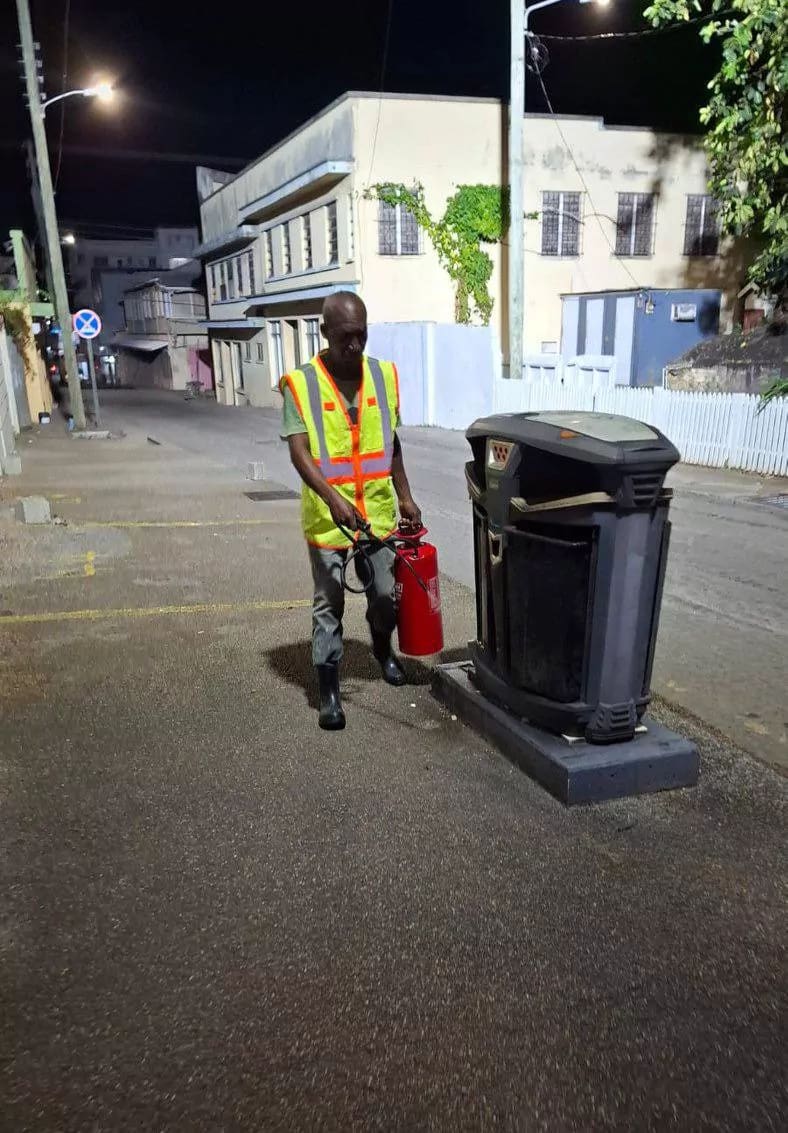
    Authorities Step Up Sanitation Drive in St John’s City Centre

    A comprehensive sanitation campaign is underway in the heart of St. John’s, marking a significant escalation in municipal efforts to enhance public health and urban aesthetics. Local authorities have mobilized additional resources and personnel to address cleanliness concerns that have accumulated in the central business district. The initiative involves intensified street sweeping, systematic waste collection, and the removal of graffiti and debris from public spaces. This operation is not merely a superficial cleaning effort but a structured program aimed at long-term maintenance and public awareness. City officials emphasize that the drive is a response to community feedback and part of a broader strategy to improve the quality of urban life, boost civic pride, and support local commerce by creating a more welcoming environment for residents and visitors alike. The campaign also includes public education components to encourage responsible waste disposal among businesses and the general public.

  • Gopex wijst op zorgen rond export, padieboeren luiden noodsignaal

    Gopex wijst op zorgen rond export, padieboeren luiden noodsignaal

    Suriname’s agricultural sector faces an unprecedented crisis as major industry players report catastrophic declines in export performance and mounting systemic challenges. Gopex International NV, a prominent agricultural enterprise, alongside the Surinamese Rice Farmers Association (SPBA), has issued urgent warnings about the sector’s rapid deterioration.

    Statistical analysis covering 2017 through 2024 reveals an alarming contraction exceeding fifty percent in agricultural output. Madhevie Gopal, representing industry stakeholders, attributes this dramatic decline to multiple factors, primarily stringent European regulatory changes that have rendered Suriname unable to meet Dutch market demands. “We are consistently losing market share to competitors such as the Dominican Republic and Mexico,” Gopal stated, painting a concerning picture for vegetable and fruit exports.

    The crisis extends beyond regulatory challenges to critical infrastructure failures. Gopal highlighted persistent logistical bottlenecks at airport export processing, where agricultural products remain outside refrigeration for five to six hours, severely compromising quality standards. “If we genuinely prioritize food safety,” she emphasized, “we must implement improved facilities coupled with enhanced supervision and monitoring mechanisms.”

    Industry leaders advocate for comprehensive reforms including expanded agricultural research, improved farmer education programs, and effective implementation of the National Institute for Food Safety Suriname Act. This legislation specifically aims to oversee food production, distribution, and export processes to ensure safety and quality standards.

    The rice sector faces parallel challenges. SPBA President Harinandan Oemraw reported that rice farmers confront shrinking profit margins despite increasing investments. “Without structural support,” Oemraw warned, “we anticipate further decline in rice production.”

    Rice farmers grapple with soaring production costs, inadequate research, obsolete seed supply systems, aging infrastructure, limited access to affordable financing, and escalating climate risks. Oemraw identified critical needs including modern irrigation systems, accessible credit facilities, and consistent pricing policies to sustain the sector.

    Proplan Consultancy’s analysis reveals a devastating cost-price imbalance: production costs reach SRD 863 per rice bale while farmers receive merely SRD 400. This economic pressure has resulted in severely reduced planting this season, threatening both national food security and agricultural livelihoods.

    The unified message from Gopex and SPBA underscores the urgent need for targeted policy interventions, improved regulatory oversight, and sector-wide collaboration. Without immediate action, Suriname risks further erosion of international market position and compromised food security. As Gopal succinctly summarized: “No farmer, no food, no future.”

  • Culture, identity and self-determination highlight day two of Kwanzaa

    Culture, identity and self-determination highlight day two of Kwanzaa

    The Ngozi Farm and Cultural Sanctuary in Turners Hall, St Andrew, became a vibrant hub of cultural celebration and introspection this Saturday during the second day of Kwanzaa observances. The fifth annual event, continuing through January 1, operated under the thematic banner ‘Embracing Identity and Resilience: Standing Strong in Our Heritage of Self-Determination, Creating Sustainable Futures,’ drawing diverse community participation.

    The day’s proceedings commenced with an artisan market before transitioning to traditional heritage games in the afternoon. The celebration specifically honored Kujichagulia (self-determination), the second principle of Kwanzaa, emphasizing cultural identity and communal empowerment.

    A particularly memorable segment was the Blessing Ceremony, characterized by rhythmic chanting, melodic singing, and powerful drumming during an animated procession into the sanctuary. Ireka Jelani, founder of Ngozi Farm and Cultural Sanctuary, greeted attendees by emphasizing the event’s purpose: ‘We are here to celebrate family, we are here to celebrate culture, we are here to celebrate heritage, and we are here to celebrate community.’

    The government-supported event featured an address from Senator John King, Special Advisor on Culture and Cultural Heritage in the Prime Minister’s Office. Senator King advocated for universal unity, stating, ‘I want to encourage every single person in this room to think of yourself not in terms of color, not in terms of white or black, Jew or Gentile, none of those things. I want you to begin to think of yourselves as a part of the human family.’ He further elaborated on Kwanzaa’s significance as an opportunity for collective reflection and progressive movement as a unified people.

    Shameka Watson, representing St Andrew’s parliamentary representative Dr. Rommel Springer, addressed the concept of self-determination as reclaiming historical narratives and instilling in youth the understanding that their heritage is fundamentally rooted in greatness.

    The celebration culminated in a cultural extravaganza featuring performances by saxophonist Shakhouri Thompson, Poetree Barbados, Haynesville Youth Club, the All Nation Drummers, and concluded with a high-energy finale by reggae band The Rite Side of Red.

  • LETTER: The UPP’s Shameless Hypocrisy: A Party That Weaponized the Law Now Pretends to Be Its Victim

    LETTER: The UPP’s Shameless Hypocrisy: A Party That Weaponized the Law Now Pretends to Be Its Victim

    A vehement editorial has sharply criticized the United Progressive Party (UPP) of Antigua and Barbuda for its recent claims of political persecution, labeling the allegations as intellectually insulting to the nation’s citizens and a blatant distortion of recent historical events. The piece presents a counter-narrative asserting that the UPP itself was the primary architect of systemic political victimization during its decade-long tenure from 2004 to 2014.

    According to the analysis, the UPP’s governance was characterized by a sustained vendetta against members and supporters of the rival Antigua Labour Party (ALP). The stated objective behind these actions was reportedly not the pursuit of justice but rather the strategic humiliation, intimidation, and political eradication of opponents. State institutions were allegedly manipulated to facilitate partisan revenge, treating individuals associated with the ALP as presumptive criminals.

    The commentary highlights the deployment of a foreign forensic investigator as a theatrical tactic intended to sway public perception rather than address genuine institutional failures. This approach, described as a form of political theater, was designed to create an illusion of inevitable convictions despite a complete absence of judicial outcomes. High-profile cases, such as those against Cutie Benjamin and Tanny Rose, were widely publicized in media and leveraged at political rallies as intimidation tools, yet all ultimately resulted in dismissals.

    A coordinated legal assault involving multiple civil lawsuits was also launched against former ALP ministers, including current figure Gaston Browne, with the alleged aim of bankrupting and silencing political adversaries. After incurring millions in legal fees and inflicting severe reputational damage, every initiated case collapsed under judicial scrutiny without a single conviction or finding of wrongdoing.

    The most egregious episode cited occurred during the 2009 general election campaign, when the sitting Prime Minister publicly threatened former ministers with imprisonment without trial—an act characterized as mob politics that undermined parliamentary democracy. Within parliament, UPP members openly boasted of endless investigations and permanent harassment against opponents, displaying contempt for due process and the presumption of innocence.

    The editorial concludes that the UPP’s recent demands for restraint and rule of law, following police questioning of its own members, represent profound audacity rather than irony. It asserts the nation remembers the party’s legacy of abused power and failed cases, concluding that the UPP is not facing persecution but is instead being confronted by its own historical record.

  • EU Warns Caribbean Citizenship Schemes Could Trigger Visa-Free Travel Ban

    EU Warns Caribbean Citizenship Schemes Could Trigger Visa-Free Travel Ban

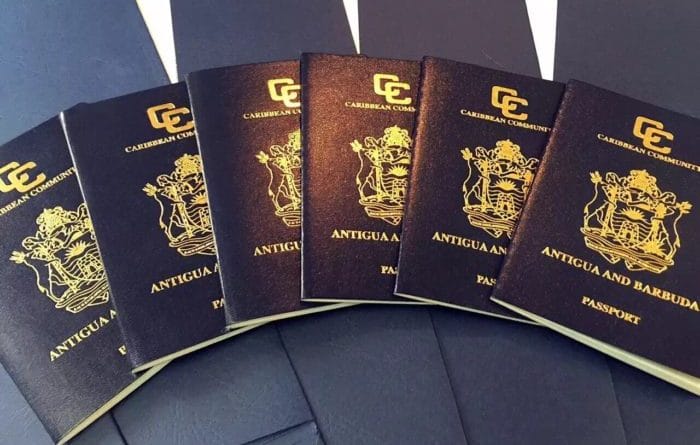
    The European Commission has identified five Caribbean nations—Antigua and Barbuda, Dominica, Grenada, Saint Kitts and Nevis, and Saint Lucia—as operating substantial citizenship-by-investment programs that pose persistent threats to European border integrity. These initiatives, which have collectively granted over 100,000 passports, are now under intensified scrutiny for their security implications.

    According to the Commission’s assessment, Antigua and Barbuda’s exceptionally low rejection rate of approximately 1.7% raises serious questions about the robustness of their vetting procedures. Despite regional governments implementing reforms—including establishing a minimum investment threshold of US$200,000, enhancing due diligence protocols, and improving information sharing mechanisms—Brussels maintains these measures insufficiently address fundamental security risks.

    The EU has activated revised regulatory frameworks that could initiate a phased suspension of visa-free travel privileges. Commission officials cite Georgia’s impending loss of diplomatic visa-free access as a precedent for potential sanctions. This development carries significant economic consequences for Antigua and Barbuda, where citizenship revenues critically fund infrastructure development, debt reduction initiatives, and climate resilience projects.

    The Commission’s position finds legal reinforcement in a recent European Court of Justice ruling against Malta’s analogous program, establishing that deeper EU integration remains incompatible with investor citizenship schemes. While no specific timeline has been established for further action, Caribbean governments are preparing to defend their programs by emphasizing their developmental benefits and compliance with international standards.

  • Stricter Rules Introduced for Water Taxis in St John’s Harbour

    Stricter Rules Introduced for Water Taxis in St John’s Harbour

    The Antigua Port Authority has announced a comprehensive tightening of safety and compliance protocols for water taxis and pleasure craft operating within St John’s Harbour. This regulatory enhancement mandates that all maritime operators must possess full licensing, ensure proper vessel registration, and strictly adhere to safety mandates including life jacket provisions and passenger capacity limits.

    Port Manager Darwin Telemaque emphasized that the new measures address growing concerns about unregulated vessel movements near large ships, which have caused navigational unease and potential hazards. The authority has designated Marine Manager James Lee to supervise compliance enforcement as these regulations take immediate effect.

    Concurrently, the Port Authority is evaluating the Montserrat Ferry Terminal’s temporary relocation site as a potential permanent water taxi hub. This consideration follows observed improvements in congestion management within cruise ship zones since the terminal’s interim use.

    These coordinated efforts aim to elevate safety standards, optimize harbor traffic flow, and establish a more organized marine ecosystem. The Port Authority has explicitly notified operators that permits issued by external agencies will no longer grant access to port jurisdictions without full compliance with these updated requirements.

  • Holness Hails Unity, Integration and Resilience in End-of-Year Message as He Hands Over CARICOM Chairmanship

    Holness Hails Unity, Integration and Resilience in End-of-Year Message as He Hands Over CARICOM Chairmanship

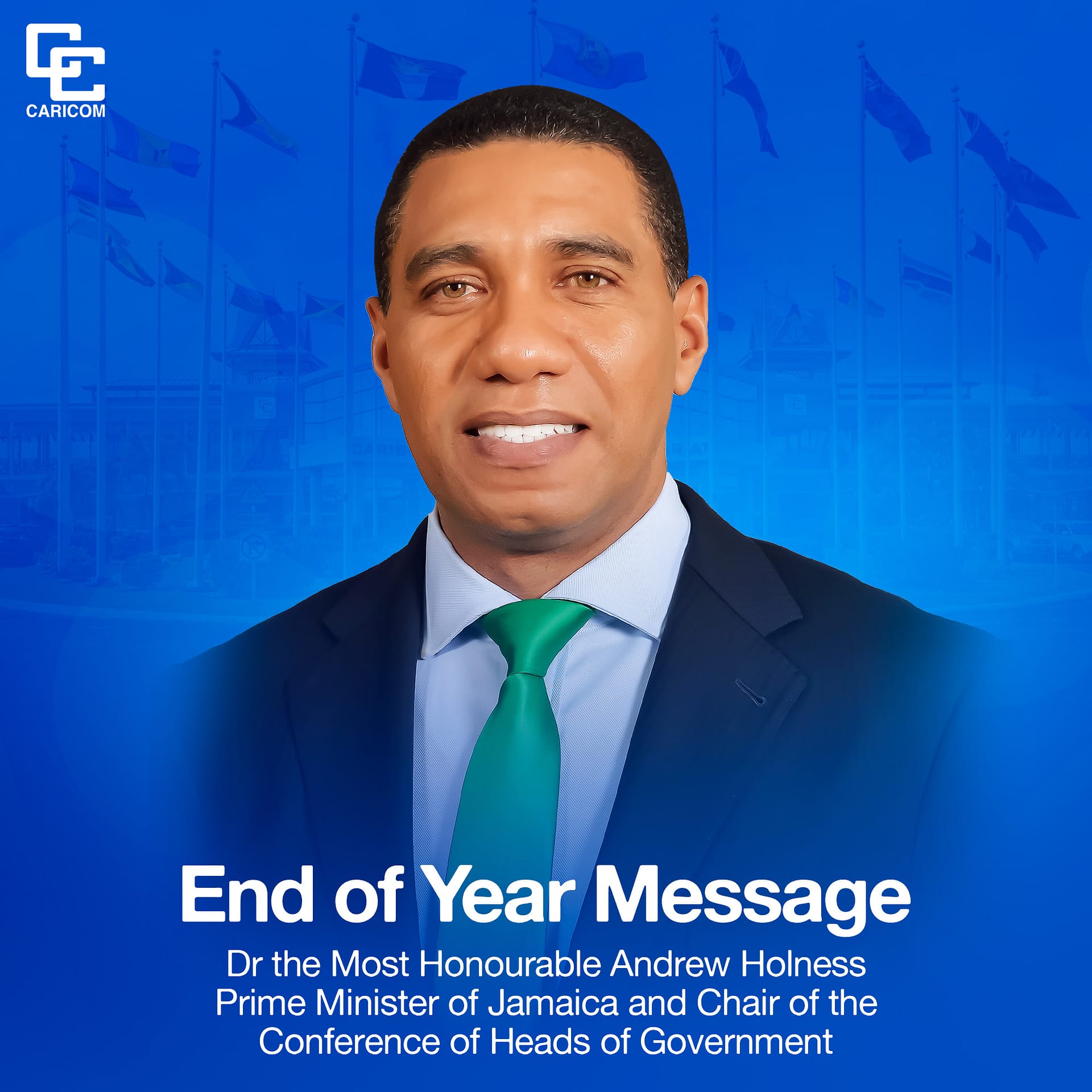
    In his concluding address as outgoing Chair of the Caribbean Community (CARICOM), Jamaican Prime Minister Dr. Andrew Holness highlighted significant advancements in regional integration and collective resilience during his tenure. The year 2025 witnessed CARICOM’s strengthened unity despite confronting catastrophic natural disasters, particularly Hurricane Melissa, which demonstrated the Caribbean family’s unwavering solidarity through regional and international support systems.

    A landmark achievement emerged from the July Conference of Heads of Government in Jamaica, where four member states—Barbados, Belize, Dominica, and St. Vincent and the Grenadines—committed to implementing full free movement of persons effective October 2025. This pioneering ‘concentric circles’ integration model enables willing nations to deepen cooperation while maintaining flexibility for broader participation.

    CARICOM successfully navigated shifting global trade dynamics through coordinated advocacy with the CARICOM Private Sector Organization and strategic international partners. Enhanced air connectivity bolstered intra-regional trade, while targeted initiatives improved food and nutrition security across the Community.

    The bloc maintained a unified diplomatic front at high-level international forums including the UN General Assembly, G20 Summit, and CELAC-EU Summit. This coordinated foreign policy approach strengthened crisis response capabilities and amplified the region’s voice on global platforms.

    Security remained paramount with the adoption of the Montego Bay Declaration on Transnational Organized Crime and Gangs, recognizing the inextricable link between security and sustainable development. While climate negotiations at COP30 fell short of Small Island Developing States’ urgent needs, CARICOM reaffirmed its commitment to the 1.5°C goal and acknowledged the critical work of regional institutions including the Caribbean Community Climate Change Centre and CDEMA.

    Strategic engagement with Africa expanded through the Second Africa-CARICOM Summit in Addis Ababa, fostering collaboration on trade, investment, cultural exchange, and global advocacy including reparations discourse. CARICOM sustained its advocacy for Haiti, contributing to UN Security Council actions and supporting preparations for democratic elections in 2026.

    The Community reaffirmed its commitment to maintaining the Caribbean as a Zone of Peace based on international law and peaceful dispute resolution. While acknowledging member states’ sovereign perspectives may differ, Dr. Holness emphasized that institutional mandates and economic interdependence remain foundational to regional cohesion amidst evolving geopolitical complexities.

    As leadership transitions to St. Kitts and Nevis and Saint Lucia, the outgoing Chair expressed confidence in CARICOM’s enduring integration model and the Secretariat’s continued professional service to member states.

  • Children gifted underwater adventure

    Children gifted underwater adventure

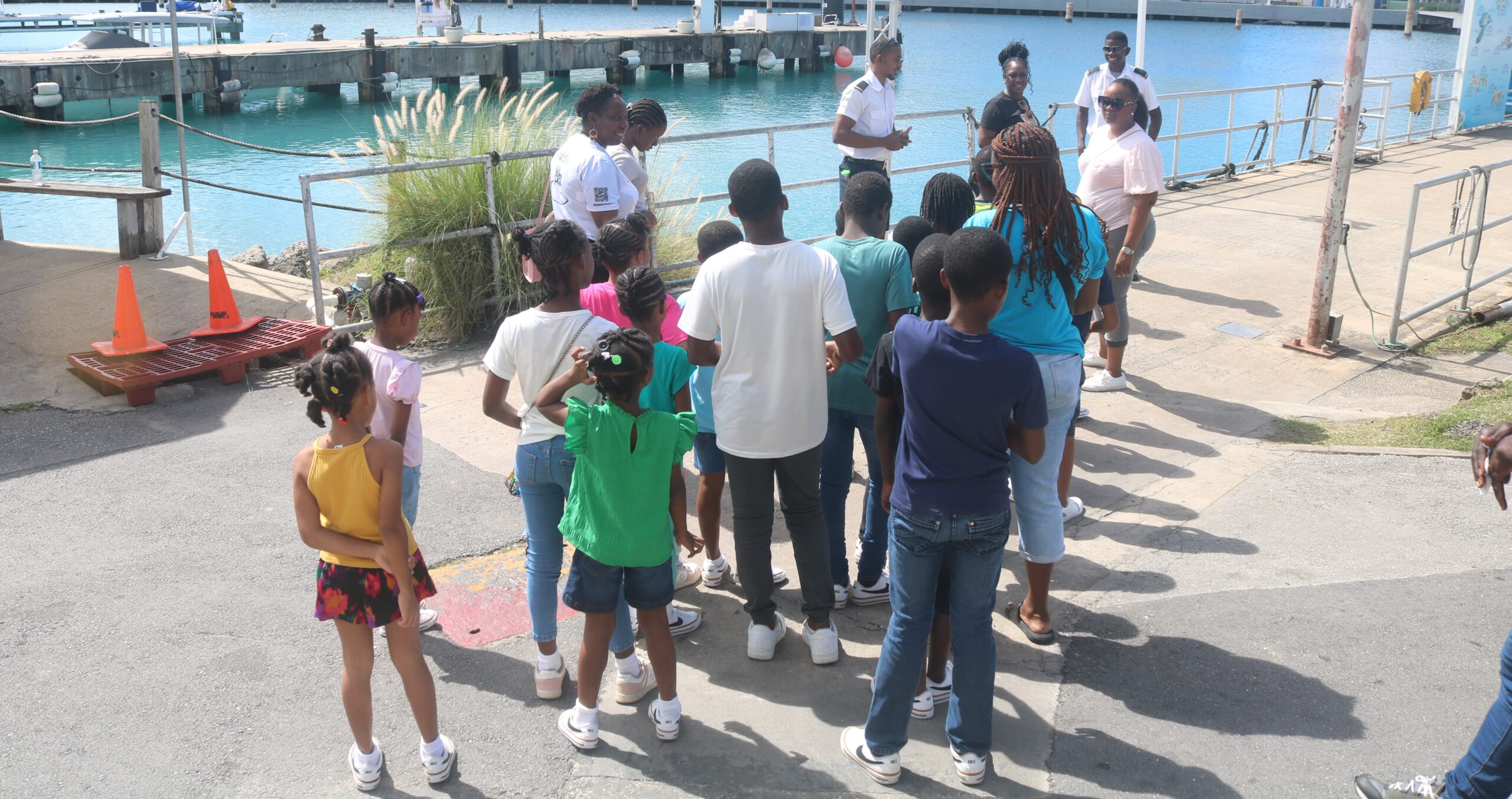
    In an extraordinary holiday initiative that transcended conventional gift-giving, thirty children from Nightingale Children’s Village embarked on an unforgettable underwater expedition aboard the Atlantis Submarine last Saturday. This remarkable experience was facilitated through a collaborative effort between the We Gatherin’ Secretariat, Atlantis Submarine, and the St Michael Parish Organising Committee (POC).

    Alicia Payne-Hurley, Deputy Chairperson of the St Michael We Gatherin’ POC, emphasized that the program was designed to create lasting memories rather than merely distributing seasonal presents. “Our objective extended beyond providing temporary holiday entertainment. We aimed to offer these children an educational and immersive marine experience that would leave enduring positive impressions,” she explained.

    The comprehensive outing included not only the submarine adventure but also lunch provisions and a commitment to ongoing support. Payne-Hurley clarified that future donations would prioritize practical necessities over novelty items, stating: “Our contributions will address actual needs rather than desires. Since many have already received recreational gifts, our post-Christmas donation will ensure continuous support rather than a one-time gesture.”

    Eight guardians accompanied the children during the expedition, with organizers expressing particular appreciation to Atlantis Submarine for providing the experience complimentary. Despite initial plans to accommodate forty children, participation limitations arose due to the submarine’s safety requirement of a minimum three-foot height.

    Addressing the unavoidable disappointment, Payne-Hurley acknowledged: “We regrettably had to exclude some younger children who didn’t meet the height criteria. We’re committed to creating alternative opportunities for them as they grow, ensuring no child is permanently excluded from such experiences.”

    This initiative exemplifies the parish’s broader dedication to supporting vulnerable community members through innovative and meaningful engagement programs that extend beyond traditional charitable approaches.

  • Grenadian pollster who got SVG’s election wrong says his poll was too old

    Grenadian pollster who got SVG’s election wrong says his poll was too old

    A prominent Grenadian data analyst has publicly analyzed his erroneous prediction that Saint Vincent and the Grenadines’ ruling Unity Labour Party (ULP) would secure a sixth consecutive term, attributing the miscalculation to conducting polls too early and failing to account for last-minute campaign dynamics.

    Dr. Justin Pierre, a seasoned statistician and labor market consultant, revealed that his pre-election survey of 2,402 citizens conducted October 1-30 showed an 80% voter loyalty rate for ULP, leading his team to be ‘100% confident’ in their victory projection. However, the November 27 election resulted in a seismic shift, with the New Democratic Party (NDP) capturing 14 of 15 constituencies and outperforming ULP by approximately 9,854 votes according to preliminary counts.

    Critical factors unaccounted for in the initial survey included the COVID-19 vaccine mandate’s significant impact—a policy that resulted in hundreds of public sector dismissals in November 2021—and an unprecedented late-stage social media explosion. Pierre noted that while October social media consumption favored NDP by 110,100 to 157,000 minutes, this surged to nearly 900,000 minutes consumed from November 15 onward, creating what he described as an ‘insurmountable momentum shift.’

    The analyst also cited external campaign assistance from Jamaican specialists and alleged support from Trinidad and Tobago as additional factors that emerged after his survey period. Vincentian journalist and social commentator Jomo Thomas challenged Pierre’s methodology, noting that a purported 2% lead falling within the survey’s 2% margin of error indicated a statistical dead heat rather than a decisive advantage.

    Pierre concluded that future predictions should be made within one week of elections rather than thirty days prior, acknowledging that this was his first incorrect forecast after accurately predicting eight previous Caribbean elections.