作者: admin

  • PM acting decisively to save lives

    PM acting decisively to save lives

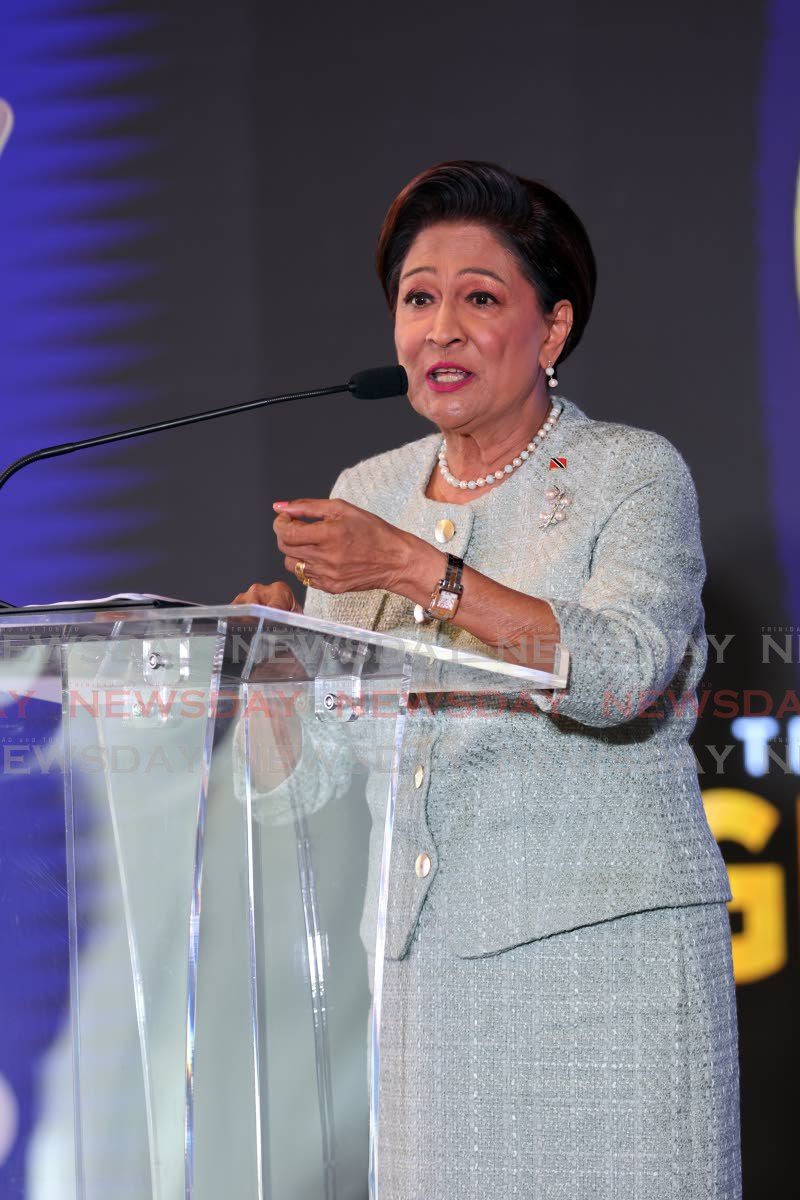
    Prime Minister Kamla Persad-Bissessar’s administration is facing scrutiny over its reversal on traffic penalty policies, with government supporters mounting a vigorous defense of the controversial measures. The policy shift, which saw certain traffic fines increased by December 2025, represents a significant departure from campaign promises made in April 2024 when the opposition leader pledged reductions.

    The justification for this policy reversal centers on deteriorating road safety conditions throughout Trinidad and Tobago. Official reports indicate a troubling escalation in reckless driving behavior and persistently high traffic fatalities, with 109 road deaths recorded within the year preceding the policy change. This alarming statistic prompted what government advocates characterize as necessary and decisive intervention.

    In an editorial communication, Leisha S Dhoray argues that true leadership necessitates adaptability when confronting emerging public safety crises. The correspondence emphasizes that the Prime Minister’s response demonstrates courageous governance rather than political inconsistency, noting that circumstances had fundamentally changed since the original campaign commitment.

    The defense further contends that substantial penalties serve as essential deterrents in jurisdictions worldwide that prioritize road safety. The administration maintains that the primary objective remains saving lives rather than political point-scoring, with the measures representing a proportionate response to what officials have classified as a national safety emergency.

    Regarding criticisms about fine magnitudes, the position asserts that meaningful deterrence requires financially significant penalties. The communication concludes that responsible driving eliminates any burden of increased fines, positioning the policy as ultimately placing public welfare above political convenience.


  • Welcome to 2026 – for better and for worse

    Welcome to 2026 – for better and for worse

    As Trinidad and Tobago enters 2026, the nation stands at a remarkable crossroads of global achievement and domestic challenges when measured by per capita metrics. With approximately 1.4 million citizens, this dual-island nation has demonstrated extraordinary impact across multiple domains, from Olympic gold medals and World Cup qualifications to cultural innovations that have reshaped global music through the invention of the steelpan—the only acoustic instrument created in the 20th century.

    The nation’s economic performance has similarly exceeded expectations for its size, consistently ranking among the Caribbean’s highest GDP-per-capita countries driven by energy resources including oil, natural gas, and the world’s largest natural asphalt deposit at Pitch Lake. This economic strength, combined with cultural influence in beauty pageants, Carnival arts, and diaspora impact, presents a picture of a nation punching far above its weight class.

    However, the same per capita measurements reveal troubling contradictions. Trinidad and Tobago now ranks among the region’s most dangerous nations for violent crime, with homicide rates reaching alarming levels that disproportionately affect small communities. The country also scores poorly on global corruption indices, where governance and accountability challenges create particularly damaging consequences in a small society with limited capacity to absorb institutional failures.

    Additional indicators reveal deeper societal patterns: excessive vehicle ownership per person overwhelming infrastructure, and concerning digital behavior patterns including high rates of online pornography consumption that signal gaps in education and privacy awareness.

    Amid these challenges, artificial intelligence represents the defining test of this era. While the nation has historically adapted well to technological changes, its education system remains anchored in rote learning methodologies ill-suited for the AI revolution. As routine jobs face automation threats, the imperative grows for educational reform that emphasizes critical thinking, innovation, and problem-solving skills.

    Geopolitical tensions between the United States and Venezuela add another layer of complexity, with potential implications for Trinidad and Tobago’s energy markets, migration patterns, and regional security. The current US military posture in the region appears focused on containment strategy rather than direct confrontation—a approach familiar to Trinidadians who understand the strategic game of draughts.

    For a small nation, these challenges require particularly careful navigation, where every policy decision carries magnified consequences and there is little margin for error in balancing global opportunities with domestic realities.

  • Tunapuna Chamber: Customs hike will squeeze SMEs, consumers

    Tunapuna Chamber: Customs hike will squeeze SMEs, consumers

    The Greater Tunapuna Chamber of Industry and Commerce (GTCIC) has issued a stark warning regarding the recently implemented doubling of customs fees, asserting that the measure will impose severe financial pressure on small and medium-sized enterprises (SMEs) and ultimately lead to increased consumer prices. The fee adjustments, formally gazetted on December 25, 2025, came into effect on January 1, 2026, significantly raising the cost of importing goods.

    Under Legal Notice 472, the customs declaration fee per package has surged from $40 to $80. Concurrently, Legal Notice 473 mandates a substantial increase in container examination charges, which have jumped from $375 to $750 for standard containers and from $525 to $1,050 for larger units. Although these changes were initially outlined in the 2025/26 national budget, the GTCIC emphasizes that prior announcement does not equate to operational or financial preparedness for the business community.

    In an official statement, Chamber President Ramon Gregorio highlighted the particular vulnerability of SMEs, which typically operate on narrow profit margins and possess limited cash flow flexibility. These businesses are already contending with a multitude of economic challenges, including freight volatility, foreign exchange shortages, elevated financing costs, and persistent inflation. The chamber cautions that the additional financial burden from customs fees threatens to decelerate business activity, postpone expansion initiatives, and undermine confidence among smaller operators.

    The GTCIC further projects that a significant portion of these increased costs will be transferred to consumers, especially within the retail and distribution sectors. E-commerce enterprises and courier-dependent businesses are expected to face disproportionate impacts, as the revised fee structure imposes greater strain on digital business models and emerging entrepreneurs who rely on frequent, low-volume imports.

    While acknowledging the government’s legitimate revenue requirements and the necessity of cost-recovery mechanisms in fiscal management, the chamber insists that such measures must be carefully balanced against the imperative of business sustainability and broader economic growth. The GTCIC advocates for tangible enhancements in customs operations—including accelerated processing times, fully digitized clearance procedures, and ongoing stakeholder engagement—rather than mere fee increases. The chamber also recommends implementing relief mechanisms or tiered fee structures specifically designed for SMEs and low-value shipments.

    The Finance Ministry has estimated that the new customs fees, alongside other adjustments, will generate approximately $1 billion in additional state revenue. However, the GTCIC maintains that SMEs should not be expected to bear this fiscal burden without commensurate support and operational improvements. The chamber reaffirms its commitment to constructive dialogue with policymakers, aiming to collaborate on solutions that ensure efficient customs administration while protecting business viability and national economic development.

  • Golding says Opposition will champion transparency, accountability in 2026

    Golding says Opposition will champion transparency, accountability in 2026

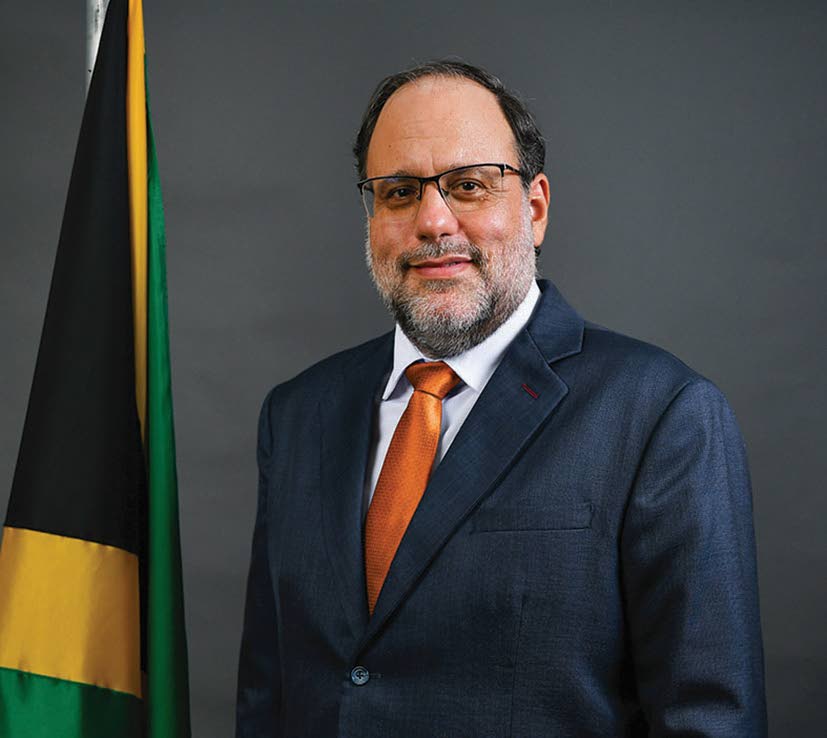
    In a comprehensive New Year’s address, Jamaican Opposition Leader Mark Golding outlined a vision of accountable governance and national unity while reflecting on the catastrophic Hurricane Melissa that devastated the nation in 2025. The People’s National Party (PNP) leader emphasized reconstruction with resilience as Jamaica enters 2026, promising intensified parliamentary scrutiny of government operations.

    Golding acknowledged the extraordinary humanitarian response that followed the natural disaster, noting that ‘Jamaicans at home and abroad demonstrated unprecedented generosity through container shipments and relief missions to affected communities.’ He described how citizens rallied behind national colors in ‘a torrent of love, caring and support for our fellow Jamaicans in need.’

    The Opposition Leader highlighted significant electoral gains made by the PNP in the September general elections, where the party gained approximately 100,000 additional votes and doubled its parliamentary representation to 28 seats. ‘This mandate indicates many Jamaicans seek leadership embracing integrity, accountability, and responsive governance,’ Golding stated, adding that the strengthened opposition position enables more forceful scrutiny of government actions.

    Rejecting partisan approaches to disaster recovery, Golding committed to constructive opposition: ‘We have avoided any temptation to make political mileage out of this disaster. We recognize national unity is desired and needed.’ He outlined specific priorities including transparent distribution of relief resources, restoration of critical infrastructure, and expanded mental health support for trauma victims.

    Golding emphasized the dual challenge of physical reconstruction and trust-building, stating: ‘The Jamaica we are striving to rebuild must be one where investment decisions are people-centered, opportunities are accessible to youth and persons with disabilities, women are empowered, the elderly supported, and vulnerable families strengthened.’

    The PNP leader concluded with a personal pledge to prioritize national interest and responsible governance, urging Jamaicans to ‘live with purpose and kindness’ while supporting local businesses and hurricane-affected communities throughout the recovery process.

  • Leftist Mamdani begins first day as New York mayor

    Leftist Mamdani begins first day as New York mayor

    NEW YORK — Zohran Mamdani, a 34-year-old democratic socialist who emerged from relative obscurity to claim America’s most prominent municipal office, was formally inaugurated as New York City’s mayor during a historic ceremony commencing the new year. The swearing-in ceremony occurred precisely at midnight within a decommissioned subway station beneath City Hall, symbolizing both the city’s infrastructure heritage and Mamdani’s grassroots political origins.

    The inauguration events continued Thursday with a ceremonial celebration featuring prominent progressive allies including Senator Bernie Sanders and Congresswoman Alexandria Ocasio-Cortez. The production anticipated approximately 4,000 ticketed attendees with additional public viewing areas accommodating tens of thousands of spectators along Broadway, reflecting Mamdani’s commitment to accessible governance.

    In his initial remarks, Mamdani characterized the mayoralty as “the honor and privilege of a lifetime,” while political analysts immediately began scrutinizing his capacity to implement an ambitious progressive agenda featuring rent stabilization, universal childcare, and fare-free public transportation. The administration’s trajectory appears inevitably intertwined with national politics, particularly given Mamdani’s strained relationship with former President Donald Trump.

    Despite Trump’s previous characterization of Mamdani as a “communist lunatic” and threats to reduce federal funding, the two conducted unexpectedly cordial discussions at the White House in November. Columbia University political analyst Lincoln Mitchell noted the meeting exceeded expectations for Mamdani, though he cautioned about the relationship’s volatility, especially regarding impending immigration enforcement actions.

    The mayor, who has labeled Trump a fascist, has simultaneously pledged to protect immigrant communities, setting the stage for potential jurisdictional conflicts. Mamdani’s oath was administered by New York Attorney General Letitia James, who recently successfully prosecuted Trump for civil fraud, adding another layer of political symbolism to the transition of power.

  • In New Year’s message, PM reflects on overcoming challenges while staring down crises

    In New Year’s message, PM reflects on overcoming challenges while staring down crises

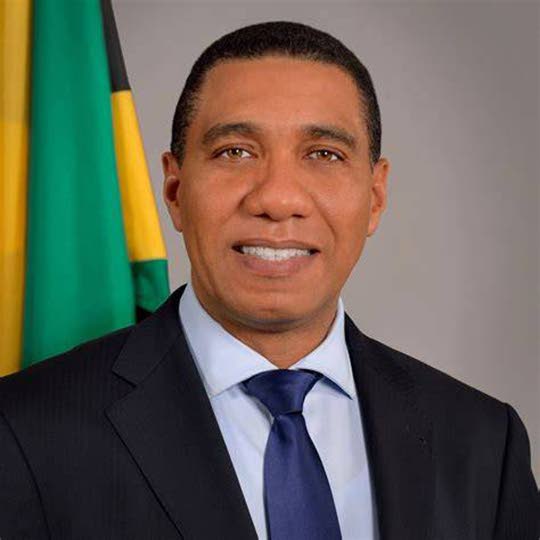
    Prime Minister Andrew Holness delivered a sobering yet resolute New Year’s address, framing Jamaica’s recovery from Hurricane Melissa—the most destructive storm in the nation’s history—as a catalyst for transformative change. The Category 5 hurricane, which claimed numerous lives and caused widespread devastation, has prompted what Holness termed a “renewed sense of purpose” among Jamaicans.

    Significant progress has been made in restoring critical infrastructure, with 90% of customers now having electricity, water, and telecommunications services reinstated. The government has initiated comprehensive school repairs and is implementing rotational learning modalities to ensure educational continuity, particularly for exam-bound students. Medical facilities are being restored with support from field hospitals, while first responders and healthcare workers received special commendation for their heroic efforts.

    A landmark home-repair program is underway, leveraging the administration’s economic management which enabled one of Jamaica’s largest social-care initiatives. Over 16,000 citizens have already received rehabilitation grants, with 50,000 damage assessments completed to facilitate targeted aid distribution. The Jamaica Defence Force, alongside engineering corps from Ghana and Guyana, is actively engaged in roof restoration, while modular housing solutions have been procured for those rendered homeless.

    Holness announced the establishment of a National Reconstruction and Resilience Authority with sweeping powers to coordinate rebuilding efforts across multiple sectors including infrastructure, healthcare, tourism, and agriculture. This ambitious initiative is backed by $6.7 billion in multilateral support for reconstruction, which the Prime Minister attributed to Jamaica’s strengthened economic foundation.

    The address highlighted remarkable security achievements, with murders declining by 42% in 2025—marking the first time in 31 years that homicides fell below 700. This third consecutive year of reduced violence demonstrates the success of Plan Secure Jamaica, which involved transforming security forces, creating MOCA, tripling security budgets, and implementing emergency measures.

    Despite these accomplishments, Holness issued a stark warning about impending challenges in 2026, citing climate change as an existential threat. He noted that historically rare weather events are now occurring with alarming frequency, citing back-to-back hurricanes Beryl (2024) and Melissa (2025) as evidence of this new reality. The Prime Minister also pointed to shifting global秩序, geopolitical maneuvering, and economic instability as additional sources of potential crisis, urging national preparedness and resilience in the face of multifaceted challenges.

  • Residents protest New Year’s killing in Granville

    Residents protest New Year’s killing in Granville

    The community of Granville in St. James, Jamaica, was thrust into turmoil on New Year’s Day as enraged residents mounted street protests following a deadly confrontation with state security forces. The demonstration was triggered by the alleged killing of three individuals, which included a four-year-old child and two adult males.

    Armed with placards denouncing the security forces, local inhabitants barricaded critical sections of roadway utilizing discarded furniture, household appliances, and various debris. This act of civil disobedience effectively disrupted transportation networks as protesters demanded accountability for the fatalities.

    Emotional outcries from community members highlighted profound grievances against perceived military impunity. One distraught woman articulated the collective anguish to gathered media representatives, stating, ‘Them kill the baby, four year old baby,’ while another male protester criticized the security approach as ‘shoot now and ask question after.’

    Preliminary reports indicate the tragedy unfolded when security personnel responded to reports of celebratory gunfire in the area. The situation allegedly escalated beyond control, resulting in the fatal shootings. Following the initial exchange, security forces were reportedly inquiring about wanted individuals in the vicinity, further inflaming community tensions.

    The incident has prompted formal demands for independent investigation, with residents explicitly calling for the Independent Commission of Investigations (INDECOM) to initiate immediate proceedings. Community leaders have issued warnings of continued demonstrations should their demands for justice remain unaddressed, with one resident vowing, ‘We will block the road again.’

  • ‘Several dozen’ presumed dead after fire at ski resort New Year party

    ‘Several dozen’ presumed dead after fire at ski resort New Year party

    CRANS-MONTANA, Switzerland — A devastating fire engulfed a popular nightclub in the upscale Alpine resort of Crans-Montana during New Year’s celebrations, resulting in what authorities describe as one of Switzerland’s deadliest nightlife disasters in recent history. The blaze erupted approximately at 1:30 AM local time (0030 GMT) at Le Constellation bar, which was operating at near-capacity with hundreds of revelers welcoming the new year.

    Cantonal police commander Frederic Gisler confirmed multiple fatalities and approximately 100 injuries, many critical, with victims being transported to medical facilities across Switzerland. Emergency services mounted a massive response operation involving more than a dozen helicopters, 40 ambulances, and 150 medical personnel. The scale of the tragedy overwhelmed local hospitals, requiring patient transfers to specialized facilities in Zurich, Lausanne, and Geneva.

    While the exact cause remains under investigation, authorities have preliminary ruled out terrorist involvement. Wallis prosecutor Beatrice Pilloud stated that current evidence suggests the fire originated internally rather than from pyrotechnics or explosive devices, contrary to initial speculation. The investigation is focusing on accidental causes, with forensic teams working to determine the ignition source.

    The international dimension of the tragedy emerged as foreign ministries confirmed citizens among the victims. Italy’s foreign ministry offered specialized burn treatment facilities in Milan, while France confirmed at least two injured nationals. Swiss President Guy Parmelin, who assumed office the same day, declared national mourning, describing the event as a transformation from “moment of joy to day of mourning.”

    Le Constellation, with a maximum capacity of 340 patrons including terrace seating, represented the vibrant apres-ski culture for which Crans-Montana is renowned. The resort is scheduled to host World Cup skiing events later this month, with preparations now overshadowed by the tragedy. Identification procedures continue as authorities work to notify families across multiple countries.

  • Coach Enzo Maresca leaves Chelsea

    Coach Enzo Maresca leaves Chelsea

    Chelsea Football Club has formally announced the departure of head coach Enzo Maresca after just 18 months at the helm. The decision, confirmed by the club on Thursday, severs ties with the Italian manager during a challenging period in their Premier League campaign.

    The club’s official statement cited a mutual agreement to part ways, emphasizing the need for a strategic shift to salvage the remainder of the season. Currently positioned fifth in the league standings, Chelsea finds itself trailing a staggering 15 points behind arch-rivals Arsenal, having secured only one victory in their last seven domestic matches.

    Mounting speculation regarding Maresca’s future intensified throughout Chelsea’s recent performance slump, compounded by reports of deteriorating relations between the coach and the club’s leadership. The situation reached a critical point following Tuesday’s tumultuous 2-2 draw against Bournemouth, after which Maresca notably abstained from the customary post-match press conference, with officials attributing his absence to illness.

    Maresca’s tenure, which began with considerable promise, saw the club capture both the Europa Conference League and Club World Cup titles in 2025 while successfully securing qualification for the prestigious Champions League. However, the coach had previously voiced frustrations regarding perceived lack of support from within the organization, particularly referencing what he described as “the worst 48 hours” of his Chelsea experience preceding December’s victory over Everton.

    The separation concludes a contract originally set to extend until summer 2029, featuring an optional additional year at the club’s discretion. Chelsea’s leadership now faces the urgent task of identifying a successor capable of revitalizing their campaign across four ongoing competitions, with Champions League qualification remaining a paramount objective.

  • Opposition Leader: Preparation and renewal in 2026

    Opposition Leader: Preparation and renewal in 2026

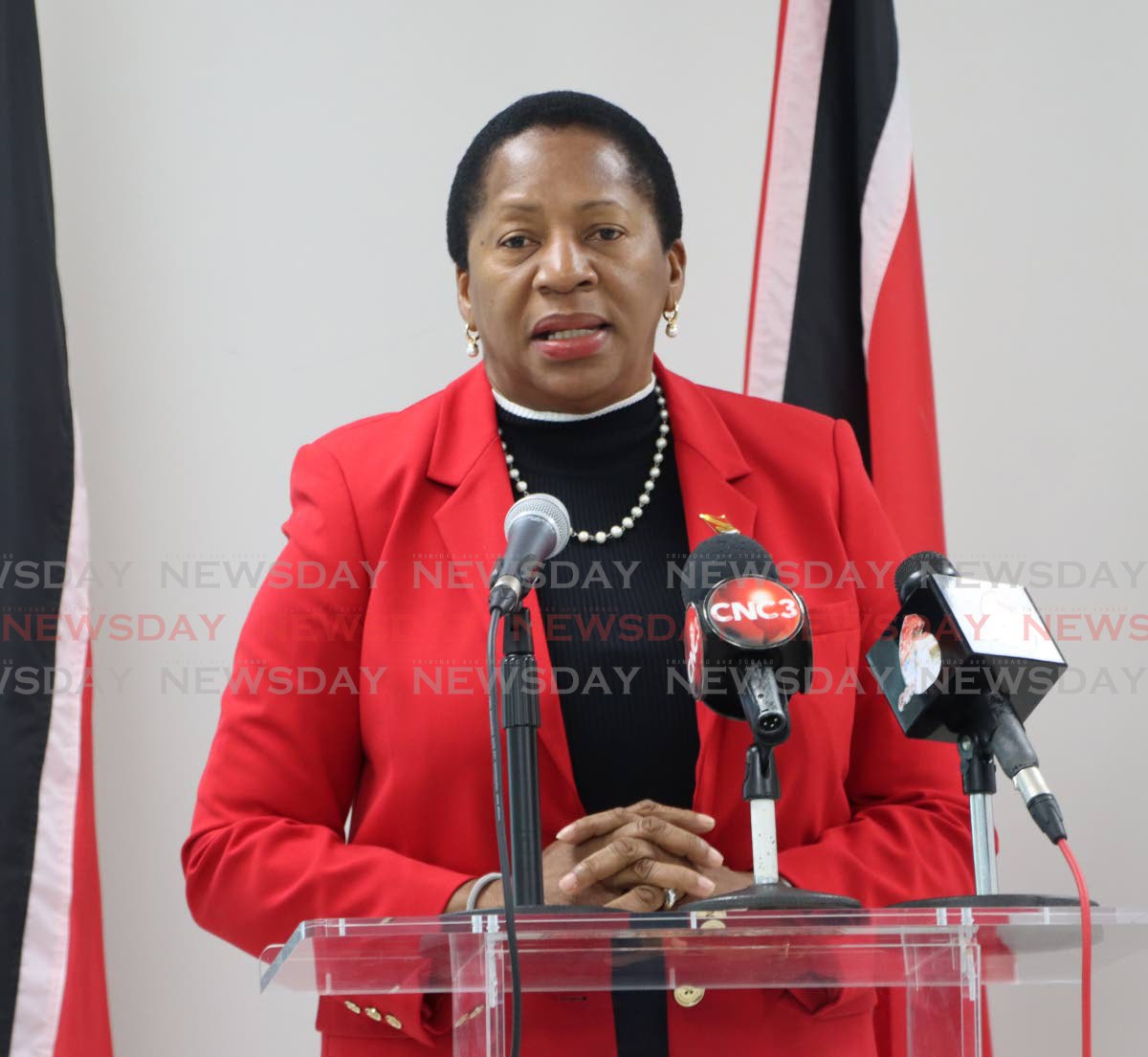
    In her New Year’s Day address, Opposition Leader Pennelope Beckles articulated the People’s National Movement’s strategic roadmap for 2026, emphasizing organizational preparation and structural renewal as core priorities. The first female political leader in PNM’s history declared the party’s fundamental objective involves rebuilding public trust in governance while ensuring optimal management of national resources for all citizens’ benefit.

    Beckles, who assumed leadership responsibilities in 2025 following the PNM’s electoral defeat, underscored her solemn duty to advocate for Trinidad and Tobago’s populace and maintain governmental accountability. The April 28 general election had resulted in a significant political shift, with the United National Congress securing 26 parliamentary seats against PNM’s 13, alongside two seats captured by the Third Party Platform.

    The Opposition Leader acknowledged profound national challenges throughout the past year, citing escalating living expenses, economic volatility, struggling small enterprises, and persistent criminal activity affecting citizens’ security. These realities, she emphasized, necessitate responsible leadership, clear vision, and reinvigorated dedication to national interests.

    Beckles reaffirmed her commitment to standing alongside citizens in defending their dignity and right to governance that serves rather than exploits. While recognizing the seriousness of existing challenges, she expressed confidence that disciplined leadership and national unity could overcome these obstacles.

    The New Year’s message highlighted the unique global moment where cultures, borders, and beliefs converge in shared anticipation of improved circumstances. Beckles extended greetings to domestic and international citizens, along with Caribbean and global communities, urging purposeful advancement into 2026 with collective dedication to creating a safer, more equitable, and prosperous Trinidad and Tobago.