作者: admin

  • Prime Minister Mia Mottley’s New Year message to the nation

    Prime Minister Mia Mottley’s New Year message to the nation

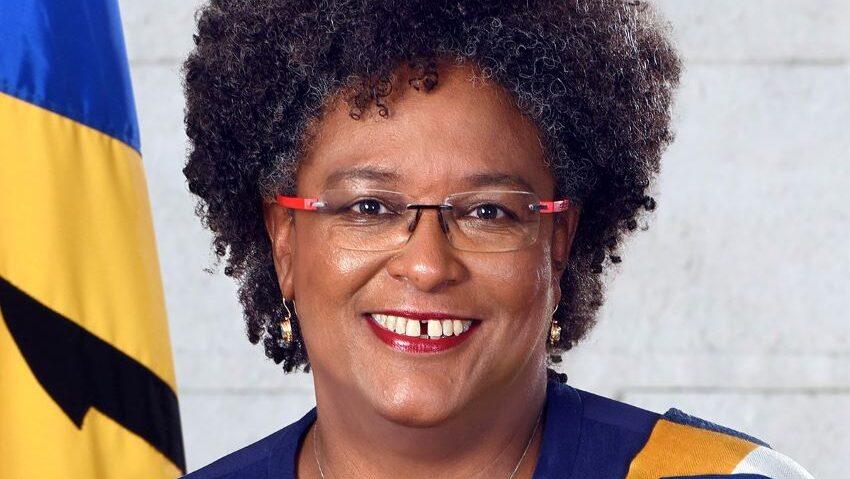
    In a comprehensive New Year’s address marking Barbados’ entry into its Diamond Jubilee year, Prime Minister Mia Mottley articulated a vision of national resilience and progress while acknowledging ongoing challenges facing the Caribbean nation. The speech, delivered on January 1, 2026, blended reflection on past achievements with forward-looking policy directives for the nation’s 60th anniversary of independence and fifth year as a parliamentary republic.

    The Prime Minister emphasized the concept of “Bajan-strong” resilience that has characterized the nation’s response to recent global crises, including pandemics, extreme weather events, and economic turbulence. She highlighted how this collective strength has enabled Barbados to “bend, brace, and build” rather than fold under pressure, drawing parallels between national endurance and diamond formation under duress.

    Significant policy achievements from 2025 were detailed, including a 24% increase in the national minimum wage, introduction of statutory paternity leave, expanded disability benefits, and the creation of price monitoring tools like the Ask Dealia app. The government’s infrastructure investments were noted, with 60 roads assessed for rehabilitation under the Focused Roads Programme and substantial progress on highway expansions.

    Economic milestones received particular attention, with successful completion of BERT 1, BERT 2, and IMF Extended Fund Facility programs leading to the announcement of BERT 3.0—a new initiative designed to enhance national competitiveness. Tourism sector developments were highlighted, including Hotel Indigo’s upcoming opening and record airport traffic exceeding 10,000 passengers daily.

    The address balanced these achievements with candid acknowledgment of persistent challenges, including cost-of-living pressures, healthcare system improvements, and infrastructure demands exacerbated by climate change. Prime Minister Mottley outlined 2026 priorities focusing on digital transformation through FinTech initiatives, enhanced emergency healthcare services, and continued road infrastructure development.

    A substantial portion of the speech addressed societal values and intergenerational responsibility, calling for a national recommitment to service, respect, and character development. The Prime Minister emphasized that technological progress must be balanced with ethical guardrails, particularly regarding AI’s potential misuse for spreading misinformation.

    The address concluded with an invocation of collective responsibility, urging citizens to actively participate in shaping the nation’s future through the “Beacons of Renewal” framework focusing on environmental resilience, social cohesion, and digital transformation. The Prime Minister framed the Diamond Jubilee year as an opportunity to strengthen both institutional foundations and civic values for future generations.

  • Norton wants more oil money for Guyanese, Ali promises lower taxes, higher wages

    Norton wants more oil money for Guyanese, Ali promises lower taxes, higher wages

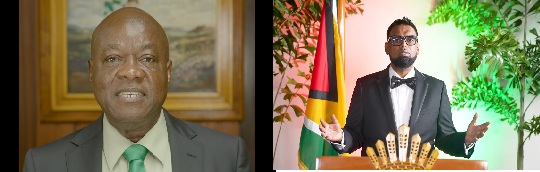
    Guyana’s political leadership has presented divergent blueprints for the nation’s burgeoning oil revenues in their New Year addresses, setting the stage for a consequential policy debate in 2026. Opposition Leader Aubrey Norton of the People’s National Congress Reform (APNU) advocated for radical redistribution of petroleum earnings, while President Irfaan Ali detailed concrete economic measures including tax reductions and wage enhancements.

    Norton emphasized the urgent need to address Guyana’s alarming poverty rate exceeding 50 percent, arguing that current resource allocation predominantly benefits wealthy elites while exacerbating economic disparities. “The government should change the pattern of allocation of resources from benefitting the few and making the rich richer and the poor poorer,” Norton asserted in his message. He called for a fundamental reorientation toward people-centered policies that would ensure all Guyanese citizens share in the nation’s natural resource wealth.

    The opposition leader, whose party suffered a significant electoral defeat in September 2025, pledged to reinvent his political approach, promising to become “the solid choice for development focused governance” in the coming year. He stressed that the unprecedented oil revenues demand a comprehensive strategic plan specifically designed to benefit ordinary citizens.

    President Ali countered with specific economic commitments for 2026, announcing that national prosperity would directly translate into improved individual and community circumstances. His administration plans to increase disposable income through a three-pronged approach: direct financial support, elevated wages, and reduced taxation. Beyond fiscal measures, Ali outlined ambitious social programs including accelerated housing development to create “a nation of homeowners grounded in security and dignity.”

    The President also revealed plans to bolster the creative sector through investments in artistic and cultural entrepreneurship, terming this initiative the growth of Guyana’s “orange economy.” Additionally, communities nationwide are slated to receive infrastructure upgrades including improved road networks, enhanced lighting systems, recreational playgrounds, and modern sporting facilities.

  • Column: Decentralisatie van de schoolsport

    Column: Decentralisatie van de schoolsport

    Suriname’s upcoming hosting of the 2026 Inter Guyanese Games has sparked critical examination of athlete selection processes and regional representation disparities. Having reportedly claimed the overall championship title during the 2025 edition in neighboring Guyana, Suriname now bears responsibility for organizing the next iteration of this regional sporting event.

    The coordination of Surinamese representation falls under the purview of the Foundation School Sports Federation Suriname (SSFS), whose nationwide mandate theoretically ensures equal opportunity for students across all districts. Selection criteria should logically prioritize two fundamental qualifications: appropriate age categorization and active sports participation. However, reality demonstrates a persistent pattern where athletes primarily training in the capital city of Paramaribo consistently dominate national selections.

    This geographical bias creates significant barriers for district children seeking competitive opportunities. The Inter Guyanese Games present an ideal platform to actualize decentralization principles through sports. The camaraderie and connections formed during these games provide immeasurable value for participants—benefits that should not remain exclusive to urban-based athletes.

    As host nation, Suriname possesses expanded capacity to include more competitors in its delegation. This flexibility enables the reservation of placement quotas for each district, ensuring broader regional representation. District-based SSFS representatives would determine which athletes merit selection, provided they maintain active sporting engagement.

    Corporate entities operating within districts could be engaged to address financial constraints through sponsorship programs, while local sports associations might collaborate with national governing bodies to elevate training standards. With timely preparation commencing immediately, the 2026 Games could inaugurate a new era of equitable regional participation in international sports forums.

    Systemic reforms must ensure that birthplace ceases to determine athletic opportunity. Every young athlete deserves equitable access to development pathways and competitive experiences that build confidence and foster national pride through sports participation.

  • US steps up pressure on Venezuela with further sanctions on Maduro

    US steps up pressure on Venezuela with further sanctions on Maduro

    The Trump administration has escalated its economic campaign against the Venezuelan government through imposing stringent new sanctions targeting entities within the nation’s oil transportation network. On January 1, 2026, the Department of the Treasury’s Office of Foreign Assets Control (OFAC) designated four companies operating in Venezuela’s petroleum sector and identified four associated oil tankers as blocked property.

    According to official statements, these measures specifically target what U.S. officials characterize as a ‘shadow fleet’ that continues to generate substantial revenue for President Nicolás Maduro’s administration. Treasury Secretary Scott Bessent emphasized the administration’s determination to prevent what he described as ‘Maduro’s illegitimate narco-terrorist regime’ from profiting from oil exports while allegedly flooding American markets with illicit drugs.

    The sanctioned vessels include NORD STAR (IMO: 9323596), owned by Corniola Limited and managed by Krape Myrtle Co Ltd; ROSALIND/LUNAR TIDE (IMO: 9277735) owned by Winky International Limited; and both DELLA (IMO: 9227479) and VALIANT (IMO: 9409247) linked to Aries Global Investment Ltd. These tankers have been identified as actively transporting Venezuelan crude despite existing restrictions.

    This latest action represents a continuation of the comprehensive sanctions strategy implemented throughout Trump’s presidency, which has systematically targeted Maduro’s inner circle, family members, and associated organizations. U.S. authorities maintain that the Venezuelan leader maintains connections to narcotics trafficking and criminal organizations including Tren de Aragua.

    The Treasury Department’s release further clarified that these measures complement previous sanctions imposed on PDVSA-linked officials and vessels in mid-December, underscoring the ongoing campaign to exert maximum economic pressure on Caracas.

  • President: 2026 jaar van herstel en voorbereiding op toekomst

    President: 2026 jaar van herstel en voorbereiding op toekomst

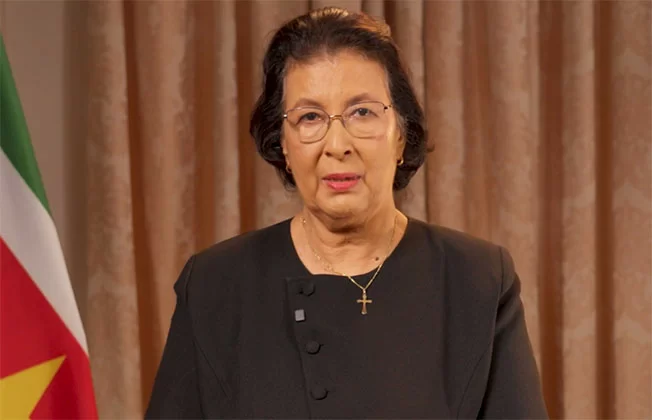
    In her nationally televised New Year’s address, President Jennifer Simons of Suriname reflected on the transformative events of 2025 while charting a comprehensive roadmap for national recovery in 2026. The President’s speech struck a delicate balance between acknowledging recent tragedy and projecting determined optimism for the nation’s future.

    The address began with solemn recognition of the Commewijne tragedy that marked the final days of 2025, with President Simons announcing January 2, 2026, as a National Day of Mourning. ‘We find ourselves immersed in collective grief,’ stated the President, extending solidarity to affected families while emphasizing the government’s commitment to supporting citizens through difficult times.

    Looking forward, the administration unveiled a dual-track approach for 2026 focused on immediate restoration and long-term foundational development. The government will prioritize repairing critical public services including healthcare, education, and social welfare programs, aiming to achieve ‘socially acceptable standards’ by year’s end. Simultaneously, officials will lay groundwork for post-2028 economic development, particularly anticipating future revenue increases.

    President Simons emphasized collaborative governance, revealing that seven to eight specialized working groups—streamlined from approximately ninety committees inherited from previous administrations—will drive implementation based on the governing agreement. The strategy explicitly engages private sector expertise and includes representation from all political organizations in the National Assembly.

    Addressing economic challenges, the administration acknowledged ongoing currency volatility as a primary inflation driver and confirmed intensive collaboration with national and international partners to stabilize exchange rates. Despite economic constraints, the government maintains that digital transformation remains essential for strengthening governance and combating corruption.

    The President concluded with a call for unified national effort: ‘Everything we must accomplish in 2026 requires our collective determination—government supporting citizens, and citizens supporting one another.’ This mutual commitment, Simons asserted, forms the essential foundation for strengthening both economy and governance as Suriname advances toward better tomorrow.

  • 2026 : New Year’s Message from the Gang Supression Force

    2026 : New Year’s Message from the Gang Supression Force

    PORT-AU-PRINCE, Haiti – The Gang Suppression Force (GSF) issued a comprehensive New Year’s address on January 1, 2026, outlining significant security achievements and reaffirming its commitment to restoring stability in the crisis-ravaged Caribbean nation.

    The multinational security coalition, operating under UN Security Council Resolution 2793 adopted September 30, 2025, reported substantial progress in combating gang violence that has plagued Haiti for years. The resolution authorized the transformation of previous security missions into the specialized GSF, mandating intelligence-driven operations to neutralize criminal networks, secure critical infrastructure, and isolate gangs from their support systems.

    Throughout the latter half of 2025, GSF personnel working alongside Haitian National Police (HNP) and Forces Armées d’Haïti (FAd’H) achieved measurable security improvements. Joint operations resulted in numerous arrests, recovery of illegal weapons, and the liberation of territories previously under gang control. Enhanced day and night patrols throughout Port-au-Prince and beyond have facilitated the reopening of major transit routes long rendered impassable by violence.

    The mission has prioritized protection of vital national infrastructure including Toussaint Louverture International Airport, seaport facilities, and communication installations to ensure uninterrupted operational continuity. Strategically positioned Forward Operating Bases in gang-affected zones have significantly improved patrol coverage and response times.

    The GSF acknowledged international support mechanisms, including the recent appointment of a Special Representative for the force and successful troop contribution conferences in New York, demonstrating global determination for sustainable Haitian stability.
    In its message, the force specifically recognized the courage of personnel from Bahamas, El Salvador, Guatemala, Jamaica, and Kenya, while applauding Haitian leadership and citizens for their continued faith in the mission. The statement also highlighted the crucial role of local media in providing balanced coverage of security developments.

    As operations continue into 2026, the GSF maintains its focused mandate: dismantling criminal networks, restoring public security, and establishing foundations for lasting peace and democratic governance. The message concluded with optimistic aspirations for a future where Haiti achieves enduring peace, stability, and prosperity.

  • United Nations praises US$2 Billion US pledge to support Global Relief Efforts Human-impact focused

    United Nations praises US$2 Billion US pledge to support Global Relief Efforts Human-impact focused

    In a significant diplomatic development, the United Nations has formally welcomed the United States’ commitment of US$2 billion to bolster worldwide humanitarian operations. The announcement marks a notable shift from the Trump administration’s historically cautious approach to foreign aid under its “America First” policy framework.

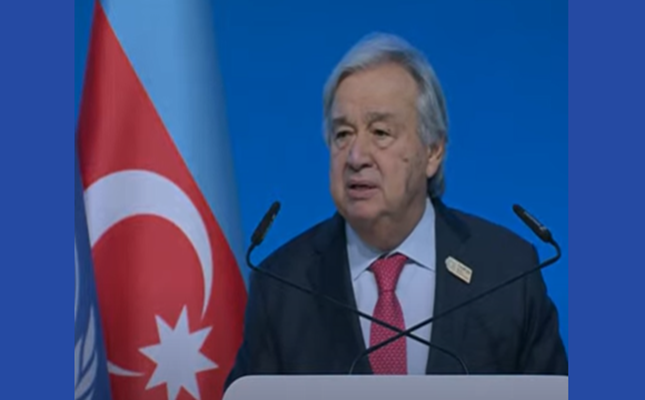
    UN Secretary-General Antonio Guterres applauded the substantial financial injection, emphasizing that these resources will dramatically enhance the organization’s capacity to execute critical, life-preserving missions across multiple crisis zones. The funding arrives amid increasingly complex global challenges that have stretched humanitarian resources to their limits.

    UN Emergency Relief Coordinator Tom Fletcher, speaking during a signing ceremony in Geneva, characterized the past operational year as exceptionally demanding for relief workers worldwide. He noted that the memorandum of understanding (MOU) covering 17 specifically identified nations—including Ukraine, Syria, South Sudan, and Mozambique—represents a pragmatic collaboration focused squarely on human welfare outcomes rather than comprehensive political alignment.

    The contribution includes robust accountability mechanisms to ensure transparent utilization of funds, with Fletcher stressing that every dollar will be meticulously tracked to verify life-saving impact. Beyond immediate relief, the agreement acknowledges the intrinsic connection between humanitarian action and diplomatic efforts, with Fletcher advocating for 2026 to emerge as a year dedicated to peacemaking and conflict resolution—the most sustainable method for reducing global humanitarian demands.

  • Olietankers bereiken Venezuela nog steeds ondanks Amerikaanse blokkade

    Olietankers bereiken Venezuela nog steeds ondanks Amerikaanse blokkade

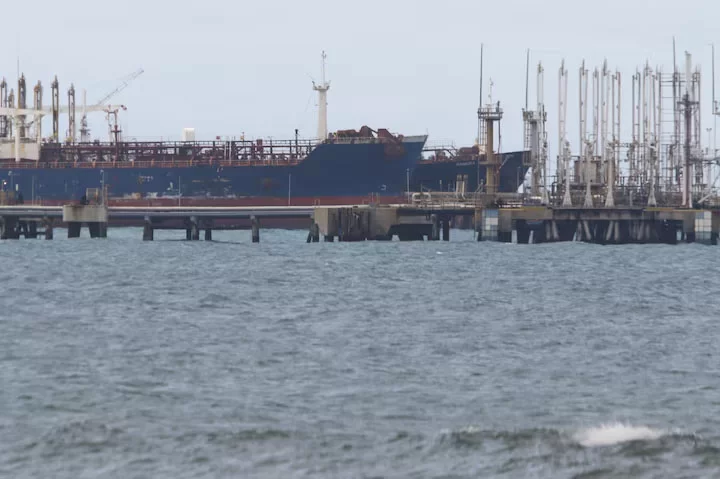
    Venezuela’s state-run oil company PDVSA is mounting a bold challenge against U.S. sanctions by welcoming sanctioned vessels and expanding floating storage capacity despite an American maritime blockade that has crippled the nation’s crude exports. At least two oil tankers have recently entered Venezuelan waters while additional vessels approach the coastline, signaling Caracas’ determination to maintain oil sales despite mounting international pressure.

    The Trump administration’s recent blockade announcement targeting all sanctioned vessels in Venezuelan waters has effectively halved the country’s oil exports compared to November levels. U.S. authorities have already seized two fully-loaded Venezuelan crude shipments and intensified Caribbean patrols, causing widespread apprehension among shipowners that has resulted in numerous diversions and U-turns away from the OPEC nation.

    According to monitoring service TankerTrackers.com, the arriving vessels include sanctioned tankers alongside non-sanctioned ships approaching Venezuela’s coast. This maritime activity forms part of complex swap agreements and arrangements established since 2019 when Venezuela first faced U.S. energy sanctions. The Maduro government continues to settle extensive purchase orders and service debts through oil payments, including substantial obligations to China.

    Two approaching vessels belong to a specialized fleet utilized by China and Venezuela to repay debts through crude oil shipments destined for Chinese ports. The critical question remains whether China will seek U.S. exemptions to guarantee these deliveries proceed unimpeded.

    PDVSA has responded to the crisis by negotiating price reductions and contract modifications with clients to prevent cargo returns or production cuts. However, company sources indicate growing impatience among buyers who lack viable alternatives for moving oil shipments out of Venezuela, even when using non-sanctioned vessels.

    Compounding these challenges, a recent cyberattack forced PDVSA to disable its centralized administrative system, significantly slowing port loading operations. The company now works to meet export loading windows while simultaneously storing crude and fuel aboard vessels to expand storage capacity.

    The only vessels currently departing Venezuelan waters are Chevron-operated tankers operating under Washington’s authorization and smaller ships transporting oil byproducts and petrochemical products, according to shipping data and PDVSA documents.

    This situation echoes the 2020 crisis when Washington intensified pressure on Maduro by sanctioning PDVSA’s primary trading partners, forcing Venezuela to rely on little-known intermediaries to maintain oil sales to Chinese buyers. Those previous measures triggered production declines, oil field closures, and severe motor fuel shortages that took years to partially overcome.

    Currently, nearly two dozen tankers cluster near José port awaiting loading opportunities or departure instructions. The volume of oil stranded aboard idled tankers has surged to approximately 16 million barrels from 11 million barrels in mid-December, creating an increasingly precarious situation for Venezuela’s energy sector.

  • National Day : 222nd anniversary of Haiti’s independence, first messages

    National Day : 222nd anniversary of Haiti’s independence, first messages

    As Haiti commemorated the 222nd anniversary of its independence on January 1, 2026, diplomatic messages from international partners and diaspora consulates highlighted both the nation’s historic resilience and contemporary struggles. The occasion marked the world’s first independent Black republic, established in 1804 after a successful slave rebellion.

    U.S. Secretary of State Marco Rubio conveyed America’s continued commitment to supporting Haiti’s security and democratic processes. “We stand with the people of Haiti on your Independence Day,” Rubio stated, emphasizing ongoing efforts to establish a Gang Suppression Force to combat violent groups designated as Foreign Terrorist Organizations by the U.S. government. The Secretary also acknowledged progress by Haiti’s transitional government toward conducting the country’s first national elections in a decade.

    Across the Haitian diaspora, consular officials struck a balance between celebration and solemn reflection. The Consulate General in Chicago evoked the legacy of revolutionary leaders Jean-Jacques Dessalines and the Indigenous Army, calling for national unity amid ongoing challenges. “Building a stable and prosperous Haiti is a daily endeavor that demands the patriotism and commitment of each and every one of us,” their message read.

    From Montreal, consular officials emphasized that “peace remains the essential condition for building a prosperous and sustainable future,” while the Santiago Consulate in the Dominican Republic highlighted how Haiti’s national identity was “built on the rejection of injustice and arbitrary rule.”

    The messages collectively acknowledged Haiti’s profound historical significance while addressing current security concerns and governance challenges. Despite political instability and security crises, the international community reaffirmed its support for Haiti’s sovereignty and democratic development as the nation enters its 223rd year of independence.

  • Four on cocaine trafficking charges remanded

    Four on cocaine trafficking charges remanded

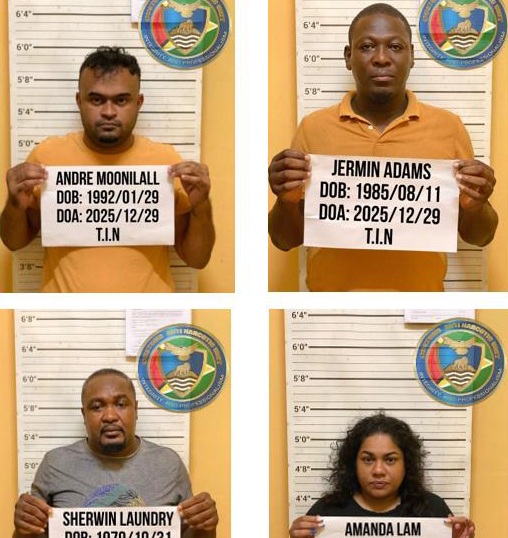
    In a significant narcotics enforcement operation, a Guyanese court has ordered four individuals to be held in custody following their arrest in connection with a major cocaine seizure this week. The suspects are facing serious charges related to the alleged possession and trafficking of over 31 kilograms of cocaine discovered in Montrose, East Coast Demerara.

    According to the Customs Anti-Narcotics Unit (CANU), the substantial drug cache was intercepted in a vehicle on Broad Street, Montrose, consisting of 27 brick-like parcels of the illicit substance. The anti-narcotics agency conducted the operation that led to the discovery and subsequent arrests.

    During proceedings before Sparendaam Magistrate Clive Nurse, defendants Andre Moonilall and Sherwin Laundry entered not guilty pleas to charges of narcotics possession with intent to traffic. The court denied bail to both individuals, ordering their remand to prison until February 9, 2026, when their cases will be heard.

    Two additional suspects, Jermin Adams and Amanda Lam, similarly pleaded not guilty to charges of facilitating cocaine trafficking operations. Magistrate Nurse issued identical remand orders for both defendants, who will remain in custody until the February court date.

    The case represents one of the more substantial narcotics interdictions recently reported by Guyanese authorities, highlighting ongoing efforts to combat drug trafficking in the region. CANU officials continue to investigate the matter while the judicial process moves forward for the four accused individuals.