
In a significant escalation of his ongoing legal battles against political adversaries, former U.S. President Donald Trump has seen his long-time critic, former FBI Director James Comey, indicted on two criminal charges. The indictment, announced on Thursday, accuses Comey of making false statements and obstructing justice during his investigation into Russian interference in the 2016 presidential election and potential collusion with the Trump campaign. This development comes just days after Trump publicly urged Attorney General Pam Bondi to take action against Comey and other perceived enemies. Trump, who has repeatedly denounced Comey as ‘one of the worst human beings this Country has ever been exposed to,’ celebrated the indictment. Federal prosecutor Lindsey Halligan, a former personal lawyer to Trump with no prior prosecutorial experience, stated that Comey could face up to five years in prison if convicted. The charges have sparked controversy, with critics alleging that the move is part of a broader pattern of Trump using legal mechanisms to target political opponents. Current FBI Director Kash Patel condemned the ‘politicization of law enforcement’ during the Russiagate investigation, calling it a ‘disgraceful chapter in history.’ The indictment also follows a series of aggressive actions by Trump against critics, including the removal of security clearances from former officials and the withdrawal of federal funding from universities. This latest legal maneuver underscores the deepening political divisions in the U.S. and raises questions about the impartiality of the justice system under Trump’s influence.
作者: admin
-

48-hour curfew imposed in Kingston Western
KINGSTON, Jamaica — Authorities have implemented a stringent 48-hour curfew across specific areas within the Kingston Western Police Division. The curfew commenced at 6:00 pm on Thursday, September 25, and is scheduled to conclude at 6:00 pm on Saturday, September 27. The designated boundaries encompass a significant portion of the region, stretching from the Kingston Harbour at Greenwich Farm Fishing Village to Ocean Boulevard near the Kingston Craft Market in the south. To the west, the curfew zone extends along an imaginary line from the Kingston Harbour through East Avenue and Maxfield Avenue, reaching the intersection of Rousseau Road. The northern boundary follows Rousseau Road from Maxfield Avenue to Lyndhurst Road, while the eastern perimeter traces Lyndhurst Road, Studio One Boulevard, Slipe Road, Orange Street, North Street, Princess Street, West Queens Street, West Street, Harbour Street, and Ocean Boulevard, ultimately returning to the Kingston Harbour. Residents within these boundaries are mandated to remain indoors during curfew hours unless granted explicit permission by the ground commander. This measure aims to enhance public safety and maintain order in the affected areas.
-
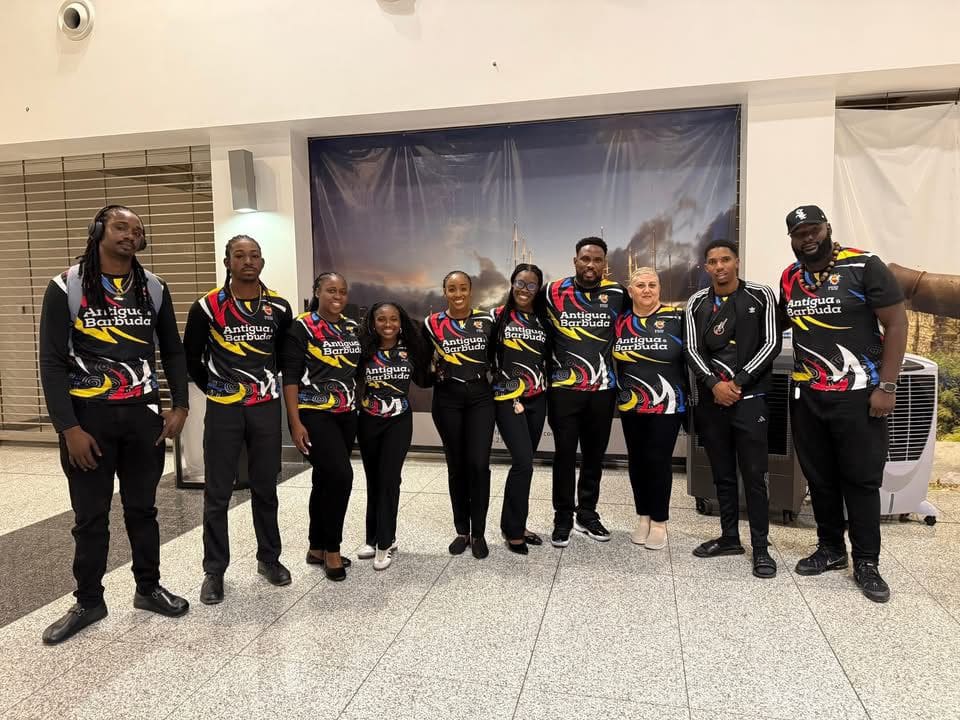
Antigua and Barbuda Cultural Delegation Departs for World Expo 2025 in Japan
The Department of Culture, in collaboration with the Ministry of Creative Industries, the Ministry of Tourism, and the Antigua and Barbuda Tourism Authority, has proudly announced the departure of a 10-member cultural delegation to represent the nation at the World Expo 2025 in Osaka, Japan. The delegation’s participation, scheduled from September 23rd to October 2nd, 2025, will culminate in the National Day Celebration on September 28th, where Antigua and Barbuda will present a vibrant cultural production titled “Wadadli, Wa’Omoni – The Pearls of the Caribbean.”
This dynamic performance, directed by renowned steelpan artist Khan Cordice and featuring award-winning vocalist King Tian Winter, alongside the Antigua and Barbuda Cultural Group, is a celebration of the nation’s rich heritage. The production weaves together African-inspired rhythms, the elegance of the Antiguan quadrille, and the festive energy of Carnival and Soca music. It offers a seamless cultural journey that highlights the resilience, creativity, and unique identity of the Caribbean nation.
The engagement underscores Antigua and Barbuda’s commitment to cultural diplomacy and its mission to showcase its artistic excellence on the global stage. The Ministry of Creative Industries and its partners expressed gratitude to all supporters who continue to champion the nation’s cultural industries internationally. This participation not only promotes Antigua and Barbuda’s cultural legacy but also fosters a deeper appreciation of its contributions to the global arts community.
-
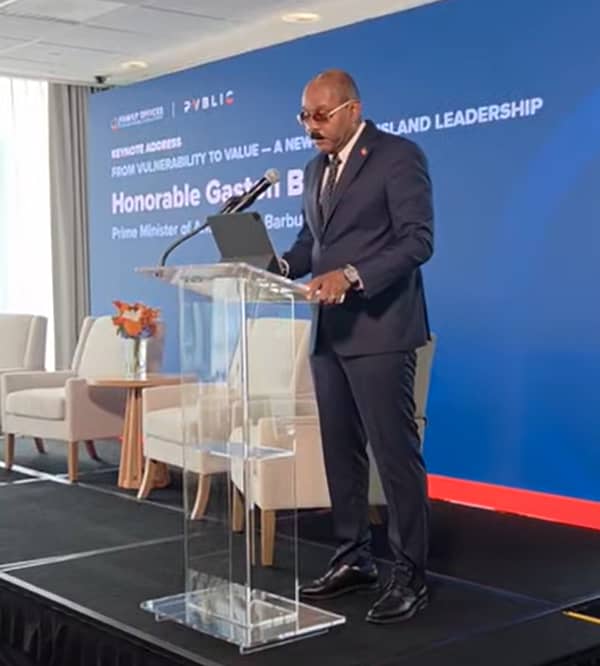
VIDEO: PM Gaston Browne Announces Antigua and Barbuda to Host Global Eye Health Summit
In a compelling address at the United Nations Friends of Vision Side-Event, Antigua and Barbuda’s Prime Minister, Honourable Gaston Browne, underscored the urgent need for global action to address vision loss. Reflecting on the landmark 2021 resolution, ‘Vision for Everyone,’ co-sponsored by Bangladesh, Ireland, and Antigua and Barbuda, Browne highlighted the stark reality five years later: progress has been insufficient, leaving millions of children, workers, and elderly individuals grappling with preventable or treatable vision impairments. This crisis, he emphasized, is not only a human tragedy but also an economic one, with untapped potential costing the global economy billions annually. A recent study by the IAPB, Seva Foundation, and Fred Hollows Foundation revealed that investing in vision care could yield $447 billion in economic returns, create 22 million jobs, and provide 13 million additional school years for children. Browne announced Antigua and Barbuda’s commitment to hosting the first-ever Global Summit on Eye Health in 2026, aiming to foster innovation, partnerships, and actionable strategies to restore sight and dignity worldwide. He called for decisive action, urging leaders to seize the opportunity to transform lives and economies.
-

OECS territories roll out agreement for Citizen By Investment standardization and transparency
In a landmark move, the heads of government from the Eastern Caribbean States participating in Citizenship Investment Programs (CIP) have signed a comprehensive regulatory agreement. This agreement aims to enhance the integrity, transparency, and sustainability of their Citizenship by Investment (CIP) initiatives. The agreement establishes a regional supervisory authority to oversee and standardize CIP operations across five member nations: the Commonwealth of Dominica, Antigua & Barbuda, Grenada, St. Kitts & Nevis, and St. Lucia.
The Organization of Eastern Caribbean States (OECS) reported that this initiative results from extensive regional and international consultations involving key stakeholders from the CIP industry and global partners such as the United States, the United Kingdom, and the European Commission. Over the past two years, these nations have engaged in dialogues to reaffirm the importance of CIP revenues in supporting the economic stability of small island economies.
Core elements of the reform include the creation of the Eastern Caribbean Citizenship by Investment Regulatory Authority (ECCIRA) by October 2025, which will centralize supervision of all CIP activities. The reforms also introduce mandatory biometric data collection for new applicants and stricter residency criteria. Enhanced vetting processes will be supported by the CARICOM IMPACS Joint Regional Communications Centre (JRCC), with expanded personnel and technological capabilities financed through CIP revenues.
Transparency and responsibility will be bolstered through binding standards for national CBI/CIP units and licensed agents, annual compliance reports, and regional registers to track applicants and licensees. Enforcement measures include administrative fines and penalties for non-compliant entities, with potential license revocation for severe breaches.
A minimum investment threshold of US$200,000 has been established to maintain the credibility of CIP programs and ensure funding for infrastructure projects, climate resilience initiatives, and social development programs. The reform process has been driven by international dialogues, including US-Caribbean Roundtables and engagements with the UK, US, and European Commission.
International partners have recognized that dismantling CIP programs would severely impact small island developing states, which rely on these revenues for fiscal stability, climate resilience, and pandemic recovery. The involved governments are committed to ensuring their CIP initiatives meet the highest global standards of transparency and accountability. ‘These reforms demonstrate their commitment to safeguarding global security while preserving a legitimate development tool essential for their nations’ survival and prosperity,’ concluded the OECS release.
-

Killing ourselves with our spoons, knives and forks
The ancient wisdom of Hippocrates, \”Let food be thy medicine, and medicine be thy food,\” resonates more than ever in today’s world dominated by ultra-processed foods (UPFs). These factory-made products, laden with artificial flavors, colors, and preservatives, have gradually replaced traditional, wholesome meals. While designed for convenience and longevity, UPFs often lack essential nutrients and have been linked to a host of serious health issues, including type 2 diabetes, obesity, depression, heart disease, and certain cancers. Critics argue that UPFs are engineered to maximize consumption and corporate profits, often at the expense of public health.
-
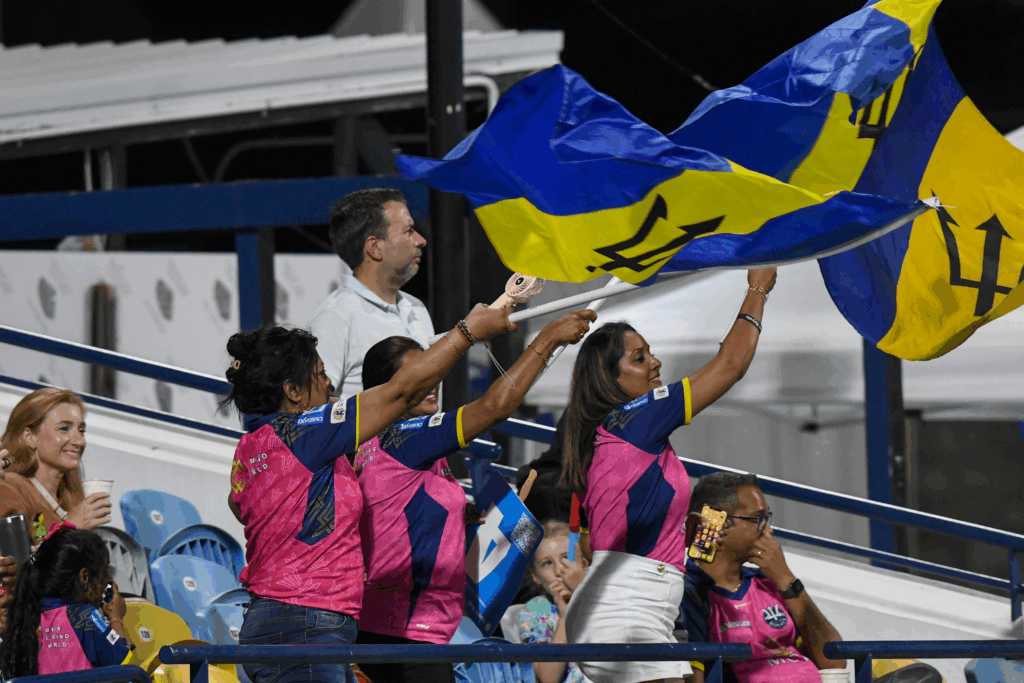
Barbados set for 2026 CPL final
The Kensington Oval in Barbados has been selected as the venue for the 2026 Republic Bank Caribbean Premier League (CPL) final and all playoff matches, marking a significant return to the heart of Caribbean cricket. This decision follows four consecutive years of the CPL playoffs being held in Guyana, which proved to be a financial boon for the country. In 2022, Guyana generated US$84 million from the tournament, with a record-breaking US$101.6 million in 2023. Although 2025 figures are yet to be released, the season’s success suggests a similarly positive economic impact. Barbados is now poised to reap comparable benefits. CPL CEO Pete Russell highlighted the unprecedented ticket sales for this year’s tournament and expressed optimism for continued success in 2026. He also anticipates a strong performance from the Barbados Royals, who will be playing on home soil in front of their passionate fan base. Russell emphasized the importance of the home team’s success, noting that hosting the final in Barbados will be a historic moment for the country. Additionally, rule changes will see all players re-entering the draft after this tournament, ensuring fresh and exciting team dynamics for the upcoming season.
-
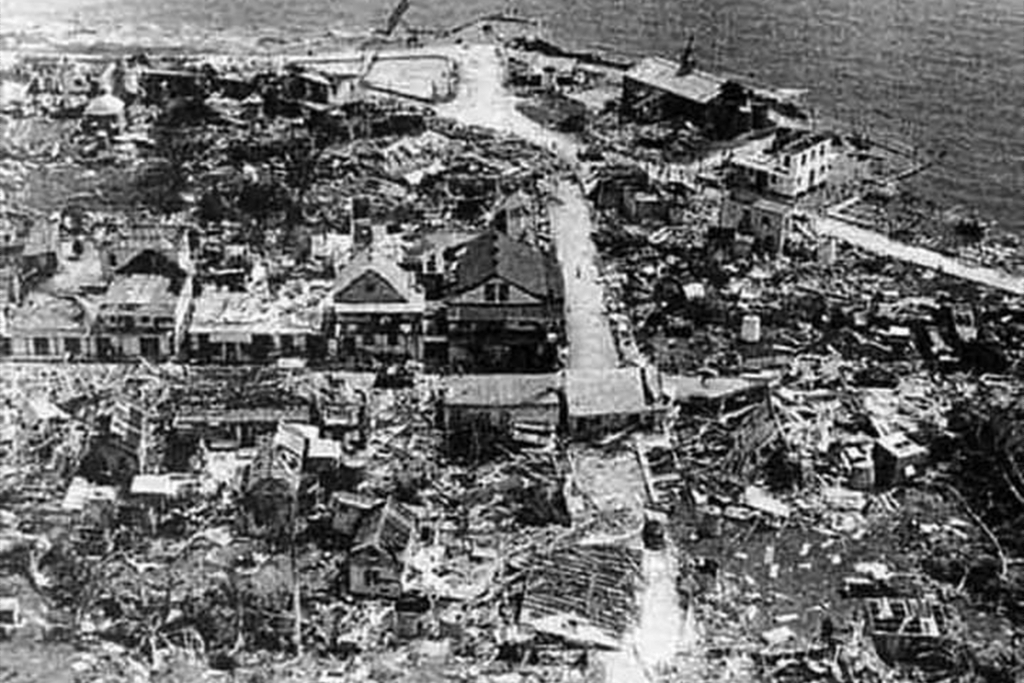
Reflections on Hurricane Janet
September 22, 2025, marked the 70th anniversary of Hurricane Janet’s devastating impact on Barbados. The storm, which struck in 1955, left a trail of destruction, damaging 8,000 homes, shutting down the island’s main radio station, blocking critical roadways, and causing the collapse of Gospel Hall in Christ Church, which claimed ten lives. In total, over 50 lives were lost. The economic toll was staggering, with damages estimated at US$5 million in 1955, equivalent to US$60 million today. This anniversary serves as a stark reminder of the vulnerability of small island developing states like Barbados to natural disasters. Over the decades, Barbados has made significant strides in enhancing its resilience. Efforts include upgrading building standards, with a shift from timber to masonry construction, the introduction of building codes such as CUBIC in the 1980s and the Barbados Building Codes of 1993 and 2013, and the passage of the Planning and Development (Amendment) Act 2020-34. However, the Barbados Association of Professional Engineers (BAPE) emphasizes that more must be done to address the escalating threats posed by climate change. The Caribbean has witnessed an increase in ‘super’ storms, driven by global warming, necessitating urgent action. BAPE recommends three critical measures: professional assessments of existing buildings for hazard readiness, adherence to best practices in the design and construction of new buildings, and the proclamation of Section 44 of the PD Act to ensure robust building control. These steps, BAPE asserts, will fortify Barbados’ infrastructure against future climate-induced hazards, which are projected to surpass the severity of Hurricane Janet. Engineer Rey Moe, President of BAPE, underscores the importance of continuous review and strengthening of building codes and guidelines to safeguard the island’s future.
-

An AI action plan for business
Small Business Week (SBW) 2025 has officially commenced, marking another pivotal moment for the small business sector in Barbados and the wider Caribbean. This year’s theme, ‘Navigating Business in the Age of AI and Digital Trade,’ underscores the urgent need for strategic dialogue and actionable policies to address the transformative impact of artificial intelligence and digital commerce on small and medium enterprises (SMEs).
-
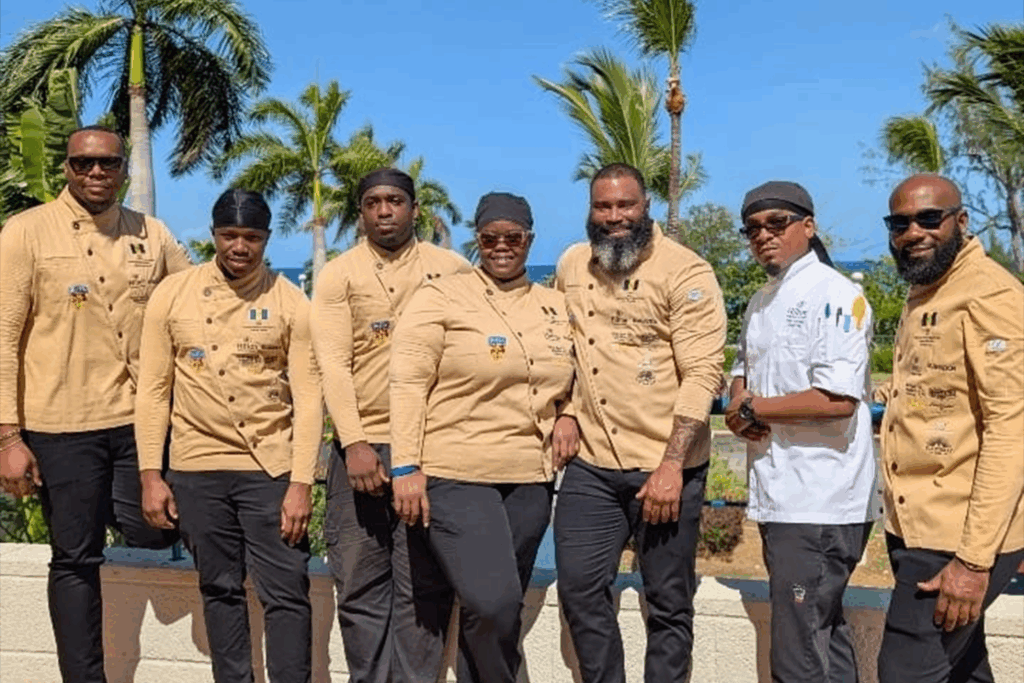
Bajan chefs gear up to defend Caribbean title
As the 2025 Taste of the Caribbean Competition approaches, Barbados’ national culinary champions are intensifying their preparations to defend their title on home soil. The event, hosted for the first time in Barbados, will take place from November 16 to 18 at the Wyndham Grand Barbados. The Barbados National Culinary Team, led by team manager and head coach Javon Cummins, aims to showcase the country’s innovative approach to Caribbean cuisine. The team includes senior chef Rynaldo Joseph, junior chef Dejuan Toppin, pastry chef Rickeena Kirton, and mixologist Alex Chandler, all of whom are former champions. Their rigorous training schedule, which began on August 17, focuses on technical drills, speed under pressure, and reimagining traditional Bajan dishes. The team is also incorporating new elements such as a sparring partner system, weekly mock competitions, and mental conditioning to enhance performance. The competition will feature teams from Saint Lucia, Grenada, Guyana, Belize, Antigua and Barbuda, Turks and Caicos, Bonaire, Puerto Rico, and Anguilla. The Barbados Hotel and Tourism Association (BHTA) emphasized the event’s significance as a platform for tourism, cultural diplomacy, and talent development. The public is encouraged to follow the team’s progress and support upcoming fundraising events via the BHTA’s social media pages.