作者: admin

  • Bondgenoten VS juichen arrestatie Maduro toe

    Bondgenoten VS juichen arrestatie Maduro toe

    A dramatic US military operation resulting in the capture of Venezuelan President Nicolás Maduro has triggered polarized international responses, raising complex questions about sovereignty, interventionism, and regional stability. The operation represents Washington’s most direct military engagement in Latin America since the 1989 invasion of Panama.

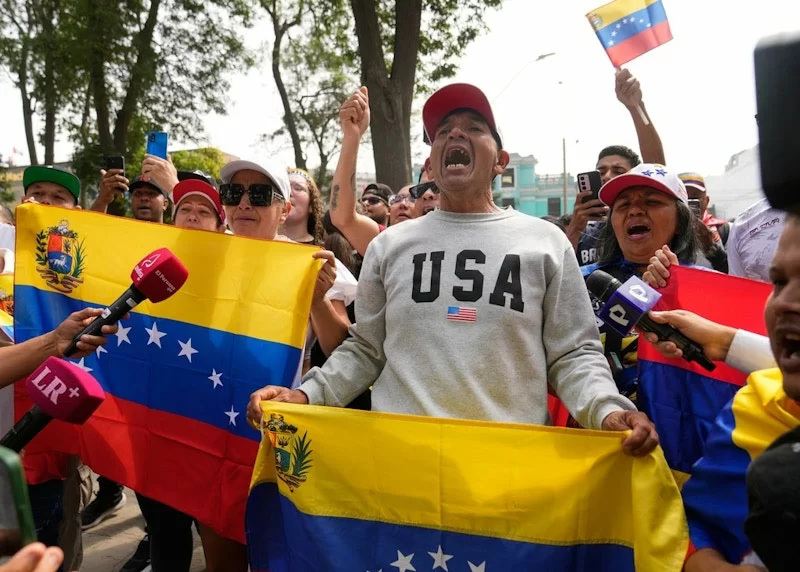
    Venezuelan opposition leader María Corina Machado, a Nobel Peace Prize laureate who has been living underground since Maduro’s controversial July 2024 reelection, hailed the development as “the hour of freedom.” Through social media channels, she urgently called for immediate transfer of power to opposition candidate Edmundo González Urrutia, whom the opposition considers the legitimate winner of the presidential elections.

    European allies offered measured support. Italian Prime Minister Giorgia Meloni, a prominent ally of President Donald Trump, defended the operation as a legitimate defensive action targeting organized crime and drug trafficking networks. However, she notably emphasized that foreign military interventions should not become the standard method for ending dictatorships, reflecting the delicate balance between supporting regime change and respecting international law.

    Israel expressed unequivocal support, with Foreign Minister Gideon Sa’ar praising the United States as “leader of the free world” and expressing solidarity with the Venezuelan people who he said suffered under Maduro’s “illegal tyranny.” Israel anticipates restored democratic processes and friendly bilateral relations.

    The operation occurred amid mounting pressure on Maduro’s government, which faces allegations of corruption, political repression, and involvement in international drug trafficking. Venezuela has experienced years of severe economic crisis, massive refugee outflows, and intense political polarization.

    Neighboring countries Brazil and Colombia are closely monitoring developments due to potential impacts on regional stability and refugee movements. The Venezuela-Brazil border was temporarily closed during the initial escalation but has since reopened, with Brazilian authorities maintaining heightened surveillance. The region already hosts significant numbers of Venezuelan refugees, creating substantial humanitarian pressures.

    Legal and procedural questions emerge as the operation was conducted without prior congressional approval in the United States, raising concerns about its legal basis and legitimacy. Reports indicate the operation was originally planned for the Christmas period but was delayed due to other military priorities.

    The international community remains divided between supporting nations that view the action as necessary for democracy and those warning against escalation while emphasizing diplomatic solutions and respect for international law. The ultimate impact on Venezuela’s political future and broader regional stability remains uncertain.
  • Saint Lucia, Caribbean flights disrupted as US strikes close regional airspace

    Saint Lucia, Caribbean flights disrupted as US strikes close regional airspace

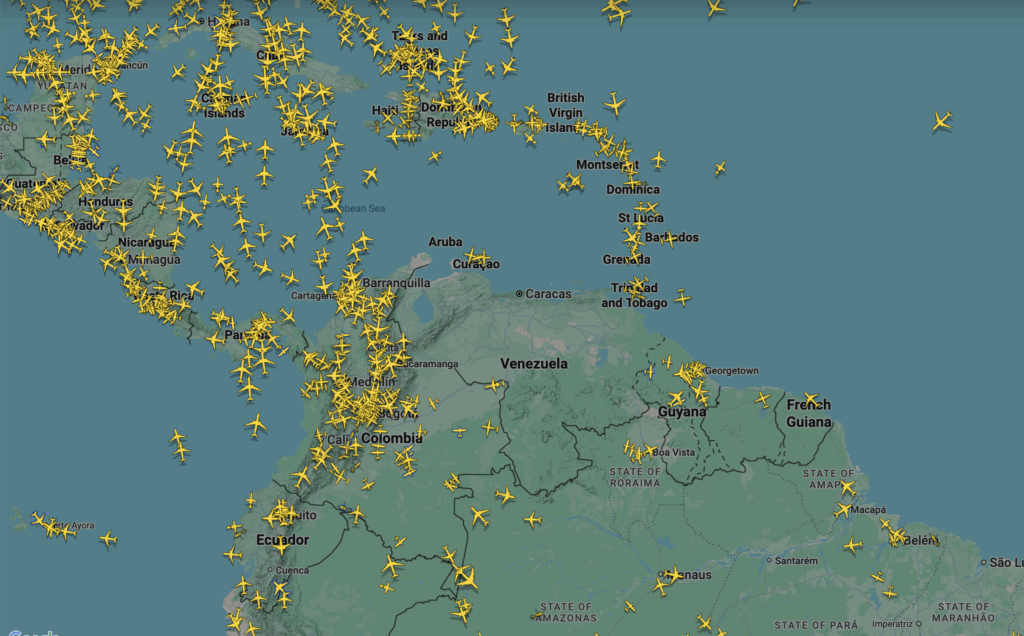
    A major aviation disruption swept across the Eastern Caribbean on January 3 as the US Federal Aviation Administration (FAA) implemented emergency airspace restrictions following military operations near Venezuela. The directive prompted immediate flight cancellations and significant schedule adjustments throughout the region.

    The FAA’s emergency Notices to Airmen (NOTAMs) effectively closed substantial portions of Eastern Caribbean airspace, creating a ripple effect across multiple island nations. Airports in Puerto Rico, Aruba, St Maarten, Barbados, Saint Lucia, Grenada, and the US Virgin Islands were among those experiencing substantial operational impacts.

    JetBlue Airways, maintaining extensive regional operations, cancelled approximately 215 flights systemwide. American Airlines confirmed schedule modifications, emphasizing passenger and crew safety as their primary concern. Delta Air Lines specifically listed affected destinations including San Juan, Aruba, Barbados, Saint Lucia, and Grenada. Both United Airlines and Southwest Airlines reported similar cancellation patterns due to the restrictions.

    The Saint Lucia Air and Sea Ports Authority (SLASPA) confirmed significant disruptions to flight operations between the United States and Caribbean destinations, noting numerous services experienced either delays or outright cancellations.

    Travel chaos ensued as passengers found themselves stranded at airports with uncertain resumption timelines. Regional tourism officials expressed particular concern about the timing during peak winter travel season, traditionally the region’s busiest tourism period.

    The FAA indicated restrictions were initially scheduled to expire late January 3 but maintained possibility of extension based on ongoing security assessments. Airlines advised affected passengers to consult official channels for rebooking options and refund procedures. While US carriers haven’t operated direct flights to Venezuela since 2019 due to political instability, the current restrictions notably extend beyond Venezuelan airspace, affecting broader Caribbean transit routes.

  • Prepare to screen, accommodate influx of migrants as a fallout from US airstrikes on Venezuela, APNU tells gov’t

    Prepare to screen, accommodate influx of migrants as a fallout from US airstrikes on Venezuela, APNU tells gov’t

    Guyana’s primary opposition coalition, A Partnership for National Unity (APNU), has issued an urgent advisory to the government regarding potential security and humanitarian consequences stemming from recent US military operations in Venezuela. The organization emphasized the critical need for immediate contingency planning to address a possible influx of displaced persons across the western border.

    APNU proposed a comprehensive four-point strategy that includes establishing designated reception zones at secure distances from the border area. These zones would require pre-positioned essential supplies including water, food, medical resources, and shelter materials. The opposition coalition specifically highlighted the necessity of implementing robust vetting mechanisms to prevent potential infiltration threats that could compromise national interests.

    While advocating for humanitarian response measures, APNU simultaneously called for strengthened security protocols and systematic registration procedures to ensure orderly management of any migration flow. The organization stressed that such measures must balance humanitarian concerns with national security requirements.

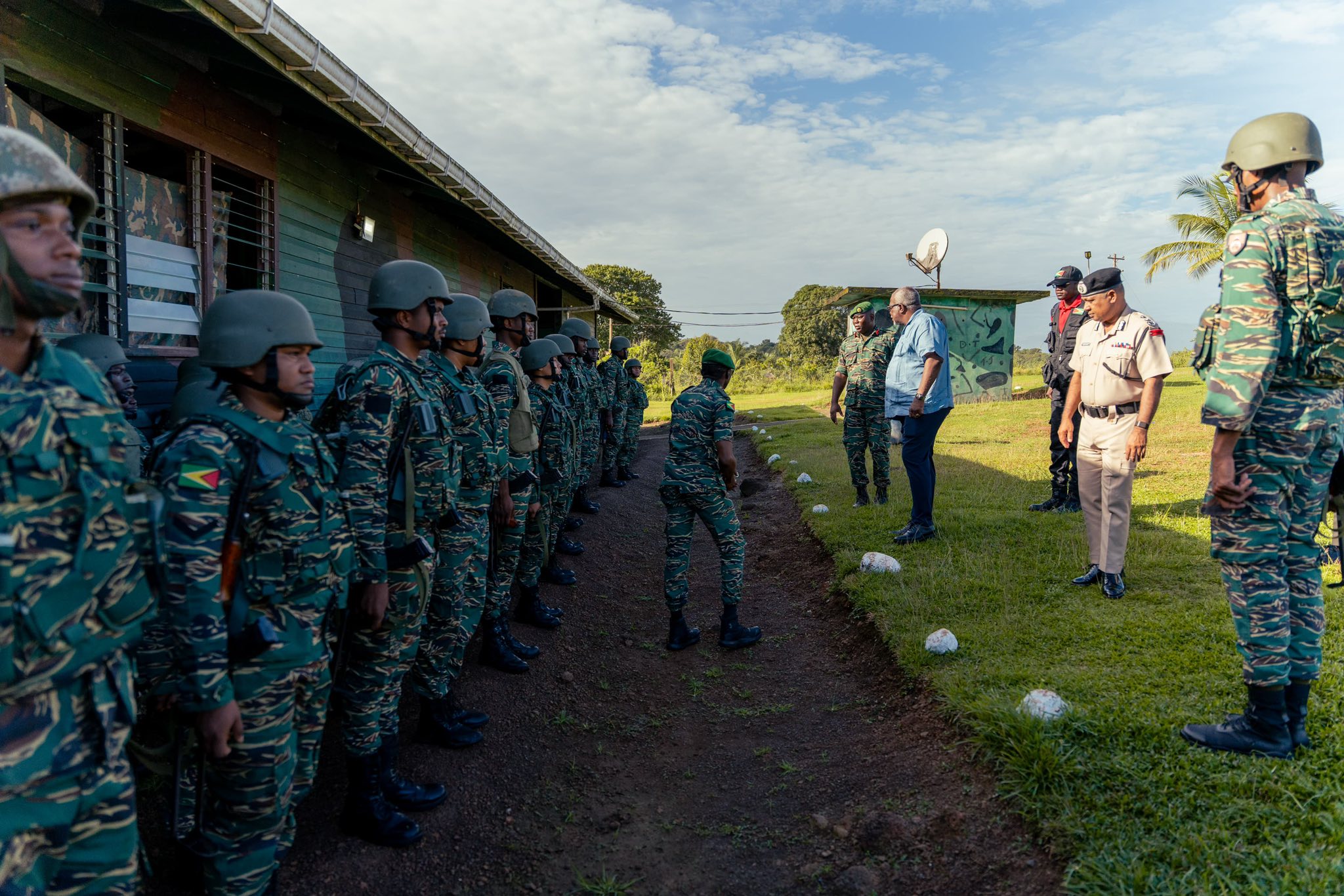
    President Irfaan Ali, responding to inquiries, acknowledged ongoing border monitoring efforts but noted he had not yet reviewed APNU’s specific recommendations. The President confirmed that Prime Minister Mark Phillips was currently engaged with defense and security personnel in border regions to assess preparedness in light of regional developments.

    APNU further recommended establishing a joint humanitarian task force incorporating multiple government agencies including the Civil Defence Commission, Guyana Defence Force, and relevant ministries. The opposition coalition also urged international engagement with organizations including CARICOM, UN refugee agencies, and the International Red Cross to secure potential logistical and financial support.

    Emphasizing the need for bipartisan cooperation, APNU offered legislative support, community network mobilization, and budgetary approval assistance to address what they characterize as a national emergency requiring unified response. The organization noted that while Guyana maintains its position on territorial matters through the International Court of Justice process, the current situation demands pragmatic humanitarian planning.

    Background context indicates significant prior migration from Venezuela, with official figures documenting approximately 40,000 legal Venezuelan residents in Guyana and unofficial estimates suggesting total numbers exceeding 100,000 individuals who have fled political and economic instability over the past decade.

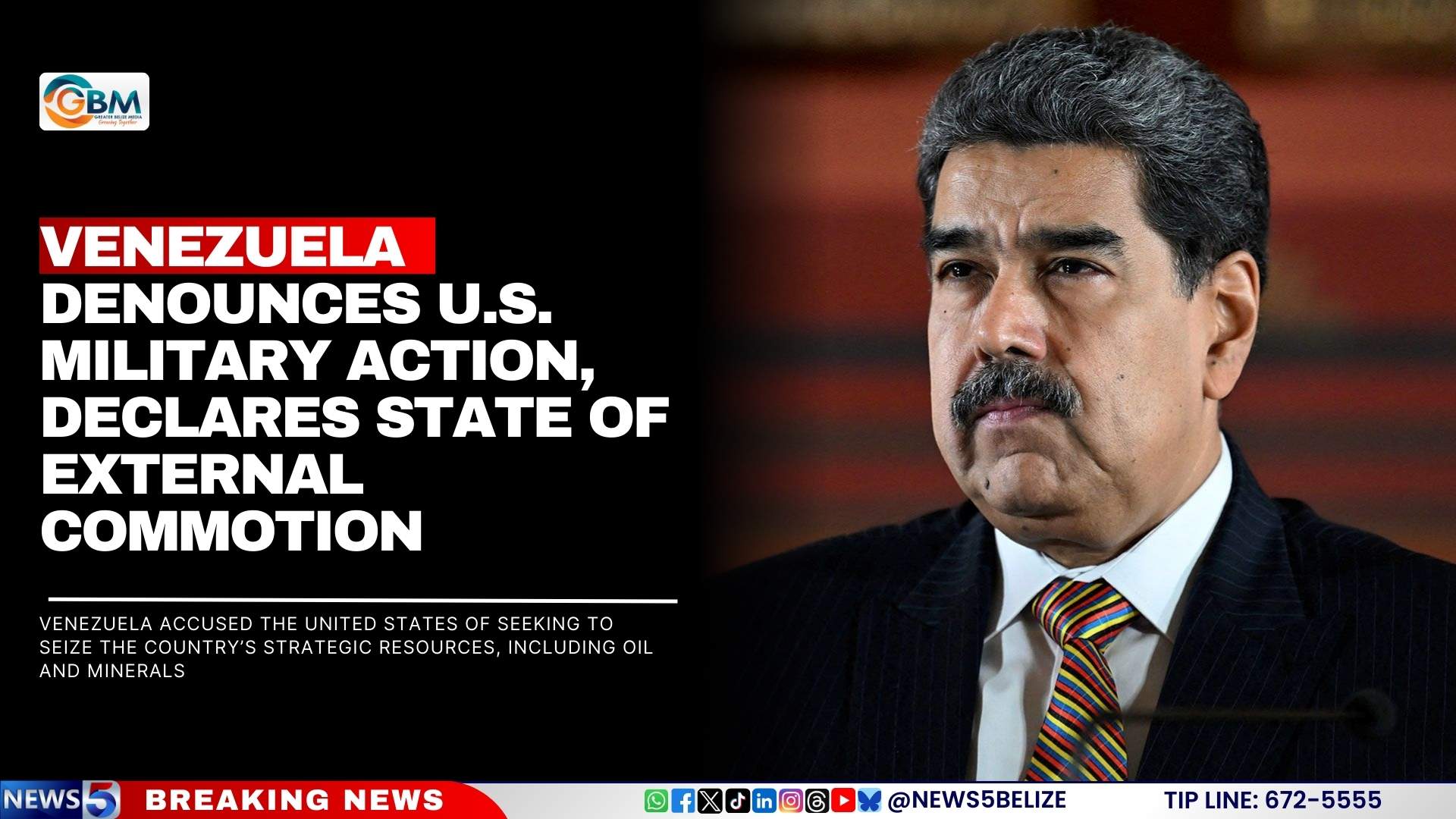
  • Venezuela Denounces U.S. Military Action, Declares State of External Commotion

    Venezuela Denounces U.S. Military Action, Declares State of External Commotion

    The Venezuelan government has issued a formal declaration of a State of External Commotion across its entire territory following what it characterizes as unprecedented military aggression by the United States. According to an official statement released on January 3, 2026, U.S. forces allegedly conducted attacks against both civilian and military installations in Caracas and surrounding states including Miranda, Aragua, and La Guaira.

    President Nicolás Maduro has authorized the implementation of comprehensive national defense protocols in response to what Venezuelan authorities describe as a blatant violation of international law and the United Nations Charter. The government asserts that these actions represent not only an assault on Venezuelan sovereignty but also a direct threat to regional stability throughout Latin America and the Caribbean.

    Venezuelan officials have framed the alleged incursion as an attempt to seize control of the nation’s strategic resources, particularly its substantial petroleum and mineral reserves, while simultaneously attempting to force regime change through military means. The government maintains that such efforts will ultimately fail, citing historical resistance to foreign intervention.

    Notably absent from the Venezuelan statement was any acknowledgment of U.S. claims regarding President Maduro’s capture and removal from the country during overnight operations. This creates a significant discrepancy between the narratives presented by the two nations, with Caracas maintaining presidential authority and continuity of government operations despite Washington’s assertions to the contrary.

    The declaration of a State of External Commotion enables extraordinary measures to protect civilian populations, ensure the continued functioning of state institutions, and coordinate national response to what Venezuela characterizes as external aggression.

  • Gemini Browne Charged with Unlawful Possession of Crack/Cocaine

    Gemini Browne Charged with Unlawful Possession of Crack/Cocaine

    In a targeted anti-narcotics operation, the Royal Police Force of Antigua and Barbuda has formally charged 40-year-old Perry Bay resident Gemini Browne with unlawful possession of controlled substances. The arrest occurred on Thursday following strategic police interventions in the Grays Green area, where law enforcement officials intercepted Browne and discovered 0.7 grams of crack cocaine in his possession.

    The charges stem from an ongoing initiative to combat illicit drug activities across local communities. Police authorities have confirmed that Browne was taken into custody and processed according to standard judicial procedures. Investigations remain active as law enforcement continues to pursue related leads.

    This arrest forms part of the Royal Police Force’s broader campaign to enhance public safety and disrupt drug distribution networks throughout Antigua and Barbuda. Officials have reiterated their commitment to sustained operations targeting narcotics trafficking and associated criminal behavior.

    The police administration has called for increased public cooperation in these efforts, urging community members to report suspicious activities through official channels including the Criminal Investigations Department and the anonymous Crimestoppers tip line. This collaborative approach aims to strengthen community-police relations while addressing drug-related crimes more effectively.

  • Playwrights Workshop starts monthly series on January 7

    Playwrights Workshop starts monthly series on January 7

    The Playwrights Workshop of Trinbago (PWT) will inaugurate its 2026 monthly readers theatre series with a special presentation featuring foundational member and accomplished playwright Judith Theodore. The season opener will showcase cold readings of Theodore’s two distinctive works: ‘Don’t Be Late’ and ‘The Big Debate’ on January 7 at the Trinidad Theatre Workshop in Port of Spain.

    ‘Don’t Be Late’ presents a comedic examination of personality conflicts, focusing on the dynamic between an extremely punctual individual and someone who operates on their own schedule. The contrasting characters create a humorous exploration of human behavior and social expectations.

    The second work, ‘The Big Debate,’ transports audiences to a Scarborough guest house on Carnival Tuesday morning. Through the perspective of two maids going about their duties, the play captures the linguistic artistry of Speech Bands performers engaging in traditional verbal battles. The narrative cleverly incorporates the real-life controversy surrounding Sir Elton John’s scheduled performance at a Tobago jazz event, using this folk art form to examine the clash between religious leaders and event promoters.

    Theodore brings decades of artistic expertise to these works, having begun her career as a dancer with the Repertory Dance Company under Astor Johnson before transitioning to acting in theater, film, and television. Her credits include performances in ‘One of our Sons is Missing,’ ‘Belle Fanto,’ and the popular local series ‘Westwood Park.’

    The playwright has honed her craft through prestigious workshops including the Cropper Foundation Residential Writing Workshop and the Trinity-in-Trinidad Playwright Workshop with the late Tony Hall. Her literary accomplishments extend beyond theater with published short stories in ‘Trinidad Noir’ and ‘Sixteen,’ plus her own anthology ‘Told by the River.’

    The monthly series, held on the first Wednesday of each month at 7 pm, continues its mission of providing playwrights with opportunities to hear their scripts performed aloud and receive valuable audience feedback. Admission to the January 7 event is free, offering public access to these cultural works.

  • Don’t die before you are dead – live fully for 2026

    Don’t die before you are dead – live fully for 2026

    As we enter 2026, psychologist Dr. Margaret Nakhid-Chatoor presents a profound reflection on the dualities of human existence, emphasizing that true living involves embracing both joy and sorrow, triumph and failure. The new year represents an opportunity for personal renewal, yet for many, it evokes complex emotions ranging from hopeful anticipation to profound despair and isolation.

    The poignant phrase “Don’t die before you’re dead” serves as a powerful manifesto against emotional surrender, urging individuals to actively choose purposeful living despite life’s inevitable challenges. Dr. Nakhid-Chatoor emphasizes that genuine well-being transcends mere avoidance of mental health crises, requiring instead the conscious cultivation of resilience, meaningful connections, and daily courageous choices.

    Drawing from Viktor Frankl’s profound insights as a Holocaust survivor, the commentary highlights how humans can discover purpose even amidst unimaginable suffering. Frankl’s observations from concentration camps revealed that those who found meaning demonstrated greater resilience and maintained their humanity under extreme conditions.

    The analysis addresses contemporary mental health challenges, particularly noting how social media platforms can exacerbate feelings of inadequacy, loneliness, and negative self-perception through constant exposure to curated perfection. Dr. Nakhid-Chatoor recommends mindful social media usage and prioritization of authentic, face-to-face relationships.

    The new year offers a metaphorical blank canvas for personal transformation, encouraging active engagement with life rather than passive endurance. The psychologist advocates for conscious awareness of emotional numbness and deliberate reconnection with personal values and meaningful relationships.

    Ultimately, the message affirms the inherent value of each individual’s life and the transformative power of choosing one’s response to suffering. This choice represents the fundamental difference between merely existing and truly living—where endurance becomes courage, pain transforms into wisdom, and isolation evolves into genuine connection.

    The commentary concludes with an inspirational charge for 2026: to choose courage over fear, connection over isolation, and meaning over emptiness, carrying Frankl’s enduring wisdom into the new year.

  • Near-death experience leads singer to music, God

    Near-death experience leads singer to music, God

    A profound spiritual awakening emerged from the brink of mortality for Trinidadian gospel artist Samuel George, whose medical crisis became the catalyst for both his religious devotion and musical career. The 28-year-old Aranguez native recently unveiled his newest single “Early in the Morning” on January 2nd, marking the latest milestone in an extraordinary journey that began with a life-threatening battle against pneumonia in 2024.

    During his three-day hospitalization, George experienced severe physical limitations that prevented him from swallowing solid food and could only consume minimal fluids. This medical emergency triggered an existential reckoning as he confronted the apparent absence of purpose in his life despite previous explorations through football, kickboxing, and mixed martial arts.

    “I refused to accept that my life would end without meaningful contribution,” George recalled during an exclusive interview. His desperate plea for a second chance at life was answered through an unexpected medium: divinely inspired music that began manifesting in his consciousness during recovery.

    Without any formal musical training, George suddenly found himself hearing complete compositions in his mind—melodies, harmonies, and rhythmic patterns that would form the foundation of his debut single “Lord You Break Barriers” in April 2024. This initial effort was developed with guidance from established gospel musicians including Jaron Nurse, Blessed Messenger, and David Barker of Ten Strings Media.

    George has since developed a distinctive musical signature by blending Trinidad’s indigenous soca rhythms with gospel messaging. His discography now includes six compositions spanning four gospelypso tracks and two worship songs. His latest work incorporates what he describes as “infectious, joyful rhythms of soca with a core message of faithful devotion,” specifically emphasizing the spiritual importance of beginning each day with prayerful dedication.

    “Choosing to pray early represents actively prioritizing our relationship with God before worldly distractions intervene,” George explained. “This sacred practice allows us to exchange anxiety for peace, confusion for direction, and weakness for strength.”

    The artist’s work has garnered positive reception across generational lines within religious communities. George attributes his creative process to quiet moments of worship during which he receives musical inspiration that later surfaces throughout his daily activities.

    Looking beyond music, George aspires to expand his ministry through evangelical work in churches, schools, and other venues. He offered pointed commentary on Trinidad and Tobago’s social landscape, suggesting that many leaders “rely on their own understanding rather than recognizing God as the solution to our chaotic state.”

    For individuals experiencing hopelessness, George emphasized: “Your value isn’t diminished because others fail to recognize it. God sees your worth even when you cannot. I encourage people to seek divine perspective on their identity and purpose.”

    The artist ultimately aims to propagate messages of hope through diverse musical genres while potentially traveling internationally to share transformative spiritual experiences with global audiences.

  • People flourish through Women Owned Media, Republic Bank

    People flourish through Women Owned Media, Republic Bank

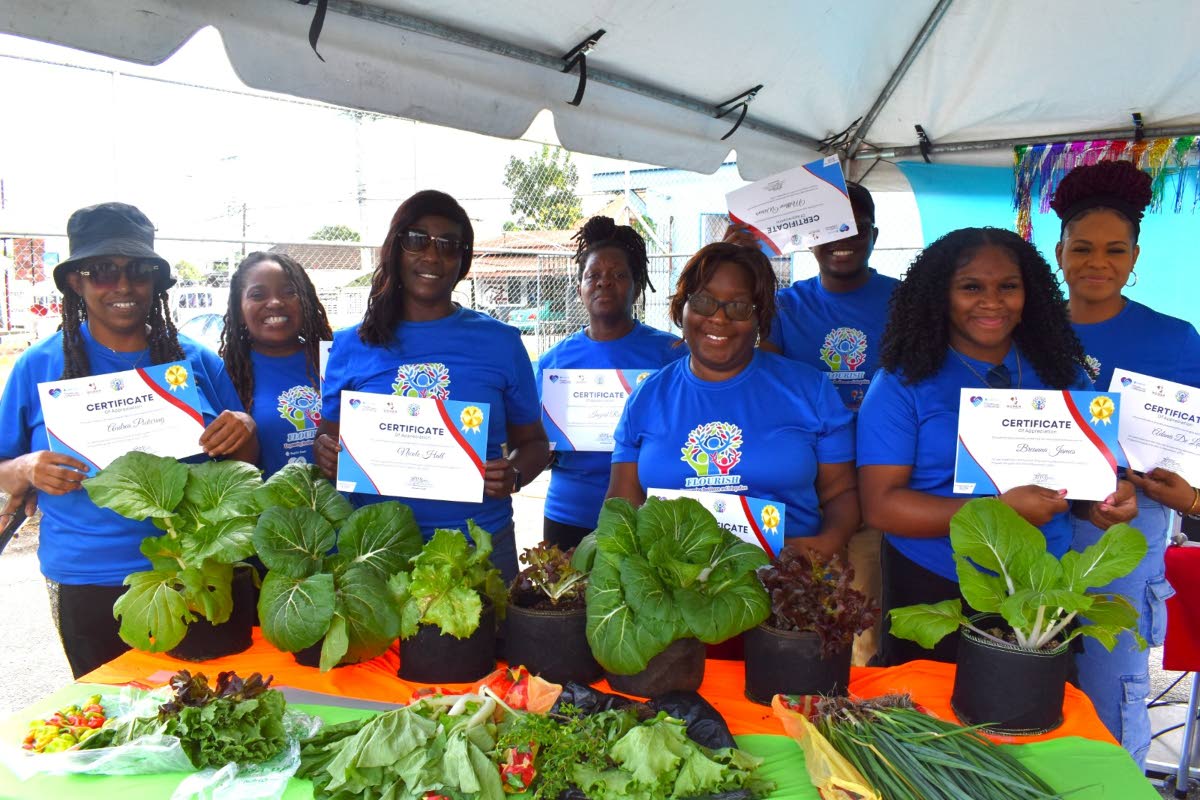
    LONGDENVILLE – A transformative initiative bridging migrant and host communities celebrated its third graduation cohort on December 13 at the Longdenville Basketball Court. The Flourish: Empowering Resilience and Integration programme, funded by Republic Bank’s Power to Make a Difference initiative, successfully trained 40 participants in vocational skills and economic integration.

    Organized by Women Owned Media and Education Network (WOMEN) in collaboration with the International Organization for Migration (IOM) and corporate partners including Blue Waters, Kiss Baking Company, SMJaleel, Xtrafoods Cares, Domino’s Pizza, and Use My Services, the program provided hands-on training in three key disciplines: sewing, carpentry, and hydroponics. These technical skills were complemented by essential workshops in entrepreneurship, financial literacy, and community integration strategies.

    WOMEN founder Lucia Cabrera-Jones emphasized the program’s core mission: “Flourish is designed to integrate migrants into local society with the support of host communities, proving that when international, corporate, financial institutions, communities, and individuals come together with shared purpose, transformation happens.”

    Republic Bank’s senior manager Davi Samaroo-Singh highlighted the institutional commitment to sustainable community development: “Partnerships like this matter because they unite institutions that believe in empowerment, inclusion, and opportunity for all. Through our Power to Make a Difference programme, we are committed to creating pathways for women, youth, and vulnerable groups to achieve independence, economic stability, and personal growth.”

    The graduation ceremony attracted significant community leadership presence, demonstrating strong local endorsement for initiatives that foster social cohesion and inclusive economic development. Program organizers noted that the comprehensive curriculum was specifically designed to equip participants not merely with income-generating skills, but with the holistic tools necessary to sustainably manage, grow, and integrate their livelihoods within their communities.

  • Dragon deal in doubt after Maduro’s removal

    Dragon deal in doubt after Maduro’s removal

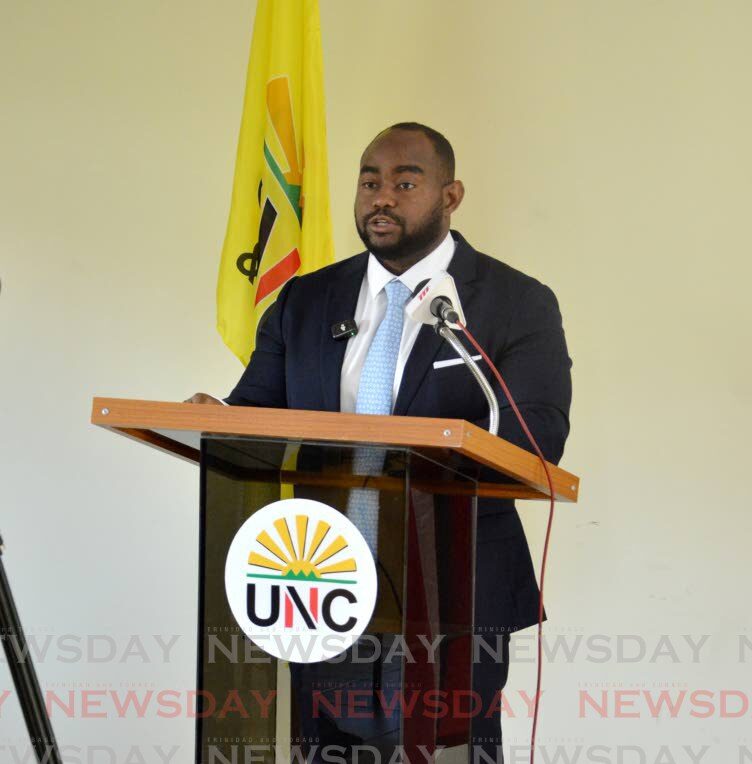
    Following the dramatic extraction of Venezuelan President Nicolas Maduro by US military forces on January 3, Trinidad and Tobago faces significant uncertainty regarding its long-term energy arrangements with Venezuela. Foreign and Caricom Affairs Minister Sean Sobers addressed these developments at a January 4 press conference at the UNC headquarters in Chaguanas, acknowledging that the future of the Dragon gas field exploration agreement remains unclear.

    The previous PNM administration had secured a 30-year license for the Dragon gas project in December 2023, which was subsequently revoked in April 2024 following Donald Trump’s presidential election victory. The current UNC government obtained a six-month license extension in September 2025 after Prime Minister Kamla Persad-Bissessar met with US Secretary of State Marco Rubio in Washington, DC.

    Minister Sobers characterized the Dragon gas project, along with other cross-border energy initiatives including Cocuina-Manakin and Loran/Manatee, as “continuously developing situations” that require years of negotiation and development. He emphasized that none of these matters would be resolved immediately.

    The Trinidad and Tobago government has unequivocally expressed its support for the US National Security Strategy 2025 document, despite Sobers admitting unfamiliarity with its specific contents. The minister stated that the administration supports any policy ensuring population security against transnational criminal threats. This alignment with US strategy includes support for ongoing US military deployment in the Southern Caribbean, establishment of a US radar system in Tobago, and granting indefinite transit rights for US military flights through Trinidad and Tobago airports.

    Prime Minister Persad-Bissessar had previously declared the Dragon gas deal “dead” in May and indicated intentions to seek alternative gas supplies from Grenada, Guyana, and Suriname, though the feasibility of these alternatives remains questionable due to either limited availability or prior commitments.