作者: admin

  • Hotels boost disaster readiness as BHTA urges full preparedness

    Hotels boost disaster readiness as BHTA urges full preparedness

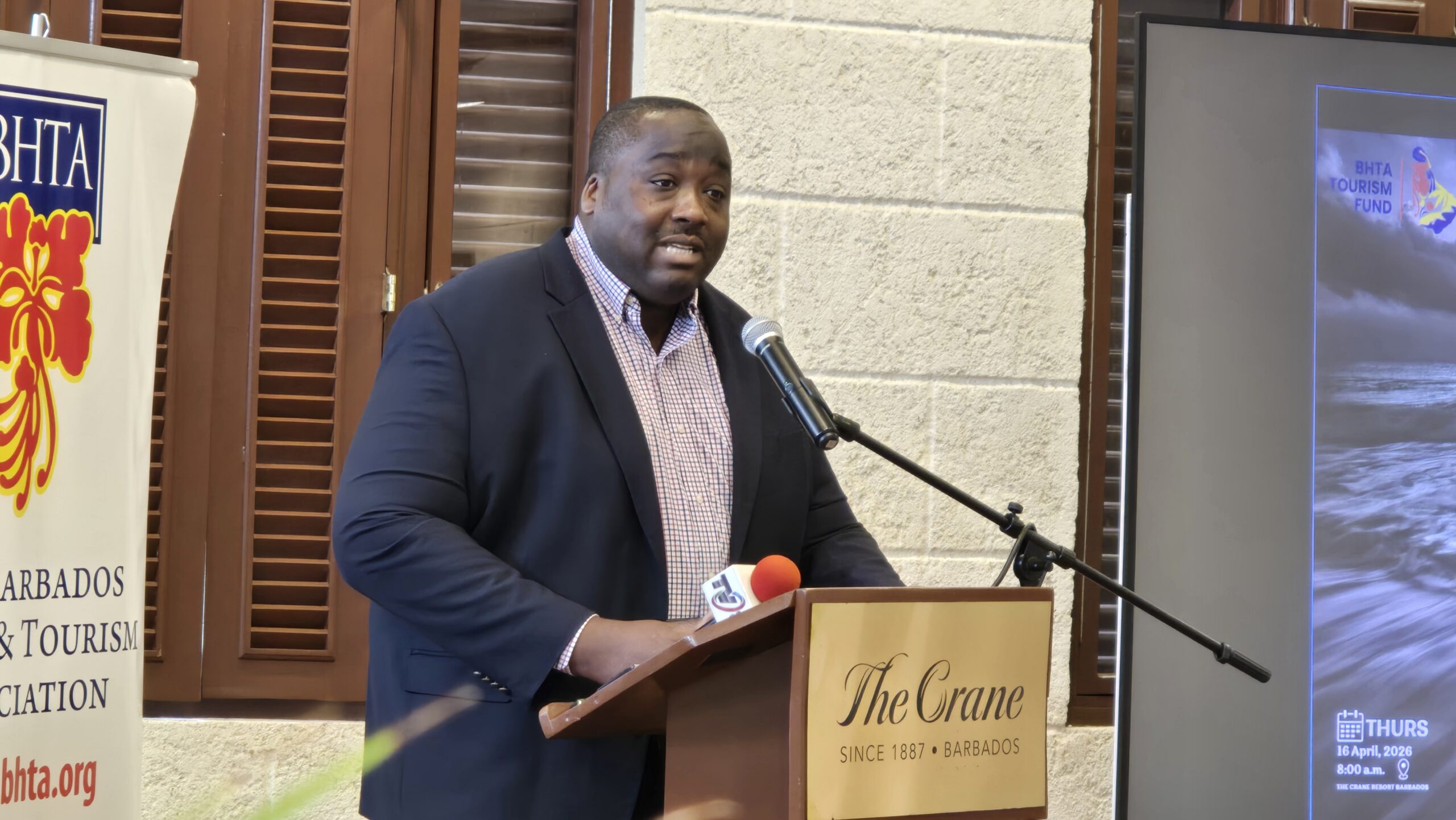
    Barbados’ tourism and hospitality industry has made major strides in strengthening disaster and emergency preparedness, with nearly all member properties of the Barbados Hotel and Tourism Association (BHTA) now holding formal crisis management plans, according to new data shared at the association’s 2026 Emergency Management Workshop held at Crane Resort in St Philip.

    Javon Griffith, chairman of the BHTA, opened the workshop by emphasizing that comprehensive crisis readiness is far more than a bureaucratic requirement — it is a core commitment to protecting guests, employees, and critical industry assets. The Caribbean island’s tourism sector, which serves as a backbone of the national economy, faces constant exposure to unforeseen hazards, from intense hurricanes and extreme weather events to public health threats, operational disruptions, and labor challenges. Griffith argued that when crisis hits, pre-planning, clear leadership, and structured processes matter far more than last-minute improvisation or panicked reactions.

    New data presented by BHTA Tourism Liaison Officer Sade Deane quantified the sector’s progress. Currently, 93% of BHTA-member tourist accommodations and hotels maintain fully developed emergency management plans, with 80% of these documents updated annually to reflect changing risks and operational conditions. During peak hurricane season, BHTA members collectively account for up to 10,000 guests that require coordinated safety planning, making standardized preparedness a high-stakes priority.

    Ninety percent of surveyed properties have formal evacuation protocols in place and maintain dedicated emergency committees trained to respond to different types of crises, most commonly hurricanes, wildfires, and flooding. Sixty-seven percent of properties conduct regular, rigorous emergency drills to ensure all staff understand their roles during a crisis, alongside ongoing training and tabletop simulation exercises for shelter operations. Most properties have pre-arranged agreements to use sister hotels as alternate shelters if on-site capacity is exceeded, with 89% of staff able to quickly direct guests to these nearby safe locations.

    When hurricane forecasts predict severe storm activity, properties prioritize guest welfare by encouraging pre-storm evacuation off-island. To reduce risk for visitors who choose to or must remain on Barbados, hotels offer flexible booking policies including rescheduling and extended stays, and provide emergency support including stocked meals and essential supplies. Sixty-eight percent of BHTA members have formal mutual aid agreements with non-member accommodations to host displaced guests if local capacity is overwhelmed during a major event.

    Deane outlined the range of standard protective and response measures deployed across the sector, including pre-storm preparation steps such as placing sandbags, clearing drainage systems, securing outdoor furniture and equipment, and stocking up on non-perishable food, water, and critical backup infrastructure including water tanks and power generators. For communication, properties maintain multi-layered systems that work even if traditional cell and internet networks go down, combining social media updates, WhatsApp groups, mobile calls, internal radio systems and island-wide VHF radio coverage to maintain connectivity during crises.

    Despite the notable progress captured in the new data, Griffith stressed that emergency management must evolve beyond simply having a written plan stored on a shelf. He argued that for true resilience, crisis preparedness must be embedded into the daily organizational culture of every hospitality business, understood by senior leadership, embraced by frontline teams, and continuously strengthened through regular planning, training, rehearsals, and post-incident reviews.

    Griffith added that true resilience depends as much on people as it does on infrastructure and formal systems. Emergency preparedness, he noted, is not the sole responsibility of a single department — it requires buy-in and participation across every level of an organization, and across the entire tourism industry. As the leading economic sector in Barbados, the tourism industry holds a collective responsibility as stewards of local jobs, representatives of the island’s national hospitality brand, and guardians of the visitor experience. The preparations, response actions, and recovery efforts the sector undertakes have impacts that stretch far beyond individual hotel businesses, affecting the entire island’s reputation and economic health.

    The 2026 workshop was designed to address both the operational and human elements of emergency management, covering not just infrastructure and protocol planning, but also how to prepare staff for crisis, support workers during disruptions, maintain fair workplace practices under extreme pressure, and support teams and organizations to recover fully after a crisis passes.

  • Cricket legends to mentor students in new programme

    Cricket legends to mentor students in new programme

    Across Barbados, a growing number of secondary and tertiary students are gaining unprecedented access to first-hand wisdom from cricket icons and industry leaders, thanks to the new Legacy Talks initiative spearheaded by Cricket Legends of Barbados Inc. This targeted youth engagement program, which launched earlier this year, marks a major step forward in the organization’s ongoing mission to reconnect young Barbadians to the island’s rich cricketing heritage while equipping them with life skills that extend far beyond the pitch.

    During a press briefing held at the organization’s Fontabelle headquarters in St. Michael, General Manager Julia Caine laid out the program’s core objectives: to bridge the gap between legendary former cricketers and the next generation, expanding discussions beyond the sport to cover critical topics that shape young people’s lives. From personal discipline and the value of education to navigating career pathways and fostering long-term personal growth, the structured sessions are designed to broaden students’ perspectives on professional opportunities. Since launching in January, the initiative has already welcomed four secondary schools and one tertiary institution, building on the momentum of the organization’s existing successful outreach program, Fun Time with the Legends.

    Launched in 2024, Fun Time with the Legends has already reached 18 primary and secondary schools across the island, with five more visits scheduled for the upcoming academic term. Caine emphasized that both programs work in tandem to deliver structured engagement for young people at every educational level, from primary school through tertiary education. Unlike the more accessible Fun Time program, Legacy Talks is crafted specifically for older students preparing to transition from higher education to the workforce, offering deeper, discussion-driven sessions with topics tailored to their unique needs. Caine noted that the organization is optimistic about the new program’s long-term growth and impact on Barbadian youth.

    The most recent Legacy Talks session was led by Carlisle Best, a celebrated former Barbadian and West Indies cricketer who also enjoyed a long career with the Central Bank of Barbados. Best brought his dual expertise to a session focused on financial legacy, engaging students from Barbados Community College and The Alleyne School with practical, actionable insights that sparked thoughtful, meaningful dialogue among attendees.

    Joel Garner, chairman of Cricket Legends of Barbados, opened up about the organization’s motivation for expanding its school outreach, acknowledging that the sport has not received the consistent media visibility it deserves in recent years. He noted that modern young people are increasingly drawn to digital devices and screen-based activities, pulling focus away from traditional local sports. Garner admitted that the cricketing community made missteps in the past, failing to maintain a consistent visible presence in schools and build robust partnerships with local businesses. To grow the sport across all age levels, he argued, the organization needs expanded partnerships not only with the Ministry of Education but also the Ministry of Sport to create a meaningful, sustainable impact on junior and elite cricket development across the entire island.

    Garner added that the organization’s outreach extends far beyond school programs. Legends of Barbados has also worked closely with the country’s senior national men’s team, hosting informal sessions to help players relax, sharing first-hand lessons on what it takes to reach the top of international cricket, and how to sustain success once they achieve their goals.

    Shareholder and former international cricketer Dwayne Smith shared his personal journey with the sport, recalling how his uncle introduced him to cricket at a young age. While he noted that he did not always achieve every outcome he dreamed of during his career, Smith emphasized that cricket transformed his life, opening doors to international travel he never could have imagined – from Kenya and Australia to New Zealand, South Africa, England and dozens of other destinations. For Smith, cricket provided not only financial stability – allowing him to own a home, a car, and achieve the lifestyle he wanted – but also invaluable life lessons about navigating the world and interacting with people from all walks of life. He expressed hope that more young Barbadians will follow his path and build their own futures through the sport he loves.

  • “Who Killed My Son”: Alwin Marin’s Mother Demands Justice

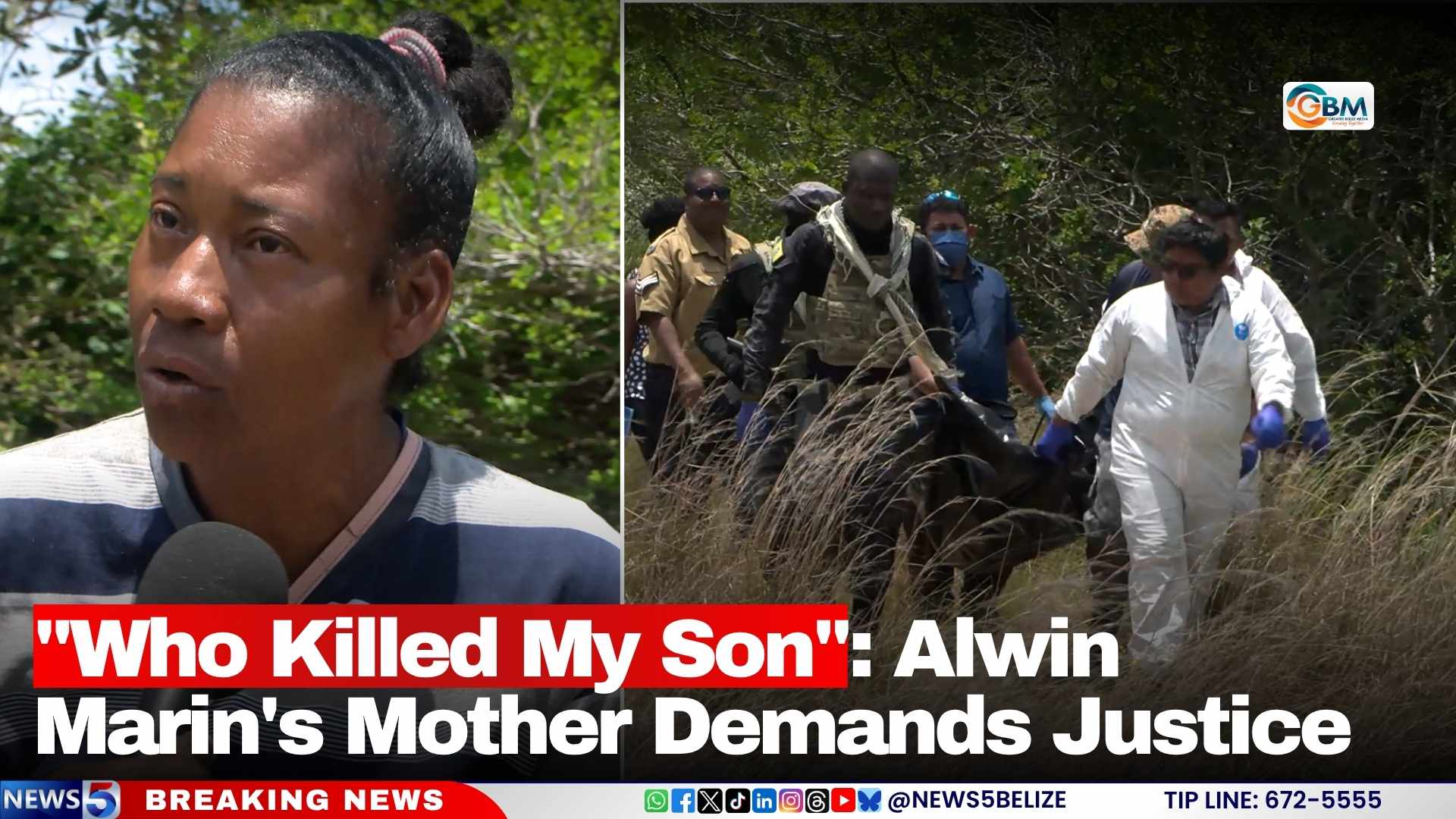
    “Who Killed My Son”: Alwin Marin’s Mother Demands Justice

    Nearly one week after another missing teenage boy was found fatally shot in thick brush behind Belize City’s Port area, a heartbroken Belizean mother has personally located the body of her own 17-year-old son, leaving her demanding urgent answers and action from authorities.

    Patricia Cardinez, who stepped in front of reporters wearing her late child’s own shirt to share her pain, made the grim discovery on April 16, 2026, while searching the overgrown terrain herself. Her son, Alwin Marin Jr, had disappeared alongside 19-year-old Jaheil Westby, whose gunshot-wounded remains were uncovered in the exact same location six days earlier. Belizean law enforcement has now officially classified the incident as a double homicide investigation, confirming the pair’s disappearances are directly connected.

    In an interview with local outlet News Five, Cardinez described her unwavering determination to find her son even as days of uncertainty passed without any official breakthrough. “I search in the bush. I see johncrows, and I search that I find my son,” she recalled of her efforts. “I said I would not give up my hopes, I would not give up my faith… Jah guide me and protect me so that I can find my son today.”

    The moment of finding her son brought no closure for Cardinez, only overwhelming grief mixed with fiery anger and urgent calls for accountability. “I find my son now, so who killed my son? That’s the answer I want to know now… I need justice for my son,” she stated firmly.

    Cardinez told reporters she believes the brutal killings stem from a prior dispute over a horse, adding that a violent confrontation between the teens and other parties occurred shortly before the pair went missing. Though she declined to publicly name any people she suspects of involvement, she made clear that she expects law enforcement to make rapid arrests in the case. A full broadcast update on the investigation is scheduled to air on News 5 Live at 6 p.m. local time.

  • Who’s Filing and Who’s Not?

    Who’s Filing and Who’s Not?

    Less than two months after the annual legal deadline for Belize’s public officials to submit financial disclosure declarations, transparency and accountability in government has returned to the center of public debate, driven by a social media announcement from one of the country’s sitting cabinet ministers.

    On Wednesday, Infrastructure Minister Julius Espat — who also serves as the elected representative for Cayo South Constituency — made a public post confirming that he had submitted his 14th annual declaration to the nation’s Integrity Commission. In the announcement, Espat emphasized that open accountability and transparent governance are non-negotiable core values for anyone holding public office, noting that he remains committed to upholding these standards through consistent compliance with disclosure requirements.

    “Today I had the honor of submitting my 14th Integrity Commission Report as the representative for the Cayo South Constituency. Transparency and accountability remain at the core of public service, and I am committed to upholding these principles. Grateful for the opportunity to serve,” Espat wrote in his public post.

    Espat’s voluntary confirmation of his compliance has sparked renewed public attention to a longstanding requirement for all elected public officials in Belize, and prompted questions about how many other elected representatives have met their legal obligations ahead of the deadline. Under Belizean existing anti-corruption and good governance legislation, all elected members of the national legislature, appointed senators, and municipal councilors at the town and city level are legally mandated to submit annual declarations of personal assets and private financial interests to the Integrity Commission by March 1 of every calendar year. These disclosures are explicitly designed to prevent conflicts of interest, increase government transparency, and reinforce broader good governance practices across all levels of elected office.

    In follow-up comments to reporters this week, Henry Charles Usher, Belize’s Minister of Public Service and Disaster Risk Management and the Area Representative for Fort George, confirmed that he has completed all required submissions and met the March 1 deadline without requesting an extension. “I’m up to date and I was on time. The Integrity Commission filings are due on March first of each year, so I was on time. I didn’t have to ask for an extension,” Usher stated.

    When pressed to address longstanding public concerns that the Integrity Commission lacks sufficient enforcement authority to compel non-compliant officials to submit their declarations and penalize those who miss the deadline, Usher said that the current legislative framework already includes the tools necessary to hold public officials accountable for meeting this requirement. “I think that the law, the legislation is there to hold public officers to account. Remember this is part of good governance for elected officials to make sure that they produce these filings every year. It has to be done on time,” he added.

    A full interview with Usher is set to air on News 5 Live this evening, where further questions about compliance rates and the Integrity Commission’s oversight role are expected to be discussed.

  • New calypso tent to spotlight young talent this Crop Over

    New calypso tent to spotlight young talent this Crop Over

    As Barbados prepares for its iconic annual Crop Over cultural celebration, a groundbreaking new calypso initiative centered entirely on elevating the next generation of musical talent is stepping into the spotlight. Founded and led by managing director Randy Eastmond, Rhythms of Legacy was formally introduced to the public this Thursday, built to serve as both a dynamic performance venue and a nurturing developmental hub for emerging Barbadian calypso artists.

    In an exclusive interview with Barbados TODAY, Eastmond laid out the dual purpose of the new venture: the project will operate as a full-fledged traditional calypso tent for the Crop Over season, while also systematically preparing participating young performers for the island’s most prestigious national calypso competitions. “This is a full calypso tent production built specifically for this Crop Over season, and many of our participants will be competing in the National Cultural Foundation’s flagship events – Pic O De Crop and the Junior Monarch competition,” Eastmond explained. “With the recent announcement of the new Party Monarch competition, I have no doubt our young artists, who are always eager to embrace fresh opportunities, will be keen to join that as well.”

    Beyond preparing contestants for competitive events, Eastmond stressed that long-term artistic growth is the unshakable core mission of Rhythms of Legacy. He framed the initiative as a purpose-built “developmental incubator” that fills a longstanding gap in the local cultural ecosystem by giving young creators a dedicated space to evolve their craft. Aligning with its dual focus on heritage and innovation, the tent has adopted the theme “Honouring our Musical Roots with Today’s Vocal Fruits.”

    “We have collaborated with hundreds of young aspiring artists over the decades, and it became clear that there was a critical need for a dedicated platform for them during Crop Over,” Eastmond said. “Young people deserve their own stage to shine, their own space to call their own – a sanctuary where they can refine their skills, experiment creatively, and grow as artists. Development is not just a priority for this initiative; it is the entire foundation of what we are doing here.”

    The upcoming calypso season will see around 17 performers take the Rhythms of Legacy stage, with ages ranging from 13 to 35. The lineup includes both first-time artists trying calypso for the first time and more experienced young acts looking to advance their careers. Hands-on skills workshops are a central component of the program, designed specifically to give new performers the tools and confidence they need to succeed. Adding star power to the opening lineup, reigning Junior Calypso Monarch Mr. Showman will appear as a featured guest performer across the tent’s opening events.

    Rhythms of Legacy has planned two major public performance nights ahead of the official judging event later in the Crop Over calendar. The opening night is scheduled for June 4 at the Daphne Joseph Hackett Theatre, kicking off at 8 p.m., with a second showcase set for June 18. The official judging night, held in partnership with the National Cultural Foundation, will take place on July 19 at the UWI Big Tent.

    While competitive wins are a welcome outcome for participating artists, Eastmond emphasized that the initiative’s greatest goals go far beyond trophies and rankings. “Our focus is not on finishing position in competitions,” he noted. “What matters most is the work our artists put forward, the legacy they build through their music, and the messages they share with audiences. Each of them is hard at work writing lyrics that reflect what they see happening in our society right now – and as calypsonians, that is exactly their role: to serve as thoughtful social commentators for our time.”

  • Thirty participants begin intensive tour guide training to boost Dominica’s tourism standards

    Thirty participants begin intensive tour guide training to boost Dominica’s tourism standards

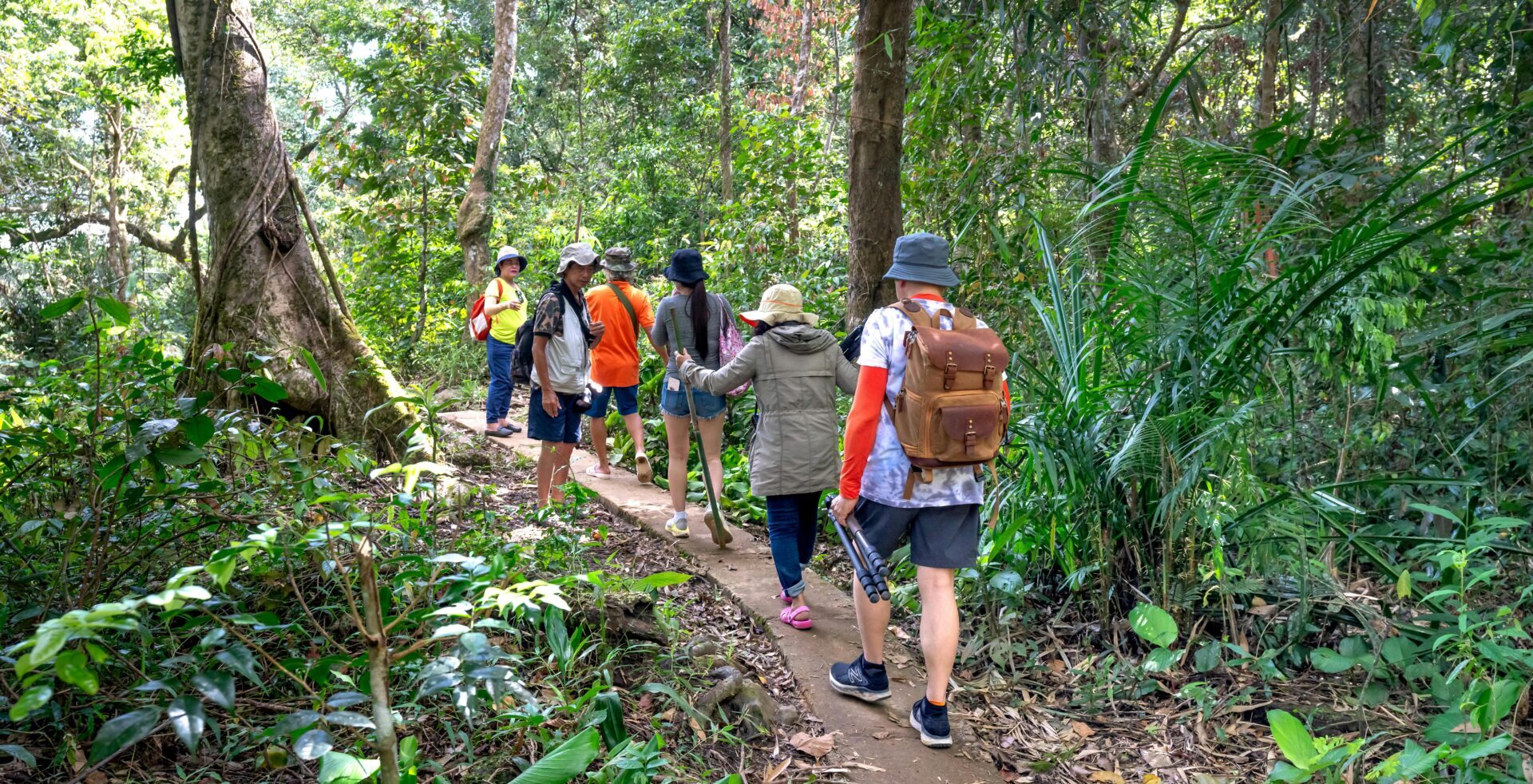
    Thirty aspiring and current tour guides in Dominica have begun a specialized workforce development program, launched to lift service quality across the Caribbean island nation’s booming tourism sector. The fully funded initiative is a collaborative effort led by the Discover Dominica Authority, in partnership with the Ministry of Tourism, the Organization of Eastern Caribbean States (OECS), and Dominica State College, according to an official press statement from the tourism authority.

    Running from April 13 to 21, 2026, the training program receives financial backing from the Caribbean Development Bank, allocated through the bank’s Eastern Caribbean Sustainable Marine and Terrestrial Ecosystems (EC-STEMS) Project. Officials frame the initiative as a core part of a national strategy to build the capacity and professionalism of Dominica’s tourism labor pool, as the country works to strengthen its reputation as a top nature-focused travel destination.

    All participants in the program are working toward official certification under the Nature Island Standards of Excellence (NISE), a local quality designation that requires completion of this standardized training. The curriculum is structured around four core pillars critical to exceptional visitor experiences: cultural interpretation, which teaches guides to share the unique history and traditions of Dominica with guests; environmental responsibility, aligned with the island’s focus on sustainable eco-tourism; customer relationship management; and comprehensive safety protocols.

    Unlike many traditional training programs that rely solely on classroom learning, this course blends academic instruction with immersive on-the-ground fieldwork. Trainees get the opportunity to apply their new knowledge directly in real tourism settings, allowing them to refine their skills before they begin leading tours independently. This hands-on approach is designed to ensure that program graduates are fully prepared to adapt to the changing needs of modern travelers and the shifting dynamics of the global tourism industry.

    Marva Williams, CEO and Director of Tourism at the Discover Dominica Authority, emphasized that uniform high service standards are non-negotiable as Dominica works to grow its market share in an increasingly competitive global tourism landscape. “Programs like this ensure that the people delivering the experience are prepared, confident and aligned with the level of quality we expect across the sector,” Williams said in an official statement.

    Once participants complete the 9-day training course, they will be eligible to move forward with their full NISE certification. Officials project that the expanded pool of certified, highly trained tour guides will help deliver a more consistent, premium tourism experience across Dominica, supporting long-term growth and visitor satisfaction for the island’s key economic sector.

  • Central Bank breaking collateral barrier for MSMEs

    Central Bank breaking collateral barrier for MSMEs

    Micro, small and medium-sized enterprises (MSMEs) across Barbados are set to gain unprecedented access to critical capital, after the Central Bank of Barbados officially launched the Enhanced Credit Guarantee Fund (ECGF) – a risk-sharing initiative designed to break down long-standing barriers to business financing.

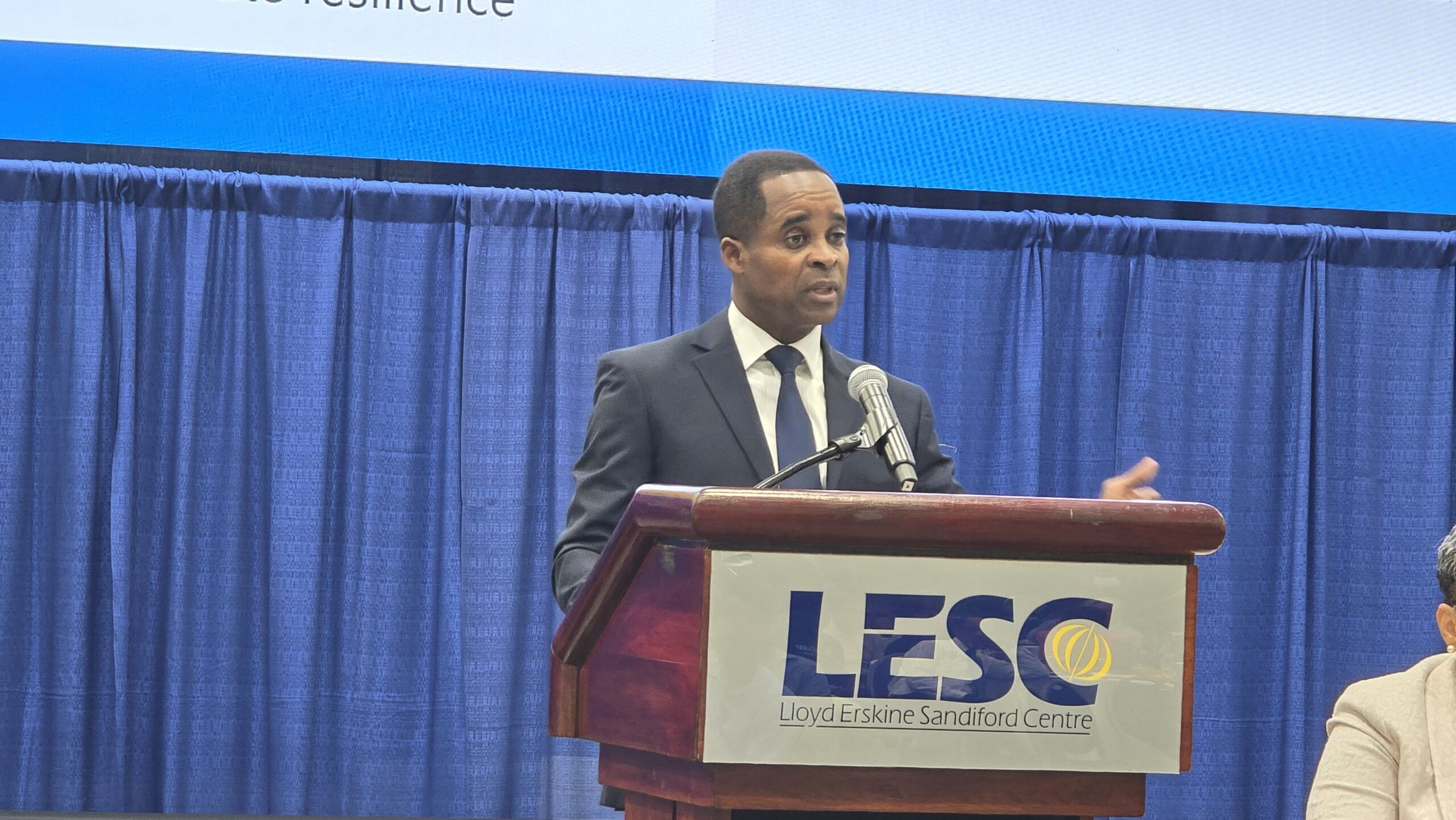
    The formal announcement was delivered Wednesday by Darrin Downes, Director of Foreign Exchange and Fund Management at the Central Bank, during the annual State of the Sector conference hosted at the Lloyd Erskine Sandiford Centre. The program directly addresses a well-documented structural gap in Barbados’ small business economy: a 2024 study led by University of the West Indies management scholar Professor Dwayne Devonish found that the majority of local MSMEs are locked out of commercial lending simply because they lack the traditional collateral that banks require to approve loans.

    Rather than issuing loans directly to businesses, the ECGF operates as a partial guarantee scheme administered by the Central Bank. Under the model, the fund shares a large portion of the default risk with commercial financial institutions, shifting the sector’s historic approach to small business lending from risk aversion to collaborative risk sharing. This reduction in lender risk is intended to encourage banks to approve credit for viable MSME projects that would otherwise be rejected due to insufficient collateral.

    Capital accessed through the ECGF can be allocated to a wide range of productive business uses, including purchasing new equipment, acquiring commercial property, expanding operational infrastructure, and upgrading digital technology. To clear up common public misconceptions about the program, Downes emphasized that the Central Bank does not evaluate loan applications or issue funds directly to borrowers. All application and underwriting processes remain in the hands of commercial banks, where existing customers can discuss their eligibility and loan needs with their account managers.

    The program has clear eligibility requirements designed to target formally operating legitimate MSMEs. To qualify, businesses must be incorporated entities holding all required operating licenses and permits to conduct business in Barbados. Currently, around 45 percent of Barbados’ micro-enterprises meet the incorporation requirement, making them immediately eligible to access the program via their financial institution. Additional caps on size limit participation to businesses with no more than $20 million in annual assets and revenue, and fewer than 200 full-time employees.

    To streamline processing, the entire application workflow is digital, managed through a custom Central Bank platform called CBD Flows. After a commercial bank collects all required documentation from the applicant, the bank submits the request electronically through the portal. The Central Bank reviews the submission and issues a formal decision to the bank within seven business days, creating a fast turnaround for participating businesses.

    Loan sizes under the program start at just $20,000, with total cumulative support per business capped at $6 million. The fund guarantees up to 80 percent of an outstanding loan balance, with a maximum guarantee of $2 million per individual loan. Guarantees have a 10-year tenure, and a 0.7 percent fee is charged on outstanding guaranteed balances, covered by the participating financial institution. Crucially, the program only applies to new loans, not existing outstanding debt.

    Rules are in place to preserve the long-term sustainability of the fund. If a borrower defaults on a loan and the bank submits a successful guarantee claim, the borrowing business becomes permanently ineligible for future support through the ECGF. In the event of default, the Central Bank pays out 100 percent of the guaranteed portion of the loan immediately, and the commercial bank retains responsibility for recovering the remaining 20 percent of the outstanding balance through its standard debt recovery processes.

    The initiative marks a major policy shift to support Barbados’ MSME sector, which forms the backbone of the local economy, addressing one of the most commonly cited barriers to small business growth and job creation across the country.

  • Pro Shottas lead BFA Division One table

    Pro Shottas lead BFA Division One table

    A midweek round of matches in the Barbados Football Association’s Division One delivered its fair share of twists and turned-up table dynamics, with the league’s leading side dropping unexpected points but still clinging to their position at the top of the standings. On Wednesday, title contenders Pro Shottas were held to a goalless draw by Fitts Village, the lowest-ranked team in the 12-club division that has struggled for form all season. Despite dropping two valuable points in the upset result, the side still holds a narrow one-point advantage over their closest challengers as the campaign progresses. The result left Pro Shottas on 18 points overall heading into the next set of fixtures, one clear of second-placed Empire, who entered the round on 17 points. Third place is occupied by Pinelands, who secured a solid 2-0 win over Technique in their most recent outing to bring their points total to 16. Fourth spot belongs to Notre Dame, who put in a dominant performance to run out 4-0 winners against the Barbados Soccer Academy, pushing their points tally to 15. They hold their placing over Technique on goal difference alone, leaving the fifth-placed side still well in the hunt for a higher position. In other results from the matchweek, Parish Land and Deacons played out an entertaining 1-1 draw, with neither side able to clinch all three points after full time. The clash between Silver Sands and Greens also ended level, finishing 2-2 after 90 minutes of play, while Potential Ballers claimed a narrow 1-0 victory over Whitehall to secure three crucial points. After the latest round of matches, newly relegated side Deacons, who dropped down from the Premier League at the end of last season, sits sixth in the table on 15 points. They are followed by Parish Land in seventh on 14 points, with Potential Ballers moving up to eighth on 12 points after their recent win. Whitehall holds ninth place in the current rankings on eight points, while Silver Sands sits 10th with six points accumulated so far this campaign. The battle at the bottom of the division remains tight, with three sides occupying the relegation places at this stage of the season. Barbados Soccer Academy sits in 11th position on five points, just one point above 12th-placed Greens United, who have four points. At the foot of the table, Fitts Village remains rooted to the bottom spot on just two points, despite earning a valuable hard-fought draw against the league leaders this round.

  • Big Break for Small Businesses

    Big Break for Small Businesses

    Belizean micro, small, and medium-sized enterprises (MSMEs) are celebrating a major policy win, with more than 800 businesses across the country gaining formal approval for the government’s landmark MSME Tax Amnesty Programme, national authorities confirmed in an announcement made public on April 16, 2026.

    The initiative, designed to formalize informal economic activity and boost nationwide tax compliance, drew 909 total applications from entrepreneurs and business owners across all districts of Belize. Of these submissions, 806 MSMEs met the programme’s eligibility requirements to unlock its full benefits. Successful applicants will receive a full 12-month exemption from standard business tax, alongside a complete waiver of all accumulated penalties and interest attached to their outstanding historical tax obligations.

    Geographically, participation was concentrated in three of Belize’s most economically active districts: Cayo, Belize District, and Stann Creek. Combined, these three regions accounted for roughly 65% of all total applications submitted to the programme. The remaining 35% of submissions came from business owners operating in the northern districts of Orange Walk and Corozal, as well as the southern district of Toledo.

    When broken down by economic sector, the data reflects Belize’s identity as a service-driven economy. Retail trade claimed the largest single share of applicants, making up 25.6% of all submissions. Food and beverage services followed as the second-largest participating sector at 20.2%. Other high-participation sectors include personal services, tourism and recreation, and accommodation and hospitality—all core pillars of Belize’s domestic and international-facing economy.

    Programme officials outlined that the long-term objectives of the tax amnesty extend beyond immediate tax relief for struggling small businesses. By encouraging formal registration with the Belize Tax Service and improving overall compliance, the government aims to help these small businesses unlock new opportunities: access to formal business financing, government grants, and entry to larger regional and international markets that require formal operating status.

    To qualify for the programme, businesses must fall into one of the three MSME categories (micro, small, or medium) by meeting at least two out of three standard classification metrics: total number of employees, annual sales revenue, and total business asset value. The initiative does exclude a handful of specific sectors, however, including gaming and lottery operations, real estate services, petroleum-related businesses, money lending services, non-tourism focused rental properties, most professional and consultancy services, auto rental companies, and entertainment promotion firms, among other excluded business types.

    The launch of this amnesty programme comes as Belize’s government is working to navigate the 2026 Briceño budget through persistent global economic headwinds, placing a renewed focus on supporting the small business sector that forms the backbone of the country’s domestic economy.

  • Digging Into the Maya Land Issue Following the Alcalde’s Return

    Digging Into the Maya Land Issue Following the Alcalde’s Return

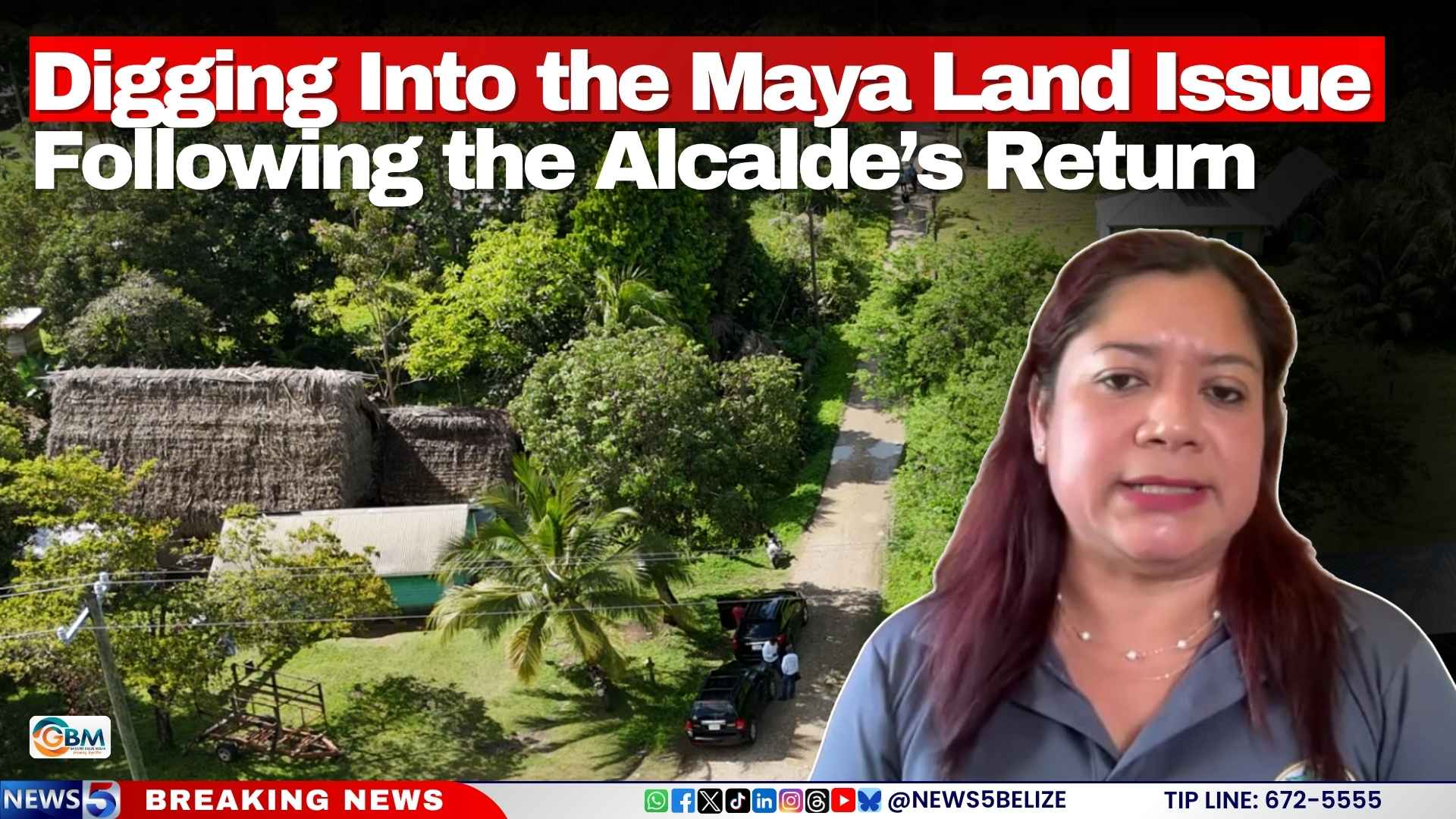
    A decades-long fight over Indigenous land rights in southern Belize has erupted into open unrest, following the brief disappearance and sudden return of a local Indigenous leader that left two community homes damaged by mob violence. The incident has reignited urgent calls for the Belizean government to honor a 10-year-old court order to codify Maya customary land rights, with Indigenous advocacy groups accusing officials of cutting Maya communities out of the legislative process entirely.

    The crisis unfolded this week in Indian Creek Village, Toledo District, where First Alcalde Marcus Canti went missing from his personal farm earlier this week. His disappearance sparked immediate outrage among community members, who took to the streets in protest, damaging the private residences of two local leaders. Canti resurfaced days later, reporting to police that he had been abducted by two unidentified men and is currently receiving outpatient medical care for injuries sustained during the incident.

    In the immediate aftermath of Canti’s disappearance, local authorities briefly detained Village Chairman Domingo Choc and Deputy Alcalde Manuel Ack as persons of interest. Both men were released without charge within days after providing conclusive evidence of their innocence.

    The unrest has thrown long-simmering tensions over unregulated land tenure in the region into the global spotlight. The Sarstoon Temash Institute for Indigenous Management (SATIIM), a leading advocacy group for Maya land rights, issued an official press release calling on the government to immediately pause work on new land tenure legislation until full, meaningful consultations with all affected Maya communities can be completed.

    SATIIM’s statement emphasizes that the Belizean government holds a clear legal obligation to center Maya villages in the development of laws governing customary land tenure, a requirement stemming from a landmark 2015 ruling by the Caribbean Court of Justice. The court ruled that Maya customary land rights are protected under Belize’s constitution and ordered the government to draft and enact formal legislation to safeguard those rights nearly a decade ago. As of 2026, that binding order has yet to be fulfilled.

    The group went on to criticize the government’s opaque legislative process, noting that third-party private landowners have already been granted access to the draft tenure law, while affected Maya communities have not been consulted at all. “That third-party landowners have had access to the draft legislation while Maya communities have yet to be consulted speaks volumes about the deep imbalance of power that continues to define this process,” SATIIM wrote in the release. The group warned that the lack of transparency has already created a fertile ground for misinformation, which has stoked widespread mistrust, fear and rising tension across southern Belize. SATIIM has called on the government to immediately release the full draft of the legislation to all Maya villages and open inclusive, good-faith negotiations before moving forward with a final vote.

    The National Garifuna Council has added its voice to the calls for action, issuing its own statement in solidarity with Indigenous rights across Belize and demanding a full, independent, and transparent investigation into the circumstances of Canti’s alleged abduction.

    Minister of Indigenous People’s Affairs Dr. Louis Zabaneh acknowledged the slow pace of the legislative process this week, confirming that a key meeting of the government’s review panel is scheduled for April 24 to advance the drafting process.

    The immediate conflict centers on 1,500 acres of land at Boden Creek, which is currently privately owned by UK-based conservation group Flora and Fauna International, and managed locally by the Belizean conservation organization Ya’axché Conservation Trust. Earlier this month, before his disappearance, Alcalde Canti issued approximately 280 private land certificates for plots on the Boden Creek property to community members. The Belizean government swiftly declared the certificates invalid and illegal, noting that alcaldes hold no legal authority to grant formal land rights until the long-awaited tenure legislation is enacted.

    Ya’axché Executive Director Christina Garcia explained in an interview with local outlet News Five that the Boden Creek property has a long history of private ownership that predates the founding of the modern Indian Creek Village. According to Garcia, the land was first held by private owners in the 1950s, decades before the current community formed. In the 1970s, agricultural developer Harold Whitney purchased the property and launched farming operations, hiring local workers who eventually settled on land east of the nearby highway – that settlement would grow into modern Indian Creek Village.

    “There was never a permanent settlement on the private Boden Creek property,” Garcia explained. “Our research, cross-referenced with satellite imagery dating back to the 1980s, confirms that settlement developed east of the highway, on what is now the existing Indian Creek community. Those early residents were the same workers Whitney hired to manage his agricultural operations.”

    Whitney sold the Boden Creek property in 1998, and it was eventually acquired by Flora and Fauna International in 2019 for permanent conservation protection. Ya’axché took over day-to-day management of the site in 2021. Garcia told reporters that her organization made repeated attempts over the past five years to open formal dialogue with both the Indian Creek Village Council and the office of the alcalde to resolve boundary disputes, but failed to bring the two factions to the negotiating table. That internal community division, she noted, is the same rift that boiled over into mob violence this week.

    At the core of the ongoing crisis, Garcia argues, is the government’s decade-long failure to set clear rules and boundaries for land tenure. Without formal government guidance, no party – not Indigenous communities, not private landowners, not local elected leaders – has clear direction on where community boundaries lie or what legal process must be followed to resolve disputes. “There needs to be a clear position statement from the government in terms of how it is that we’re going to move forward with identifying these lands,” Garcia said.

    As Belize prepares for the April 24 review panel meeting, Indigenous groups, conservation organizations, and local residents are all waiting to see if the government will finally move to address the 10-year-old court order and defuse the tension that has now erupted into violence.