作者: admin

  • Muhammad Ibrahim to officially assume IICA’s head position this week

    Muhammad Ibrahim to officially assume IICA’s head position this week

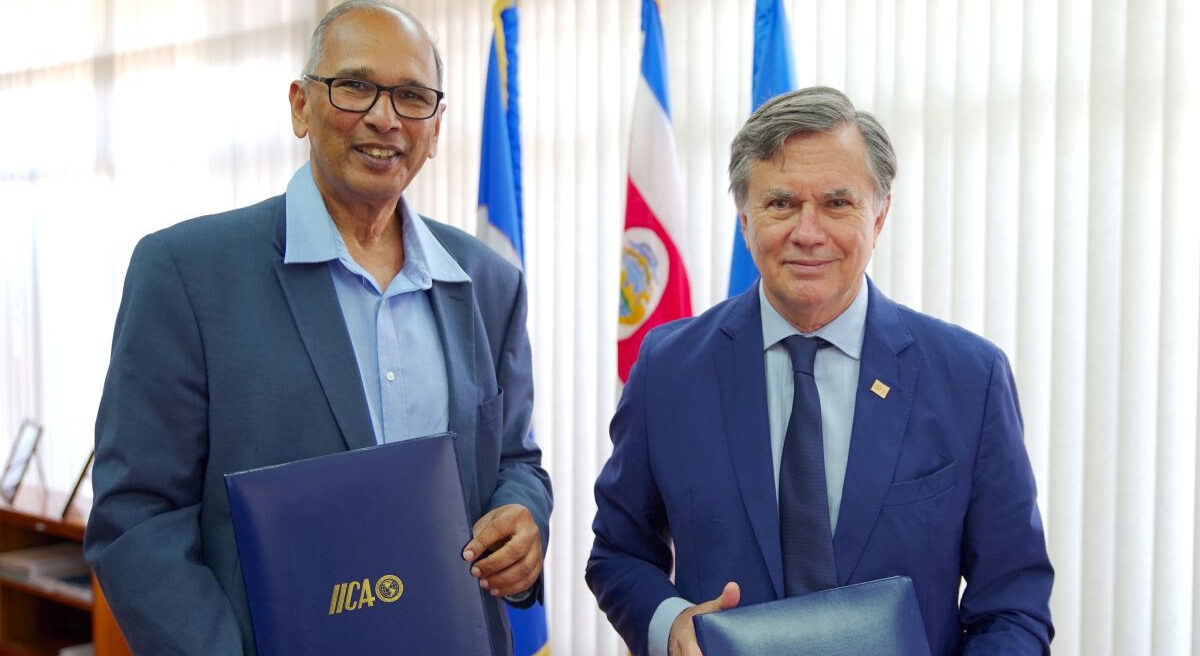
    Dr. Muhammad Ibrahim, an accomplished Guyanese agronomist, officially commenced his tenure as Director General of the Inter-American Institute for Cooperation on Agriculture (IICA) on January 15. His election by agriculture ministers from 32 member nations positions him to lead the organization through the 2026-2030 term, succeeding Argentina’s Manuel Otero who completed two consecutive mandates.

    The inauguration ceremony at IICA’s headquarters in San José, Costa Rica, gathered government ministers, international organization representatives, and senior officials from across the Western Hemisphere. Ibrahim’s assumption of leadership marks a significant transition for the institute, which has undergone substantial transformation under Otero’s guidance since 2018.

    During his predecessor’s administration, IICA implemented sweeping reforms that integrated scientific innovation and technological solutions into cooperative programming, directly benefiting an estimated 10 million farmers and rural inhabitants throughout the Americas. The organization has solidified its role as the principal technical authority on agricultural and rural development, facilitating coordinated policy positions among member states in global forums.

    Ibrahim brings exceptional qualifications to his new role, holding a doctorate in Agricultural and Environmental Sciences from Wageningen University in the Netherlands. His professional trajectory includes thirty-five years of extensive experience across multiple American nations, with a proven record of establishing productive networks between governments, private enterprises, and international partners.

    His immediate priorities include strengthening agricultural development through applied research and technological implementation, while expanding IICA’s capacity to attract investments aimed at transforming agrifood systems. Particular emphasis will be placed on enhancing economic sustainability for small-scale farming operations throughout the region.

    Ibrahim’s previous leadership role as Director General of the Tropical Agricultural Research and Higher Education Center (CATIE) demonstrated his expertise in forging partnerships, mobilizing resources, and advancing sustainable natural resource management. His educational background includes distinguished degrees from the University of Guyana and CATIE, complemented by his doctoral studies at one of the world’s premier academic institutions.
  • Officials warn of severe 2026 dry season

    Officials warn of severe 2026 dry season

    Meteorological authorities in Saint Lucia are issuing urgent warnings about an impending high-impact drought expected to grip the island nation during its 2026 dry season. Drawing parallels to the severe dry spells of 2020 and 2009-2010, officials anticipate persistent arid conditions with temperatures soaring above seasonal norms.

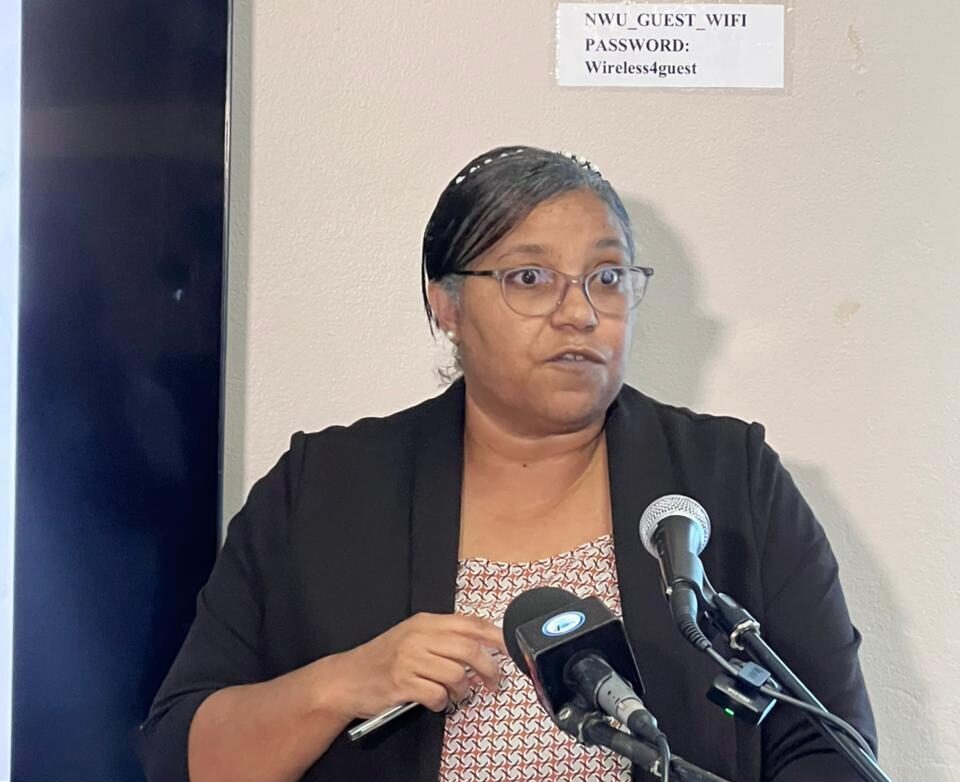
    Vigil Saltibus, Director of Meteorological Services, characterized the developing situation as a significant meteorological event during a recent press conference. “Persistent dry and warmer-than-normal conditions will remain the dominant feature of the season,” Saltibus cautioned, emphasizing the critical need for coordinated water management strategies and public cooperation to mitigate potential socioeconomic consequences.

    The transition from the 2025 wet season into 2026 has already demonstrated alarming rainfall deficiencies. Meteorological data reveals substantial precipitation shortfalls, with Hewanorra International Airport recording a 41% deficit and George F. L. Charles Airport experiencing a 28% reduction compared to historical averages.

    The Caribbean Institute for Meteorology and Hydrology (CIMH) confirms emerging short-term drought conditions across the island, placing considerable stress on natural water sources including rivers, streams, and ponds. The institute further warns of escalating risks to reservoir capacities, groundwater reserves, agricultural productivity, and heightened vulnerability to bushfires.

    Water and Sewerage Company (WASCO) officials acknowledge severe operational challenges, reporting a 50% production decrease in southern distribution networks and significant intake reductions in northern systems. Chief Operations Officer Aly Anthony conceded the approaching season would present substantial difficulties but committed to implementing strategic reserve management to prevent extended service interruptions.

    Immediate countermeasures include replacing filtration systems at the Theobalds treatment facility and accelerating pipeline enhancement projects, particularly focusing on the critical raw water conduit from the John Compton Dam—described as the primary artery for northern water supply.

    Looking toward long-term solutions, Anthony emphasized the inevitability of desalination technology adoption given escalating demand from tourism infrastructure, commercial enterprises, and residential consumers. “We have now reached the point where desalination is imperative,” Anthony stated. “This must become a central feature in our national discourse—we no longer have alternative options.”

    Prime Minister Philip J. Pierre reinforced the urgency during a pre-Cabinet briefing, advocating for rainwater harvesting to become standard practice among citizens. Revealing that his household primarily relies on captured rainwater, the Prime Minister stressed that resolving WASCO’s infrastructural challenges would require sustained effort beyond immediate seasonal constraints.

    The government’s appeals align with the Ministry of Agriculture’s position that water conservation represents both individual responsibility and collective national priority amid accelerating climate change impacts and aging water infrastructure.

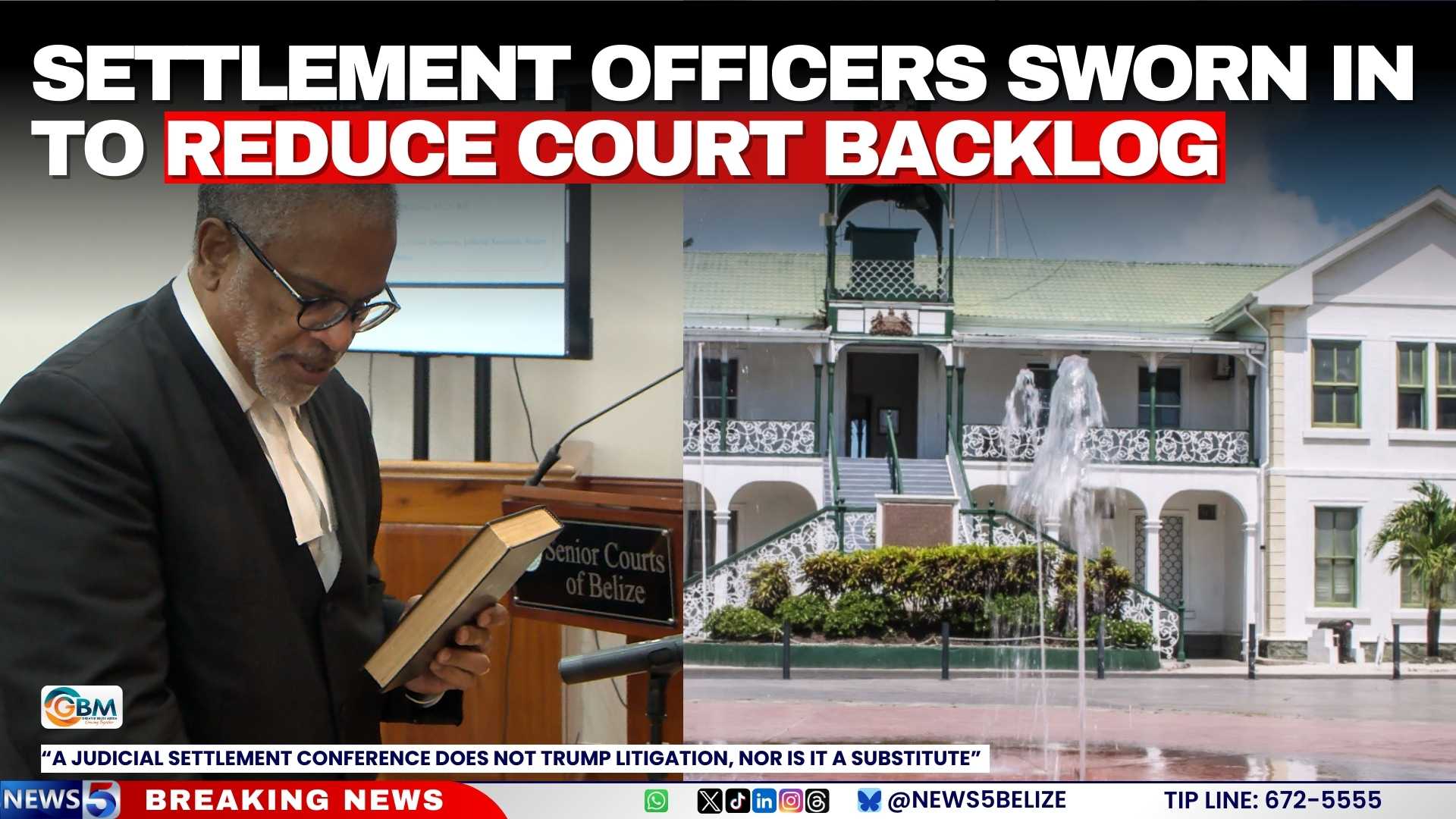
  • Settlement Officers Sworn in to Reduce Court Backlog

    Settlement Officers Sworn in to Reduce Court Backlog

    Belize’s judicial system has entered a new era with the formal inauguration of the Judicial Settlement Conference (JSE) framework, featuring the official swearing-in of seasoned legal professionals as settlement officers. This groundbreaking initiative represents a strategic shift toward alternative dispute resolution within the nation’s civil justice landscape.

    During the ceremonial proceedings, Justice Martha Alexander characterized the development as a “significant institutional advancement” for Belize’s legal infrastructure. She emphasized that the program demonstrates “the progressive evolution of our judicial framework into a contemporary, adaptive system dedicated to the expedient administration of justice.”

    The JSE mechanism enables disputing parties to engage in confidential mediation sessions within a secure environment, facilitated by neutral settlement officers. These appointed guides assist participants in reaching mutually acceptable agreements without immediate recourse to traditional litigation. Justice Alexander clarified that “this process complements rather than replaces trial proceedings, aiming to achieve equitable outcomes that serve the best interests of all involved parties.”

    This judicial innovation primarily targets the reduction of accumulated civil cases by promoting pre-trial settlements. The newly commissioned settlement officers—all accomplished senior attorneys—will leverage their extensive expertise to steer constructive dialogue between conflicting parties. Justice Alexander acknowledged their critical function, stating: “You bear the substantial responsibility of mediating dispute resolutions. We express gratitude for your willingness to contribute your professional experience, balanced judgment, and practical legal acumen.”

    Oversight of the program falls under the purview of the Judicial Settlement Conference Management Committee, presided over by the Chief Justice. This governing body will provide operational support and maintain quality standards for settlement officers executing their duties.

  • Dominica offers advice to countries considering geothermal energy projects

    Dominica offers advice to countries considering geothermal energy projects

    ABU DHABI, UAE — Dominica’s Energy Minister Vince Henderson has issued a cautious warning to fellow small island developing states (SIDS) regarding geothermal energy development, emphasizing that such projects require robust international partnerships to overcome significant financial and technical hurdles.

    Speaking at a ministerial roundtable during the 16th Assembly of the International Renewable Energy Agency (IRENA), Henderson expressed both excitement and apprehension about geothermal potential. “I’m tempted to tell my colleagues from small island developing states, ‘Don’t do this; it’s too expensive’,” he revealed during the “Geothermal Heat and Power – Building a Resilient Energy Backbone” discussion.

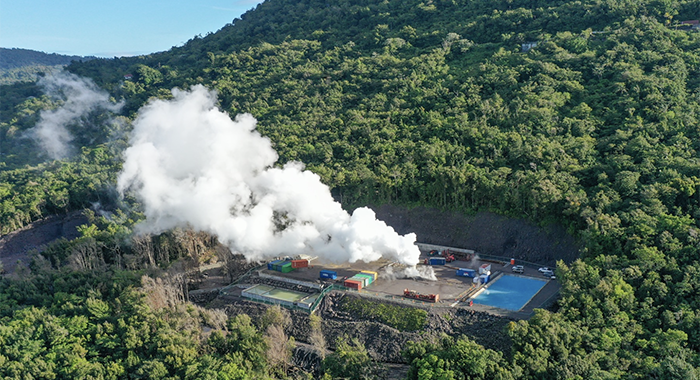
    Despite his reservations, Henderson confirmed that Dominica is preparing to launch commercial operations at a 10-megawatt geothermal plant in the Roseau Valley this March, following nearly two decades of development. This milestone was only achievable through extensive international collaboration, including critical support from the European Union, which facilitated initial test drilling in 2011 through partnerships with Guadeloupe and Martinique.

    Additional technical and financial assistance came from a consortium including the United Kingdom, Iceland, the World Bank, New Zealand, and the Clinton Global Initiative. Henderson stressed that such partnerships were essential for cost reduction, specialized expertise, and navigating complex legislative frameworks.

    The minister outlined multiple challenges facing SIDS in geothermal development: prohibitive drilling costs, inadequate transmission infrastructure, project guarantee difficulties, climatic vulnerabilities including hurricane risks, and managing community expectations. He particularly emphasized the need for grants and special facilities to help member states de-risk resource assessment phases.

    Henderson also highlighted the importance of community engagement, recalling initial local opposition that required diplomatic intervention. While communities have since become project supporters, new challenges await in managing expectations for electricity price reductions once the plant becomes operational.

    The minister acknowledged IRENA’s active role in promoting geothermal development but called for more comprehensive support systems for vulnerable nations pursuing renewable energy transitions.

  • National Bar Association  Host 2026 Midwinter Convention in Antigua and Barbuda

    National Bar Association  Host 2026 Midwinter Convention in Antigua and Barbuda

    In a landmark decision signaling a new era for international legal discourse, the National Bar Association (NBA) has announced Antigua and Barbuda as the host nation for its prestigious 2026 Midwinter Convention. This selection marks a significant moment, representing the first time the prominent organization will hold its key annual gathering within the Caribbean region.

    The convention, scheduled for early 2026, is anticipated to draw a distinguished assembly of legal professionals, including attorneys, judges, scholars, and policymakers from across the African diaspora and the global legal community. The event will serve as a premier platform for critical dialogue on pressing international legal issues, professional development, and the advancement of judicial excellence.

    This strategic choice by the NBA underscores a deliberate effort to foster greater inclusivity within the global legal landscape and to highlight the vibrant professional communities within the Caribbean. Hosting the event is expected to provide a substantial economic boost to Antigua and Barbuda’s tourism and hospitality sectors, while simultaneously elevating the nation’s profile as a center for serious international conferences and diplomatic engagement.

    The week-long convention will feature an extensive agenda comprising continuing legal education (CLE) seminars, judicial panels, networking receptions, and community outreach initiatives. Key topics for discussion are projected to encompass transnational law, climate justice, international trade agreements, and the evolving role of technology in legal practice.

  • Backyard gardening competition offers cash prizes up to $7,500

    Backyard gardening competition offers cash prizes up to $7,500

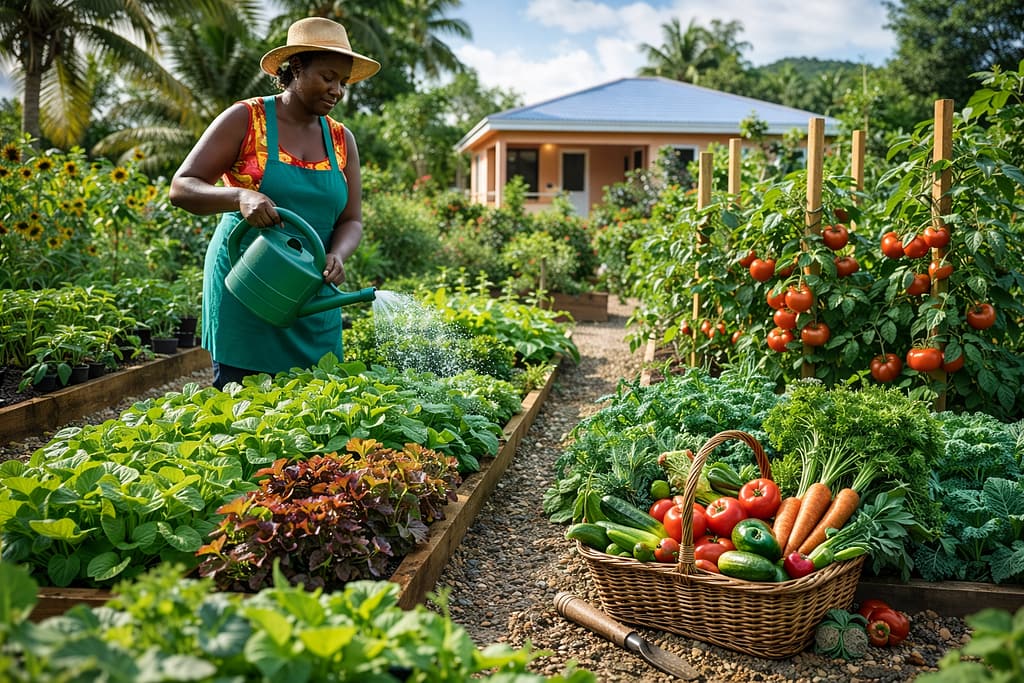
    The government of Antigua and Barbuda has launched an innovative national competition to transform home gardening into a strategic food security initiative. Dubbed ‘Plant to Plate,’ the program offers substantial monetary incentives ranging from $3,500 to $7,500 for top performers in backyard cultivation.

    This competition represents a cornerstone of a broader governmental strategy to mitigate dependence on imported foodstuffs, enhance community resilience, and alleviate rising living costs through domestic agricultural production. Registration is currently open through dedicated online portals, designed for accessibility on both mobile and desktop platforms. The initiative welcomes both novice and experienced gardeners, though first-time participants must complete a separate registration to be officially recognized as backyard growers prior to competition entry.

    Beyond the financial rewards, which include a top prize of $7,500, a second-place award of $5,000, and $3,500 for third place, enrolled participants will gain access to expert technical support and guidance via the nation’s agricultural extension services. This comprehensive support system aims to ensure participants’ success and sustainable gardening practices.

    Government officials are urging widespread and early registration, emphasizing that citizen engagement is fundamental to achieving the program’s overarching objectives: expanding local food production capabilities and fortifying national food security. The competition’s online registration for the event is available at https://shorturl.at/9zD8D, while first-time backyard gardener registration can be completed at https://shorturl.at/ag4lq.

  • Hoe beleggers goud kopen en wat de markt drijft

    Hoe beleggers goud kopen en wat de markt drijft

    Gold achieved a historic milestone on Monday, breaching the $4,600 per ounce threshold for the first time in 2026. This remarkable surge continues the precious metal’s record-breaking trajectory from 2025, fueled by escalating geopolitical tensions and anticipations of looser US monetary policy.

    Investment Pathways in Gold:

    The spot market serves as the primary arena for major buyers and institutional investors, where prices fluctuate in real-time based on supply and demand dynamics. London dominates this sector through the London Bullion Market Association (LBMA), which establishes standards and trading frameworks for financial institutions. Significant trading activity also occurs in China, India, Middle Eastern markets, and the United States.

    Futures exchanges enable investors to trade gold at predetermined prices for future delivery dates. COMEX, operating under the New York Mercantile Exchange, represents the world’s largest gold futures marketplace. Asian markets participate actively through the Shanghai Futures Exchange and Tokyo Commodity Exchange (TOCOM).

    Exchange-Traded Products (ETPs) provide accessible exposure to gold prices without physical ownership. Gold-backed exchange-traded funds (ETFs) witnessed unprecedented inflows during 2025, particularly from North American investors who contributed $89 billion according to World Gold Council data.

    Retail investors frequently opt for physical gold bars and coins, available through both traditional dealers and online platforms.

    Market Driving Forces:

    Investment sentiment remains a powerful price catalyst, with fund managers responding to market trends, news developments, and global events through speculative positioning.

    Currency fluctuations significantly impact gold’s attractiveness. The metal traditionally moves inversely to the US dollar, becoming more affordable to foreign currency holders when the dollar weakens.

    Monetary policy decisions and political instability reinforce gold’s safe-haven status. Trade conflicts, such as those initiated through Trump-era tariffs, and geopolitical tensions involving Venezuela and Greenland have amplified market uncertainty. Interest rate environments further influence gold’s appeal, as lower rates reduce the opportunity cost of holding non-yielding assets.

    Central banks have emerged as substantial market participants, accelerating gold acquisitions amid macroeconomic and political uncertainties. The World Gold Council reports continued strengthening of this trend, with November 2025 purchases reaching 45 tons, bringing the eleven-month total to 297 tons. China spearheaded these acquisitions, expanding reserves beyond 74 million troy ounces.

    Gold maintains its position as a multifaceted investment vehicle, driven by complex interactions between market forces, geopolitical developments, and monetary policies. Market analysts will closely monitor its performance throughout 2026 as these dynamics continue to evolve.

  • NCSA warns of ‘slow diversification’ in drug use as new substances emerge

    NCSA warns of ‘slow diversification’ in drug use as new substances emerge

    Barbados is confronting a concerning evolution in its drug landscape as the National Council on Substance Abuse (NCSA) reports a gradual but significant diversification beyond traditional substances. While marijuana, tobacco, alcohol, and cocaine remain the predominant choices among Barbadians, new psychoactive compounds have emerged on the island between 2023 and 2025, signaling a shift in consumption patterns.

    Troy Wickham, Deputy Manager of the NCSA, revealed during Drug Awareness Month that the council’s surveillance has identified several novel substances entering the local market. These include MDMA (commonly known as ecstasy), methamphetamine, synthetic cannabinoids (specifically MDMB4en PINACA and 4-Fluoro MDMB Butica), and semi-synthetic cannabinoids like hexahydrocannabinol.

    The proliferation of these substances transcends statistical data, manifesting in increased treatment facility admissions. Young males under 40 continue to dominate both treatment referrals and encounters with the criminal justice system related to substance abuse. Wickham noted a surge in outreach from educational institutions, families, and communities seeking intervention services during the awareness month, ranging from educational sessions to counseling and rehabilitation.

    Despite the NCSA offering free counseling services to all citizens, prevention efforts face substantial challenges. Social stigma surrounding substance abuse discourages early intervention, compounded by an apparent normalization of marijuana use despite its illegal status in Barbados. Wickham expressed particular concern about open marijuana consumption across age groups and genders in public spaces, describing it as a worrying trend toward normalization.

    The deputy manager urged heightened vigilance among parents, guardians, and educators, emphasizing the importance of recognizing behavioral and physical indicators of substance use. Warning signs include erratic behavior, aggression, memory impairment, anxiety, and changes in social circles. Physical evidence may include drug-branded clothing, vaping devices, and small zip-lock bags.

    Wickham stressed that parental warmth and active involvement constitute crucial protective factors, underscoring that strong familial relationships play a pivotal role in prevention and early intervention strategies.

  • U.S. reports revoking over 100,000 visas since Trump’s election

    U.S. reports revoking over 100,000 visas since Trump’s election

    In a sweeping immigration enforcement initiative, the U.S. State Department has canceled more than 100,000 visas since President Donald Trump’s inauguration last January—representing the highest revocation rate in modern history. This aggressive approach forms a cornerstone of the administration’s tightened border security and immigration control policies implemented following Trump’s return to power.

    The visa cancellations form part of a multi-pronged strategy that includes enhanced vetting procedures for new applicants and widespread deportations of migrants, including some previously holding valid documentation. The administration has implemented rigorous screening protocols featuring expanded social media background checks and intensified security evaluations to identify potential threats.

    Deputy spokesperson Tommy Pigott revealed that approximately 8,000 student visas and 2,500 specialized visas were among those revoked, primarily from individuals who had encountered U.S. law enforcement on criminal charges. Leading causes for revocation included visa overstays, driving under influence offenses, assault charges, and theft-related convictions. The current revocation numbers show a dramatic 150% increase compared to 2024 figures.

    To streamline these enforcement efforts, the State Department established a dedicated Continuous Vetting Center tasked with ensuring foreign nationals comply with legal requirements and promptly revoking visas from those deemed to ‘pose a threat to American citizens.’

    Additionally, diplomatic personnel have received directives to exercise heightened scrutiny toward visa applicants displaying perceived hostility toward U.S. interests or those with histories of political activism. Administration officials have further indicated that student visa holders and lawful permanent residents—including green card holders—may face deportation for expressing support for Palestinians or criticizing Israel’s military operations in Gaza, which some officials equate with supporting Hamas.

    This policy shift has resulted in targeting individuals with minor infractions that previously might not have jeopardized their legal status, signaling a substantial hardening of immigration enforcement standards.

  • Former partners in suspected murder-suicide at city guest house

    Former partners in suspected murder-suicide at city guest house

    A shocking incident unfolded at a Georgetown guest house early Tuesday morning, resulting in the deaths of two employees in what authorities are investigating as a murder-suicide. The tragedy occurred at an establishment on Lime Street between approximately 5:00 AM and 8:15 AM, according to the Guyana Police Force.

    The victims have been identified as 31-year-old Loriann, who worked as a housekeeper, and 36-year-old Cyril Saul, employed as a security guard at the same facility. Police investigations revealed that both individuals were the sole staff members on duty during the overnight shift when the incident occurred.

    Law enforcement officials disclosed that the two had previously been involved in a romantic relationship that reportedly ended approximately two months prior to the tragic event. Responding officers discovered the woman lying motionless in one of the rooms with visible injuries, while the man was found unresponsive in a separate area of the premises.

    A medical professional from the Georgetown Public Hospital Corporation pronounced both victims dead at the scene. Investigators have secured multiple items as evidence, including a firearm, ammunition, a knife, and a quantity of suspected controlled substances. CCTV footage from the property has been reviewed and forms a crucial component of the ongoing investigation.

    The police statement noted that several individuals have been contacted and questioned as part of the investigative process. The bodies have been transported to the Memorial Funeral Parlour Mortuary where they await post-mortem examinations to determine the exact causes of death.